

Regulation of extracellular vesicles for protein secretion in Aspergillus nidulans
This study reveals that Aspergillus nidulans boosts extracellular vesicle production when ER-trafficked enzymes are induced, uncovering how fungi remodel their secretome through vesicle-mediated secretion to adapt to changing environments and biofilm formation.

Transcriptomic response to different heme sources in Trypanosoma cruzi epimastigotes
This study uncovers how the Chagas disease parasite adapts to changes in heme, an essential molecule for its survival, providing transcriptional clues to heme metabolism and identifying a previously unreported heme-binding protein in T. cruzi.

Luminal acetylation of microtubules is not essential for Plasmodium berghei and Toxoplasma gondii survival
Acetylation of α-tubulin at lysine 40 is not essential for cytoskeletal stability in Plasmodium berghei or Toxoplasma gondii, suggesting redundancy and plasticity in microtubule regulation in these parasites.

The dual-site agonist for human M2 muscarinic receptors Iper-8-naphtalimide induces mitochondrial dysfunction in Saccharomyces cerevisiae
S. cerevisiae is a model to study human GPCRs. N-8-Iper, active against glioblastoma via M2 receptor, causes mitochondrial damage in yeast by binding Ste2, highlighting evolutionary conservation of GPCRs.

Integrative Omics reveals changes in the cellular landscape of peroxisome-deficient pex3 yeast cells
To uncover the consequences of peroxisome deficiency, we compared Saccharomyces cerevisiae wild-type with pex3 cells, which lack peroxisomes, employing quantitative proteomics and transcriptomics technologies.
Regulation of extracellular vesicles for protein secretion in Aspergillus nidulans
Rebekkah E. Pope1, Patrick Ballmann2, Lisa Whitworth3 and Rolf A. Prade1,*
This study reveals that Aspergillus nidulans boosts extracellular vesicle production when ER-trafficked enzymes are induced, uncovering how fungi remodel their secretome through vesicle-mediated secretion to adapt to changing environments and biofilm formation.
Transcriptomic response to different heme sources in Trypanosoma cruzi epimastigotes
Evelyn Tevere1,a, María G. Mediavilla1,a, Cecilia B. Di Capua1, Marcelo L. Merli1, Carlos Robello2,3, Luisa Berná2,4 and Julia A. Cricco
This study uncovers how the Chagas disease parasite adapts to changes in heme, an essential molecule for its survival, providing transcriptional clues to heme metabolism and identifying a previously unreported heme-binding protein in T. cruzi.
Sir2 regulates selective autophagy in stationary-phase yeast cells
Ji-In Ryua, Juhye Junga, and Jeong-Yoon Kim
This study establishes Sir2 as a previously unrecognized regulator of selective autophagy during the stationary phase and highlight how cells dynamically control organelle degradation.
Persistence phenotype of adherent-invasive Escherichia coli in response to ciprofloxacin, revealing high-persistence strains
Valeria Pérez-Villalobos1, Roberto Vidal2, Marcela A. Hermoso3,4 and Paula Bustamante1
We investigated the roles of the resident antibiotic resistance plasmid, the stress response protein HtrA, and macrophage-induced persister formation. Our results revealed broad variability in persister cell formation among AIEC strains.
Knocking out histidine ammonia-lyase by using CRISPR-Cas9 abolishes histidine role in the bioenergetics and the life cycle of Trypanosoma cruzi
Janaína de Freitas Nascimento1, María Julia Barisón1, Gabriela Torres Montanaro1, Letícia Marchese1, Rodolpho Ornitz Oliveira Souza1, Letícia Sophia Silva2, Alessandra Aparecida Guarnieri2 and Ariel Mariano Silber1
Recent studies have highlighted the importance of this pathway in ATP production, redox balance, and the maintenance of cellular homeostasis in T. cruzi. In this work, we focus on the first step of the histidine degradation pathway, which is performed by the enzyme histidine ammonia lyase. Here we determined the kinetic and biochemical parameters of the T. cruzi histidine ammonia-lyase.
Dissecting the cell cycle regulation, DNA damage sensitivity and lifespan effects of caffeine in fission yeast
John-Patrick Alao1, Juhi Kumar1, Despina Stamataki2 and Charalampos Rallis1
Our findings show that caffeine accelerates mitotic division and is beneficial for CLS through AMPK. Direct pharmacological targeting of AMPK may serve towards healthspan and lifespan benefits beyond yeasts, given the highly conserved nature of this key regulatory cellular energy sensor.

An adenine model of inborn metabolism errors alters TDP-43 aggregation and reduces its toxicity in yeast revealing insights into protein misfolding diseases
Sangeun Park, Sei-Kyoung Park, Peter Blair and Susan W. Liebman
This work offers new insights into the potential interactions between me-tabolite-based amyloids and pathological protein aggregates, with broad implications for understanding protein misfolding diseases.
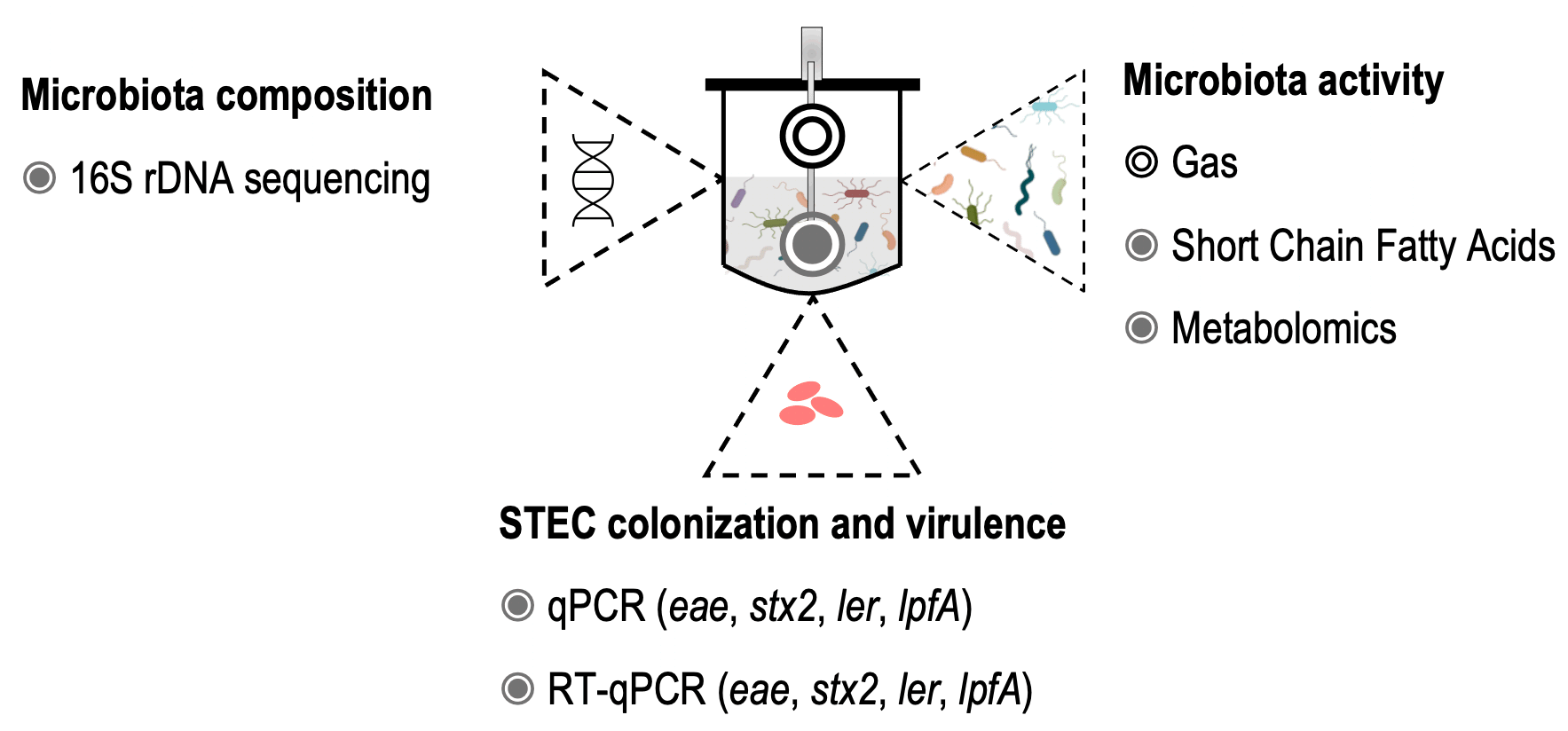
Microbiota and metabolome dynamics induced by Shiga toxin-producing E. coli in an in vitro model of an infant’s colon
Mariana Izquierdo1,a, Deborah O’Sullivan2,a, Ophélie Uriot2, Morgane Brun2, Claude Durif2, Sylvain Denis2, Pablo Gallardo1, Cormac G M Gahan3-5, Lucie Etienne-Mesmin2, Stéphanie Blanquet-Diot2,b and Mauricio J. Farfan1.b
This study provides new evidence of the impact of EHEC in the microbiota and metabolome dynamics in an in vitro gut model that could be useful in understanding their physiopathology in this at-risk population, considering inter-individual variabilities in gut microbiota.

Ampicillin treatment in persister cell studies may cause non-physiological artifacts
Michel Fasnacht1,2, Hena Comic1,2, Isabella Moll1,2
This study shows at the example of L2 how insufficient purification of ampicillin persister cells can lead to the generation of non-physiological artifacts and provides a novel tool to improve the removal of residual cell debris.

Clostridium scindens promotes gallstone formation by inducing intrahepatic neutrophil extracellular traps through CXCL1 produced by colonic epithelial cells
Wenchao Yao1,a, Yuanhang He2,3,a, Zhihong Xie2,3, Qiang Wang2,3, Yang Chen2,4, Jingjing Yu2,3, Xuxu Liu2,3, Dongbo Xue2,3 , Liyi Wang2,3 and Chenjun Hao2,3
Through in vivo and in vitro experiments, we validated the reliability of C. scindens stimulating colonic epithelial cells to produce TLR2, activating the NF-κB signaling pathway, promoting CXCL1 expres-sion, and inducing intrahepatic neutrophil NETosis, which may be associated with gallstone formation.

Integrative Omics reveals changes in the cellular landscape of peroxisome-deficient pex3 yeast cells
Tjasa Kosir1,a, Hirak Das2,a, Marc Pilegaard Pedersen1, Ann-Kathrin Richard2, Marco Anteghini3,4, Vitor Martins dos Santos4,5, Silke Oeljeklaus2, Ida J. van der Klei1 and Bettina Warscheid2
To uncover the consequences of peroxisome deficiency, we compared Saccharomyces cerevisiae wild-type with pex3 cells, which lack peroxisomes, employing quantitative proteomics and transcriptomics technologies.
Peering into the ‘black box’ of pathogen recognition by cellular autophagy systems
Shu-chin Lai# and Rodney J Devenish
Autophagy is an intracellular process that plays an important role in protecting eukaryotic cells and maintaining intracellular homeostasis. This review summarises the available evidence regarding the specific recognition of invading pathogens by which they are targeted into host autophagy pathways.
Per aspera ad astra: When harmful chromosomal translocations become a plus value in genetic evolution. Lessons from Saccharomyces cerevisiae
Valentina Tosato and Carlo V. Bruschi
This review will focus on chromosomal translocations (either spontaneous or induced) in budding yeast. Indeed, very few organisms tolerate so well aneuploidy like Saccharomyces, allowing in depth studies on chromosomal numerical aberrations. The phenomenon of post-translocational adaptation (PTA) is discussed, providing some new unpublished data and proposing the hypothesis that translocations may drive evolution through adaptive genetic selection.
Intracellular phase for an extracellular bacterial pathogen: MgtC shows the way
Audrey Bernut1,#, Claudine Belon1, Chantal Soscia2, Sophie Bleves2, Anne-Béatrice Blanc-Potard1
This article discusses the article “A macrophage subversion factor is shared by intracellular and extracellular pathogens” by Belon et al. (PLoS Pathogens 11(6): e1004969, 2015).
The role of transcriptional ‘futile cycles’ in autophagy and microbial pathogenesis
Guowu Hu1, Travis McQuiston1, Amélie Bernard2, Yoon-Dong Park1, Jin Qiu1, Ali Vural3, Nannan Zhang1, Scott R. Waterman1, Nathan H. Blewett4, Timothy G. Myers5, John H. Kehrl3, Gulbu Uzel1, Daniel J. Klionsky2 and Peter R. Williamson1
Eukaryotic cells utilize macroautophagy (hereafter autophagy) to recycle cellular materials during nutrient stress. Target of rapamycin (Tor) is a central regulator of this process, acting by post-translational mechanisms, phosphorylating preformed autophagy-related (Atg) proteins to repress autophagy during log-phase growth. A role for this regulatory process in fungal virulence was further demonstrated by showing that overexpression of the Dcp2-associated mRNA-binding protein Vad1 in the AIDS-associated pathogen Cryptococcus neoformans results in constitutive repression of autophagy even under starvation conditions as well as attenuated virulence in a mouse model. In summary, Tor-dependent post-transcriptional regulation of autophagy plays a key role in the facilitation of microbial pathogenesis.
The many facets of homologous recombination at telomeres
Clémence Claussin and Michael Chang
The ends of linear chromosomes are capped by nucleoprotein structures called telomeres. A dysfunctional telomere may resemble a DNA double-strand break (DSB), which is a severe form of DNA damage. The presence of one DSB is sufficient to drive cell cycle arrest and cell death. Therefore cells have evolved mechanisms to repair DSBs such as homologous recombination (HR). HR-mediated repair of telomeres can lead to genome instability, a hallmark of cancer cells, which is why such repair is normally inhibited. However, some HR-mediated processes are required for proper telomere function. The need for some recombination activities at telomeres but not others necessitates careful and complex regulation, defects in which can lead to catastrophic consequences. Furthermore, some cell types can maintain telomeres via telomerase-independent, recombination-mediated mechanisms. In humans, these mechanisms…
From the baker to the bedside: yeast models of Parkinson’s disease
Regina Menezes1,2, Sandra Tenreiro3,5, Diana Macedo2, Cláudia N. Santos1,2, Tiago Fleming Outeiro4,5,6
The baker’s yeast Saccharomyces cerevisiae has been extensively explored for our understanding of fundamental cell biology processes highly conserved in the eukaryotic kingdom. This review provides a brief historical perspective on the emergence of yeast as an experimental model and on how the field evolved to exploit the potential of the model for tackling the intricacies of various human diseases. In particular, the authors focus on existing yeast models of the molecular underpinnings of Parkinson’s disease (PD), focusing primarily on the central role of protein quality control systems.
Why are essential genes essential? – The essentiality of Saccharomyces genes
Zhaojie Zhang and Qun Ren
Essential genes are defined as required for the survival of an organism or a cell. This article reviews and analyzes the levels of essentiality of the Saccharomyces cerevisiae genes and groups the genes into four categories: (1) Conditional essential: essential only under certain circumstances or growth conditions; (2) Essential: required for survival under optimal growth conditions; (3) Redundant essential: synthetic lethal due to redundant pathways or gene duplication; and (4) Absolute essential: the minimal genes required for maintaining a cellular life under a stress-free environment. The essential and non-essential functions of the essential genes are further analyzed.
Membrane depolarization-triggered responsive diversification leads to antibiotic tolerance
Natalie Verstraeten, Wouter Joris Knapen, Maarten Fauvart, Jan Michiels
In this article, the authors discuss the article “Obg and membrane depolarization are part of a microbial bet-hedging strategy that leads to antibiotic tolerance”, Verstraeten et al., Mol. Cell 2015 Jul 2; 59 (1): 9-21.
Evolutionary rewiring of bacterial regulatory networks
Tiffany B. Taylor1,*, Geraldine Mulley1, Liam J. McGuffin1, Louise J. Johnson1, Michael A. Brockhurst2, Tanya Arseneault1,3, Mark W. Silby4 and Robert W. Jackson1,5
Bacteria have evolved complex regulatory networks that enable integration of multiple intracellular and extracellular signals to coordinate responses to environmental changes. However, our knowledge of how regulatory systems function and evolve is still relatively limited. There is often extensive homology between components of different networks, due to past cycles of gene duplication, divergence, and horizontal gene transfer, raising the possibility of cross-talk or redundancy. Consequently, evolutionary resilience is built into gene networks – homology between regulators can potentially allow rapid rescue of lost regulatory function across distant regions of the genome. This article discusses Taylor, et al. Science (2015), 347(6225), reporting mutations that facilitate cross-talk between pathways can contribute to gene network evolution, but which come with severe pleiotropic costs. Arising from this work are a number of questions surrounding how this phenomenon occurs.
Non-genetic impact factors on chronological lifespan and stress resistance of baker’s yeast
Michael Sauer and Diethard Mattanovich
This article comments on work published by Bisschops et al. (Microbial Cell, 2015), which illustrates how important the choice of the experimental setup is and how culture conditions influcence cellular aging and survival in biotechnological processes.
What’s old is new again: yeast mutant screens in the era of pooled segregant analysis by genome sequencing
Chris Curtin and Toni Cordente
This article comments on work published by Den Abt et al. (Microbial Cell, 2016), which identified genes involved in ethyl acetate formation in a yeast mutant screen based on a new approach combining repeated rounds of chemical mutagenesis and pooled segregant analysis by whole genome sequencing.
The complexities of bacterial-fungal interactions in the mammalian gastrointestinal tract
Eduardo Lopez-Medina1 and Andrew Y. Koh2
This article comments on work published by Lopez-Medina et al. (PLoS Pathog, 2015) and Fan et al. (Nat Med, 2015), which utilize an “artificial” niche, the antibiotic-treated gut with concomitant pathogenic microbe expansion, to gain insight in bacterial-fungal interactions in clinically common scenarios.
Gearing up for survival – HSP-containing granules accumulate in quiescent cells and promote survival
Ruofan Yu and Weiwei Dang
This article comments on work published by Lee et al. (Microbial Cell, 2016), which reports that distinct granules are formed in quiescent and non-quiescent cells, which determines their respective cell fates.
Yeast screening platform identifies FDA-approved drugs that reduce Aβ oligomerization
Triana Amen1,2 and Daniel Kaganovich1
This article comments on work published by Park et al. (Microbial Cell, 2016), which discovered a number of small molecules capable of modulating Aβ aggregation in a yeast model.
Groupthink: chromosomal clustering during transcriptional memory
Kevin A. Morano
In this article, the authors comment on the study “NO1 transcriptional memory leads to DNA zip code-dependent interchromosomal clustering.” by Brickner et al. (Microbial Cell, 2015), discussing the importance and molecular mechanisms of chromosomal clustering during transcriptional memory.
Yeast proteinopathy models: a robust tool for deciphering the basis of neurodegeneration
Amit Shrestha1, 2 and Lynn A. Megeney1, 2, 3
Protein quality control or proteostasis is an essential determinant of basic cell health and aging. Eukaryotic cells have evolved a number of proteostatic mechanisms to ensure that proteins retain functional conformation, or are rapidly degraded when proteins misfold or self-aggregate. This article discusses the use of budding yeast as a robust proxy to study the intersection between proteostasis and neurodegenerative disease.
Microbial Cell
is an open-access, peer-reviewed journal that publishes exceptionally relevant research works that implement the use of unicellular organisms (and multicellular microorganisms) to understand cellular responses to internal and external stimuli and/or human diseases.
you can trust

Can’t find what you’re looking for?
You can browse all our issues and published articles here.
FAQs
Peer-reviewed, open-access research using unicellular organisms (and multicellular microorganisms) to understand cellular responses and human disease.
The journal (founded in 2014) is led by its Editors-in-Chief Frank Madeo, Didac Carmona-Gutierrez, and Guido Kroemer
Microbial Cell has been publishing original scientific literature since 2014, and from the very beginning has been managed by active scientists through an independent Publishing House (Shared science Publishers). The journal was conceived as a platform to acknowledge the importance of unicellular organisms, both as model systems as well as in the biological context of human health and disease.
Ever since, Microbial Cell has very positively developed and strongly grown into a respected journal in the unicellular research community and even beyond. This scientific impact is reflected in the yearly number of citations obtained by articles published in Microbial Cell, as recorded by the Web of Science (Clarivate, formerly Thomson/Reuters):

The scientific impact of Microbial Cell is also mirrored in a series of milestones:
2015: Microbial Cell is included in the Emerging Sources Citation Index (ESCI), a selection of developing journals drafted by Clarivate Analytics based on the candidate’s publishing standards, quality, editorial content, and citation data. Note: As an ESCI-selected journal, Microbial Cell is currently being evaluated in a rigorous and long process to determine an inclusion in the Science Citation Index Expanded (SCIE), which allows the official calculation of Clarivate Analytics’ impact factor.

2016: Microbial Cell is awarded the so-called DOAJ Seal by the selective Directory of Open Access Journals (DOAJ). The DOAJ Seal is an exclusive mark of certification for open access journals granted by DOAJ to journals that adhere to outstanding best practice and achieve an extra high and clear commitment to open access and high publishing standards.

2017: Microbial Cell is included in Pubmed Central (PMC), allowing the archiving of all the journal’s articles in PMC and PubMed.

2019: Microbial Cell is indexed in the prestigious abstract and citation database Scopus after a thorough selection process. This also means that Microbial Cell obtains, for the first time, an official Scopus CiteScore as well as an official journal ranking in the Scimago Journal and Country Ranking.

2022: Microbial Cell’s CiteScore reaches a value of 7.2 for the year 2021, positioning Microbial Cell among the top microbiology journals (previously available CiteScores: 2019: 5.4; 2020: 5.1).

2022: Microbial Cell is indexed in the highly selective Science Citation Index Expanded™, which covers approx. 9,500 of the world’s most impactful journals across 178 scientific disciplines. In their journal selection and curation process, Clarivate´s editors apply 24 ‘quality’ criteria and four ‘impact’ criteria to select the most influential journals in their respective fields. This selection is also a pre-requisite for inclusion in the JCR, which features the impact factor.

2022: Microbial Cell is listed in the Journal Citation Reports™ (JCR), and obtains its first official Journal Impact Factor™ (JIF) for the year 2021: 5.316.Check Article Types and Manuscript Preparation guidelines. Submit online via Scholastica.
Similar environments but diverse fates: Responses of budding yeast to nutrient deprivation.
Saul M. Honigberg
Diploid budding yeast (Saccharomyces cerevisiae) can adopt one of several alternative differentiation fates in response to nutrient limitation, and each of these fates provides distinct biological functions. When different strain backgrounds are taken into account, these various fates occur in response to similar environmental cues, are regulated by the same signal transduction pathways, and share many of the same master regulators. I propose that the relationships between fate choice, environmental cues and signaling pathways are not Boolean, but involve graded levels of signals, pathway activation and master-regulator activity.