
Vol. 10, 2023
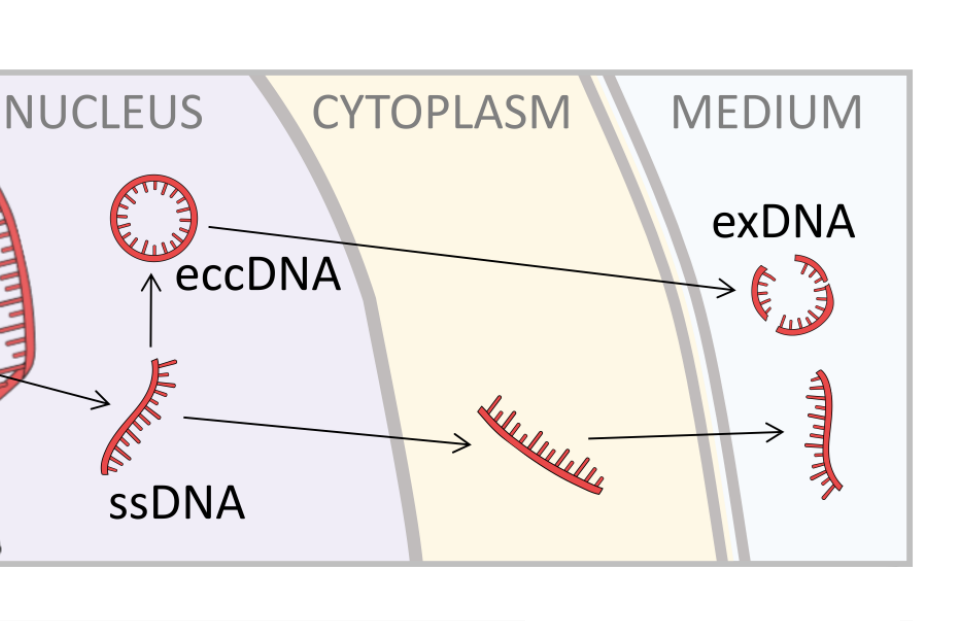
Extracellular DNA secreted in yeast cultures is metabolism-specific and inhibits cell proliferation
Elisabetta de Alteriis1, Guido Incerti2, Fabrizio Cartenì3, Maria Luisa Chiusano3, Chiara Colantuono3, Emanuela Palomba4, Pasquale Termolino4, Francesco Monticolo3,5, Alfonso Esposito3, Giuliano Bonanomi3,6, Rosanna Capparelli3, Marco Iannaccone3,7, Alessandro Foscari2, Carmine Landi8, Palma Parascandola8, Massimo Sanchez9, Valentina Tirelli9, Bruna de Falco3, Virginia Lanzotti3 and Stefano Mazzoleni3,6
Our study demonstrates that extracellular DNA released by living cells can impact the growth rate of Saccharomyces cerevisiae cultures, showing similarities to extrachromosomal circular DNA and leading to cell cycle arrest in the S phase, suggesting potential new functional roles of exDNA.

The Hrk1 kinase is a determinant of acetic acid tolerance in yeast by modulating H+ and K+ homeostasis
Miguel Antunes1,2,3, Deepika Kale4, Hana Sychrová4 and Isabel Sá-Correia1,2,3
INTRODUCTION The yeast Saccharomyces cerevisiae must constantly adapt to changing and challenging environments, both in nature and industrial bioprocesses, to thrive and maintain cellular homeostasis under a wide range of

Basal level of ppGpp coordinates Escherichia coli cell heterogeneity and ampicillin resistance and persistence
Paulina Katarzyna Grucela1 and Yong Everett Zhang1
The universal stringent response alarmone ppGpp (guanosine penta and tetra phosphates) plays a crucial role in various aspects of fundamental cell physiology (e.g., cell growth rate, cell size) and thus bacterial tolerance to and survival of external stresses, including antibiotics. In tihs study, we discuss the fundamental role of basal level of ppGpp in regulating cell homogeneity and ampicillin persistence.

Phospholipases A and Lysophospholipases in protozoan parasites
Perrine Hervé1, Sarah Monic1, Frédéric Bringaud1 and Loïc Rivière1
In this review, we summarize the literature on phospholipases and lysophospholipases in several protozoan parasites of medical relevance, and discuss the growing interest for them as potential drug and vaccine targets.
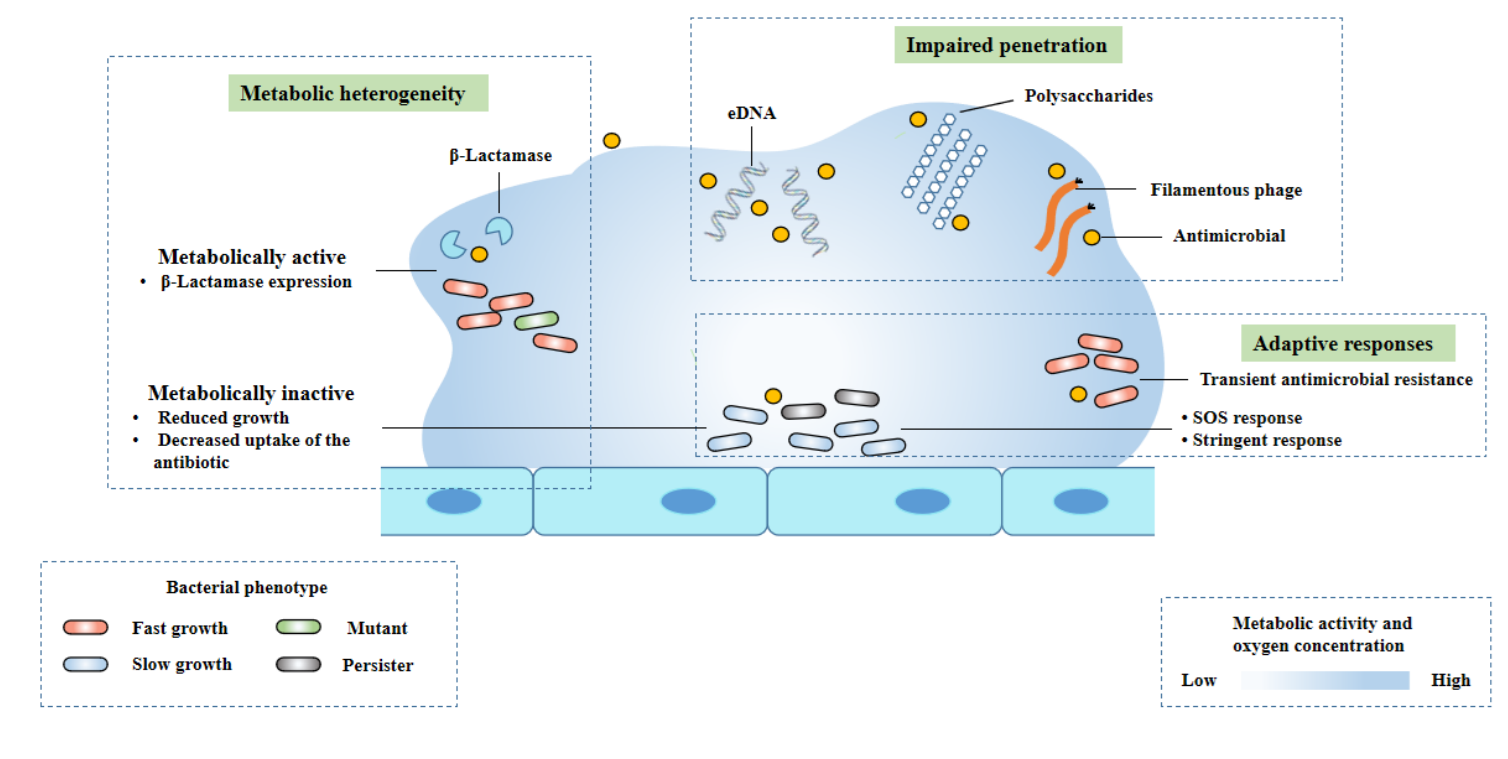
Biofilm tolerance, resistance and infections increasing threat of public health
Shanshan Yang1,3, Xinfei Li1,2, Weihe Cang1,2, Delun Mu1,3, Shuaiqi Ji1,3, Yuejia An1, Rina Wu1,2,3 and Junrui Wu1,2,3
The review explores the role of biofilms in the development of bacterial resistance mechanisms and proposed therapeutic intervention strategies for biofilm related diseases.
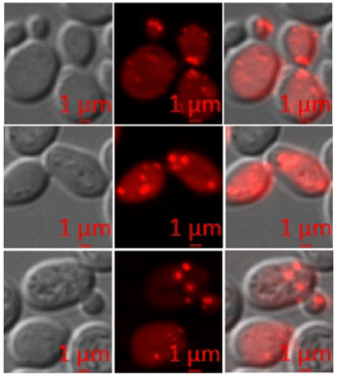
Investigation of the acetic acid stress response in Saccharomyces cerevisiae with mutated H3 residues
Nitu Saha1, Swati Swagatika1 and Raghuvir Singh Tomar1
Yeast cells respond to acetic acid in diverse ways. Here, we have elucidated the deleterious effects of acetic acid on different histone mutants
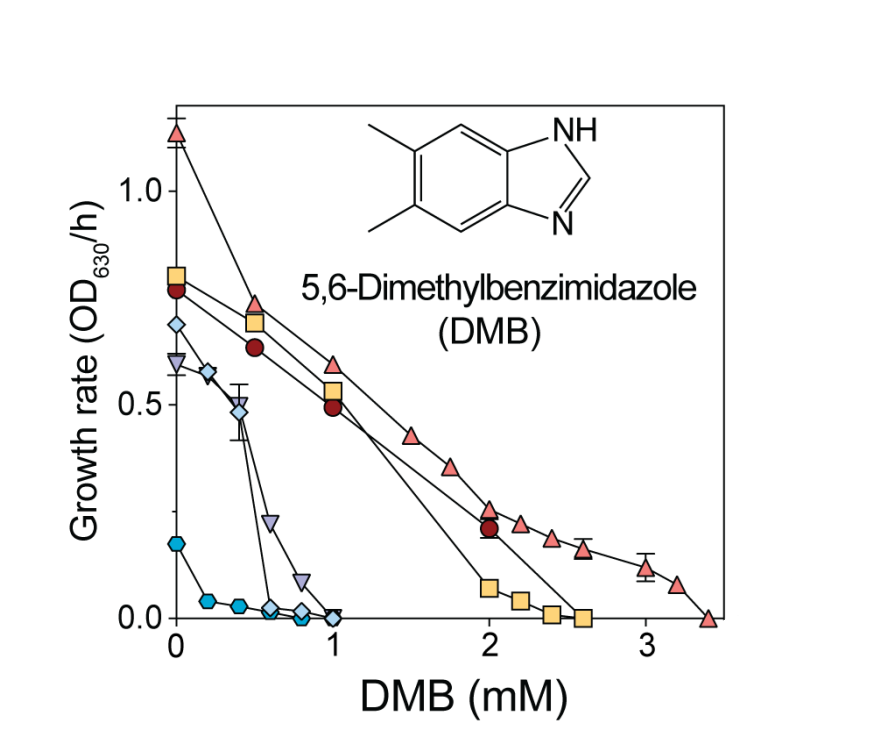
The coenzyme B12 precursor 5,6-dimethylbenzimidazole is a flavin antagonist in Salmonella
Lahiru Malalasekara1 and Jorge C. Escalante-Semerena1,*
Here we investigated why 5,6-dimethylbenzimidazole (DMB) inhibits in S. Typhimurium. Briefly, we determined that the structural similarities of the substituted benzene ring of DMB with the isoalloxazine moiety of flavins is responsible for the deleterious effects of this CoB12 precursor.

Yeast gene KTI13 (alias DPH8) operates in the initiation step of diphthamide synthesis on elongation factor 2
Meike Arend1, Koray Ütkür1, Harmen Hawer1, Klaus Mayer2, Namit Ranjan3, Lorenz Adrian4, Ulrich Brinkmann2 and Raffael Schaffrath1
We show here that apart from its effector role for Elongator-dependent tRNA modification in yeast, Kti13 alias Dph8 also operates in step one of the diphthamide modification pathway.

Caspase 3 exhibits a yeast metacaspase proteostasis function that protects mitochondria from toxic TDP43 aggregates
Steve Brunette1,#, Anupam Sharma1,2,#, Ryan Bell1, Lawrence Puente1 and Lynn A Megeney1,2,3,*
Caspase 3 activation is a hallmark of cell death and there is a strong correlation between elevated protease activity and evolving pathology in neurodegenerative disease, such as amyotrophic lateral sclerosis (ALS). These results suggest that caspase 3 is not inherently pathogenic, but may act as a compensatory proteostasis factor, to limit TDP-43 protein inclusions and protect organelle function in aggregation related degenerative disease.
Extracellular DNA secreted in yeast cultures is metabolism-specific and inhibits cell proliferation
Elisabetta de Alteriis1, Guido Incerti2, Fabrizio Cartenì3, Maria Luisa Chiusano3, Chiara Colantuono3, Emanuela Palomba4, Pasquale Termolino4, Francesco Monticolo3,5, Alfonso Esposito3, Giuliano Bonanomi3,6, Rosanna Capparelli3, Marco Iannaccone3,7, Alessandro Foscari2, Carmine Landi8, Palma Parascandola8, Massimo Sanchez9, Valentina Tirelli9, Bruna de Falco3, Virginia Lanzotti3 and Stefano Mazzoleni3,6
Our study demonstrates that extracellular DNA released by living cells can impact the growth rate of Saccharomyces cerevisiae cultures, showing similarities to extrachromosomal circular DNA and leading to cell cycle arrest in the S phase, suggesting potential new functional roles of exDNA.
The Hrk1 kinase is a determinant of acetic acid tolerance in yeast by modulating H+ and K+ homeostasis
Miguel Antunes1,2,3, Deepika Kale4, Hana Sychrová4 and Isabel Sá-Correia1,2,3
INTRODUCTION The yeast Saccharomyces cerevisiae must constantly adapt to changing and challenging environments, both in nature and industrial bioprocesses, to thrive and maintain cellular homeostasis under a wide range of
Basal level of ppGpp coordinates Escherichia coli cell heterogeneity and ampicillin resistance and persistence
Paulina Katarzyna Grucela1 and Yong Everett Zhang1
The universal stringent response alarmone ppGpp (guanosine penta and tetra phosphates) plays a crucial role in various aspects of fundamental cell physiology (e.g., cell growth rate, cell size) and thus bacterial tolerance to and survival of external stresses, including antibiotics. In tihs study, we discuss the fundamental role of basal level of ppGpp in regulating cell homogeneity and ampicillin persistence.
Phospholipases A and Lysophospholipases in protozoan parasites
Perrine Hervé1, Sarah Monic1, Frédéric Bringaud1 and Loïc Rivière1
In this review, we summarize the literature on phospholipases and lysophospholipases in several protozoan parasites of medical relevance, and discuss the growing interest for them as potential drug and vaccine targets.
Biofilm tolerance, resistance and infections increasing threat of public health
Shanshan Yang1,3, Xinfei Li1,2, Weihe Cang1,2, Delun Mu1,3, Shuaiqi Ji1,3, Yuejia An1, Rina Wu1,2,3 and Junrui Wu1,2,3
The review explores the role of biofilms in the development of bacterial resistance mechanisms and proposed therapeutic intervention strategies for biofilm related diseases.
Investigation of the acetic acid stress response in Saccharomyces cerevisiae with mutated H3 residues
Nitu Saha1, Swati Swagatika1 and Raghuvir Singh Tomar1
Yeast cells respond to acetic acid in diverse ways. Here, we have elucidated the deleterious effects of acetic acid on different histone mutants
Phospholipases A and Lysophospholipases in protozoan parasites
Perrine Hervé1, Sarah Monic1, Frédéric Bringaud1 and Loïc Rivière1
In this review, we summarize the literature on phospholipases and lysophospholipases in several protozoan parasites of medical relevance, and discuss the growing interest for them as potential drug and vaccine targets.
Biofilm tolerance, resistance and infections increasing threat of public health
Shanshan Yang1,3, Xinfei Li1,2, Weihe Cang1,2, Delun Mu1,3, Shuaiqi Ji1,3, Yuejia An1, Rina Wu1,2,3 and Junrui Wu1,2,3
The review explores the role of biofilms in the development of bacterial resistance mechanisms and proposed therapeutic intervention strategies for biofilm related diseases.

Infinity war: Trichomonas vaginalis and interactions with host immune response
Giulia Bongiorni Galego1 and Tiana Tasca1
Trichomonas vaginalis is the pathological agent of human trichomoniasis with an incidence of 156 million cases worldwide. This review highlights parasite strategies to activate and stimulate or evade variated and complex immunological mechanisms related to the symptoms and clinical complications observed here.

The metabolites of lactic acid bacteria: classification, biosynthesis and modulation of gut microbiota
Huang Tang1,2, Wanqiu Huang1,2 and Yu-Feng Yao1,2,3,4,5
Lactic acid bacteria (LAB) are ubiquitous microorganisms that can colonize the intestine and participate in the physiological metabolism of the host. In this review, we summarize the metabolites of LAB and their influence on the intestine as well as the underlying regulatory mechanisms and their impact on human health.
The Hrk1 kinase is a determinant of acetic acid tolerance in yeast by modulating H+ and K+ homeostasis
November 14, 2023
INTRODUCTION The yeast Saccharomyces cerevisiae must constantly adapt to changing and challenging environments, both in nature and industrial bioprocesses, to thrive and maintain cellular homeostasis under a wide range of stresses [1][2][3][4]. To ... Read more
Basal level of ppGpp coordinates Escherichia coli cell heterogeneity and ampicillin resistance and persistence
October 25, 2023
The universal stringent response alarmone ppGpp (guanosine penta and tetra phosphates) plays a crucial role in various aspects of fundamental cell physiology (e.g., cell growth rate, cell size) and thus bacterial tolerance to and survival of external stresses, including antibiotics. In tihs study, we discuss the fundamental role of basal level of ppGpp in regulating cell homogeneity and ampicillin persistence.
Biofilm tolerance, resistance and infections increasing threat of public health
September 26, 2023
The review explores the role of biofilms in the development of bacterial resistance mechanisms and proposed therapeutic intervention strategies for biofilm related diseases.
Investigation of the acetic acid stress response in Saccharomyces cerevisiae with mutated H3 residues
August 18, 2023
Yeast cells respond to acetic acid in diverse ways. Here, we have elucidated the deleterious effects of acetic acid on different histone mutants
The coenzyme B12 precursor 5,6-dimethylbenzimidazole is a flavin antagonist in Salmonella
August 17, 2023
Here we investigated why 5,6-dimethylbenzimidazole (DMB) inhibits in S. Typhimurium. Briefly, we determined that the structural similarities of the substituted benzene ring of DMB with the isoalloxazine moiety of flavins is responsible for the deleterious effects of this CoB12 precursor.
Yeast gene KTI13 (alias DPH8) operates in the initiation step of diphthamide synthesis on elongation factor 2
August 8, 2023
We show here that apart from its effector role for Elongator-dependent tRNA modification in yeast, Kti13 alias Dph8 also operates in step one of the diphthamide modification pathway.
Ribose 5-phosphate: the key metabolite bridging the metabolisms of nucleotides and amino acids during stringent response in Escherichia coli?
Paulina Katarzyna Grucela1, Tobias Fuhrer2, Uwe Sauer2, Yanjie Chao3 and Yong Everett Zhang1
Here we propose the metabolite ribose 5’-phosphate as the key link between nucleotide and amino acid metabolisms and a working model integrating both the transcriptional and metabolic effects of (p)ppGpp on E. coli physiological adaptation during the stringent response.