

Regulation of extracellular vesicles for protein secretion in Aspergillus nidulans
This study reveals that Aspergillus nidulans boosts extracellular vesicle production when ER-trafficked enzymes are induced, uncovering how fungi remodel their secretome through vesicle-mediated secretion to adapt to changing environments and biofilm formation.

Transcriptomic response to different heme sources in Trypanosoma cruzi epimastigotes
This study uncovers how the Chagas disease parasite adapts to changes in heme, an essential molecule for its survival, providing transcriptional clues to heme metabolism and identifying a previously unreported heme-binding protein in T. cruzi.

Luminal acetylation of microtubules is not essential for Plasmodium berghei and Toxoplasma gondii survival
Acetylation of α-tubulin at lysine 40 is not essential for cytoskeletal stability in Plasmodium berghei or Toxoplasma gondii, suggesting redundancy and plasticity in microtubule regulation in these parasites.

The dual-site agonist for human M2 muscarinic receptors Iper-8-naphtalimide induces mitochondrial dysfunction in Saccharomyces cerevisiae
S. cerevisiae is a model to study human GPCRs. N-8-Iper, active against glioblastoma via M2 receptor, causes mitochondrial damage in yeast by binding Ste2, highlighting evolutionary conservation of GPCRs.

Integrative Omics reveals changes in the cellular landscape of peroxisome-deficient pex3 yeast cells
To uncover the consequences of peroxisome deficiency, we compared Saccharomyces cerevisiae wild-type with pex3 cells, which lack peroxisomes, employing quantitative proteomics and transcriptomics technologies.
Regulation of extracellular vesicles for protein secretion in Aspergillus nidulans
Rebekkah E. Pope1, Patrick Ballmann2, Lisa Whitworth3 and Rolf A. Prade1,*
This study reveals that Aspergillus nidulans boosts extracellular vesicle production when ER-trafficked enzymes are induced, uncovering how fungi remodel their secretome through vesicle-mediated secretion to adapt to changing environments and biofilm formation.
Transcriptomic response to different heme sources in Trypanosoma cruzi epimastigotes
Evelyn Tevere1,a, María G. Mediavilla1,a, Cecilia B. Di Capua1, Marcelo L. Merli1, Carlos Robello2,3, Luisa Berná2,4 and Julia A. Cricco
This study uncovers how the Chagas disease parasite adapts to changes in heme, an essential molecule for its survival, providing transcriptional clues to heme metabolism and identifying a previously unreported heme-binding protein in T. cruzi.
Sir2 regulates selective autophagy in stationary-phase yeast cells
Ji-In Ryua, Juhye Junga, and Jeong-Yoon Kim
This study establishes Sir2 as a previously unrecognized regulator of selective autophagy during the stationary phase and highlight how cells dynamically control organelle degradation.

Quantifying yeast lipidomics by high-performance thin-layer chromatography (HPTLC) and comparison to mass spectrometry-based shotgun lipidomics
Thorsten Meyer1, Oskar Knittelfelder2, Martin Smolnig1 and Patrick Rockenfeller1
Lipidomic analysis in diverse biological settings has become a frequent tool to increase our understanding of the processes of life. Here we describe a method to analyse basic lipidomics in yeast using HPTLC and offer comparison to measurement of the same samples with MS-based shotgun lipidomics.

A cobalt concentration sensitive Btu-like system facilitates cobalamin uptake in Anabaena sp. PCC 7120
Julia Graf1, Leonard Fresenborg1,2, Hans-Michael Seitz2,3, Rafael Pernil1 and Enrico Schleiff1,2,4,5
Metal homeostasis is central to all forms of life, as metals are essential micronutrients with toxic effects at elevated levels. Our results provide novel information on the uptake of cobalamin and the regulation of the cellular cobalt content in cyanobacteria.
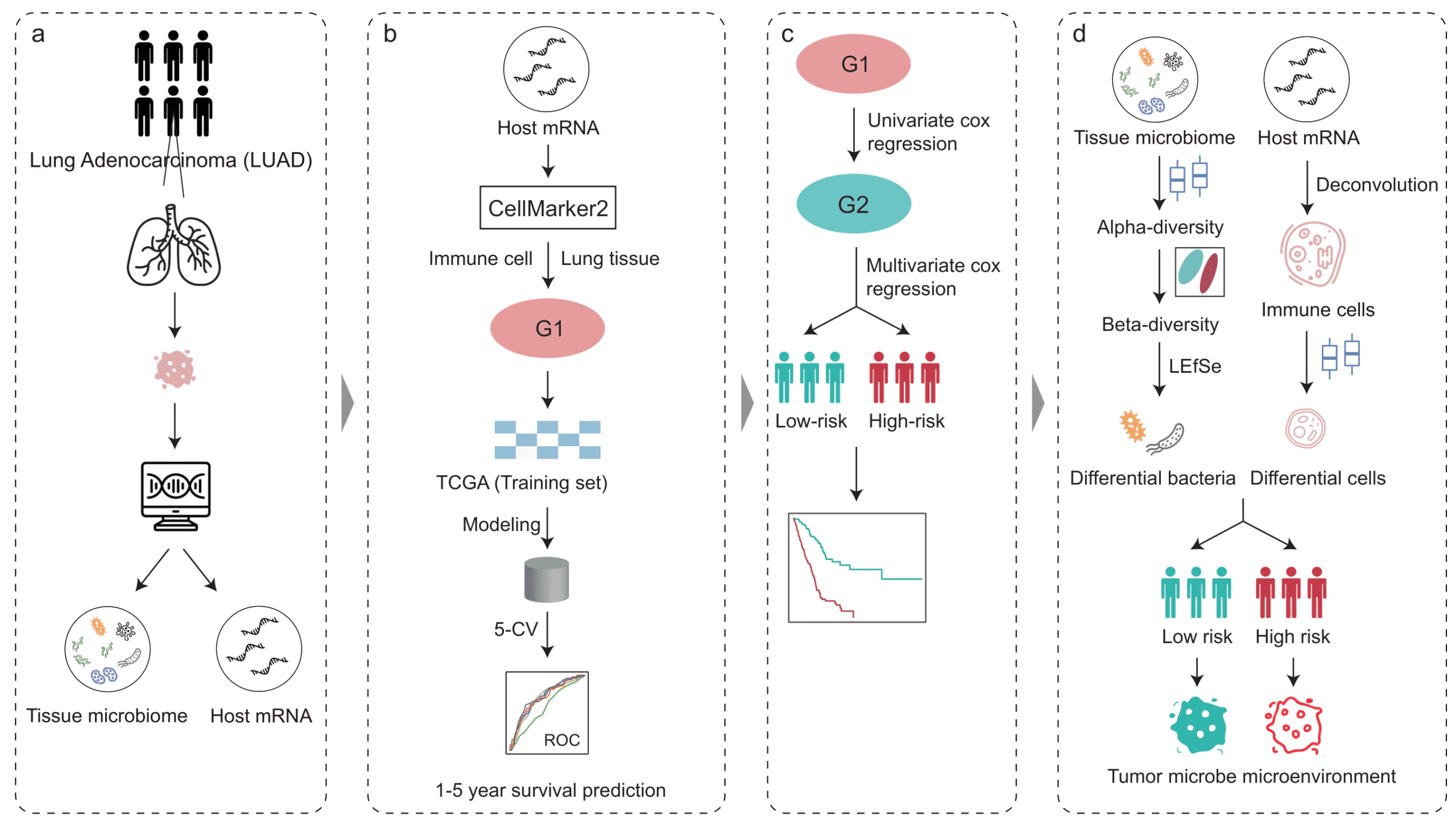
Predictable regulation of survival by intratumoral microbe-immune crosstalk in patients with lung adenocarcinoma
Shuo Shi1, Yuwen Chu2,3, Haiyan Liu4,5, Lan Yu6,7,8, Dejun Sun8,9, Jialiang Yang2,3,5, Geng Tian2,3, Lei Ji2,3, Cong Zhang10 and Xinxin Lu11
Intratumoral microbiota can regulate the tumor immune microenvironment (TIME) and mediate tumor prognosis by promoting inflammatory response or inhibiting anti-tumor effects. Our study demonstrated that intratumoral microbiota-immune crosstalk was strongly associated with prognosis in LUAD patients, which would provide new targets for the development of precise therapeutic strategies.

Two TonB-dependent outer membrane transporters involved in heme uptake in Anabaena sp. PCC 7120
Julia Graf1, Martin Schöpperle1,2, Rafael Pernil1 and Enrico Schleiff1,3,4
Low availability of micronutrients such as iron has enforced the evolution of uptake systems in all kingdoms of life. In our study, we conclude that heme transport might not be restricted to Anabaena, but at the same time is not specific to a cyanobacterial order and thus might be related to the habitat of origin, a notion which needs to be challenged in the future.

The last two transmembrane helices in the APC-type FurE transporter act as an intramolecular chaperone essential for concentrative ER-exit
Yiannis Pyrris1, Georgia F. Papadaki1, Emmanuel Mikros2 and George Diallinas1,3
FurE is a H+ symporter specific for the cellular uptake of uric acid, allantoin, uracil, and toxic nucleobase analogues in the fungus Aspergillus nidulans. Being member of the NCS1 protein family, FurE is structurally related to the APC-superfamily of transporters.
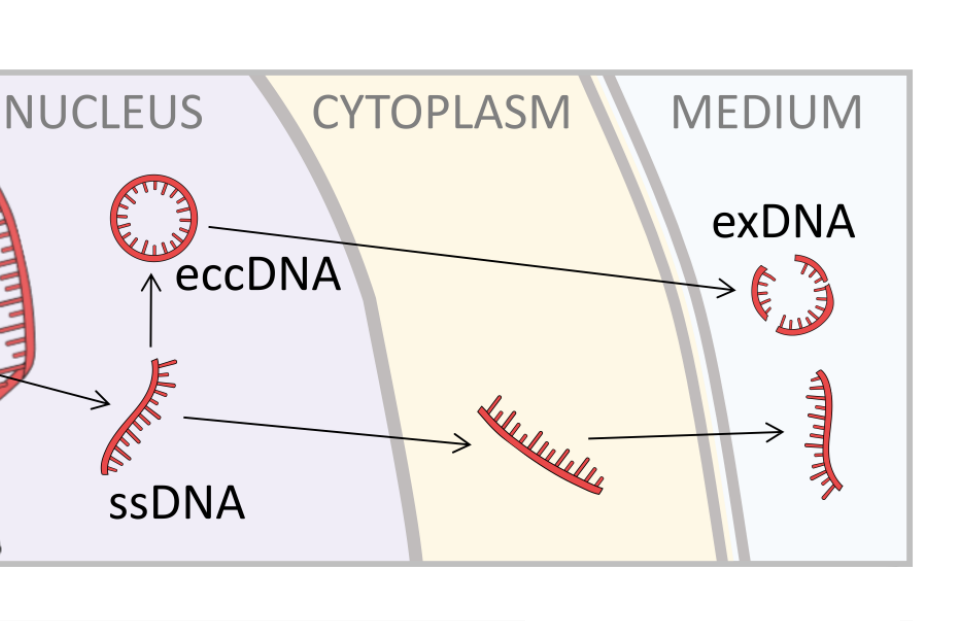
Extracellular DNA secreted in yeast cultures is metabolism-specific and inhibits cell proliferation
Elisabetta de Alteriis1, Guido Incerti2, Fabrizio Cartenì3, Maria Luisa Chiusano3, Chiara Colantuono3, Emanuela Palomba4, Pasquale Termolino4, Francesco Monticolo3,5, Alfonso Esposito3, Giuliano Bonanomi3,6, Rosanna Capparelli3, Marco Iannaccone3,7, Alessandro Foscari2, Carmine Landi8, Palma Parascandola8, Massimo Sanchez9, Valentina Tirelli9, Bruna de Falco3, Virginia Lanzotti3 and Stefano Mazzoleni3,6
Our study demonstrates that extracellular DNA released by living cells can impact the growth rate of Saccharomyces cerevisiae cultures, showing similarities to extrachromosomal circular DNA and leading to cell cycle arrest in the S phase, suggesting potential new functional roles of exDNA.

Basal level of ppGpp coordinates Escherichia coli cell heterogeneity and ampicillin resistance and persistence
Paulina Katarzyna Grucela1 and Yong Everett Zhang1
The universal stringent response alarmone ppGpp (guanosine penta and tetra phosphates) plays a crucial role in various aspects of fundamental cell physiology (e.g., cell growth rate, cell size) and thus bacterial tolerance to and survival of external stresses, including antibiotics. In tihs study, we discuss the fundamental role of basal level of ppGpp in regulating cell homogeneity and ampicillin persistence.
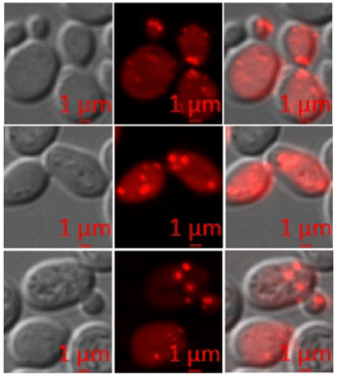
Investigation of the acetic acid stress response in Saccharomyces cerevisiae with mutated H3 residues
Nitu Saha1, Swati Swagatika1 and Raghuvir Singh Tomar1
Yeast cells respond to acetic acid in diverse ways. Here, we have elucidated the deleterious effects of acetic acid on different histone mutants
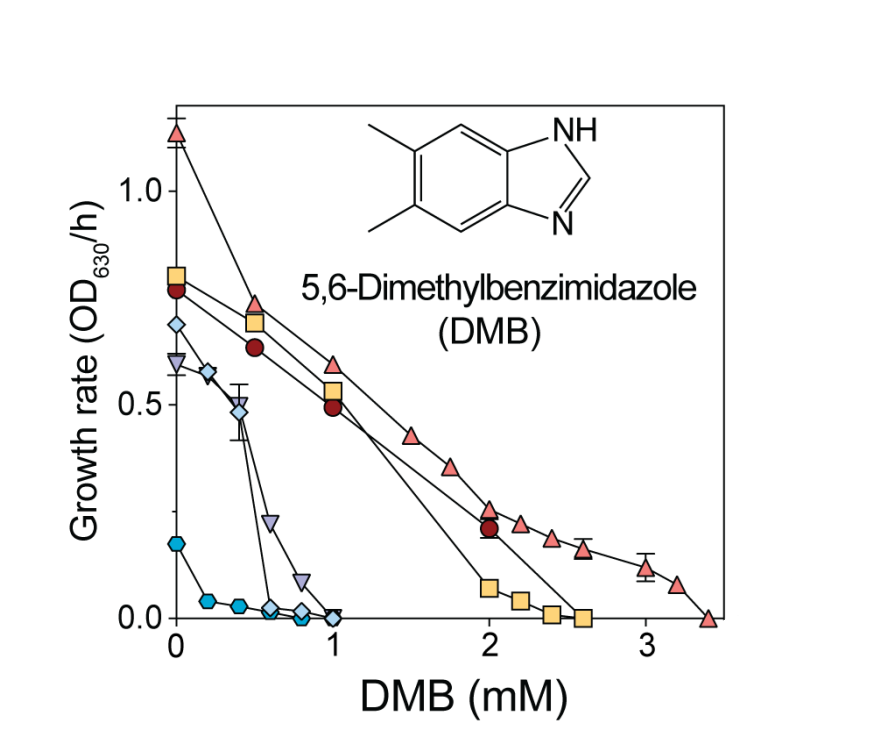
The coenzyme B12 precursor 5,6-dimethylbenzimidazole is a flavin antagonist in Salmonella
Lahiru Malalasekara1 and Jorge C. Escalante-Semerena1,*
Here we investigated why 5,6-dimethylbenzimidazole (DMB) inhibits in S. Typhimurium. Briefly, we determined that the structural similarities of the substituted benzene ring of DMB with the isoalloxazine moiety of flavins is responsible for the deleterious effects of this CoB12 precursor.
Metabolic disharmony and sibling conflict mediated by T6SS
Vera Troselj1 and Daniel Wall1
In this article, the authors comment on the study “Physiological Heterogeneity Triggers Sibling Conflict Mediated by the Type VI Secretion System in an Aggregative Multicellular Bacterium” by Troselj et al. (MBio, 2018) discussing that M. xanthus uses T6SS to eliminate less fit cells from their population and identified toxic effector and cognate immunity protein (TsxEI) that mediates this sibling antagonism.
Helicobacter hepaticus polysaccharide induces an anti-inflammatory response in intestinal macrophages
Camille Danne1 and Fiona Powrie1
In this article, the authors comment on the study “A Large Polysaccharide Produced by Helicobacter hepaticus Induces an Anti-inflammatory Gene Signature in Macrophages. ” by Danne et al, (Cell Host Microbe 2017), discussing the interactions between H. hepaticus and intestinal macrophages that promote mutualism.
Endolysosomal pathway activity protects cells from neurotoxic TDP-43
Christine Leibiger1,#, Jana Deisel1,#, Andreas Aufschnaiter2, Stefanie Ambros1, Maria Tereshchenko1, Bert M. Verheijen3,4, Sabrina Büttner2,5, and Ralf J. Braun1
In this article, the authors comment on the study “TDP-43 controls lysosomal pathways thereby determining its own clearance and cytotoxicity” by Leibiger et al. (Hum Mol Genet, 2018), proposing that ameliorating endolysosomal pathway activity enhances cell survival in TDP‑43-associated diseases.
Two distinct penicillin binding proteins promote cell division in different Salmonella lifestyles
Sónia Castanheira1, Juan J. Cestero1, Francisco García-del Portillo1, M. Graciela Pucciarelli1,2,3
In this article, the authors comment on the study “A Specialized Peptidoglycan Synthase Promotes Salmonella Cell Division inside Host Cells” by Castanheira et al. (mBio, 2017), discussing insights in two distinct penicillin binding proteins that promote cell division in different Salmonella lifestyles.
New perspectives from South-Y-East, not all about deathA report of the 12th lnternational Meeting on Yeast Apoptosis in Bari, Italy, May 14th-18th, 2017
Nicoletta Guaragnella1,#, Mariarita Stirpe2,#, William Burhans3, Manuela Côrte-Real4, Campbell Gourlay5, Paula Ludovico6,7, Frank Madeo8,9, Dina Petranovic10, Joris Winderickx11, Cristina Mazzoni2 and Sergio Giannattasio1
In this article Guaragnella et al. report on the 12th International Meeting on Yeast Apoptosis (IMYA12), which was held in Bari, Italy from May 14th to 18th, 2017, where more than 100 participants, among which senior and young scientists from Europe, USA, North Africa and Japan, had an intense and open exchange of achievements and ideas in the field of yeast regulated cell death (RCD).
pH homeostasis links the nutrient sensing PKA/TORC1/Sch9 ménage-à-trois to stress tolerance and longevity
Marie-Anne Deprez1,°, Elja Eskes1,°, Tobias Wilms1, Paula Ludovico2, Joris Winderickx1
In this article, Deprez et al. discuss accumulating evidence indicates that pH homeostasis plays a prominent role in the determination of ageing and longevity, thereby providing new perspectives and avenues to explore the underlying molecular mechanisms.
Guidelines and recommendations on yeast cell death nomenclature
Didac Carmona-Gutierrez1,‡,*, Maria Anna Bauer1,‡, Andreas Zimmermann1, Andrés Aguilera2, Nicanor Austriaco3, Kathryn Ayscough4, Rena Balzan5, Shoshana Bar-Nun6, Antonio Barrientos7,8, Peter Belenky9, Marc Blondel10, Ralf J. Braun11, Michael Breitenbach12, William C. Burhans13, Sabrina Büttner1,14, Duccio Cavalieri15, Michael Chang16, Katrina F. Cooper17, Manuela Côrte-Real18, Vítor Costa19–21, Christophe Cullin22, Ian Dawes23, Jörn Dengjel24, Martin B. Dickman25, Tobias Eisenberg1,26, Birthe Fahrenkrog27, Nicolas Fasel28, Kai-Uwe Fröhlich1, Ali Gargouri29, Sergio Giannattasio30, Paola Goffrini31, Campbell W. Gourlay32, Chris M. Grant33, Michael T. Greenwood34, Nicoletta Guaragnella30, Thomas Heger35, Jürgen Heinisch36, Eva Herker37, Johannes M. Herrmann38, Sebastian Hofer1, Antonio Jiménez-Ruiz39, Helmut Jungwirth1, Katharina Kainz1, Dimitrios P. Kontoyiannis40, Paula Ludovico41,42, Stéphen Manon43, Enzo Martegani44, Cristina Mazzoni45, Lynn A. Megeney46–48, Chris Meisinger49, Jens Nielsen50–52, Thomas Nyström53, Heinz D. Osiewacz54, Tiago F. Outeiro55–58, Hay-Oak Park59, Tobias Pendl1, Dina Petranovic50,51, Stephane Picot60,61, Peter Polčic62, Ted Powers63, Mark Ramsdale64, Mark Rinnerthaler65, Patrick Rockenfeller1,32, Christoph Ruckenstuhl1, Raffael Schaffrath66, Maria Segovia67, Fedor F. Severin68, Amir Sharon69, Stephan J. Sigrist70, Cornelia Sommer-Ruck1, Maria João Sousa18, Johan M. Thevelein71,72, Karin Thevissen73, Vladimir Titorenko74, Michel B. Toledano75, Mick Tuite32, F.-Nora Vögtle49, Benedikt Westermann11, Joris Winderickx76, Silke Wissing77, Stefan Wölfl78, Zhaojie J. Zhang79, Richard Y. Zhao80, Bing Zhou81, Lorenzo Galluzzi82–84,*, Guido Kroemer84–90,*, Frank Madeo1,26,*
In this review, we propose unified criteria for the definition of accidental, regulated, and programmed forms of cell death in yeast based on a series of morphological and biochemical criteria. Specifically, we provide consensus guidelines on the differential definition of terms including apoptosis, regulated necrosis, and autophagic cell death, as we refer to additional cell death routines that are relevant for the biology of yeast.
Burkholderia gladioli strain NGJ1 deploys a prophage tail-like protein for mycophagy
Rahul Kumar1, Sunil Kumar Yadav1, Durga Madhab Swain1 and Gopaljee Jha1
In this article, the authors comment on the study “A prophage tail-like protein is deployed by Burkholderia bacteria to feed on fungi” by Swain et al. (Nature Communications, 2017), discussing that a prophage tail-like protein (Bg_9562) is essential for mycophagy. The protein may help the bacteria to survive in certain ecological niches and, considering its broad-spectrum antifungal activity, may be potentially useful in biotechnological applications to control fungal diseases.
Non-genetic impact factors on chronological lifespan and stress resistance of baker’s yeast
Michael Sauer and Diethard Mattanovich
This article comments on work published by Bisschops et al. (Microbial Cell, 2015), which illustrates how important the choice of the experimental setup is and how culture conditions influcence cellular aging and survival in biotechnological processes.
What’s old is new again: yeast mutant screens in the era of pooled segregant analysis by genome sequencing
Chris Curtin and Toni Cordente
This article comments on work published by Den Abt et al. (Microbial Cell, 2016), which identified genes involved in ethyl acetate formation in a yeast mutant screen based on a new approach combining repeated rounds of chemical mutagenesis and pooled segregant analysis by whole genome sequencing.
The complexities of bacterial-fungal interactions in the mammalian gastrointestinal tract
Eduardo Lopez-Medina1 and Andrew Y. Koh2
This article comments on work published by Lopez-Medina et al. (PLoS Pathog, 2015) and Fan et al. (Nat Med, 2015), which utilize an “artificial” niche, the antibiotic-treated gut with concomitant pathogenic microbe expansion, to gain insight in bacterial-fungal interactions in clinically common scenarios.
Gearing up for survival – HSP-containing granules accumulate in quiescent cells and promote survival
Ruofan Yu and Weiwei Dang
This article comments on work published by Lee et al. (Microbial Cell, 2016), which reports that distinct granules are formed in quiescent and non-quiescent cells, which determines their respective cell fates.
Yeast screening platform identifies FDA-approved drugs that reduce Aβ oligomerization
Triana Amen1,2 and Daniel Kaganovich1
This article comments on work published by Park et al. (Microbial Cell, 2016), which discovered a number of small molecules capable of modulating Aβ aggregation in a yeast model.
Groupthink: chromosomal clustering during transcriptional memory
Kevin A. Morano
In this article, the authors comment on the study “NO1 transcriptional memory leads to DNA zip code-dependent interchromosomal clustering.” by Brickner et al. (Microbial Cell, 2015), discussing the importance and molecular mechanisms of chromosomal clustering during transcriptional memory.
Yeast proteinopathy models: a robust tool for deciphering the basis of neurodegeneration
Amit Shrestha1, 2 and Lynn A. Megeney1, 2, 3
Protein quality control or proteostasis is an essential determinant of basic cell health and aging. Eukaryotic cells have evolved a number of proteostatic mechanisms to ensure that proteins retain functional conformation, or are rapidly degraded when proteins misfold or self-aggregate. This article discusses the use of budding yeast as a robust proxy to study the intersection between proteostasis and neurodegenerative disease.
Microbial Cell
is an open-access, peer-reviewed journal that publishes exceptionally relevant research works that implement the use of unicellular organisms (and multicellular microorganisms) to understand cellular responses to internal and external stimuli and/or human diseases.
you can trust

Can’t find what you’re looking for?
You can browse all our issues and published articles here.
FAQs
Peer-reviewed, open-access research using unicellular organisms (and multicellular microorganisms) to understand cellular responses and human disease.
The journal (founded in 2014) is led by its Editors-in-Chief Frank Madeo, Didac Carmona-Gutierrez, and Guido Kroemer
Microbial Cell has been publishing original scientific literature since 2014, and from the very beginning has been managed by active scientists through an independent Publishing House (Shared science Publishers). The journal was conceived as a platform to acknowledge the importance of unicellular organisms, both as model systems as well as in the biological context of human health and disease.
Ever since, Microbial Cell has very positively developed and strongly grown into a respected journal in the unicellular research community and even beyond. This scientific impact is reflected in the yearly number of citations obtained by articles published in Microbial Cell, as recorded by the Web of Science (Clarivate, formerly Thomson/Reuters):

The scientific impact of Microbial Cell is also mirrored in a series of milestones:
2015: Microbial Cell is included in the Emerging Sources Citation Index (ESCI), a selection of developing journals drafted by Clarivate Analytics based on the candidate’s publishing standards, quality, editorial content, and citation data. Note: As an ESCI-selected journal, Microbial Cell is currently being evaluated in a rigorous and long process to determine an inclusion in the Science Citation Index Expanded (SCIE), which allows the official calculation of Clarivate Analytics’ impact factor.

2016: Microbial Cell is awarded the so-called DOAJ Seal by the selective Directory of Open Access Journals (DOAJ). The DOAJ Seal is an exclusive mark of certification for open access journals granted by DOAJ to journals that adhere to outstanding best practice and achieve an extra high and clear commitment to open access and high publishing standards.

2017: Microbial Cell is included in Pubmed Central (PMC), allowing the archiving of all the journal’s articles in PMC and PubMed.

2019: Microbial Cell is indexed in the prestigious abstract and citation database Scopus after a thorough selection process. This also means that Microbial Cell obtains, for the first time, an official Scopus CiteScore as well as an official journal ranking in the Scimago Journal and Country Ranking.

2022: Microbial Cell’s CiteScore reaches a value of 7.2 for the year 2021, positioning Microbial Cell among the top microbiology journals (previously available CiteScores: 2019: 5.4; 2020: 5.1).

2022: Microbial Cell is indexed in the highly selective Science Citation Index Expanded™, which covers approx. 9,500 of the world’s most impactful journals across 178 scientific disciplines. In their journal selection and curation process, Clarivate´s editors apply 24 ‘quality’ criteria and four ‘impact’ criteria to select the most influential journals in their respective fields. This selection is also a pre-requisite for inclusion in the JCR, which features the impact factor.

2022: Microbial Cell is listed in the Journal Citation Reports™ (JCR), and obtains its first official Journal Impact Factor™ (JIF) for the year 2021: 5.316.Check Article Types and Manuscript Preparation guidelines. Submit online via Scholastica.
Similar environments but diverse fates: Responses of budding yeast to nutrient deprivation.
Saul M. Honigberg
Diploid budding yeast (Saccharomyces cerevisiae) can adopt one of several alternative differentiation fates in response to nutrient limitation, and each of these fates provides distinct biological functions. When different strain backgrounds are taken into account, these various fates occur in response to similar environmental cues, are regulated by the same signal transduction pathways, and share many of the same master regulators. I propose that the relationships between fate choice, environmental cues and signaling pathways are not Boolean, but involve graded levels of signals, pathway activation and master-regulator activity.