

Regulation of extracellular vesicles for protein secretion in Aspergillus nidulans
This study reveals that Aspergillus nidulans boosts extracellular vesicle production when ER-trafficked enzymes are induced, uncovering how fungi remodel their secretome through vesicle-mediated secretion to adapt to changing environments and biofilm formation.

Transcriptomic response to different heme sources in Trypanosoma cruzi epimastigotes
This study uncovers how the Chagas disease parasite adapts to changes in heme, an essential molecule for its survival, providing transcriptional clues to heme metabolism and identifying a previously unreported heme-binding protein in T. cruzi.

Luminal acetylation of microtubules is not essential for Plasmodium berghei and Toxoplasma gondii survival
Acetylation of α-tubulin at lysine 40 is not essential for cytoskeletal stability in Plasmodium berghei or Toxoplasma gondii, suggesting redundancy and plasticity in microtubule regulation in these parasites.

The dual-site agonist for human M2 muscarinic receptors Iper-8-naphtalimide induces mitochondrial dysfunction in Saccharomyces cerevisiae
S. cerevisiae is a model to study human GPCRs. N-8-Iper, active against glioblastoma via M2 receptor, causes mitochondrial damage in yeast by binding Ste2, highlighting evolutionary conservation of GPCRs.

Integrative Omics reveals changes in the cellular landscape of peroxisome-deficient pex3 yeast cells
To uncover the consequences of peroxisome deficiency, we compared Saccharomyces cerevisiae wild-type with pex3 cells, which lack peroxisomes, employing quantitative proteomics and transcriptomics technologies.
Regulation of extracellular vesicles for protein secretion in Aspergillus nidulans
Rebekkah E. Pope1, Patrick Ballmann2, Lisa Whitworth3 and Rolf A. Prade1,*
This study reveals that Aspergillus nidulans boosts extracellular vesicle production when ER-trafficked enzymes are induced, uncovering how fungi remodel their secretome through vesicle-mediated secretion to adapt to changing environments and biofilm formation.
Transcriptomic response to different heme sources in Trypanosoma cruzi epimastigotes
Evelyn Tevere1,a, María G. Mediavilla1,a, Cecilia B. Di Capua1, Marcelo L. Merli1, Carlos Robello2,3, Luisa Berná2,4 and Julia A. Cricco
This study uncovers how the Chagas disease parasite adapts to changes in heme, an essential molecule for its survival, providing transcriptional clues to heme metabolism and identifying a previously unreported heme-binding protein in T. cruzi.
Sir2 regulates selective autophagy in stationary-phase yeast cells
Ji-In Ryua, Juhye Junga, and Jeong-Yoon Kim
This study establishes Sir2 as a previously unrecognized regulator of selective autophagy during the stationary phase and highlight how cells dynamically control organelle degradation.

Quantifying yeast lipidomics by high-performance thin-layer chromatography (HPTLC) and comparison to mass spectrometry-based shotgun lipidomics
Thorsten Meyer1, Oskar Knittelfelder2, Martin Smolnig1 and Patrick Rockenfeller1
Lipidomic analysis in diverse biological settings has become a frequent tool to increase our understanding of the processes of life. Here we describe a method to analyse basic lipidomics in yeast using HPTLC and offer comparison to measurement of the same samples with MS-based shotgun lipidomics.

A cobalt concentration sensitive Btu-like system facilitates cobalamin uptake in Anabaena sp. PCC 7120
Julia Graf1, Leonard Fresenborg1,2, Hans-Michael Seitz2,3, Rafael Pernil1 and Enrico Schleiff1,2,4,5
Metal homeostasis is central to all forms of life, as metals are essential micronutrients with toxic effects at elevated levels. Our results provide novel information on the uptake of cobalamin and the regulation of the cellular cobalt content in cyanobacteria.
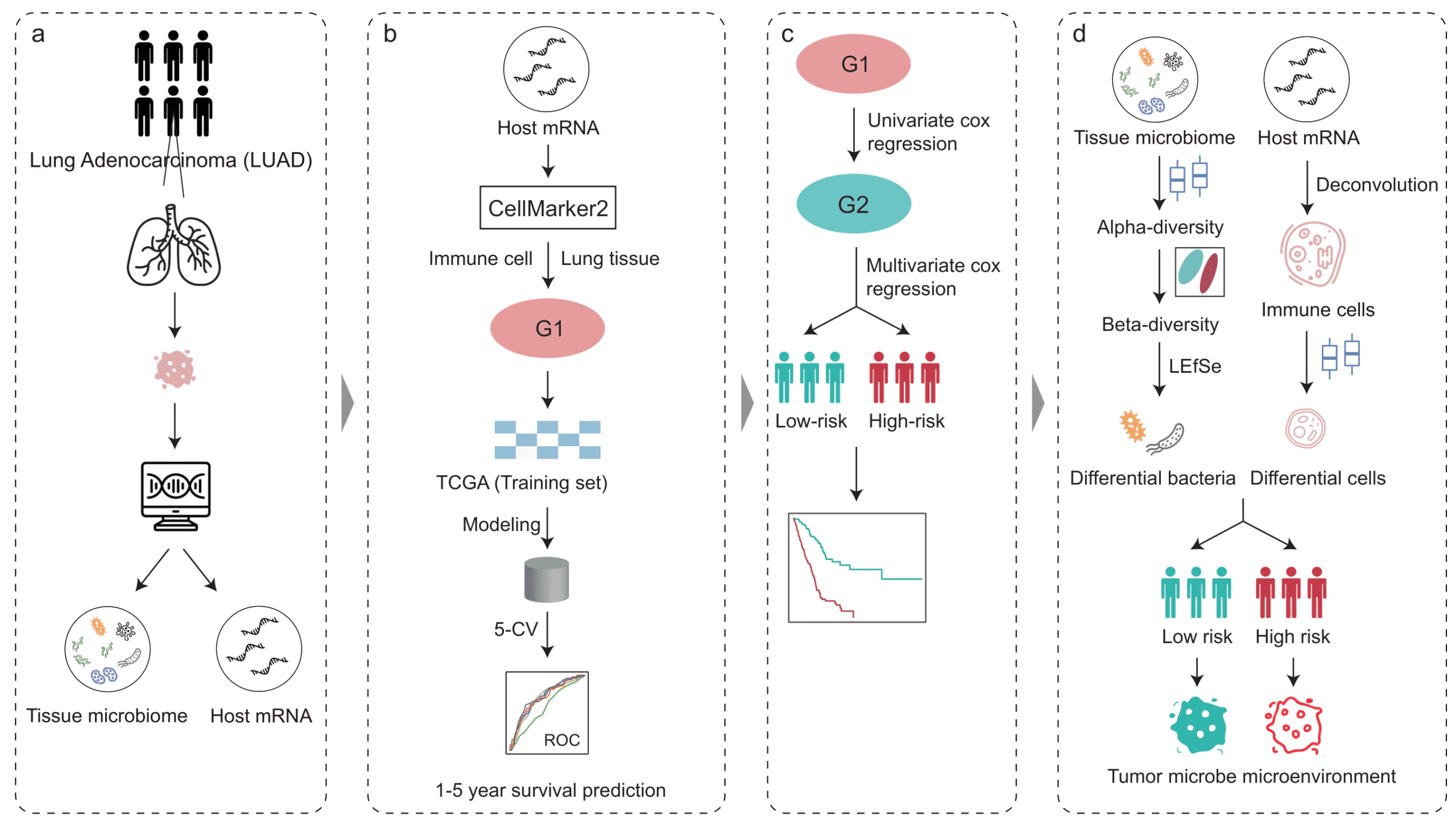
Predictable regulation of survival by intratumoral microbe-immune crosstalk in patients with lung adenocarcinoma
Shuo Shi1, Yuwen Chu2,3, Haiyan Liu4,5, Lan Yu6,7,8, Dejun Sun8,9, Jialiang Yang2,3,5, Geng Tian2,3, Lei Ji2,3, Cong Zhang10 and Xinxin Lu11
Intratumoral microbiota can regulate the tumor immune microenvironment (TIME) and mediate tumor prognosis by promoting inflammatory response or inhibiting anti-tumor effects. Our study demonstrated that intratumoral microbiota-immune crosstalk was strongly associated with prognosis in LUAD patients, which would provide new targets for the development of precise therapeutic strategies.

Two TonB-dependent outer membrane transporters involved in heme uptake in Anabaena sp. PCC 7120
Julia Graf1, Martin Schöpperle1,2, Rafael Pernil1 and Enrico Schleiff1,3,4
Low availability of micronutrients such as iron has enforced the evolution of uptake systems in all kingdoms of life. In our study, we conclude that heme transport might not be restricted to Anabaena, but at the same time is not specific to a cyanobacterial order and thus might be related to the habitat of origin, a notion which needs to be challenged in the future.

The last two transmembrane helices in the APC-type FurE transporter act as an intramolecular chaperone essential for concentrative ER-exit
Yiannis Pyrris1, Georgia F. Papadaki1, Emmanuel Mikros2 and George Diallinas1,3
FurE is a H+ symporter specific for the cellular uptake of uric acid, allantoin, uracil, and toxic nucleobase analogues in the fungus Aspergillus nidulans. Being member of the NCS1 protein family, FurE is structurally related to the APC-superfamily of transporters.
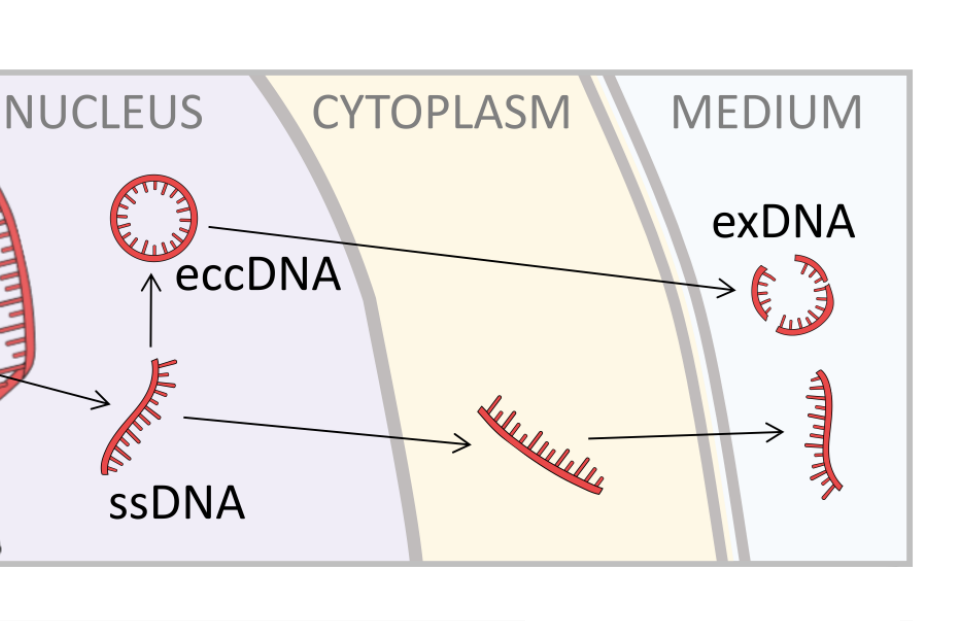
Extracellular DNA secreted in yeast cultures is metabolism-specific and inhibits cell proliferation
Elisabetta de Alteriis1, Guido Incerti2, Fabrizio Cartenì3, Maria Luisa Chiusano3, Chiara Colantuono3, Emanuela Palomba4, Pasquale Termolino4, Francesco Monticolo3,5, Alfonso Esposito3, Giuliano Bonanomi3,6, Rosanna Capparelli3, Marco Iannaccone3,7, Alessandro Foscari2, Carmine Landi8, Palma Parascandola8, Massimo Sanchez9, Valentina Tirelli9, Bruna de Falco3, Virginia Lanzotti3 and Stefano Mazzoleni3,6
Our study demonstrates that extracellular DNA released by living cells can impact the growth rate of Saccharomyces cerevisiae cultures, showing similarities to extrachromosomal circular DNA and leading to cell cycle arrest in the S phase, suggesting potential new functional roles of exDNA.

Basal level of ppGpp coordinates Escherichia coli cell heterogeneity and ampicillin resistance and persistence
Paulina Katarzyna Grucela1 and Yong Everett Zhang1
The universal stringent response alarmone ppGpp (guanosine penta and tetra phosphates) plays a crucial role in various aspects of fundamental cell physiology (e.g., cell growth rate, cell size) and thus bacterial tolerance to and survival of external stresses, including antibiotics. In tihs study, we discuss the fundamental role of basal level of ppGpp in regulating cell homogeneity and ampicillin persistence.
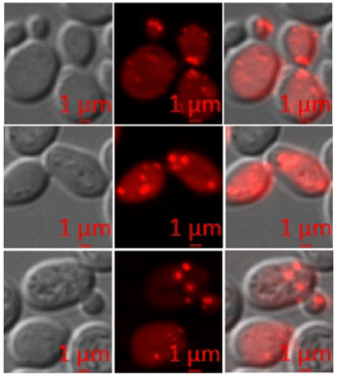
Investigation of the acetic acid stress response in Saccharomyces cerevisiae with mutated H3 residues
Nitu Saha1, Swati Swagatika1 and Raghuvir Singh Tomar1
Yeast cells respond to acetic acid in diverse ways. Here, we have elucidated the deleterious effects of acetic acid on different histone mutants
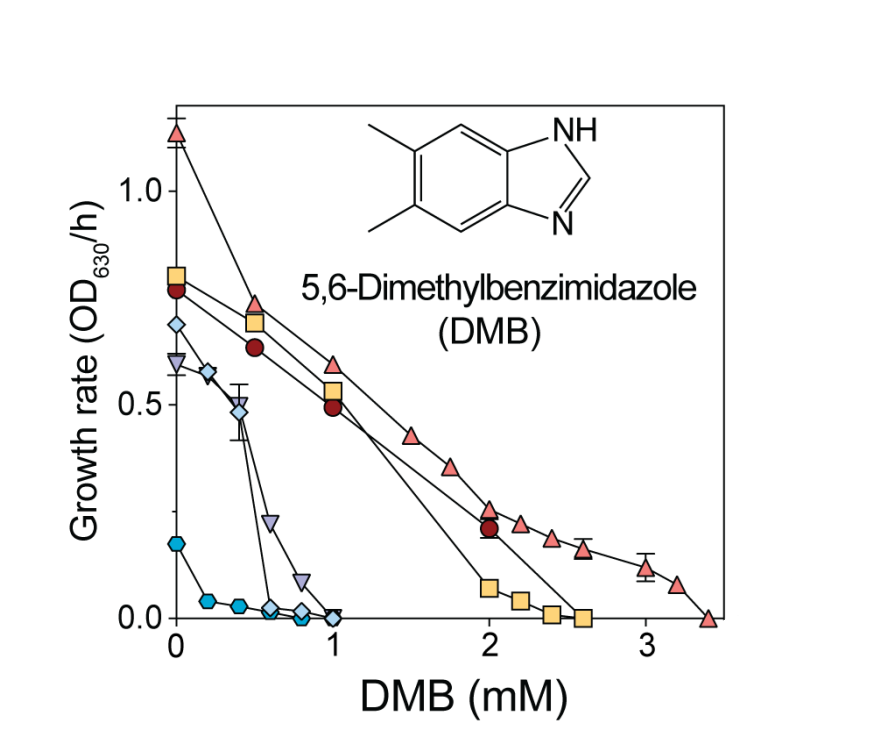
The coenzyme B12 precursor 5,6-dimethylbenzimidazole is a flavin antagonist in Salmonella
Lahiru Malalasekara1 and Jorge C. Escalante-Semerena1,*
Here we investigated why 5,6-dimethylbenzimidazole (DMB) inhibits in S. Typhimurium. Briefly, we determined that the structural similarities of the substituted benzene ring of DMB with the isoalloxazine moiety of flavins is responsible for the deleterious effects of this CoB12 precursor.
Gut microbiota and ankylosing spondylitis: current insights and future challenges
Andrei Lobiuc1, Liliana Groppa2, Lia Chislari2, Eugeniu Russu2,3, Marinela Homitchi2,3, Camelia Ciorescu2,3, Sevag Hamamah4, I. Codruta Bran1 and Mihai Covasa1
This review explores the growing role of gut microbiota in AS and its potential to reshape targeted treatment strategies and facilitate development of adjunct therapies to address disease onset and progression.
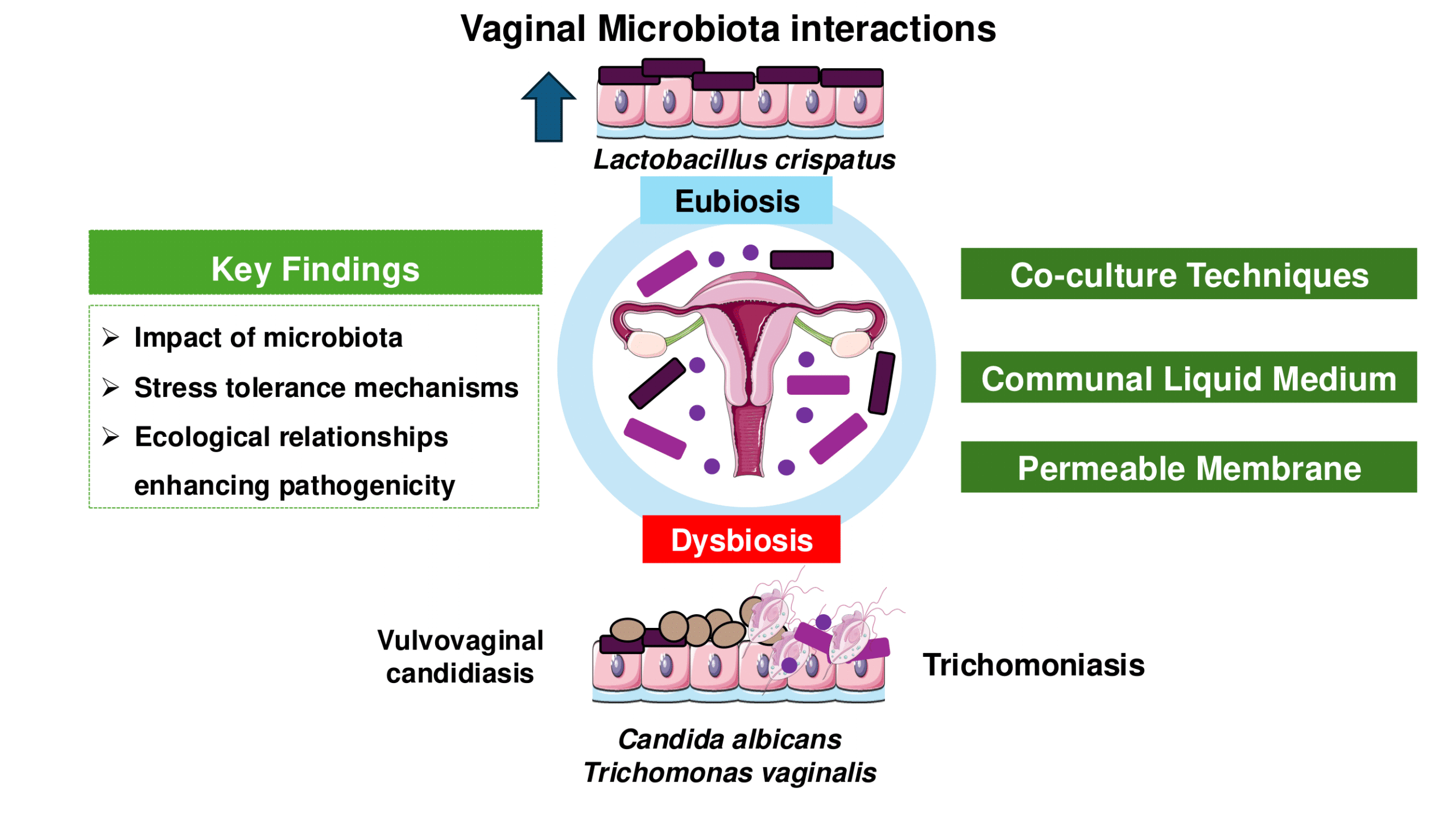
Advancements in vaginal microbiota, Trichomonas vaginalis, and vaginal cell interactions: Insights from co-culture assays
Fernanda Gomes Cardoso and Tiana Tasca
This review updates co-culture and co-incubation techniques for studying interactions of Lactobacillus spp., representing a pre-dominant member of the healthy vaginal microbiota; Candida spp., the most abundant yeast in the vagina, and T. vaginalis, responsible for the most widespread nonviral STI worldwide.
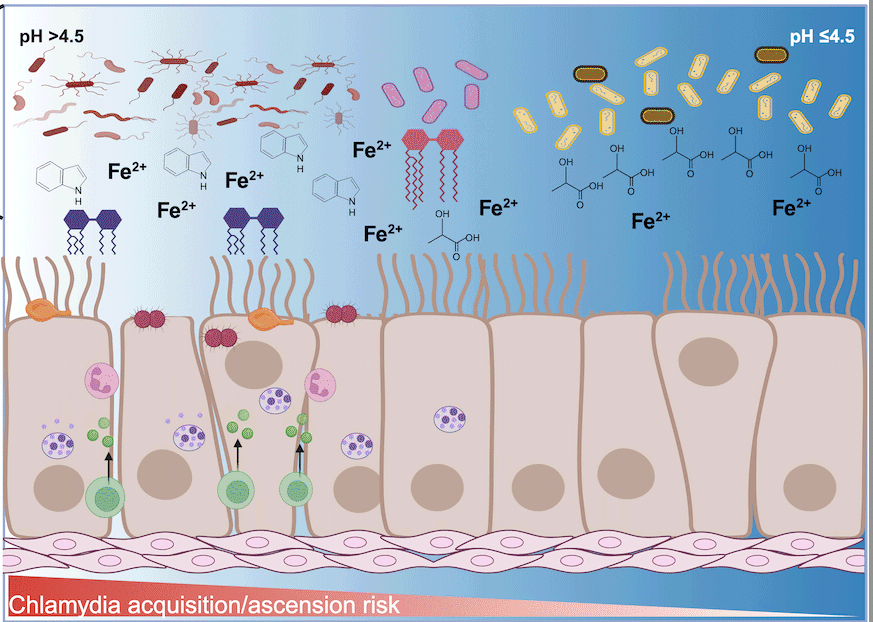
Influence of cervicovaginal microbiota on Chlamydia trachomatis infection dynamics
Emily Hand1, Indriati Hood-Pishchany1,2, Toni Darville1,2 and Catherine M. O’Connell2
This review examines the complex interplay between the cervicovaginal microbiome, C. trachomatis infection, and host immune responses, highlighting the role of metabolites such as short-chain and long-chain fatty acids, indole, and iron in modulating pathogen survival and host defenses.
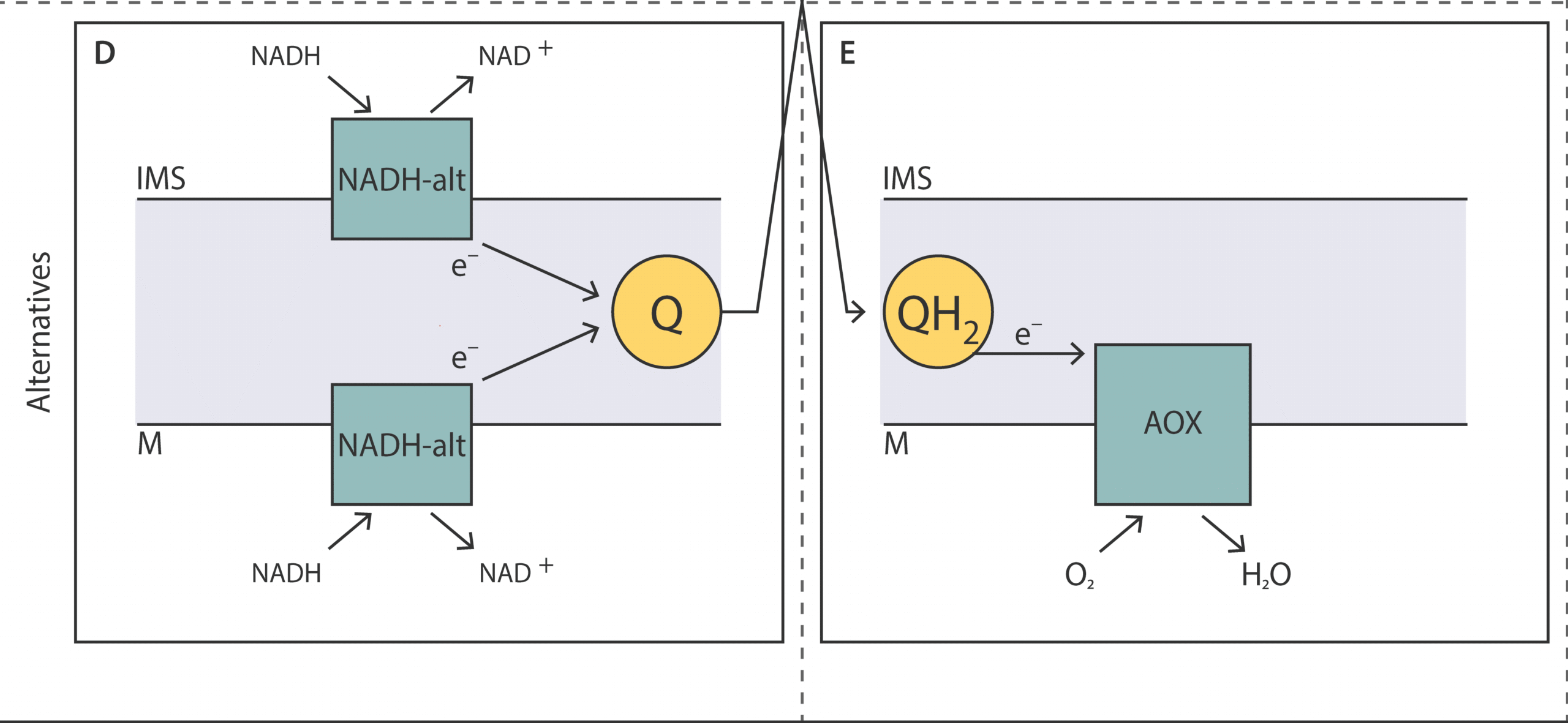
Unveiling the molecular architecture of the mitochondrial respiratory chain of Acanthamoeba castellanii
Christian Q. Scheckhuber1, Sutherland K. Maciver2 and Alvaro de Obeso Fernandez del Valle1
This review provides a comprehensive overview of the mitochondrial res-piratory chain in A. castellanii, focusing on the key alternative components involved in oxidative phosphorylation and their roles in energy metabolism, stress response, and adaptation to various conditions.

Paving the way for new antimicrobial peptides through molecular de-extinction
Karen O. Osiro1, Abel Gil-Ley2, Fabiano C. Fernandes1,3, Kamila B. S. de Oliveira2, Cesar de la Fuente-Nunez4-7, Octavio L. Franco1,2
The advancement of artificial intelligence and molecular de-extinction offers a valuable opportunity not only to discover new antimicrobials but also to provide accurate in silico predictions, thereby shortening the path to addressing the global antibiotic resistance crisis.

Efflux pumps: gatekeepers of antibiotic resistance in Staphylococcus aureus biofilms
Shweta Sinha1, Shifu Aggarwal2,3 and Durg Vijai Singh1
This review aims to elucidate the complex relationship between efflux pumps, antibiotic resistance and biofilm formation in S. aureus with the aim to aid in the development of potential therapeutic targets for combating S. aureus infections, especially those associated with biofilms.

Understanding the molecular mechanisms of human diseases: the benefits of fission yeasts
Lajos Acs-Szabo, Laszlo-Attila Papp and Ida Miklos
Here we collect the latest laboratory protocols and bioinformatics tools for the fission yeasts to highlight the many possibilities available to the research community. In addition, we present several limiting factors that everyone should be aware of when working with yeast models.
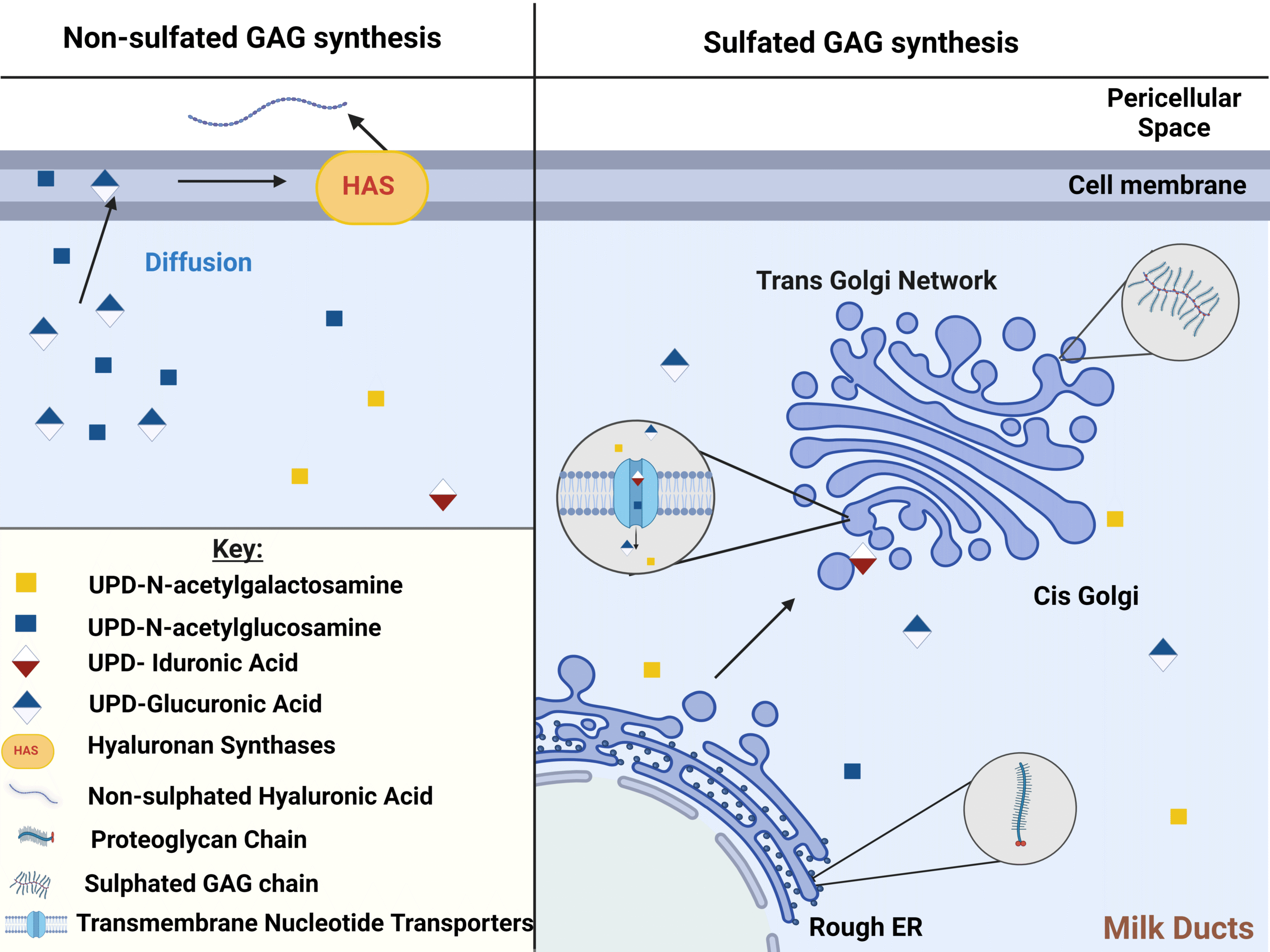
Characterising glycosaminoglycans in human breastmilk and their potential role in infant health
Melissa Greenwood1,2, Patricia Murciano-Martínez3, Janet Berrington4, Sabine L Flitsch5, Sean Austin2 and Christopher Stewart1
Glycosaminoglycans are bioactive components present in breast milk and play a potential key role in determining infant health yet are overlooked by many contemporary studies. This review explores their relevance, use and characterisation techniques.

Neutralizing the threat: harnessing broadly neutralizing antibodies against HIV-1 for treatment and prevention
Juan C Becerra1, Lauren Hitchcock1, Khoa Vu1 and Johannes S Gach1
This review provides an overview of the advancements in HIV- 1-specific broadly neutralizing antibodies and discusses the insights gathered from recent clinical trials regarding their application in treating and preventing HIV-1 infection.
Transceptors as a functional link of transporters and receptors
George Diallinas
A relative newcomer in environment sensing are the so called transceptors, membrane proteins that possess both solute transport and receptor-like signaling activities. Now, the transceptor concept is further enlarged to include micronutrient sensing via the iron and zinc high-affinity transporters of Saccharomyces cerevisiae.
S. pombe placed on the prion map
Jacqueline Hayles
This article comments on work published by Sideri et al. (Microbial Cell, 2017), which identified the Ctr4 prion in S. pombe.
Using microbes as a key tool to unravel the mechanism of autophagy and the functions of the ATG proteins
Mario Mauthe1,2 and Fulvio Reggiori1,2
Microbes have served to discover and characterize unconventional functions of the ATG proteins, which are uncoupled from their role in autophagy. In our recent study, we have taken advantage of viruses as a screening tool to determine the extent of the unconventional functions of the ATG proteome and characterize one of them.
Autophagy: one more Nobel Prize for yeast
Andreas Zimmermann1, Katharina Kainz1, Aleksandra Andryushkova1, Sebastian Hofer1, Frank Madeo1,2 and Didac Carmona-Gutierrez1
The recent announcement of the 2016 Nobel Prize in Physiology or Medicine, awarded to Yoshinori Ohsumifor the discoveries of mechanisms governing autophagy, underscores the importance of intracellular degradation and recycling. Here we provide a quick historical overview that mirrors both the importance of autophagy as a conserved and essential process for cellular life and death as well as the crucial role of yeast in its mechanistic characterization.
Physiology, phylogeny, and LUCA
William F. Martin1,2, Madeline C. Weiss1, Sinje Neukirchen3, Shijulal Nelson-Sathi4, Filipa L. Sousa3
Genomes record their own history. But if we want to look all the way back to life’s beginnings some 4 billion years ago, the record of microbial evolution that is preserved in prokaryotic genomes is not easy to read. The classical approach has been to look for genes that are universally distributed. Another approach is to make all trees for all genes, and sift out the trees where signals have been overwritten by lateral gene transfer. What is left ought to be ancient. If we do that, what do we find?
Sexually transmitted infections: old foes on the rise
Didac Carmona-Gutierrez1,*, Katharina Kainz1 and Frank Madeo1,2,*
Sexually transmitted infections (STIs) are commonly spread via sexual contact. It is estimated that one million STIs are acquired every day worldwide. Besides their impact on sexual, reproductive and neonatal health, they can cause disastrous and life-threatening complications if left untreated. In addition to this personal burden, STIs also represent a socioeconomic problem, deriving in treatment costs of tremendous proportions. Despite a substantial progress in diagnosis, treatment and prevention, the incidence of many common STIs is increasing, and STIs continue to represent a global public health problem and a major cause for morbidity and mortality. With this Special Issue, Microbial Cell provides an in-depth overview of the eight major STIs, covering all relevant features of each infection.
Microbial Cell
is an open-access, peer-reviewed journal that publishes exceptionally relevant research works that implement the use of unicellular organisms (and multicellular microorganisms) to understand cellular responses to internal and external stimuli and/or human diseases.
you can trust

Can’t find what you’re looking for?
You can browse all our issues and published articles here.
FAQs
Peer-reviewed, open-access research using unicellular organisms (and multicellular microorganisms) to understand cellular responses and human disease.
The journal (founded in 2014) is led by its Editors-in-Chief Frank Madeo, Didac Carmona-Gutierrez, and Guido Kroemer
Microbial Cell has been publishing original scientific literature since 2014, and from the very beginning has been managed by active scientists through an independent Publishing House (Shared science Publishers). The journal was conceived as a platform to acknowledge the importance of unicellular organisms, both as model systems as well as in the biological context of human health and disease.
Ever since, Microbial Cell has very positively developed and strongly grown into a respected journal in the unicellular research community and even beyond. This scientific impact is reflected in the yearly number of citations obtained by articles published in Microbial Cell, as recorded by the Web of Science (Clarivate, formerly Thomson/Reuters):

The scientific impact of Microbial Cell is also mirrored in a series of milestones:
2015: Microbial Cell is included in the Emerging Sources Citation Index (ESCI), a selection of developing journals drafted by Clarivate Analytics based on the candidate’s publishing standards, quality, editorial content, and citation data. Note: As an ESCI-selected journal, Microbial Cell is currently being evaluated in a rigorous and long process to determine an inclusion in the Science Citation Index Expanded (SCIE), which allows the official calculation of Clarivate Analytics’ impact factor.

2016: Microbial Cell is awarded the so-called DOAJ Seal by the selective Directory of Open Access Journals (DOAJ). The DOAJ Seal is an exclusive mark of certification for open access journals granted by DOAJ to journals that adhere to outstanding best practice and achieve an extra high and clear commitment to open access and high publishing standards.

2017: Microbial Cell is included in Pubmed Central (PMC), allowing the archiving of all the journal’s articles in PMC and PubMed.

2019: Microbial Cell is indexed in the prestigious abstract and citation database Scopus after a thorough selection process. This also means that Microbial Cell obtains, for the first time, an official Scopus CiteScore as well as an official journal ranking in the Scimago Journal and Country Ranking.

2022: Microbial Cell’s CiteScore reaches a value of 7.2 for the year 2021, positioning Microbial Cell among the top microbiology journals (previously available CiteScores: 2019: 5.4; 2020: 5.1).

2022: Microbial Cell is indexed in the highly selective Science Citation Index Expanded™, which covers approx. 9,500 of the world’s most impactful journals across 178 scientific disciplines. In their journal selection and curation process, Clarivate´s editors apply 24 ‘quality’ criteria and four ‘impact’ criteria to select the most influential journals in their respective fields. This selection is also a pre-requisite for inclusion in the JCR, which features the impact factor.

2022: Microbial Cell is listed in the Journal Citation Reports™ (JCR), and obtains its first official Journal Impact Factor™ (JIF) for the year 2021: 5.316.Check Article Types and Manuscript Preparation guidelines. Submit online via Scholastica.
Staphylococcus aureus type I signal peptidase: essential or not essential, that’s the question
Wouter L.W. Hazenbos1, Elizabeth Skippington2 and Man-Wah Tan1
This article comments on work published by Morisaki et al. (mBio, 2016), which characterized a novel ABC transporter. This transporter apparently compensates for SpsB’s essential function by mediating alternative cleavage of a subset of proteins at a site distinct from the SpsB-cleavage site, leading to SpsB-independent secretion.