
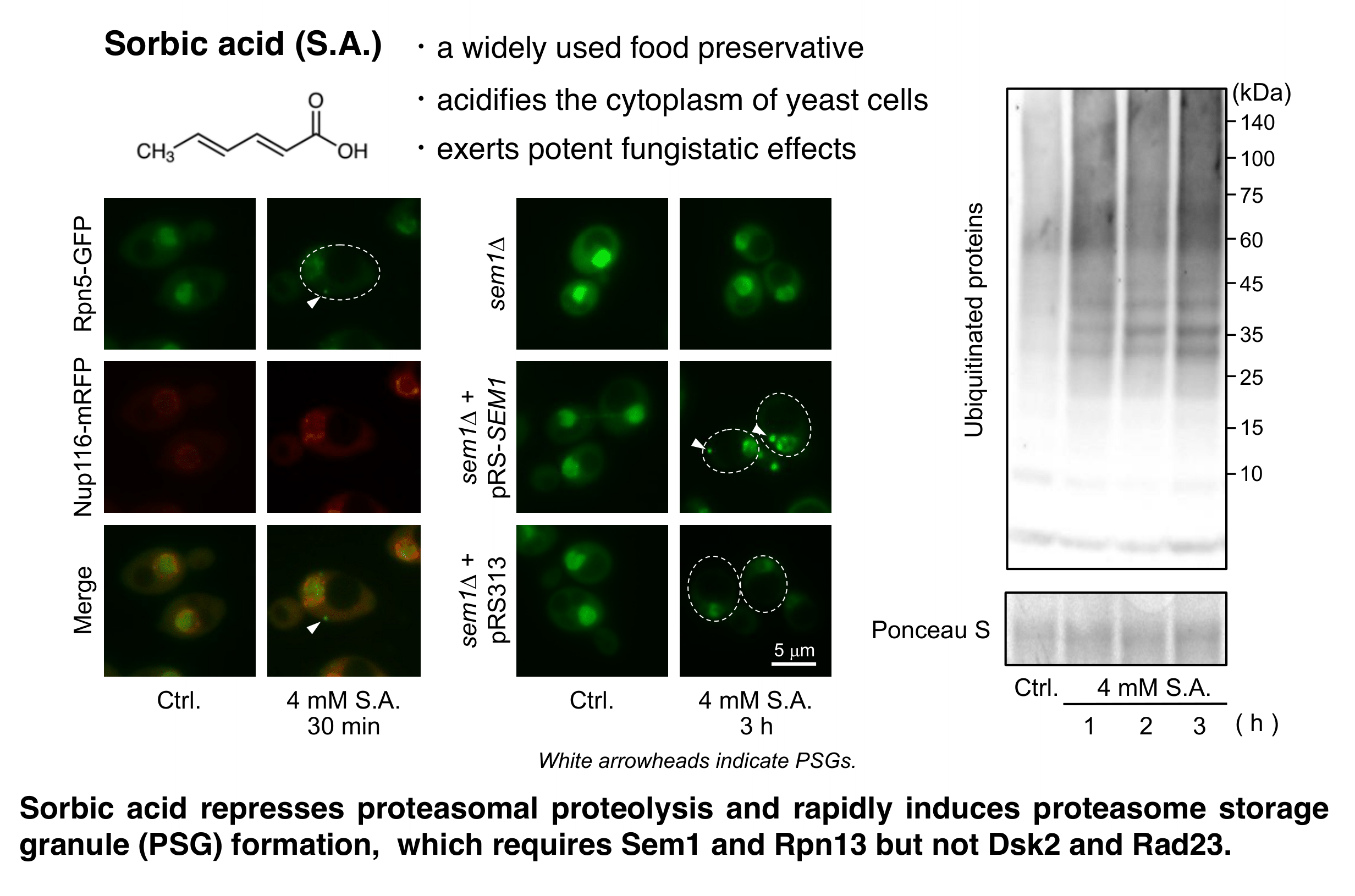
Sorbic acid triggers rapid formation of proteasome storage granules in Saccharomyces cerevisiae
This study demonstrates that sorbic acid, a common food preservative, induces the fastest reported proteasome storage granule (PSG) formation in yeast within 30 min, highlighting differences from other PSG-inducing conditions like acetic acid stress.

Saccharomyces cerevisiae in cancer research: modeling tumor biology and enabling drug discovery
By combining genetic tractability with conservation of key cellular pathways, Saccharomyces cerevisiae is emerging as a versatile model for cancer biology and a scalable platform for identifying therapeutic targets and vulnerabilities.

A time-resolved high-throughput screening of fission yeast deletion mutants for oxidative stress resistance
By capturing dynamic trajectories rather than static outcomes, this study exposes hidden layers of growth under oxidative stress and identifies new genetic determinants of cellular resilience in fission yeast.
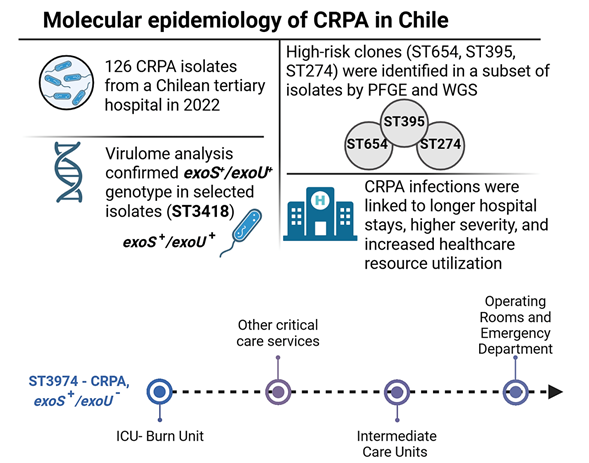
Clonal spread and environmental persistence of carbapenem-resistant high-risk Pseudomonas aeruginosa in critical-care units of a Chilean national referral center for burn and trauma patients (2022)
This study highlight the circulation of high-risk P. aeruginosa clones in Chile and underscore the importance of molecular epidemiology in guiding infection control, optimizing antimicrobial therapy, and mitigating the clinical and economic burden of CRPA.
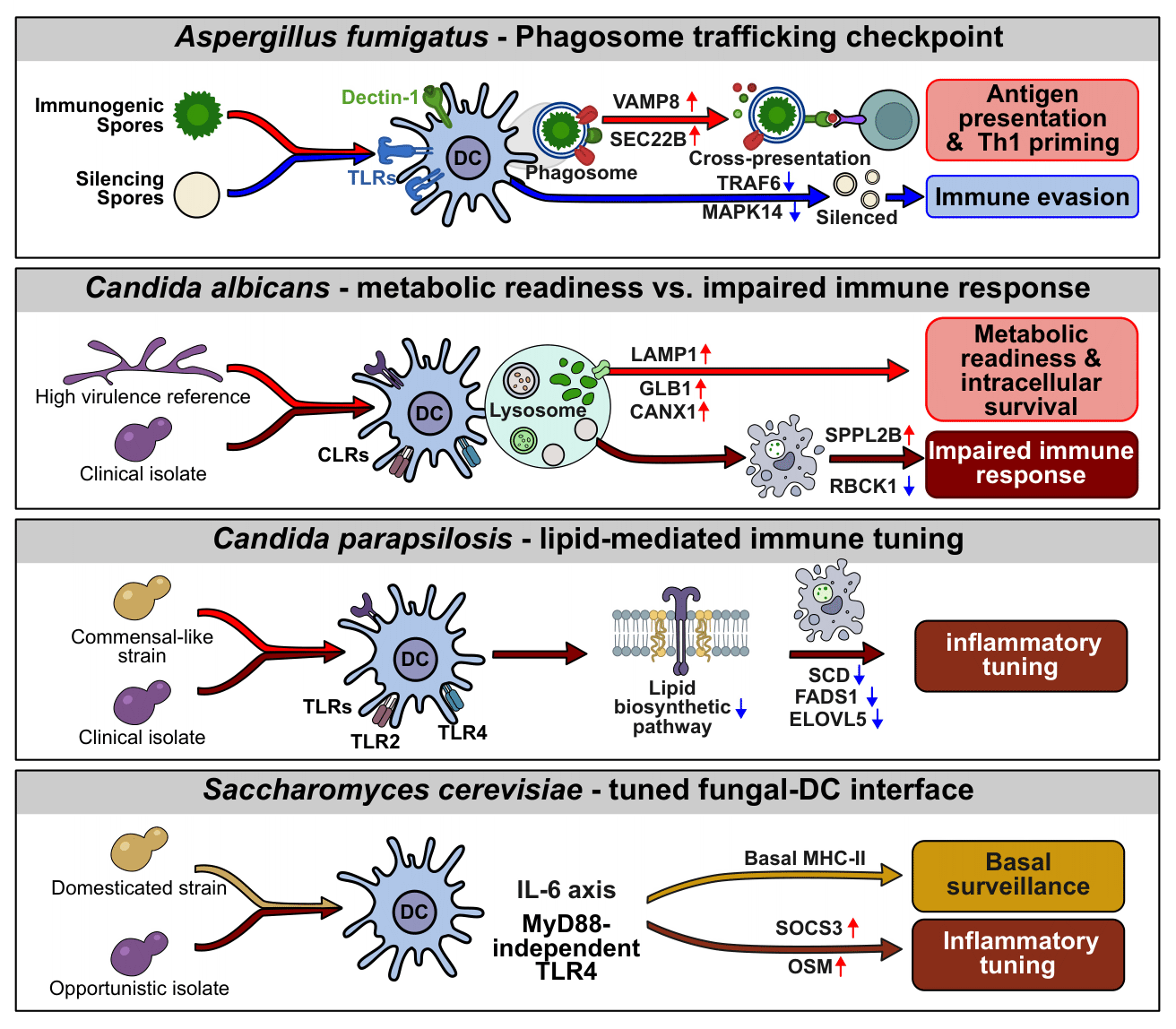
The transcriptome of dendritic cells redraws the boundaries between pathogenicity and commensalism in yeast
Our immune system meets many fungi, but reacts strongly to only a few. The comparison of key fungal species showed that responses differ mainly in timing and not just genes, highlighting the need to rethink what makes fungi harmful vs. harmless.

Sorbic acid triggers rapid formation of proteasome storage granules in Saccharomyces cerevisiae
Tanaka et al.This study demonstrates that sorbic acid, a common food preservative, induces the fastest reported proteasome storage granule (PSG) formation in yeast within 30 min, highlighting differences from other PSG-inducing conditions like acetic acid stress.
Saccharomyces cerevisiae in cancer research: modeling tumor biology and enabling drug discovery
Assalve et al.By combining genetic tractability with conservation of key cellular pathways, Saccharomyces cerevisiae is emerging as a versatile model for cancer biology and a scalable platform for identifying therapeutic targets and vulnerabilities.
A time-resolved high-throughput screening of fission yeast deletion mutants for oxidative stress resistance
Pirsalehi et al.By capturing dynamic trajectories rather than static outcomes, this study exposes hidden layers of growth under oxidative stress and identifies new genetic determinants of cellular resilience in fission yeast.
Clonal spread and environmental persistence of carbapenem-resistant high-risk Pseudomonas aeruginosa in critical-care units of a Chilean national referral center for burn and trauma patients (2022)
Ibarra et al.This study highlight the circulation of high-risk P. aeruginosa clones in Chile and underscore the importance of molecular epidemiology in guiding infection control, optimizing antimicrobial therapy, and mitigating the clinical and economic burden of CRPA.
The transcriptome of dendritic cells redraws the boundaries between pathogenicity and commensalism in yeast
Rizzetto et al.Our immune system meets many fungi, but reacts strongly to only a few. The comparison of key fungal species showed that responses differ mainly in timing and not just genes, highlighting the need to rethink what makes fungi harmful vs. harmless.
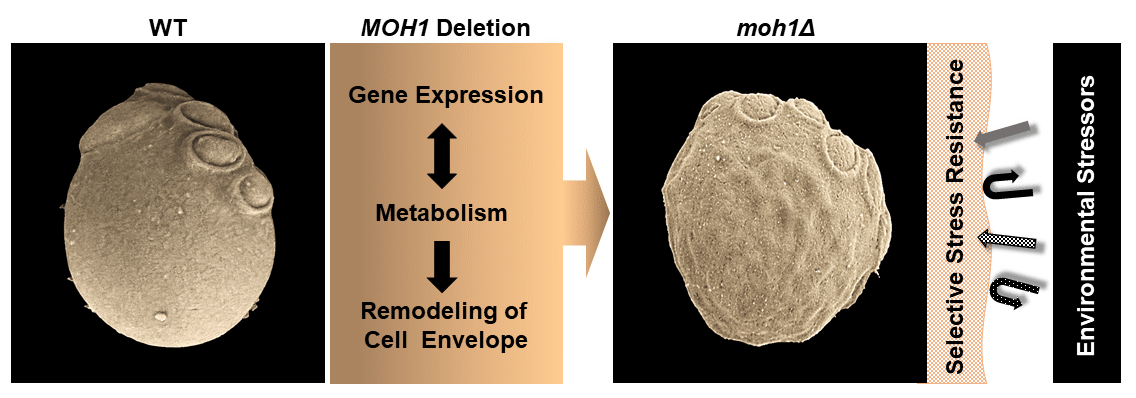
Yippee-like protein Moh1 links gene expression to metabolism and selective stress resistance in Saccharomyces cerevisiae
Olgun et al.This study demonstrates that the conserved yeast protein Moh1 links metabolism, gene expression, and cell structure, thereby altering cell envelope permeability and leading to selective stress responses.
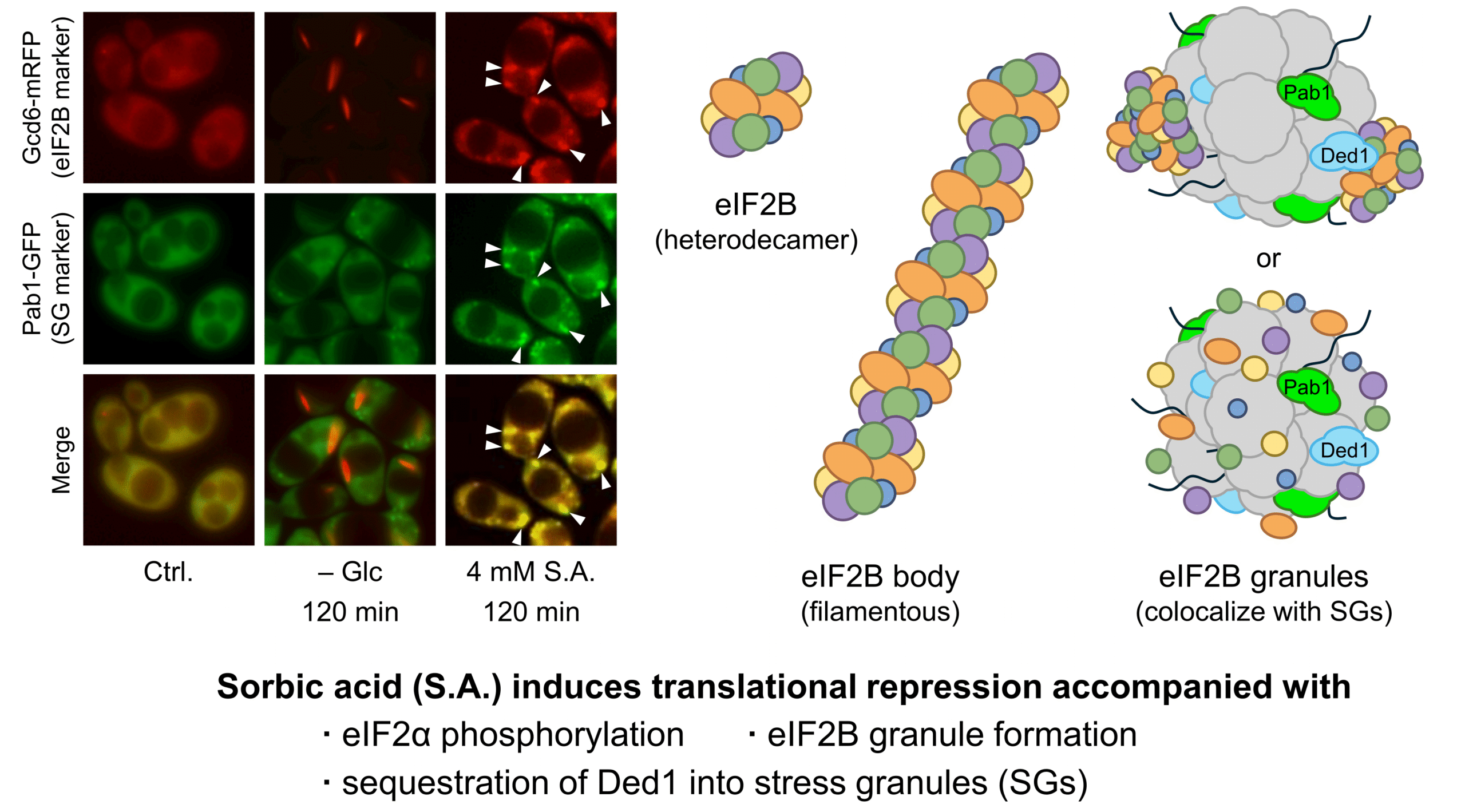
Fungistatic effect of sorbic acid on yeast cells via translational repression involving eIF2α phosphorylation and formation of Ded1- and eIF2B-granules
Yoshiyama et al.The findings of this study provide new insights into the physiological effects of sorbic acid on yeast cells, specifically regarding the regulation of translation-related factors.
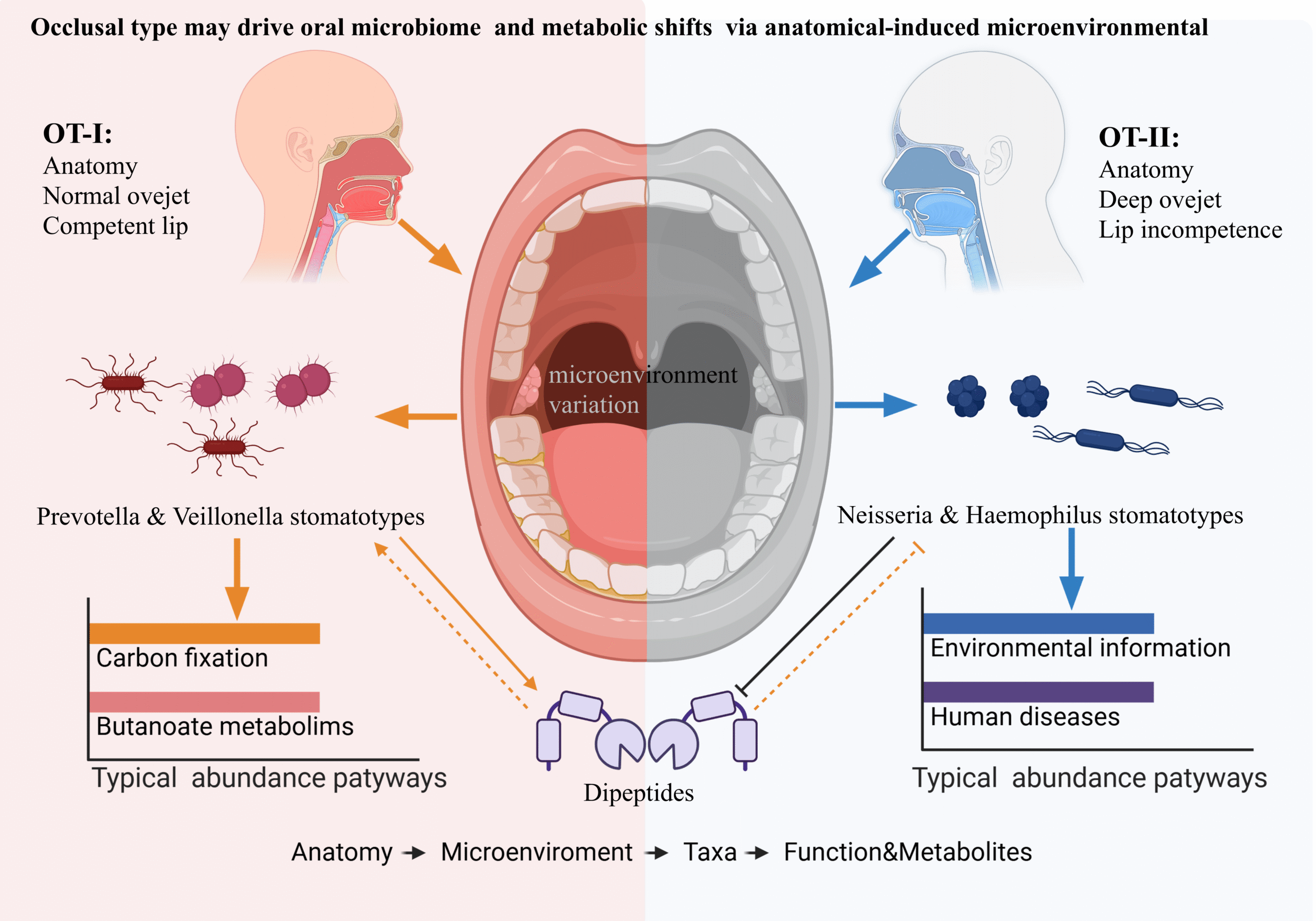
Occlusal types shape oral microbiome stomatotypes and metabolic landscapes: A multi-omics perspective on host-microbe interaction
Duan et alThis study reveals how occlusal types shape oral microbiome “stomatotypes” and metabolic profiles in adolescents. It offers fresh insights that host anatomy drives microecology which may be associated with personalized oral health.

Prohibitins: emerging host targets of bacteria and viruses at the plasma membrane, mitochondria, and cytoplasm
Rivera-Palomino and TheissProhibitins are emerging as central host hubs exploited by bacteria and viruses to rewire signaling and mitochondrial dynamics. The current review discusses Prohibitins in host-pathogen interplay and their potential as novel anti-infective targets.

The last two transmembrane helices in the APC-type FurE transporter act as an intramolecular chaperone essential for concentrative ER-exit
Pyrris et al.FurE is a H+ symporter specific for the cellular uptake of uric acid, allantoin, uracil, and toxic nucleobase analogues in the fungus Aspergillus nidulans. Being member of the NCS1 protein family, FurE is structurally related to the APC-superfamily of transporters.
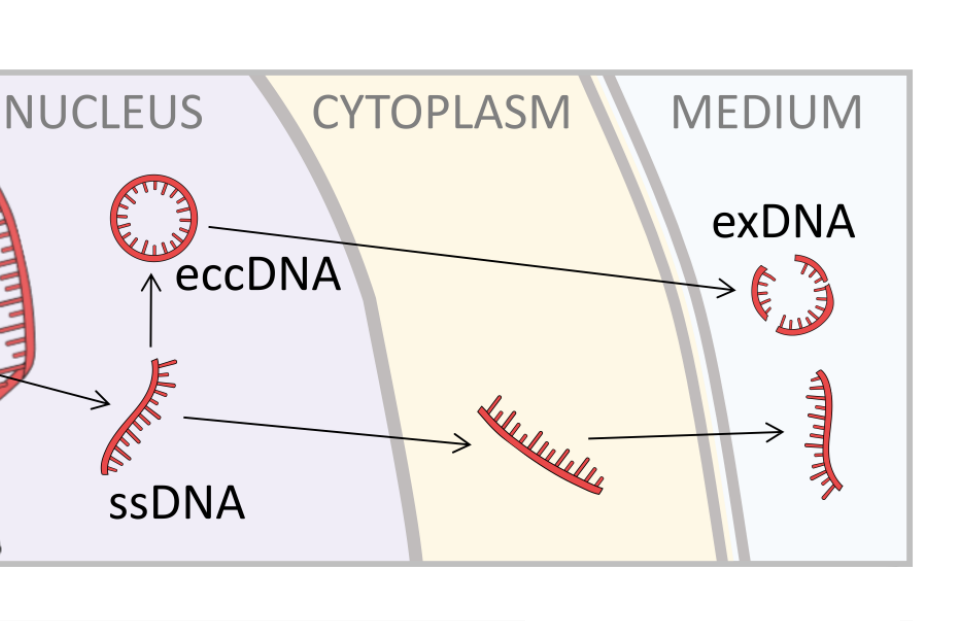
Extracellular DNA secreted in yeast cultures is metabolism-specific and inhibits cell proliferation
de Alteriis et al.Our study demonstrates that extracellular DNA released by living cells can impact the growth rate of Saccharomyces cerevisiae cultures, showing similarities to extrachromosomal circular DNA and leading to cell cycle arrest in the S phase, suggesting potential new functional roles of exDNA.

Basal level of ppGpp coordinates Escherichia coli cell heterogeneity and ampicillin resistance and persistence
Grucela and ZhangThe universal stringent response alarmone ppGpp (guanosine penta and tetra phosphates) plays a crucial role in various aspects of fundamental cell physiology (e.g., cell growth rate, cell size) and thus bacterial tolerance to and survival of external stresses, including antibiotics. In tihs study, we discuss the fundamental role of basal level of ppGpp in regulating cell homogeneity and ampicillin persistence.
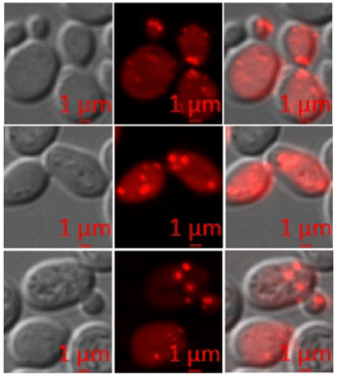
Investigation of the acetic acid stress response in Saccharomyces cerevisiae with mutated H3 residues
Saha et al.Yeast cells respond to acetic acid in diverse ways. Here, we have elucidated the deleterious effects of acetic acid on different histone mutants
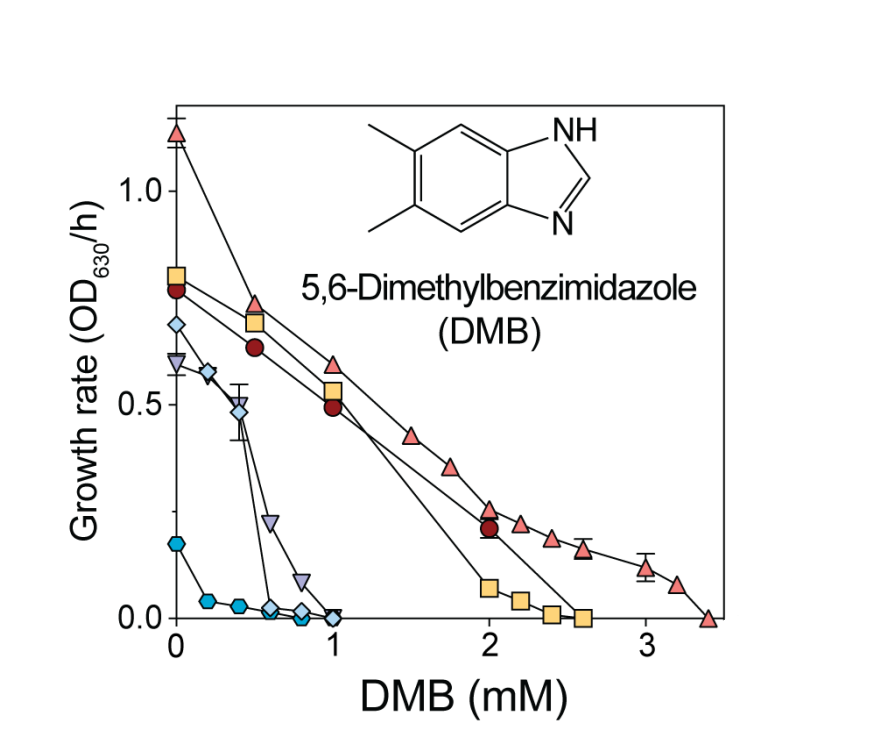
The coenzyme B12 precursor 5,6-dimethylbenzimidazole is a flavin antagonist in Salmonella
Malalasekara and Escalante-SemerenaHere we investigated why 5,6-dimethylbenzimidazole (DMB) inhibits in S. Typhimurium. Briefly, we determined that the structural similarities of the substituted benzene ring of DMB with the isoalloxazine moiety of flavins is responsible for the deleterious effects of this CoB12 precursor.

Yeast gene KTI13 (alias DPH8) operates in the initiation step of diphthamide synthesis on elongation factor 2
Arend et al.We show here that apart from its effector role for Elongator-dependent tRNA modification in yeast, Kti13 alias Dph8 also operates in step one of the diphthamide modification pathway.

Caspase 3 exhibits a yeast metacaspase proteostasis function that protects mitochondria from toxic TDP43 aggregates
Brunette et al.Caspase 3 activation is a hallmark of cell death and there is a strong correlation between elevated protease activity and evolving pathology in neurodegenerative disease, such as amyotrophic lateral sclerosis (ALS). These results suggest that caspase 3 is not inherently pathogenic, but may act as a compensatory proteostasis factor, to limit TDP-43 protein inclusions and protect organelle function in aggregation related degenerative disease.
GFP fusions of Sec-routed extracellular proteins in Staphylococcus aureus reveal surface-associated coagulase in biofilms
Evans et al.We show that msfGFP can be used to generate extracellular fluorescent fusion proteins in S. aureus, applicable for proteins that are secreted through the Sec pathway. When fused to coagulase, msfGFP did not hinder the biological function, and the fusion protein localised to the fibrin pseudocapsule surrounding clusters of S. aureus cells.
The tug-of-war over MTOR in Legionella infections
Stanimir S. IvanovThis article comments on work published by Abshire et al (PLoS Pathog, 2016), which uncovered that the host metabolic checkpoint kinase Mechanistic target of rapamycin (MTOR) is a central regulator of the pathogen niche expansion program.
A new role for Holliday junction resolvase Yen1 in processing DNA replication intermediates exposes Dna2 as an accessory replicative helicase
Benoît Falquet and Ulrich RassThis article comments on work published by Ölmezer et al. (Nat Commun, 2016), which revealed a new function of Yen1, distinct from its previously known role as a Holliday junction resolvase, mediating the removal of branched HR intermediates.
Toxin-mediated gene regulatory mechanism in Staphylococcus aureus
Hwang-Soo Joo and Michael OttoThis article comments on work published by Joo et al. (MBio, 2016), which describes the first molecular regulatory mechanism exerted by an S. aureus toxin, setting a paradigmatic example of how S. aureus toxins may influence cell functions to adjust them to times of toxin production.
Autophagy: machinery and regulation
Yin et al.Macroautophagy/autophagy is an evolutionarily conserved cellular degradation process that targets cytoplasmic materials including cytosol, macromolecules and unwanted organelles. The discovery and analysis of autophagy-related (Atg) proteins have unveiled much of the machinery of autophagosome formation. In this review, we briefly summarize the physiological roles, molecular mechanism, regulatory network, and pathophysiological roles of autophagy.
NprR, a moonlighting quorum sensor shifting from a phosphatase activity to a transcriptional activator
Perchat et al.This article comments on work published by Perchat et al. (PLoS Pathog, 2016), which demonstrates that, in the absence of the signaling peptide NprX, the sensor NprR is a dimer, which negatively controls sporulation in Bacillus thuringiensis, independently of its transcription factor activity.
Threading Granules in Freiburg: 2nd International Symposium on “One Mitochondrion, Many Diseases – Biological and Molecular Perspectives”, a FRIAS Junior Researcher Conference, Freiburg im Breisgau, Germany, March 9th/10th, 2016
Braun et al.INTRODUCTION Mitochondria (greek: μίτος & χονδρίον, mitos & chondrion, i.e., thread & granule) are the power houses of eukaryotic cells, and are pivotally involved in essential metabolic processes, including iron/sulfur cluster and heme biosynthesis. Mitochondria
The interaction between herpes simplex virus 1 genome and promyelocytic leukemia nuclear bodies (PML-NBs) as a hallmark of the entry in latency
LomonteThis article comments on work published by Maroul et al. (PLoS Pathog, 2016), which demonstrates that the interaction of the viral genomes with the nuclear architecture and specifically the promyelocytic leukemia nuclear bodies is a major determinant for the entry of HSV-1 into latency.
Francisella IglG protein and the DUF4280 proteins: PAAR-like proteins in non-canonical Type VI secretion systems?
Lays et al.This article comments on work published by Rigard et al. (PLoS Pathog, 2013), which identified the function of IgIG, a protein of unknown function, encoded within the Francisella Pathogenicity Island.
B cell-helping functions of gut microbial metabolites
KimThis article comments on work published by Kim et al. (Cell Host & Microbe, 2016), which showed that the microbial metabolites short-chain fatty acids (SCFAs) regulate the metabolism and gene expression in B cells to promote antibody production.
Starting with a degron: N-terminal formyl-methionine of nascent bacterial proteins contributes to their proteolytic control
R. Jürgen DohmenIn this article, the author comments on the study “Formyl-methionine as a degradation signal at the N-termini of bacterial proteins.” by Piatkov et al. (Microbial Cell, 2015), discussing a novel N-terminal degradation signal (N-degron) that targets nascent proteins for degradation in Escherichia coli by a new branch of the bacterial N-end rule pathway, termed the fMet/N-end rule pathway
Elongation factor-P at the crossroads of the host-endosymbiont interface
Andrei Rajkovic et al.Elongation factor P (EF-P) is an ancient bacterial translational factor that aids the ribosome in polymerizing oligo-prolines. EF-P structurally resembles tRNA and binds in-between the exit and peptidyl sites of the ribosome to accelerate the intrinsically slow reaction of peptidyl-prolyl bond formation. Recent studies have identified in separate organisms, two evolutionarily convergent EF-P post-translational modification systems (EPMS), split predominantly between gammaproteobacteria, and betaproteobacteria. Here, the authors highlight the recent discoveries made regarding EPMSs, with a focus on how these incomplete modification pathways shape or have been shaped by the endosymbiont-host relationship.
Feelin’ it: Differential oxidative stress sensing mediated by Cyclin C
W. Scott Moye-RowleyMicrobial cells that live exposed directly to their environmental milieu are faced with the challenge of adapting to the dynamic stress conditions that will inevitably be encountered. These stress conditions may vary over wide ranges and the most efficient responses would be tuned to produce a proportional buffering change. A mild stress would most efficiently be dealt with by a mild metabolic reprogramming that would prevent serious damage. A more severe environmental challenge would demand a more dramatic cellular compensatory response.
Subverting lysosomal function in Trypanosoma brucei
Sam AlsfordThis article discusses Koh et al. (2015) “The lysosomotropic drug LeuLeu-OMe induces lysosome disruption and autophagy-independent cell death in Trypanosoma brucei (Microbial Cell 2(8): 288-298).
Entamoeba histolytica – tumor necrosis factor: a fatal attraction
Serge AnkriThis article comments on the study “In Entamoeba histolytica, a BspA family protein is required for chemotaxis toward tumour necrosis factor” by Silvestre et al. (Microbial Cell, 2015).
Toxoplasma control of host apoptosis: the art of not biting too hard the hand that feeds you
Sébastien BesteiroToxoplasma gondii is an obligate intracellular parasite that is able to infect a multitude of different vertebrate hosts and can survive in virtually any nucleated cell. Here, the authors discuss the article “Toxoplasma gondii inhibits cytochrome c-induced caspase activation in its host cell by interference with holo-apoptosome assembly” by Graumann et al. (2015, Microbial Cell).
A safety catch for ornithine decarboxylase degradation
Christof TaxisFeedback inhibition is a common mechanism to adjust the activity of an enzyme in accordance with the abundance of a product. This article comments on the study “Polyamines directly promote antizyme-mediated degradation of ornithine decarboxylase by the proteasome” by Beenukumar et al. (2015), Microbial Cell.
Fancy a gene? A surprisingly complex evolutionary history of peroxiredoxins.
Alena Zíková et al.In this comment, the authors discuss the article “Prokaryotic ancestry and gene fusion of a dual localized peroxiredoxin in malaria parasites” (Djuika et al., Microbial Cell 2015).
Quorum protection, growth and survival
Ian G . MacreadieFor the growth of a cell culture, one inoculates not with one cell but with a quorum of cells. This most often a requirement, not just a convenience, and most of us take this for granted without question. Here this observation is re-examined to understand why a quorum may be required to grow cells. The importance of quorums may be widespread in the aspects of microbiology they affect. It is very likely that quorums are connected with and have a large impact on the determination of Minimal Inhibitory Concentrations. It is also possible that low cell density may adversely affect cell survival, however, this is an area where even less is known. The need for a quorum might affect other aspects of microbial cell culture, cell isolation and cell preservation. Effects also extend to mammalian cell culture. Here I seek to review studies that have been documented and speculate on how the information might be utilized in the future.
Can’t find what you’re looking for?
You can browse all our issues and published articles here.
FAQs
Peer-reviewed, open-access research using unicellular organisms (and multicellular microorganisms) to understand cellular responses and human disease.
The journal (founded in 2014) is led by its Editors-in-Chief Frank Madeo, Didac Carmona-Gutierrez, and Guido Kroemer
Microbial Cell has been publishing original scientific literature since 2014, and from the very beginning has been managed by active scientists through an independent Publishing House (Shared science Publishers). The journal was conceived as a platform to acknowledge the importance of unicellular organisms, both as model systems as well as in the biological context of human health and disease.
Ever since, Microbial Cell has very positively developed and strongly grown into a respected journal in the unicellular research community and even beyond. This scientific impact is reflected in the yearly number of citations obtained by articles published in Microbial Cell, as recorded by the Web of Science (Clarivate, formerly Thomson/Reuters):

The scientific impact of Microbial Cell is also mirrored in a series of milestones:
2015: Microbial Cell is included in the Emerging Sources Citation Index (ESCI), a selection of developing journals drafted by Clarivate Analytics based on the candidate’s publishing standards, quality, editorial content, and citation data. Note: As an ESCI-selected journal, Microbial Cell is currently being evaluated in a rigorous and long process to determine an inclusion in the Science Citation Index Expanded (SCIE), which allows the official calculation of Clarivate Analytics’ impact factor.

2016: Microbial Cell is awarded the so-called DOAJ Seal by the selective Directory of Open Access Journals (DOAJ). The DOAJ Seal is an exclusive mark of certification for open access journals granted by DOAJ to journals that adhere to outstanding best practice and achieve an extra high and clear commitment to open access and high publishing standards.

2017: Microbial Cell is included in Pubmed Central (PMC), allowing the archiving of all the journal’s articles in PMC and PubMed.

2019: Microbial Cell is indexed in the prestigious abstract and citation database Scopus after a thorough selection process. This also means that Microbial Cell obtains, for the first time, an official Scopus CiteScore as well as an official journal ranking in the Scimago Journal and Country Ranking.

2022: Microbial Cell’s CiteScore reaches a value of 7.2 for the year 2021, positioning Microbial Cell among the top microbiology journals (previously available CiteScores: 2019: 5.4; 2020: 5.1).

2022: Microbial Cell is indexed in the highly selective Science Citation Index Expanded™, which covers approx. 9,500 of the world’s most impactful journals across 178 scientific disciplines. In their journal selection and curation process, Clarivate´s editors apply 24 ‘quality’ criteria and four ‘impact’ criteria to select the most influential journals in their respective fields. This selection is also a pre-requisite for inclusion in the JCR, which features the impact factor.

2022: Microbial Cell is listed in the Journal Citation Reports™ (JCR), and obtains its first official Journal Impact Factor™ (JIF) for the year 2021: 5.316.Check Article Types and Manuscript Preparation guidelines. Submit online via Scholastica.