
Research Articles
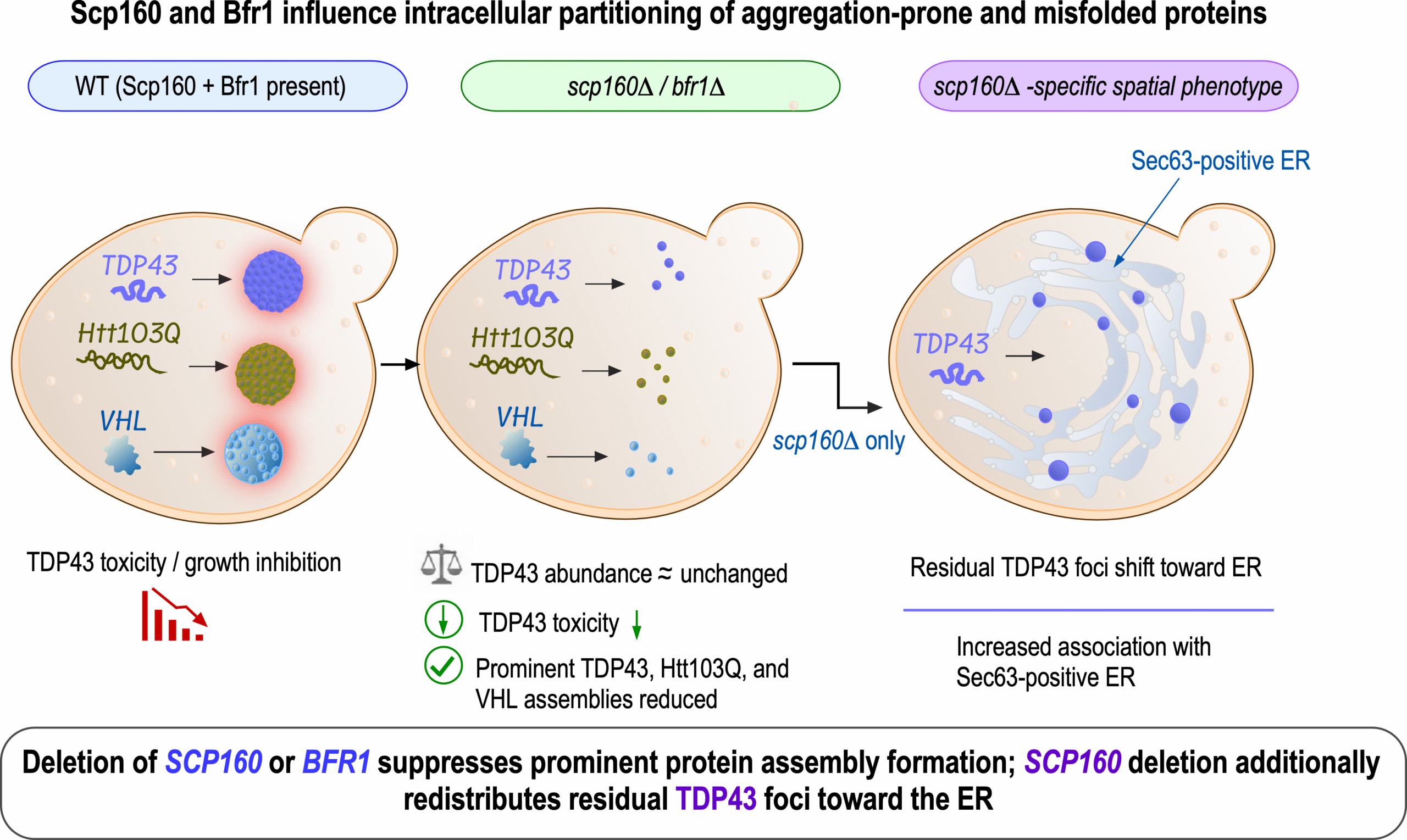
Scp160 deletion suppresses TDP-43 aggregation and toxicity in Saccharomyces cerevisiae
Joan Castells-Ballestera and Natalia Shcherbik
Deletion of SCP160 or BFR1 reduces TDP-43 toxicity without lowering TDP-43 protein abundance and suppresses prominent TDP-43, Htt103Q, and VHL aggregation, while SCP160 deletion also shifts residual TDP-43 foci toward the ER.
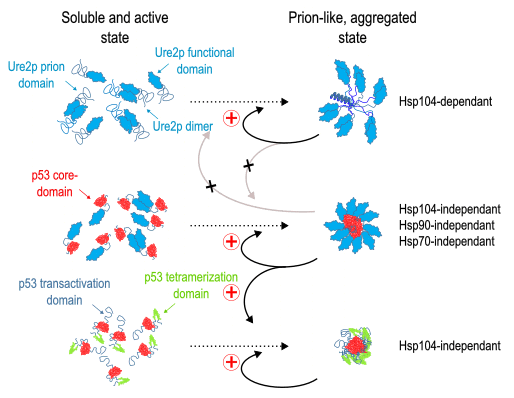
The p53 DNA-Binding (Core) Domain can form a prion that seeds prion formation in full-length p53
Mathilde Kadouch1, Christelle Marchal1, Sei-Kyoung Park2, Sangeun Park2, Sabine Castano1, Susan W. Liebman2 and Christophe Cullin1
In yeast the p53 core-domain forms a self-propagating prion that inactivates a reporter and converts untagged full-length p53 to a prion. R175H in the tagged chimera shows 18x higher prionization, linking it to p53 inactivation in human cancers.
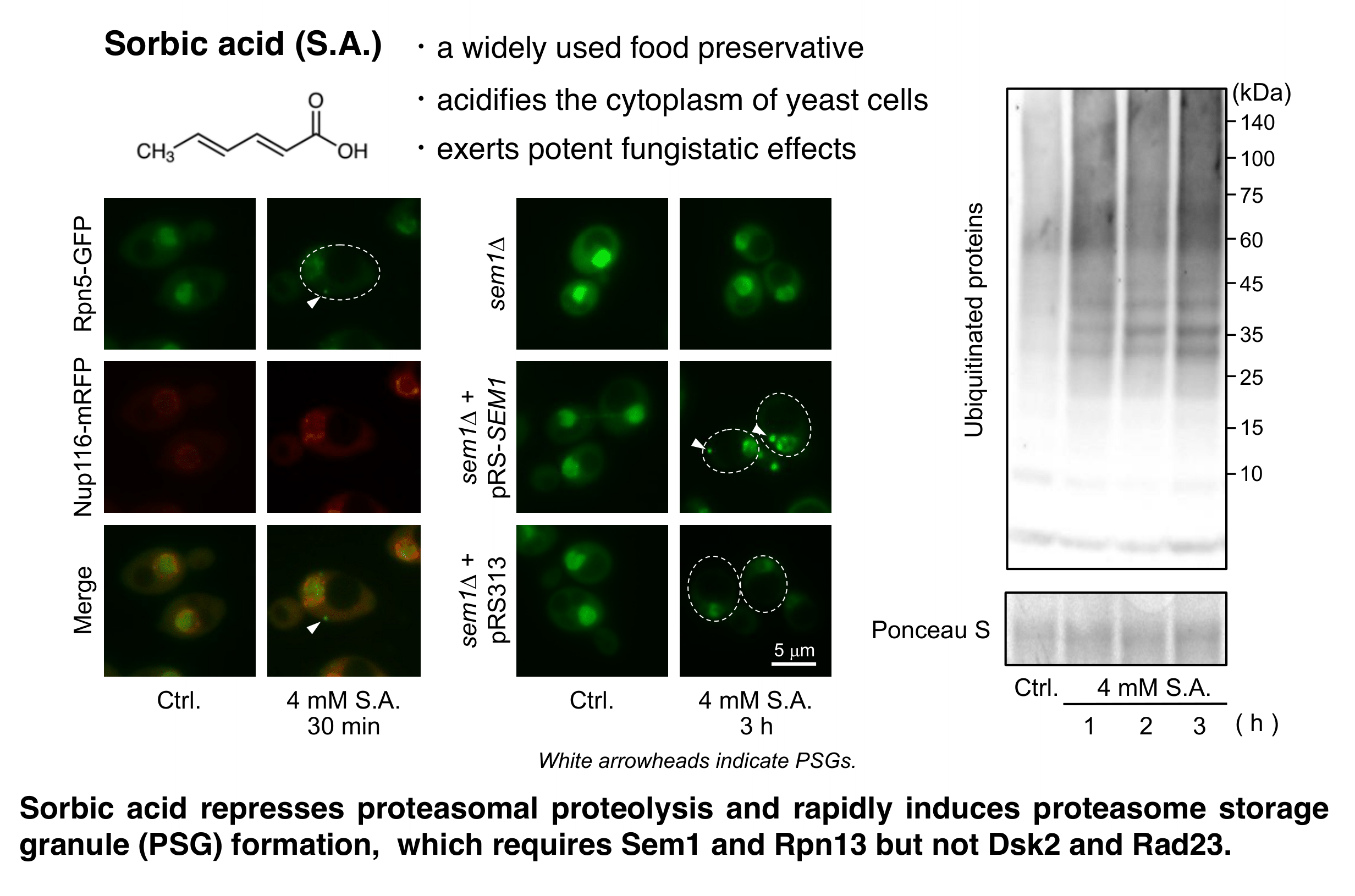
Sorbic acid triggers rapid formation of proteasome storage granules in Saccharomyces cerevisiae
Shoei Tanaka1, Mitsuki Imajo1, Mieko Hayashi2, Akira Matsuura2 and Shingo Izawa1
This study demonstrates that sorbic acid, a common food preservative, induces the fastest reported proteasome storage granule (PSG) formation in yeast within 30 min, highlighting differences from other PSG-inducing conditions like acetic acid stress.
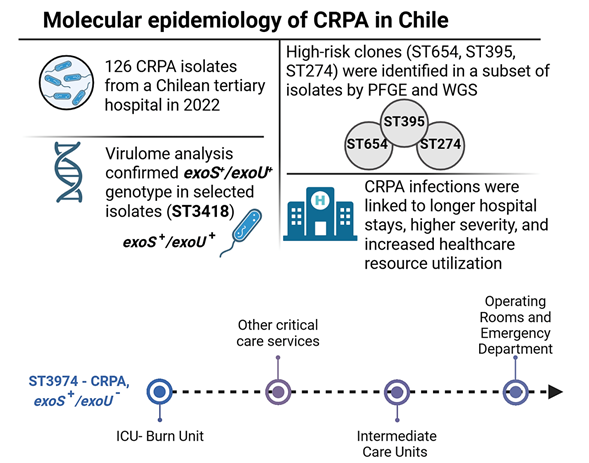
Clonal spread and environmental persistence of carbapenem-resistant high-risk Pseudomonas aeruginosa in critical-care units of a Chilean national referral center for burn and trauma patients (2022)
Camila Ibarra1, Gustavo Araya2, Alhejandra Alvarez2, Leonardo Enríquez2, Carolina Arellano2, Fabricio Alarcón1, Constanza Fernández1, Claudio Vargas1, Rodrigo Vera1 and Roberto M. Vidal2
This study highlight the circulation of high-risk P. aeruginosa clones in Chile and underscore the importance of molecular epidemiology in guiding infection control, optimizing antimicrobial therapy, and mitigating the clinical and economic burden of CRPA.
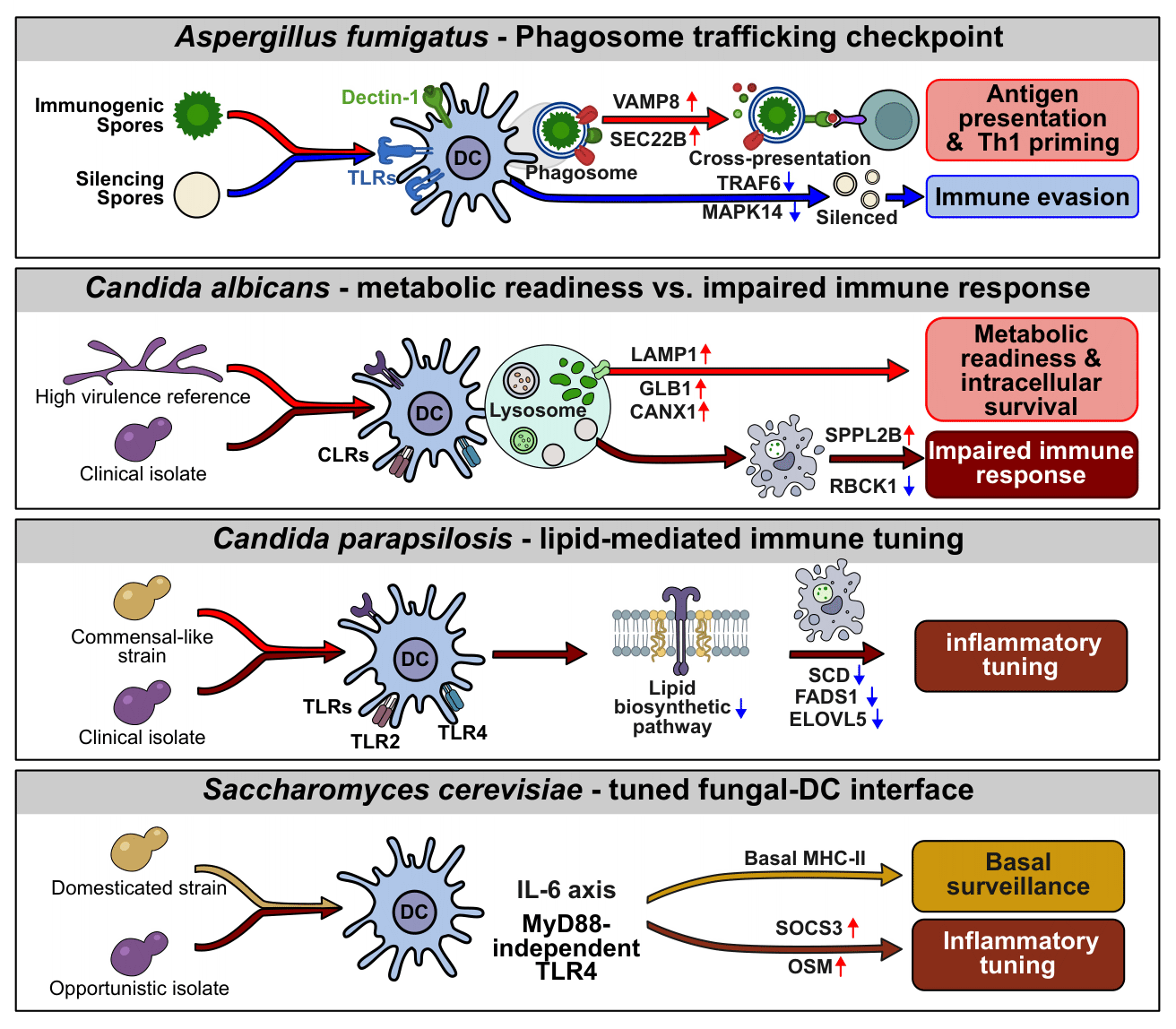
The transcriptome of dendritic cells redraws the boundaries between pathogenicity and commensalism in yeast
Lisa Rizzetto1, Irene Stefanini2, Stefano Nenciarini3, Monica Di Paola3, Samantha Riccadonna1, Ivo G. Gut4,5, Marta Gut4,5, Simon Heath4,5 and Duccio Cavalieri3
Our immune system meets many fungi, but reacts strongly to only a few. The comparison of key fungal species showed that responses differ mainly in timing and not just genes, highlighting the need to rethink what makes fungi harmful vs. harmless.
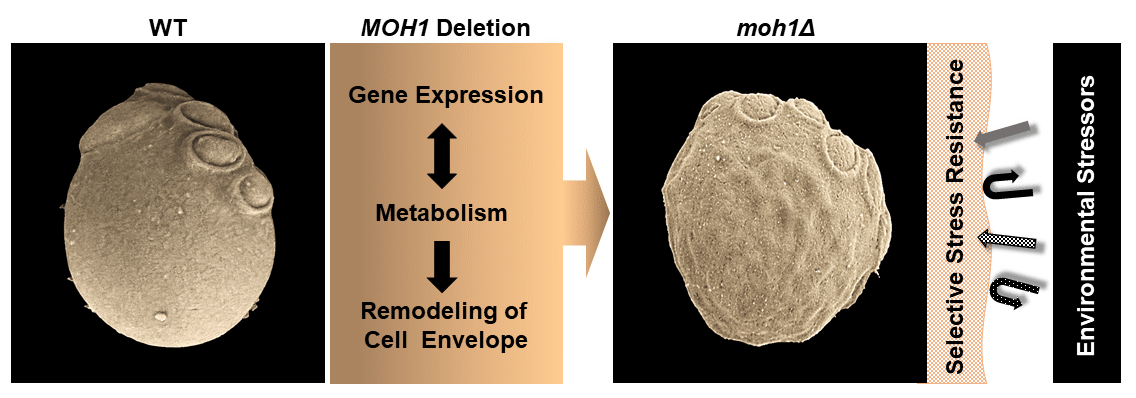
Yippee-like protein Moh1 links gene expression to metabolism and selective stress resistance in Saccharomyces cerevisiae
Çağla Ece Olgun1,a, Gizem Turan Duman1,a, Gizem Güpür1, Hamit İzgi1, Mariam Huda2, Demet Çetin3, Zekiye Suludere4, Fatma Küçük Baloğlu5, Ayşe Koca Çaydaşı2 and Mesut Muyan1
This study demonstrates that the conserved yeast protein Moh1 links metabolism, gene expression, and cell structure, thereby altering cell envelope permeability and leading to selective stress responses.
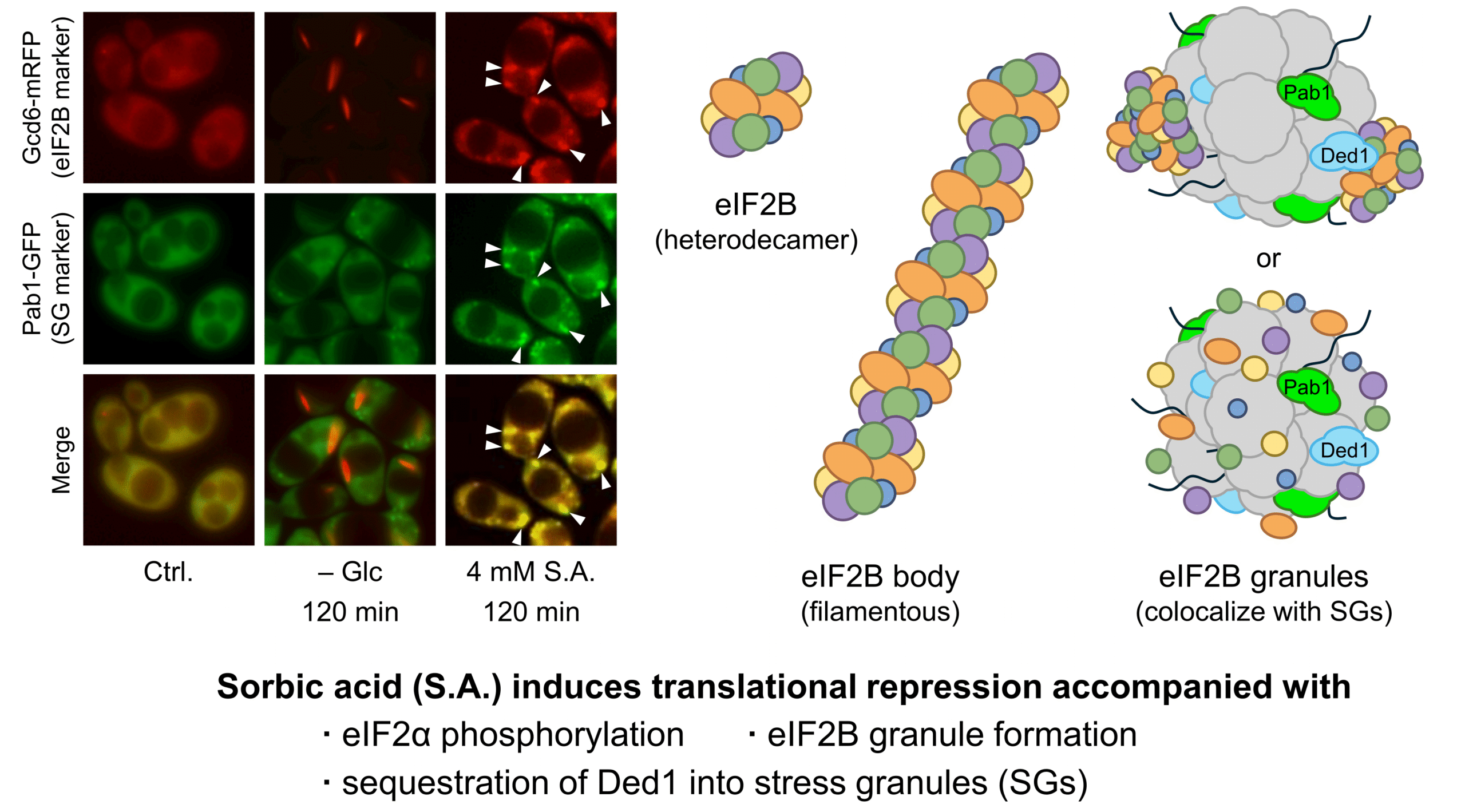
Fungistatic effect of sorbic acid on yeast cells via translational repression involving eIF2α phosphorylation and formation of Ded1- and eIF2B-granules
Haruka Yoshiyama1, Wataru Nomura2 and Shingo Izawa1
The findings of this study provide new insights into the physiological effects of sorbic acid on yeast cells, specifically regarding the regulation of translation-related factors.
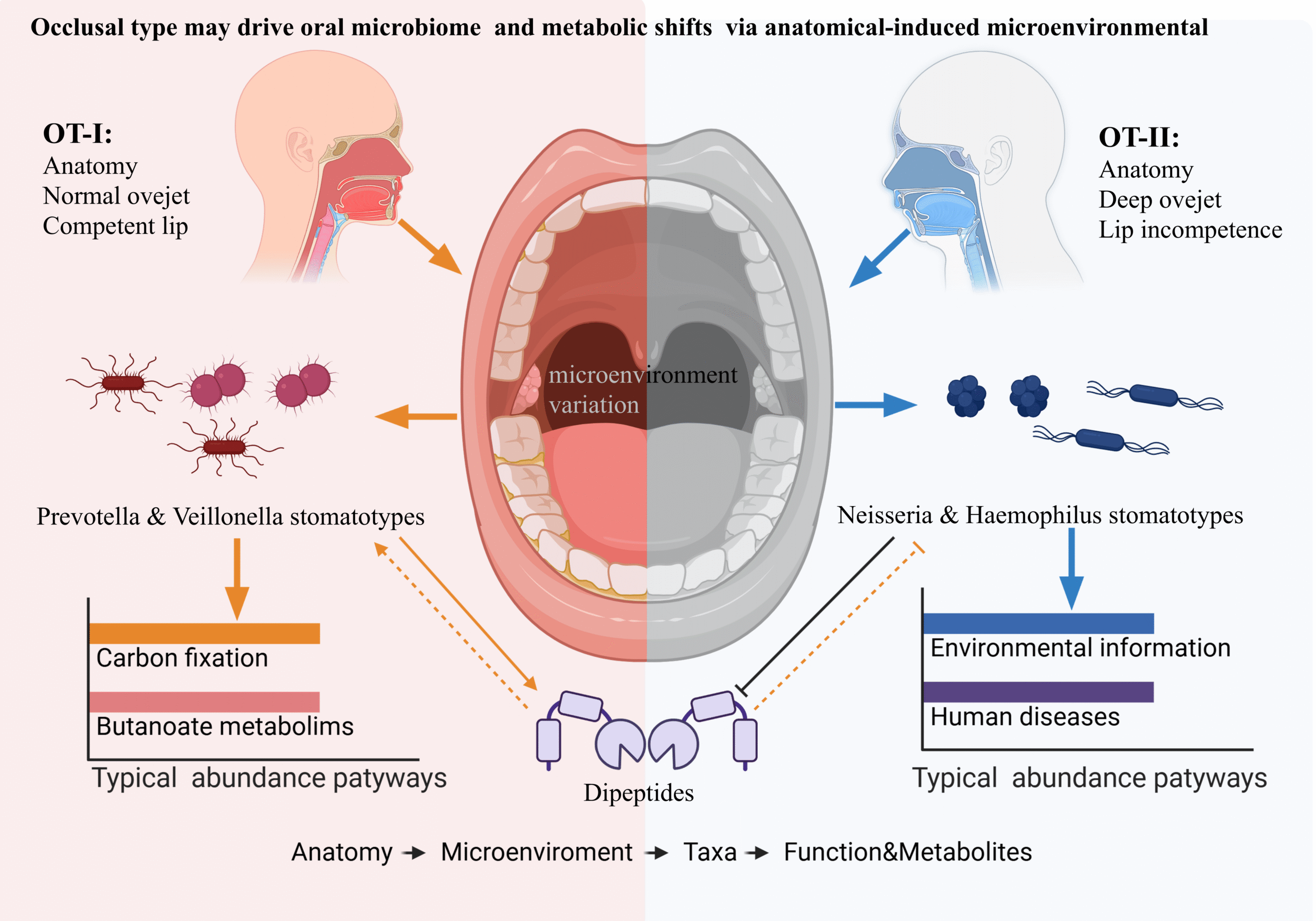
Occlusal types shape oral microbiome stomatotypes and metabolic landscapes: A multi-omics perspective on host-microbe interaction
Yufeng Duan1,a, Zheng Liu2,3,a, Wenting Lu1,a, Ning Zhao1, Lingjun Yuan1, Zhenxia Li1, Ting Zhou1, Shengzhao Xiao1, Dian Jing1, Xiaowen Zheng1, Wentao Shi4, Chao Liu1,*, Haixia Lu5,*, Qiang Feng6,* and Bing Fang1,*
This study reveals how occlusal types shape oral microbiome “stomatotypes” and metabolic profiles in adolescents. It offers fresh insights that host anatomy drives microecology which may be associated with personalized oral health.

Genomic epidemiology of carbapenemase-producing Klebsiella pneumoniae circulating in a Chilean tertiary-care hospital (2021–2022): Molecular characterization, resistance-virulence convergence, and clinical associations
Gustavo Araya1,2, Alhejandra Álvarez1, Carolina Arellano1, Rodrigo Bravo3, Abraham Gajardo4,5, Boris Barrera6, Francisco Silva6 and Roberto M. Vidal1
This study characterized carbapenem-resistant Kp (CR-Kp) strains isolated at the Hospital Clínico Universidad de Chile (HCUCH) 2021-2022 and explored associations with clinical characteristics.
Two distinct and competitive pathways confer the cellcidal actions of artemisinins
January 1, 2015
The biological actions of artemisinin (ART), an antimalarial drug derived from Artemisia annua, remain poorly understood and controversial. This article concludes that ARTs are endowed with two major and distinct types of properties: a potent and specific mitochondria-dependent reaction and a more general and less specific heme-mediated reaction. The competitive nature of these two actions could be explained by their shared source of the consumable ARTs, so that inhibition of the heme-mediated degradation pathway would enable more ARTs to be available for the mitochondrial action. These properties of ARTs can be used to interpret the divergent antimalarial and anticancer actions of ARTs.
Measurement of apoptosis by SCAN©, a system for counting and analysis of fluorescently labelled nuclei
November 26, 2014
This work reports on a system for analyses of apoptosis-like programmed cell death in fungal hyphae that is composed of several modules, which enable automatic quantification of nuclei with chromatin condensation and DNA strand break in large datasets according to nuclei-associated fluorescent markers.
Rewiring yeast acetate metabolism through MPC1 loss of function leads to mitochondrial damage and decreases chronological lifespan
November 18, 2014
This work shows that MPC1-deficient cells make up for their impairment in mitochondrial pyruvate with a metabolic rewiring which involves several intermediates of the mitochondrially localized TCA cycle and the cytosolic glyoxylate shunt but ultimately results in a pro-aging process.
Overexpression of the transcription factor Yap1 modifies intracellular redox conditions and enhances recombinant protein secretion
October 31, 2014
This article investigates the role of Yap1 during the production of recombinant secretory proteins in glucose based growth conditions in Pichia pastoris, and reports a novel role of Yap1 during ER-resident oxidative protein folding.
Functional analysis of lipid metabolism genes in wine yeasts during alcoholic fermentation at low temperature
October 29, 2014
This study confirms the importance of specific genes in growth and fermentation activity of Saccharomyces cerevisiae at low temperature.
Angiotensin II type 1 receptor blockers increase tolerance of cells to copper and cisplatin
October 24, 2014
This study reports the identification of the drug class of Angiotensin II Type 1 receptor blockers (ARBs) and shows that specific ARBs increase yeast tolerance to Cu and Cp, and affect markers of Cu-induced apoptosis. Likewise, this study finds that specific ARBs increase human cell line tolerance to Cu and decrease the prevalence of apoptotic markers.
An extensive endoplasmic reticulum-localised glycoprotein family in trypanosomatids
October 1, 2014
This work describes a novel family of type I membrane proteins ("invariant glycoproteins") and proposes them as trypanosomatid-specific ER-localised glycoproteins, with potential contributions to life cycle progression and immunity, that utilise oligomerisation as an ER retention mechanism.
Time resolved DNA occupancy dynamics during the respiratory oscillation uncover a global reset point in the yeast growth program
September 1, 2014
Using multiple approaches, this work implies a nucleosome focusing event as a key step that resets transcription during the respiratory oscillation.
Cell wall dynamics modulate acetic acid-induced apoptotic cell death of Saccharomyces cerevisiae
August 27, 2014
This work characterizes the involvement of MAPK signaling pathways in cell death induced by acetic acid in Saccharomyces cerevisiae.
Extracellular calcium triggers unique transcriptional programs and modulates staurosporine-induced cell death in Neurospora crassa
August 9, 2014
The results presented here reveal that in Neurospora crassa, extracellular Ca2+ modulates cell death and the transcriptional alterations induced by staurosporine, and lead to the identification of two novel putative Ca2+-binding proteins, encoded by the NCU08524 and NCU06607 genes.