
Research, Research Articles
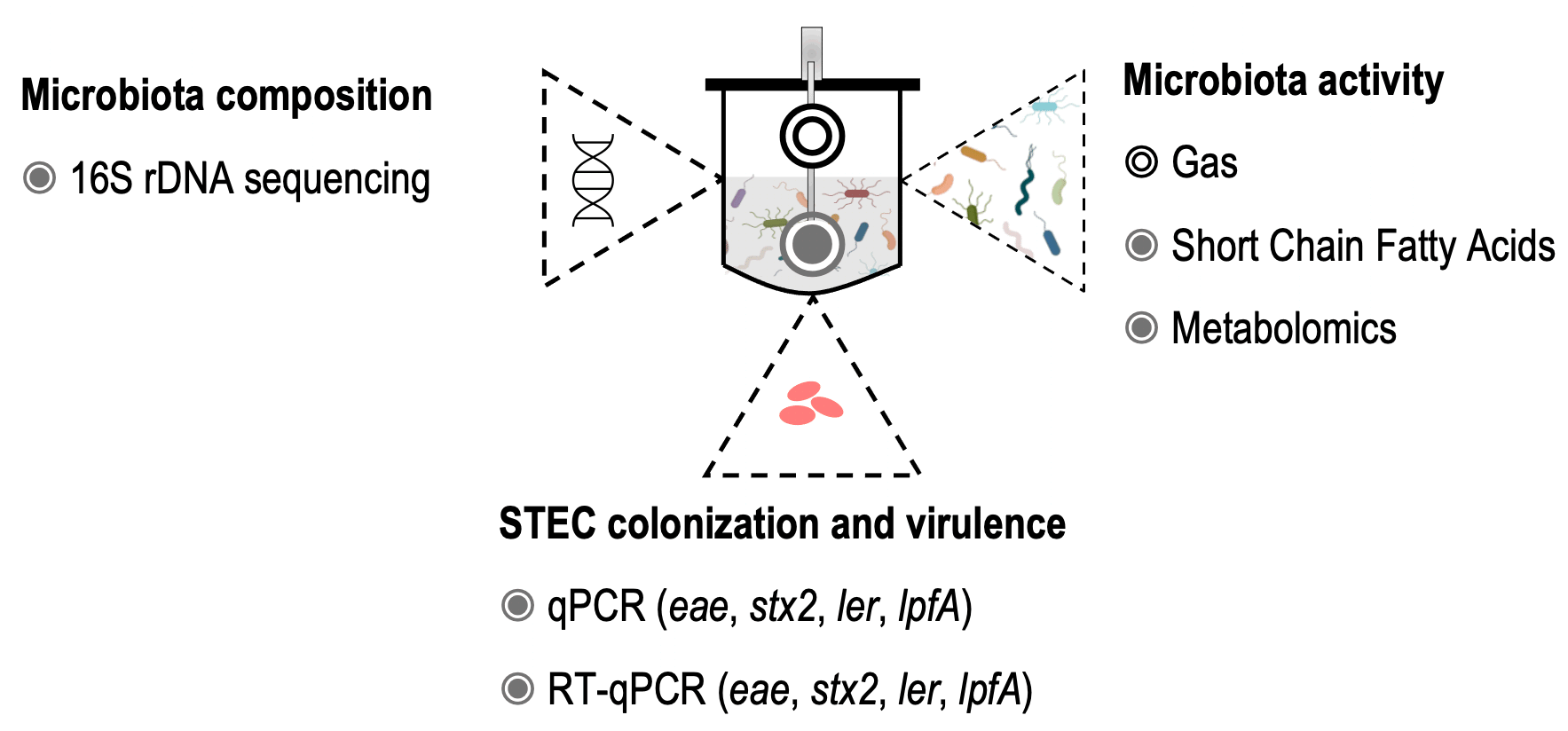
Microbiota and metabolome dynamics induced by Shiga toxin-producing E. coli in an in vitro model of an infant’s colon
Mariana Izquierdo1,a, Deborah O’Sullivan2,a, Ophélie Uriot2, Morgane Brun2, Claude Durif2, Sylvain Denis2, Pablo Gallardo1, Cormac G M Gahan3-5, Lucie Etienne-Mesmin2, Stéphanie Blanquet-Diot2,b and Mauricio J. Farfan1.b
This study provides new evidence of the impact of EHEC in the microbiota and metabolome dynamics in an in vitro gut model that could be useful in understanding their physiopathology in this at-risk population, considering inter-individual variabilities in gut microbiota.

Ampicillin treatment in persister cell studies may cause non-physiological artifacts
Michel Fasnacht1,2, Hena Comic1,2, Isabella Moll1,2
This study shows at the example of L2 how insufficient purification of ampicillin persister cells can lead to the generation of non-physiological artifacts and provides a novel tool to improve the removal of residual cell debris.

Clostridium scindens promotes gallstone formation by inducing intrahepatic neutrophil extracellular traps through CXCL1 produced by colonic epithelial cells
Wenchao Yao1,a, Yuanhang He2,3,a, Zhihong Xie2,3, Qiang Wang2,3, Yang Chen2,4, Jingjing Yu2,3, Xuxu Liu2,3, Dongbo Xue2,3 , Liyi Wang2,3 and Chenjun Hao2,3
Through in vivo and in vitro experiments, we validated the reliability of C. scindens stimulating colonic epithelial cells to produce TLR2, activating the NF-κB signaling pathway, promoting CXCL1 expres-sion, and inducing intrahepatic neutrophil NETosis, which may be associated with gallstone formation.

Integrative Omics reveals changes in the cellular landscape of peroxisome-deficient pex3 yeast cells
Tjasa Kosir1,a, Hirak Das2,a, Marc Pilegaard Pedersen1, Ann-Kathrin Richard2, Marco Anteghini3,4, Vitor Martins dos Santos4,5, Silke Oeljeklaus2, Ida J. van der Klei1 and Bettina Warscheid2
To uncover the consequences of peroxisome deficiency, we compared Saccharomyces cerevisiae wild-type with pex3 cells, which lack peroxisomes, employing quantitative proteomics and transcriptomics technologies.
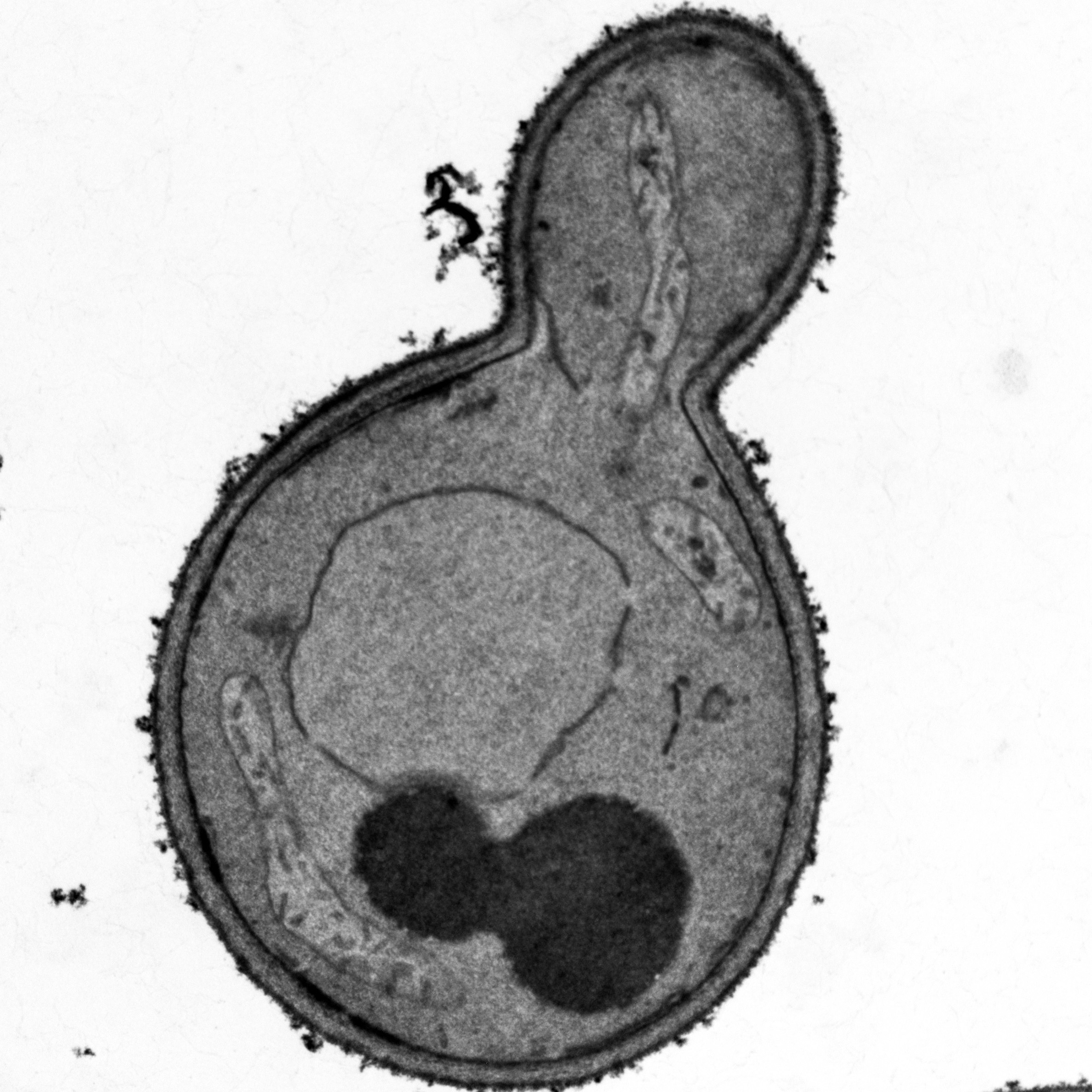
Microwave-assisted preparation of yeast cells for ultrastructural analysis by electron microscopy
Moritz Mayera, Christina Schuga, Stefan Geimer, Till Klecker and Benedikt Westermann
Budding yeast Saccharomyces cerevisiae is widely used as a model organism to study the biogenesis and architecture of organellar membranes, which can be visualized by transmission electron microscopy (TEM).

A complex remodeling of cellular homeostasis distinguishes RSV/SARS-CoV-2 co-infected A549-hACE2 expressing cell lines
Claudia Vanetti1, Irma Saulle1,2, Valentina Artusa1,2, Claudia Moscheni1, Gioia Cappelletti1, Silvia Zecchini1, Sergio Strizzi1, Micaela Garziano1,2, Claudio Fenizia1,2, Antonella Tosoni1, Martina Broggiato1, Pasquale Ogno1, Manuela Nebuloni1, Mario Clerici2,3, Daria Trabattoni1, Fiona Limanaqi1 and Mara Biasin1
Given the common tropism of SARS-CoV-2 and RSV, and the unclear consequences of their mutual influence, we developed an in vitro lung epithelial cell model to study the molecular mechanisms and cellular pathways modulated in viral co-infection.

RidA proteins contribute to fitness of S. enterica and E. coli by reducing 2AA stress and moderating flux to isoleucine biosynthesis
Ronnie L. Fulton, Bryce R. Sawyer and Diana M Downs
This study solidifies the established role of RidA in removing 2AA, while also presenting evidence for a role of RidA in enhancing flux towards isoleucine biosynthesis in E. coli. Overall, these data emphasize that metabolic networks can generate distinct responses to perturbation, even when the individual components are conserved.

Fecal gelatinase does not predict mortality in patients with alcohol-associated hepatitis
Yongqiang Yang1,a, Philipp Hartmann2,3,a and Bernd Schnabl1,4
This study aimed to investigate the significance of fecal gelatinase on clinical outcomes in patients with alcohol-associated hepatitis. In conclusion, in our cohort, fecal gelatinase does not predict mortality and does not indicate higher disease severity in patients with alcohol-associated hepatitis.

Direct detection of stringent alarmones (pp)pGpp using malachite green
Muriel Schicketanz1, Magdalena Petrová2, Dominik Rejman2, Margherita Sosio3, Stefano Donadio3 and Yong Everett Zhang1
In this study, we demonstrate the surprising discovery of a commercially available, low-cost malachite green (MG) detection kit, originally designed for orthophosphate (Pi) detection, for detecting (p)ppGpp and its analogues, especially pGpp
Overcoming phagocytosis resistance of hypervirulent Klebsiella pneumoniae by directly targeting capsules
February 16, 2026
This study highlights a promising strategy for disarming hypervirulent K. pneumoniae by directly targeting its key virulence factors and provides novel insights into antibacterial therapeutic approaches against this clinically significant pathogen.
VapA/Scs2 sustains polarized growth in Aspergillus nidulans by maintaining AP-2-mediated apical endocytosis
February 5, 2026
To explore the functional significance of ER–PM contact sites in filamentous fungi, we identified and genetically characterized all Aspergillus nidulans proteins homologous to Snc2/VAP, Ist2, or tricalbins.
Genetic make-up and regulation of the L-lysine biosynthesis pathway in Vibrio natriegens
February 3, 2026
This study analysed the make-up and regulation of the biosynthetic pathway for L-lysine and related L-aspartate family amino acids (AFAAs) in Vibrio natriegens DSM759 to provide a comprehensive basis for future metabolic engineering endeavours aiming at developing this strain into an amino acid overproducer.
Regulation of extracellular vesicles for protein secretion in Aspergillus nidulans
January 28, 2026
This study reveals that Aspergillus nidulans boosts extracellular vesicle production when ER-trafficked enzymes are induced, uncovering how fungi remodel their secretome through vesicle-mediated secretion to adapt to changing environments and biofilm formation.
Transcriptomic response to different heme sources in Trypanosoma cruzi epimastigotes
January 23, 2026
This study uncovers how the Chagas disease parasite adapts to changes in heme, an essential molecule for its survival, providing transcriptional clues to heme metabolism and identifying a previously unreported heme-binding protein in T. cruzi.
Sir2 regulates selective autophagy in stationary-phase yeast cells
January 21, 2026
This study establishes Sir2 as a previously unrecognized regulator of selective autophagy during the stationary phase and highlight how cells dynamically control organelle degradation.
Luminal acetylation of microtubules is not essential for Plasmodium berghei and Toxoplasma gondii survival
December 17, 2025
Acetylation of α-tubulin at lysine 40 is not essential for cytoskeletal stability in Plasmodium berghei or Toxoplasma gondii, suggesting redundancy and plasticity in microtubule regulation in these parasites.
The dual-site agonist for human M2 muscarinic receptors Iper-8-naphtalimide induces mitochondrial dysfunction in Saccharomyces cerevisiae
December 12, 2025
S. cerevisiae is a model to study human GPCRs. N-8-Iper, active against glioblastoma via M2 receptor, causes mitochondrial damage in yeast by binding Ste2, highlighting evolutionary conservation of GPCRs.
Organelle activity organized by the endoplasmic reticulum-mitochondria encounter structure –ERMES– is essential for Podospora anserina development
September 12, 2025
This study shows that the regulation of the activity of multiple organelles by the ERMES (Endoplasmic Reticulum-Mitochondria Encounter Structure) tethering complex is essential for fungal growth and sexual development.