
Research, Research Articles
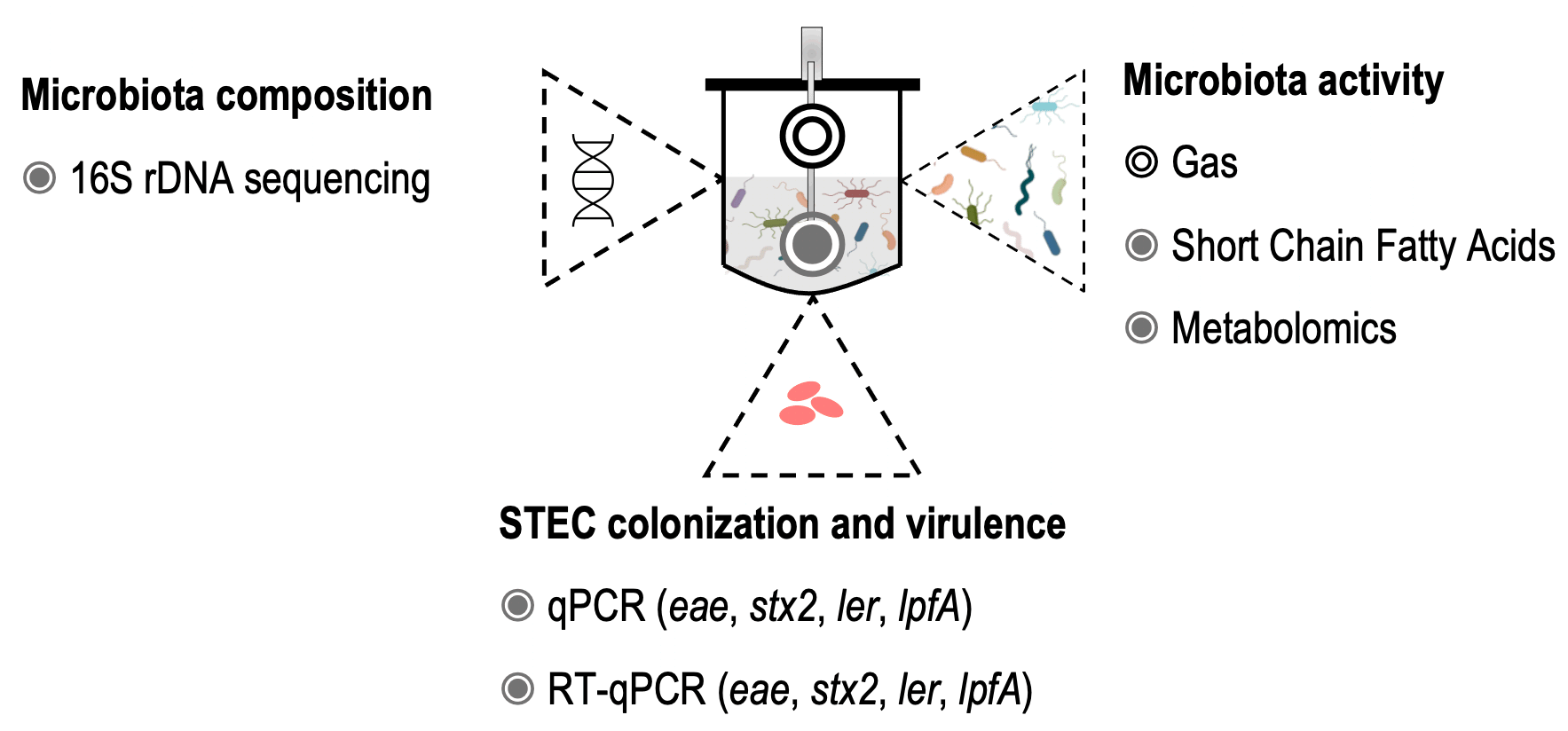
Microbiota and metabolome dynamics induced by Shiga toxin-producing E. coli in an in vitro model of an infant’s colon
Mariana Izquierdo1,a, Deborah O’Sullivan2,a, Ophélie Uriot2, Morgane Brun2, Claude Durif2, Sylvain Denis2, Pablo Gallardo1, Cormac G M Gahan3-5, Lucie Etienne-Mesmin2, Stéphanie Blanquet-Diot2,b and Mauricio J. Farfan1.b
This study provides new evidence of the impact of EHEC in the microbiota and metabolome dynamics in an in vitro gut model that could be useful in understanding their physiopathology in this at-risk population, considering inter-individual variabilities in gut microbiota.

Ampicillin treatment in persister cell studies may cause non-physiological artifacts
Michel Fasnacht1,2, Hena Comic1,2, Isabella Moll1,2
This study shows at the example of L2 how insufficient purification of ampicillin persister cells can lead to the generation of non-physiological artifacts and provides a novel tool to improve the removal of residual cell debris.

Clostridium scindens promotes gallstone formation by inducing intrahepatic neutrophil extracellular traps through CXCL1 produced by colonic epithelial cells
Wenchao Yao1,a, Yuanhang He2,3,a, Zhihong Xie2,3, Qiang Wang2,3, Yang Chen2,4, Jingjing Yu2,3, Xuxu Liu2,3, Dongbo Xue2,3 , Liyi Wang2,3 and Chenjun Hao2,3
Through in vivo and in vitro experiments, we validated the reliability of C. scindens stimulating colonic epithelial cells to produce TLR2, activating the NF-κB signaling pathway, promoting CXCL1 expres-sion, and inducing intrahepatic neutrophil NETosis, which may be associated with gallstone formation.

Integrative Omics reveals changes in the cellular landscape of peroxisome-deficient pex3 yeast cells
Tjasa Kosir1,a, Hirak Das2,a, Marc Pilegaard Pedersen1, Ann-Kathrin Richard2, Marco Anteghini3,4, Vitor Martins dos Santos4,5, Silke Oeljeklaus2, Ida J. van der Klei1 and Bettina Warscheid2
To uncover the consequences of peroxisome deficiency, we compared Saccharomyces cerevisiae wild-type with pex3 cells, which lack peroxisomes, employing quantitative proteomics and transcriptomics technologies.
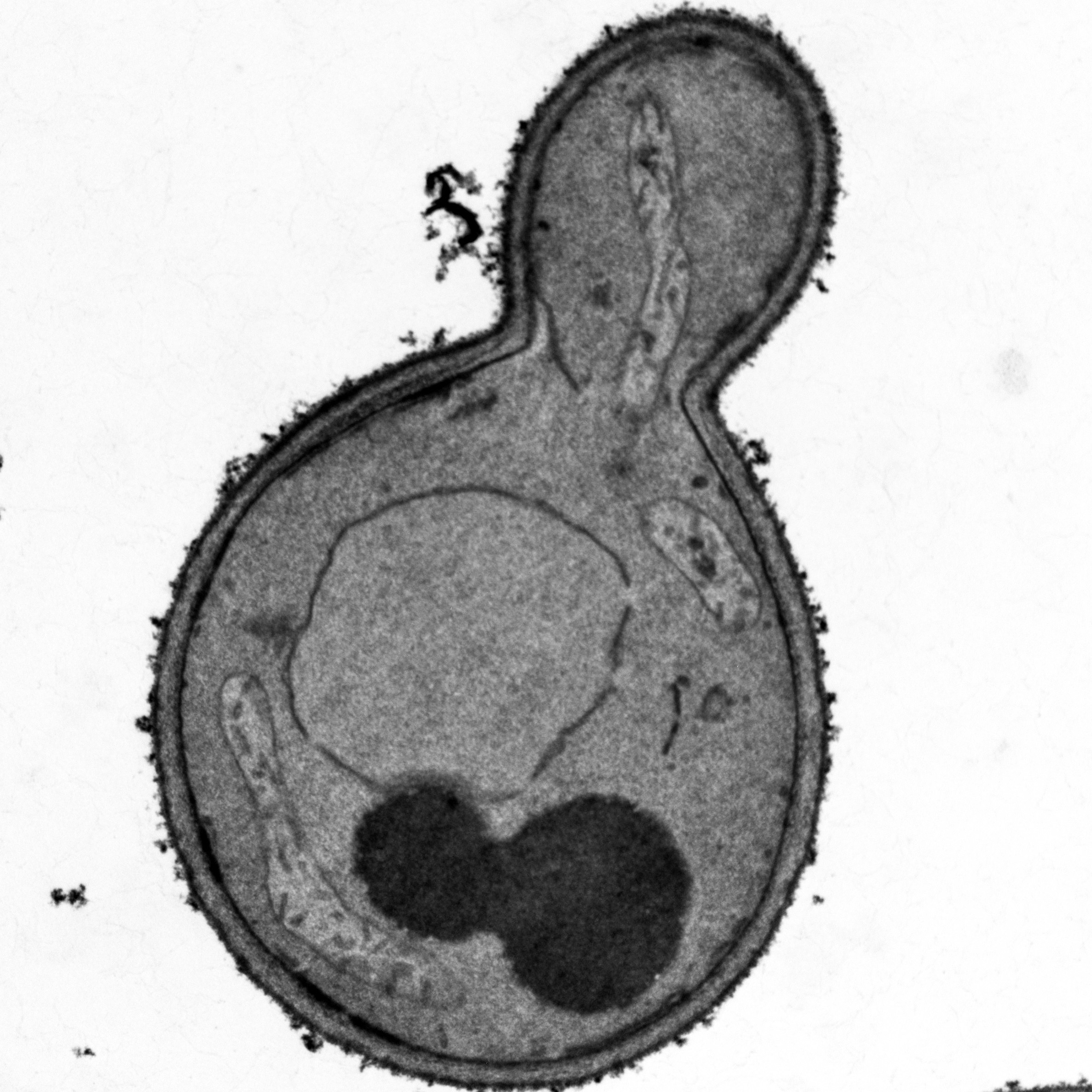
Microwave-assisted preparation of yeast cells for ultrastructural analysis by electron microscopy
Moritz Mayera, Christina Schuga, Stefan Geimer, Till Klecker and Benedikt Westermann
Budding yeast Saccharomyces cerevisiae is widely used as a model organism to study the biogenesis and architecture of organellar membranes, which can be visualized by transmission electron microscopy (TEM).

A complex remodeling of cellular homeostasis distinguishes RSV/SARS-CoV-2 co-infected A549-hACE2 expressing cell lines
Claudia Vanetti1, Irma Saulle1,2, Valentina Artusa1,2, Claudia Moscheni1, Gioia Cappelletti1, Silvia Zecchini1, Sergio Strizzi1, Micaela Garziano1,2, Claudio Fenizia1,2, Antonella Tosoni1, Martina Broggiato1, Pasquale Ogno1, Manuela Nebuloni1, Mario Clerici2,3, Daria Trabattoni1, Fiona Limanaqi1 and Mara Biasin1
Given the common tropism of SARS-CoV-2 and RSV, and the unclear consequences of their mutual influence, we developed an in vitro lung epithelial cell model to study the molecular mechanisms and cellular pathways modulated in viral co-infection.

RidA proteins contribute to fitness of S. enterica and E. coli by reducing 2AA stress and moderating flux to isoleucine biosynthesis
Ronnie L. Fulton, Bryce R. Sawyer and Diana M Downs
This study solidifies the established role of RidA in removing 2AA, while also presenting evidence for a role of RidA in enhancing flux towards isoleucine biosynthesis in E. coli. Overall, these data emphasize that metabolic networks can generate distinct responses to perturbation, even when the individual components are conserved.

Fecal gelatinase does not predict mortality in patients with alcohol-associated hepatitis
Yongqiang Yang1,a, Philipp Hartmann2,3,a and Bernd Schnabl1,4
This study aimed to investigate the significance of fecal gelatinase on clinical outcomes in patients with alcohol-associated hepatitis. In conclusion, in our cohort, fecal gelatinase does not predict mortality and does not indicate higher disease severity in patients with alcohol-associated hepatitis.

Direct detection of stringent alarmones (pp)pGpp using malachite green
Muriel Schicketanz1, Magdalena Petrová2, Dominik Rejman2, Margherita Sosio3, Stefano Donadio3 and Yong Everett Zhang1
In this study, we demonstrate the surprising discovery of a commercially available, low-cost malachite green (MG) detection kit, originally designed for orthophosphate (Pi) detection, for detecting (p)ppGpp and its analogues, especially pGpp
Angiotensin II type 1 receptor blockers increase tolerance of cells to copper and cisplatin
October 24, 2014
This study reports the identification of the drug class of Angiotensin II Type 1 receptor blockers (ARBs) and shows that specific ARBs increase yeast tolerance to Cu and Cp, and affect markers of Cu-induced apoptosis. Likewise, this study finds that specific ARBs increase human cell line tolerance to Cu and decrease the prevalence of apoptotic markers.
An extensive endoplasmic reticulum-localised glycoprotein family in trypanosomatids
October 1, 2014
This work describes a novel family of type I membrane proteins ("invariant glycoproteins") and proposes them as trypanosomatid-specific ER-localised glycoproteins, with potential contributions to life cycle progression and immunity, that utilise oligomerisation as an ER retention mechanism.
Time resolved DNA occupancy dynamics during the respiratory oscillation uncover a global reset point in the yeast growth program
September 1, 2014
Using multiple approaches, this work implies a nucleosome focusing event as a key step that resets transcription during the respiratory oscillation.
Cell wall dynamics modulate acetic acid-induced apoptotic cell death of Saccharomyces cerevisiae
August 27, 2014
This work characterizes the involvement of MAPK signaling pathways in cell death induced by acetic acid in Saccharomyces cerevisiae.
Extracellular calcium triggers unique transcriptional programs and modulates staurosporine-induced cell death in Neurospora crassa
August 9, 2014
The results presented here reveal that in Neurospora crassa, extracellular Ca2+ modulates cell death and the transcriptional alterations induced by staurosporine, and lead to the identification of two novel putative Ca2+-binding proteins, encoded by the NCU08524 and NCU06607 genes.
Multiple metabolic requirements for size homeostasis and initiation of division in Saccharomyces cerevisiae
August 1, 2014
This article reveals an unexpected diversity in the G1 cell cycle phenotypes of metabolic and biosynthetic Saccharomyces cerevisiae mutants, suggesting that growth requirements for cell division are multiple, distinct and imposed throughout the G1 phase of the cell cycle.
Exogenous addition of histidine reduces copper availability in the yeast Saccharomyces cerevisiae
July 6, 2014
The herein presented results indicate that in Saccharomyces cerevisiae, histidine cytotoxicity is associated with low copper availability inside cells, not with impaired copper uptake. Furthermore, it suggests that histidine cytotoxicity is involved in deficiency of mitochondrial copper.
Effect of paraquat-induced oxidative stress on gene expression and aging of the filamentous ascomycete Podospora anserina
June 22, 2014
In this article, paraquat is used to experimentally induce strong cellular oxidative stress in Podospora anserina wild-type cultures of different age, finding that this treatment has profound effects on gene expression, growth and lifespan.
Heat shock protein 90 and calcineurin pathway inhibitors enhance the efficacy of triazoles against Scedosporium prolificans via induction of apoptosis
June 2, 2014
This article reports for the first time that posaconazole (PCZ) or itraconazolein (ICZ) in combination with the calcineurin inhibitor tacrolimus or the Hsp90 inhibitor 17-demethoxy-17-(2-propenylamino) geldanamycin renders S. prolificans exquisitely sensitive to PCZ or ICZ via apoptosis.
At neutral pH the chronological lifespan of Hansenula polymorpha increases upon enhancing the carbon source concentrations
May 20, 2014
The data presented in this work indicate that in H. polymorpha at neutral pH the chronological lifespan invariably extends upon increasing the carbon source concentration.