
Microreviews, Review

Saccharomyces cerevisiae in cancer research: modeling tumor biology and enabling drug discovery
Graziana Assalve1,a, Paola Lunetti1,a, Annalisa Fai1, Luca Frattaruolo2, Anna Rita Cappello2, Alessandra Ferramosca1,* and Vincenzo Zara1
By combining genetic tractability with conservation of key cellular pathways, Saccharomyces cerevisiae is emerging as a versatile model for cancer biology and a scalable platform for identifying therapeutic targets and vulnerabilities.

Prohibitins: emerging host targets of bacteria and viruses at the plasma membrane, mitochondria, and cytoplasm
Grecia O. Rivera-Palomino1,2 and Arianne L. Theiss1,2,3
Prohibitins are emerging as central host hubs exploited by bacteria and viruses to rewire signaling and mitochondrial dynamics. The current review discusses Prohibitins in host-pathogen interplay and their potential as novel anti-infective targets.

Outer membrane vesicles in Vibrio species: Roles in biofilm formation and pathogenesis
Kumari Shambhavi and Durg Vijai Singh
This review explores current knowledge on outer membrane vesicles (OMVs) in Vibrio species, highlighting their roles in pathogenesis, host interaction, and marine ecology; and identifies major knowledge gaps, outlining key methodological challenges and future prospects for OMV-based applications.

The mechanism of Tat-dependent protein translocation
Thomas Brüser1,* and Carsten Sanders2,3,4
This review integrates mechanistically relevant biochemical, molecular, and structural studies on Tat-dependent translocation of folded proteins into an in its molecular detail new comprehensive explanation of how the Tat system mediates protein transport.
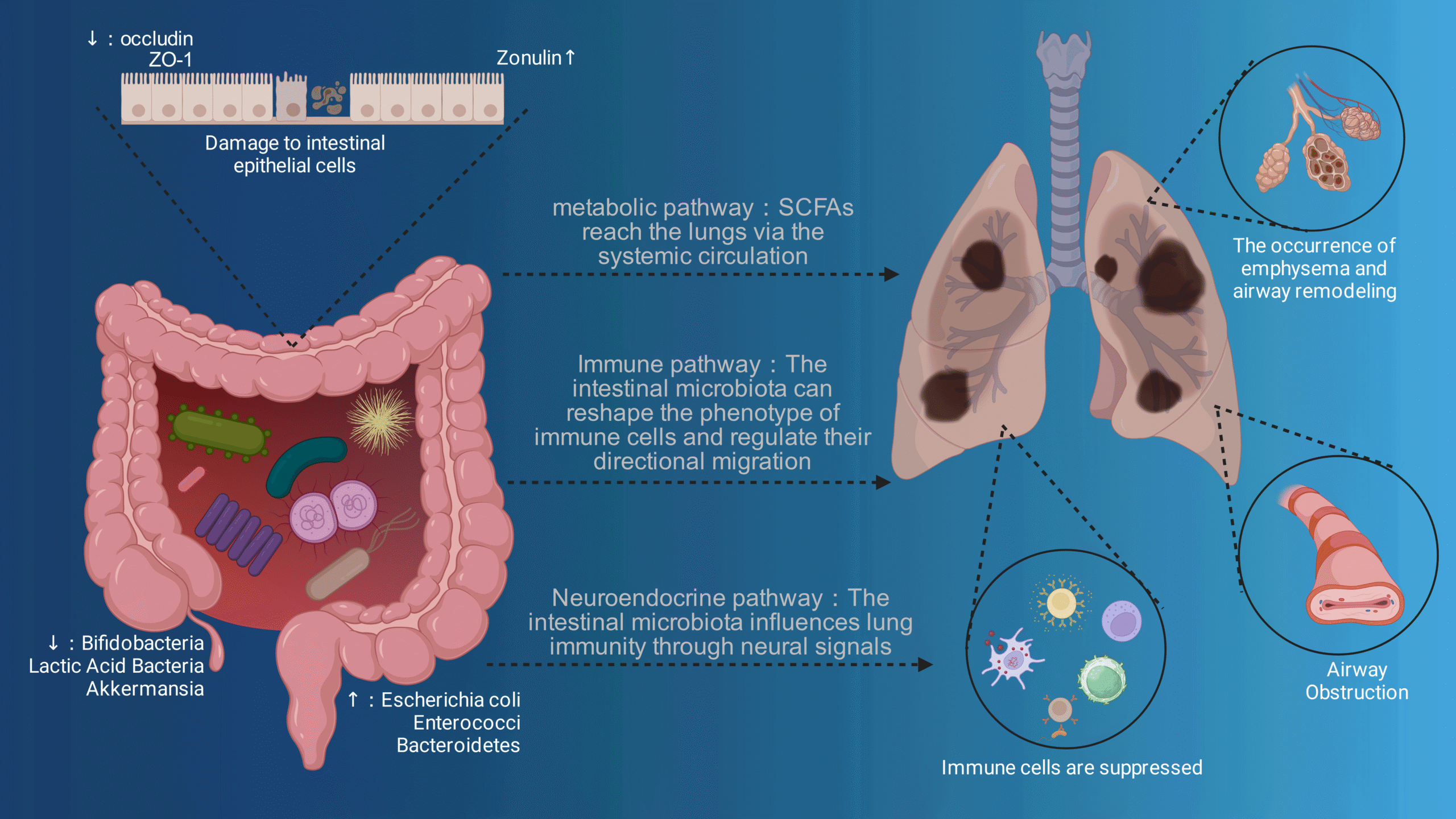
From the gut to the lungs: The role of gut microbiota in chronic obstructive pulmonary disease and related research progress
Simin Yang1,2, Shuting Zeng1,2, Yongan Deng1,2, Xiaodong Duan1,2, Chengkai Chen1,2, Luyun Sun2, Yongkang Qiao2 and Zunpeng Shu1,2
This article provides new ideas and directions for the basic research and clinical practice of COPD by comprehensively sorting out the association between gut microbiota and COPD.
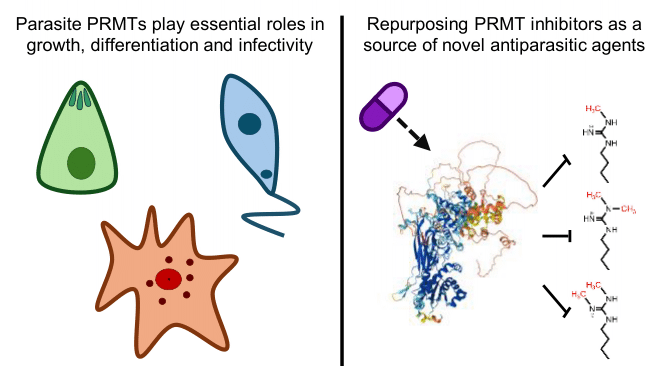
Protein arginine methyltransferases in protozoan parasites: a new path for antiparasitic chemotherapy?
Gustavo D. Campagnaro1,* and Sébastien Pomel2
This review discusses the activity and the relevance of arginine methyltransferases for the survival of pathogenic kinetoplastids, apicomplexans and amoebas, and how these enzymes could be exploited as drug targets.
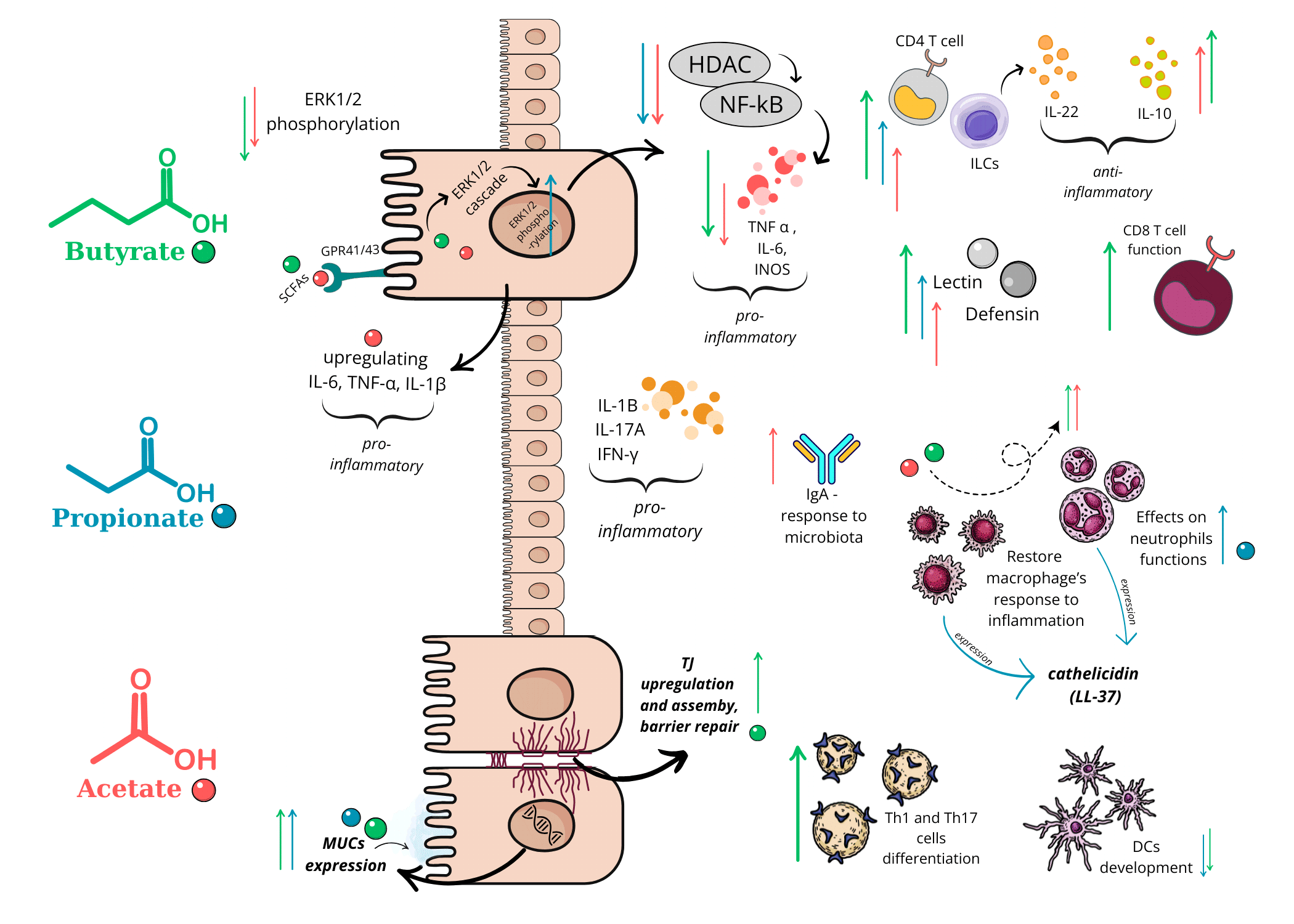
Gut microbiota and ankylosing spondylitis: current insights and future challenges
Andrei Lobiuc1, Liliana Groppa2, Lia Chislari2, Eugeniu Russu2,3, Marinela Homitchi2,3, Camelia Ciorescu2,3, Sevag Hamamah4, I. Codruta Bran1 and Mihai Covasa1
This review explores the growing role of gut microbiota in AS and its potential to reshape targeted treatment strategies and facilitate development of adjunct therapies to address disease onset and progression.
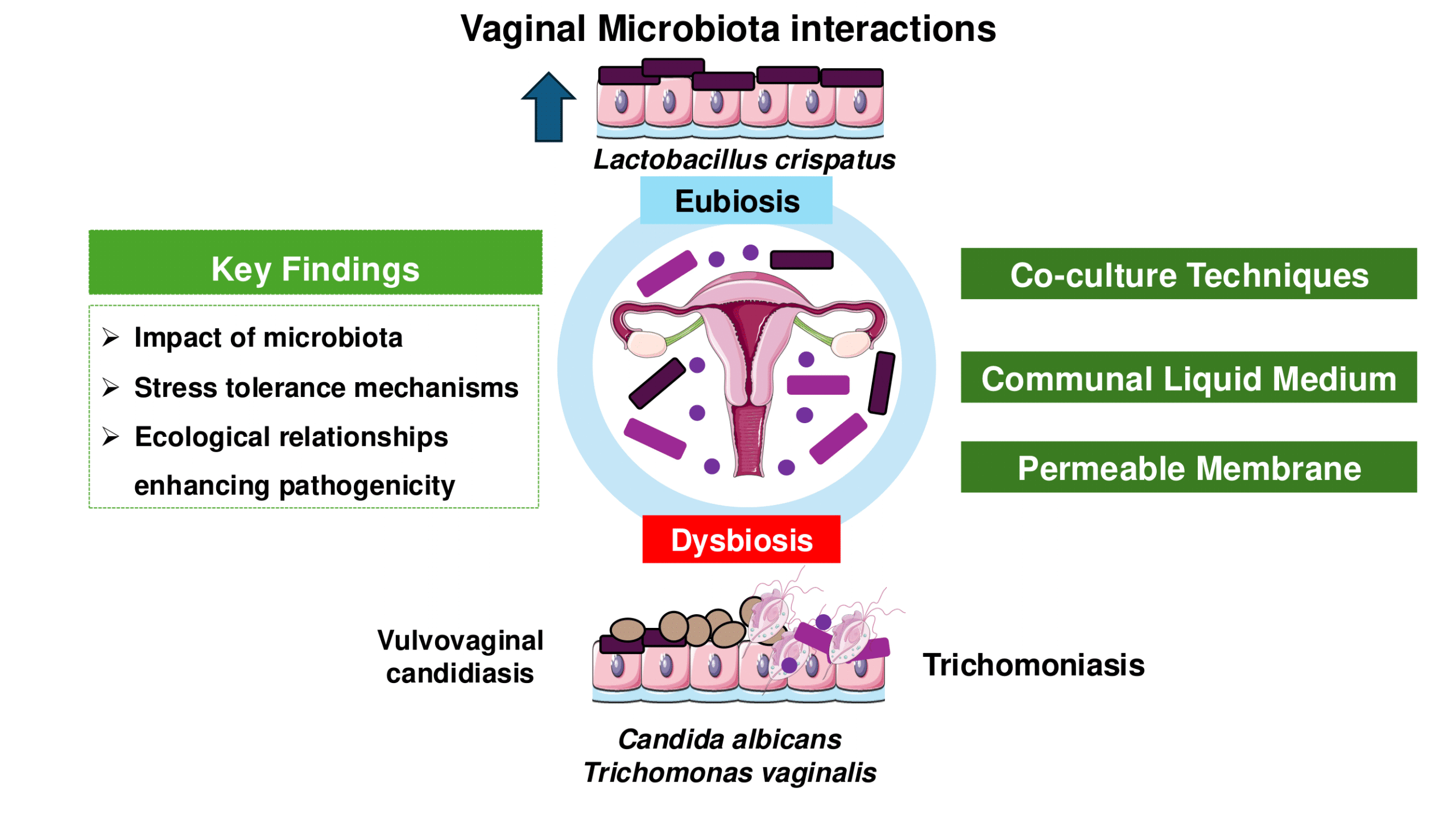
Advancements in vaginal microbiota, Trichomonas vaginalis, and vaginal cell interactions: Insights from co-culture assays
Fernanda Gomes Cardoso and Tiana Tasca
This review updates co-culture and co-incubation techniques for studying interactions of Lactobacillus spp., representing a pre-dominant member of the healthy vaginal microbiota; Candida spp., the most abundant yeast in the vagina, and T. vaginalis, responsible for the most widespread nonviral STI worldwide.
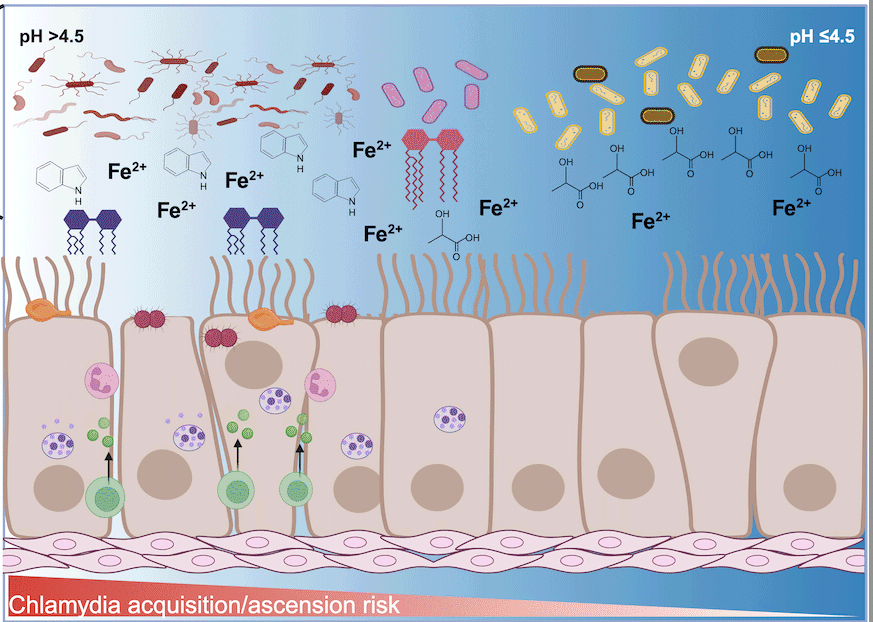
Influence of cervicovaginal microbiota on Chlamydia trachomatis infection dynamics
Emily Hand1, Indriati Hood-Pishchany1,2, Toni Darville1,2 and Catherine M. O’Connell2
This review examines the complex interplay between the cervicovaginal microbiome, C. trachomatis infection, and host immune responses, highlighting the role of metabolites such as short-chain and long-chain fatty acids, indole, and iron in modulating pathogen survival and host defenses.
New insights in the mode of action of anti-leishmanial drugs by using chemical mutagenesis screens coupled to next-generation sequencing
January 21, 2020
In this article, the authors comment on the study "Coupling chemical mutagenesis to next generation sequencing for the identification of drug resistance mutations in Leishmania" by Bhattacharya et al. (Nat Commun, 2019), which introduces Mut-seq, a chemical mutagenesis and sequencing approach, to uncover drug resistance mechanisms in Leishmania, revealing links between lipid metabolism genes and miltefosine resistance, and a protein kinase involved in translation conferring paromomycin resistance.
Microfluidic techniques for separation of bacterial cells via taxis
January 15, 2020
Microfluidic tools, ideal for studying microbial motility due to their control over laminar flows at microscopic scales, enable precise analysis of various taxis behaviors and have advanced applications in synthetic biology, directed evolution, and medical microbiology.
Influence of delivery and feeding mode in oral fungi colonization – a systematic review
January 7, 2020
A systematic review of oral fungal colonization in infants found that while breastfeeding did not significantly affect the oral mycobiome, vaginal delivery was associated with higher oral yeast colonization, particularly of Candida albicans.
A holobiont view on thrombosis: unravelling the microbiota’s influence on arterial thrombus growth
January 6, 2020
In this article, the authors comment on the study "The microbiota promotes arterial thrombosis in low-density lipoprotein receptor-deficient mice" by Kiouptsi et al. (mBio, 2019) that showed that commensal microbiota, intricately linked to host physiology, may influence cardiovascular disease, as shown by studies using germ-free atherosclerosis-prone mice to examine how microbial presence and diet affect arterial thrombosis and lesion development.
The role of Lactobacillus species in the control of Candida via biotrophic interactions
November 25, 2019
Microbial communities, including Candida and Lactobacillus species, play a crucial role in human health, particularly in the context of mucosal infections, but our understanding of their interactions and effects is still incomplete due to the variability of species and isolates as well as the complexity of the human host.
Tribal warfare: Commensal Neisseria kill pathogen Neisseria gonorrhoeae using its DNA
October 19, 2019
This article comments on work published by Kim et al (Cell Host Microbe, 2019), which adds a new dimension to the concept of commensal protection. It shows that commensal Neisseria kill the closely related pathogen N. gonorrhoeae through an unexpected mechanism, one that involves genetic competence, DNA methylation state and recombination.
Yet another job for the bacterial ribosome
October 17, 2019
This article comments on work published by Knüpffer et al (mBio, 2019), which revealed the intricate interaction of uL23 with yet another essential player in bacteria, the ATPase SecA, which is best known for its role during post-translational secretion of proteins across the bacterial SecYEG translocon
Gut microbial metabolites in depression: understanding the biochemical mechanisms
September 27, 2019
This article shows how the gut microbiota contributes to the pathophysiology of depression and examines the mechanisms by which microbially-derived molecules may influence depressive behavior, highlighting the potential of dietary interventions as novel therapeutic strategies.
The multiple functions of the numerous Chlamydia trachomatis secreted proteins: the tip of the iceberg
August 21, 2019
CThis article shows an in-depth review on the current knowledge and outstanding questions about secreted proteins from Chlamydia trachomatis, detailing their roles in host cell interaction and immune response evasion.
Inhibiting eukaryotic ribosome biogenesis: Mining new tools for basic research and medical applications
August 20, 2019
This article comments on work published by Awad et al (BMC Biology, 2019), which screened for novel inhibitors of the ribosome biogenesis pathway in yeast.