
Vol. 13, 2026
Scp160 deletion suppresses TDP-43 aggregation and toxicity in Saccharomyces cerevisiae
Joan Castells-Ballestera and Natalia Shcherbik
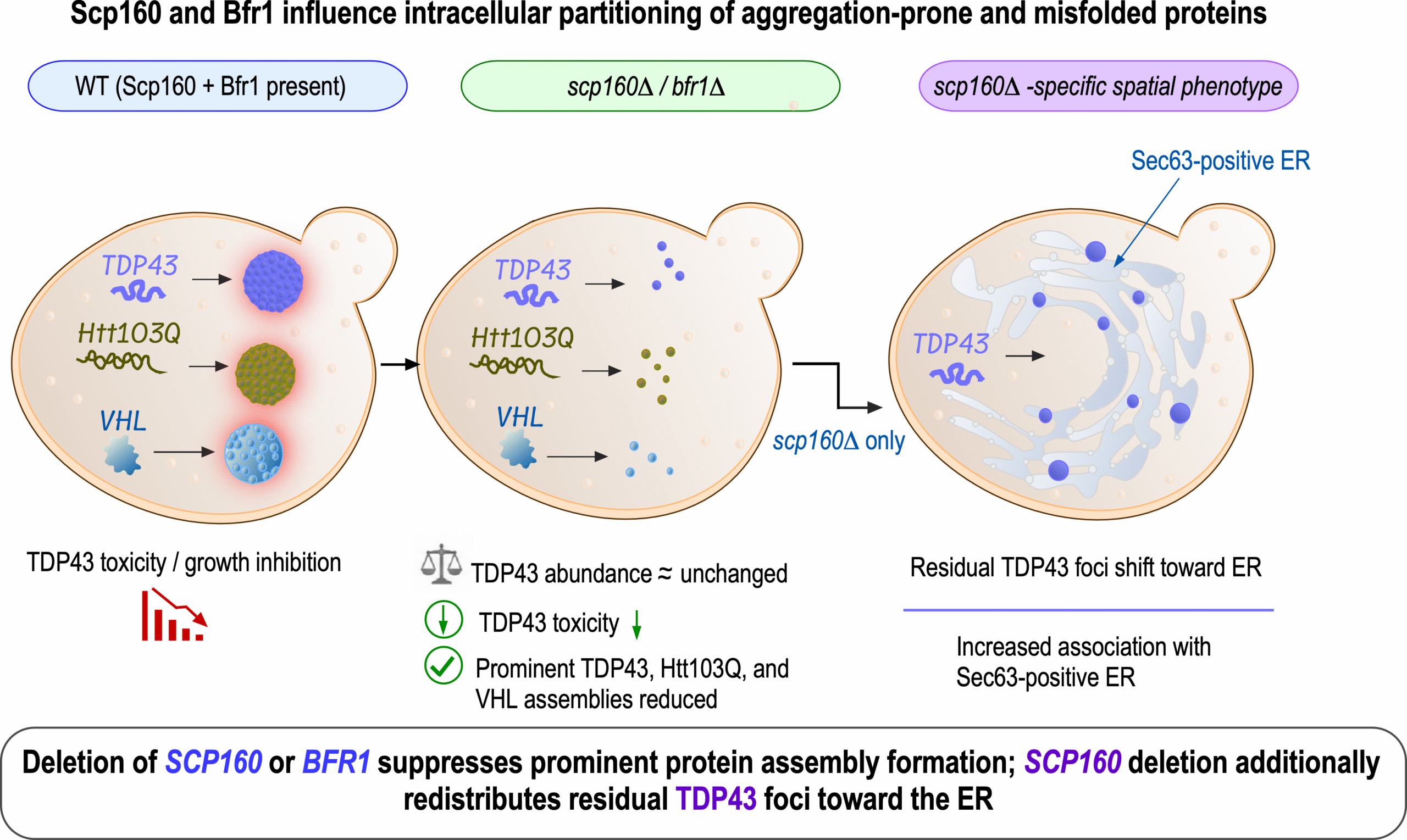
Deletion of SCP160 or BFR1 reduces TDP-43 toxicity without lowering TDP-43 protein abundance and suppresses prominent TDP-43, Htt103Q, and VHL aggregation, while SCP160 deletion also shifts residual TDP-43 foci toward the ER.
The p53 DNA-Binding (Core) Domain can form a prion that seeds prion formation in full-length p53
Mathilde Kadouch1, Christelle Marchal1, Sei-Kyoung Park2, Sangeun Park2, Sabine Castano1, Susan W. Liebman2 and Christophe Cullin1
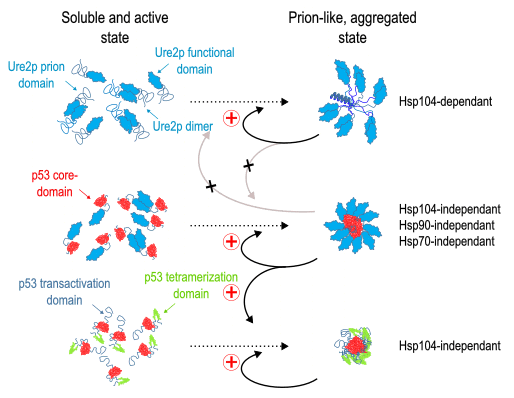
In yeast the p53 core-domain forms a self-propagating prion that inactivates a reporter and converts untagged full-length p53 to a prion. R175H in the tagged chimera shows 18x higher prionization, linking it to p53 inactivation in human cancers.
Sorbic acid triggers rapid formation of proteasome storage granules in Saccharomyces cerevisiae
Shoei Tanaka1, Mitsuki Imajo1, Mieko Hayashi2, Akira Matsuura2 and Shingo Izawa1
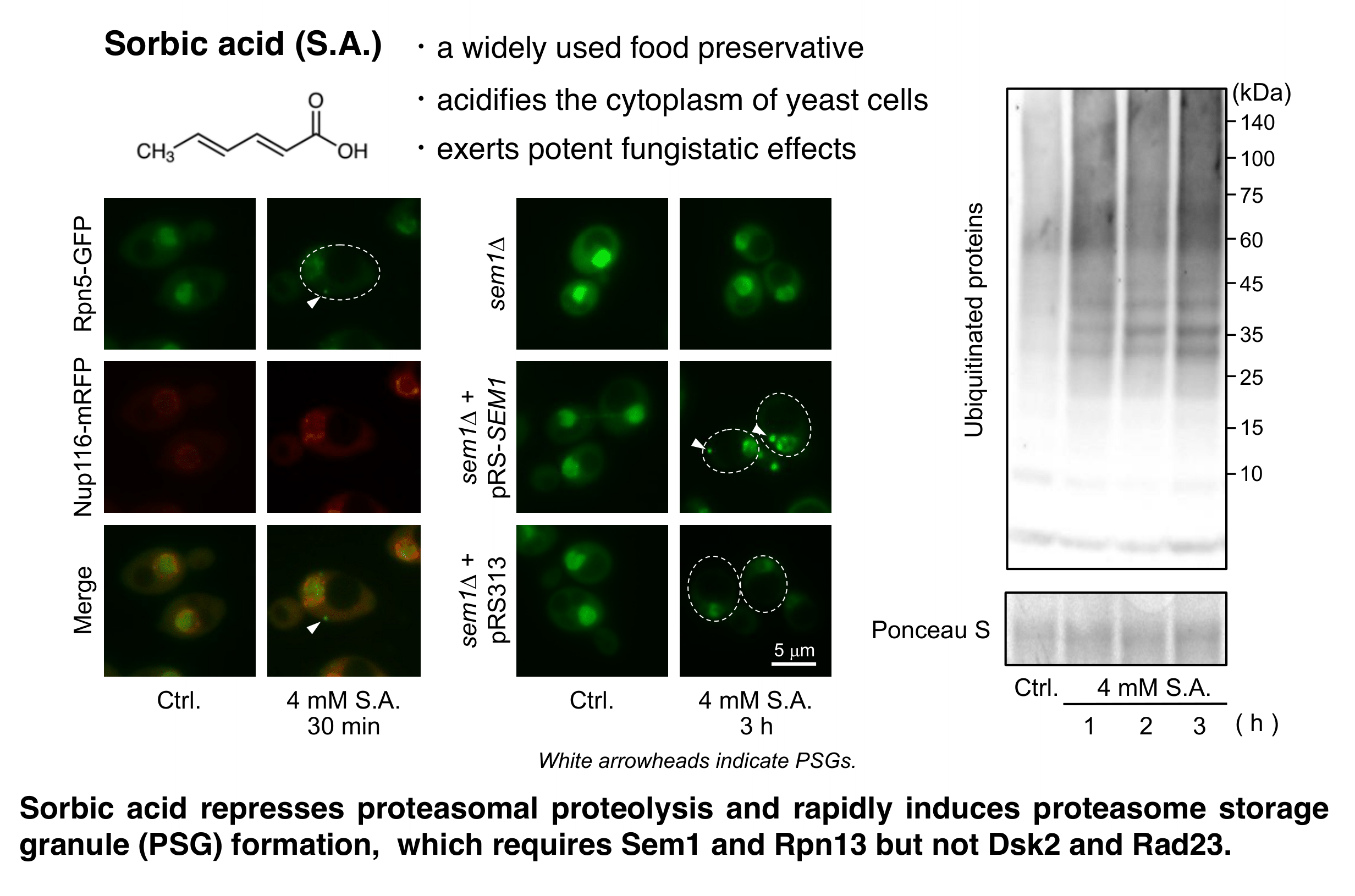
This study demonstrates that sorbic acid, a common food preservative, induces the fastest reported proteasome storage granule (PSG) formation in yeast within 30 min, highlighting differences from other PSG-inducing conditions like acetic acid stress.
Saccharomyces cerevisiae in cancer research: modeling tumor biology and enabling drug discovery
Graziana Assalve1,a, Paola Lunetti1,a, Annalisa Fai1, Luca Frattaruolo2, Anna Rita Cappello2, Alessandra Ferramosca1,* and Vincenzo Zara1

By combining genetic tractability with conservation of key cellular pathways, Saccharomyces cerevisiae is emerging as a versatile model for cancer biology and a scalable platform for identifying therapeutic targets and vulnerabilities.

A time-resolved high-throughput screening of fission yeast deletion mutants for oxidative stress resistance
Mohammadtaha Pirsalehi, Rowshan Ara Islam, Kristal Ng, Olga Xintarakou, Peter Harold Thorpe and Charalampos Rallis
By capturing dynamic trajectories rather than static outcomes, this study exposes hidden layers of growth under oxidative stress and identifies new genetic determinants of cellular resilience in fission yeast.

Clonal spread and environmental persistence of carbapenem-resistant high-risk Pseudomonas aeruginosa in critical-care units of a Chilean national referral center for burn and trauma patients (2022)
Camila Ibarra1, Gustavo Araya2, Alhejandra Alvarez2, Leonardo Enríquez2, Carolina Arellano2, Fabricio Alarcón1, Constanza Fernández1, Claudio Vargas1, Rodrigo Vera1 and Roberto M. Vidal2
This study highlight the circulation of high-risk P. aeruginosa clones in Chile and underscore the importance of molecular epidemiology in guiding infection control, optimizing antimicrobial therapy, and mitigating the clinical and economic burden of CRPA.

The transcriptome of dendritic cells redraws the boundaries between pathogenicity and commensalism in yeast
Lisa Rizzetto1, Irene Stefanini2, Stefano Nenciarini3, Monica Di Paola3, Samantha Riccadonna1, Ivo G. Gut4,5, Marta Gut4,5, Simon Heath4,5 and Duccio Cavalieri3
Our immune system meets many fungi, but reacts strongly to only a few. The comparison of key fungal species showed that responses differ mainly in timing and not just genes, highlighting the need to rethink what makes fungi harmful vs. harmless.

Yippee-like protein Moh1 links gene expression to metabolism and selective stress resistance in Saccharomyces cerevisiae
Çağla Ece Olgun1,a, Gizem Turan Duman1,a, Gizem Güpür1, Hamit İzgi1, Mariam Huda2, Demet Çetin3, Zekiye Suludere4, Fatma Küçük Baloğlu5, Ayşe Koca Çaydaşı2 and Mesut Muyan1
This study demonstrates that the conserved yeast protein Moh1 links metabolism, gene expression, and cell structure, thereby altering cell envelope permeability and leading to selective stress responses.

Fungistatic effect of sorbic acid on yeast cells via translational repression involving eIF2α phosphorylation and formation of Ded1- and eIF2B-granules
Haruka Yoshiyama1, Wataru Nomura2 and Shingo Izawa1
The findings of this study provide new insights into the physiological effects of sorbic acid on yeast cells, specifically regarding the regulation of translation-related factors.
Scp160 deletion suppresses TDP-43 aggregation and toxicity in Saccharomyces cerevisiae
Joan Castells-Ballestera and Natalia Shcherbik
Deletion of SCP160 or BFR1 reduces TDP-43 toxicity without lowering TDP-43 protein abundance and suppresses prominent TDP-43, Htt103Q, and VHL aggregation, while SCP160 deletion also shifts residual TDP-43 foci toward the ER.
The p53 DNA-Binding (Core) Domain can form a prion that seeds prion formation in full-length p53
Mathilde Kadouch1, Christelle Marchal1, Sei-Kyoung Park2, Sangeun Park2, Sabine Castano1, Susan W. Liebman2 and Christophe Cullin1
In yeast the p53 core-domain forms a self-propagating prion that inactivates a reporter and converts untagged full-length p53 to a prion. R175H in the tagged chimera shows 18x higher prionization, linking it to p53 inactivation in human cancers.
Sorbic acid triggers rapid formation of proteasome storage granules in Saccharomyces cerevisiae
Shoei Tanaka1, Mitsuki Imajo1, Mieko Hayashi2, Akira Matsuura2 and Shingo Izawa1
This study demonstrates that sorbic acid, a common food preservative, induces the fastest reported proteasome storage granule (PSG) formation in yeast within 30 min, highlighting differences from other PSG-inducing conditions like acetic acid stress.
Saccharomyces cerevisiae in cancer research: modeling tumor biology and enabling drug discovery
Graziana Assalve1,a, Paola Lunetti1,a, Annalisa Fai1, Luca Frattaruolo2, Anna Rita Cappello2, Alessandra Ferramosca1,* and Vincenzo Zara1
By combining genetic tractability with conservation of key cellular pathways, Saccharomyces cerevisiae is emerging as a versatile model for cancer biology and a scalable platform for identifying therapeutic targets and vulnerabilities.
A time-resolved high-throughput screening of fission yeast deletion mutants for oxidative stress resistance
Mohammadtaha Pirsalehi, Rowshan Ara Islam, Kristal Ng, Olga Xintarakou, Peter Harold Thorpe and Charalampos Rallis
By capturing dynamic trajectories rather than static outcomes, this study exposes hidden layers of growth under oxidative stress and identifies new genetic determinants of cellular resilience in fission yeast.
Clonal spread and environmental persistence of carbapenem-resistant high-risk Pseudomonas aeruginosa in critical-care units of a Chilean national referral center for burn and trauma patients (2022)
Camila Ibarra1, Gustavo Araya2, Alhejandra Alvarez2, Leonardo Enríquez2, Carolina Arellano2, Fabricio Alarcón1, Constanza Fernández1, Claudio Vargas1, Rodrigo Vera1 and Roberto M. Vidal2
This study highlight the circulation of high-risk P. aeruginosa clones in Chile and underscore the importance of molecular epidemiology in guiding infection control, optimizing antimicrobial therapy, and mitigating the clinical and economic burden of CRPA.
Saccharomyces cerevisiae in cancer research: modeling tumor biology and enabling drug discovery
Graziana Assalve1,a, Paola Lunetti1,a, Annalisa Fai1, Luca Frattaruolo2, Anna Rita Cappello2, Alessandra Ferramosca1,* and Vincenzo Zara1
By combining genetic tractability with conservation of key cellular pathways, Saccharomyces cerevisiae is emerging as a versatile model for cancer biology and a scalable platform for identifying therapeutic targets and vulnerabilities.

Prohibitins: emerging host targets of bacteria and viruses at the plasma membrane, mitochondria, and cytoplasm
Grecia O. Rivera-Palomino1,2 and Arianne L. Theiss1,2,3
Prohibitins are emerging as central host hubs exploited by bacteria and viruses to rewire signaling and mitochondrial dynamics. The current review discusses Prohibitins in host-pathogen interplay and their potential as novel anti-infective targets.

Outer membrane vesicles in Vibrio species: Roles in biofilm formation and pathogenesis
Kumari Shambhavi and Durg Vijai Singh
This review explores current knowledge on outer membrane vesicles (OMVs) in Vibrio species, highlighting their roles in pathogenesis, host interaction, and marine ecology; and identifies major knowledge gaps, outlining key methodological challenges and future prospects for OMV-based applications.

The mechanism of Tat-dependent protein translocation
Thomas Brüser1,* and Carsten Sanders2,3,4
This review integrates mechanistically relevant biochemical, molecular, and structural studies on Tat-dependent translocation of folded proteins into an in its molecular detail new comprehensive explanation of how the Tat system mediates protein transport.
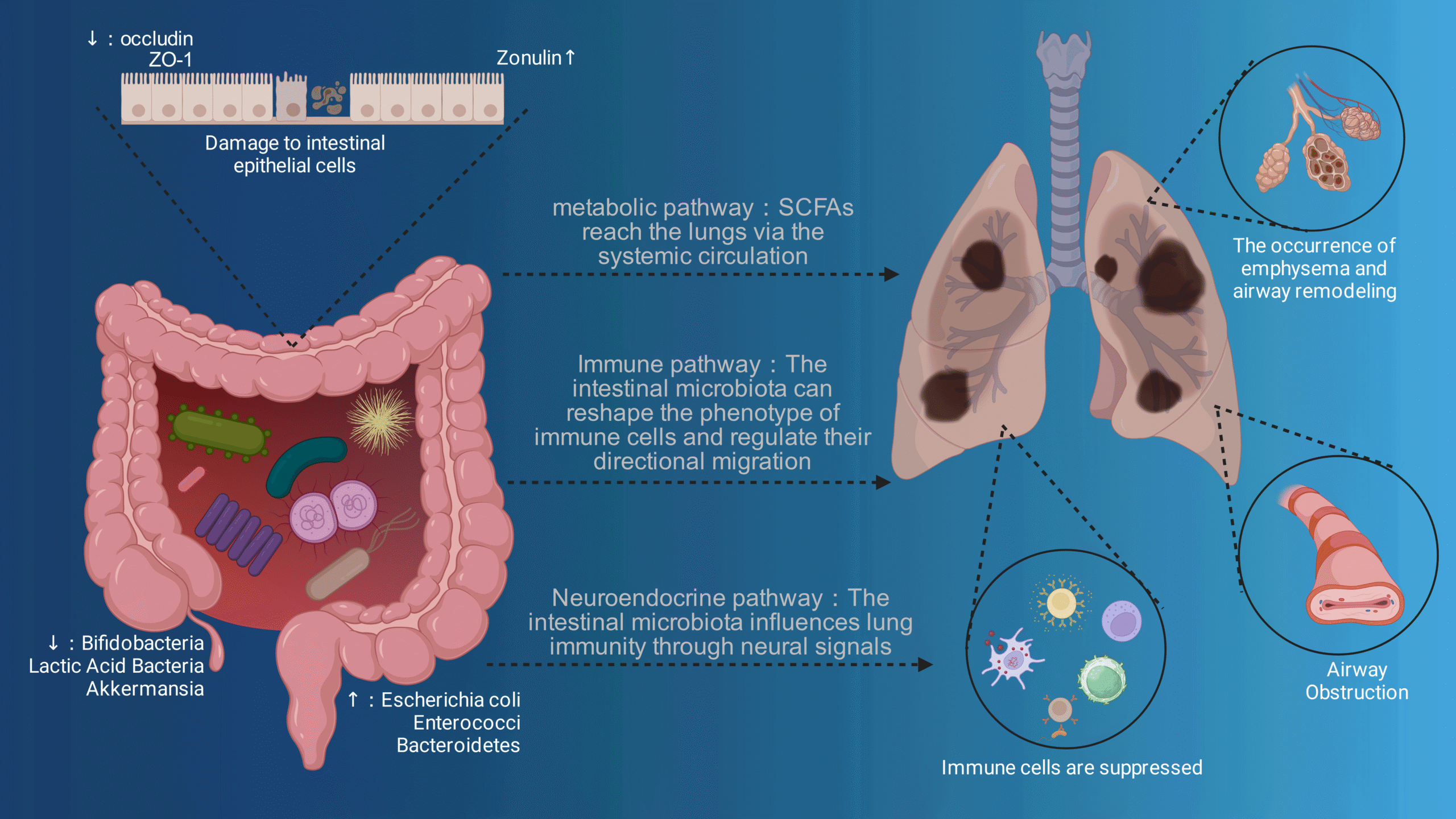
From the gut to the lungs: The role of gut microbiota in chronic obstructive pulmonary disease and related research progress
Simin Yang1,2, Shuting Zeng1,2, Yongan Deng1,2, Xiaodong Duan1,2, Chengkai Chen1,2, Luyun Sun2, Yongkang Qiao2 and Zunpeng Shu1,2
This article provides new ideas and directions for the basic research and clinical practice of COPD by comprehensively sorting out the association between gut microbiota and COPD.
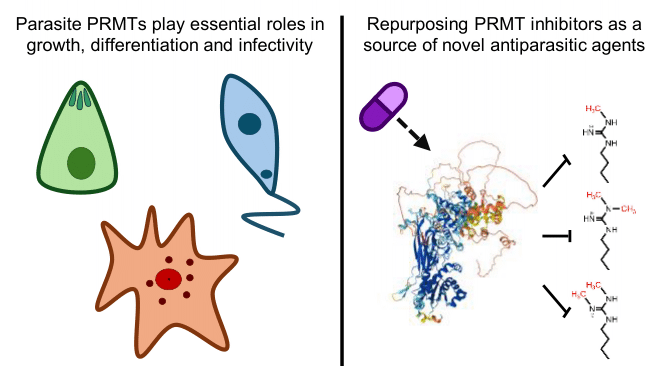
Protein arginine methyltransferases in protozoan parasites: a new path for antiparasitic chemotherapy?
Gustavo D. Campagnaro1,* and Sébastien Pomel2
This review discusses the activity and the relevance of arginine methyltransferases for the survival of pathogenic kinetoplastids, apicomplexans and amoebas, and how these enzymes could be exploited as drug targets.
No results found. We're working on it!
Scp160 deletion suppresses TDP-43 aggregation and toxicity in Saccharomyces cerevisiae
October 8, 2026
Deletion of SCP160 or BFR1 reduces TDP-43 toxicity without lowering TDP-43 protein abundance and suppresses prominent TDP-43, Htt103Q, and VHL aggregation, while SCP160 deletion also shifts residual TDP-43 foci toward the ER.
The p53 DNA-Binding (Core) Domain can form a prion that seeds prion formation in full-length p53
October 2, 2026
In yeast the p53 core-domain forms a self-propagating prion that inactivates a reporter and converts untagged full-length p53 to a prion. R175H in the tagged chimera shows 18x higher prionization, linking it to p53 inactivation in human cancers.
Sorbic acid triggers rapid formation of proteasome storage granules in Saccharomyces cerevisiae
August 12, 2026
This study demonstrates that sorbic acid, a common food preservative, induces the fastest reported proteasome storage granule (PSG) formation in yeast within 30 min, highlighting differences from other PSG-inducing conditions like acetic acid stress.
A time-resolved high-throughput screening of fission yeast deletion mutants for oxidative stress resistance
July 22, 2026
By capturing dynamic trajectories rather than static outcomes, this study exposes hidden layers of growth under oxidative stress and identifies new genetic determinants of cellular resilience in fission yeast.
Clonal spread and environmental persistence of carbapenem-resistant high-risk Pseudomonas aeruginosa in critical-care units of a Chilean national referral center for burn and trauma patients (2022)
July 20, 2026
This study highlight the circulation of high-risk P. aeruginosa clones in Chile and underscore the importance of molecular epidemiology in guiding infection control, optimizing antimicrobial therapy, and mitigating the clinical and economic burden of CRPA.
The transcriptome of dendritic cells redraws the boundaries between pathogenicity and commensalism in yeast
July 7, 2026
Our immune system meets many fungi, but reacts strongly to only a few. The comparison of key fungal species showed that responses differ mainly in timing and not just genes, highlighting the need to rethink what makes fungi harmful vs. harmless.
Yippee-like protein Moh1 links gene expression to metabolism and selective stress resistance in Saccharomyces cerevisiae
June 29, 2026
This study demonstrates that the conserved yeast protein Moh1 links metabolism, gene expression, and cell structure, thereby altering cell envelope permeability and leading to selective stress responses.
Fungistatic effect of sorbic acid on yeast cells via translational repression involving eIF2α phosphorylation and formation of Ded1- and eIF2B-granules
June 17, 2026
The findings of this study provide new insights into the physiological effects of sorbic acid on yeast cells, specifically regarding the regulation of translation-related factors.