

Clonal spread and environmental persistence of carbapenem-resistant high-risk Pseudomonas aeruginosa in critical-care units of a Chilean national referral center for burn and trauma patients (2022)
This study highlight the circulation of high-risk P. aeruginosa clones in Chile and underscore the importance of molecular epidemiology in guiding infection control, optimizing antimicrobial therapy, and mitigating the clinical and economic burden of CRPA.

The transcriptome of dendritic cells redraws the boundaries between pathogenicity and commensalism in yeast
Our immune system meets many fungi, but reacts strongly to only a few. The comparison of key fungal species showed that responses differ mainly in timing and not just genes, highlighting the need to rethink what makes fungi harmful vs. harmless.
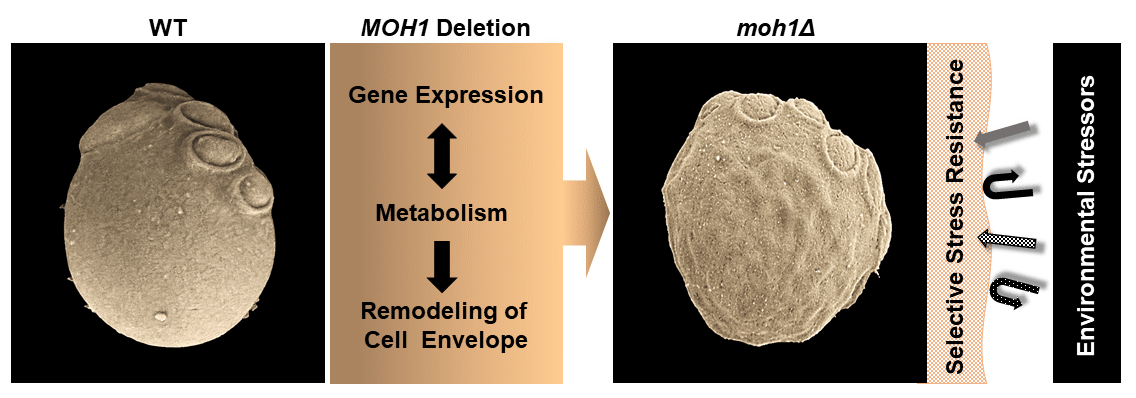
Yippee-like protein Moh1 links gene expression to metabolism and selective stress resistance in Saccharomyces cerevisiae
This study demonstrates that the conserved yeast protein Moh1 links metabolism, gene expression, and cell structure, thereby altering cell envelope permeability and leading to selective stress responses.
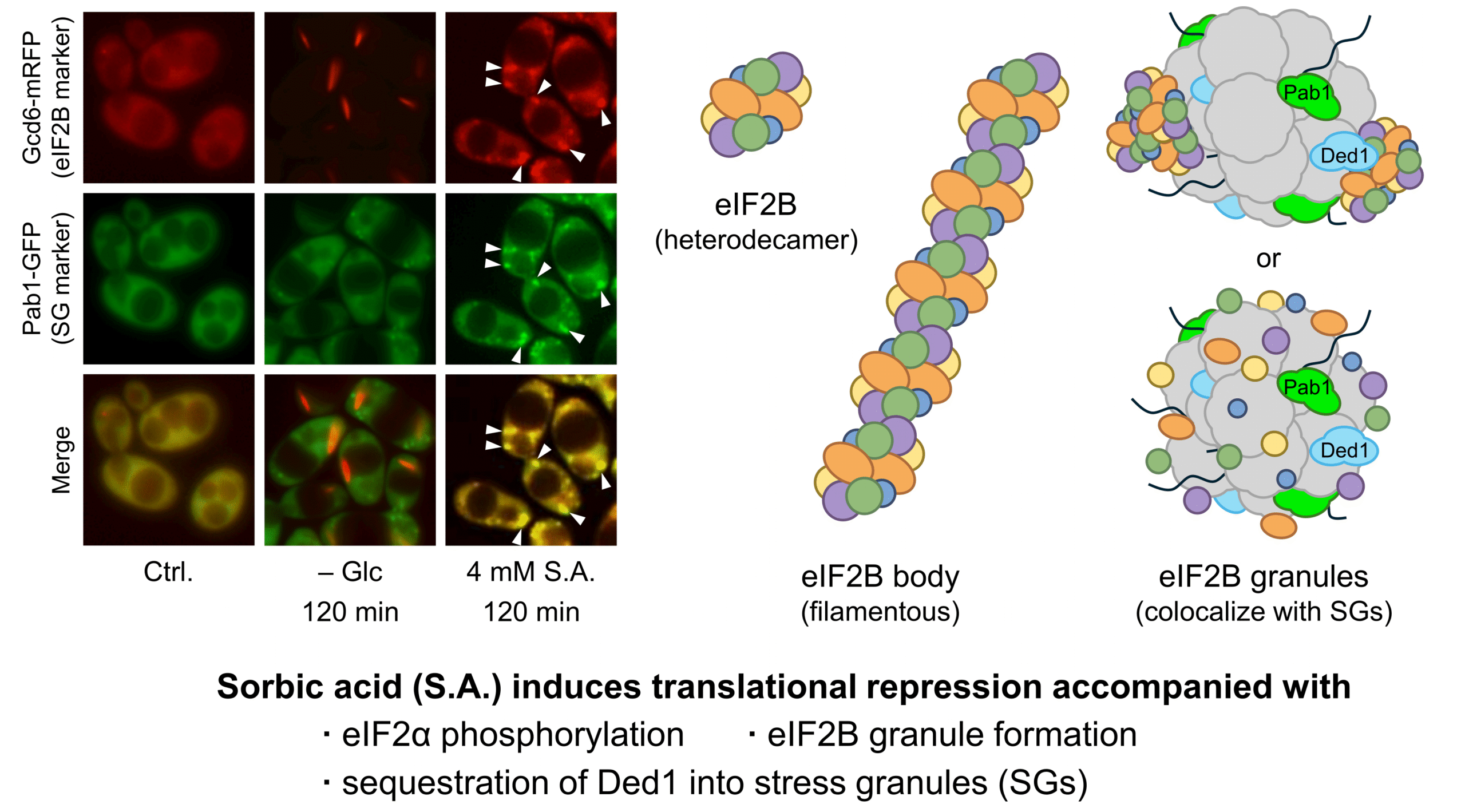
Fungistatic effect of sorbic acid on yeast cells via translational repression involving eIF2α phosphorylation and formation of Ded1- and eIF2B-granules
The findings of this study provide new insights into the physiological effects of sorbic acid on yeast cells, specifically regarding the regulation of translation-related factors.
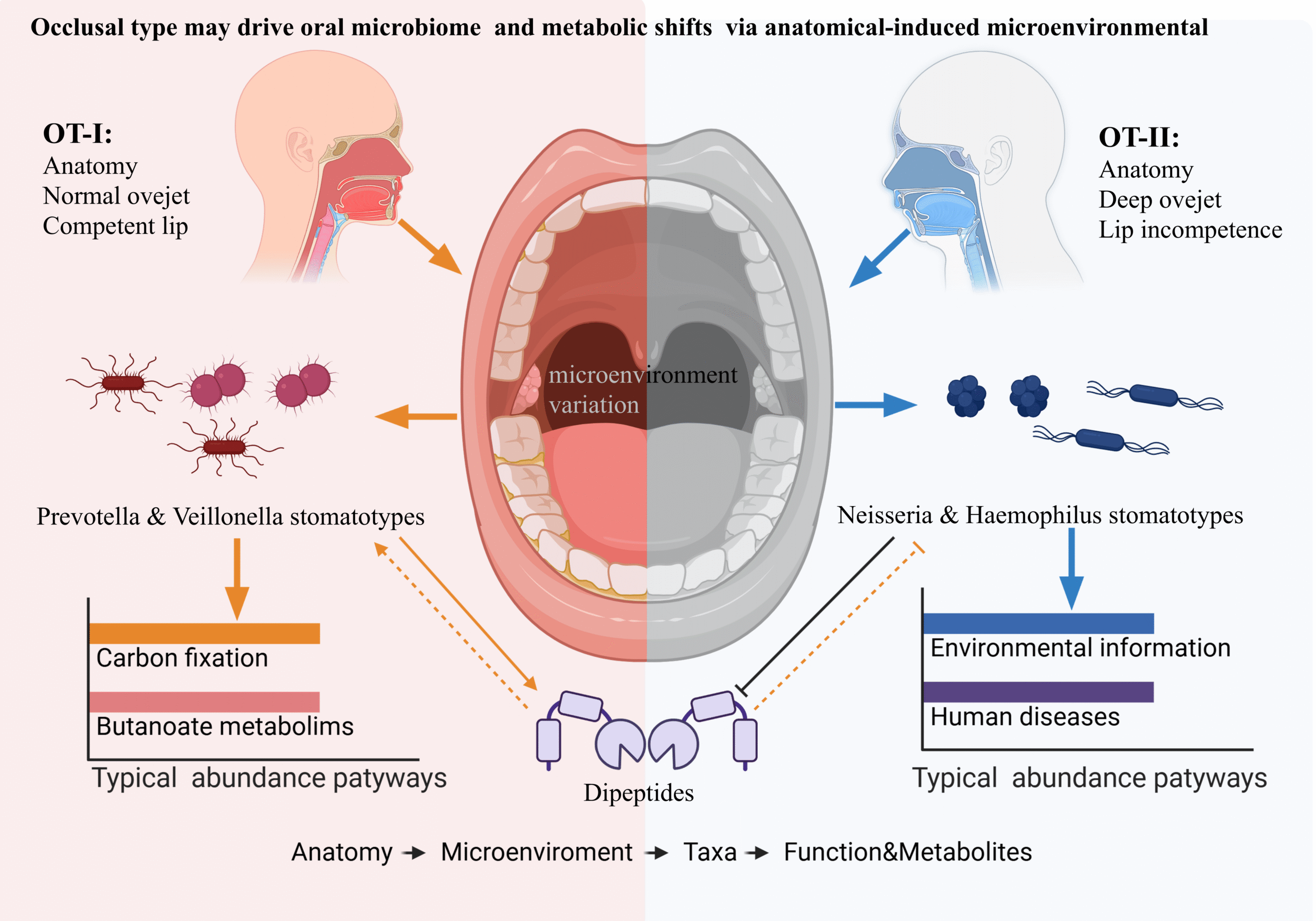
Occlusal types shape oral microbiome stomatotypes and metabolic landscapes: A multi-omics perspective on host-microbe interaction
This study reveals how occlusal types shape oral microbiome “stomatotypes” and metabolic profiles in adolescents. It offers fresh insights that host anatomy drives microecology which may be associated with personalized oral health.


Transcriptomic response to different heme sources in Trypanosoma cruzi epimastigotes
Tevere et al.This study uncovers how the Chagas disease parasite adapts to changes in heme, an essential molecule for its survival, providing transcriptional clues to heme metabolism and identifying a previously unreported heme-binding protein in T. cruzi.
Sir2 regulates selective autophagy in stationary-phase yeast cells
Ryu et al.This study establishes Sir2 as a previously unrecognized regulator of selective autophagy during the stationary phase and highlight how cells dynamically control organelle degradation.
DNA damage checkpoint adaptation genes are required for division of cells harbouring eroded telomeres
Sofiane Y. Mersaoui et al.In budding yeast, telomerase and the Cdc13p protein are two key players acting to ensure telomere stability. This article shows that while the capping process can be flexible, it takes a very specific genetic setup to allow a change from canonical capping to alternative capping.
The MAPKKKs Ste11 and Bck1 jointly transduce the high oxidative stress signal through the cell wall integrity MAP kinase pathway
Chunyan Jin et al.Oxidative stress stimulates the Rho1 GTPase, which in turn induces the cell wall integrity (CWI) MAP kinase cascade. CWI activation promotes stress-responsive gene expression through activation of transcription factors (Rlm1, SBF) and nuclear release and subsequent destruction of the repressor cyclin C. This study reports that, in response to high hydrogen peroxide exposure, or in the presence of constitutively active Rho1, cyclin C still translocates to the cytoplasm and is degraded in cells lacking Bck1, the MAPKKK of the CWI pathway.
Formyl-methionine as a degradation signal at the N-termini of bacterial proteins
Konstantin I. Piatkov et al.Varshavsky and colleagues solve a long-standing mystery in proteolysis! In bacteria, all nascent proteins bear the pretranslationally formed N-terminal formyl-methionine (fMet) residue. The fMet residue is cotranslationally deformylated by a ribosome-associated deformylase. The formylation of N-terminal Met in bacterial proteins is not strictly essential for either translation or cell viability. Moreover, protein synthesis by the cytosolic ribosomes of eukaryotes does not involve the formylation of N-terminal Met. What, then, is the main biological function of this metabolically costly, transient, and not strictly essential modification of N‑terminal Met, and why has Met formylation not been eliminated during bacterial evolution? One possibility is that the similarity of the formyl and acetyl groups, their identical locations in…
A single mutation in the 15S rRNA gene confers non sense suppressor activity and interacts with mRF1 the release factor in yeast mitochondria
Ali Gargouri et al.This article presents the nucleotide sequence of the mim3-1 mitochondrial ribosomal suppressor, acting on ochre mitochondrial mutations and one frameshift mutation in Saccharomyces cerevisiae. A hypothetical mechanism of suppression by “ribosome shifting” is also discussed in view of the nature of mutations suppressed and not suppressed.
The lysosomotropic drug LeuLeu-OMe induces lysosome disruption and autophagy-independent cell death in Trypanosoma brucei
Hazel Xinyu Koh et al.Trypanosoma brucei is a blood-borne, protozoan parasite that causes African sleeping sickness in humans and nagana in animals. The current chemotherapy relies on only a handful of drugs that display undesirable toxicity, poor efficacy and drug-resistance. In this study, we explored the use of lysosomotropic drugs to induce bloodstream form T. brucei cell death via lysosome destabilization. We measured drug concentrations that inhibit cell proliferation by 50% (IC50) for several compounds, chosen based on their lysosomotropic effects previously reported in Plasmodium falciparum. The lysosomal effects and cell death induced by L-leucyl-L-leucyl methyl ester (LeuLeu-OMe) were further analyzed by flow cytometry and immunofluorescence analyses of different lysosomal markers…
In Entamoeba histolytica, a BspA family protein is required for chemotaxis toward tumour necrosis factor
Anne Silvestre et al.Background: Entamoeba histolytica cell migration is essential for the development of human amoebiasis (an infectious disease characterized by tissue invasion and destruction). The tissue inflammation associated with tumour necrosis factor (TNF) secretion by host cells is a well-documented feature of amoebiasis. Tumour necrosis factor is a chemoattractant for E. histolytica, and the parasite may have a TNF receptor at its cell surface. Methods: confocal microscopy, RNA Sequencing, bioinformatics, RNA antisense techniques and histological analysis of human colon explants were used to characterize the interplay between TNF and E. histolytica. Results: an antibody against human TNF receptor 1 (TNFR1) stained the E. histolytica trophozoite…
Human Thyroid Cancer-1 (TC-1) is a vertebrate specific oncogenic protein that protects against copper and pro-apoptotic genes in yeast
Natalie K. Jones et al.The human Thyroid Cancer-1 (hTC-1) protein, also known as C8orf4 was initially identified as a gene that was up-regulated in human thyroid cancer. This article reports that hTC-1 is a peptide that prevents the effects of over-expressing Bax in yeast. In sum, the results indicate that hTC-1 is a pro-survival protein that retains its function when heterologously expressed in yeast. Thus yeast is a useful model to characterize the potential roles in cell death and survival of cancer related genes.
Polyamines directly promote antizyme-mediated degradation of ornithine decarboxylase by the proteasome
R. Roshini Beenukumar et al.Ornithine decarboxylase (ODC), a ubiquitin-independent substrate of the proteasome, is a homodimeric protein with a rate-limiting function in polyamine biosynthesis. Polyamines regulate ODC levels by a feedback mechanism mediated by ODC antizyme (OAZ). Higher cellular polyamine levels trigger the synthesis of OAZ and also inhibit its ubiquitin-dependent proteasomal degradation. OAZ binds ODC monomers and targets them to the proteasome. Here, we report that polyamines, aside from their role in the control of OAZ synthesis and stability, directly enhance OAZ-mediated ODC degradation by the proteasome. Using a stable mutant of OAZ, we show that polyamines promote ODC degradation in Saccharomyces cerevisiae cells even when OAZ levels are not changed. Furthermore, polyamines stimulated the in vitro degradation of ODC by the…
Toxoplasma gondii inhibits cytochrome c-induced caspase activation in its host cell by interference with holo-apoptosome assembly
Kristin Graumann et al.Inhibition of programmed cell death pathways of mammalian cells often facilitates the sustained survival of intracellular microorganisms. The apicomplexan parasite Toxoplasma gondii is a master regulator of host cell apoptotic pathways. Here, we have characterized a novel anti-apoptotic activity of T. gondii. Using a cell-free cytosolic extract model, we show that T. gondii interferes with the activities of caspase 9 and caspase 3/7 which have been induced by exogenous cytochrome c and dATP. Proteolytic cleavage of caspases 9 and 3 is also diminished suggesting inhibition of holo-apoptosome function. Parasite infection of Jurkat T cells and subsequent triggering of apoptosome formation by exogenous cytochrome c in vitro and in vivo indicated that…

Infinity war: Trichomonas vaginalis and interactions with host immune response
Bongiorni Galego and TascaTrichomonas vaginalis is the pathological agent of human trichomoniasis with an incidence of 156 million cases worldwide. This review highlights parasite strategies to activate and stimulate or evade variated and complex immunological mechanisms related to the symptoms and clinical complications observed here.

The metabolites of lactic acid bacteria: classification, biosynthesis and modulation of gut microbiota
Tang et al.Lactic acid bacteria (LAB) are ubiquitous microorganisms that can colonize the intestine and participate in the physiological metabolism of the host. In this review, we summarize the metabolites of LAB and their influence on the intestine as well as the underlying regulatory mechanisms and their impact on human health.
Effects of the intestinal microbiota on prostate cancer treatment by androgen deprivation therapy
Terrisse et al.Prostate cancer (PC) can be kept in check by androgen deprivation therapy (ADT, usually with the androgen synthesis inhibitor abiraterone acetate or the androgen receptor antagonist such as enzalutamide) until the tumor evolves to castration-resistant prostate cancer (CRPC). The transition of hormone-sensitive PC (HSPC) to CPRC has been explained by cancer cell-intrinsic resistance mechanisms. Recent data indicate that this transition is also marked by cancer cell-extrinsic mechanisms such as the failure of ADT-induced PC immunosurveillance, which depends on the presence of immunostimulatory bacteria in the gut. Moreover, intestinal bacteria that degrade drugs used for ADT, as well as bacteria that produce androgens, can interfere with the efficacy of ADT. Thus, specific bacteria in the gut serve as a source of testosterone, which accelerates prostate cancer progression, and men with CRPC exhibit an increased abundance of such bacteria with androgenic functions. In conclusion, the response of PC to ADT is profoundly influenced by the composition of the microbiota with its immunostimulatory, immunosuppressive and directly ADT-subversive elements.
Occurrence and potential mechanism of holin-mediated non-lytic protein translocation in bacteria
Brüser and Mehner-BreitfeldHolins are generally believed to generate large membrane lesions that permit the passage of endolysins across the cytoplasmic membrane of prokaryotes, ultimately resulting in cell wall degradation and cell lysis. However, there are more and more examples known for non-lytic holin-dependent secretion of proteins by bacteria, indicating that holins somehow can transport proteins without causing large membrane lesions. Phage-derived holins can be used for a non-lytic endolysin translocation to permeabilize the cell wall for the passage of secreted proteins. In addition, clostridia, which do not possess the Tat pathway for transport of folded proteins, most likely employ non-lytic holin-mediated transport also for secretion of toxins and bacteriocins that are incompatible with the general Sec pathway. The mechanism for non-lytic holin-mediated transport is (…)
Swimming faster despite obstacles: a universal mechanism behind bacterial speed enhancement in complex fluids
Kamdar and Cheng.Bacteria constitute about 15% of global biomass and their natural environments often contain polymers and colloids, which show complex flow properties. It is crucial to study their motion in such environments to understand their growth and spreading as well as to design synthetic microswimmers for biomedical applications. Bacterial motion in complex viscous environments, although extensively studied over the past six decades, still remains poorly understood. In our recent study combining experimental data and theoretical analysis, we found a surprising similarity between bacterial motion in dilute colloidal suspensions and polymer solutions, which challenged the established view on the role of polymer dynamics on bacterial speed enhancement. We subsequently developed a physical model that provides a universal mechanism explaining bacterial speed enhancement (…)
A roadmap for designing narrow-spectrum antibiotics targeting bacterial pathogens
Cao et al.This comment discusses the article “Basis of narrow-spectrum activity of fidaxomicin on Clostridioides difficile” by Cao et al. (2022, Nature).
Breaking the clip for cargo unloading from motor proteins: mechanism and significance
Obara and KamuraThe mitochondrion is an essential organelle involved in ATP generation, lipid metabolism, regulation of calcium ions, etc. Therefore, it should be inherited properly by newly generated cells. In the budding yeast Saccharomyces cerevisiae, mitochondria are passed on to daughter cells by the motor protein, Myo2, on the actin cable. The mitochondria and Myo2 are connected via the adaptor protein Mmr1. After reaching daughter cells, mitochondria are released from the actin-myosin machinery and move dynamically. In our recent paper (Obara K et al. (2022), Nat Commun, doi:10.1038/s41467-022-29704-8), we demonstrated that the regulated proteolysis of Mmr1 is required for the unloading of mitochondria from Myo2 in daughter cells. Sequential post-translational modifications of Mmr1, i.e., phosphorylation followed by ubiquitination, are essential for Mmr1 degradation and mitochondrial release from Myo2. Defects in Mmr1 degradation cause stacking and deformation of mitochondria at the bud-tip and bud-neck, where Myo2 accumulates. Compared to wild-type cells, mutant cells with defects in Mmr1 degradation possess an elevated mitochondrial membrane potential and produce higher levels of reactive oxygen species (ROS), along with hypersensitivity to oxidative stress.
Pirates of the haemoglobin
Akinbosede et al.Not all treasure is silver and gold; for pathogenic bacteria, iron is the most precious and the most pillaged of metallic elements. Iron is essential for the survival and growth of all life; however free iron is scarce for bacteria inside human hosts. As a mechanism of defence, humans have evolved ways to store iron so as to render it inaccessible for invading pathogens, such as keeping the metal bound to iron-carrying proteins. For bacteria to survive within humans, they must therefore evolve counters to this defence to compete with these proteins for iron binding, or directly steal iron from them. (…)

Patterns of protein synthesis in the budding yeast cell cycle: variable or constant?
No et al.Proteins are the principal macromolecular constituent of proliferating cells, and protein synthesis is viewed as a primary metric of cell growth. While there are celebrated examples of proteins whose levels are periodic in the cell cycle (e.g., cyclins), the concentration of most proteins was not thought to change in the cell cycle, but some recent results challenge this notion. The ‘bulk’ protein is the focus of this article, specifically the rate of its synthesis, in the budding yeast Saccharomyces cerevisiae.
Ribose 5-phosphate: the key metabolite bridging the metabolisms of nucleotides and amino acids during stringent response in Escherichia coli?
Grucela et al.Here we propose the metabolite ribose 5’-phosphate as the key link between nucleotide and amino acid metabolisms and a working model integrating both the transcriptional and metabolic effects of (p)ppGpp on E. coli physiological adaptation during the stringent response.
Flagellated bacterial porter for in situ tumor vaccine
Xu et al.Cancer immunotherapy, which use the own immune system to attack tumors, are increasingly popular treatments. But, due to the tumor immunosuppressive microenvironment, the antigen presentation in the tumor is limited. Recently, a growing number of people use bacteria to stimulate the body’s immunity for tumor treatment due to bacteria themselves have a variety of elements that activate Toll-like receptors. Here, we discuss the use of motility of flagellate bacteria to transport antigens to the tumor periphery to activate peritumoral dendritic cells to enhance the effect of in situ tumor vaccines.
The rise of Candida auris: from unique traits to co-infection potential
Egger et al.Candida auris is a multidrug resistant (MDR) fungal pathogen with a crude mortality rate of 30-60%. First identified in 2009, C. auris has been rapidly rising to become a global risk in clinical settings and was declared an urgent health threat by the Centers for Disease Control and Prevention (CDC). A concerted global action is thus needed to successfully tackle the challenges created by this emerging fungal pathogen. In this brief article, we underline the importance of unique virulence traits, including its easy transformation, its persistence outside the host and its resilience against multiple cellular stresses, as well as of environmental factors that have mainly contributed to the rise of this superbug.
A hundred spotlights on microbiology: how microorganisms shape our lives
Carmona-Gutierrez et al.Viral, bacterial, fungal and protozoal biology is of cardinal importance for the evolutionary history of life, ecology, biotechnology and infectious diseases. Various microbiological model systems have fundamentally contributed to the understanding of molecular and cellular processes, including the cell cycle, cell death, mitochondrial biogenesis, vesicular fusion and autophagy, among many others. Microbial interactions within the environment have profound effects on many fields of biology, from ecological diversity to the highly complex and multifaceted impact of the microbiome on human health. Also, biotechnological innovation and corresponding industrial operations strongly depend on microbial engineering. With this wide range of impact in mind, the peer-reviewed (…)
Yeast goes viral: probing SARS-CoV-2 biology using S. cerevisiae
Ho et al.The budding yeast Saccharomyces cerevisiae has long been an outstanding platform for understanding the biology of eukaryotic cells. Robust genetics, cell biology, molecular biology, and biochemistry complement deep and detailed genome annotation, a multitude of genome-scale strain collections for functional genomics, and substantial gene conservation with Metazoa to comprise a powerful model for modern biological research. Recently, the yeast model has demonstrated its utility in a perhaps unexpected area, that of eukaryotic virology. Here we discuss three innovative applications of the yeast model system to reveal functions and investigate variants of proteins encoded by the SARS-CoV-2 virus.
Murals meet microbes: at the crossroads of microbiology and cultural heritage
Bauer et al.This article comments on the duality of microorganisms in the conservation and restoration of cultural heritage, which encompasses the negative impact of damaging microorganisms and recent advances in using specific microorganisms and microbial-based technologies for cultural heritage preservation.
Urm1, not quite a ubiquitin-like modifier?
Kaduhr et al.This article comments on work published by Brachmann et al. (Redox Biol, 2020), which studied urmylation of the yeast 2-Cys peroxiredoxin Ahp1, uncovering that promiscuous lysine target sites and specific redox requirements determine the Urm1 acceptor activity of the peroxiredoxin.
Can’t find what you’re looking for?
You can browse all our issues and published articles here.
FAQs
Peer-reviewed, open-access research using unicellular organisms (and multicellular microorganisms) to understand cellular responses and human disease.
The journal (founded in 2014) is led by its Editors-in-Chief Frank Madeo, Didac Carmona-Gutierrez, and Guido Kroemer
Microbial Cell has been publishing original scientific literature since 2014, and from the very beginning has been managed by active scientists through an independent Publishing House (Shared science Publishers). The journal was conceived as a platform to acknowledge the importance of unicellular organisms, both as model systems as well as in the biological context of human health and disease.
Ever since, Microbial Cell has very positively developed and strongly grown into a respected journal in the unicellular research community and even beyond. This scientific impact is reflected in the yearly number of citations obtained by articles published in Microbial Cell, as recorded by the Web of Science (Clarivate, formerly Thomson/Reuters):

The scientific impact of Microbial Cell is also mirrored in a series of milestones:
2015: Microbial Cell is included in the Emerging Sources Citation Index (ESCI), a selection of developing journals drafted by Clarivate Analytics based on the candidate’s publishing standards, quality, editorial content, and citation data. Note: As an ESCI-selected journal, Microbial Cell is currently being evaluated in a rigorous and long process to determine an inclusion in the Science Citation Index Expanded (SCIE), which allows the official calculation of Clarivate Analytics’ impact factor.

2016: Microbial Cell is awarded the so-called DOAJ Seal by the selective Directory of Open Access Journals (DOAJ). The DOAJ Seal is an exclusive mark of certification for open access journals granted by DOAJ to journals that adhere to outstanding best practice and achieve an extra high and clear commitment to open access and high publishing standards.

2017: Microbial Cell is included in Pubmed Central (PMC), allowing the archiving of all the journal’s articles in PMC and PubMed.

2019: Microbial Cell is indexed in the prestigious abstract and citation database Scopus after a thorough selection process. This also means that Microbial Cell obtains, for the first time, an official Scopus CiteScore as well as an official journal ranking in the Scimago Journal and Country Ranking.

2022: Microbial Cell’s CiteScore reaches a value of 7.2 for the year 2021, positioning Microbial Cell among the top microbiology journals (previously available CiteScores: 2019: 5.4; 2020: 5.1).

2022: Microbial Cell is indexed in the highly selective Science Citation Index Expanded™, which covers approx. 9,500 of the world’s most impactful journals across 178 scientific disciplines. In their journal selection and curation process, Clarivate´s editors apply 24 ‘quality’ criteria and four ‘impact’ criteria to select the most influential journals in their respective fields. This selection is also a pre-requisite for inclusion in the JCR, which features the impact factor.

2022: Microbial Cell is listed in the Journal Citation Reports™ (JCR), and obtains its first official Journal Impact Factor™ (JIF) for the year 2021: 5.316.Check Article Types and Manuscript Preparation guidelines. Submit online via Scholastica.
It takes four to tango: the cooperative adventure of scientific publishing
Carmona-Gutierrez et al.This Editorial is the 500th article published in Microbial Cell, a journey that started in 2014 and has seen the journal grow steadily and maintain itself as a respected community platform. The foundation that has allowed for and driven this development – as for any responsible journal – is composed of four essential pillars: the readers, the authors, the editors and the referees.