
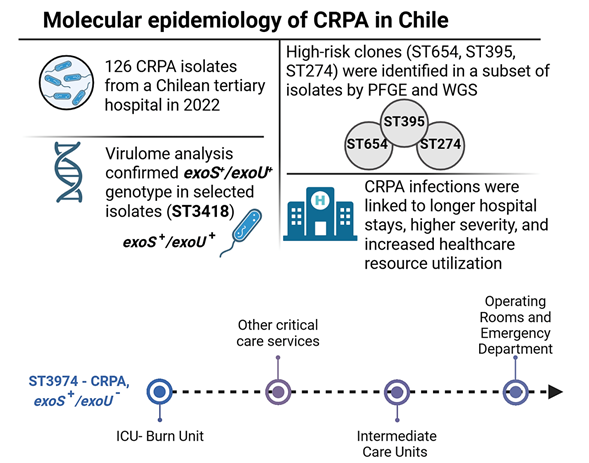
Clonal spread and environmental persistence of carbapenem-resistant high-risk Pseudomonas aeruginosa in critical-care units of a Chilean national referral center for burn and trauma patients (2022)
This study highlight the circulation of high-risk P. aeruginosa clones in Chile and underscore the importance of molecular epidemiology in guiding infection control, optimizing antimicrobial therapy, and mitigating the clinical and economic burden of CRPA.
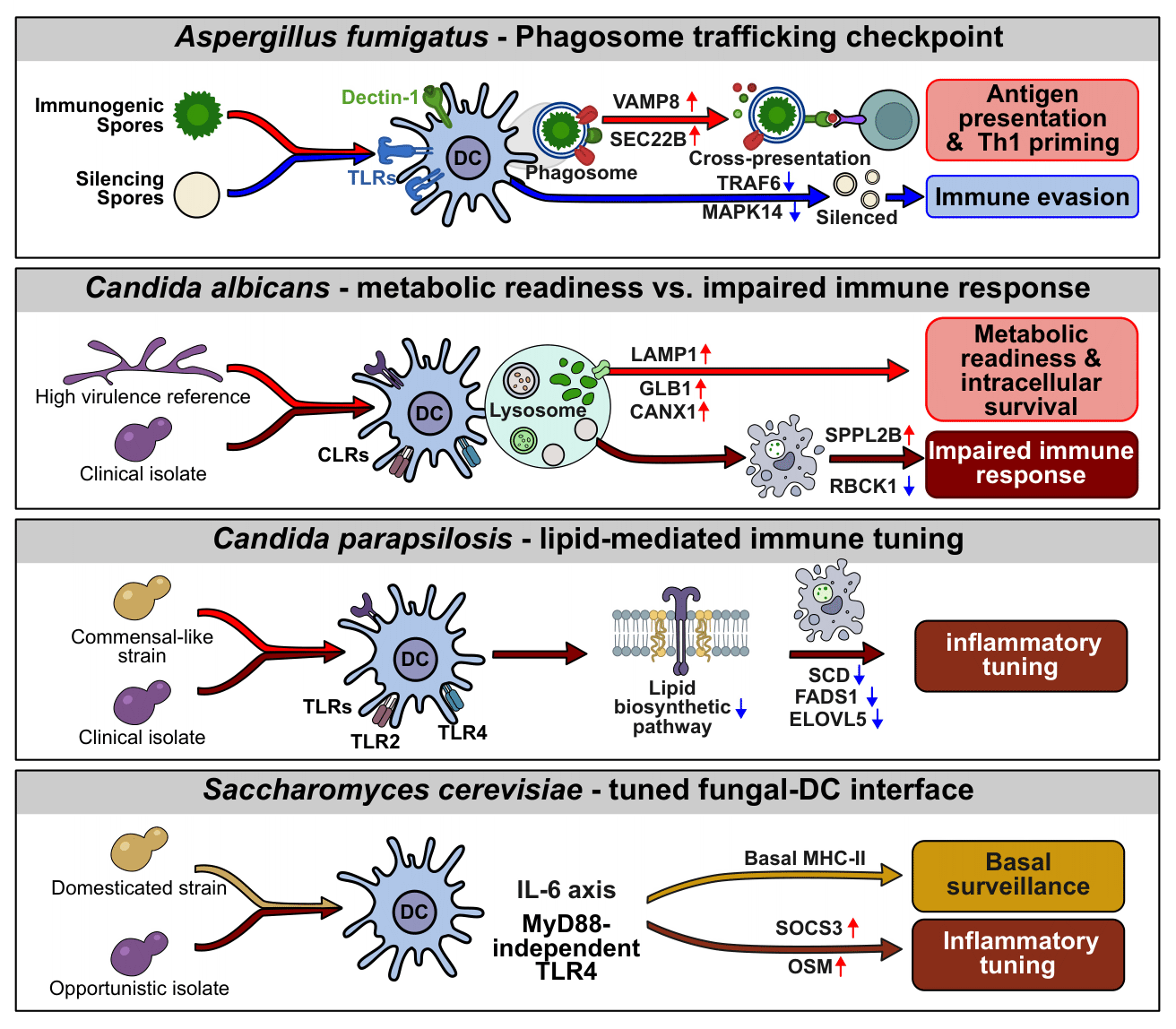
The transcriptome of dendritic cells redraws the boundaries between pathogenicity and commensalism in yeast
Our immune system meets many fungi, but reacts strongly to only a few. The comparison of key fungal species showed that responses differ mainly in timing and not just genes, highlighting the need to rethink what makes fungi harmful vs. harmless.
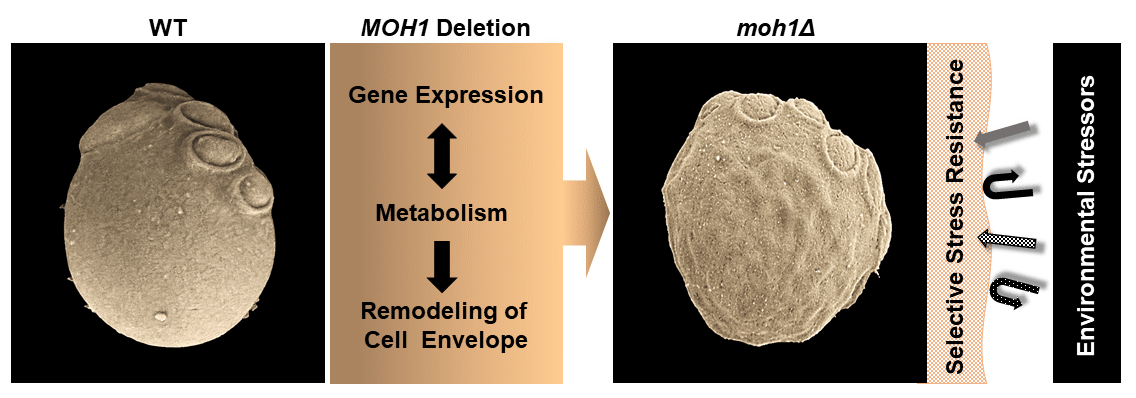
Yippee-like protein Moh1 links gene expression to metabolism and selective stress resistance in Saccharomyces cerevisiae
This study demonstrates that the conserved yeast protein Moh1 links metabolism, gene expression, and cell structure, thereby altering cell envelope permeability and leading to selective stress responses.
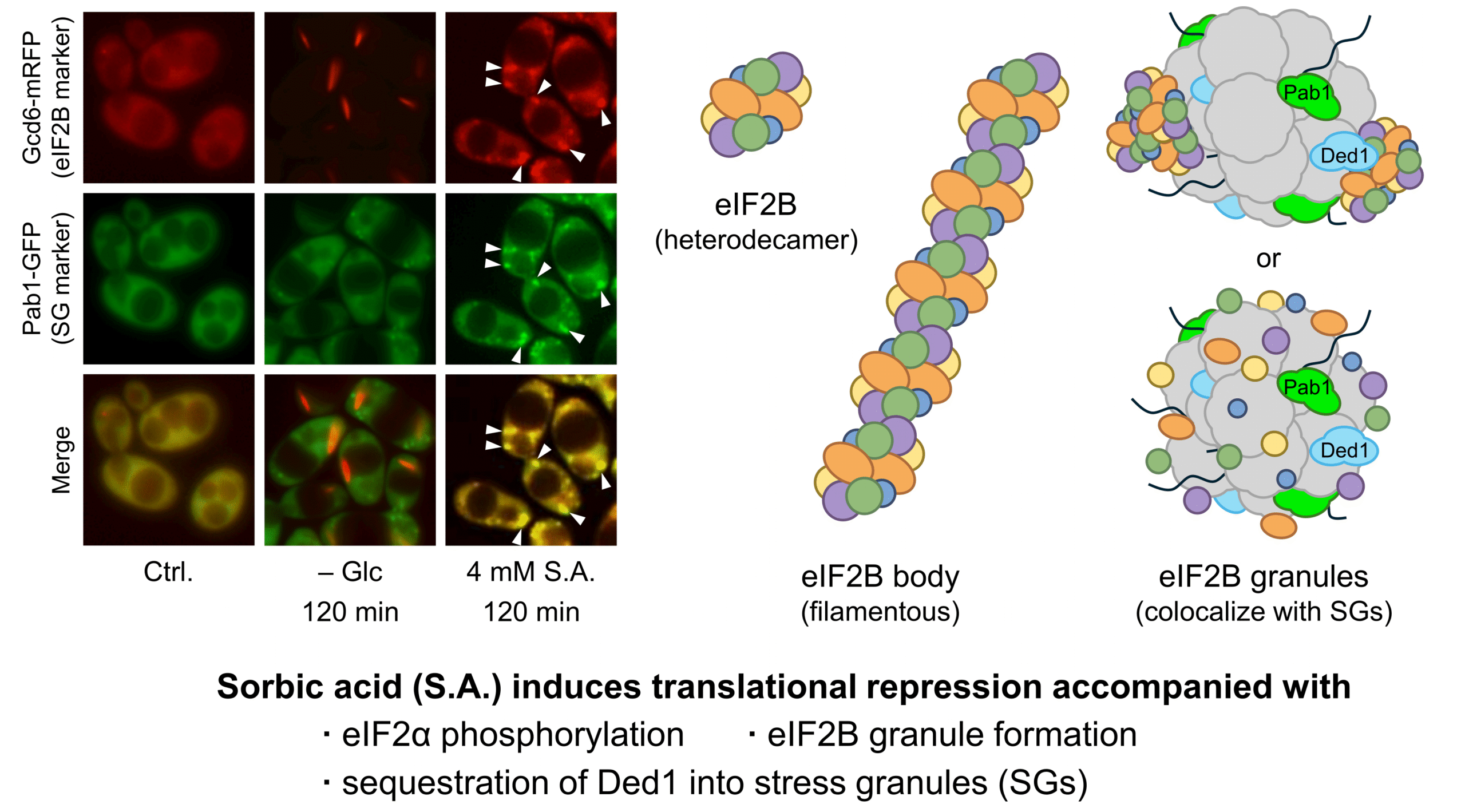
Fungistatic effect of sorbic acid on yeast cells via translational repression involving eIF2α phosphorylation and formation of Ded1- and eIF2B-granules
The findings of this study provide new insights into the physiological effects of sorbic acid on yeast cells, specifically regarding the regulation of translation-related factors.
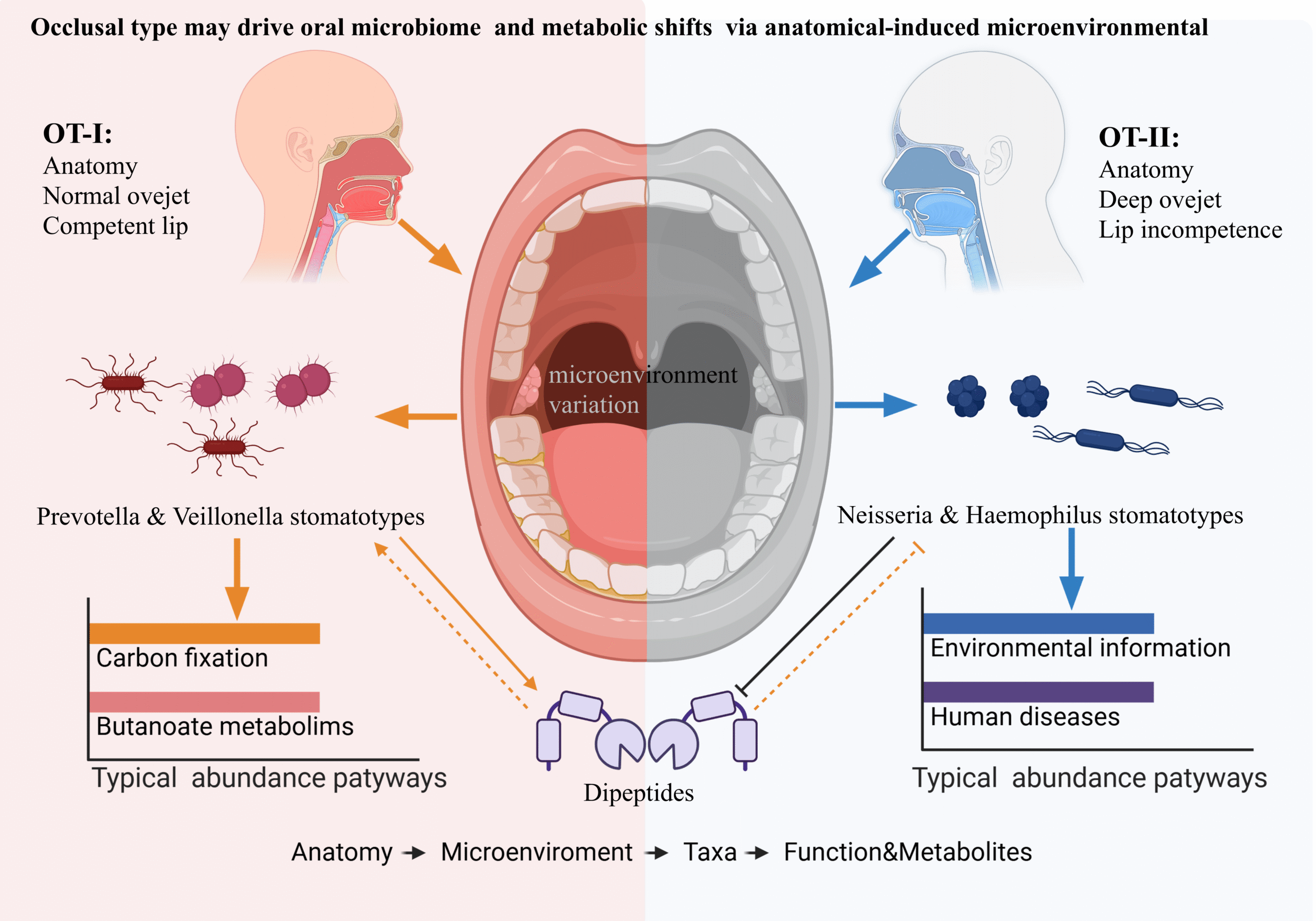
Occlusal types shape oral microbiome stomatotypes and metabolic landscapes: A multi-omics perspective on host-microbe interaction
This study reveals how occlusal types shape oral microbiome “stomatotypes” and metabolic profiles in adolescents. It offers fresh insights that host anatomy drives microecology which may be associated with personalized oral health.


Transcriptomic response to different heme sources in Trypanosoma cruzi epimastigotes
Tevere et al.This study uncovers how the Chagas disease parasite adapts to changes in heme, an essential molecule for its survival, providing transcriptional clues to heme metabolism and identifying a previously unreported heme-binding protein in T. cruzi.
Sir2 regulates selective autophagy in stationary-phase yeast cells
Ryu et al.This study establishes Sir2 as a previously unrecognized regulator of selective autophagy during the stationary phase and highlight how cells dynamically control organelle degradation.

Ampicillin treatment in persister cell studies may cause non-physiological artifacts
Fasnacht et al.This study shows at the example of L2 how insufficient purification of ampicillin persister cells can lead to the generation of non-physiological artifacts and provides a novel tool to improve the removal of residual cell debris.

Clostridium scindens promotes gallstone formation by inducing intrahepatic neutrophil extracellular traps through CXCL1 produced by colonic epithelial cells
Yao et al.Through in vivo and in vitro experiments, we validated the reliability of C. scindens stimulating colonic epithelial cells to produce TLR2, activating the NF-κB signaling pathway, promoting CXCL1 expres-sion, and inducing intrahepatic neutrophil NETosis, which may be associated with gallstone formation.

Integrative Omics reveals changes in the cellular landscape of peroxisome-deficient pex3 yeast cells
To uncover the consequences of peroxisome deficiency, we compared Saccharomyces cerevisiae wild-type with pex3 cells, which lack peroxisomes, employing quantitative proteomics and transcriptomics technologies.
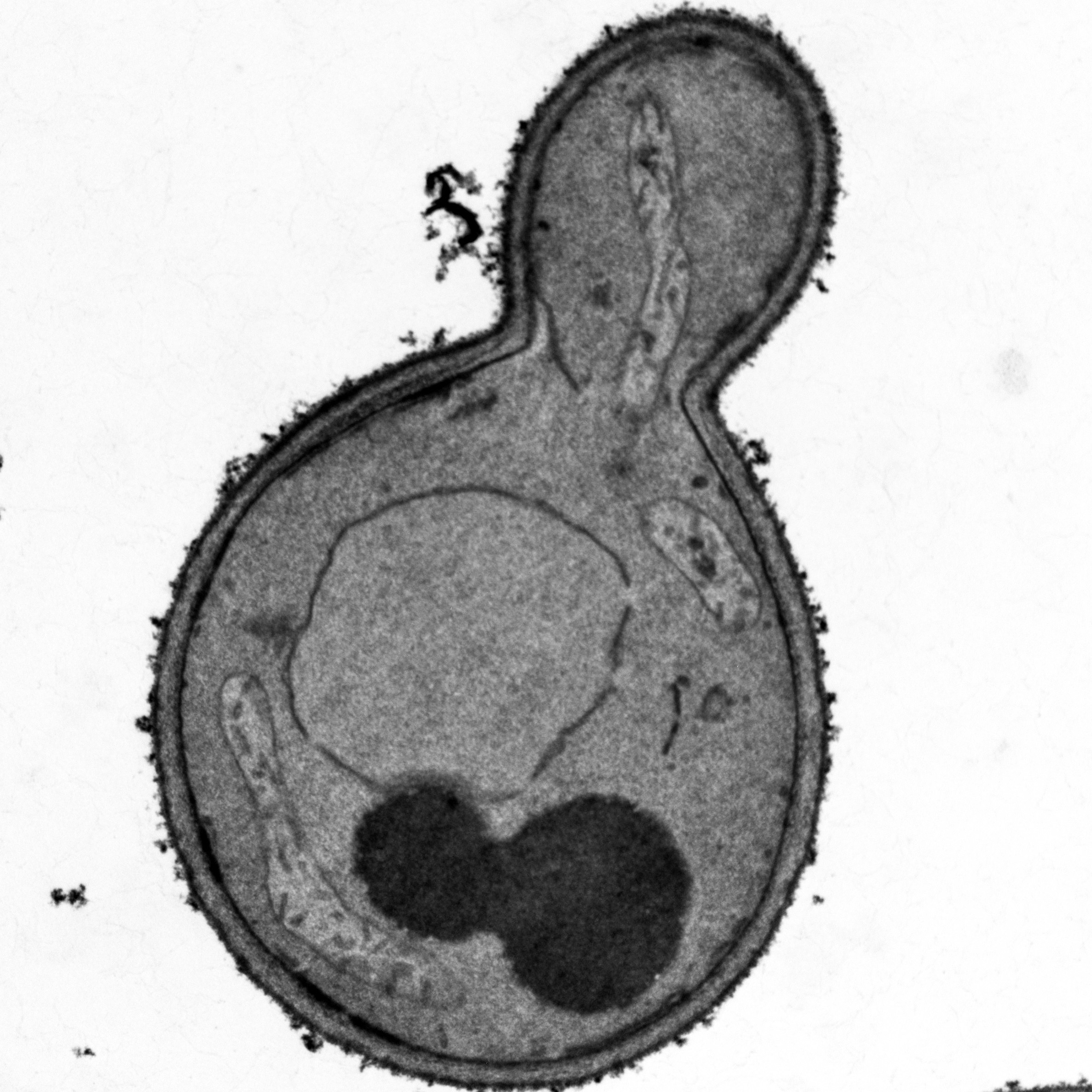
Microwave-assisted preparation of yeast cells for ultrastructural analysis by electron microscopy
Mayer et al.Budding yeast Saccharomyces cerevisiae is widely used as a model organism to study the biogenesis and architecture of organellar membranes, which can be visualized by transmission electron microscopy (TEM).

A complex remodeling of cellular homeostasis distinguishes RSV/SARS-CoV-2 co-infected A549-hACE2 expressing cell lines
Vanetti et al.Given the common tropism of SARS-CoV-2 and RSV, and the unclear consequences of their mutual influence, we developed an in vitro lung epithelial cell model to study the molecular mechanisms and cellular pathways modulated in viral co-infection.

RidA proteins contribute to fitness of S. enterica and E. coli by reducing 2AA stress and moderating flux to isoleucine biosynthesis
Fulton et al.This study solidifies the established role of RidA in removing 2AA, while also presenting evidence for a role of RidA in enhancing flux towards isoleucine biosynthesis in E. coli. Overall, these data emphasize that metabolic networks can generate distinct responses to perturbation, even when the individual components are conserved.

Fecal gelatinase does not predict mortality in patients with alcohol-associated hepatitis
Yang et al.This study aimed to investigate the significance of fecal gelatinase on clinical outcomes in patients with alcohol-associated hepatitis. In conclusion, in our cohort, fecal gelatinase does not predict mortality and does not indicate higher disease severity in patients with alcohol-associated hepatitis.

Direct detection of stringent alarmones (pp)pGpp using malachite green
Schicketanz et al.In this study, we demonstrate the surprising discovery of a commercially available, low-cost malachite green (MG) detection kit, originally designed for orthophosphate (Pi) detection, for detecting (p)ppGpp and its analogues, especially pGpp

Promoter methylation and increased expression of PD-L1 in patients with active tuberculosis
Tseng et al.The PD-1/PD-L1 pathway plays a pivotal role in T cell activity and is involved in the pathophysiology of tuberculosis. Here we show that PD-L1 expression is increased in patients with active tuberculosis and is correlated with treatment outcomes.
Understanding grapevine-microbiome interactions: implications for viticulture industry
Iratxe Zarraonaindia and Jack A. GilbertThis microreview discusses the article “The soil microbiome influences grapevine-associated microbiota” by Zarraonaindia et al. (2015), MBio, which reports that the grapevine-associated microbiota depends on the soil microbiome.
Cytokinins beyond plants: synthesis by Mycobacterium tuberculosis
Marie I. Samanovic and K. Heran DarwinThis microreview discusses “Proteasomal Control of Cytokinin Synthesis Protects Mycobacterium tuberculosis against Nitric Oxide” by Samanovic et al. (2015), Mol Cell.
Yeast as a model system to study metabolic impact of selenium compounds
Herrero and WellingerInorganic Se forms such as selenate or selenite (the two more abundant forms in nature) can be toxic in Saccharomyces cerevisiae cells, which constitute an adequate model to study such toxicity at the molecular level and the functions participating in protection against Se compounds. In this article, the authors propose that yeast may be used to improve our knowledge on the impact of Se on metal homeostasis, the identification of Se-targets at the DNA and protein levels, and to gain more insights into the mechanism of Se-mediated apoptosis.
Understanding structure, function, and mutations in the mitochondrial ATP synthase
Ting Xu et al.This review summarizes the current understanding of the subunit composition of the ATP synthase and the role of the subunits followed by a discussion on known mutations and their effect on the activity of the ATP synthase. The concludes with a summary of mutations in genes encoding subunits of the ATP synthase that are known to be responsible for human disease, and a brief discussion on SNPs.
Modeling non-hereditary mechanisms of Alzheimer disease during apoptosis in yeast
Ralf Braun et al.Impaired protein degradation and mitochondrial dysfunction are believed to contribute to neurodegenerative disorders, including Alzheimer disease (AD). This microreview comments on the article “Accumulation of Basic Amino Acids at Mitochondria Dictates the Cytotoxicity of Aberrant Ubiquitin” by Braun et al. (2015), Cell Rep.
Translate to divide: сontrol of the cell cycle by protein synthesis
Michael Polymenis and Rodolfo AramayoProtein synthesis underpins much of cell growth and, consequently, cell multiplication. Understanding how proliferating cells commit and progress into the cell cycle requires knowing not only which proteins need to be synthesized, but also what determines their rate of synthesis during cell division. Experiments with proliferating populations of microbial strains, animal or plant cell lines, have rigorous expectations. Under the same culture conditions, cells ought to have the same properties and composition in every single experiment. The basic “metrics” of proliferating cells remain constant, even after many rounds of cell division. These metrics include cellular mass and volume, and macromolecular composition. The constancy of such parameters reflects the fundamental ability of cells to coordinate their growth with their division. Balancing cell growth with cell division determines the overall rates of cell proliferation…
New roles for autophagy and spermidine in T cells
D. J. Puleston and A. K. SimonThis microreview discusses the article “Autophagy is a critical regulator of memory CD8+ T cell formation” by Puleston et al. (2014), eLife.
Characterization of the Maf family of polymorphic toxins in pathogenic Neisseria species
Anne Jamet and Xavier NassifIn addition to harmless commensal species, Neisseria genus encompasses two pathogenic species, N. meningitidis (the meningococcus) and N. gonorrhoeae (the gonococcus), which are responsible for meningitis and genital tract infections, respectively. This microreview comments on the article “A new family of secreted toxins in pathogenic Neisseria species” by Jamet et al. (2015), PLoS Pathog.

Patterns of protein synthesis in the budding yeast cell cycle: variable or constant?
No et al.Proteins are the principal macromolecular constituent of proliferating cells, and protein synthesis is viewed as a primary metric of cell growth. While there are celebrated examples of proteins whose levels are periodic in the cell cycle (e.g., cyclins), the concentration of most proteins was not thought to change in the cell cycle, but some recent results challenge this notion. The ‘bulk’ protein is the focus of this article, specifically the rate of its synthesis, in the budding yeast Saccharomyces cerevisiae.
Ribose 5-phosphate: the key metabolite bridging the metabolisms of nucleotides and amino acids during stringent response in Escherichia coli?
Grucela et al.Here we propose the metabolite ribose 5’-phosphate as the key link between nucleotide and amino acid metabolisms and a working model integrating both the transcriptional and metabolic effects of (p)ppGpp on E. coli physiological adaptation during the stringent response.
Flagellated bacterial porter for in situ tumor vaccine
Xu et al.Cancer immunotherapy, which use the own immune system to attack tumors, are increasingly popular treatments. But, due to the tumor immunosuppressive microenvironment, the antigen presentation in the tumor is limited. Recently, a growing number of people use bacteria to stimulate the body’s immunity for tumor treatment due to bacteria themselves have a variety of elements that activate Toll-like receptors. Here, we discuss the use of motility of flagellate bacteria to transport antigens to the tumor periphery to activate peritumoral dendritic cells to enhance the effect of in situ tumor vaccines.
The rise of Candida auris: from unique traits to co-infection potential
Egger et al.Candida auris is a multidrug resistant (MDR) fungal pathogen with a crude mortality rate of 30-60%. First identified in 2009, C. auris has been rapidly rising to become a global risk in clinical settings and was declared an urgent health threat by the Centers for Disease Control and Prevention (CDC). A concerted global action is thus needed to successfully tackle the challenges created by this emerging fungal pathogen. In this brief article, we underline the importance of unique virulence traits, including its easy transformation, its persistence outside the host and its resilience against multiple cellular stresses, as well as of environmental factors that have mainly contributed to the rise of this superbug.
A hundred spotlights on microbiology: how microorganisms shape our lives
Carmona-Gutierrez et al.Viral, bacterial, fungal and protozoal biology is of cardinal importance for the evolutionary history of life, ecology, biotechnology and infectious diseases. Various microbiological model systems have fundamentally contributed to the understanding of molecular and cellular processes, including the cell cycle, cell death, mitochondrial biogenesis, vesicular fusion and autophagy, among many others. Microbial interactions within the environment have profound effects on many fields of biology, from ecological diversity to the highly complex and multifaceted impact of the microbiome on human health. Also, biotechnological innovation and corresponding industrial operations strongly depend on microbial engineering. With this wide range of impact in mind, the peer-reviewed (…)
Yeast goes viral: probing SARS-CoV-2 biology using S. cerevisiae
Ho et al.The budding yeast Saccharomyces cerevisiae has long been an outstanding platform for understanding the biology of eukaryotic cells. Robust genetics, cell biology, molecular biology, and biochemistry complement deep and detailed genome annotation, a multitude of genome-scale strain collections for functional genomics, and substantial gene conservation with Metazoa to comprise a powerful model for modern biological research. Recently, the yeast model has demonstrated its utility in a perhaps unexpected area, that of eukaryotic virology. Here we discuss three innovative applications of the yeast model system to reveal functions and investigate variants of proteins encoded by the SARS-CoV-2 virus.
Murals meet microbes: at the crossroads of microbiology and cultural heritage
Bauer et al.This article comments on the duality of microorganisms in the conservation and restoration of cultural heritage, which encompasses the negative impact of damaging microorganisms and recent advances in using specific microorganisms and microbial-based technologies for cultural heritage preservation.
Urm1, not quite a ubiquitin-like modifier?
Kaduhr et al.This article comments on work published by Brachmann et al. (Redox Biol, 2020), which studied urmylation of the yeast 2-Cys peroxiredoxin Ahp1, uncovering that promiscuous lysine target sites and specific redox requirements determine the Urm1 acceptor activity of the peroxiredoxin.
Can’t find what you’re looking for?
You can browse all our issues and published articles here.
FAQs
Peer-reviewed, open-access research using unicellular organisms (and multicellular microorganisms) to understand cellular responses and human disease.
The journal (founded in 2014) is led by its Editors-in-Chief Frank Madeo, Didac Carmona-Gutierrez, and Guido Kroemer
Microbial Cell has been publishing original scientific literature since 2014, and from the very beginning has been managed by active scientists through an independent Publishing House (Shared science Publishers). The journal was conceived as a platform to acknowledge the importance of unicellular organisms, both as model systems as well as in the biological context of human health and disease.
Ever since, Microbial Cell has very positively developed and strongly grown into a respected journal in the unicellular research community and even beyond. This scientific impact is reflected in the yearly number of citations obtained by articles published in Microbial Cell, as recorded by the Web of Science (Clarivate, formerly Thomson/Reuters):

The scientific impact of Microbial Cell is also mirrored in a series of milestones:
2015: Microbial Cell is included in the Emerging Sources Citation Index (ESCI), a selection of developing journals drafted by Clarivate Analytics based on the candidate’s publishing standards, quality, editorial content, and citation data. Note: As an ESCI-selected journal, Microbial Cell is currently being evaluated in a rigorous and long process to determine an inclusion in the Science Citation Index Expanded (SCIE), which allows the official calculation of Clarivate Analytics’ impact factor.

2016: Microbial Cell is awarded the so-called DOAJ Seal by the selective Directory of Open Access Journals (DOAJ). The DOAJ Seal is an exclusive mark of certification for open access journals granted by DOAJ to journals that adhere to outstanding best practice and achieve an extra high and clear commitment to open access and high publishing standards.

2017: Microbial Cell is included in Pubmed Central (PMC), allowing the archiving of all the journal’s articles in PMC and PubMed.

2019: Microbial Cell is indexed in the prestigious abstract and citation database Scopus after a thorough selection process. This also means that Microbial Cell obtains, for the first time, an official Scopus CiteScore as well as an official journal ranking in the Scimago Journal and Country Ranking.

2022: Microbial Cell’s CiteScore reaches a value of 7.2 for the year 2021, positioning Microbial Cell among the top microbiology journals (previously available CiteScores: 2019: 5.4; 2020: 5.1).

2022: Microbial Cell is indexed in the highly selective Science Citation Index Expanded™, which covers approx. 9,500 of the world’s most impactful journals across 178 scientific disciplines. In their journal selection and curation process, Clarivate´s editors apply 24 ‘quality’ criteria and four ‘impact’ criteria to select the most influential journals in their respective fields. This selection is also a pre-requisite for inclusion in the JCR, which features the impact factor.

2022: Microbial Cell is listed in the Journal Citation Reports™ (JCR), and obtains its first official Journal Impact Factor™ (JIF) for the year 2021: 5.316.Check Article Types and Manuscript Preparation guidelines. Submit online via Scholastica.
It takes four to tango: the cooperative adventure of scientific publishing
Carmona-Gutierrez et al.This Editorial is the 500th article published in Microbial Cell, a journey that started in 2014 and has seen the journal grow steadily and maintain itself as a respected community platform. The foundation that has allowed for and driven this development – as for any responsible journal – is composed of four essential pillars: the readers, the authors, the editors and the referees.