

Regulation of extracellular vesicles for protein secretion in Aspergillus nidulans
This study reveals that Aspergillus nidulans boosts extracellular vesicle production when ER-trafficked enzymes are induced, uncovering how fungi remodel their secretome through vesicle-mediated secretion to adapt to changing environments and biofilm formation.

Transcriptomic response to different heme sources in Trypanosoma cruzi epimastigotes
This study uncovers how the Chagas disease parasite adapts to changes in heme, an essential molecule for its survival, providing transcriptional clues to heme metabolism and identifying a previously unreported heme-binding protein in T. cruzi.

Luminal acetylation of microtubules is not essential for Plasmodium berghei and Toxoplasma gondii survival
Acetylation of α-tubulin at lysine 40 is not essential for cytoskeletal stability in Plasmodium berghei or Toxoplasma gondii, suggesting redundancy and plasticity in microtubule regulation in these parasites.

The dual-site agonist for human M2 muscarinic receptors Iper-8-naphtalimide induces mitochondrial dysfunction in Saccharomyces cerevisiae
S. cerevisiae is a model to study human GPCRs. N-8-Iper, active against glioblastoma via M2 receptor, causes mitochondrial damage in yeast by binding Ste2, highlighting evolutionary conservation of GPCRs.

Integrative Omics reveals changes in the cellular landscape of peroxisome-deficient pex3 yeast cells
To uncover the consequences of peroxisome deficiency, we compared Saccharomyces cerevisiae wild-type with pex3 cells, which lack peroxisomes, employing quantitative proteomics and transcriptomics technologies.
Regulation of extracellular vesicles for protein secretion in Aspergillus nidulans
Rebekkah E. Pope1, Patrick Ballmann2, Lisa Whitworth3 and Rolf A. Prade1,*
This study reveals that Aspergillus nidulans boosts extracellular vesicle production when ER-trafficked enzymes are induced, uncovering how fungi remodel their secretome through vesicle-mediated secretion to adapt to changing environments and biofilm formation.
Transcriptomic response to different heme sources in Trypanosoma cruzi epimastigotes
Evelyn Tevere1,a, María G. Mediavilla1,a, Cecilia B. Di Capua1, Marcelo L. Merli1, Carlos Robello2,3, Luisa Berná2,4 and Julia A. Cricco
This study uncovers how the Chagas disease parasite adapts to changes in heme, an essential molecule for its survival, providing transcriptional clues to heme metabolism and identifying a previously unreported heme-binding protein in T. cruzi.
Sir2 regulates selective autophagy in stationary-phase yeast cells
Ji-In Ryua, Juhye Junga, and Jeong-Yoon Kim
This study establishes Sir2 as a previously unrecognized regulator of selective autophagy during the stationary phase and highlight how cells dynamically control organelle degradation.

Quantifying yeast lipidomics by high-performance thin-layer chromatography (HPTLC) and comparison to mass spectrometry-based shotgun lipidomics
Thorsten Meyer1, Oskar Knittelfelder2, Martin Smolnig1 and Patrick Rockenfeller1
Lipidomic analysis in diverse biological settings has become a frequent tool to increase our understanding of the processes of life. Here we describe a method to analyse basic lipidomics in yeast using HPTLC and offer comparison to measurement of the same samples with MS-based shotgun lipidomics.

A cobalt concentration sensitive Btu-like system facilitates cobalamin uptake in Anabaena sp. PCC 7120
Julia Graf1, Leonard Fresenborg1,2, Hans-Michael Seitz2,3, Rafael Pernil1 and Enrico Schleiff1,2,4,5
Metal homeostasis is central to all forms of life, as metals are essential micronutrients with toxic effects at elevated levels. Our results provide novel information on the uptake of cobalamin and the regulation of the cellular cobalt content in cyanobacteria.
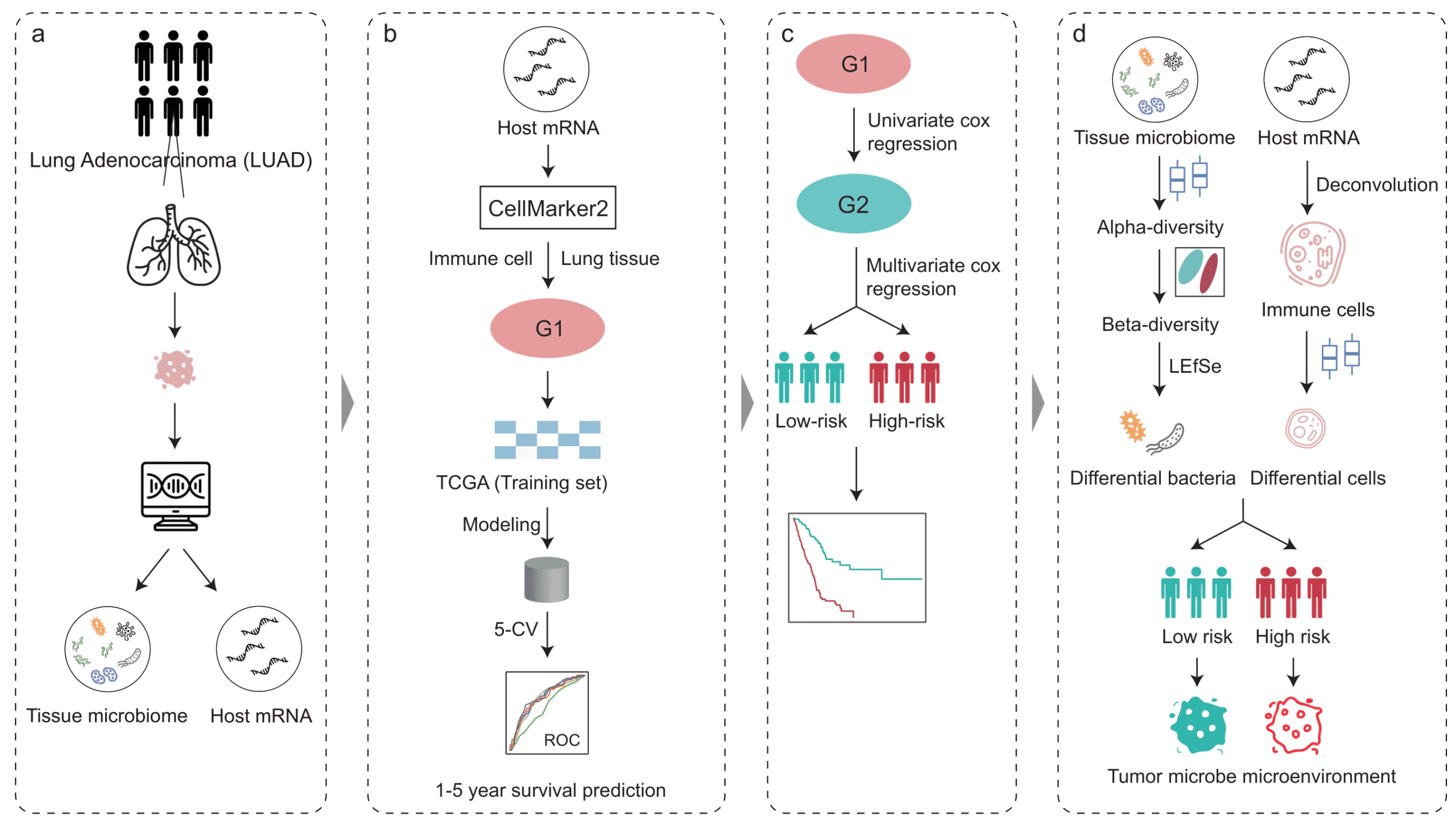
Predictable regulation of survival by intratumoral microbe-immune crosstalk in patients with lung adenocarcinoma
Shuo Shi1, Yuwen Chu2,3, Haiyan Liu4,5, Lan Yu6,7,8, Dejun Sun8,9, Jialiang Yang2,3,5, Geng Tian2,3, Lei Ji2,3, Cong Zhang10 and Xinxin Lu11
Intratumoral microbiota can regulate the tumor immune microenvironment (TIME) and mediate tumor prognosis by promoting inflammatory response or inhibiting anti-tumor effects. Our study demonstrated that intratumoral microbiota-immune crosstalk was strongly associated with prognosis in LUAD patients, which would provide new targets for the development of precise therapeutic strategies.

Two TonB-dependent outer membrane transporters involved in heme uptake in Anabaena sp. PCC 7120
Julia Graf1, Martin Schöpperle1,2, Rafael Pernil1 and Enrico Schleiff1,3,4
Low availability of micronutrients such as iron has enforced the evolution of uptake systems in all kingdoms of life. In our study, we conclude that heme transport might not be restricted to Anabaena, but at the same time is not specific to a cyanobacterial order and thus might be related to the habitat of origin, a notion which needs to be challenged in the future.

The last two transmembrane helices in the APC-type FurE transporter act as an intramolecular chaperone essential for concentrative ER-exit
Yiannis Pyrris1, Georgia F. Papadaki1, Emmanuel Mikros2 and George Diallinas1,3
FurE is a H+ symporter specific for the cellular uptake of uric acid, allantoin, uracil, and toxic nucleobase analogues in the fungus Aspergillus nidulans. Being member of the NCS1 protein family, FurE is structurally related to the APC-superfamily of transporters.
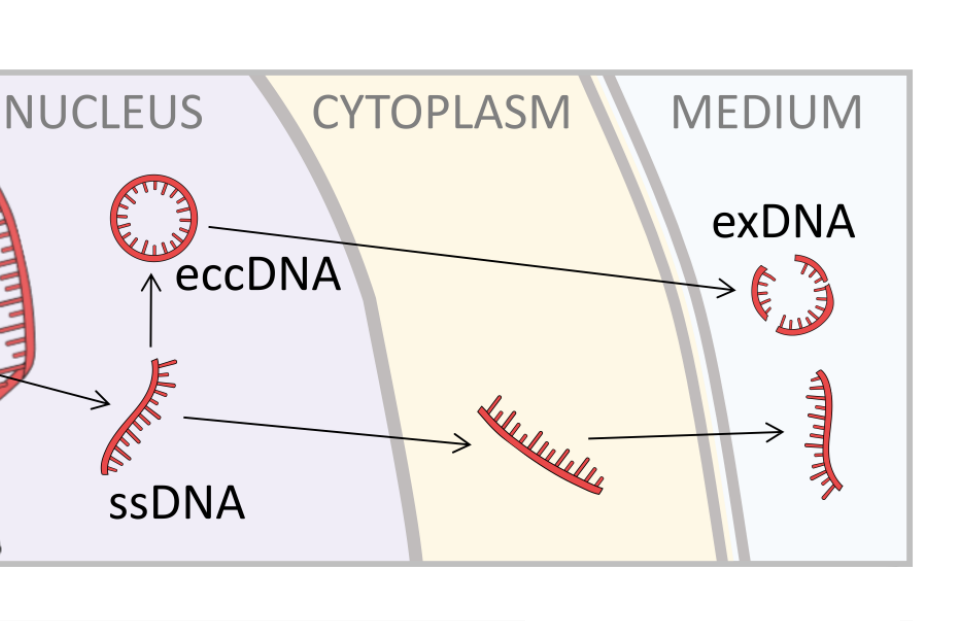
Extracellular DNA secreted in yeast cultures is metabolism-specific and inhibits cell proliferation
Elisabetta de Alteriis1, Guido Incerti2, Fabrizio Cartenì3, Maria Luisa Chiusano3, Chiara Colantuono3, Emanuela Palomba4, Pasquale Termolino4, Francesco Monticolo3,5, Alfonso Esposito3, Giuliano Bonanomi3,6, Rosanna Capparelli3, Marco Iannaccone3,7, Alessandro Foscari2, Carmine Landi8, Palma Parascandola8, Massimo Sanchez9, Valentina Tirelli9, Bruna de Falco3, Virginia Lanzotti3 and Stefano Mazzoleni3,6
Our study demonstrates that extracellular DNA released by living cells can impact the growth rate of Saccharomyces cerevisiae cultures, showing similarities to extrachromosomal circular DNA and leading to cell cycle arrest in the S phase, suggesting potential new functional roles of exDNA.

Basal level of ppGpp coordinates Escherichia coli cell heterogeneity and ampicillin resistance and persistence
Paulina Katarzyna Grucela1 and Yong Everett Zhang1
The universal stringent response alarmone ppGpp (guanosine penta and tetra phosphates) plays a crucial role in various aspects of fundamental cell physiology (e.g., cell growth rate, cell size) and thus bacterial tolerance to and survival of external stresses, including antibiotics. In tihs study, we discuss the fundamental role of basal level of ppGpp in regulating cell homogeneity and ampicillin persistence.
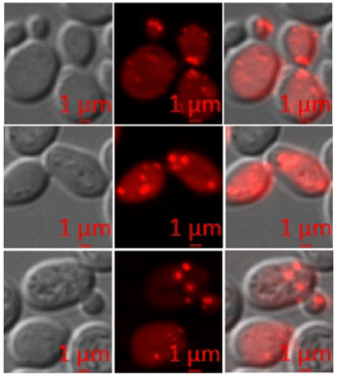
Investigation of the acetic acid stress response in Saccharomyces cerevisiae with mutated H3 residues
Nitu Saha1, Swati Swagatika1 and Raghuvir Singh Tomar1
Yeast cells respond to acetic acid in diverse ways. Here, we have elucidated the deleterious effects of acetic acid on different histone mutants
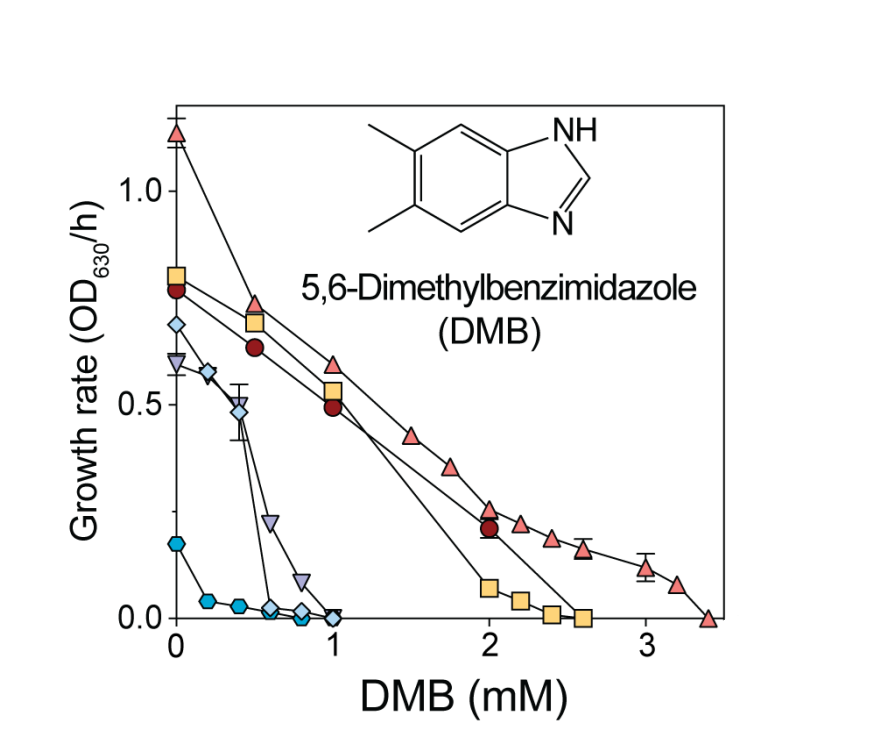
The coenzyme B12 precursor 5,6-dimethylbenzimidazole is a flavin antagonist in Salmonella
Lahiru Malalasekara1 and Jorge C. Escalante-Semerena1,*
Here we investigated why 5,6-dimethylbenzimidazole (DMB) inhibits in S. Typhimurium. Briefly, we determined that the structural similarities of the substituted benzene ring of DMB with the isoalloxazine moiety of flavins is responsible for the deleterious effects of this CoB12 precursor.
Guidelines for DNA recombination and repair studies: Mechanistic assays of DNA repair processes
Hannah L Klein1, Kenny K.H. Ang2, Michelle R. Arkin2, Emily C. Beckwitt3,4, Yi-Hsuan Chang5, Jun Fan6, Youngho Kwon7,8, Michael J. Morten1, Sucheta Mukherjee9, Oliver J. Pambos6, Hafez el Sayyed6, Elizabeth S. Thrall10, João P. Vieira-da-Rocha9, Quan Wang11, Shuang Wang12,13, Hsin-Yi Yeh5, Julie S. Biteen14, Peter Chi5,15, Wolf-Dietrich Heyer9,16, Achillefs N. Kapanidis6, Joseph J. Loparo10, Terence R. Strick12,13,17, Patrick Sung7,8, Bennett Van Houten3,18,19, Hengyao Niu11 and Eli Rothenberg1
Mechanistic assays of DNA repair processes are a powerful tools but each comes with its particular advantages and limitations. Here the most commonly used assays are reviewed, discussed, and presented as the guidelines for future studies.
Imbalance in gut microbes from babies born to obese mothers increases gut permeability and myeloid cell adaptations that provoke obesity and NAFLD
Taylor K. Soderborg1 and Jacob E. Friedman1,2,3
This article comments on work published by Soderborg et al. (Nat Commun, 2018), which demonstrates a causative role of early life microbiome dysbiosis in infants born to mothers with obesity in novel pathways that promote developmental programming of NAFLD.
Retroviral integration site selection: a running Gag?
Paul Lesbats1,2,3 and Vincent Parissi1,2,3
In this article, the authors comment on the study “Structural basis for spumavirus GAG tethering to chromatin” by Lesbats et al. (Proc Natl Acad Sci, 2018) that revealed that the Gag protein of the spumaretrovirus prototype foamy virus (PFV) directly interacts with the nucleosome acidic patch, acting as a chromatin tether, and its disruption leads to delocalization of viral particles and integration sites, shedding light on the importance of retroviral structural proteins in the selection of integration sites.
Insights into the host-pathogen interaction: C. albicans manipulation of macrophage pyroptosis
Teresa R. O’Meara1 and Leah E. Cowen1
In this article, the authors comment on the study “High-Throughput Screening Identifies Genes Required for Candida albicans Induction of Macrophage Pyroptosis” by O’Meara et al. (MBio, 2018) that provides a comprehensive analysis of the genetic circuitry in both Candida albicans and host macrophages that leads to pyroptosis, revealing the impact of altered pyroptosis on infection, the role of pyroptosis in facilitating neutrophil accumulation at the site of C. albicans infection, and the decoupling of inflammasome priming and activation in the response to C. albicans infection, thus shedding new light on the factors governing the outcomes of this interaction.
A comparative approach to decipher intestinal animal-microbe associations
Keisuke Nakashima1
In this article, the authors comment on the study “Chitin-based barrier immunity and its loss predated mucus-colonization by indigenous gut microbiota” by Nakashima et al. (Nat Commun, 2018) that used comparative analyses of chordates to investigate the development of animal-microbe associations, suggesting that microbial colonization of the mucus layer over mammalian gastrointestinal epithelium was established upon the loss of ancestral chitin-based barrier immunity, providing insights into the establishment of these associations in an evolutionary context.
Pathways of host cell exit by intracellular pathogens
Antje Flieger1,#, Freddy Frischknecht2, Georg Häcker3, Mathias W. Hornef4, Gabriele Pradel5
This review provides an overview of the diverse host cell exit strategies employed by intracellular-living bacterial, fungal, and protozoan pathogens, highlighting the commonalities and system-specific variations of these strategies, and discussing potential microbial molecules involved in host cell exit as targets for future intervention approaches.
An unexpected benefit from E. coli: how enterobactin benefits host health
Aileen K. Sewell1,2, Min Han1,2 and Bin Qi1,2
In this article, the authors comment on the study “Microbial Siderophore Enterobactin Promotes Mitochondrial Iron Uptake and Development of the Host via Interaction with ATP Synthase” by Qi et al. (Cell, 2018) that uncovered a surprising role for the Escherichia coli-produced siderophore enterobactin (Ent) in facilitating iron uptake by the host, marking a major shift in the understanding of its function and indicating potential new benefits from commensal bacteria in aiding the host’s iron homeostasis.
Protective roles of ginseng against bacterial infection
Ye-Ram Kim1 and Chul-Su Yang1
This review highlights the antibacterial effects of ginseng against pathogenic bacterial infections, discussing its regulation of pathogenic factors and proposing the therapeutic potential of ginseng as a natural antibacterial drug to address antibiotic resistance and toxicity in the context of global public health challenges.

Patterns of protein synthesis in the budding yeast cell cycle: variable or constant?
Eun-Gyu No, Heidi M Blank and Michael Polymenis
Proteins are the principal macromolecular constituent of proliferating cells, and protein synthesis is viewed as a primary metric of cell growth. While there are celebrated examples of proteins whose levels are periodic in the cell cycle (e.g., cyclins), the concentration of most proteins was not thought to change in the cell cycle, but some recent results challenge this notion. The ‘bulk’ protein is the focus of this article, specifically the rate of its synthesis, in the budding yeast Saccharomyces cerevisiae.
Ribose 5-phosphate: the key metabolite bridging the metabolisms of nucleotides and amino acids during stringent response in Escherichia coli?
Paulina Katarzyna Grucela1, Tobias Fuhrer2, Uwe Sauer2, Yanjie Chao3 and Yong Everett Zhang1
Here we propose the metabolite ribose 5’-phosphate as the key link between nucleotide and amino acid metabolisms and a working model integrating both the transcriptional and metabolic effects of (p)ppGpp on E. coli physiological adaptation during the stringent response.
Flagellated bacterial porter for in situ tumor vaccine
Haiheng Xu1, Yiqiao Hu1, 2 and Jinhui Wu1, 2, 3
Cancer immunotherapy, which use the own immune system to attack tumors, are increasingly popular treatments. But, due to the tumor immunosuppressive microenvironment, the antigen presentation in the tumor is limited. Recently, a growing number of people use bacteria to stimulate the body’s immunity for tumor treatment due to bacteria themselves have a variety of elements that activate Toll-like receptors. Here, we discuss the use of motility of flagellate bacteria to transport antigens to the tumor periphery to activate peritumoral dendritic cells to enhance the effect of in situ tumor vaccines.
The rise of Candida auris: from unique traits to co-infection potential
Nadine B. Egger1,§, Katharina Kainz1,§, Adina Schulze1, Maria A. Bauer1, Frank Madeo1-3 and Didac Carmona-Gutierrez1
Candida auris is a multidrug resistant (MDR) fungal pathogen with a crude mortality rate of 30-60%. First identified in 2009, C. auris has been rapidly rising to become a global risk in clinical settings and was declared an urgent health threat by the Centers for Disease Control and Prevention (CDC). A concerted global action is thus needed to successfully tackle the challenges created by this emerging fungal pathogen. In this brief article, we underline the importance of unique virulence traits, including its easy transformation, its persistence outside the host and its resilience against multiple cellular stresses, as well as of environmental factors that have mainly contributed to the rise of this superbug.
A hundred spotlights on microbiology: how microorganisms shape our lives
Didac Carmona-Gutierrez1, Katharina Kainz1, Andreas Zimmermann1, Sebastian J. Hofer1, Maria A. Bauer1, Christoph Ruckenstuhl1, Guido Kroemer2-4 and Frank Madeo1,5,6
Viral, bacterial, fungal and protozoal biology is of cardinal importance for the evolutionary history of life, ecology, biotechnology and infectious diseases. Various microbiological model systems have fundamentally contributed to the understanding of molecular and cellular processes, including the cell cycle, cell death, mitochondrial biogenesis, vesicular fusion and autophagy, among many others. Microbial interactions within the environment have profound effects on many fields of biology, from ecological diversity to the highly complex and multifaceted impact of the microbiome on human health. Also, biotechnological innovation and corresponding industrial operations strongly depend on microbial engineering. With this wide range of impact in mind, the peer-reviewed (…)
Yeast goes viral: probing SARS-CoV-2 biology using S. cerevisiae
Brandon Ho1, Raphael Loll-Krippleber1 and Grant W. Brown1
The budding yeast Saccharomyces cerevisiae has long been an outstanding platform for understanding the biology of eukaryotic cells. Robust genetics, cell biology, molecular biology, and biochemistry complement deep and detailed genome annotation, a multitude of genome-scale strain collections for functional genomics, and substantial gene conservation with Metazoa to comprise a powerful model for modern biological research. Recently, the yeast model has demonstrated its utility in a perhaps unexpected area, that of eukaryotic virology. Here we discuss three innovative applications of the yeast model system to reveal functions and investigate variants of proteins encoded by the SARS-CoV-2 virus.
Murals meet microbes: at the crossroads of microbiology and cultural heritage
Maria A. Bauer1, Katharina Kainz1, Christoph Ruckenstuhl1, Frank Madeo1-3 and Didac Carmona-Gutierrez1
This article comments on the duality of microorganisms in the conservation and restoration of cultural heritage, which encompasses the negative impact of damaging microorganisms and recent advances in using specific microorganisms and microbial-based technologies for cultural heritage preservation.
Urm1, not quite a ubiquitin-like modifier?
Lars Kaduhr1, Cindy Brachmann1, Keerthiraju Ethiraju Ravichandran2,3, James D. West4, Sebastian Glatt2 and Raffael Schaffrath1
This article comments on work published by Brachmann et al. (Redox Biol, 2020), which studied urmylation of the yeast 2-Cys peroxiredoxin Ahp1, uncovering that promiscuous lysine target sites and specific redox requirements determine the Urm1 acceptor activity of the peroxiredoxin.
Microbial Cell
is an open-access, peer-reviewed journal that publishes exceptionally relevant research works that implement the use of unicellular organisms (and multicellular microorganisms) to understand cellular responses to internal and external stimuli and/or human diseases.
you can trust

Can’t find what you’re looking for?
You can browse all our issues and published articles here.
FAQs
Peer-reviewed, open-access research using unicellular organisms (and multicellular microorganisms) to understand cellular responses and human disease.
The journal (founded in 2014) is led by its Editors-in-Chief Frank Madeo, Didac Carmona-Gutierrez, and Guido Kroemer
Microbial Cell has been publishing original scientific literature since 2014, and from the very beginning has been managed by active scientists through an independent Publishing House (Shared science Publishers). The journal was conceived as a platform to acknowledge the importance of unicellular organisms, both as model systems as well as in the biological context of human health and disease.
Ever since, Microbial Cell has very positively developed and strongly grown into a respected journal in the unicellular research community and even beyond. This scientific impact is reflected in the yearly number of citations obtained by articles published in Microbial Cell, as recorded by the Web of Science (Clarivate, formerly Thomson/Reuters):

The scientific impact of Microbial Cell is also mirrored in a series of milestones:
2015: Microbial Cell is included in the Emerging Sources Citation Index (ESCI), a selection of developing journals drafted by Clarivate Analytics based on the candidate’s publishing standards, quality, editorial content, and citation data. Note: As an ESCI-selected journal, Microbial Cell is currently being evaluated in a rigorous and long process to determine an inclusion in the Science Citation Index Expanded (SCIE), which allows the official calculation of Clarivate Analytics’ impact factor.

2016: Microbial Cell is awarded the so-called DOAJ Seal by the selective Directory of Open Access Journals (DOAJ). The DOAJ Seal is an exclusive mark of certification for open access journals granted by DOAJ to journals that adhere to outstanding best practice and achieve an extra high and clear commitment to open access and high publishing standards.

2017: Microbial Cell is included in Pubmed Central (PMC), allowing the archiving of all the journal’s articles in PMC and PubMed.

2019: Microbial Cell is indexed in the prestigious abstract and citation database Scopus after a thorough selection process. This also means that Microbial Cell obtains, for the first time, an official Scopus CiteScore as well as an official journal ranking in the Scimago Journal and Country Ranking.

2022: Microbial Cell’s CiteScore reaches a value of 7.2 for the year 2021, positioning Microbial Cell among the top microbiology journals (previously available CiteScores: 2019: 5.4; 2020: 5.1).

2022: Microbial Cell is indexed in the highly selective Science Citation Index Expanded™, which covers approx. 9,500 of the world’s most impactful journals across 178 scientific disciplines. In their journal selection and curation process, Clarivate´s editors apply 24 ‘quality’ criteria and four ‘impact’ criteria to select the most influential journals in their respective fields. This selection is also a pre-requisite for inclusion in the JCR, which features the impact factor.

2022: Microbial Cell is listed in the Journal Citation Reports™ (JCR), and obtains its first official Journal Impact Factor™ (JIF) for the year 2021: 5.316.Check Article Types and Manuscript Preparation guidelines. Submit online via Scholastica.
It takes four to tango: the cooperative adventure of scientific publishing
Didac Carmona-Gutierrez1,2, Katharina Kainz1 and Frank Madeo1-3
This Editorial is the 500th article published in Microbial Cell, a journey that started in 2014 and has seen the journal grow steadily and maintain itself as a respected community platform. The foundation that has allowed for and driven this development – as for any responsible journal – is composed of four essential pillars: the readers, the authors, the editors and the referees.