
Microreviews, Review

Saccharomyces cerevisiae in cancer research: modeling tumor biology and enabling drug discovery
Graziana Assalve1,a, Paola Lunetti1,a, Annalisa Fai1, Luca Frattaruolo2, Anna Rita Cappello2, Alessandra Ferramosca1,* and Vincenzo Zara1
By combining genetic tractability with conservation of key cellular pathways, Saccharomyces cerevisiae is emerging as a versatile model for cancer biology and a scalable platform for identifying therapeutic targets and vulnerabilities.

Prohibitins: emerging host targets of bacteria and viruses at the plasma membrane, mitochondria, and cytoplasm
Grecia O. Rivera-Palomino1,2 and Arianne L. Theiss1,2,3
Prohibitins are emerging as central host hubs exploited by bacteria and viruses to rewire signaling and mitochondrial dynamics. The current review discusses Prohibitins in host-pathogen interplay and their potential as novel anti-infective targets.

Outer membrane vesicles in Vibrio species: Roles in biofilm formation and pathogenesis
Kumari Shambhavi and Durg Vijai Singh
This review explores current knowledge on outer membrane vesicles (OMVs) in Vibrio species, highlighting their roles in pathogenesis, host interaction, and marine ecology; and identifies major knowledge gaps, outlining key methodological challenges and future prospects for OMV-based applications.

The mechanism of Tat-dependent protein translocation
Thomas Brüser1,* and Carsten Sanders2,3,4
This review integrates mechanistically relevant biochemical, molecular, and structural studies on Tat-dependent translocation of folded proteins into an in its molecular detail new comprehensive explanation of how the Tat system mediates protein transport.
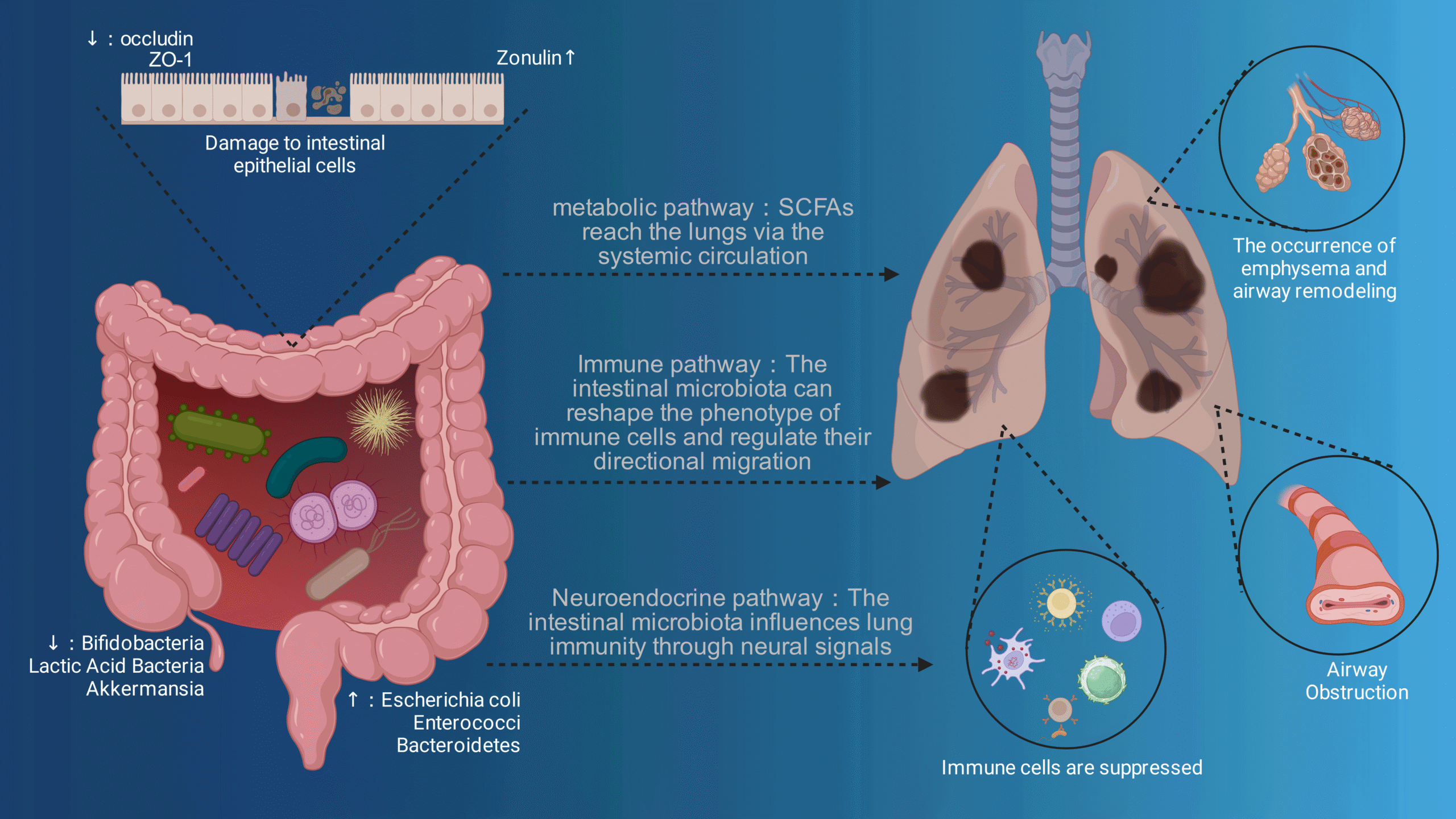
From the gut to the lungs: The role of gut microbiota in chronic obstructive pulmonary disease and related research progress
Simin Yang1,2, Shuting Zeng1,2, Yongan Deng1,2, Xiaodong Duan1,2, Chengkai Chen1,2, Luyun Sun2, Yongkang Qiao2 and Zunpeng Shu1,2
This article provides new ideas and directions for the basic research and clinical practice of COPD by comprehensively sorting out the association between gut microbiota and COPD.
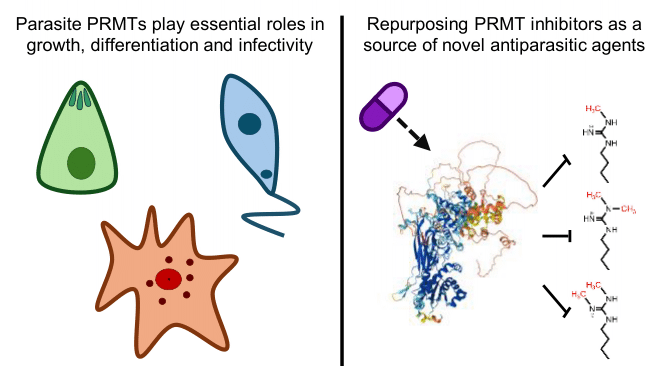
Protein arginine methyltransferases in protozoan parasites: a new path for antiparasitic chemotherapy?
Gustavo D. Campagnaro1,* and Sébastien Pomel2
This review discusses the activity and the relevance of arginine methyltransferases for the survival of pathogenic kinetoplastids, apicomplexans and amoebas, and how these enzymes could be exploited as drug targets.
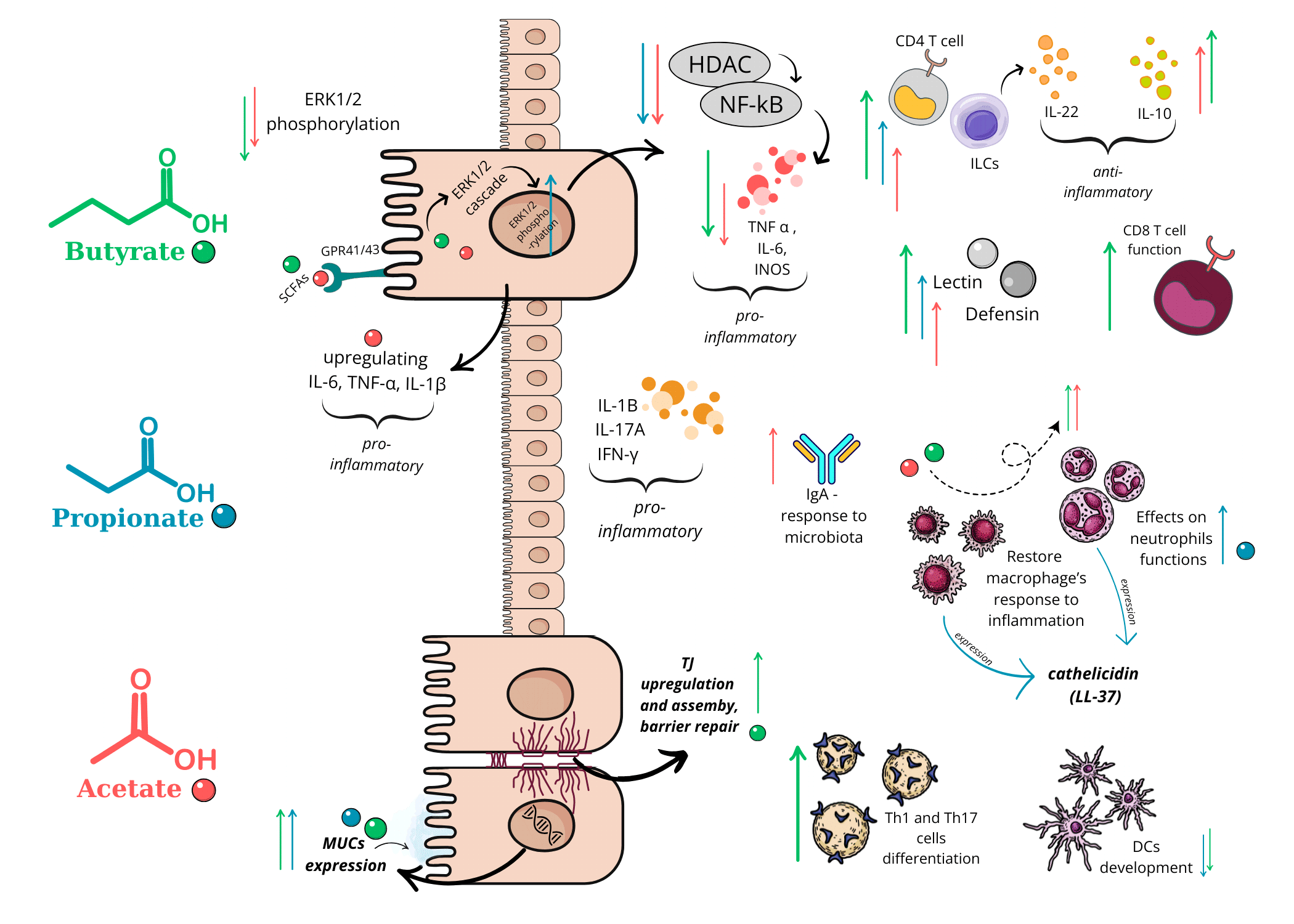
Gut microbiota and ankylosing spondylitis: current insights and future challenges
Andrei Lobiuc1, Liliana Groppa2, Lia Chislari2, Eugeniu Russu2,3, Marinela Homitchi2,3, Camelia Ciorescu2,3, Sevag Hamamah4, I. Codruta Bran1 and Mihai Covasa1
This review explores the growing role of gut microbiota in AS and its potential to reshape targeted treatment strategies and facilitate development of adjunct therapies to address disease onset and progression.
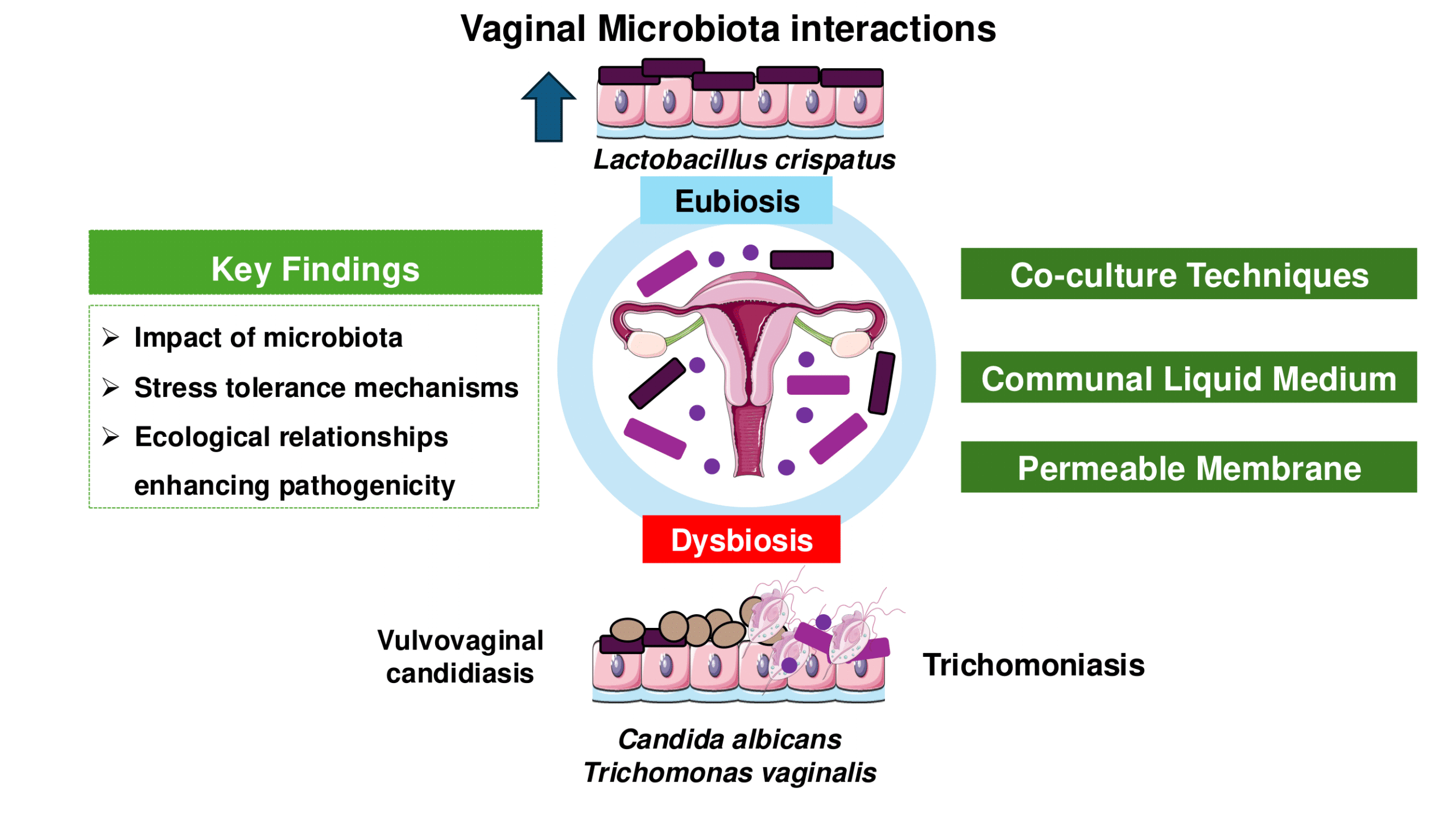
Advancements in vaginal microbiota, Trichomonas vaginalis, and vaginal cell interactions: Insights from co-culture assays
Fernanda Gomes Cardoso and Tiana Tasca
This review updates co-culture and co-incubation techniques for studying interactions of Lactobacillus spp., representing a pre-dominant member of the healthy vaginal microbiota; Candida spp., the most abundant yeast in the vagina, and T. vaginalis, responsible for the most widespread nonviral STI worldwide.
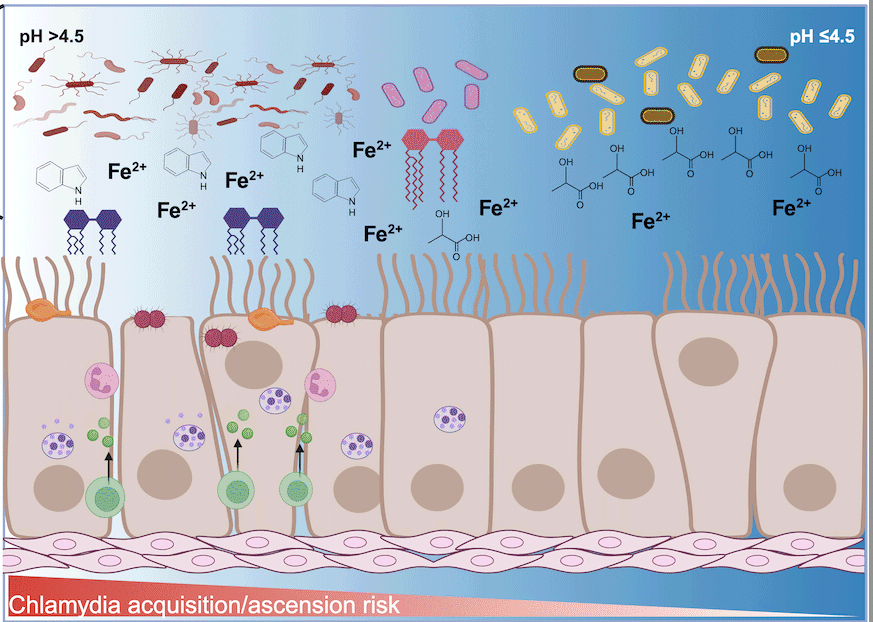
Influence of cervicovaginal microbiota on Chlamydia trachomatis infection dynamics
Emily Hand1, Indriati Hood-Pishchany1,2, Toni Darville1,2 and Catherine M. O’Connell2
This review examines the complex interplay between the cervicovaginal microbiome, C. trachomatis infection, and host immune responses, highlighting the role of metabolites such as short-chain and long-chain fatty acids, indole, and iron in modulating pathogen survival and host defenses.
Shutdown of interferon signaling by a viral-hijacked E3 ubiquitin ligase
November 3, 2017
This article comments on work published by Davis et al. (mBio, 2017), which describes molecular requirements that govern NSP1 recognition of β-TrCP, including an essential degron phosphorylation event, and the step-wise incorporation of NSP1 into hijacked cullin-RING E3 ligases (CRLs) that ubiquitinate and tag β-TrCP for degradation.
Breaking the bad: Bacillus blocks fungal virulence factors
October 30, 2017
This article comments on work published by Mayer & Kronstad (mBio, 2017), which identified the soil bacterium, Bacillus safensis as a potent inhibitor of virulence factor production by two major fungal pathogens of humans, Cryptococcus neoformans, and Candida albicans.
Macrophages as drivers of an opportunistic infection
September 13, 2017
This article comments on work published by Mesureur et al. (PloS Pathog, 2017), which shows that macrophages are essential for proliferation of B. cenocepacia in the host. This suggests a new paradigm for Bcc infections and urges the development of novel anti-infectious therapies to efficiently disarm these intrinsically antibiotic resistant facultative intracellular pathogens.
Live fast, die fast principle in a single cell of fission yeast
August 13, 2017
This article comments on a recent study (Nakaoka and Wakamoto, PLoS Biol, 2017), which developed a microfluidics-based platform to track multiple single cell lineages until death.
Out with the old: Hsp90 finds amino acid residue more useful than co-chaperone protein
August 1, 2017
This article comments on work published by Zuehlke et al (Nat Commun, 2017), which demonstrates that the function of one co-chaperone in yeast is replaced by posttranslational modification (PTM) of a single amino acid within Hsp90 in higher eukaryotes.
Having your cake and eating it – Staphylococcus aureus small colony variants can evolve faster growth rate without losing their antibiotic resistance
August 1, 2017
This article comments on work published by Cao et al. (mBio, 2027), which shows that Staphylococcus aureus can produce small colony variants (SCVs) that are challenging to detect and lead to persistent infections due to mutations affecting respiration and ATP production, with recent findings indicating various evolutionary paths for SCVs to increase growth rate while maintaining antibiotic resistance, suggesting greater adaptability and clinical challenge.
Inhibitors of glycosomal protein import provide new leads against trypanosomiasis
July 3, 2017
This article comments on work published by Dawidowski et al. (Science, 2017), which provides the grounds for further development of the glycosome inhibitors into clinical candidates and validates the parasite protein-protein interactions as drug targets.
Protein aggregation triggers a declining libido in elder yeasts that still have a lust for life
May 29, 2017
This article comments on work published by Schlissel et al (Science 2017), showing that aging in yeast does not lead to the expected loss of heterochromatin silencing due to Sir2 inactivity, but rather to reduced mating pheromone sensitivity caused by the aggregation of the RNA-binding protein Whi3, which can be reversed by eliminating Whi3's polyglutamine domain.