
Microreviews, Review
Saccharomyces cerevisiae in cancer research: modeling tumor biology and enabling drug discovery
Graziana Assalve1,a, Paola Lunetti1,a, Annalisa Fai1, Luca Frattaruolo2, Anna Rita Cappello2, Alessandra Ferramosca1,* and Vincenzo Zara1
By combining genetic tractability with conservation of key cellular pathways, Saccharomyces cerevisiae is emerging as a versatile model for cancer biology and a scalable platform for identifying therapeutic targets and vulnerabilities.

Prohibitins: emerging host targets of bacteria and viruses at the plasma membrane, mitochondria, and cytoplasm
Grecia O. Rivera-Palomino1,2 and Arianne L. Theiss1,2,3
Prohibitins are emerging as central host hubs exploited by bacteria and viruses to rewire signaling and mitochondrial dynamics. The current review discusses Prohibitins in host-pathogen interplay and their potential as novel anti-infective targets.

Outer membrane vesicles in Vibrio species: Roles in biofilm formation and pathogenesis
Kumari Shambhavi and Durg Vijai Singh
This review explores current knowledge on outer membrane vesicles (OMVs) in Vibrio species, highlighting their roles in pathogenesis, host interaction, and marine ecology; and identifies major knowledge gaps, outlining key methodological challenges and future prospects for OMV-based applications.

The mechanism of Tat-dependent protein translocation
Thomas Brüser1,* and Carsten Sanders2,3,4
This review integrates mechanistically relevant biochemical, molecular, and structural studies on Tat-dependent translocation of folded proteins into an in its molecular detail new comprehensive explanation of how the Tat system mediates protein transport.
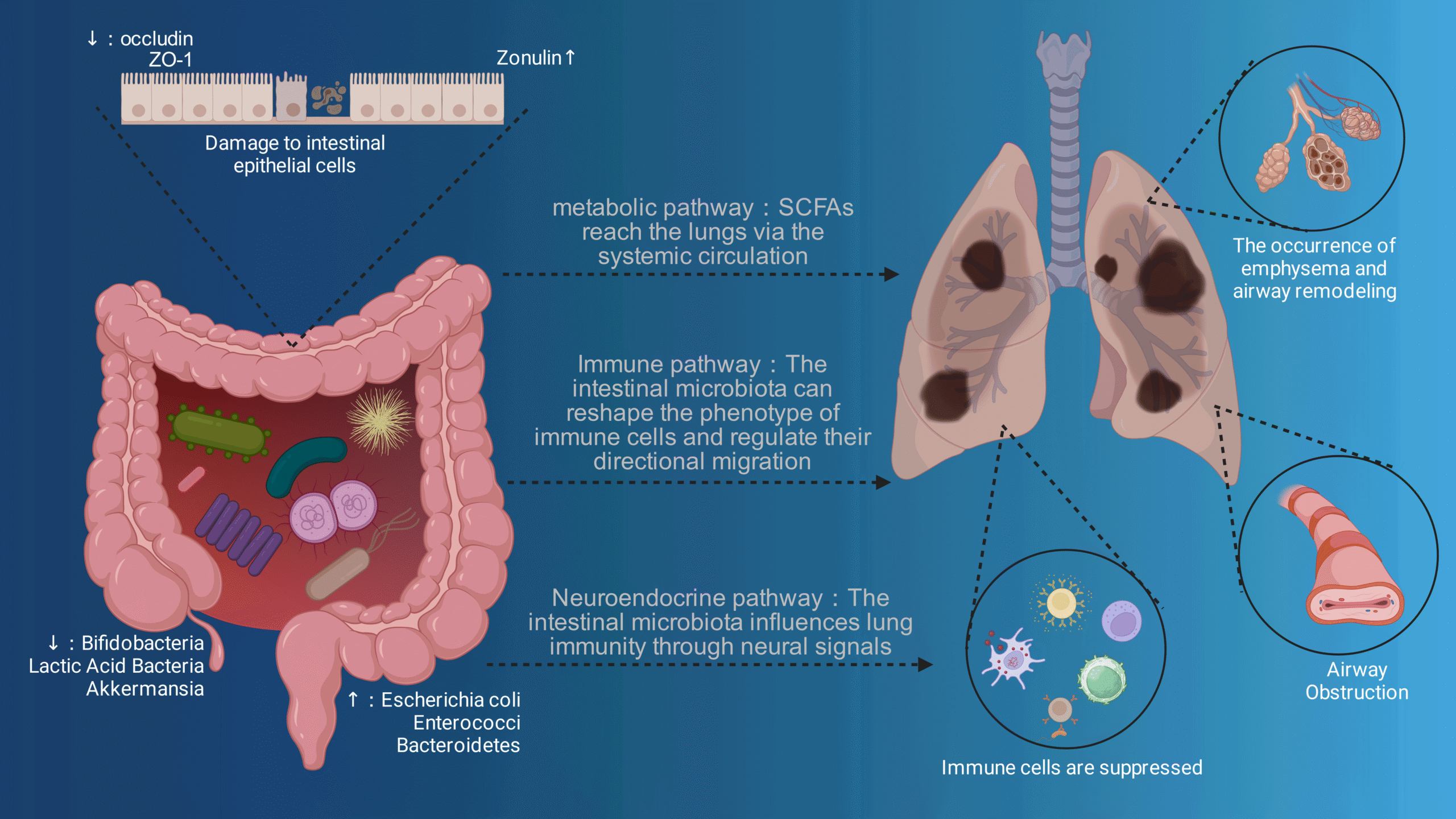
From the gut to the lungs: The role of gut microbiota in chronic obstructive pulmonary disease and related research progress
Simin Yang1,2, Shuting Zeng1,2, Yongan Deng1,2, Xiaodong Duan1,2, Chengkai Chen1,2, Luyun Sun2, Yongkang Qiao2 and Zunpeng Shu1,2
This article provides new ideas and directions for the basic research and clinical practice of COPD by comprehensively sorting out the association between gut microbiota and COPD.
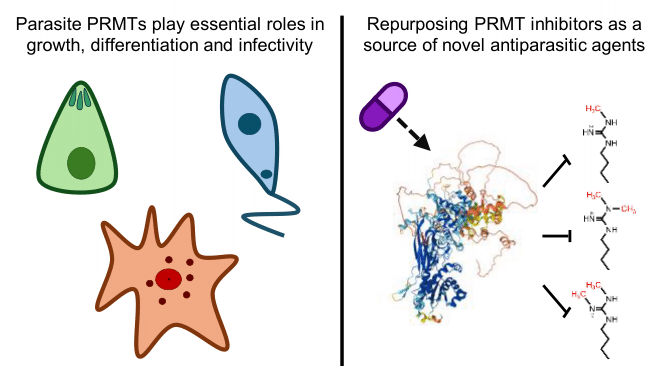
Protein arginine methyltransferases in protozoan parasites: a new path for antiparasitic chemotherapy?
Gustavo D. Campagnaro1,* and Sébastien Pomel2
This review discusses the activity and the relevance of arginine methyltransferases for the survival of pathogenic kinetoplastids, apicomplexans and amoebas, and how these enzymes could be exploited as drug targets.
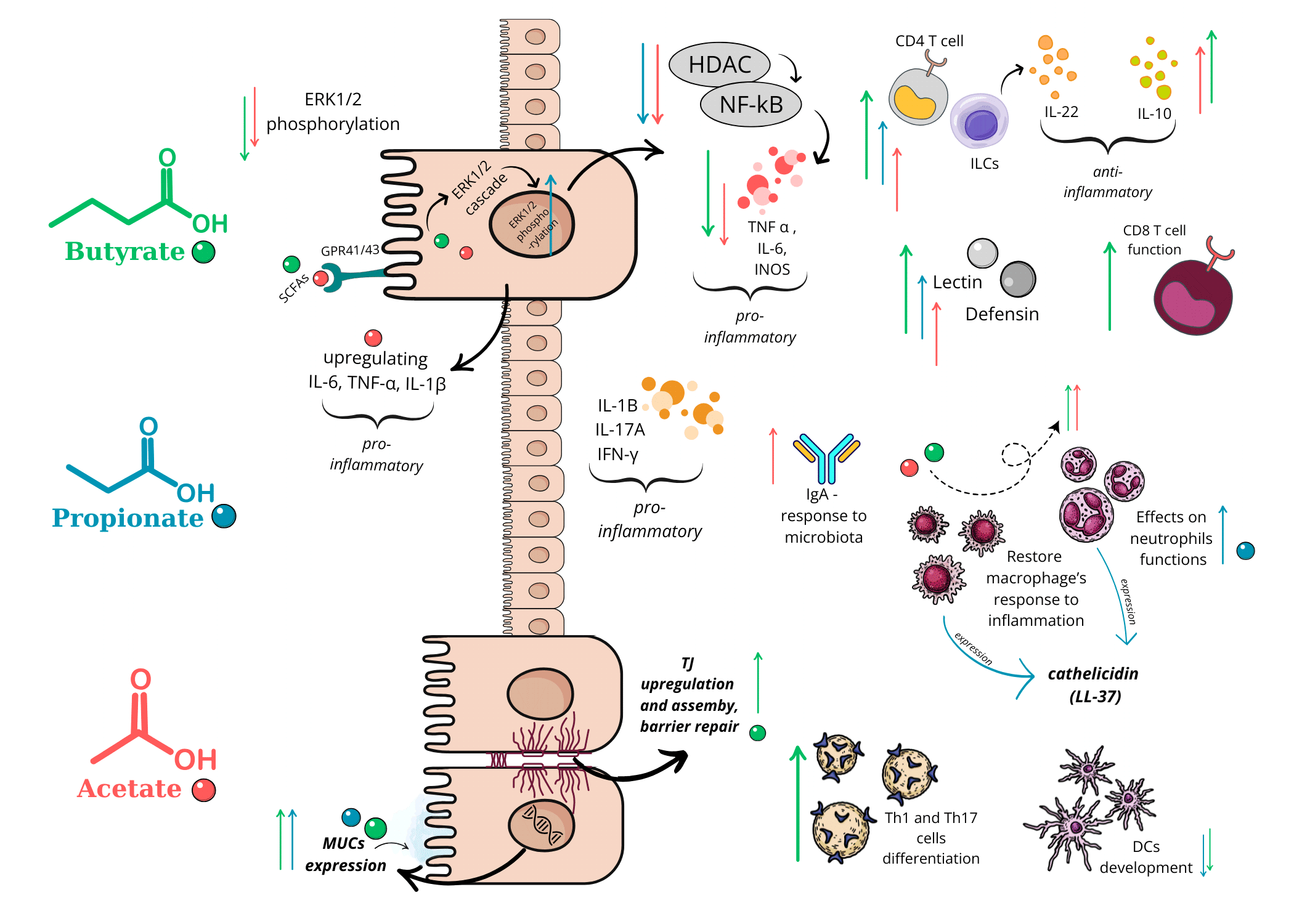
Gut microbiota and ankylosing spondylitis: current insights and future challenges
Andrei Lobiuc1, Liliana Groppa2, Lia Chislari2, Eugeniu Russu2,3, Marinela Homitchi2,3, Camelia Ciorescu2,3, Sevag Hamamah4, I. Codruta Bran1 and Mihai Covasa1
This review explores the growing role of gut microbiota in AS and its potential to reshape targeted treatment strategies and facilitate development of adjunct therapies to address disease onset and progression.
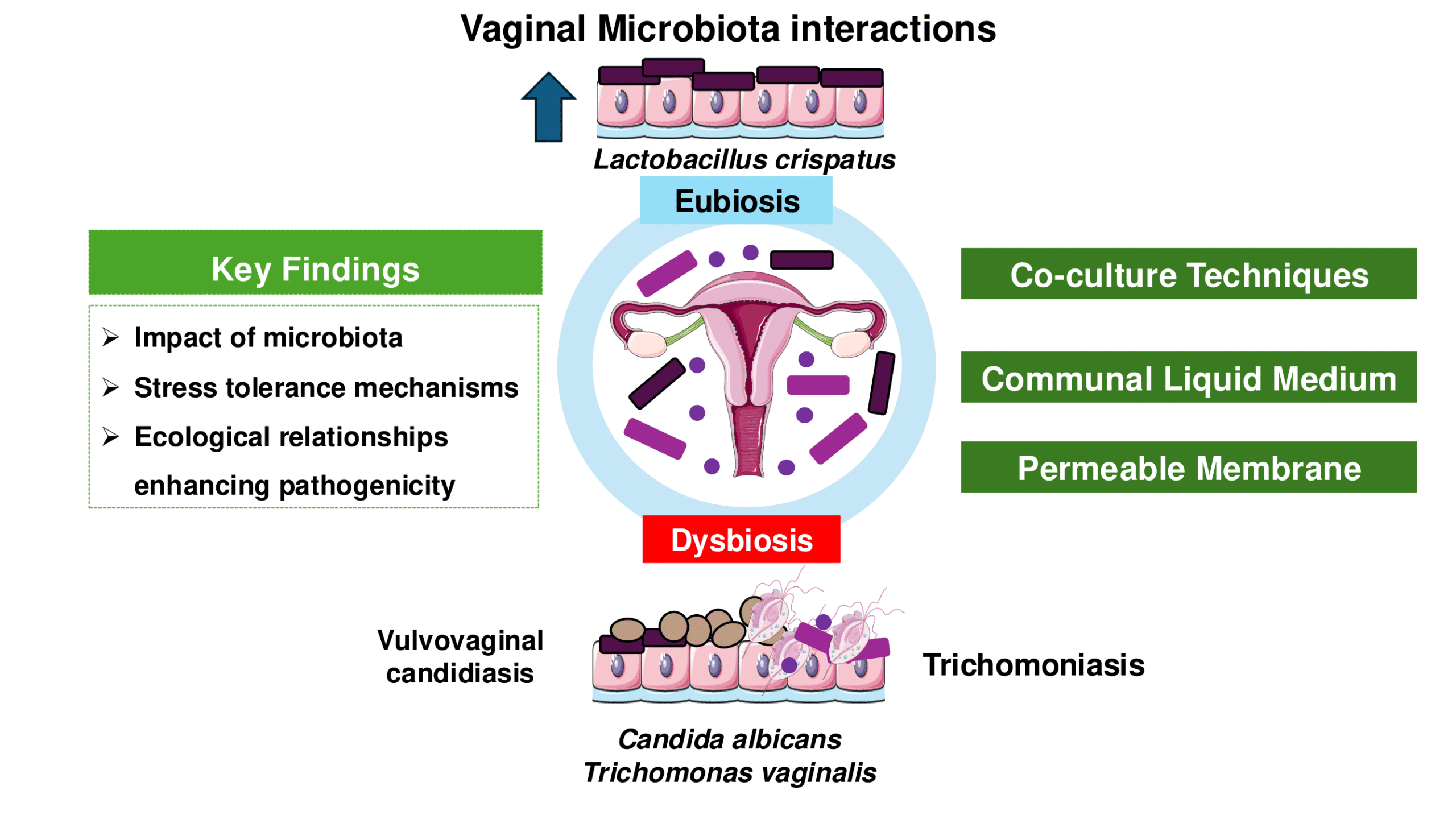
Advancements in vaginal microbiota, Trichomonas vaginalis, and vaginal cell interactions: Insights from co-culture assays
Fernanda Gomes Cardoso and Tiana Tasca
This review updates co-culture and co-incubation techniques for studying interactions of Lactobacillus spp., representing a pre-dominant member of the healthy vaginal microbiota; Candida spp., the most abundant yeast in the vagina, and T. vaginalis, responsible for the most widespread nonviral STI worldwide.
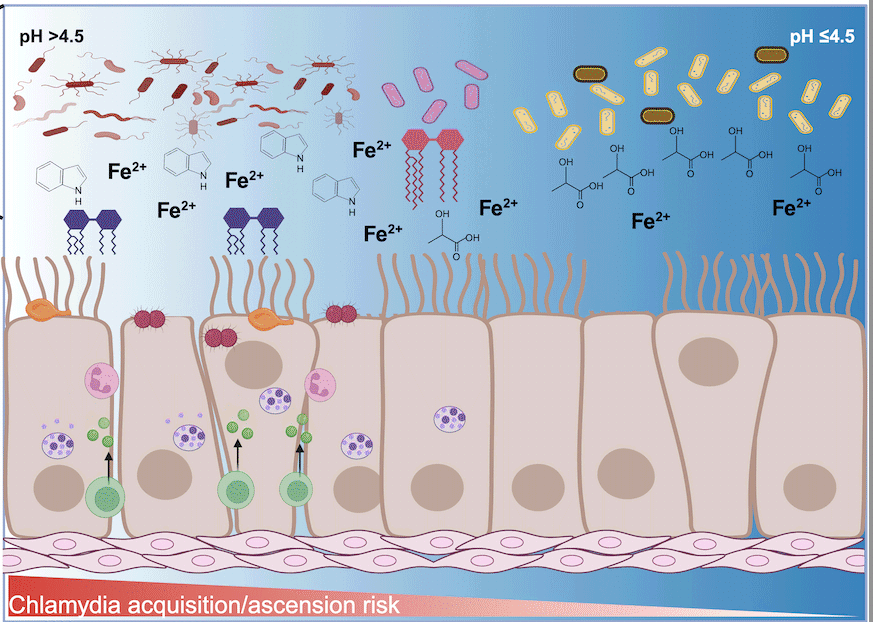
Influence of cervicovaginal microbiota on Chlamydia trachomatis infection dynamics
Emily Hand1, Indriati Hood-Pishchany1,2, Toni Darville1,2 and Catherine M. O’Connell2
This review examines the complex interplay between the cervicovaginal microbiome, C. trachomatis infection, and host immune responses, highlighting the role of metabolites such as short-chain and long-chain fatty acids, indole, and iron in modulating pathogen survival and host defenses.
Role of pheromone recognition systems in creating new species of fission yeast
March 11, 2019
This article comments on work published by Seike at al. (PloS Biol., 2019), which demonstrated an “asymmetric” pheromone recognition system in the fission yeast Schizosaccharomyces pombe.
Imbalance in gut microbes from babies born to obese mothers increases gut permeability and myeloid cell adaptations that provoke obesity and NAFLD
December 19, 2018
This article comments on work published by Soderborg et al. (Nat Commun, 2018), which demonstrates a causative role of early life microbiome dysbiosis in infants born to mothers with obesity in novel pathways that promote developmental programming of NAFLD.
Retroviral integration site selection: a running Gag?
November 19, 2018
In this article, the authors comment on the study "Structural basis for spumavirus GAG tethering to chromatin" by Lesbats et al. (Proc Natl Acad Sci, 2018) that revealed that the Gag protein of the spumaretrovirus prototype foamy virus (PFV) directly interacts with the nucleosome acidic patch, acting as a chromatin tether, and its disruption leads to delocalization of viral particles and integration sites, shedding light on the importance of retroviral structural proteins in the selection of integration sites.
Insights into the host-pathogen interaction: C. albicans manipulation of macrophage pyroptosis
November 12, 2018
In this article, the authors comment on the study "High-Throughput Screening Identifies Genes Required for Candida albicans Induction of Macrophage Pyroptosis" by O’Meara et al. (MBio, 2018) that provides a comprehensive analysis of the genetic circuitry in both Candida albicans and host macrophages that leads to pyroptosis, revealing the impact of altered pyroptosis on infection, the role of pyroptosis in facilitating neutrophil accumulation at the site of C. albicans infection, and the decoupling of inflammasome priming and activation in the response to C. albicans infection, thus shedding new light on the factors governing the outcomes of this interaction.
A comparative approach to decipher intestinal animal-microbe associations
October 31, 2018
In this article, the authors comment on the study "Chitin-based barrier immunity and its loss predated mucus-colonization by indigenous gut microbiota" by Nakashima et al. (Nat Commun, 2018) that used comparative analyses of chordates to investigate the development of animal-microbe associations, suggesting that microbial colonization of the mucus layer over mammalian gastrointestinal epithelium was established upon the loss of ancestral chitin-based barrier immunity, providing insights into the establishment of these associations in an evolutionary context.
An unexpected benefit from E. coli: how enterobactin benefits host health
September 28, 2018
In this article, the authors comment on the study "Microbial Siderophore Enterobactin Promotes Mitochondrial Iron Uptake and Development of the Host via Interaction with ATP Synthase" by Qi et al. (Cell, 2018) that uncovered a surprising role for the Escherichia coli-produced siderophore enterobactin (Ent) in facilitating iron uptake by the host, marking a major shift in the understanding of its function and indicating potential new benefits from commensal bacteria in aiding the host's iron homeostasis.
Toxin release mediated by the novel autolysin Cwp19 in Clostridium difficile
August 10, 2018
In this article, the authors comment on the study "Cwp19 is a novel lytic transglycosylase involved in stationary-phase autolysis resulting in toxin release in Clostridium difficile" by Wydau-Dematteis (MBio, 2018) that characterizes a novel peptidoglycan hydrolase, Cwp19, in Clostridioides difficile, highlighting its glucose-dependent mediation of toxins secretion and suggesting a potential role in the pathogenesis of this bacterium, contributing to the understanding of these enzymes in C. difficile and their implication in pathogenicity.
A global view of substrate phosphorylation and dephosphorylation during budding yeast mitotic exit
July 25, 2018
In this article, the authors comment on the study "Phosphoproteome dynamics during mitotic exit in budding yeast" by Touati (EMBO J, 2018) that described a time-resolved global phosphoproteome analysis during a cell cycle phase known as mitotic exit in budding yeast revealed the principles of phosphoregulation governing the ordered sequence of events such as spindle elongation, chromosome decondensation, and completion of cell division.
Gammaretroviruses tether to mitotic chromatin by directly binding nucleosomal histone proteins
July 24, 2018
In this article, the authors comment on the study "Murine leukemia virus p12 tethers the capsid-containing pre-integration complex to chromatin by binding directly to host nucleosomes in mitosis" by Wanaguruet al. (PLoS Pathog, 2018) that highlights the essential role of the gammaretroviral gag cleavage product, p12, at both early and late stages of the virus life cycle, particularly in the integration of the viral DNA into the host cell chromatin to form a provirus. It also emphasizes the recent findings regarding the N- and C-terminal domains of p12, revealing their direct binding to the viral capsid lattice and nucleosomal histone proteins, respectively, thus elucidating the mechanism by which p12 links the viral pre-integration complex to mitotic chromatin.