
Research, Research Articles
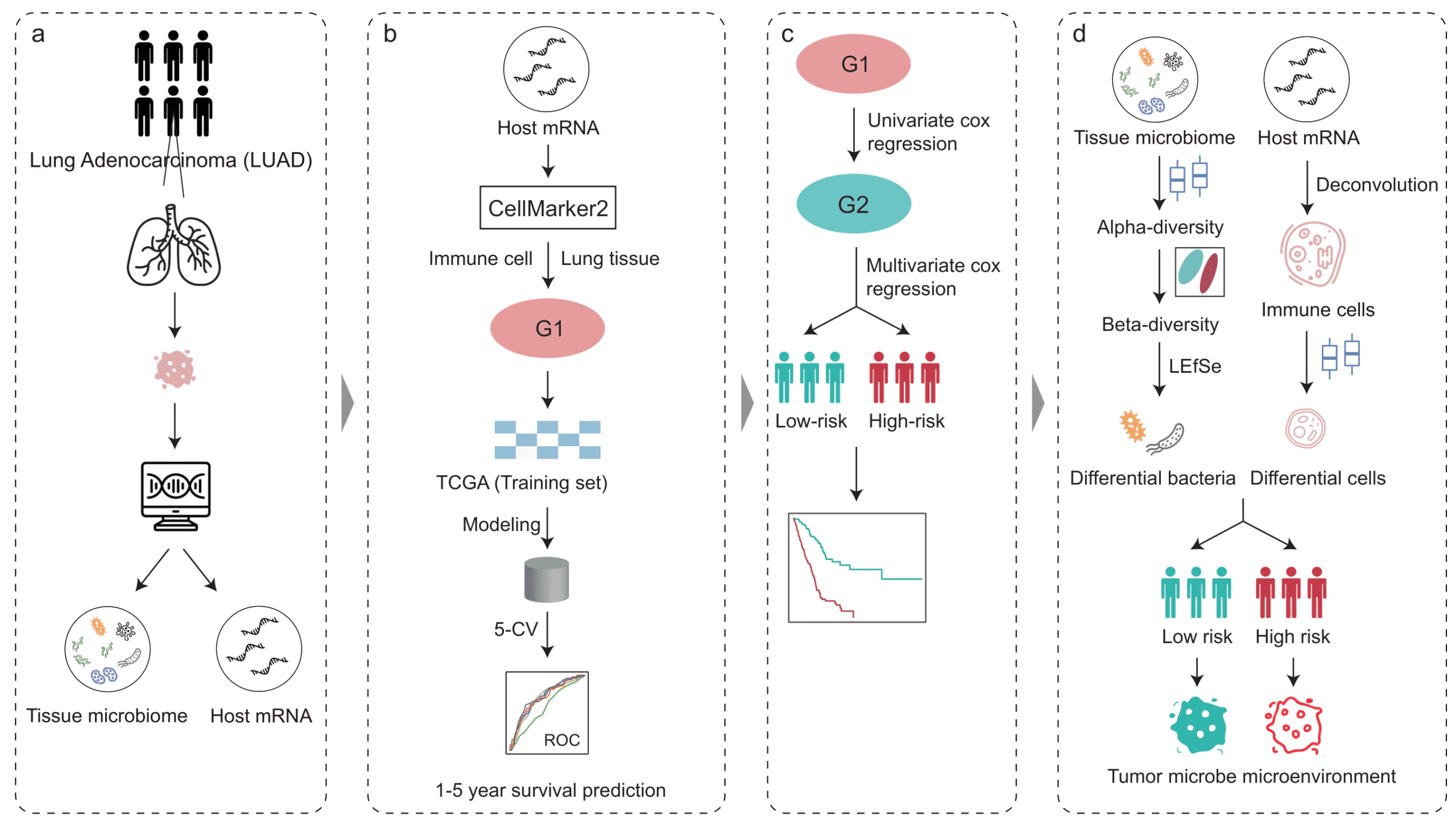
Predictable regulation of survival by intratumoral microbe-immune crosstalk in patients with lung adenocarcinoma
Shuo Shi1, Yuwen Chu2,3, Haiyan Liu4,5, Lan Yu6,7,8, Dejun Sun8,9, Jialiang Yang2,3,5, Geng Tian2,3, Lei Ji2,3, Cong Zhang10 and Xinxin Lu11
Intratumoral microbiota can regulate the tumor immune microenvironment (TIME) and mediate tumor prognosis by promoting inflammatory response or inhibiting anti-tumor effects. Our study demonstrated that intratumoral microbiota-immune crosstalk was strongly associated with prognosis in LUAD patients, which would provide new targets for the development of precise therapeutic strategies.

Two TonB-dependent outer membrane transporters involved in heme uptake in Anabaena sp. PCC 7120
Julia Graf1, Martin Schöpperle1,2, Rafael Pernil1 and Enrico Schleiff1,3,4
Low availability of micronutrients such as iron has enforced the evolution of uptake systems in all kingdoms of life. In our study, we conclude that heme transport might not be restricted to Anabaena, but at the same time is not specific to a cyanobacterial order and thus might be related to the habitat of origin, a notion which needs to be challenged in the future.

The last two transmembrane helices in the APC-type FurE transporter act as an intramolecular chaperone essential for concentrative ER-exit
Yiannis Pyrris1, Georgia F. Papadaki1, Emmanuel Mikros2 and George Diallinas1,3
FurE is a H+ symporter specific for the cellular uptake of uric acid, allantoin, uracil, and toxic nucleobase analogues in the fungus Aspergillus nidulans. Being member of the NCS1 protein family, FurE is structurally related to the APC-superfamily of transporters.
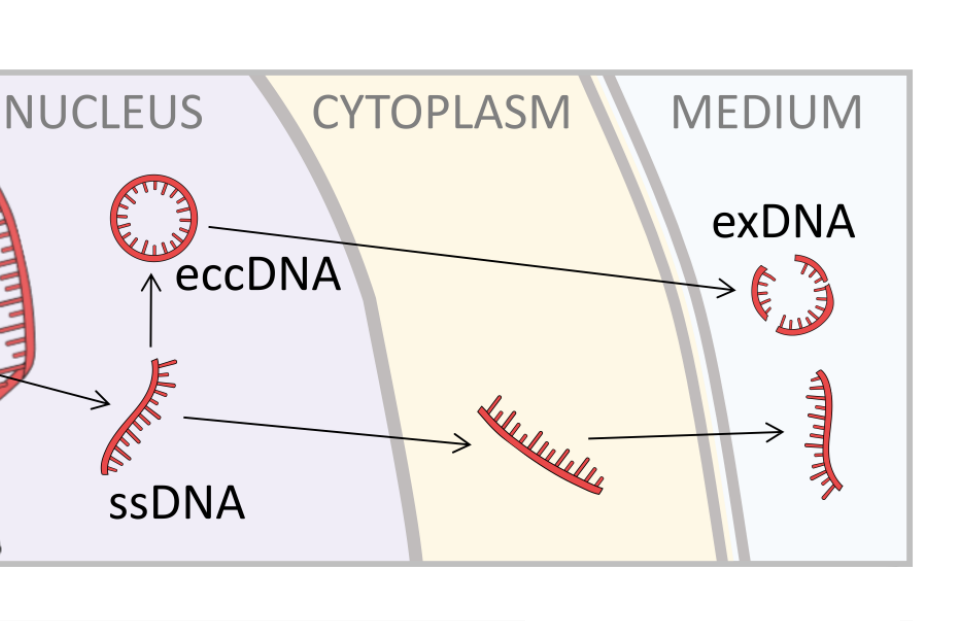
Extracellular DNA secreted in yeast cultures is metabolism-specific and inhibits cell proliferation
Elisabetta de Alteriis1, Guido Incerti2, Fabrizio Cartenì3, Maria Luisa Chiusano3, Chiara Colantuono3, Emanuela Palomba4, Pasquale Termolino4, Francesco Monticolo3,5, Alfonso Esposito3, Giuliano Bonanomi3,6, Rosanna Capparelli3, Marco Iannaccone3,7, Alessandro Foscari2, Carmine Landi8, Palma Parascandola8, Massimo Sanchez9, Valentina Tirelli9, Bruna de Falco3, Virginia Lanzotti3 and Stefano Mazzoleni3,6
Our study demonstrates that extracellular DNA released by living cells can impact the growth rate of Saccharomyces cerevisiae cultures, showing similarities to extrachromosomal circular DNA and leading to cell cycle arrest in the S phase, suggesting potential new functional roles of exDNA.

Basal level of ppGpp coordinates Escherichia coli cell heterogeneity and ampicillin resistance and persistence
Paulina Katarzyna Grucela1 and Yong Everett Zhang1
The universal stringent response alarmone ppGpp (guanosine penta and tetra phosphates) plays a crucial role in various aspects of fundamental cell physiology (e.g., cell growth rate, cell size) and thus bacterial tolerance to and survival of external stresses, including antibiotics. In tihs study, we discuss the fundamental role of basal level of ppGpp in regulating cell homogeneity and ampicillin persistence.
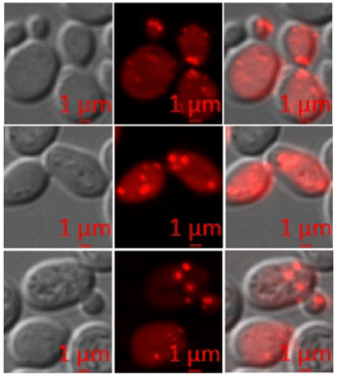
Investigation of the acetic acid stress response in Saccharomyces cerevisiae with mutated H3 residues
Nitu Saha1, Swati Swagatika1 and Raghuvir Singh Tomar1
Yeast cells respond to acetic acid in diverse ways. Here, we have elucidated the deleterious effects of acetic acid on different histone mutants
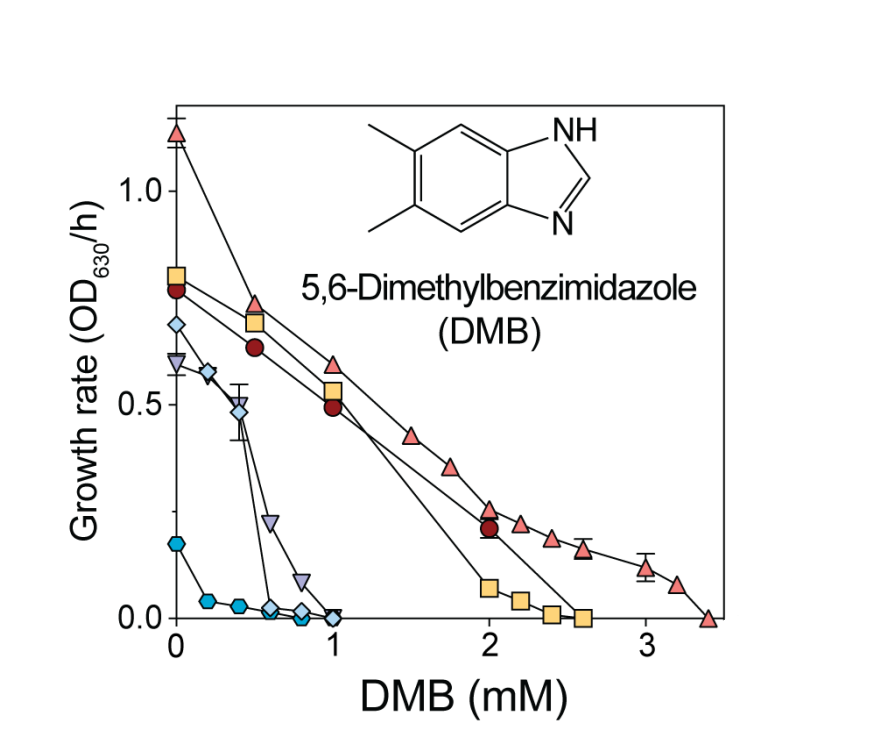
The coenzyme B12 precursor 5,6-dimethylbenzimidazole is a flavin antagonist in Salmonella
Lahiru Malalasekara1 and Jorge C. Escalante-Semerena1,*
Here we investigated why 5,6-dimethylbenzimidazole (DMB) inhibits in S. Typhimurium. Briefly, we determined that the structural similarities of the substituted benzene ring of DMB with the isoalloxazine moiety of flavins is responsible for the deleterious effects of this CoB12 precursor.

Yeast gene KTI13 (alias DPH8) operates in the initiation step of diphthamide synthesis on elongation factor 2
Meike Arend1, Koray Ütkür1, Harmen Hawer1, Klaus Mayer2, Namit Ranjan3, Lorenz Adrian4, Ulrich Brinkmann2 and Raffael Schaffrath1
We show here that apart from its effector role for Elongator-dependent tRNA modification in yeast, Kti13 alias Dph8 also operates in step one of the diphthamide modification pathway.

Caspase 3 exhibits a yeast metacaspase proteostasis function that protects mitochondria from toxic TDP43 aggregates
Steve Brunette1,#, Anupam Sharma1,2,#, Ryan Bell1, Lawrence Puente1 and Lynn A Megeney1,2,3,*
Caspase 3 activation is a hallmark of cell death and there is a strong correlation between elevated protease activity and evolving pathology in neurodegenerative disease, such as amyotrophic lateral sclerosis (ALS). These results suggest that caspase 3 is not inherently pathogenic, but may act as a compensatory proteostasis factor, to limit TDP-43 protein inclusions and protect organelle function in aggregation related degenerative disease.
Broad-spectrum antifungal activities and mechanism of drimane sesquiterpenoids
March 12, 2020
This study identifies (-)-drimenol as a potent broad-spectrum antifungal agent effective against multiple pathogenic fungi, including drug-resistant strains, and reveals its mechanism of action involves disruption of fungal membranes and targeting Crk1-related pathways, with potential for structural optimization to enhance efficacy.
Stable and destabilized GFP reporters to monitor calcineurin activity in Saccharomyces cerevisiae
February 5, 2020
This study introduces GFP-based transcriptional reporters driven by a calcineurin-dependent response element, enabling real-time monitoring of calcineurin activity in live yeast cells for studying stress responses, aging, and antifungal drug screening.
The euchromatic histone mark H3K36me3 preserves heterochromatin through sequestration of an acetyltransferase complex in fission yeast
January 3, 2020
This study reveals that the loss of heterochromatin silencing in Set2-deficient cells is due to unrestrained Mst2C activity, highlighting the need for spatially restricted chromatin-modifying enzymes to maintain distinct chromatin states.
Depletion of SNAP-23 and Syntaxin 4 alters lipid droplet homeostasis during Chlamydia infection
December 3, 2019
This study reveals that the plasma membrane SNARE proteins SNAP-23 and Syntaxin 4 are crucial for Chlamydia trachomatis development by regulating lipid droplet homeostasis and supporting the formation of infectious progeny within host cells.
Yeast can express and assemble bacterial secretins in the mitochondrial outer membrane
November 19, 2019
Secretins, essential components of bacterial secretion systems, can be expressed in yeast and show differential dependencies on mitochondrial import and assembly factors for membrane integration, suggesting diverse pathways for their assembly into the bacterial outer membrane.
Metabolic reprogramming of Salmonella infected macrophages and its modulation by iron availability and the mTOR pathway
November 14, 2019
This article shows that iron plays a critical role in both the immune response and metabolic reprogramming of macrophages during infection, influencing the TCA cycle and mTOR pathway, with implications for the growth of intracellular bacteria like Salmonella.
Transcriptomic and chemogenomic analyses unveil the essential role of Com2-regulon in response and tolerance of Saccharomyces cerevisiae to stress induced by sulfur dioxide
September 30, 2019
This article shows that in the presence of sulfur dioxide (SO2), the transcription factor Com2 plays a critical role in the tolerance and response of Saccharomyces cerevisiae, affecting the expression of a majority of SO2-activated genes and contributing to the protection against stress induced by SO2 at an enologically relevant pH.
Network dynamics of the yeast methyltransferome
July 9, 2019
This article presents a systematic genetic analysis of methyltransferases (MTases) under normal and stress conditions, uncovering the complex and adaptive nature of the methyltransferome and discovering a potential connection between phospholipid methylation and histone methylation, suggesting interplay between lipid homeostasis and epigenetic regulation.
Functional link between mitochondria and Rnr3, the minor catalytic subunit of yeast ribonucleotide reductase
May 20, 2019
This article shows that the carbon source affects the abundance of ribonucleotide reductase (RNR) subunits in yeast, with a novel Mec1 signaling axis regulating Rnr3 independently of known DNA damage response pathways, and reveals Rnr3's unexpected role in mitochondrial function.