
Research, Research Reports
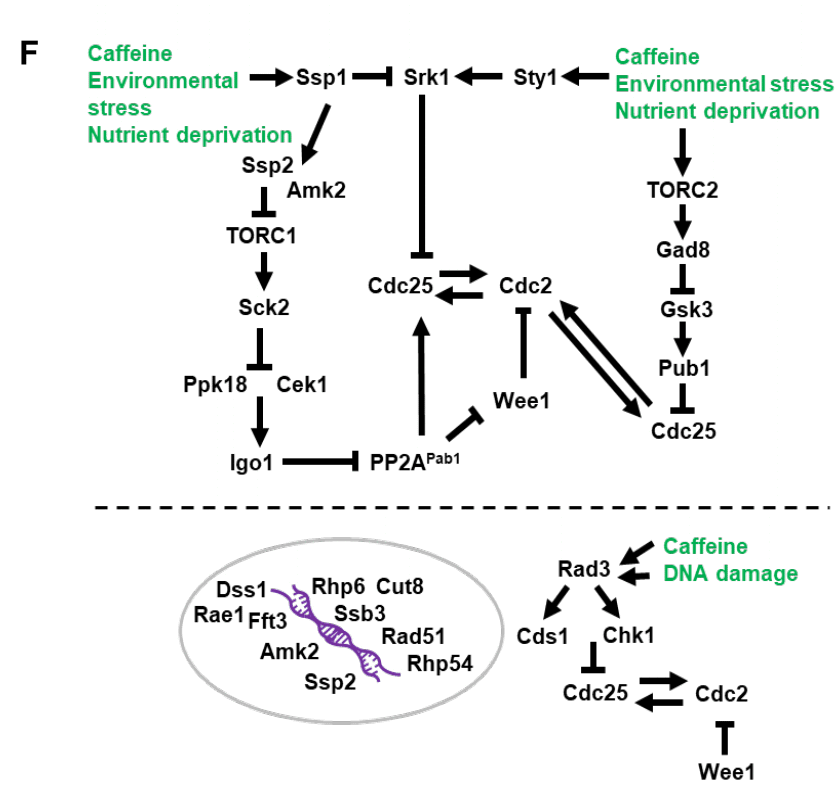
Dissecting the cell cycle regulation, DNA damage sensitivity and lifespan effects of caffeine in fission yeast
John-Patrick Alao1, Juhi Kumar1, Despina Stamataki2 and Charalampos Rallis1
Our findings show that caffeine accelerates mitotic division and is beneficial for CLS through AMPK. Direct pharmacological targeting of AMPK may serve towards healthspan and lifespan benefits beyond yeasts, given the highly conserved nature of this key regulatory cellular energy sensor.
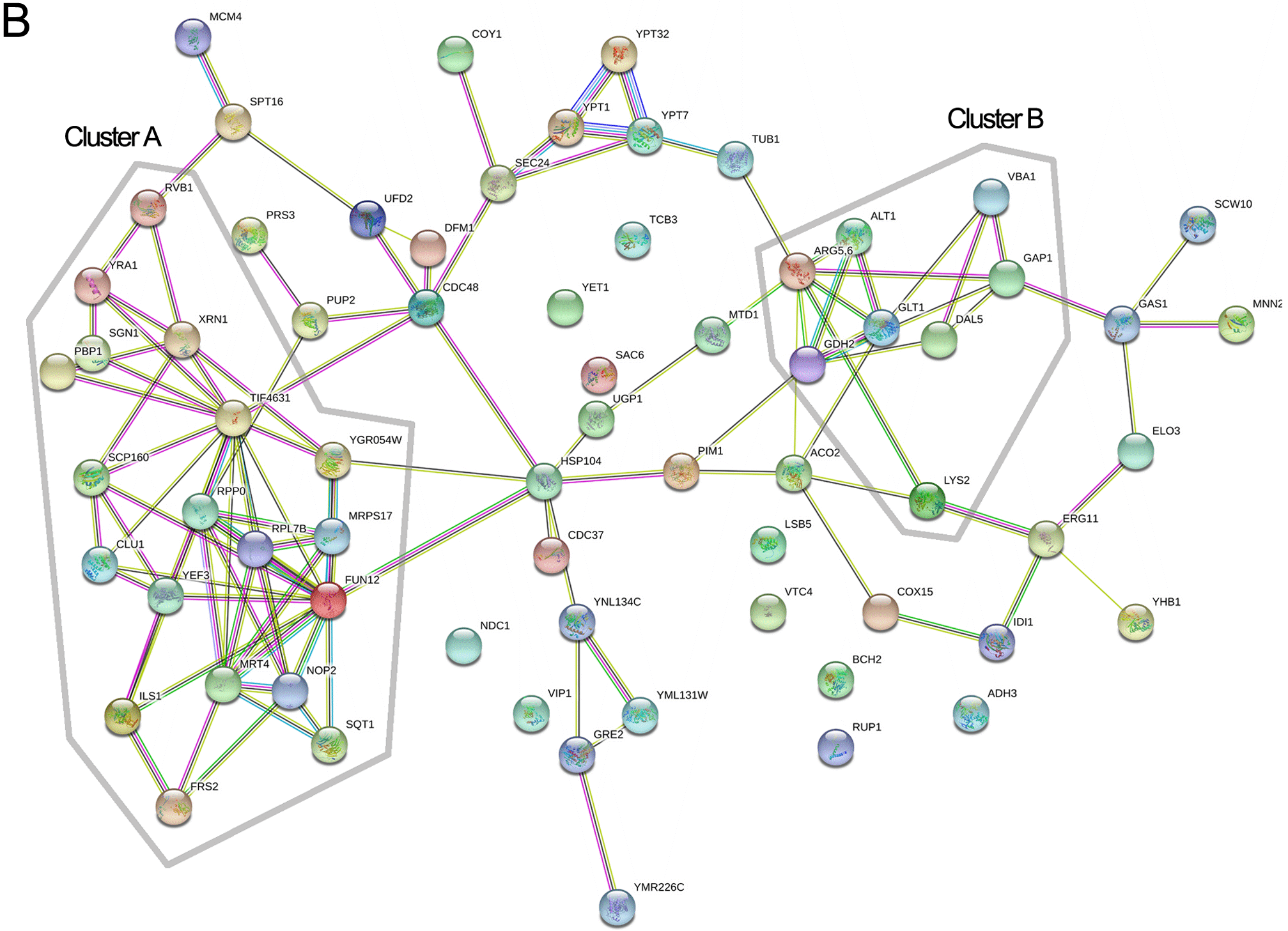
Uga3 influences nitrogen metabolism in Saccharomyces cerevisiae by modulating arginine biosynthesis
Nicolás Urtasun1,2,a, Sebastián Aníbal Muñoz1,a, Martín Arán3 and Mariana Bermúdez-Moretti1
Nitrogen metabolism in Saccharomyces cerevisiae is tightly regulated to optimize the utilization of available nitrogen sources. Uga3 is a known transcription factor involved in the gamma-aminobutyric acid (GABA) pathway; however, its broader role in nitrogen metabolism remains unclear.

An adenine model of inborn metabolism errors alters TDP-43 aggregation and reduces its toxicity in yeast revealing insights into protein misfolding diseases
Sangeun Park, Sei-Kyoung Park, Peter Blair and Susan W. Liebman
This work offers new insights into the potential interactions between me-tabolite-based amyloids and pathological protein aggregates, with broad implications for understanding protein misfolding diseases.
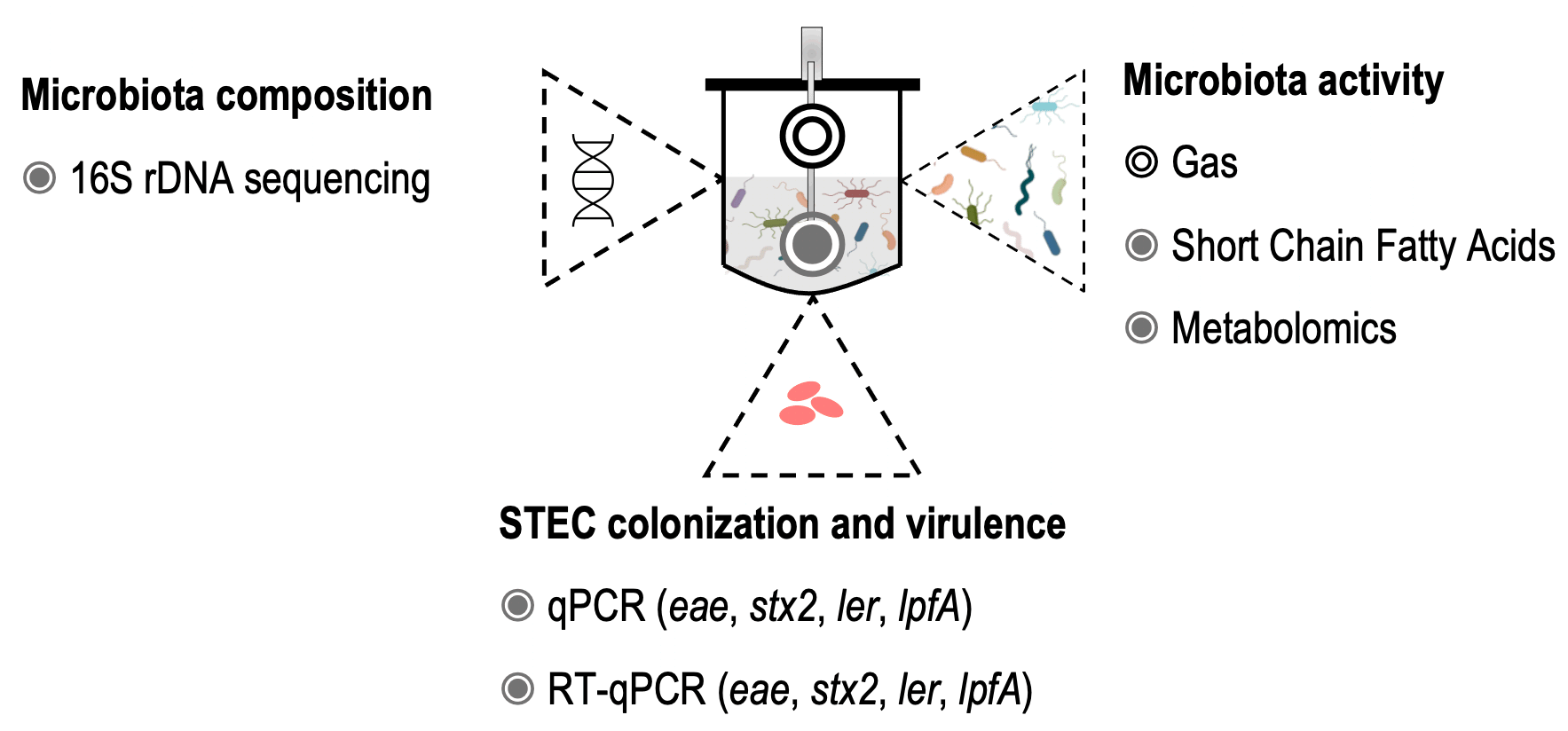
Microbiota and metabolome dynamics induced by Shiga toxin-producing E. coli in an in vitro model of an infant’s colon
Mariana Izquierdo1,a, Deborah O’Sullivan2,a, Ophélie Uriot2, Morgane Brun2, Claude Durif2, Sylvain Denis2, Pablo Gallardo1, Cormac G M Gahan3-5, Lucie Etienne-Mesmin2, Stéphanie Blanquet-Diot2,b and Mauricio J. Farfan1.b
This study provides new evidence of the impact of EHEC in the microbiota and metabolome dynamics in an in vitro gut model that could be useful in understanding their physiopathology in this at-risk population, considering inter-individual variabilities in gut microbiota.

Ampicillin treatment in persister cell studies may cause non-physiological artifacts
Michel Fasnacht1,2, Hena Comic1,2, Isabella Moll1,2
This study shows at the example of L2 how insufficient purification of ampicillin persister cells can lead to the generation of non-physiological artifacts and provides a novel tool to improve the removal of residual cell debris.

Clostridium scindens promotes gallstone formation by inducing intrahepatic neutrophil extracellular traps through CXCL1 produced by colonic epithelial cells
Wenchao Yao1,a, Yuanhang He2,3,a, Zhihong Xie2,3, Qiang Wang2,3, Yang Chen2,4, Jingjing Yu2,3, Xuxu Liu2,3, Dongbo Xue2,3 , Liyi Wang2,3 and Chenjun Hao2,3
Through in vivo and in vitro experiments, we validated the reliability of C. scindens stimulating colonic epithelial cells to produce TLR2, activating the NF-κB signaling pathway, promoting CXCL1 expres-sion, and inducing intrahepatic neutrophil NETosis, which may be associated with gallstone formation.

Integrative Omics reveals changes in the cellular landscape of peroxisome-deficient pex3 yeast cells
Tjasa Kosir1,a, Hirak Das2,a, Marc Pilegaard Pedersen1, Ann-Kathrin Richard2, Marco Anteghini3,4, Vitor Martins dos Santos4,5, Silke Oeljeklaus2, Ida J. van der Klei1 and Bettina Warscheid2
To uncover the consequences of peroxisome deficiency, we compared Saccharomyces cerevisiae wild-type with pex3 cells, which lack peroxisomes, employing quantitative proteomics and transcriptomics technologies.
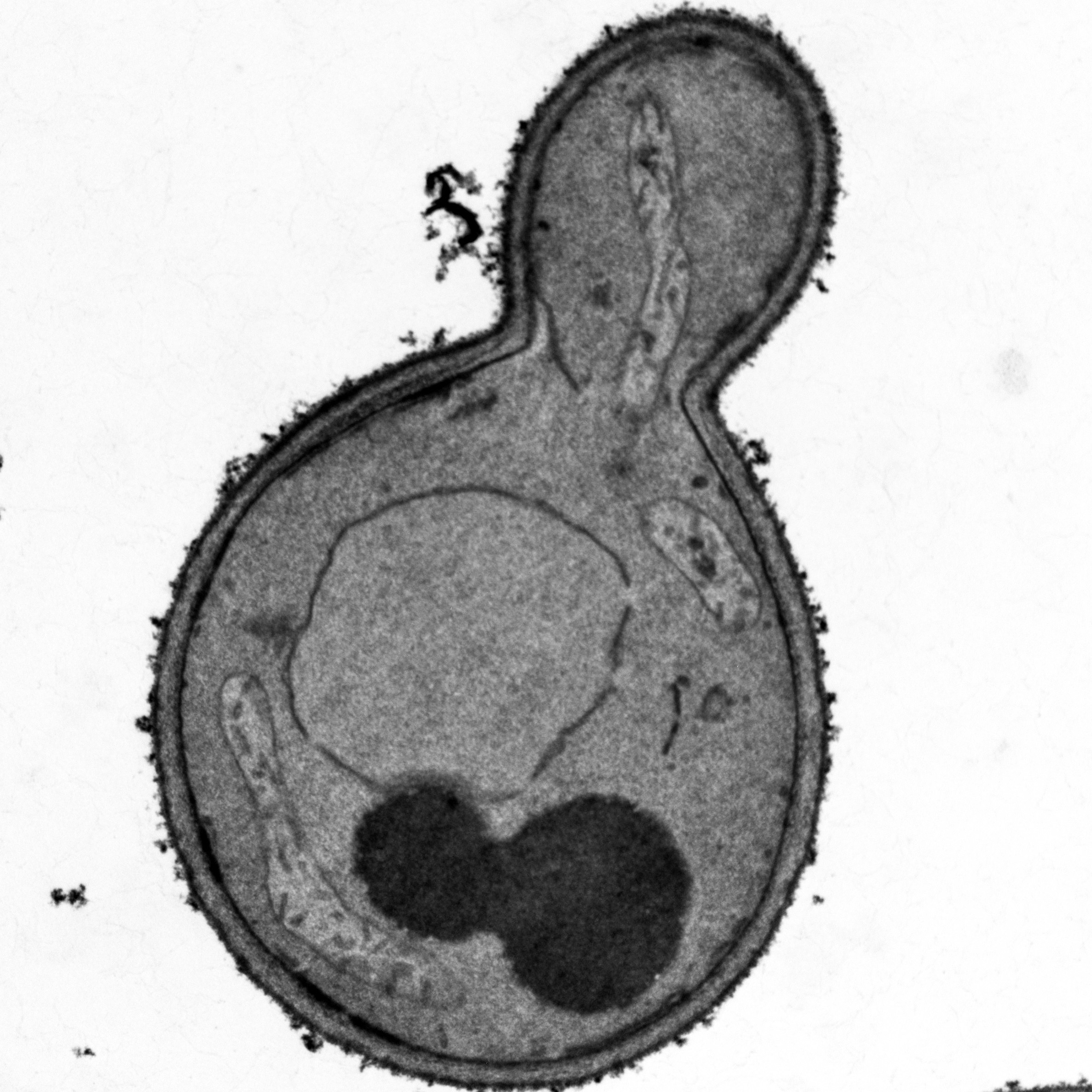
Microwave-assisted preparation of yeast cells for ultrastructural analysis by electron microscopy
Moritz Mayera, Christina Schuga, Stefan Geimer, Till Klecker and Benedikt Westermann
Budding yeast Saccharomyces cerevisiae is widely used as a model organism to study the biogenesis and architecture of organellar membranes, which can be visualized by transmission electron microscopy (TEM).

A complex remodeling of cellular homeostasis distinguishes RSV/SARS-CoV-2 co-infected A549-hACE2 expressing cell lines
Claudia Vanetti1, Irma Saulle1,2, Valentina Artusa1,2, Claudia Moscheni1, Gioia Cappelletti1, Silvia Zecchini1, Sergio Strizzi1, Micaela Garziano1,2, Claudio Fenizia1,2, Antonella Tosoni1, Martina Broggiato1, Pasquale Ogno1, Manuela Nebuloni1, Mario Clerici2,3, Daria Trabattoni1, Fiona Limanaqi1 and Mara Biasin1
Given the common tropism of SARS-CoV-2 and RSV, and the unclear consequences of their mutual influence, we developed an in vitro lung epithelial cell model to study the molecular mechanisms and cellular pathways modulated in viral co-infection.
Valine biosynthesis in Saccharomyces cerevisiae is regulated by the mitochondrial branched-chain amino acid aminotransferase Bat1
March 21, 2018
In Saccharomyces cerevisiae, the yeast, the Bat1 and Bat2 proteins, which are branched-chain amino acid aminotransferases, play distinct roles in valine biosynthesis and cell growth regulation, with Bat1 primarily located in the mitochondria and Bat2 in the cytosol, and the mitochondria being identified as the major site of valine biosynthesis in this yeast.
Microbial competition between Escherichia coli and Candida albicans reveals a soluble fungicidal factor
March 7, 2018
Localized and systemic fungal infections caused by Candida albicans can lead to significant mortality and morbidity. Here, Cabral et al. show that E. coli produces a soluble factor that kills C. albicans in a magnesium-dependent fashion such that depletion of available magnesium is essential for toxicity.
Impact of F1Fo-ATP-synthase dimer assembly factors on mitochondrial function and organismic aging
January 30, 2018
In aerobic organisms, mitochondrial F1Fo-ATP-synthase is the major site of ATP production. Here, Rampello et al. report on the role of the two dimer assembly factors PaATPE and PaATPG of the aging model Podospora anserina validating a model that links mitochondrial membrane remodeling to aging and identify specific molecular components triggering this process.
Yeast quiescence exit swiftness is influenced by cell volume and chronological age
December 6, 2017
Quiescence exit swiftness is crucial not only for micro-organisms in competition for an environmental niche, such as yeast, but also for the maintenance of tissue homeostasis in multicellular species. Here, Laporte et al. explore the effect of replicative and chronological age on Saccharomyces cerevisiae quiescence exit efficiency. Overall, their data illustrate that the quiescent state is a continuum evolving with time, early and deep quiescence being distinguishable by the cell’s proficiency to re-enter the proliferation cycle.
The neuroprotective steroid progesterone promotes mitochondrial uncoupling, reduces cytosolic calcium and augments stress resistance in yeast cells
May 31, 2017
Progesterone, known for its role in the reproductive system, also acts as a neurosteroid and has been suggested to aid recovery from traumatic brain injury; a study using yeast models shows that progesterone can protect against apoptosis, reduce oxidative stress and calcium spikes, and increase mitochondrial function, independent of traditional progesterone receptors or calcium transporters.
A simple microfluidic platform to study age-dependent protein abundance and localization changes in Saccharomyces cerevisiae
April 13, 2017
We have developed a user-friendly microfluidic system paired with a genetic approach to enrich and study ageing mother yeast cells, enabling the monitoring of protein abundance and localization changes during the crucial first half of their replicative lifespan, leading to the discovery of novel age-dependent protein behaviors.
The frequency of yeast [PSI+] prion formation is increased during chronological ageing
March 27, 2017
Aging is marked by a decline in cellular functions and the increased formation of the yeast [PSI+] prion, an altered translation termination factor, which suggests that autophagy suppresses age-related prion development. Interestingly, yeast cells that adopt the [PSI+] form exhibit better survival through aging, indicating that [PSI+] formation, linked to enhanced autophagy, may confer advantages such as reduced protein aggregation and improved cell viability.
A multigene family encoding surface glycoproteins in Trypanosoma congolense
March 2, 2017
Trypanosoma congolense, the causative agent of the most important livestock disease in Africa, expresses specific surface proteins involved in its parasitic lifestyle. By mining the T. congolense genome database, we identified a novel family of lectin-like glycoproteins (TcoClecs).
The transcription factors ADR1 or CAT8 are required for RTG pathway activation and evasion from yeast acetic acid-induced programmed cell death in raffinose
December 2, 2016
Yeast Saccharomyces cerevisiae grown on glucose undergoes programmed cell death (PCD) induced by acetic acid (AA-PCD), but evades PCD when grown in raffinose. This is due to concomitant relief of carbon catabolite repression (CCR) and activation of mitochondrial retrograde signaling. In this work, we investigated the relationships between the RTG and CCR pathways in the modulation of AA-PCD sensitivity under glucose repression or de-repression conditions. Our data show that simultaneous mitochondrial retrograde pathway activation and SNF1-dependent relief of CCR have a key role in central carbon metabolism reprogramming which modulates the yeast acetic acid-stress response.