
Research, Research Articles

A time-resolved high-throughput screening of fission yeast deletion mutants for oxidative stress resistance
Mohammadtaha Pirsalehi, Rowshan Ara Islam, Kristal Ng, Olga Xintarakou, Peter Harold Thorpe and Charalampos Rallis
By capturing dynamic trajectories rather than static outcomes, this study exposes hidden layers of growth under oxidative stress and identifies new genetic determinants of cellular resilience in fission yeast.
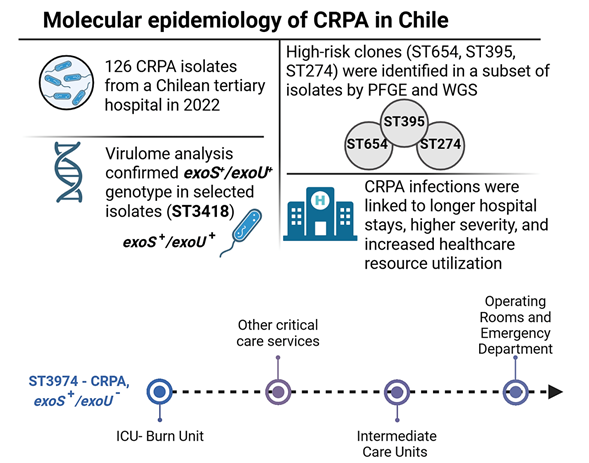
Clonal spread and environmental persistence of carbapenem-resistant high-risk Pseudomonas aeruginosa in critical-care units of a Chilean national referral center for burn and trauma patients (2022)
Camila Ibarra1, Gustavo Araya2, Alhejandra Alvarez2, Leonardo Enríquez2, Carolina Arellano2, Fabricio Alarcón1, Constanza Fernández1, Claudio Vargas1, Rodrigo Vera1 and Roberto M. Vidal2
This study highlight the circulation of high-risk P. aeruginosa clones in Chile and underscore the importance of molecular epidemiology in guiding infection control, optimizing antimicrobial therapy, and mitigating the clinical and economic burden of CRPA.
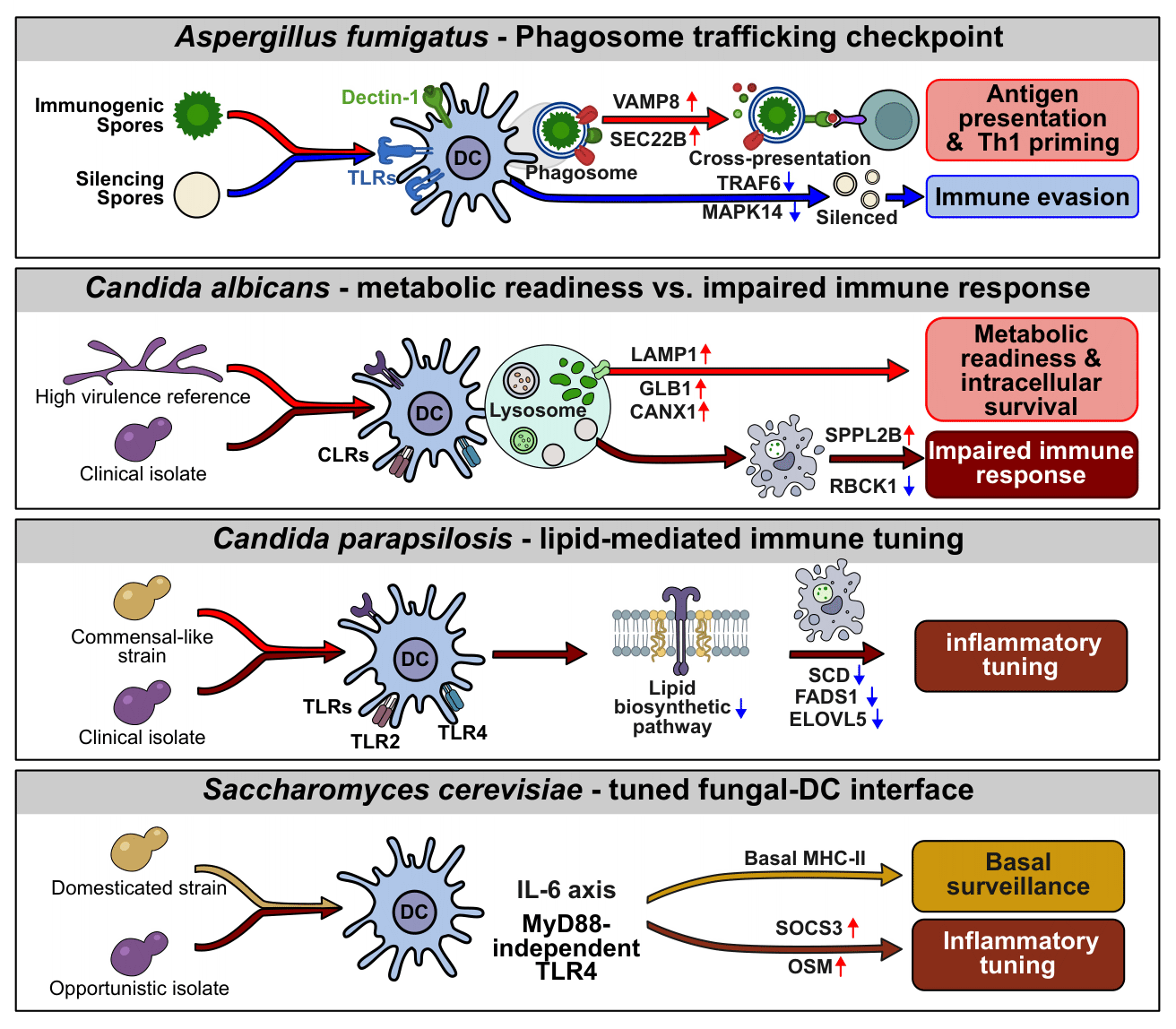
The transcriptome of dendritic cells redraws the boundaries between pathogenicity and commensalism in yeast
Lisa Rizzetto1, Irene Stefanini2, Stefano Nenciarini3, Monica Di Paola3, Samantha Riccadonna1, Ivo G. Gut4,5, Marta Gut4,5, Simon Heath4,5 and Duccio Cavalieri3
Our immune system meets many fungi, but reacts strongly to only a few. The comparison of key fungal species showed that responses differ mainly in timing and not just genes, highlighting the need to rethink what makes fungi harmful vs. harmless.
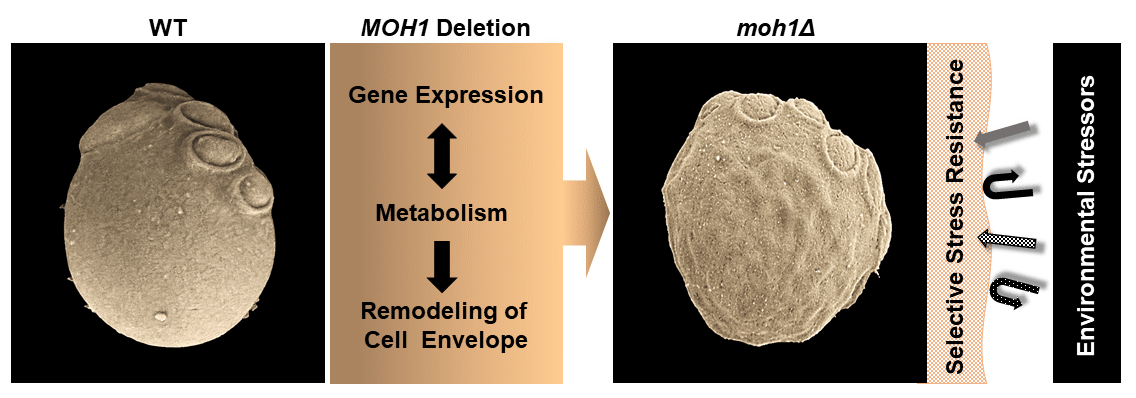
Yippee-like protein Moh1 links gene expression to metabolism and selective stress resistance in Saccharomyces cerevisiae
Çağla Ece Olgun1,a, Gizem Turan Duman1,a, Gizem Güpür1, Hamit İzgi1, Mariam Huda2, Demet Çetin3, Zekiye Suludere4, Fatma Küçük Baloğlu5, Ayşe Koca Çaydaşı2 and Mesut Muyan1
This study demonstrates that the conserved yeast protein Moh1 links metabolism, gene expression, and cell structure, thereby altering cell envelope permeability and leading to selective stress responses.
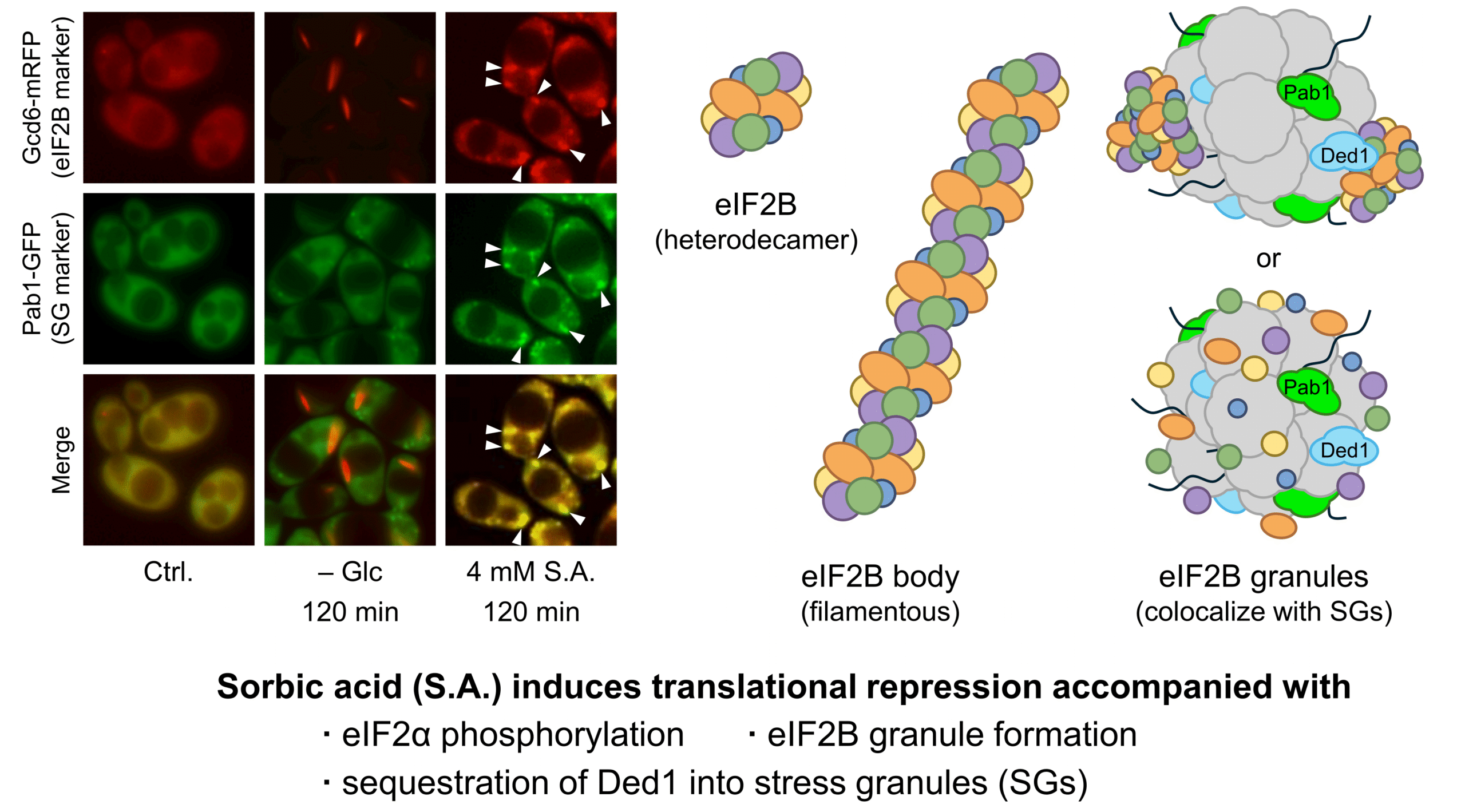
Fungistatic effect of sorbic acid on yeast cells via translational repression involving eIF2α phosphorylation and formation of Ded1- and eIF2B-granules
Haruka Yoshiyama1, Wataru Nomura2 and Shingo Izawa1
The findings of this study provide new insights into the physiological effects of sorbic acid on yeast cells, specifically regarding the regulation of translation-related factors.
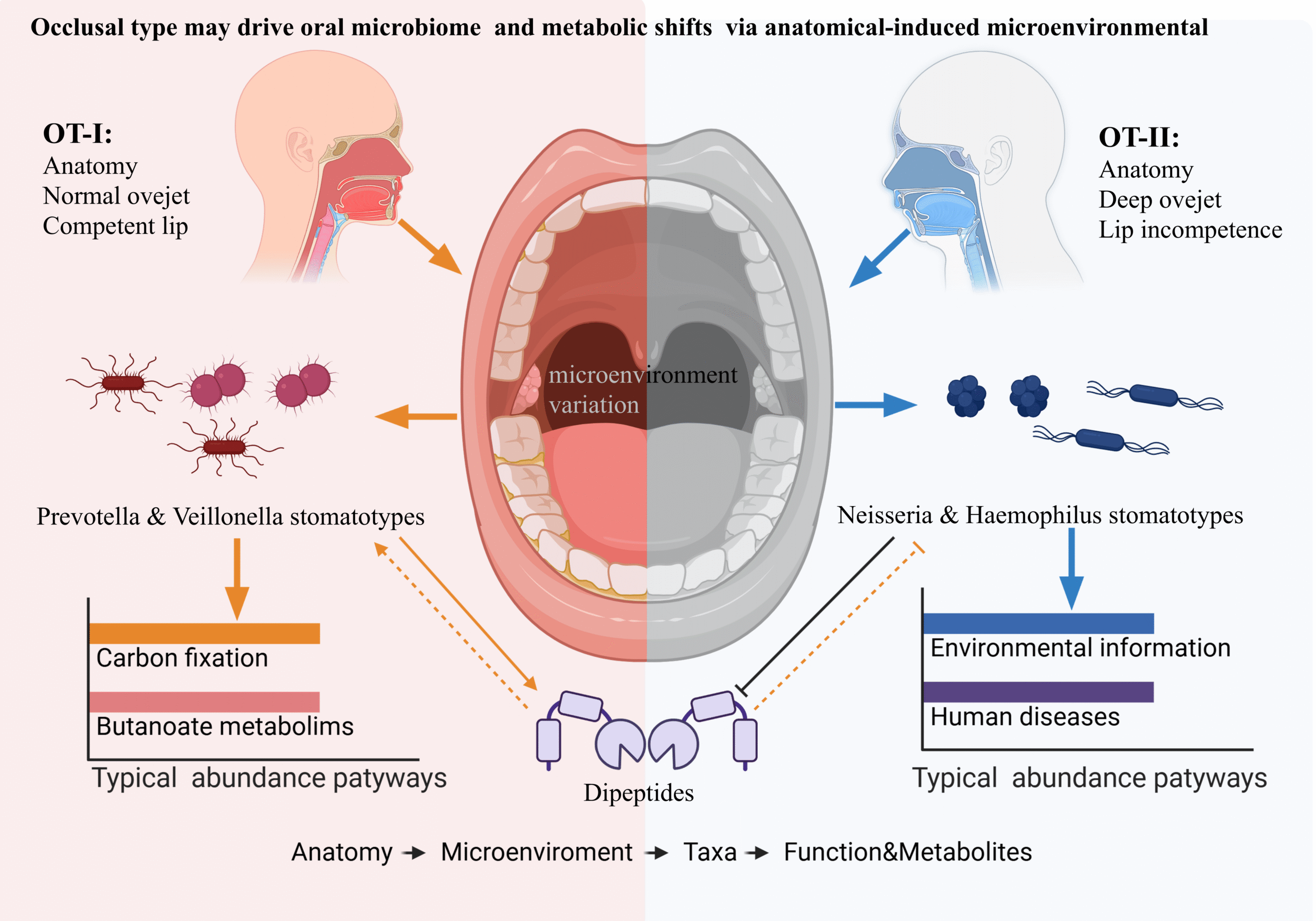
Occlusal types shape oral microbiome stomatotypes and metabolic landscapes: A multi-omics perspective on host-microbe interaction
Yufeng Duan1,a, Zheng Liu2,3,a, Wenting Lu1,a, Ning Zhao1, Lingjun Yuan1, Zhenxia Li1, Ting Zhou1, Shengzhao Xiao1, Dian Jing1, Xiaowen Zheng1, Wentao Shi4, Chao Liu1,*, Haixia Lu5,*, Qiang Feng6,* and Bing Fang1,*
This study reveals how occlusal types shape oral microbiome “stomatotypes” and metabolic profiles in adolescents. It offers fresh insights that host anatomy drives microecology which may be associated with personalized oral health.

Genomic epidemiology of carbapenemase-producing Klebsiella pneumoniae circulating in a Chilean tertiary-care hospital (2021–2022): Molecular characterization, resistance-virulence convergence, and clinical associations
Gustavo Araya1,2, Alhejandra Álvarez1, Carolina Arellano1, Rodrigo Bravo3, Abraham Gajardo4,5, Boris Barrera6, Francisco Silva6 and Roberto M. Vidal1
This study characterized carbapenem-resistant Kp (CR-Kp) strains isolated at the Hospital Clínico Universidad de Chile (HCUCH) 2021-2022 and explored associations with clinical characteristics.

Sugar-induced cell death (SICD) in Saccharomyces cerevisiae: insights into nitrogen-mediated rescue and apoptotic cell death pathways
Raveena Parbhudayal and Hai-Ping Cheng
This study examined mechanisms through which yeast sugar-induced cell death can be prevented. High concentrations of glucose induced a catastrophic response that was only rescued by highly preferred nitrogen sources and by preventing nuclear localization of specific cell death proteins.

TOR-dependent regulation of the yeast homolog of the juvenile Batten Disease-associated gene CLN3
Vijaykumar Pillalamarri1, Samuel W.M. Gatesy1, Amanda E. Grassel1, Lucienna Wolf1, Justin P. Whalley2 and David M. Mueller1,*
This study identifies conditions and genes that induce BTN1 expression in yeast. We show that BTN1 expression is regulated by translational control and by the mTOR1 pathway. An understanding of when and why BTN1 expression will aid in understanding the expression of CLN3, which may be helpful in the treatment of this devastating disease.
Transcriptomic and chemogenomic analyses unveil the essential role of Com2-regulon in response and tolerance of Saccharomyces cerevisiae to stress induced by sulfur dioxide
September 30, 2019
This article shows that in the presence of sulfur dioxide (SO2), the transcription factor Com2 plays a critical role in the tolerance and response of Saccharomyces cerevisiae, affecting the expression of a majority of SO2-activated genes and contributing to the protection against stress induced by SO2 at an enologically relevant pH.
Network dynamics of the yeast methyltransferome
July 9, 2019
This article presents a systematic genetic analysis of methyltransferases (MTases) under normal and stress conditions, uncovering the complex and adaptive nature of the methyltransferome and discovering a potential connection between phospholipid methylation and histone methylation, suggesting interplay between lipid homeostasis and epigenetic regulation.
Functional link between mitochondria and Rnr3, the minor catalytic subunit of yeast ribonucleotide reductase
May 20, 2019
This article shows that the carbon source affects the abundance of ribonucleotide reductase (RNR) subunits in yeast, with a novel Mec1 signaling axis regulating Rnr3 independently of known DNA damage response pathways, and reveals Rnr3's unexpected role in mitochondrial function.
Mitochondria-Associated Membranes (MAMs) are involved in Bax mitochondrial localization and cytochrome c release
March 15, 2019
This study investigated the role of Mitochondria-Associated Membranes (MAMs) in the regulation of apoptosis by analyzing the localization and function of the pro-apoptotic protein Bax in yeast, finding that disruption of MAMs by deletion of the MDM34 gene affects Bax's mitochondrial localization and the release of cytochrome c.
Chlamydia pneumoniae is present in the dental plaque of periodontitis patients and stimulates an inflammatory response in gingival epithelial cells
March 11, 2019
This study found that Chlamydia pneumoniae is present more frequently in the dental plaque of individuals with periodontal disease, can invade human gingival epithelial cells causing inflammatory responses, and may therefore be a contributing factor to periodontal disease and a potential indicator of risk.
Simultaneous profiling of sexually transmitted bacterial pathogens, microbiome, and concordant host response in cervical samples using whole transcriptome sequencing analysis
January 24, 2019
This study used total RNA sequencing to analyze cervical samples from women at high risk for STIs, revealing that host transcriptional profiles can be linked to microbiome composition and STI infections, with implications for advancing our understanding of PID and identifying potential biomarkers.
Genome-wide analysis of yeast expression data based on a priori generated co-regulation cliques
January 22, 2019
The study demonstrates the use of predefined genome-wide expression cliques, derived from extensive microarray data, to effectively analyze and visualize the complete gene expression response across various cellular conditions in yeast.
A humanized yeast-based toolkit for monitoring phosphatidylinositol 3-kinase activity at both single cell and population levels
November 12, 2018
In this study, a humanized yeast system for functional studies on higher eukaryotic Phosphatidylinositol 3-kinase (PI3K) was developed by restricting PI3K activity in yeast to specific plasma membrane microdomains, utilizing engineered reporters to monitor activity at a single-cell level and employing novel tools to study the performance of yeast plasma membrane (PM) microdomain-directed PI3K, revealing location-specific effects on yeast growth and endocytosis.
A chemical genetic screen reveals a role for proteostasis in capsule and biofilm formation by Cryptococcus neoformans
October 31, 2018
This study demonstrates that the bipolar disorder drug lithium inhibits the formation of key virulence factors, biofilm, and polysaccharide capsule, in Cryptococcus neoformans by dysregulating the ubiquitin/proteasome system, shedding light on the impact of lithium and providing insights into potential alternative pharmaceutical approaches for combating this fungal pathogen.