
Research, Research Articles
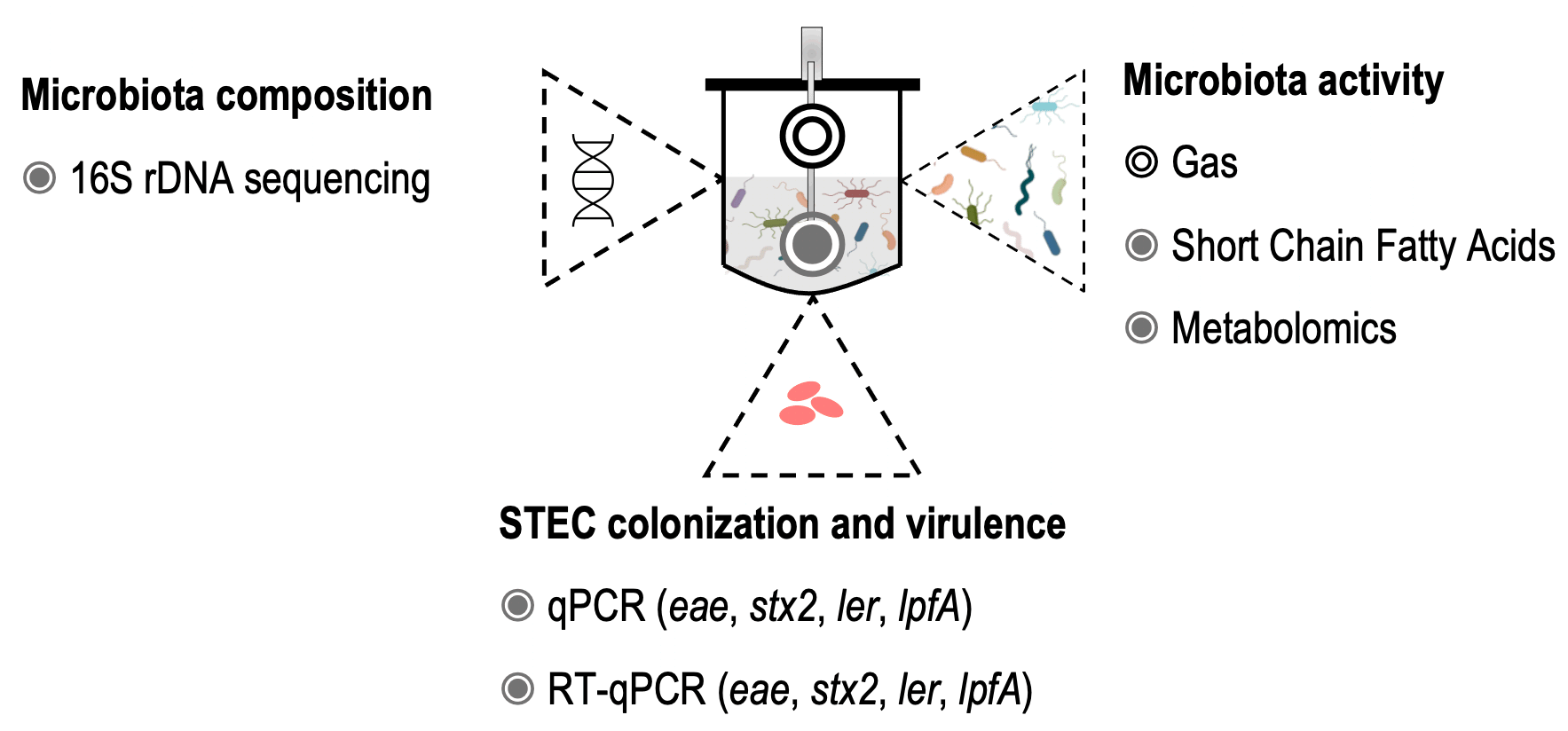
Microbiota and metabolome dynamics induced by Shiga toxin-producing E. coli in an in vitro model of an infant’s colon
Mariana Izquierdo1,a, Deborah O’Sullivan2,a, Ophélie Uriot2, Morgane Brun2, Claude Durif2, Sylvain Denis2, Pablo Gallardo1, Cormac G M Gahan3-5, Lucie Etienne-Mesmin2, Stéphanie Blanquet-Diot2,b and Mauricio J. Farfan1.b
This study provides new evidence of the impact of EHEC in the microbiota and metabolome dynamics in an in vitro gut model that could be useful in understanding their physiopathology in this at-risk population, considering inter-individual variabilities in gut microbiota.

Ampicillin treatment in persister cell studies may cause non-physiological artifacts
Michel Fasnacht1,2, Hena Comic1,2, Isabella Moll1,2
This study shows at the example of L2 how insufficient purification of ampicillin persister cells can lead to the generation of non-physiological artifacts and provides a novel tool to improve the removal of residual cell debris.

Clostridium scindens promotes gallstone formation by inducing intrahepatic neutrophil extracellular traps through CXCL1 produced by colonic epithelial cells
Wenchao Yao1,a, Yuanhang He2,3,a, Zhihong Xie2,3, Qiang Wang2,3, Yang Chen2,4, Jingjing Yu2,3, Xuxu Liu2,3, Dongbo Xue2,3 , Liyi Wang2,3 and Chenjun Hao2,3
Through in vivo and in vitro experiments, we validated the reliability of C. scindens stimulating colonic epithelial cells to produce TLR2, activating the NF-κB signaling pathway, promoting CXCL1 expres-sion, and inducing intrahepatic neutrophil NETosis, which may be associated with gallstone formation.

Integrative Omics reveals changes in the cellular landscape of peroxisome-deficient pex3 yeast cells
Tjasa Kosir1,a, Hirak Das2,a, Marc Pilegaard Pedersen1, Ann-Kathrin Richard2, Marco Anteghini3,4, Vitor Martins dos Santos4,5, Silke Oeljeklaus2, Ida J. van der Klei1 and Bettina Warscheid2
To uncover the consequences of peroxisome deficiency, we compared Saccharomyces cerevisiae wild-type with pex3 cells, which lack peroxisomes, employing quantitative proteomics and transcriptomics technologies.
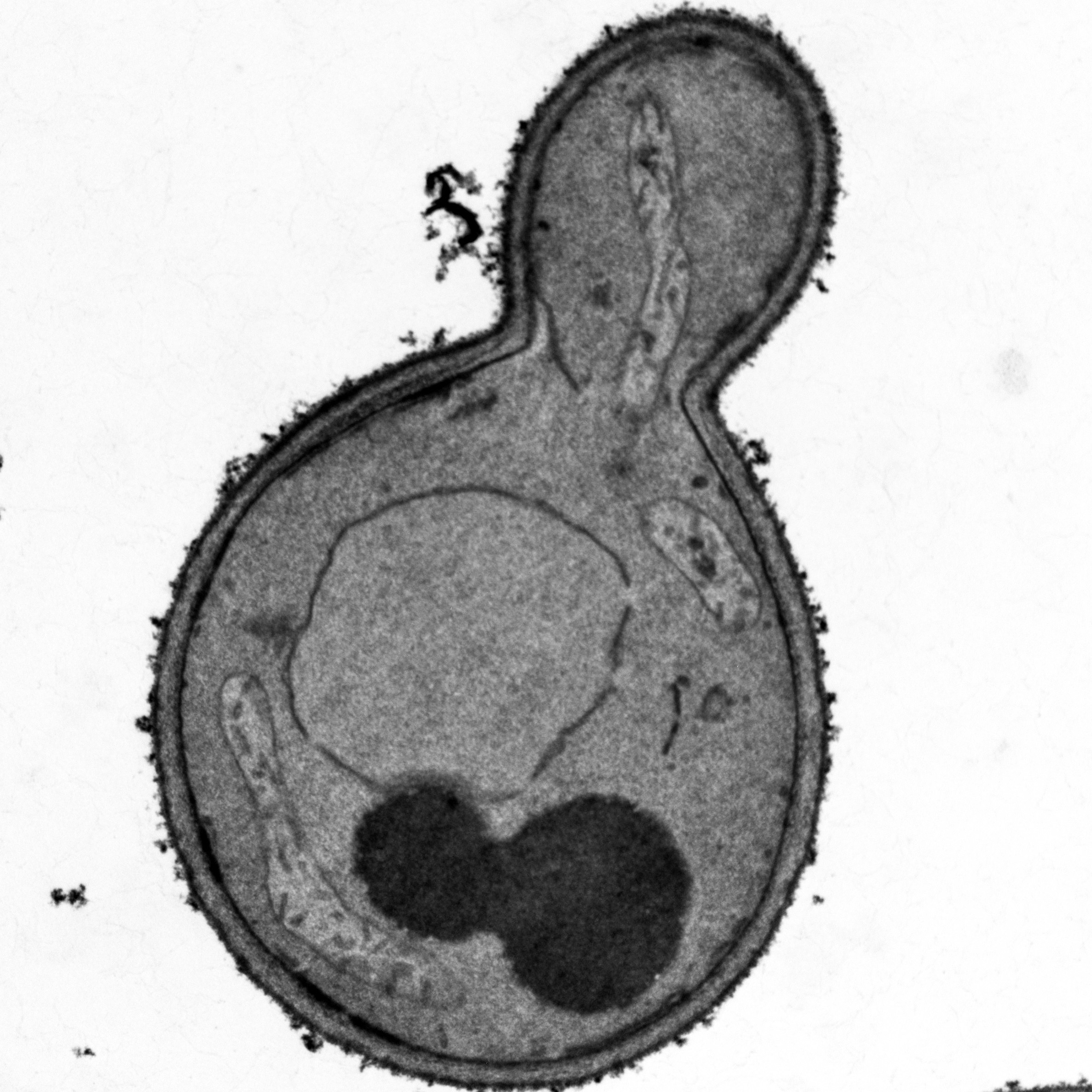
Microwave-assisted preparation of yeast cells for ultrastructural analysis by electron microscopy
Moritz Mayera, Christina Schuga, Stefan Geimer, Till Klecker and Benedikt Westermann
Budding yeast Saccharomyces cerevisiae is widely used as a model organism to study the biogenesis and architecture of organellar membranes, which can be visualized by transmission electron microscopy (TEM).

A complex remodeling of cellular homeostasis distinguishes RSV/SARS-CoV-2 co-infected A549-hACE2 expressing cell lines
Claudia Vanetti1, Irma Saulle1,2, Valentina Artusa1,2, Claudia Moscheni1, Gioia Cappelletti1, Silvia Zecchini1, Sergio Strizzi1, Micaela Garziano1,2, Claudio Fenizia1,2, Antonella Tosoni1, Martina Broggiato1, Pasquale Ogno1, Manuela Nebuloni1, Mario Clerici2,3, Daria Trabattoni1, Fiona Limanaqi1 and Mara Biasin1
Given the common tropism of SARS-CoV-2 and RSV, and the unclear consequences of their mutual influence, we developed an in vitro lung epithelial cell model to study the molecular mechanisms and cellular pathways modulated in viral co-infection.

RidA proteins contribute to fitness of S. enterica and E. coli by reducing 2AA stress and moderating flux to isoleucine biosynthesis
Ronnie L. Fulton, Bryce R. Sawyer and Diana M Downs
This study solidifies the established role of RidA in removing 2AA, while also presenting evidence for a role of RidA in enhancing flux towards isoleucine biosynthesis in E. coli. Overall, these data emphasize that metabolic networks can generate distinct responses to perturbation, even when the individual components are conserved.

Fecal gelatinase does not predict mortality in patients with alcohol-associated hepatitis
Yongqiang Yang1,a, Philipp Hartmann2,3,a and Bernd Schnabl1,4
This study aimed to investigate the significance of fecal gelatinase on clinical outcomes in patients with alcohol-associated hepatitis. In conclusion, in our cohort, fecal gelatinase does not predict mortality and does not indicate higher disease severity in patients with alcohol-associated hepatitis.

Direct detection of stringent alarmones (pp)pGpp using malachite green
Muriel Schicketanz1, Magdalena Petrová2, Dominik Rejman2, Margherita Sosio3, Stefano Donadio3 and Yong Everett Zhang1
In this study, we demonstrate the surprising discovery of a commercially available, low-cost malachite green (MG) detection kit, originally designed for orthophosphate (Pi) detection, for detecting (p)ppGpp and its analogues, especially pGpp
Identification of SUMO conjugation sites in the budding yeast proteome
October 2, 2017
The authors present a proteomic study that mapped SUMO acceptor lysines in budding yeast, identifying 257 potential conjugation sites, including both known and novel substrates, and providing a significant resource for future research into the functional implications of SUMOylation in yeast.
Ydj1 governs fungal morphogenesis and stress response, and facilitates mitochondrial protein import via Mas1 and Mas2
October 2, 2017
The authors descibe the role of the Hsp40 chaperone Ydj1 in Candida albicans, noting its localization to the cytosol and mitochondrial membrane, its necessity for stress responses and filamentation, and its involvement in a protein interaction network related to co-chaperones, filamentation regulators, and mitochondrial processing peptidases, with a particular focus on the impact of Ydj1 on mitochondrial morphology, function, and the import of precursor proteins.
Farnesol inhibits translation to limit growth and filamentation in C. albicans and S. cerevisiae
September 4, 2017
Farnesol, a quorum-sensing molecule, inhibits the switch from yeast to filamentous growth in Candida albicans by impeding translation initiation, differing from fusel alcohols that affect the initiation factor eIF2B, as it disrupts mRNA interaction with the ribosome and prevents preinitiation complex formation.
Cristae architecture is determined by an interplay of the MICOS complex and the F1FO ATP synthase via Mic27 and Mic10
July 20, 2017
This article investigates the roles of MICOS subunits Mic27 and Mic10, revealing their antagonistic and cooperative interactions in crista junction formation and cristae membrane curvature, and proposes a model where F1FO-ATP synthase is connected to MICOS, influencing CJ formation.
Integrative modules for efficient genome engineering in yeast
June 5, 2017
The study introduces a set of vectors with integrative modules designed for effective genome integration into standard marker loci of Saccharomyces cerevisiae, enabling precise expression levels using various promoters and demonstrating the capability of stable multi-gene integration, which is useful for tasks like multi-color cellular imaging and metabolic engineering.
The neuroprotective steroid progesterone promotes mitochondrial uncoupling, reduces cytosolic calcium and augments stress resistance in yeast cells
May 31, 2017
Progesterone, known for its role in the reproductive system, also acts as a neurosteroid and has been suggested to aid recovery from traumatic brain injury; a study using yeast models shows that progesterone can protect against apoptosis, reduce oxidative stress and calcium spikes, and increase mitochondrial function, independent of traditional progesterone receptors or calcium transporters.
A simple microfluidic platform to study age-dependent protein abundance and localization changes in Saccharomyces cerevisiae
April 13, 2017
We have developed a user-friendly microfluidic system paired with a genetic approach to enrich and study ageing mother yeast cells, enabling the monitoring of protein abundance and localization changes during the crucial first half of their replicative lifespan, leading to the discovery of novel age-dependent protein behaviors.
Thiol trapping and metabolic redistribution of sulfur metabolites enable cells to overcome cysteine overload
March 27, 2017
In this study, researchers investigate the mechanisms for handling cysteine overload using Saccharomyces cerevisiae, finding that overexpressing the high affinity cysteine transporter, YCT1, enables yeast cells to rapidly accumulate high levels of intracellular cysteine. The study demonstrates that cells can manage potentially toxic levels of cysteine by converting it to non-reactive thiol forms and utilizing the metabolic products for cell growth.
The frequency of yeast [PSI+] prion formation is increased during chronological ageing
March 27, 2017
Aging is marked by a decline in cellular functions and the increased formation of the yeast [PSI+] prion, an altered translation termination factor, which suggests that autophagy suppresses age-related prion development. Interestingly, yeast cells that adopt the [PSI+] form exhibit better survival through aging, indicating that [PSI+] formation, linked to enhanced autophagy, may confer advantages such as reduced protein aggregation and improved cell viability.
A multigene family encoding surface glycoproteins in Trypanosoma congolense
March 2, 2017
Trypanosoma congolense, the causative agent of the most important livestock disease in Africa, expresses specific surface proteins involved in its parasitic lifestyle. By mining the T. congolense genome database, we identified a novel family of lectin-like glycoproteins (TcoClecs).