
Research, Research Articles

The core genetic drivers of chronological aging in yeast are universal regulators of longevity
Erika Cruz-Bonilla1, Sergio E. Campos2, Soledad Funes3, Cei Abreu-Goodger4 and Alexander DeLuna1,2,*
This study provides an integrated view of the core genetic landscape underlying aging in yeast, highlighting the value of the chronological lifespan paradigm for investigating conserved mechanisms of aging.

Organelle activity organized by the endoplasmic reticulum-mitochondria encounter structure –ERMES– is essential for Podospora anserina development
Melisa Álvarez-Sánchez1, Matías Ramírez-Noguez1, Beatriz Aguirre-López1 and Leonardo Peraza-Reyes1
This study shows that the regulation of the activity of multiple organelles by the ERMES (Endoplasmic Reticulum-Mitochondria Encounter Structure) tethering complex is essential for fungal growth and sexual development.
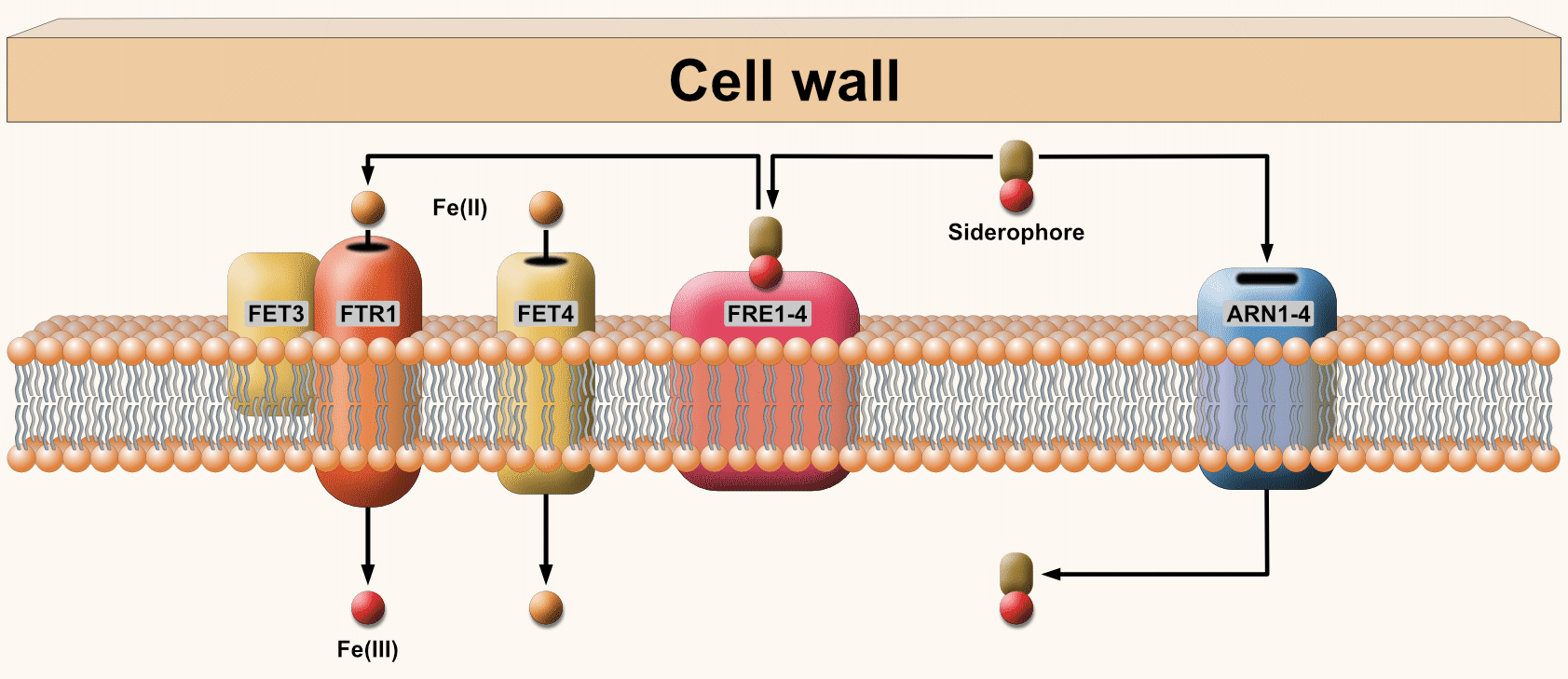
Role of the putative sit1 gene in normal germination of spores and virulence of the Mucor lusitanicus
Bernadett Vágó1,2, Kitti Bauer1,2, Naomi Varghese1,2, Sándor Kiss-Vetráb1,2, Sándor Kocsubé1,2, Mónika Varga1,2, András Szekeres1,2, Csaba Vágvölgyi1,2, Tamás Papp1,2,3,# and Gábor Nagy1,2,3,#
Mucormycosis is a life-threatening infection caused by certain members of the fungal order Mucorales, with increased incidence in recent years. Individuals with untreated diabetes mellitus, and patients treated with deferoxamine are particularly susceptible to this infection.

Tumor microenvironment signatures enhances lung adenocarcinoma prognosis prediction: Implication of intratumoral microbiota
Fei Zhao1,#, Lei Wang2,3,4,#, Dongjie Du5, Heaven Zhao6,7, Geng Tian6,7, Yufeng Li2,3,8, Yankun Liu2,8,9, Zhiwu Wang2,3,10, Dasheng Liu11, Jingwu Li2,3,12, Lei Ji6,7 and Hong Zhao1
The interaction between intratumoral microbiome and the tumor microenvironment (TME) has furthered our understanding of tumor ecology. Yet, the implications of their interaction for lung cancer management remain unclear.

Persistence phenotype of adherent-invasive Escherichia coli in response to ciprofloxacin, revealing high-persistence strains
Valeria Pérez-Villalobos1, Roberto Vidal2, Marcela A. Hermoso3,4 and Paula Bustamante1
We investigated the roles of the resident antibiotic resistance plasmid, the stress response protein HtrA, and macrophage-induced persister formation. Our results revealed broad variability in persister cell formation among AIEC strains.

Knocking out histidine ammonia-lyase by using CRISPR-Cas9 abolishes histidine role in the bioenergetics and the life cycle of Trypanosoma cruzi
Janaína de Freitas Nascimento1, María Julia Barisón1, Gabriela Torres Montanaro1, Letícia Marchese1, Rodolpho Ornitz Oliveira Souza1, Letícia Sophia Silva2, Alessandra Aparecida Guarnieri2 and Ariel Mariano Silber1
Recent studies have highlighted the importance of this pathway in ATP production, redox balance, and the maintenance of cellular homeostasis in T. cruzi. In this work, we focus on the first step of the histidine degradation pathway, which is performed by the enzyme histidine ammonia lyase. Here we determined the kinetic and biochemical parameters of the T. cruzi histidine ammonia-lyase.
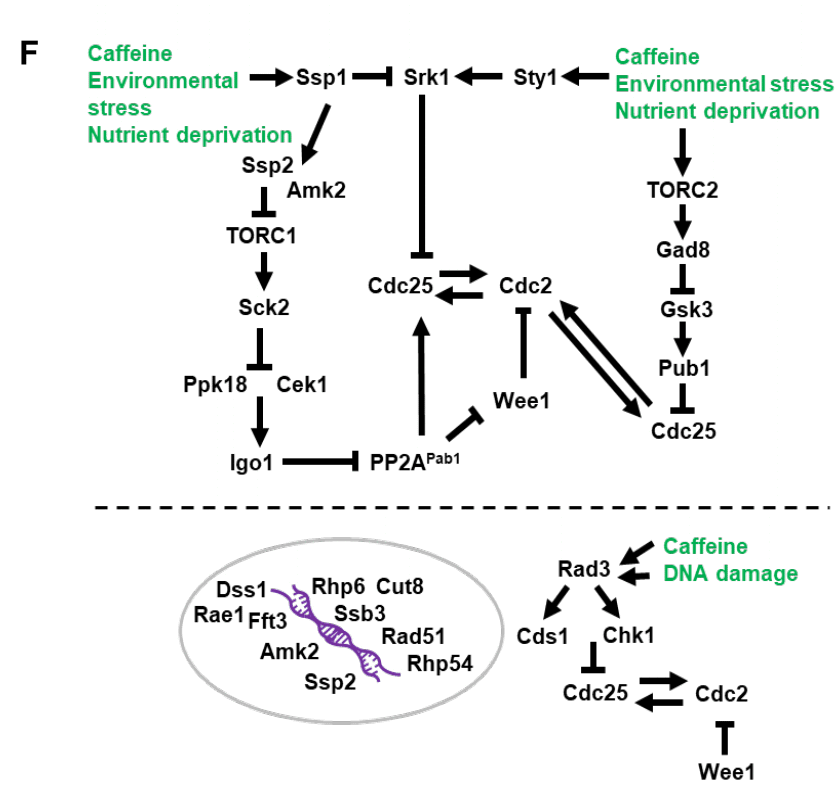
Dissecting the cell cycle regulation, DNA damage sensitivity and lifespan effects of caffeine in fission yeast
John-Patrick Alao1, Juhi Kumar1, Despina Stamataki2 and Charalampos Rallis1
Our findings show that caffeine accelerates mitotic division and is beneficial for CLS through AMPK. Direct pharmacological targeting of AMPK may serve towards healthspan and lifespan benefits beyond yeasts, given the highly conserved nature of this key regulatory cellular energy sensor.
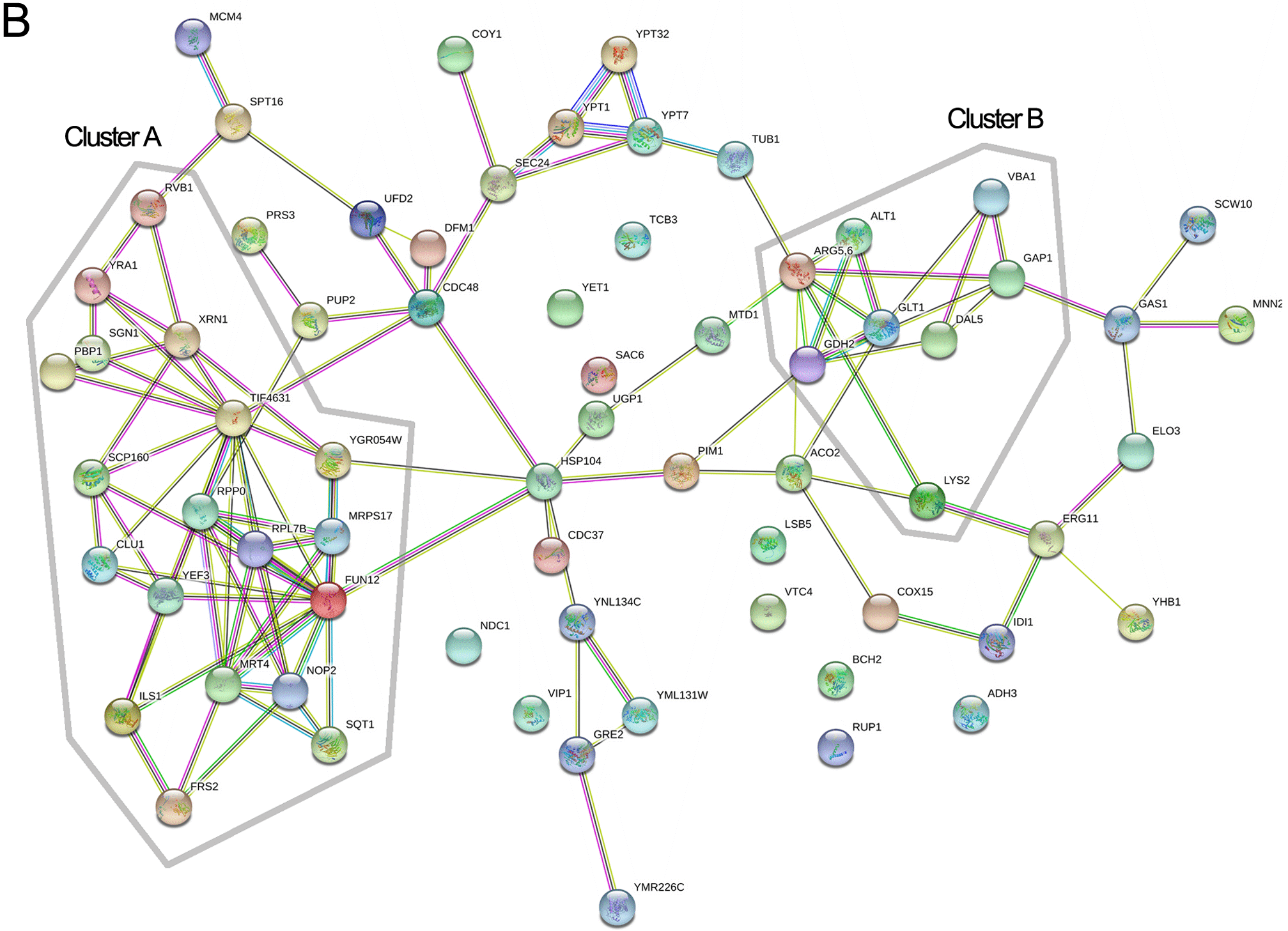
Uga3 influences nitrogen metabolism in Saccharomyces cerevisiae by modulating arginine biosynthesis
Nicolás Urtasun1,2,a, Sebastián Aníbal Muñoz1,a, Martín Arán3 and Mariana Bermúdez-Moretti1
Nitrogen metabolism in Saccharomyces cerevisiae is tightly regulated to optimize the utilization of available nitrogen sources. Uga3 is a known transcription factor involved in the gamma-aminobutyric acid (GABA) pathway; however, its broader role in nitrogen metabolism remains unclear.

An adenine model of inborn metabolism errors alters TDP-43 aggregation and reduces its toxicity in yeast revealing insights into protein misfolding diseases
Sangeun Park, Sei-Kyoung Park, Peter Blair and Susan W. Liebman
This work offers new insights into the potential interactions between me-tabolite-based amyloids and pathological protein aggregates, with broad implications for understanding protein misfolding diseases.
Identification of SUMO conjugation sites in the budding yeast proteome
October 2, 2017
The authors present a proteomic study that mapped SUMO acceptor lysines in budding yeast, identifying 257 potential conjugation sites, including both known and novel substrates, and providing a significant resource for future research into the functional implications of SUMOylation in yeast.
Ydj1 governs fungal morphogenesis and stress response, and facilitates mitochondrial protein import via Mas1 and Mas2
October 2, 2017
The authors descibe the role of the Hsp40 chaperone Ydj1 in Candida albicans, noting its localization to the cytosol and mitochondrial membrane, its necessity for stress responses and filamentation, and its involvement in a protein interaction network related to co-chaperones, filamentation regulators, and mitochondrial processing peptidases, with a particular focus on the impact of Ydj1 on mitochondrial morphology, function, and the import of precursor proteins.
Farnesol inhibits translation to limit growth and filamentation in C. albicans and S. cerevisiae
September 4, 2017
Farnesol, a quorum-sensing molecule, inhibits the switch from yeast to filamentous growth in Candida albicans by impeding translation initiation, differing from fusel alcohols that affect the initiation factor eIF2B, as it disrupts mRNA interaction with the ribosome and prevents preinitiation complex formation.
Cristae architecture is determined by an interplay of the MICOS complex and the F1FO ATP synthase via Mic27 and Mic10
July 20, 2017
This article investigates the roles of MICOS subunits Mic27 and Mic10, revealing their antagonistic and cooperative interactions in crista junction formation and cristae membrane curvature, and proposes a model where F1FO-ATP synthase is connected to MICOS, influencing CJ formation.
Integrative modules for efficient genome engineering in yeast
June 5, 2017
The study introduces a set of vectors with integrative modules designed for effective genome integration into standard marker loci of Saccharomyces cerevisiae, enabling precise expression levels using various promoters and demonstrating the capability of stable multi-gene integration, which is useful for tasks like multi-color cellular imaging and metabolic engineering.
The neuroprotective steroid progesterone promotes mitochondrial uncoupling, reduces cytosolic calcium and augments stress resistance in yeast cells
May 31, 2017
Progesterone, known for its role in the reproductive system, also acts as a neurosteroid and has been suggested to aid recovery from traumatic brain injury; a study using yeast models shows that progesterone can protect against apoptosis, reduce oxidative stress and calcium spikes, and increase mitochondrial function, independent of traditional progesterone receptors or calcium transporters.
A simple microfluidic platform to study age-dependent protein abundance and localization changes in Saccharomyces cerevisiae
April 13, 2017
We have developed a user-friendly microfluidic system paired with a genetic approach to enrich and study ageing mother yeast cells, enabling the monitoring of protein abundance and localization changes during the crucial first half of their replicative lifespan, leading to the discovery of novel age-dependent protein behaviors.
Thiol trapping and metabolic redistribution of sulfur metabolites enable cells to overcome cysteine overload
March 27, 2017
In this study, researchers investigate the mechanisms for handling cysteine overload using Saccharomyces cerevisiae, finding that overexpressing the high affinity cysteine transporter, YCT1, enables yeast cells to rapidly accumulate high levels of intracellular cysteine. The study demonstrates that cells can manage potentially toxic levels of cysteine by converting it to non-reactive thiol forms and utilizing the metabolic products for cell growth.
The frequency of yeast [PSI+] prion formation is increased during chronological ageing
March 27, 2017
Aging is marked by a decline in cellular functions and the increased formation of the yeast [PSI+] prion, an altered translation termination factor, which suggests that autophagy suppresses age-related prion development. Interestingly, yeast cells that adopt the [PSI+] form exhibit better survival through aging, indicating that [PSI+] formation, linked to enhanced autophagy, may confer advantages such as reduced protein aggregation and improved cell viability.
A multigene family encoding surface glycoproteins in Trypanosoma congolense
March 2, 2017
Trypanosoma congolense, the causative agent of the most important livestock disease in Africa, expresses specific surface proteins involved in its parasitic lifestyle. By mining the T. congolense genome database, we identified a novel family of lectin-like glycoproteins (TcoClecs).