
Research, Research Articles

The core genetic drivers of chronological aging in yeast are universal regulators of longevity
Erika Cruz-Bonilla1, Sergio E. Campos2, Soledad Funes3, Cei Abreu-Goodger4 and Alexander DeLuna1,2,*
This study provides an integrated view of the core genetic landscape underlying aging in yeast, highlighting the value of the chronological lifespan paradigm for investigating conserved mechanisms of aging.

Organelle activity organized by the endoplasmic reticulum-mitochondria encounter structure –ERMES– is essential for Podospora anserina development
Melisa Álvarez-Sánchez1, Matías Ramírez-Noguez1, Beatriz Aguirre-López1 and Leonardo Peraza-Reyes1
This study shows that the regulation of the activity of multiple organelles by the ERMES (Endoplasmic Reticulum-Mitochondria Encounter Structure) tethering complex is essential for fungal growth and sexual development.
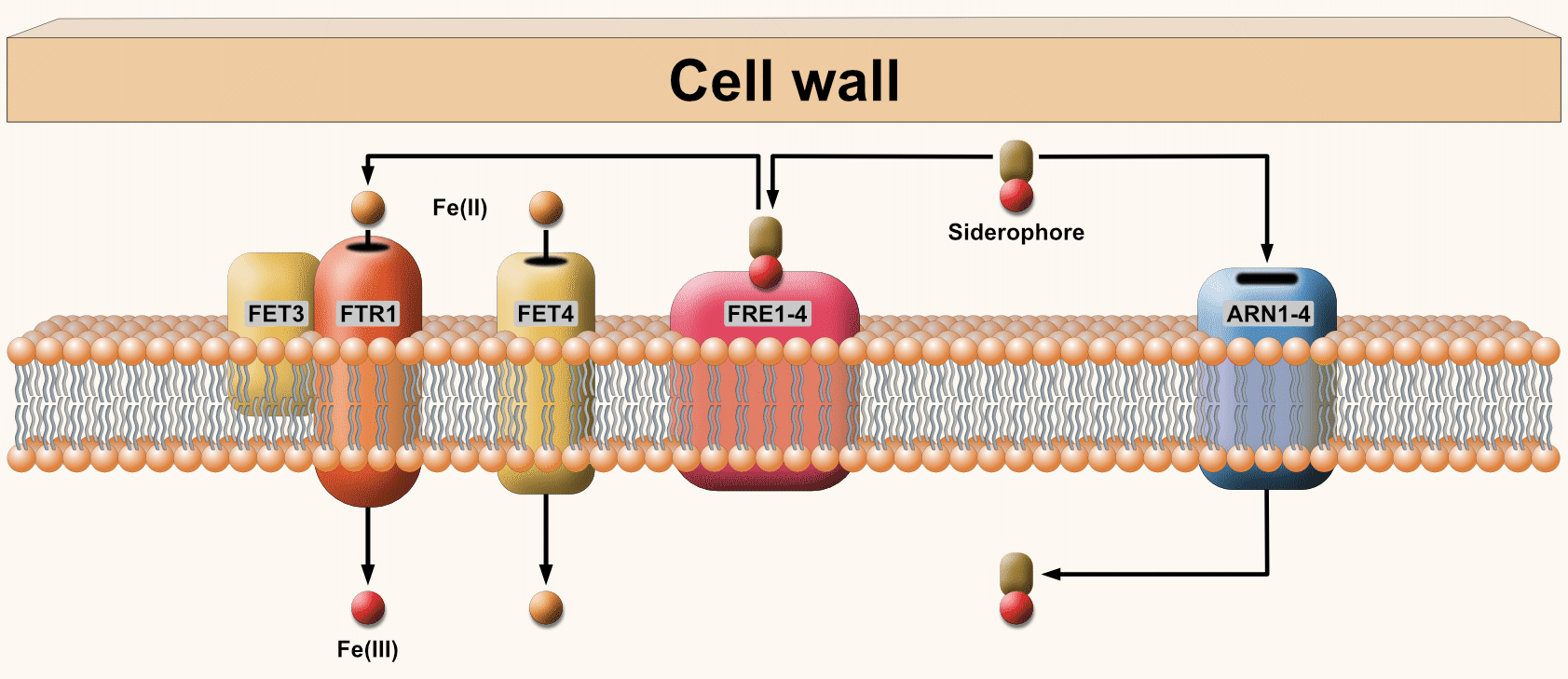
Role of the putative sit1 gene in normal germination of spores and virulence of the Mucor lusitanicus
Bernadett Vágó1,2, Kitti Bauer1,2, Naomi Varghese1,2, Sándor Kiss-Vetráb1,2, Sándor Kocsubé1,2, Mónika Varga1,2, András Szekeres1,2, Csaba Vágvölgyi1,2, Tamás Papp1,2,3,# and Gábor Nagy1,2,3,#
Mucormycosis is a life-threatening infection caused by certain members of the fungal order Mucorales, with increased incidence in recent years. Individuals with untreated diabetes mellitus, and patients treated with deferoxamine are particularly susceptible to this infection.

Tumor microenvironment signatures enhances lung adenocarcinoma prognosis prediction: Implication of intratumoral microbiota
Fei Zhao1,#, Lei Wang2,3,4,#, Dongjie Du5, Heaven Zhao6,7, Geng Tian6,7, Yufeng Li2,3,8, Yankun Liu2,8,9, Zhiwu Wang2,3,10, Dasheng Liu11, Jingwu Li2,3,12, Lei Ji6,7 and Hong Zhao1
The interaction between intratumoral microbiome and the tumor microenvironment (TME) has furthered our understanding of tumor ecology. Yet, the implications of their interaction for lung cancer management remain unclear.

Persistence phenotype of adherent-invasive Escherichia coli in response to ciprofloxacin, revealing high-persistence strains
Valeria Pérez-Villalobos1, Roberto Vidal2, Marcela A. Hermoso3,4 and Paula Bustamante1
We investigated the roles of the resident antibiotic resistance plasmid, the stress response protein HtrA, and macrophage-induced persister formation. Our results revealed broad variability in persister cell formation among AIEC strains.

Knocking out histidine ammonia-lyase by using CRISPR-Cas9 abolishes histidine role in the bioenergetics and the life cycle of Trypanosoma cruzi
Janaína de Freitas Nascimento1, María Julia Barisón1, Gabriela Torres Montanaro1, Letícia Marchese1, Rodolpho Ornitz Oliveira Souza1, Letícia Sophia Silva2, Alessandra Aparecida Guarnieri2 and Ariel Mariano Silber1
Recent studies have highlighted the importance of this pathway in ATP production, redox balance, and the maintenance of cellular homeostasis in T. cruzi. In this work, we focus on the first step of the histidine degradation pathway, which is performed by the enzyme histidine ammonia lyase. Here we determined the kinetic and biochemical parameters of the T. cruzi histidine ammonia-lyase.
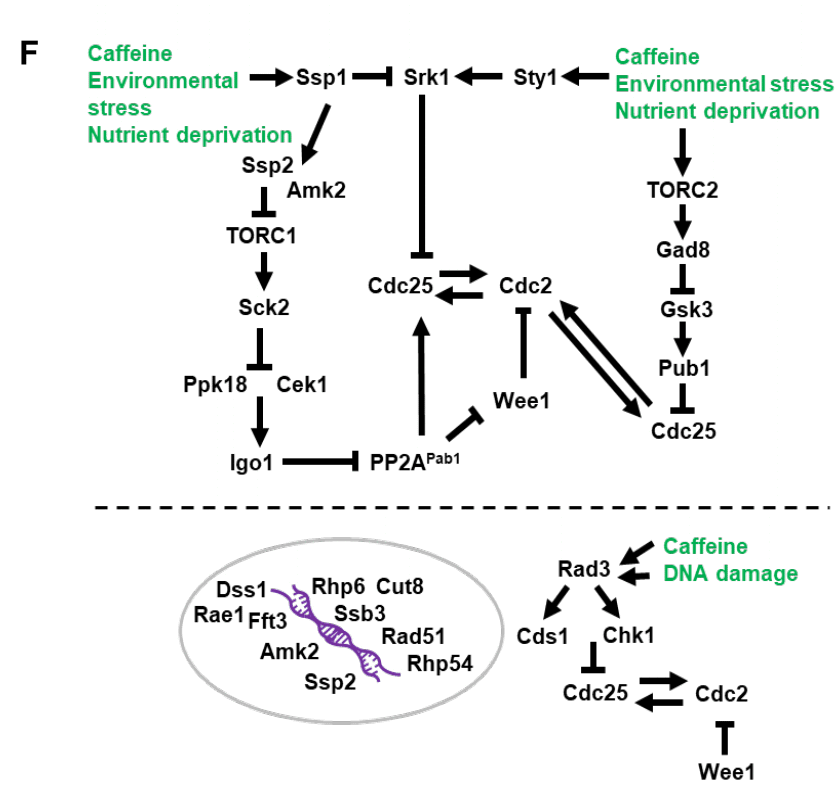
Dissecting the cell cycle regulation, DNA damage sensitivity and lifespan effects of caffeine in fission yeast
John-Patrick Alao1, Juhi Kumar1, Despina Stamataki2 and Charalampos Rallis1
Our findings show that caffeine accelerates mitotic division and is beneficial for CLS through AMPK. Direct pharmacological targeting of AMPK may serve towards healthspan and lifespan benefits beyond yeasts, given the highly conserved nature of this key regulatory cellular energy sensor.
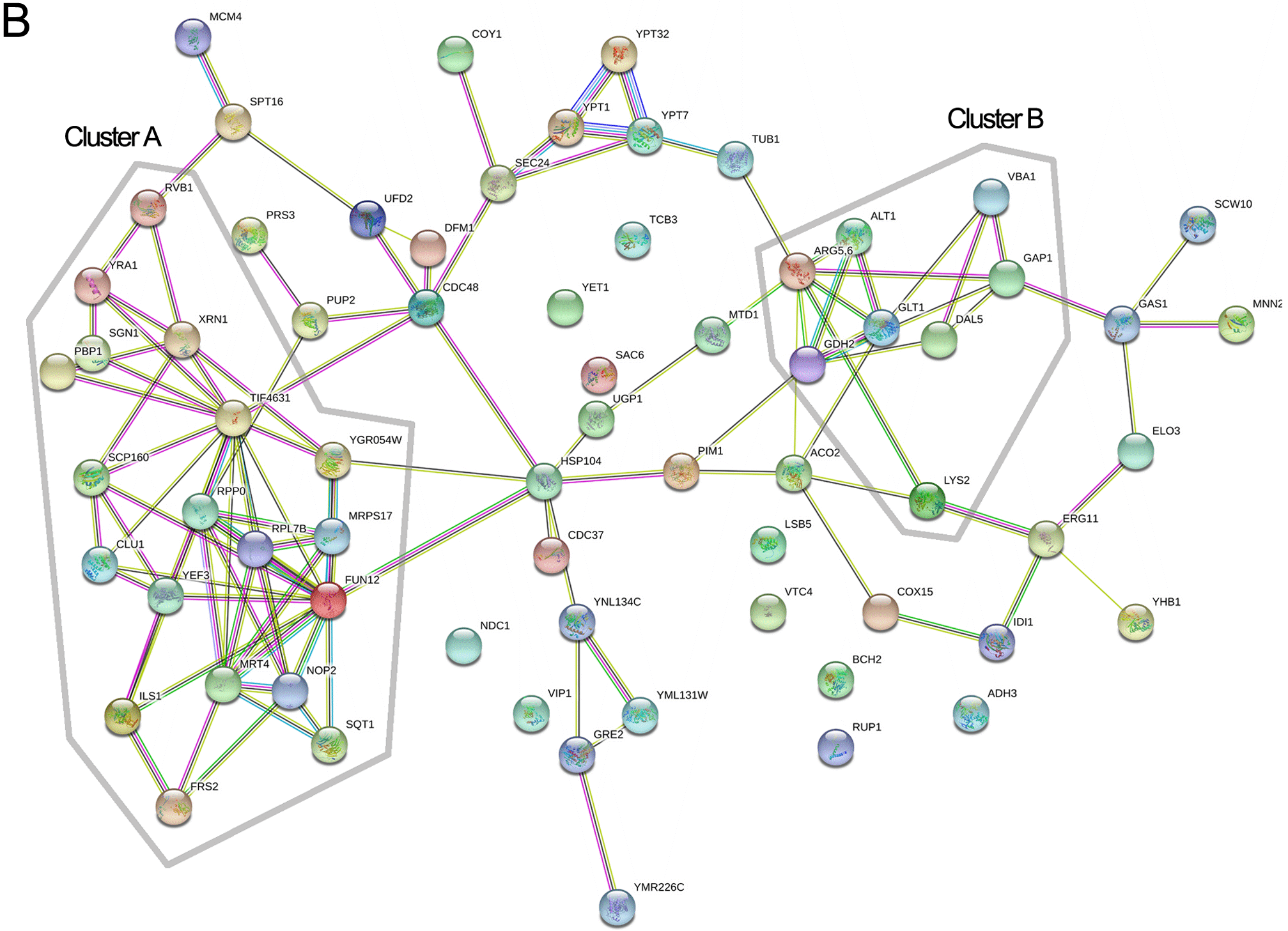
Uga3 influences nitrogen metabolism in Saccharomyces cerevisiae by modulating arginine biosynthesis
Nicolás Urtasun1,2,a, Sebastián Aníbal Muñoz1,a, Martín Arán3 and Mariana Bermúdez-Moretti1
Nitrogen metabolism in Saccharomyces cerevisiae is tightly regulated to optimize the utilization of available nitrogen sources. Uga3 is a known transcription factor involved in the gamma-aminobutyric acid (GABA) pathway; however, its broader role in nitrogen metabolism remains unclear.

An adenine model of inborn metabolism errors alters TDP-43 aggregation and reduces its toxicity in yeast revealing insights into protein misfolding diseases
Sangeun Park, Sei-Kyoung Park, Peter Blair and Susan W. Liebman
This work offers new insights into the potential interactions between me-tabolite-based amyloids and pathological protein aggregates, with broad implications for understanding protein misfolding diseases.
Identification of Ftr1 and Zrt1 as iron and zinc micronutrient transceptors for activation of the PKA pathway in Saccharomyces cerevisiae
March 2, 2017
We now show that the yeast high-affinity iron transporter Ftr1 and high-affinity zinc transporter Zrt1 function as transceptors for the micronutrients iron and zinc. We show that replenishment of iron to iron-starved cells or zinc to zinc-starved cells triggers within 1-2 minutes a rapid surge in trehalase activity, a well-established PKA target.
Balanced CoQ6 biosynthesis is required for lifespan and mitophagy in yeast
February 3, 2017
In brief, we show that, in yeast, Ptc7 modulates the adaptation to respiratory metabolism by dephosphorylating Coq7 to supply newly synthesized CoQ6, and by activating mitophagy to remove defective mitochondria at stationary phase, guaranteeing a proper CLS in yeast.
Mutational analysis of fructose-1,6-bis-phosphatase FBP1 indicates partially independent functions in gluconeogenesis and sensitivity to genotoxic stress
February 1, 2017
Our results support predicted vital roles of several fructose-1,6-bisphosphatase residues for enzymatic activity and led to the identification of residues indispensable for the MMS-sensitizing effect. Despite an overlap between these two properties, careful analysis revealed two mutations, Asn75 and His324, which decouple the enzymatic activity and the MMS-sensitizing effect, indicating two distinctive biological activities linked in this key gluconeogenesis enzyme.
The copper transport-associated protein Ctr4 can form prion-like epigenetic determinants in Schizosaccharomyces pombe
January 2, 2017
Ctr4 exhibits multiple features diagnostic of other fungal prions and is the first example of a prion in fission yeast. These findings suggest that transmissible protein-based determinants of traits may be more widespread among fungi.
Improvement of biochemical methods of polyP quantification
December 29, 2016
As the main output of this evaluation we propose a straightforward and robust procedure that can be used as gold standard protocol for cellular polyP purification and determination from unicellular organisms, thus providing consistency to measurements and facilitating inter-laboratory comparisons and biological interpretation of the results.
Bax mitochondrial relocation is linked to its phosphorylation and its interaction with Bcl-xL
December 5, 2016
The heterologous expression of Bax, and other Bcl-2 family members, in the yeast Saccharomyces cerevisiae, has proved to be a valuable reporter system to investigate the molecular mechanisms underlying their interaction with mitochondria. Our data provide the molecular basis for a model of dynamic equilibrium for Bax localization and activation, regulated both by phosphorylation and Bcl-xL.
Impact of histone H4K16 acetylation on the meiotic recombination checkpoint in Saccharomyces cerevisiae
December 4, 2016
In meiotic cells, the pachytene checkpoint or meiotic recombination checkpoint is a surveillance mechanism that monitors critical processes, such as recombination and chromosome synapsis, which are essential for proper distribution of chromosomes to the meiotic progeny. We report here that Sas2-mediated acetylation of histone H4 at lysine 16 (H4K16ac) modulates meiotic checkpoint activity in response to synaptonemal complex defects. Our results reveal that proper levels of H4K16ac orchestrate this meiotic quality control mechanism and that Sir2 impinges on additional targets to fully activate the checkpoint.
The transcription factors ADR1 or CAT8 are required for RTG pathway activation and evasion from yeast acetic acid-induced programmed cell death in raffinose
December 2, 2016
Yeast Saccharomyces cerevisiae grown on glucose undergoes programmed cell death (PCD) induced by acetic acid (AA-PCD), but evades PCD when grown in raffinose. This is due to concomitant relief of carbon catabolite repression (CCR) and activation of mitochondrial retrograde signaling. In this work, we investigated the relationships between the RTG and CCR pathways in the modulation of AA-PCD sensitivity under glucose repression or de-repression conditions. Our data show that simultaneous mitochondrial retrograde pathway activation and SNF1-dependent relief of CCR have a key role in central carbon metabolism reprogramming which modulates the yeast acetic acid-stress response.
The ubiquitin-conjugating enzyme, Ubc1, indirectly regulates SNF1 kinase activity via Forkhead-dependent transcription
November 5, 2016
The SNF1 kinase class of serine/threonine kinases, which includes the AMP-dependent protein kinase (AMPK) in other systems, are of widespread interest because of their important roles in glucose homeostasis, stress resistance, and aging. Our goal was to identify discrete ubiquitin-conjugating enzymes that are involved in SNF1 kinase activity in response to glucose levels and anticipated revealing those which are involved in Snf1-Ub attachment. Here, we report that the cell cycle and stress-related E2, Ubc1, indirectly affects SNF1 kinase activity not through stability, but through upstream events.
Phylogenetic profiles of all membrane transport proteins of the malaria parasite highlight new drug targets
August 30, 2016
In order to combat the on-going malaria epidemic, discovery of new drug targets remains vital. Proteins that are essential to survival and specific to malaria parasites are key candidates. Here, we present a comprehensive orthology assignment of all Plasmodium falciparum putative membrane transport proteins and provide a detailed overview of the associated essential gene functions obtained through experimental genetics studies in human and murine model parasites.