
Research Reports

A time-resolved high-throughput screening of fission yeast deletion mutants for oxidative stress resistance
Mohammadtaha Pirsalehi, Rowshan Ara Islam, Kristal Ng, Olga Xintarakou, Peter Harold Thorpe and Charalampos Rallis
By capturing dynamic trajectories rather than static outcomes, this study exposes hidden layers of growth under oxidative stress and identifies new genetic determinants of cellular resilience in fission yeast.
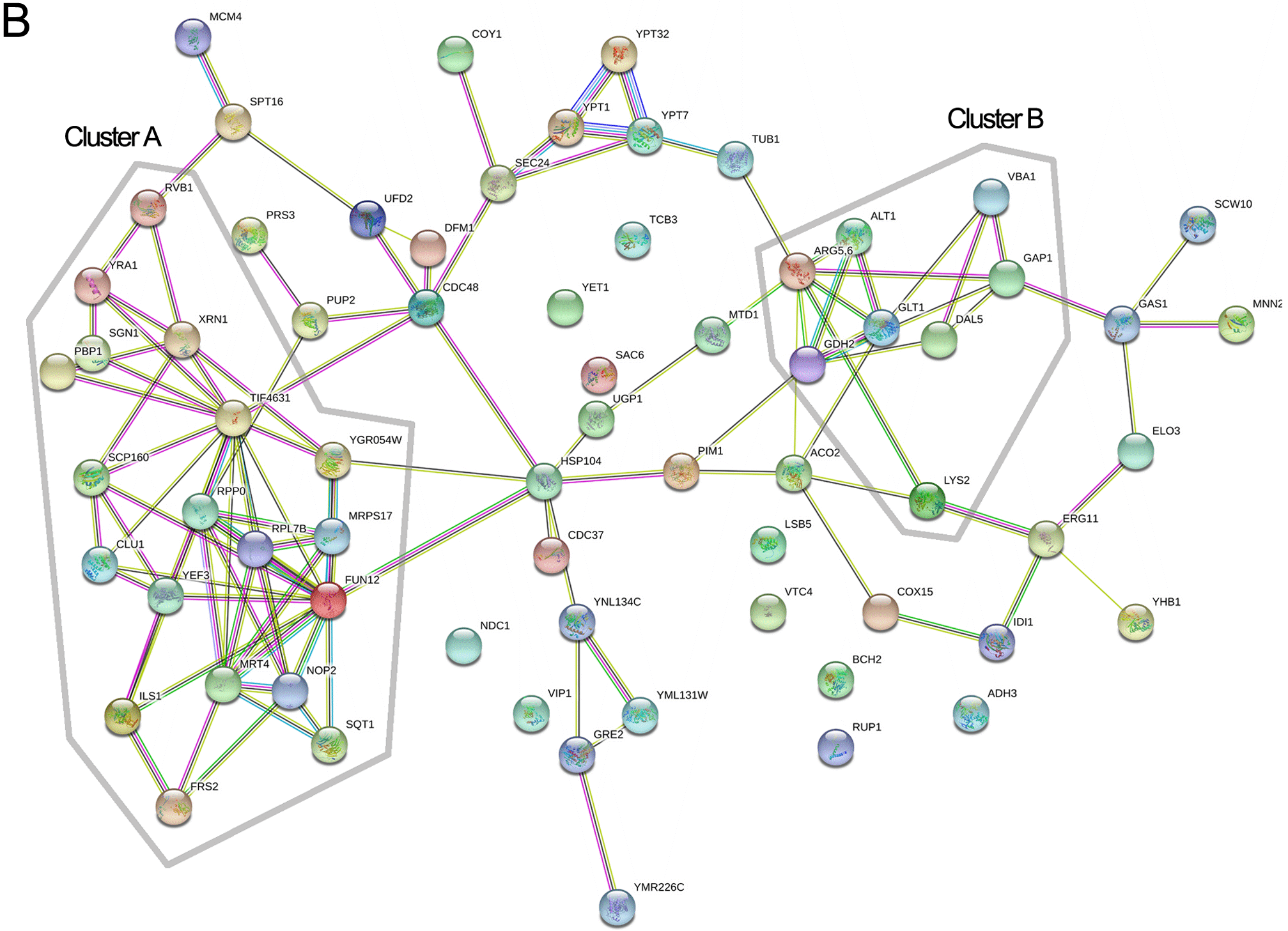
Uga3 influences nitrogen metabolism in Saccharomyces cerevisiae by modulating arginine biosynthesis
Nicolás Urtasun1,2,a, Sebastián Aníbal Muñoz1,a, Martín Arán3 and Mariana Bermúdez-Moretti1
Nitrogen metabolism in Saccharomyces cerevisiae is tightly regulated to optimize the utilization of available nitrogen sources. Uga3 is a known transcription factor involved in the gamma-aminobutyric acid (GABA) pathway; however, its broader role in nitrogen metabolism remains unclear.
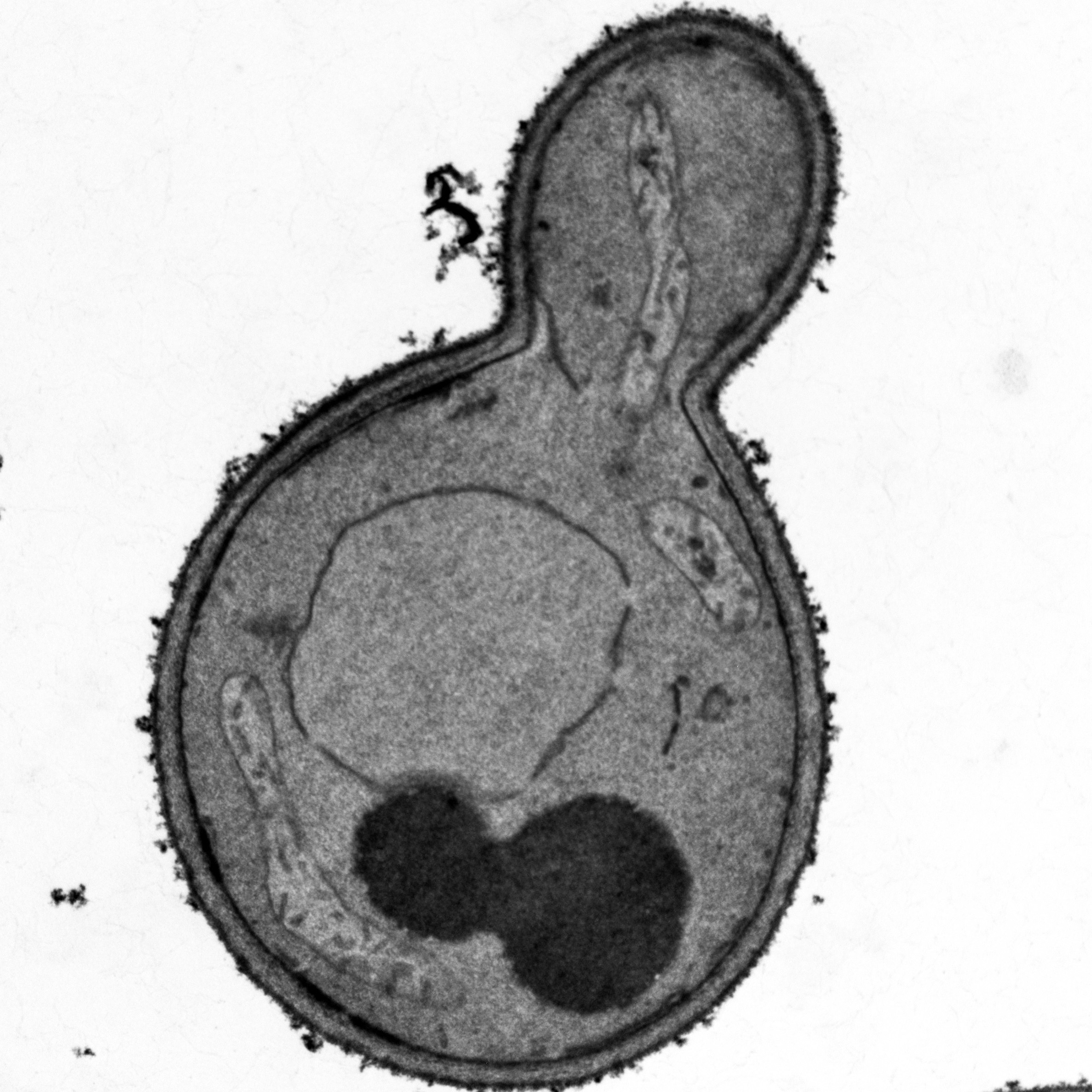
Microwave-assisted preparation of yeast cells for ultrastructural analysis by electron microscopy
Moritz Mayera, Christina Schuga, Stefan Geimer, Till Klecker and Benedikt Westermann
Budding yeast Saccharomyces cerevisiae is widely used as a model organism to study the biogenesis and architecture of organellar membranes, which can be visualized by transmission electron microscopy (TEM).

Direct detection of stringent alarmones (pp)pGpp using malachite green
Muriel Schicketanz1, Magdalena Petrová2, Dominik Rejman2, Margherita Sosio3, Stefano Donadio3 and Yong Everett Zhang1
In this study, we demonstrate the surprising discovery of a commercially available, low-cost malachite green (MG) detection kit, originally designed for orthophosphate (Pi) detection, for detecting (p)ppGpp and its analogues, especially pGpp

Unresolved mystery of cyclic nucleotide second messengers, periplasmic acid phosphatases and bacterial natural competence
Kristina Kronborg and Yong Everett Zhang
In this study we aimed to identify the promotors responsible for the expression of the non-specific acid phosphatase AphA during different starvation conditions, to confirm the requirement of the cAMP-dependent CRP regulon for aphA expression, and to finally identify regulators of its expression.

Yeast gene KTI13 (alias DPH8) operates in the initiation step of diphthamide synthesis on elongation factor 2
Meike Arend1, Koray Ütkür1, Harmen Hawer1, Klaus Mayer2, Namit Ranjan3, Lorenz Adrian4, Ulrich Brinkmann2 and Raffael Schaffrath1
We show here that apart from its effector role for Elongator-dependent tRNA modification in yeast, Kti13 alias Dph8 also operates in step one of the diphthamide modification pathway.

Caspase 3 exhibits a yeast metacaspase proteostasis function that protects mitochondria from toxic TDP43 aggregates
Steve Brunette1,#, Anupam Sharma1,2,#, Ryan Bell1, Lawrence Puente1 and Lynn A Megeney1,2,3,*
Caspase 3 activation is a hallmark of cell death and there is a strong correlation between elevated protease activity and evolving pathology in neurodegenerative disease, such as amyotrophic lateral sclerosis (ALS). These results suggest that caspase 3 is not inherently pathogenic, but may act as a compensatory proteostasis factor, to limit TDP-43 protein inclusions and protect organelle function in aggregation related degenerative disease.
Atg1, a key regulator of autophagy, functions to promote MAPK activation and cell death upon calcium overload in fission yeast
Teruaki Takasaki1, Ryosuke Utsumi1, Erika Shimada1, Asuka Bamba1, Kanako Hagihara2, Ryosuke Satoh1, and Reiko Sugiura1
Here, we provide evidence that the fission yeast Atg1 regulates cell death responses upon intracellular calcium load in addition to its role in promoting Pmk1 MAPK.
Exogenous folates stimulate growth and budding of Candida glabrata
May 1, 2015
Folate, vitamin B9, is well recognized as being essential for cell growth. The utilization of folate is common to all cells, but the source of it may be quite different. This article reports a novel response of yeast to folates that may increase the utility of yeast as a model to study folate transport and signaling.
Modeling human Coenzyme A synthase mutation in yeast reveals altered mitochondrial function, lipid content and iron metabolism
April 6, 2015
Mutations in nuclear genes associated with defective coenzyme A biosynthesis have been identified as responsible for some forms of neurodegeneration with brain iron accumulation (NBIA), namely PKAN and CoPAN. Yeast expressing a pathogenic mutation exhibited a temperature-sensitive growth defect in the absence of pantothenate and a reduced CoA content. Additional characterization revealed decreased oxygen consumption, reduced activities of mitochondrial respiratory complexes, higher iron content, increased sensitivity to oxidative stress and reduced amount of lipid droplets, thus partially recapitulating the phenotypes found in patients and establishing yeast as a potential model to clarify the pathogenesis underlying PKAN and CoPAN diseases.
Prokaryotic ancestry and gene fusion of a dual localized peroxiredoxin in malaria parasites
January 4, 2015
Horizontal gene transfer has emerged as a crucial driving force for the evolution of eukaryotes. This also includes Plasmodium falciparum and related economically and clinically relevant apicomplexan parasites, whose rather small genomes have been shaped not only by natural selection in different host populations but also by horizontal gene transfer following endosymbiosis. However, there is rather little reliable data on horizontal gene transfer between animal hosts or bacteria and apicomplexan parasites. Here we show that apicomplexan homologues of peroxiredoxin 5 (Prx5) have a prokaryotic ancestry and therefore represent a special subclass of Prx5 isoforms in eukaryotes. Using two different immunobiochemical approaches, we found that...
Two distinct and competitive pathways confer the cellcidal actions of artemisinins
January 1, 2015
The biological actions of artemisinin (ART), an antimalarial drug derived from Artemisia annua, remain poorly understood and controversial. This article concludes that ARTs are endowed with two major and distinct types of properties: a potent and specific mitochondria-dependent reaction and a more general and less specific heme-mediated reaction. The competitive nature of these two actions could be explained by their shared source of the consumable ARTs, so that inhibition of the heme-mediated degradation pathway would enable more ARTs to be available for the mitochondrial action. These properties of ARTs can be used to interpret the divergent antimalarial and anticancer actions of ARTs.
Loss of wobble uridine modification in tRNA anticodons interferes with TOR pathway signaling
November 29, 2014
The herein presented data suggest that proper TOR signaling requires intact tRNA modifications and that loss of U34 modifications impinges on the TOR-sensitive NCR branch via Gln3 misregulation.
Measurement of apoptosis by SCAN©, a system for counting and analysis of fluorescently labelled nuclei
November 26, 2014
This work reports on a system for analyses of apoptosis-like programmed cell death in fungal hyphae that is composed of several modules, which enable automatic quantification of nuclei with chromatin condensation and DNA strand break in large datasets according to nuclei-associated fluorescent markers.
Rewiring yeast acetate metabolism through MPC1 loss of function leads to mitochondrial damage and decreases chronological lifespan
November 18, 2014
This work shows that MPC1-deficient cells make up for their impairment in mitochondrial pyruvate with a metabolic rewiring which involves several intermediates of the mitochondrially localized TCA cycle and the cytosolic glyoxylate shunt but ultimately results in a pro-aging process.
Overexpression of the transcription factor Yap1 modifies intracellular redox conditions and enhances recombinant protein secretion
October 31, 2014
This article investigates the role of Yap1 during the production of recombinant secretory proteins in glucose based growth conditions in Pichia pastoris, and reports a novel role of Yap1 during ER-resident oxidative protein folding.
Functional analysis of lipid metabolism genes in wine yeasts during alcoholic fermentation at low temperature
October 29, 2014
This study confirms the importance of specific genes in growth and fermentation activity of Saccharomyces cerevisiae at low temperature.