
Research, Research Reports
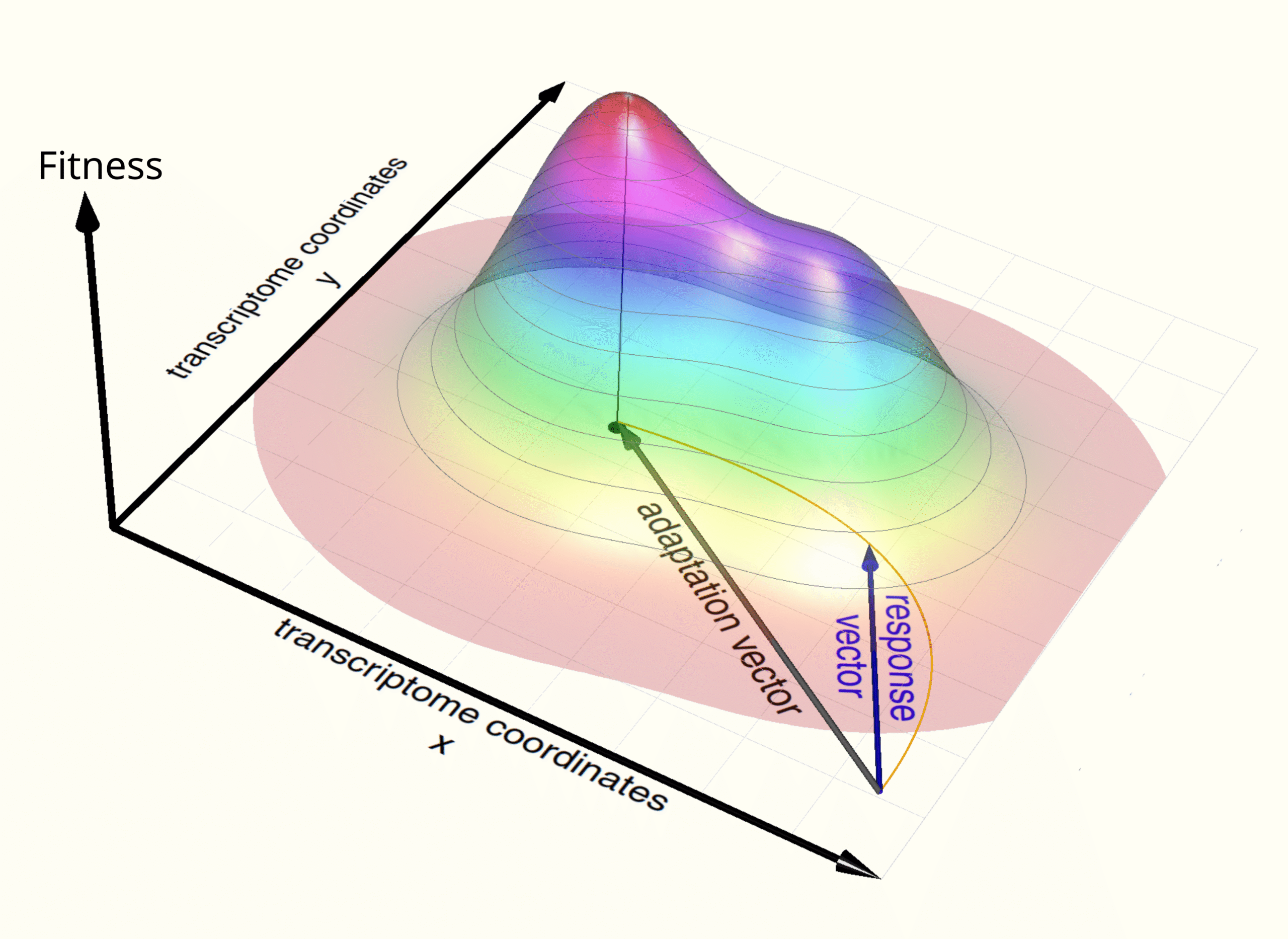
Fungal stress responses from the view of transcriptome vectors
Károly Antal1, István Pócsi2,3 and Tamás Emri2,3,*
The paper introduces a spatial model of transcriptomes, where stress responses are vectors. It explains why comparisons are difficult and how this approach improves interpretation.
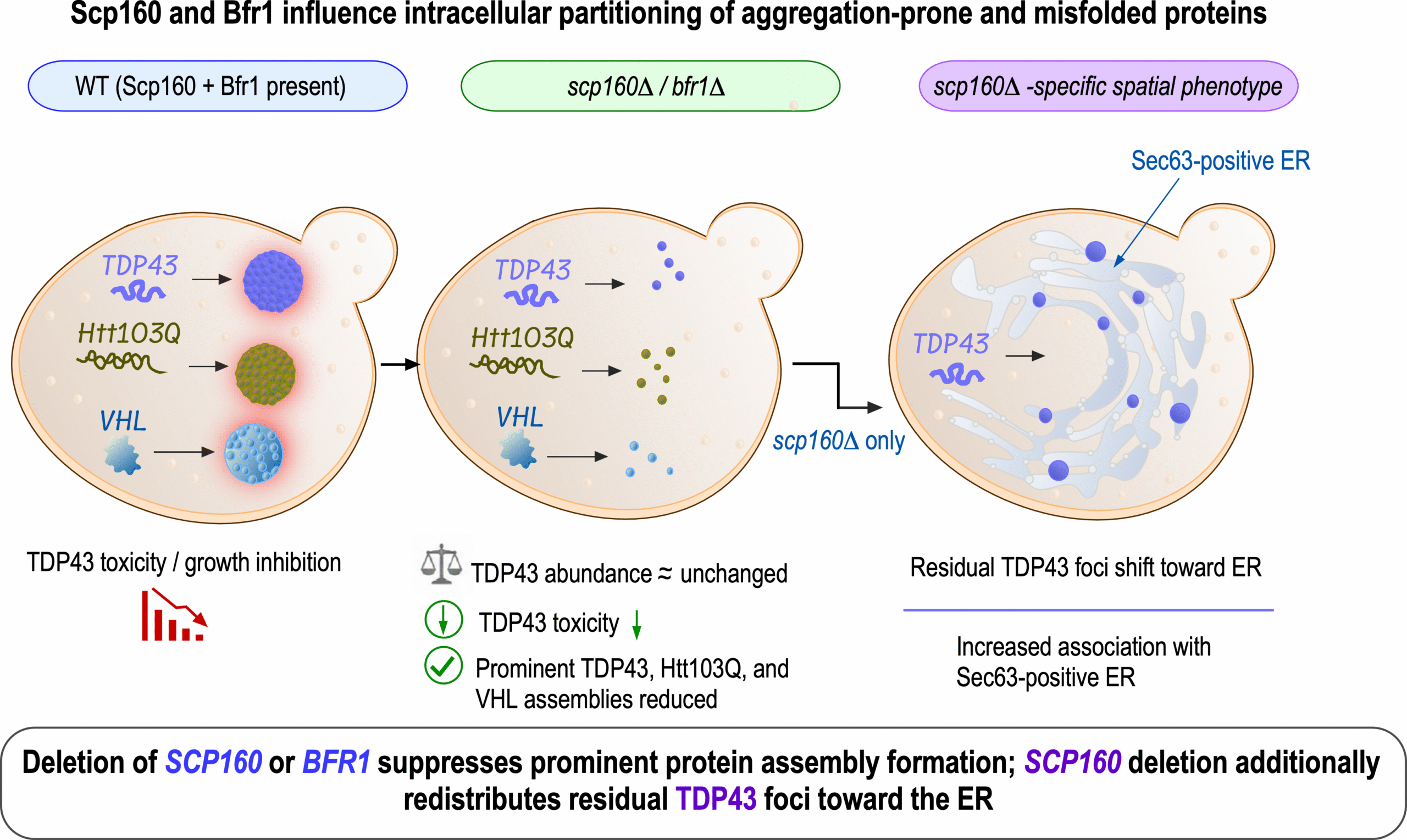
Scp160 deletion suppresses TDP-43 aggregation and toxicity in Saccharomyces cerevisiae
Joan Castells-Ballester and Natalia Shcherbik
Deletion of SCP160 or BFR1 reduces TDP-43 toxicity without lowering TDP-43 protein abundance and suppresses prominent TDP-43, Htt103Q, and VHL aggregation, while SCP160 deletion also shifts residual TDP-43 foci toward the ER.
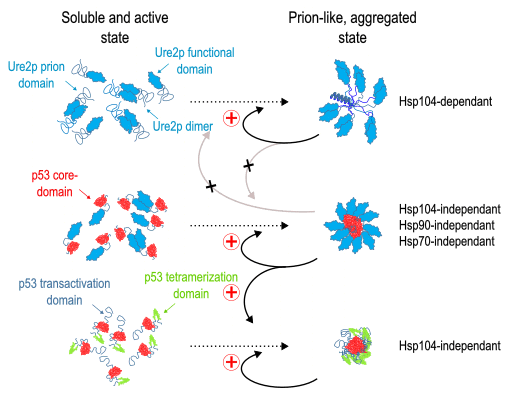
The p53 DNA-Binding (Core) Domain can form a prion that seeds prion formation in full-length p53
Mathilde Kadouch1, Christelle Marchal1, Sei-Kyoung Park2, Sangeun Park2, Sabine Castano1, Susan W. Liebman2 and Christophe Cullin1
In yeast the p53 core-domain forms a self-propagating prion that inactivates a reporter and converts untagged full-length p53 to a prion. R175H in the tagged chimera shows 18x higher prionization, linking it to p53 inactivation in human cancers.
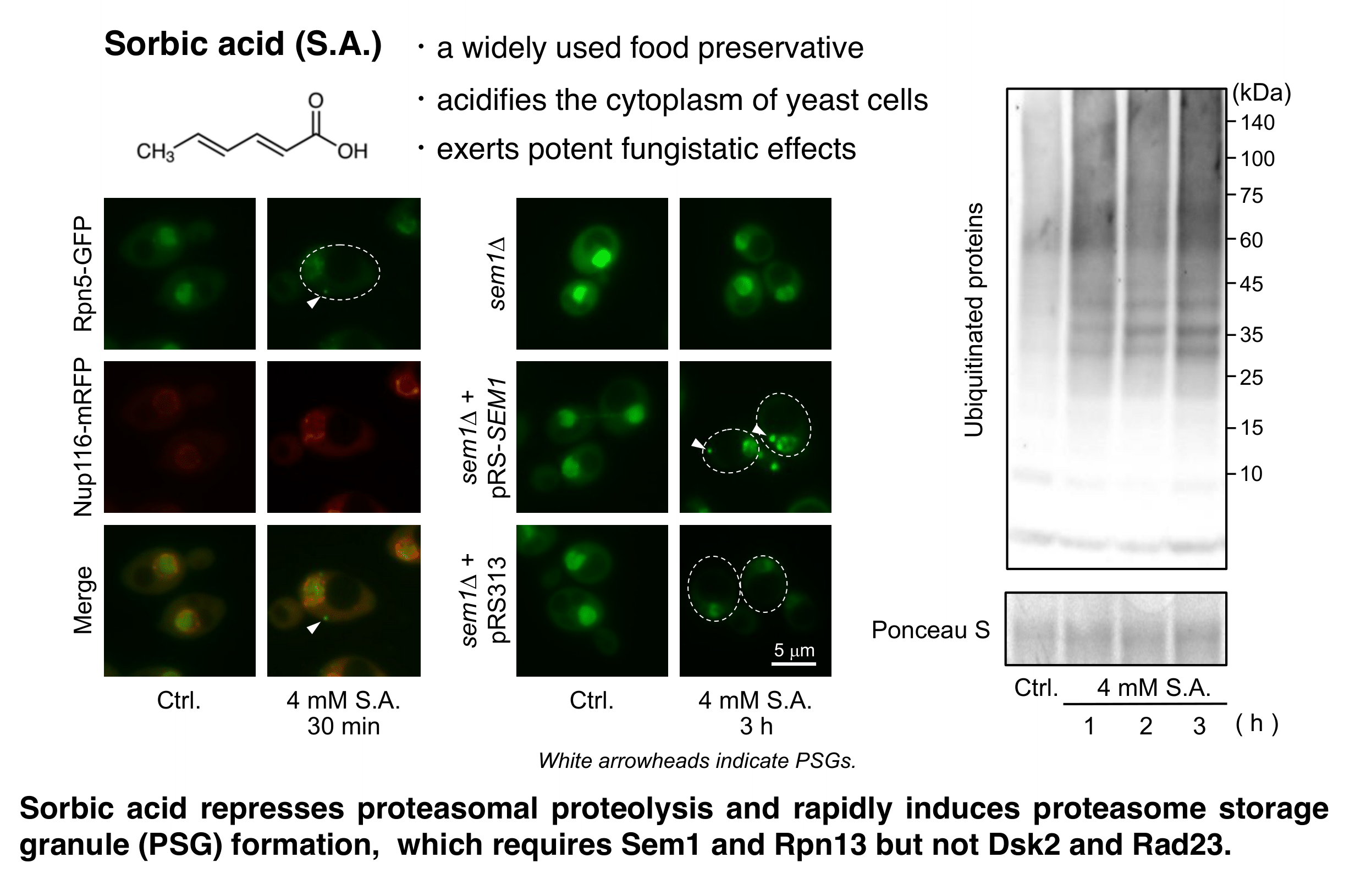
Sorbic acid triggers rapid formation of proteasome storage granules in Saccharomyces cerevisiae
Shoei Tanaka1, Mitsuki Imajo1, Mieko Hayashi2, Akira Matsuura2 and Shingo Izawa1
This study demonstrates that sorbic acid, a common food preservative, induces the fastest reported proteasome storage granule (PSG) formation in yeast within 30 min, highlighting differences from other PSG-inducing conditions like acetic acid stress.

A time-resolved high-throughput screening of fission yeast deletion mutants for oxidative stress resistance
Mohammadtaha Pirsalehi, Rowshan Ara Islam, Kristal Ng, Olga Xintarakou, Peter Harold Thorpe and Charalampos Rallis
By capturing dynamic trajectories rather than static outcomes, this study exposes hidden layers of growth under oxidative stress and identifies new genetic determinants of cellular resilience in fission yeast.
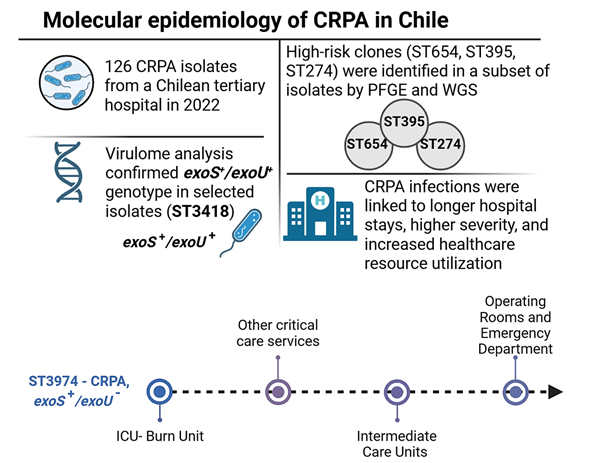
Clonal spread and environmental persistence of carbapenem-resistant high-risk Pseudomonas aeruginosa in critical-care units of a Chilean national referral center for burn and trauma patients (2022)
Camila Ibarra1, Gustavo Araya2, Alhejandra Alvarez2, Leonardo Enríquez2, Carolina Arellano2, Fabricio Alarcón1, Constanza Fernández1, Claudio Vargas1, Rodrigo Vera1 and Roberto M. Vidal2
This study highlight the circulation of high-risk P. aeruginosa clones in Chile and underscore the importance of molecular epidemiology in guiding infection control, optimizing antimicrobial therapy, and mitigating the clinical and economic burden of CRPA.
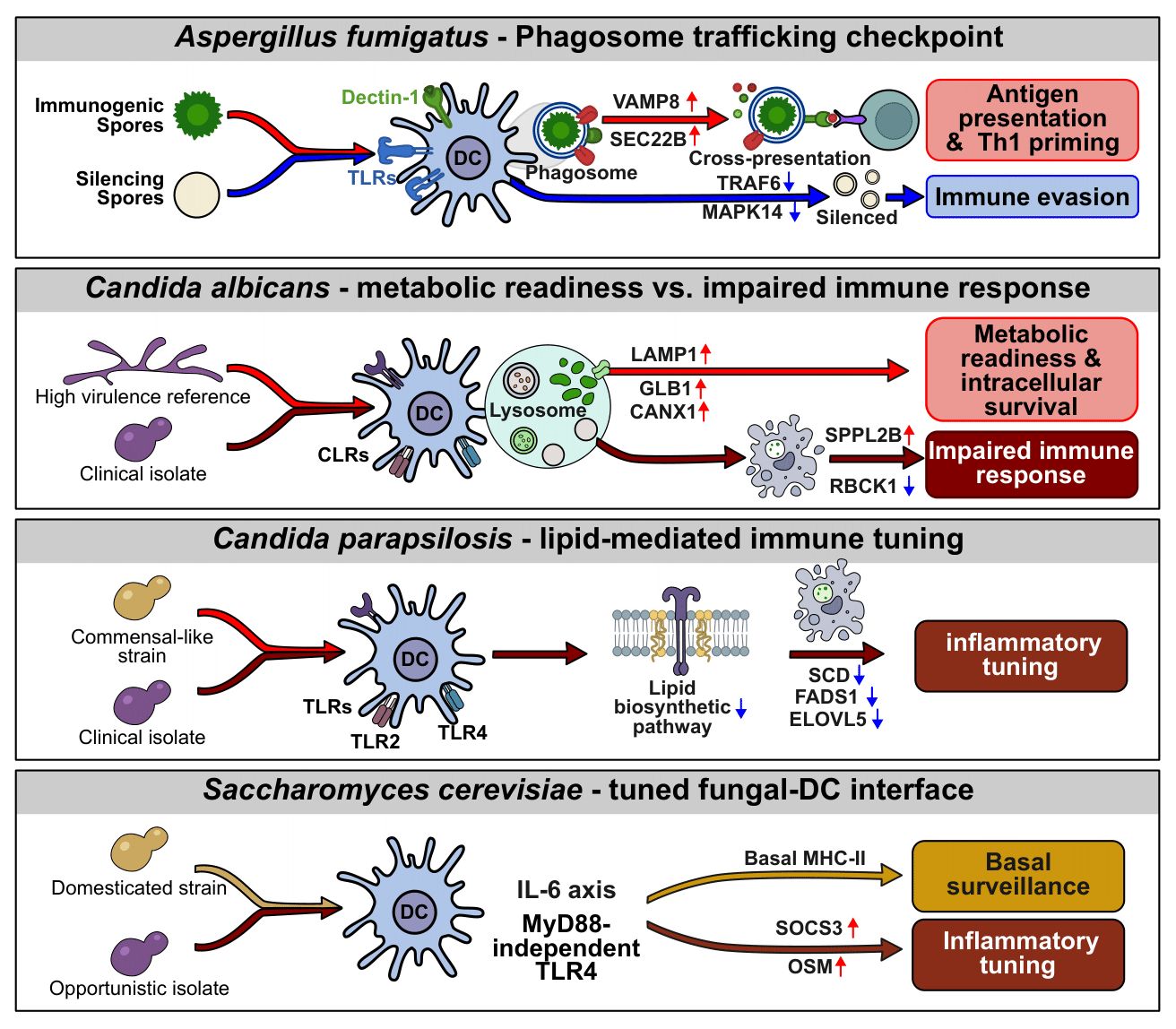
The transcriptome of dendritic cells redraws the boundaries between pathogenicity and commensalism in yeast
Lisa Rizzetto1, Irene Stefanini2, Stefano Nenciarini3, Monica Di Paola3, Samantha Riccadonna1, Ivo G. Gut4,5, Marta Gut4,5, Simon Heath4,5 and Duccio Cavalieri3
Our immune system meets many fungi, but reacts strongly to only a few. The comparison of key fungal species showed that responses differ mainly in timing and not just genes, highlighting the need to rethink what makes fungi harmful vs. harmless.
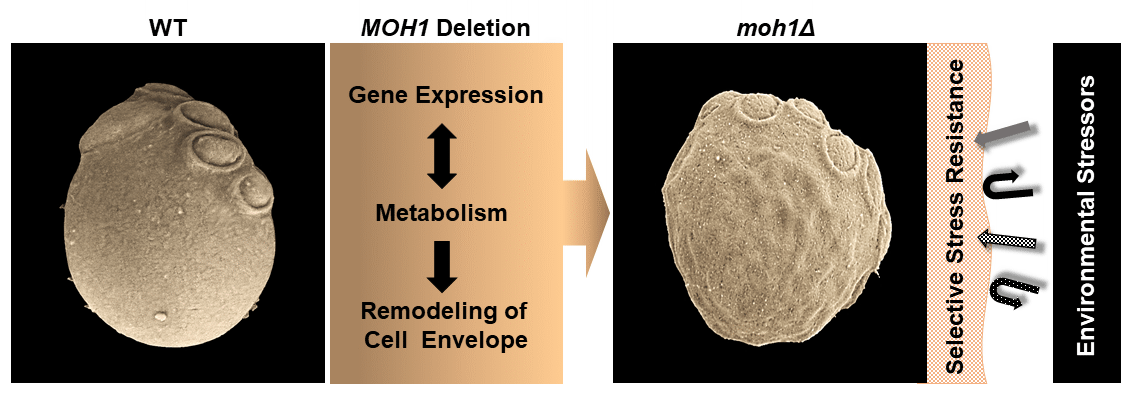
Yippee-like protein Moh1 links gene expression to metabolism and selective stress resistance in Saccharomyces cerevisiae
Çağla Ece Olgun1,a, Gizem Turan Duman1,a, Gizem Güpür1, Hamit İzgi1, Mariam Huda2, Demet Çetin3, Zekiye Suludere4, Fatma Küçük Baloğlu5, Ayşe Koca Çaydaşı2 and Mesut Muyan1
This study demonstrates that the conserved yeast protein Moh1 links metabolism, gene expression, and cell structure, thereby altering cell envelope permeability and leading to selective stress responses.
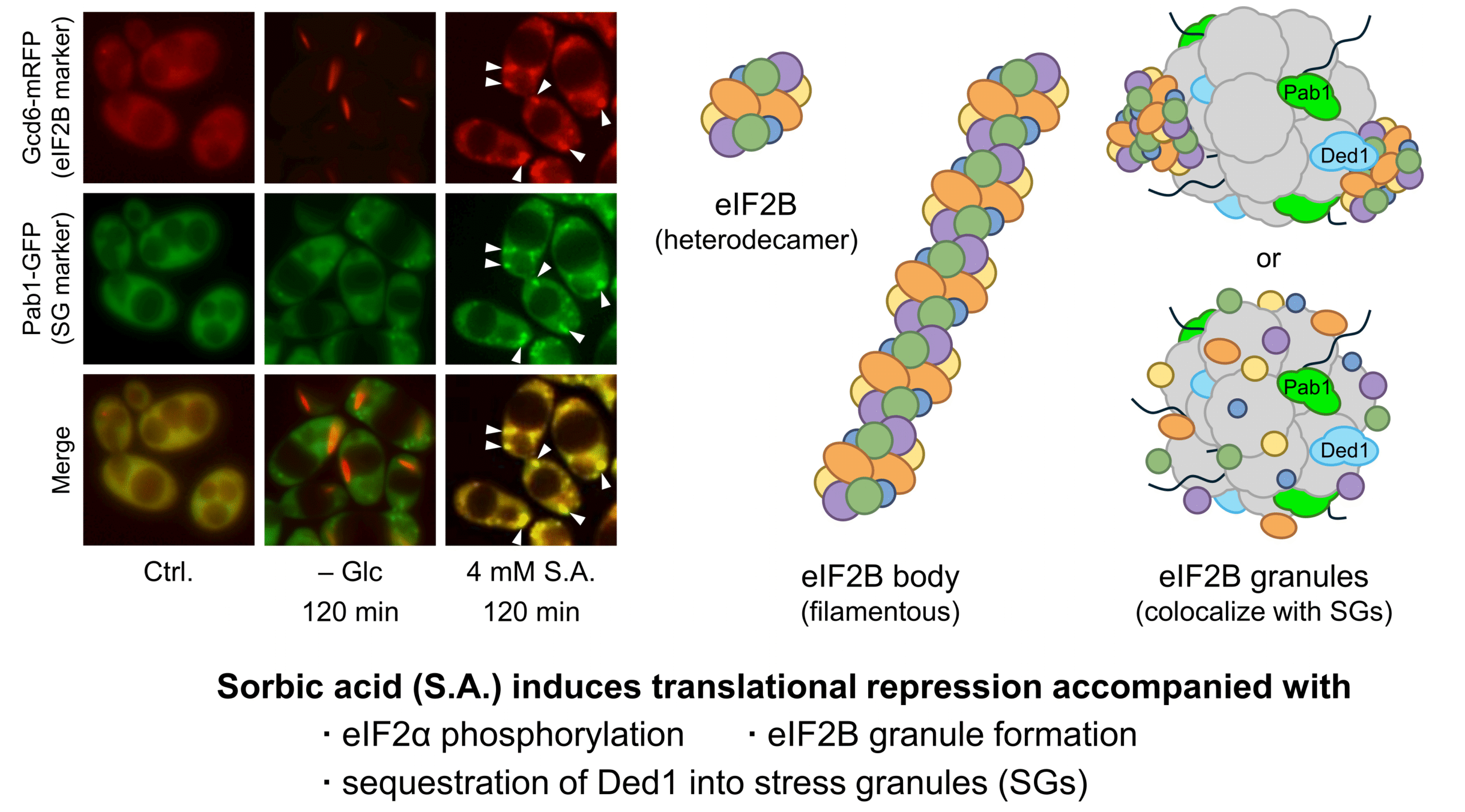
Fungistatic effect of sorbic acid on yeast cells via translational repression involving eIF2α phosphorylation and formation of Ded1- and eIF2B-granules
Haruka Yoshiyama1, Wataru Nomura2 and Shingo Izawa1
The findings of this study provide new insights into the physiological effects of sorbic acid on yeast cells, specifically regarding the regulation of translation-related factors.
Filamentation protects Candida albicans from amphotericin B-induced programmed cell death via a mechanism involving the yeast metacaspase, MCA1
April 25, 2016
Candida albicans proliferates in two distinct cell types: blastopores and filaments. Programmed cell death is a controlled form of cell suicide that occurs when C. albicans cells are exposed to fungicidal drugs like amphotericin B and caspofungin, and to other stressful conditions. We provide evidence that programmed cell death is cell-type specific in yeast: Filamentous C. albicans cells are more resistant to amphotericin B- and caspofungin-induced programmed cell death than their blastospore counterparts. Our genetic data suggest that this phenomenon is mediated by a protective mechanism involving the yeast metacaspase, MCA1.
Formaldehyde fixation is detrimental to actin cables in glucose-depleted S. cerevisiae cells
April 13, 2016
Actin filaments form cortical patches and emanating cables in fermenting cells of Saccharomyces cerevisiae. We assume that stability of actin cables reflects the metabolic status of the cell. Based on comparison of live and formaldehyde-fixed cells, our data suggest that formaldehyde affects respiration before fixation and this uneven signaling results in destabilization of actin cables in glucose-deprived cells.
Insights into dynamin-associated disorders through analysis of equivalent mutations in the yeast dynamin Vps1
March 22, 2016
The dynamins represent a superfamily of proteins that have been shown to function in a wide range of membrane fusion and fission events. An increasing number of mutations in the human classical dynamins, Dyn-1 and Dyn-2 has been reported, with diseases caused by these changes ranging from Charcot-Marie-Tooth disorder to epileptic encephalopathies. This study aimed to use the dynamin-like protein Vps1 of Saccharomyces cerevisiae as a model to gain insights into the mechanistic defects caused by specific dynamin mutations considered to underlie a number of diseases.
Genomic saturation mutagenesis and polygenic analysis identify novel yeast genes affecting ethyl acetate production, a non-selectable polygenic trait
March 18, 2016
Isolation of mutants in populations of microorganisms has been a valuable tool in experimental genetics for decades. The main disadvantage, however, is the inability of isolating mutants in non-selectable polygenic traits. Our study shows that genomic saturation mutagenesis combined with complex trait polygenic analysis could be used successfully to identify causative alleles underlying many non-selectable, polygenic traits in small collections of haploid strains with multiple induced mutations.
Differentiated cytoplasmic granule formation in quiescent and non-quiescent cells upon chronological aging
March 3, 2016
Stationary phase cultures represent a complicated cell population comprising at least two different cell types, quiescent (Q) and non-quiescent (NQ) cells. The authors show that the cell fate of NQ cells is largely irreversible even if they are allowed to reenter mitosis. Their results reveal that the formation of different granule structures may represent the early stage of cell type differentiation in yeast stationary phase cultures.
Towards understanding the gliotoxin detoxification mechanism: in vivo thiomethylation protects yeast from gliotoxin cytotoxicity
February 19, 2016
Gliotoxin is a mycotoxin produced by some species of ascomycete fungi including the opportunistic human pathogen Aspergillus fumigatus. In order to produce gliotoxin the host organism needs to have evolved a self-protection mechanism. The authors demonstrate that the activity of a novel thiomethyltransferase is requiered for protection against exogenous gliotoxin and provide implications for understanding the evolution of gliotoxin self-protection mechanisms.
Mitochondrial proteomics of the acetic acid – induced programmed cell death response in a highly tolerant Zygosaccharomyces bailii – derived hybrid strain
January 22, 2016
Very high concentrations of acetic acid at low pH induce programmed cell death (PCD) in both the experimental model Saccharomyces cerevisiae and in Zygosaccharomyces bailii, the latter being considered the most problematic acidic food spoilage yeast due to its remarkable intrinsic resistance to this food preservative. This study offers insights into the mechanisms involved in acetic acid - induced PCD in the Z. bailii-derived hybrid strain ISA1307 by analyzing the yeast mitochondrial protein expression profile of cells challenged by acetic acid.
The transcriptional repressor Sum1p counteracts Sir2p in regulation of the actin cytoskeleton, mitochondrial quality control and replicative lifespan in Saccharomyces cerevisiae
January 18, 2016
Increasing the stability or dynamics of the actin cytoskeleton can extend lifespan in C. elegans and S. cerevisiae. Actin cables of budding yeast, bundles of actin filaments that mediate cargo transport, affect lifespan control through effects on mitochondrial quality control. Here, we report that Sum1p and Sir2p inversely regulate actin and mitochondrial maintenance, as well as lifespan.
Inhibition of Aβ42 oligomerization in yeast by a PICALM ortholog and certain FDA approved drugs
January 18, 2016
The formation of small Aβ42 oligomers has been implicated as a toxic species in Alzheimer disease (AD). Here, we show that the mechanism of the PICALM, human AD risk factor, is likely to reduce the level of Aβ42 oligomers in cells. We screened FDA-approved drugs to identify candidates that prevent the formation of Aβ42 small oligomers using the yeast Aβ42-RF reporter system. We also showed that each of the drug hits counteract yeast and mammalian cell toxicity associated with Aβ42 small aggregates.
Global translational impacts of the loss of the tRNA modification t6A in yeast
December 18, 2015
The universal tRNA modification t6A is found at position 37 of nearly all tRNAs decoding ANN codons. Analysis of codon occupancy rates suggests that one of the major roles of t6A is to homogenize the process of elongation by slowing the elongation rate at codons decoded by high abundance tRNAs and I34:C3 pairs while increasing the elongation rate of rare tRNAs and G34:U3 pairs. This work reveals that the consequences of t6A absence are complex and multilayered and has set the stage to elucidate the molecular basis of the observed phenotypes.