
Research, Research Articles

A metagenomic approach to unveil the association between fecal gut microbiota and short-chain fatty acids in diarrhea caused by diarrheagenic Escherichia coli in children
Pablo Gallardo1,2, Mariana Izquierdo2, Tomeu Viver3, Esteban Bustos-Caparros3, Dana Piras2, Roberto M. Vidal4, Hermie J.M. Harmsen1 and Mauricio J. Farfan2
Diarrheagenic Escherichia coli (DEC) is the main cause of diarrhea in children under five years old. The virulence of DEC is tightly regulated by environmental signals influenced by the gut microbiota and its metabolites. Our results increase the knowledge of the association between short chain fatty acids during diarrhea and changes in the microbiota composition associated with the presence of DEC pathogens.
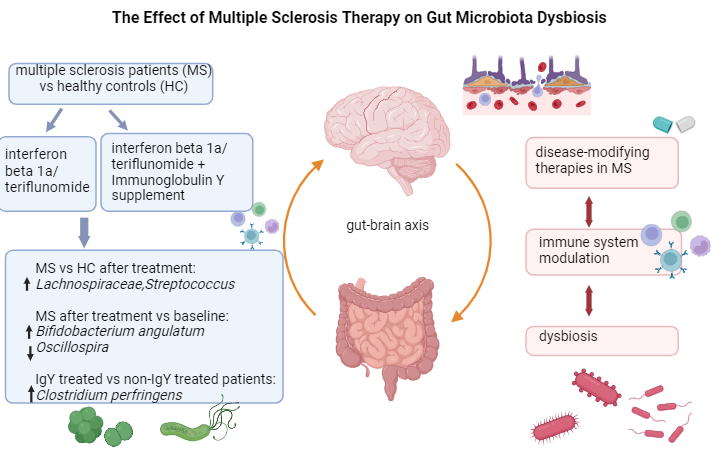
The effect of multiple sclerosis therapy on gut microbiota dysbiosis: a longitudinal prospective study
Andreea-Cristina Paraschiv1,a, Vitalie Vacaras1,2,a, Cristina Nistor1,2, Cristiana Vacaras3, Stefan Strilciuc1 and Dafin F Muresanu1,2
The gut microbiota, a complex ecosystem with various immune functions, plays a significant role in MS, and its response to different treatments is highlighted in this study. In clinical practice, maintaining a healthy microbiota is crucial for individuals with MS.
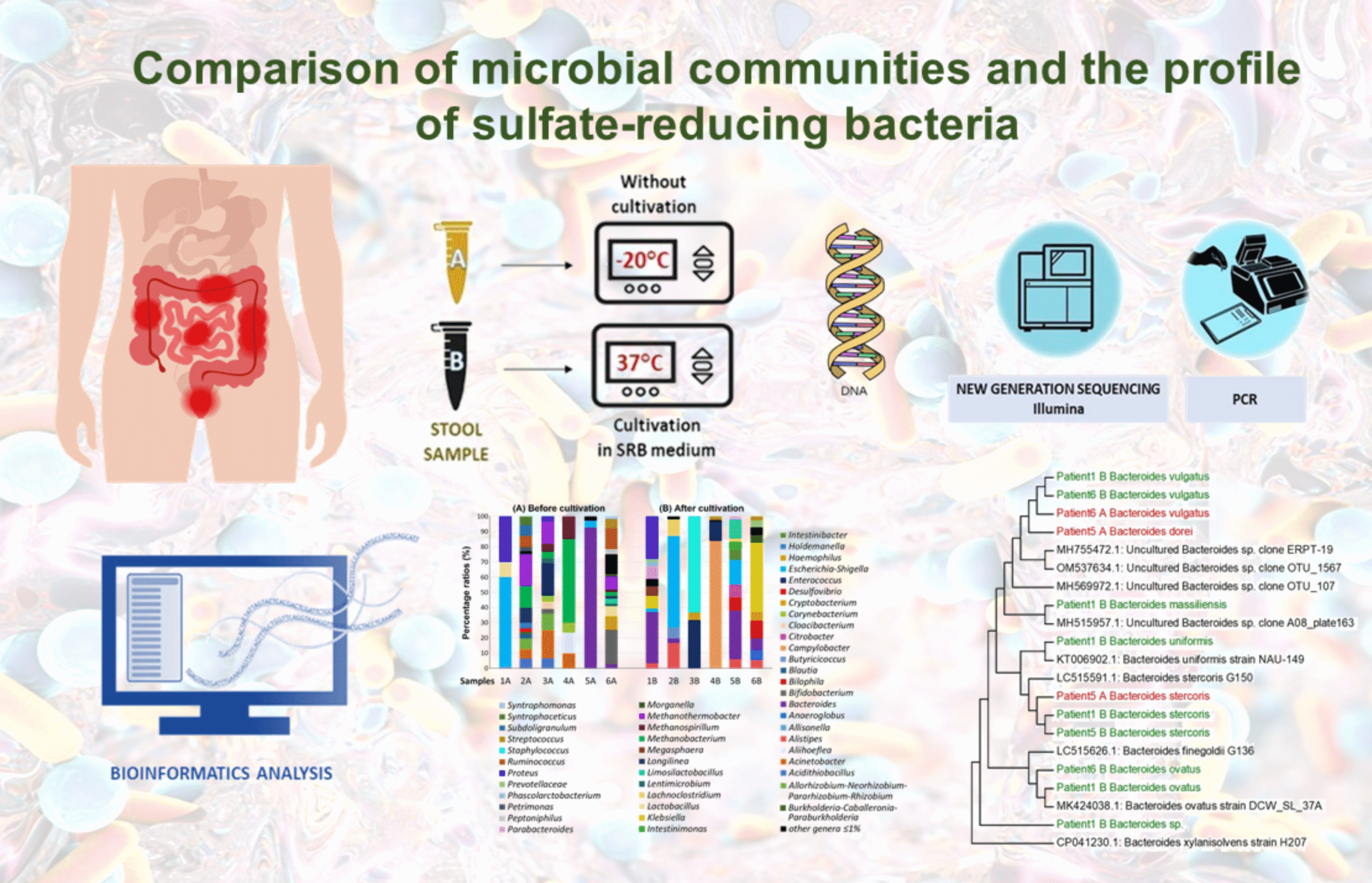
Comparison of microbial communities and the profile of sulfate-reducing bacteria in patients with ulcerative colitis and their association with bowel diseases: a pilot study
Ivan Kushkevych1, Kristýna Martínková1, Lenka Mráková1, Francesco Giudici2, Simone Baldi2, David Novak3, Márió Gajdács4, Monika Vítězová1, Dani Dordevic5, Amedeo Amedei2 and Simon K.-M. R. Rittmann6
Considerable evidence has accumulated regarding the molecular relationship between gut microbiota (GM) composition and the onset (clinical presentation and prognosis) of ulcerative colitis UC. Our findings highlight, among other observations, significant variations in the gut microbial composition among patients with varying disease severity and activity.

Replicative aging in yeast involves dynamic intron retention patterns associated with mRNA processing/export and protein ubiquitination
Jesús Gómez-Montalvo1, Alvaro de Obeso Fernández del Valle1, Luis Fernando De la Cruz Gutiérrez1, Jose Mario Gonzalez-Meljem1 and Christian Quintus Scheckhuber1
Saccharomyces cerevisiae has yielded relevant insights into some of the basic mechanisms of organismal aging. Among these are genomic instability, oxidative stress, caloric restriction and mitochondrial dysfunction. Our work uncovers a previously unexplored layer of the transcriptional program of yeast aging and, more generally, expands the knowledge on the occurrence of alternative splicing in baker´s yeast.

Quantifying yeast lipidomics by high-performance thin-layer chromatography (HPTLC) and comparison to mass spectrometry-based shotgun lipidomics
Thorsten Meyer1, Oskar Knittelfelder2, Martin Smolnig1 and Patrick Rockenfeller1
Lipidomic analysis in diverse biological settings has become a frequent tool to increase our understanding of the processes of life. Here we describe a method to analyse basic lipidomics in yeast using HPTLC and offer comparison to measurement of the same samples with MS-based shotgun lipidomics.

A cobalt concentration sensitive Btu-like system facilitates cobalamin uptake in Anabaena sp. PCC 7120
Julia Graf1, Leonard Fresenborg1,2, Hans-Michael Seitz2,3, Rafael Pernil1 and Enrico Schleiff1,2,4,5
Metal homeostasis is central to all forms of life, as metals are essential micronutrients with toxic effects at elevated levels. Our results provide novel information on the uptake of cobalamin and the regulation of the cellular cobalt content in cyanobacteria.
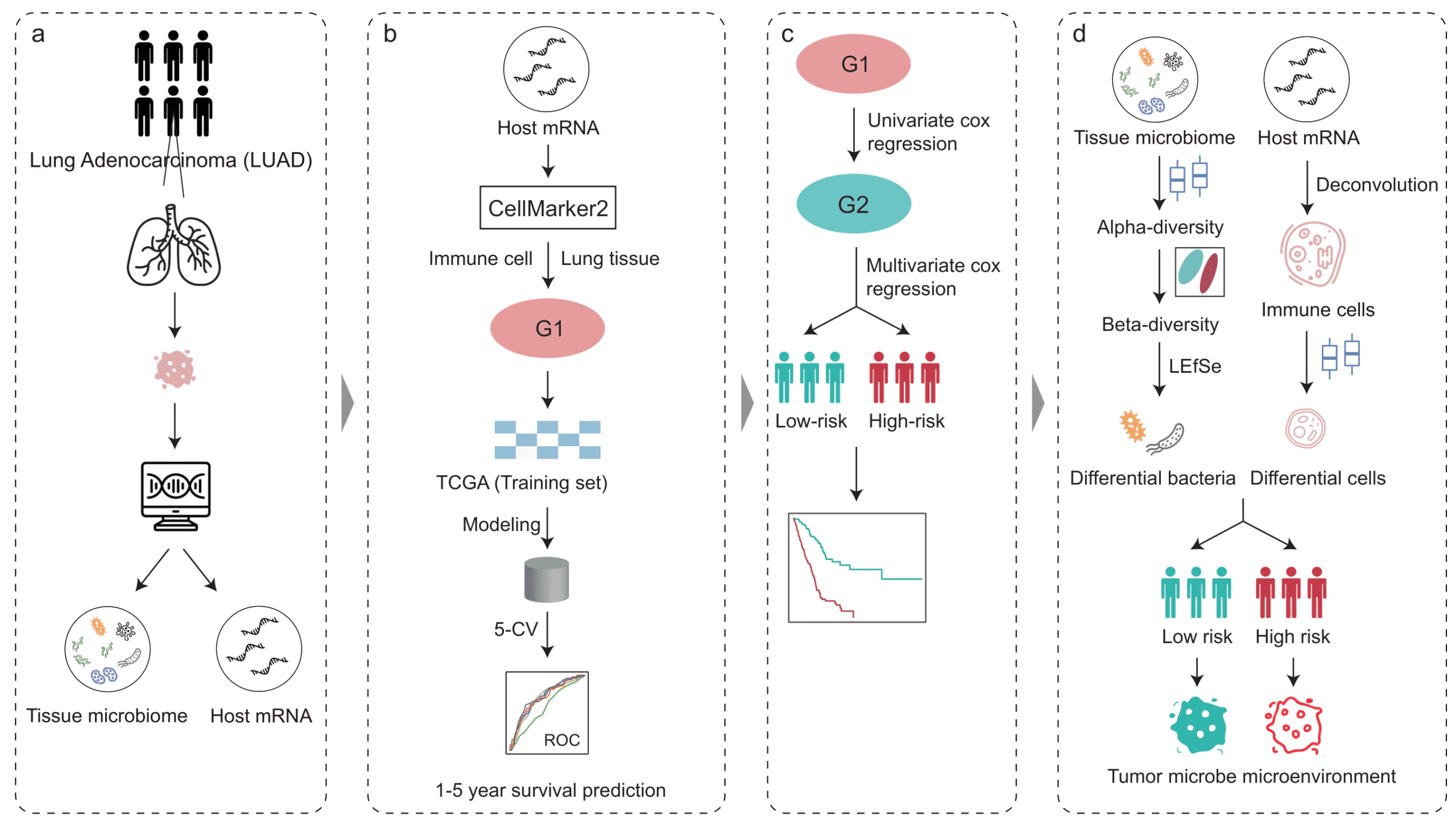
Predictable regulation of survival by intratumoral microbe-immune crosstalk in patients with lung adenocarcinoma
Shuo Shi1, Yuwen Chu2,3, Haiyan Liu4,5, Lan Yu6,7,8, Dejun Sun8,9, Jialiang Yang2,3,5, Geng Tian2,3, Lei Ji2,3, Cong Zhang10 and Xinxin Lu11
Intratumoral microbiota can regulate the tumor immune microenvironment (TIME) and mediate tumor prognosis by promoting inflammatory response or inhibiting anti-tumor effects. Our study demonstrated that intratumoral microbiota-immune crosstalk was strongly associated with prognosis in LUAD patients, which would provide new targets for the development of precise therapeutic strategies.

Two TonB-dependent outer membrane transporters involved in heme uptake in Anabaena sp. PCC 7120
Julia Graf1, Martin Schöpperle1,2, Rafael Pernil1 and Enrico Schleiff1,3,4
Low availability of micronutrients such as iron has enforced the evolution of uptake systems in all kingdoms of life. In our study, we conclude that heme transport might not be restricted to Anabaena, but at the same time is not specific to a cyanobacterial order and thus might be related to the habitat of origin, a notion which needs to be challenged in the future.

The last two transmembrane helices in the APC-type FurE transporter act as an intramolecular chaperone essential for concentrative ER-exit
Yiannis Pyrris1, Georgia F. Papadaki1, Emmanuel Mikros2 and George Diallinas1,3
FurE is a H+ symporter specific for the cellular uptake of uric acid, allantoin, uracil, and toxic nucleobase analogues in the fungus Aspergillus nidulans. Being member of the NCS1 protein family, FurE is structurally related to the APC-superfamily of transporters.
Integrative Omics reveals changes in the cellular landscape of peroxisome-deficient pex3 yeast cells
February 20, 2025
To uncover the consequences of peroxisome deficiency, we compared Saccharomyces cerevisiae wild-type with pex3 cells, which lack peroxisomes, employing quantitative proteomics and transcriptomics technologies.
Microwave-assisted preparation of yeast cells for ultrastructural analysis by electron microscopy
November 18, 2024
Budding yeast Saccharomyces cerevisiae is widely used as a model organism to study the biogenesis and architecture of organellar membranes, which can be visualized by transmission electron microscopy (TEM).
A complex remodeling of cellular homeostasis distinguishes RSV/SARS-CoV-2 co-infected A549-hACE2 expressing cell lines
October 8, 2024
Given the common tropism of SARS-CoV-2 and RSV, and the unclear consequences of their mutual influence, we developed an in vitro lung epithelial cell model to study the molecular mechanisms and cellular pathways modulated in viral co-infection.
Fecal gelatinase does not predict mortality in patients with alcohol-associated hepatitis
August 26, 2024
This study aimed to investigate the significance of fecal gelatinase on clinical outcomes in patients with alcohol-associated hepatitis. In conclusion, in our cohort, fecal gelatinase does not predict mortality and does not indicate higher disease severity in patients with alcohol-associated hepatitis.
Direct detection of stringent alarmones (pp)pGpp using malachite green
August 5, 2024
In this study, we demonstrate the surprising discovery of a commercially available, low-cost malachite green (MG) detection kit, originally designed for orthophosphate (Pi) detection, for detecting (p)ppGpp and its analogues, especially pGpp
Promoter methylation and increased expression of PD-L1 in patients with active tuberculosis
July 29, 2024
The PD-1/PD-L1 pathway plays a pivotal role in T cell activity and is involved in the pathophysiology of tuberculosis. Here we show that PD-L1 expression is increased in patients with active tuberculosis and is correlated with treatment outcomes.
Quantification methods of Candida albicans are independent irrespective of fungal morphology
July 26, 2024
Our study demonstrated that the quantification methods of C. albicans (cells/mL, CFU/mL, and vPCR) did not agree, regardless of the fungal morphology/growth, even though a significant and strong correlation is observed.
Pathogenic Escherichia coli change the adhesion between neutrophils and endotheliocytes in the experimental bacteremia model
July 22, 2024
In this work, we have demonstrated that in the model of experimental septicemia there is a disruption of adhesion contacts between neutrophils and endothelial cells, manifested by a decrease in adhesion force and work upon exposure to E. coli.
Arsenite treatment induces Hsp90 aggregates distinct from conventional stress granules in fission yeast
July 19, 2024
Given the conserved role of Hsp90 as a molecular chaperone protein, our findings presented in this study may suggest a novel type of arsenite-induced biological condensates, wherein Hsp90 plays a key role in maintaining its integrity.