
Research Articles

Expansion of metabolically labelled endocytic organelles and cytoskeletal cell structures in Giardia lamblia using optimised U- ExM protocols
Clirim Jetishi1,2,a, Erina A. Balmer1,2,a, Bianca M. Berger1,2,a, Carmen Faso1,3,4 and Torsten Ochsenreiter1
Understanding cellular ultrastructure is tightly bound to microscopic resolution and the ability to identify individual components at that resolution. In this study we demonstrate mostly isotropic 4.5-fold expansion of several different compartments in Giardia cells and present an optimised, shortened, and modular protocol that can be swiftly adjusted to the investigators needs.

Polyadenylated versions of small non-coding RNAs in Saccharomyces cerevisiae are degraded by Rrp6p/Rrp47p independent of the core nuclear exosome
Anusha Chaudhuri1,#, Soumita Paul2,#, Mayukh Banerjea2 and Biswadip Das2
In this investigation, we unveiled a novel functional role of the major nuclear 3′→5′ exoribonuclease, Rrp6p, and its cofactor Rrp47p in the degradation of polyadenylated versions of several mature sncRNAs, including 5S, 5.8S rRNAs, all sn- and some select snoRNAs in the baker’s yeast S. cerevisiae.
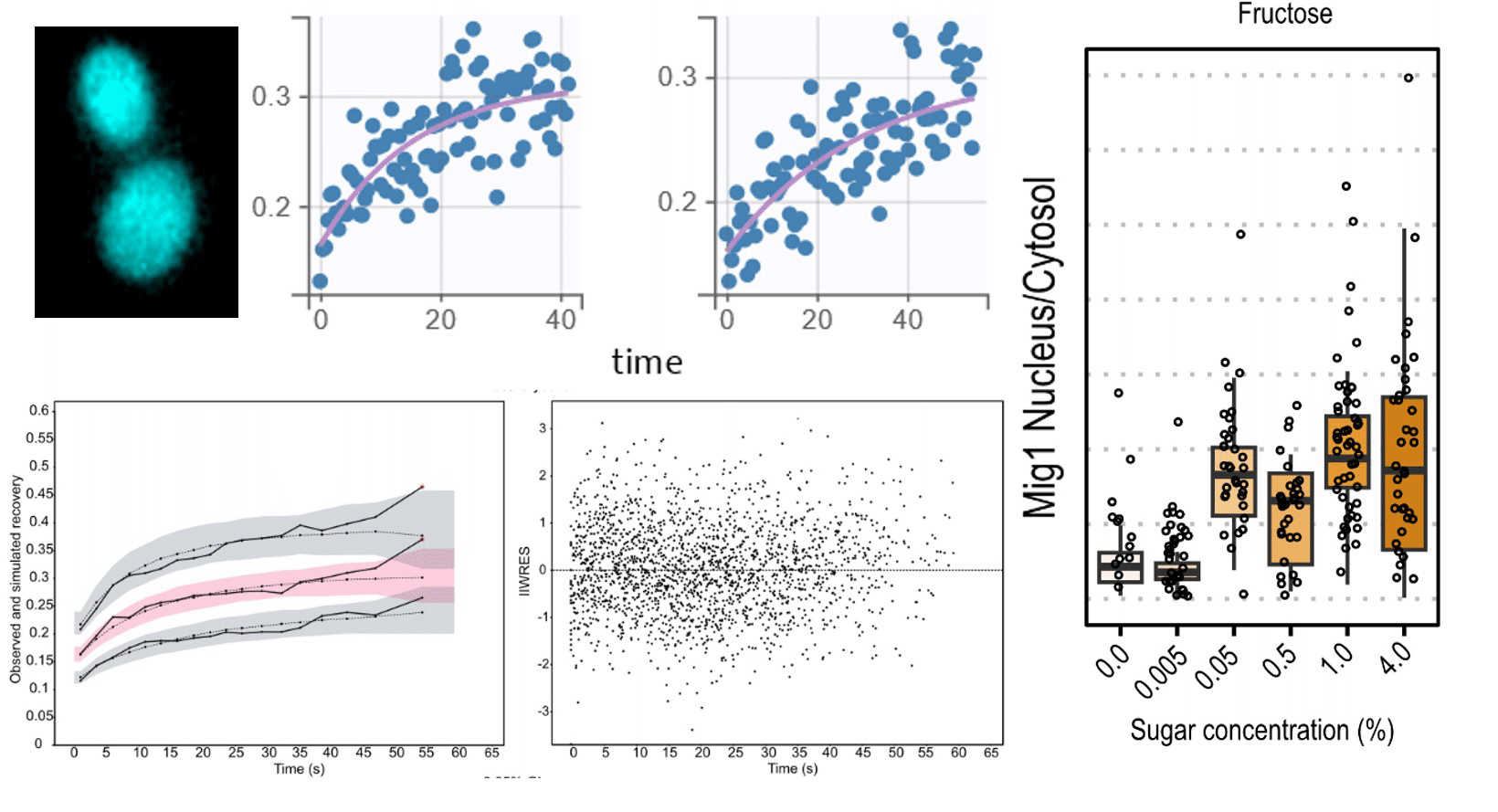
Exploring carbon source related localization and phosphorylation in the Snf1/Mig1 network using population and single cell-based approaches
Svenja Braam1, Farida Tripodi2, Linnea Österberg1,3, Sebastian Persson1, Niek Welkenhuysen1, Paola Coccetti2 and Marija Cvijovic1
In this work we set out to explore the relationship between the subcellular localization and regulation of kinases in the context of carbon source signaling. The data presented in this paper reinforce the notion that not only the activation/inactivation of kinases but also their subcellular localization and that of their targets influence fate decisions in response to environmental changes.

A Modular Cloning Toolkit for the production of recombinant proteins in Leishmania tarentolae
Katrin Hieronimus1,2,#, Tabea Donauer1,2,#, Jonas Klein1,#, Bastian Hinkel1,#, Julia Vanessa Spänle1,#, Anna Probst1,#, Justus Niemeyer1,#, Salina Kibrom1, Anna Maria Kiefer1, Luzia Schneider2, Britta Husemann2, Eileen Bischoff2, Sophie Möhring2, Nicolas Bayer1, Dorothée Klein1, Adrian Engels1, Benjamin Gustav Ziehmer2, Julian Stieß3, Pavlo Moroka1, Michael Schroda1, and Marcel Deponte2
Modular Cloning (MoClo) is based on libraries of standardized genetic parts that can be directionally assembled via Golden Gate cloning in one-pot reactions into transcription units and multigene constructs. We established a MoClo toolkit and exemplified its application for the production of recombinant proteins in L. tarentolae.

A metagenomic approach to unveil the association between fecal gut microbiota and short-chain fatty acids in diarrhea caused by diarrheagenic Escherichia coli in children
Pablo Gallardo1,2, Mariana Izquierdo2, Tomeu Viver3, Esteban Bustos-Caparros3, Dana Piras2, Roberto M. Vidal4, Hermie J.M. Harmsen1 and Mauricio J. Farfan2
Diarrheagenic Escherichia coli (DEC) is the main cause of diarrhea in children under five years old. The virulence of DEC is tightly regulated by environmental signals influenced by the gut microbiota and its metabolites. Our results increase the knowledge of the association between short chain fatty acids during diarrhea and changes in the microbiota composition associated with the presence of DEC pathogens.
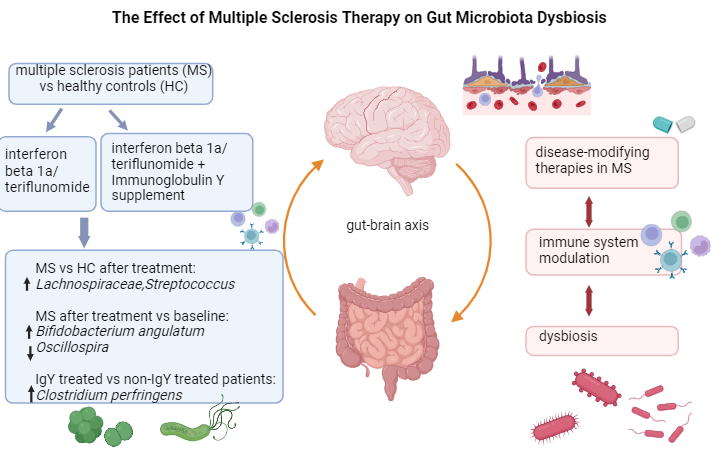
The effect of multiple sclerosis therapy on gut microbiota dysbiosis: a longitudinal prospective study
Andreea-Cristina Paraschiv1,a, Vitalie Vacaras1,2,a, Cristina Nistor1,2, Cristiana Vacaras3, Stefan Strilciuc1 and Dafin F Muresanu1,2
The gut microbiota, a complex ecosystem with various immune functions, plays a significant role in MS, and its response to different treatments is highlighted in this study. In clinical practice, maintaining a healthy microbiota is crucial for individuals with MS.
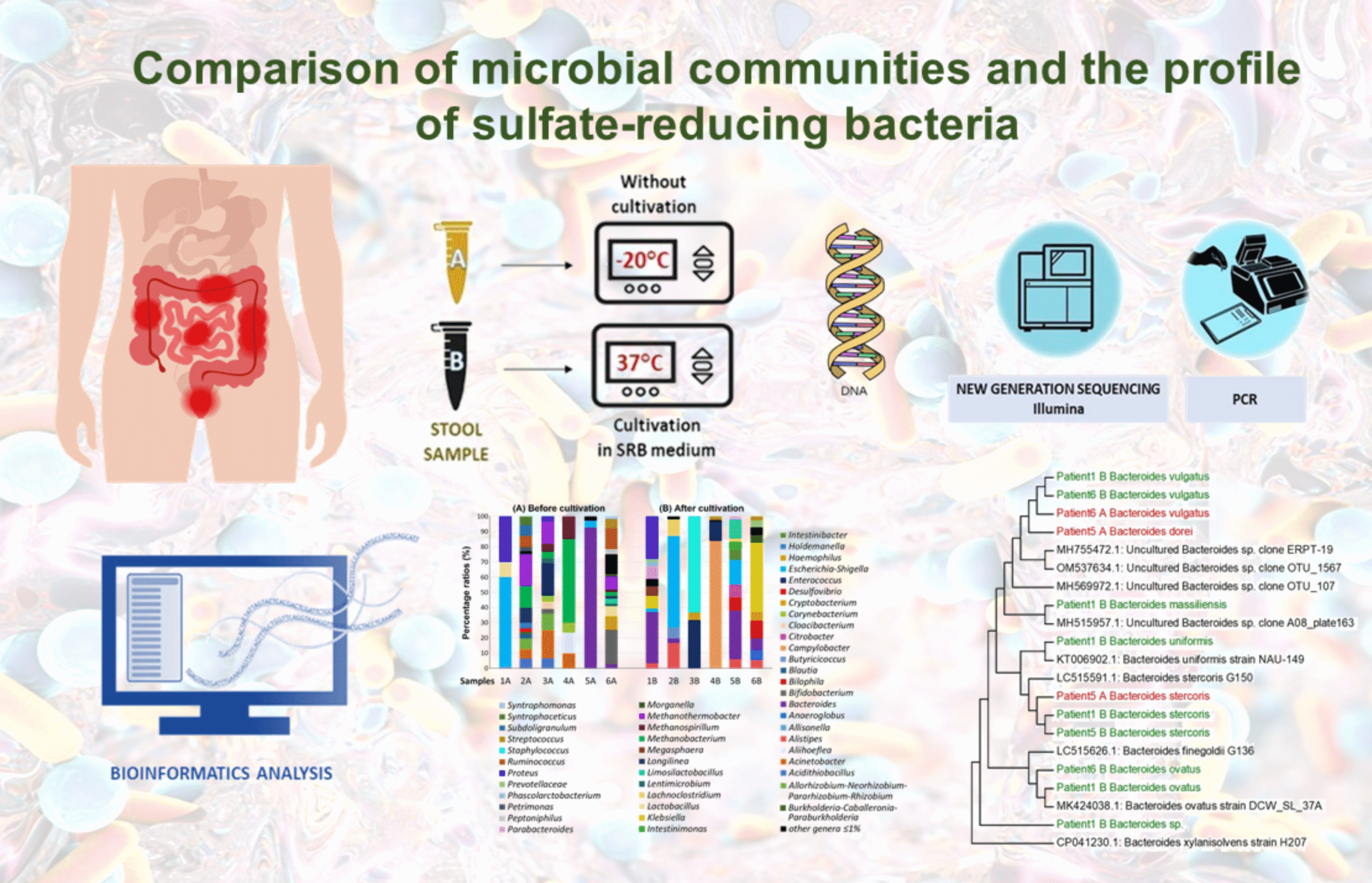
Comparison of microbial communities and the profile of sulfate-reducing bacteria in patients with ulcerative colitis and their association with bowel diseases: a pilot study
Ivan Kushkevych1, Kristýna Martínková1, Lenka Mráková1, Francesco Giudici2, Simone Baldi2, David Novak3, Márió Gajdács4, Monika Vítězová1, Dani Dordevic5, Amedeo Amedei2 and Simon K.-M. R. Rittmann6
Considerable evidence has accumulated regarding the molecular relationship between gut microbiota (GM) composition and the onset (clinical presentation and prognosis) of ulcerative colitis UC. Our findings highlight, among other observations, significant variations in the gut microbial composition among patients with varying disease severity and activity.

Replicative aging in yeast involves dynamic intron retention patterns associated with mRNA processing/export and protein ubiquitination
Jesús Gómez-Montalvo1, Alvaro de Obeso Fernández del Valle1, Luis Fernando De la Cruz Gutiérrez1, Jose Mario Gonzalez-Meljem1 and Christian Quintus Scheckhuber1
Saccharomyces cerevisiae has yielded relevant insights into some of the basic mechanisms of organismal aging. Among these are genomic instability, oxidative stress, caloric restriction and mitochondrial dysfunction. Our work uncovers a previously unexplored layer of the transcriptional program of yeast aging and, more generally, expands the knowledge on the occurrence of alternative splicing in baker´s yeast.

Quantifying yeast lipidomics by high-performance thin-layer chromatography (HPTLC) and comparison to mass spectrometry-based shotgun lipidomics
Thorsten Meyer1, Oskar Knittelfelder2, Martin Smolnig1 and Patrick Rockenfeller1
Lipidomic analysis in diverse biological settings has become a frequent tool to increase our understanding of the processes of life. Here we describe a method to analyse basic lipidomics in yeast using HPTLC and offer comparison to measurement of the same samples with MS-based shotgun lipidomics.
DadY (PA5303) is required for fitness of Pseudomonas aeruginosa when growth is dependent on alanine catabolism
November 22, 2022
Pseudomonas aeruginosa inhabits diverse environmental niches that can have varying nutrient composition. The ubiquity of this organism is facilitated by a metabolic strategy that preferentially utilizes low-energy, non-fermentable organic acids, such as amino acids, rather than the high-energy sugars preferred by many other microbes. The amino acid alanine is among the preferred substrates of P. aeruginosa. The dad locus encodes the constituents of the alanine catabolic pathway of P. aeruginosa. Physiological roles for DadR (AsnC-type transcriptional activator), DadX (alanine racemase), and DadA (D-amino acid dehydrogenase) have been defined in this pathway. An additional protein, PA5303, is encoded in the dad locus in P. aeruginosa. PA5303 is a member of the ubiquitous Rid protein superfamily and is designated DadY based on the data presented herein. (...)
Multiple genome analysis of Candida glabrata clinical isolates renders new insights into genetic diversity and drug resistance determinants
October 13, 2022
The emergence of drug resistance significantly hampers the treatment of human infections, including those caused by fungal pathogens such as Candida species. Candida glabrata ranks as the second most common cause of candidiasis worldwide, supported by rapid acquisition of resistance to azole and echinocandin antifungals frequently prompted by single nucleotide polymorphisms (SNPs) in resistance associated genes, such as PDR1 (azole resistance) or FKS1/2 (echinocandin resistance). To determine the frequency of polymorphisms and genome rearrangements as the possible genetic basis of C. glabrata drug resistance, we assessed genomic variation across 94 globally distributed isolates with distinct resistance phenotypes, whose sequence is deposited in GenBank. The(...)
Up-regulation of Osh6 boosts an anti-aging membrane trafficking pathway toward vacuoles
July 15, 2022
Members of the family of oxysterol-binding proteins mediate non-vesicular lipid transport between membranes and contribute to longevity in different manners. We previously found that a 2-fold up-regulation of Osh6, one of seven yeast oxysterol-binding proteins, remedies vacuolar morphology defects in mid-aged cells, partly down-regulates the target of rapamycin complex 1 (TORC1), and increases the replicative lifespan. At the molecular level, Osh6 transports phosphatidylserine (PS) and phosphatidylinositol-4-phosphate (PI4P) between the endoplasmic reticulum (ER) and the plasma membrane (PM). To decipher how an ER-PM working protein controls vacuolar morphology, we tested genetic interactions between OSH6 and DRS2, whose protein flips PS from the lumen to the cytosolic side of the Golgi, the organelle between ER and vacuoles in many pathways. Up-regulated (...)
Investigating the role of G-quadruplexes at Saccharomyces cerevisiae telomeres
May 19, 2022
In this study, the authors examine the in vivo relevance of telomeric G-quadruplexes in the budding yeast Saccharomyces cerevisiae by expressing a mutant telomerase RNA subunit (tlc1-tm) that introduces mutant telomeric repeats instead to the distal ends of telomeres. (...)
Air- and dustborne fungi in repositories of the National Archive of the Republic of Cuba
April 1, 2022
This study has as objectives to determine the concentration and diversity of the air- and dustborne mycobiota in seven National Archive of the Republic of Cuba repositories, and to assess the potential risk of biodeterioration that iso-lated taxa may have. In the indoor and outdoor environmental microbiological samplings a SAS biocollector was used and the indoor/outdoor (I/O) ratio was determined for each repository. The settled dust was collected during six months. Sørensen's coefficient of similarity (QS) was calculated to compare the isolated taxa among the three studied niches (indoor air, dust, outdoor air). The biodegradation potential of the isolated taxa was determined by semi-quantitative tests. The concentrations in the air of repositories with natural cross-ventilation ranged from 225.2-750.3 CFU m-3, while in the Map library with air-conditioning (...)
Cleavage-defective Topoisomerase I mutants sharply increase G-quadruplex-associated genomic instability
January 31, 2022
Topoisomerase 1 (Top1) removes transcription-associated helical stress to suppress G4-formation and its induced recombination at genomic loci containing guanine-run containing sequences. Interestingly, Top1 binds tightly to G4 structures, and its inhibition or depletion can cause elevated instability at these genomic loci. Top1 is targeted by the widely used anti-cancer chemotherapeutic camptothecin (CPT) and its derivatives, which stabilize Top1 covalently attached on a DNA nick and prevent the re-ligation step. Here we investigated how CPT-resistance conferring Top1 mutants, which emerge in cancer patients and cells treated with CPT, affect G4-induced genomic instability in S. cerevisiae. We found that Top1 mutants form stable complexes with G4 DNA and that expression of Top1 cleavage-defective mutants but not a DNA-binding-defective (...)
Chromosome-condensed G1 phase yeast cells are tolerant to desiccation stress
November 26, 2021
The budding yeast Saccharomyces cerevisiae is capable of surviving extreme water loss for a long time. However, less is known about the mechanism of its desiccation tolerance. In this study, we revealed that in an exponential culture, all desiccation tolerant yeast cells were in G1 phase and had condensed chromosomes. (...)
Detection of severe acute respiratory syndrome coronavirus 2 (SARS-CoV-2) and its first variants in fourplex real-time quantitative reverse transcription-PCR assays
November 25, 2021
The early diagnosis of severe acute respiratory syndrome coronavirus 2 (SARS-CoV-2) infections is required to identify and isolate contagious patients to prevent further transmission of SARS-CoV-2. In this study, we present a multitarget real-time TaqMan reverse transcription PCR (rRT-PCR) assay for the quantitative detection of SARS-CoV-2 and some of its circulating variants harboring mutations that give the virus a selective advantage. Seven different primer-probe sets that included probes containing locked nucleic acid (LNA) nucleotides were designed to amplify specific wild-type and mutant sequences in Orf1ab, Envelope (E), Spike (S), and Nucleocapsid (N) genes (...)
Forced association of SARS-CoV-2 proteins with the yeast proteome perturb vesicle trafficking
October 27, 2021
This work demonstrates that the yeast Synthetic Physical Interactions method is a rapid way to identify potential functions of ectopic viral proteins.
Airborne bacteria in show caves from Southern Spain
July 26, 2021
This study analyzes the factors conditioning the diversity of airborne bacteria recorded in three Andalusian show caves, subjected to different managements.