
Reviews

Saccharomyces cerevisiae in cancer research: modeling tumor biology and enabling drug discovery
Graziana Assalve1,a, Paola Lunetti1,a, Annalisa Fai1, Luca Frattaruolo2, Anna Rita Cappello2, Alessandra Ferramosca1,* and Vincenzo Zara1
By combining genetic tractability with conservation of key cellular pathways, Saccharomyces cerevisiae is emerging as a versatile model for cancer biology and a scalable platform for identifying therapeutic targets and vulnerabilities.

Prohibitins: emerging host targets of bacteria and viruses at the plasma membrane, mitochondria, and cytoplasm
Grecia O. Rivera-Palomino1,2 and Arianne L. Theiss1,2,3
Prohibitins are emerging as central host hubs exploited by bacteria and viruses to rewire signaling and mitochondrial dynamics. The current review discusses Prohibitins in host-pathogen interplay and their potential as novel anti-infective targets.

Outer membrane vesicles in Vibrio species: Roles in biofilm formation and pathogenesis
Kumari Shambhavi and Durg Vijai Singh
This review explores current knowledge on outer membrane vesicles (OMVs) in Vibrio species, highlighting their roles in pathogenesis, host interaction, and marine ecology; and identifies major knowledge gaps, outlining key methodological challenges and future prospects for OMV-based applications.

The mechanism of Tat-dependent protein translocation
Thomas Brüser1,* and Carsten Sanders2,3,4
This review integrates mechanistically relevant biochemical, molecular, and structural studies on Tat-dependent translocation of folded proteins into an in its molecular detail new comprehensive explanation of how the Tat system mediates protein transport.
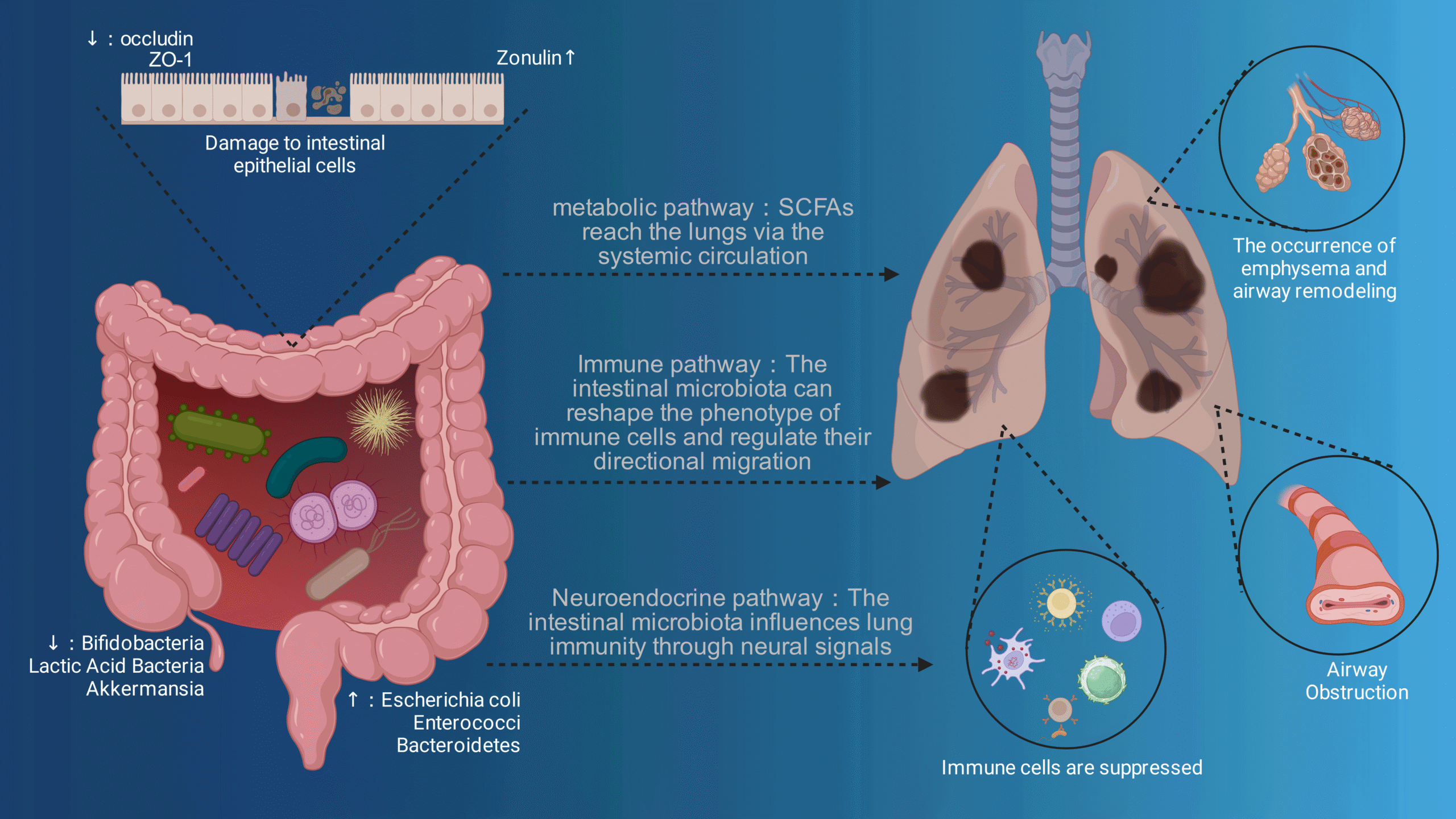
From the gut to the lungs: The role of gut microbiota in chronic obstructive pulmonary disease and related research progress
Simin Yang1,2, Shuting Zeng1,2, Yongan Deng1,2, Xiaodong Duan1,2, Chengkai Chen1,2, Luyun Sun2, Yongkang Qiao2 and Zunpeng Shu1,2
This article provides new ideas and directions for the basic research and clinical practice of COPD by comprehensively sorting out the association between gut microbiota and COPD.
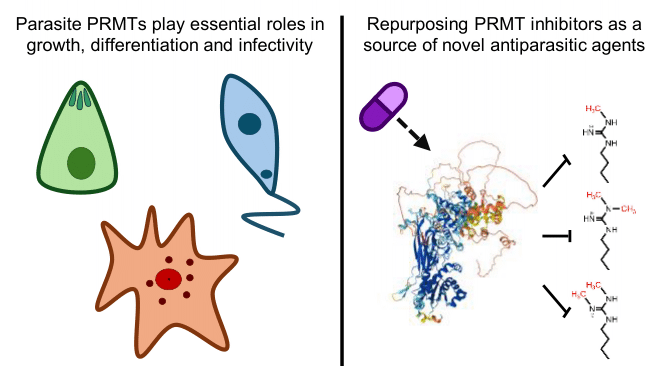
Protein arginine methyltransferases in protozoan parasites: a new path for antiparasitic chemotherapy?
Gustavo D. Campagnaro1,* and Sébastien Pomel2
This review discusses the activity and the relevance of arginine methyltransferases for the survival of pathogenic kinetoplastids, apicomplexans and amoebas, and how these enzymes could be exploited as drug targets.
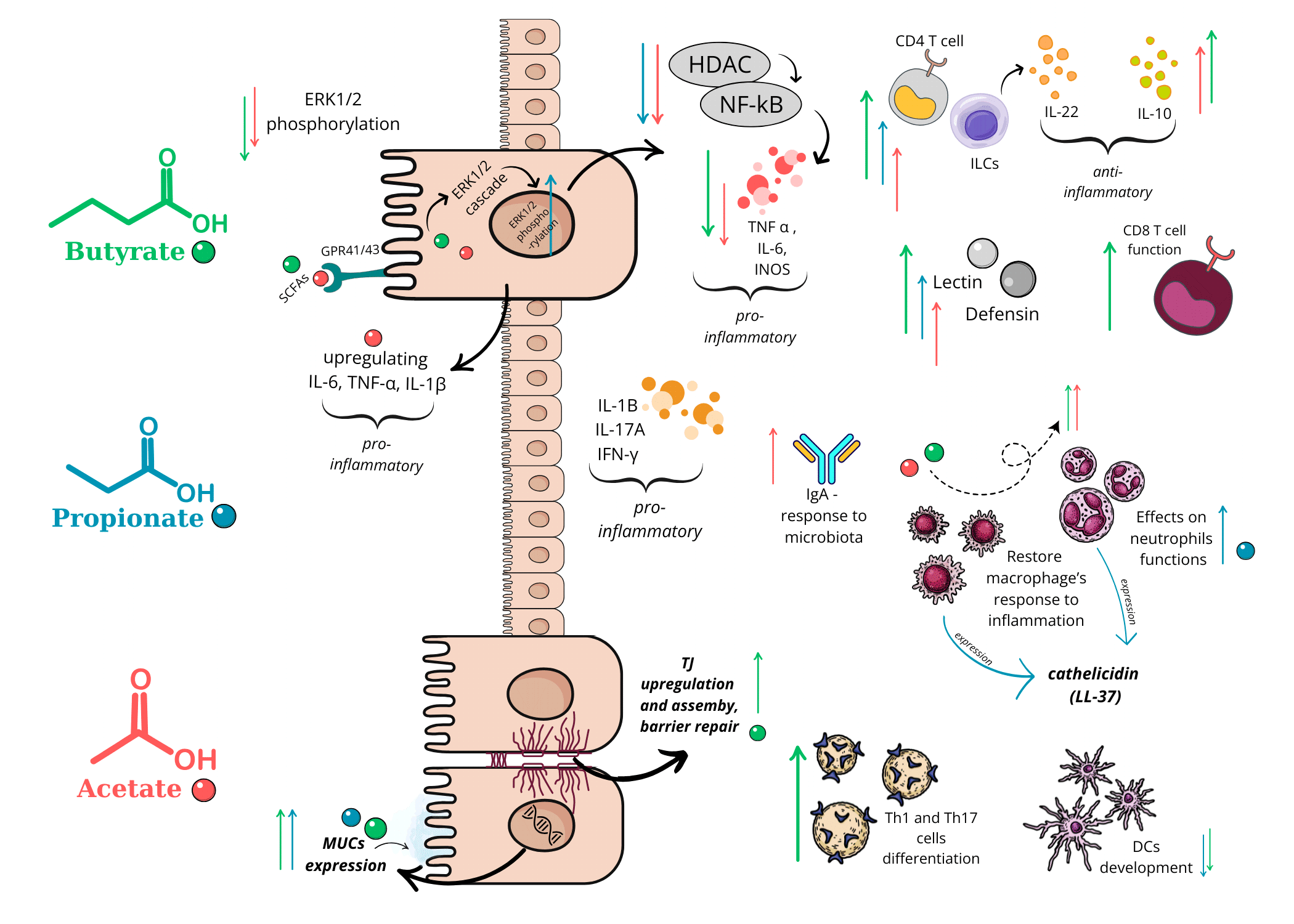
Gut microbiota and ankylosing spondylitis: current insights and future challenges
Andrei Lobiuc1, Liliana Groppa2, Lia Chislari2, Eugeniu Russu2,3, Marinela Homitchi2,3, Camelia Ciorescu2,3, Sevag Hamamah4, I. Codruta Bran1 and Mihai Covasa1
This review explores the growing role of gut microbiota in AS and its potential to reshape targeted treatment strategies and facilitate development of adjunct therapies to address disease onset and progression.
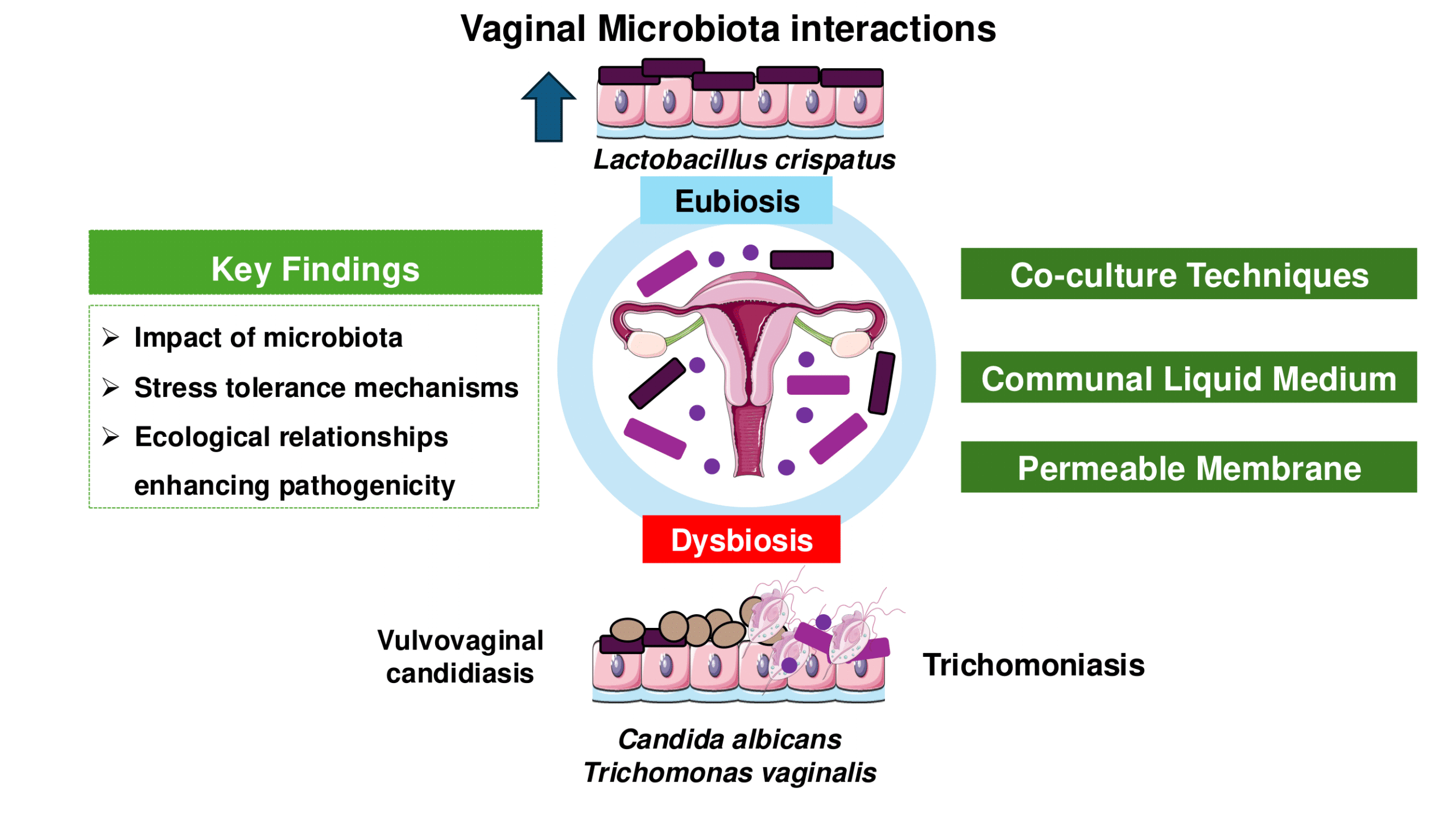
Advancements in vaginal microbiota, Trichomonas vaginalis, and vaginal cell interactions: Insights from co-culture assays
Fernanda Gomes Cardoso and Tiana Tasca
This review updates co-culture and co-incubation techniques for studying interactions of Lactobacillus spp., representing a pre-dominant member of the healthy vaginal microbiota; Candida spp., the most abundant yeast in the vagina, and T. vaginalis, responsible for the most widespread nonviral STI worldwide.
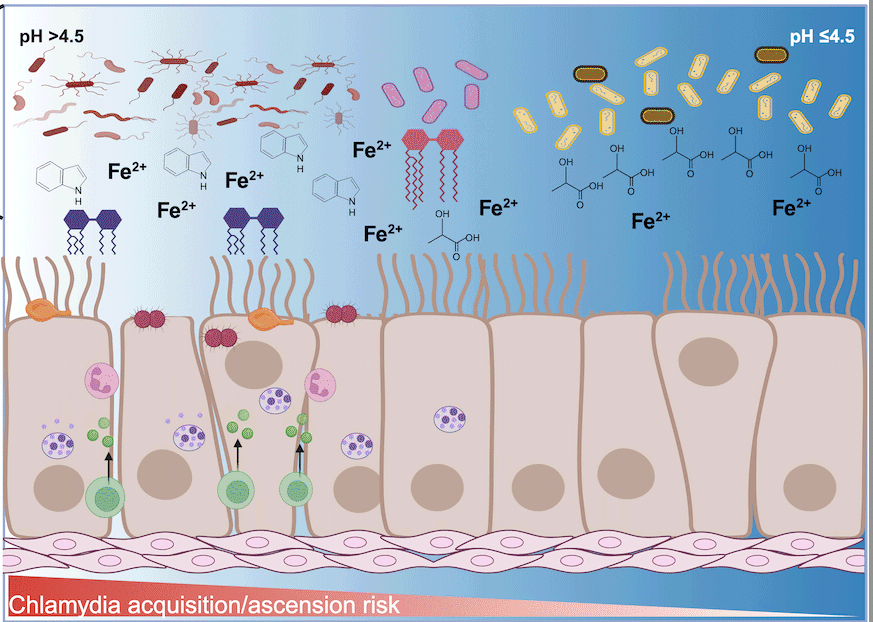
Influence of cervicovaginal microbiota on Chlamydia trachomatis infection dynamics
Emily Hand1, Indriati Hood-Pishchany1,2, Toni Darville1,2 and Catherine M. O’Connell2
This review examines the complex interplay between the cervicovaginal microbiome, C. trachomatis infection, and host immune responses, highlighting the role of metabolites such as short-chain and long-chain fatty acids, indole, and iron in modulating pathogen survival and host defenses.
Understanding structure, function, and mutations in the mitochondrial ATP synthase
March 24, 2015
This review summarizes the current understanding of the subunit composition of the ATP synthase and the role of the subunits followed by a discussion on known mutations and their effect on the activity of the ATP synthase. The concludes with a summary of mutations in genes encoding subunits of the ATP synthase that are known to be responsible for human disease, and a brief discussion on SNPs.
Translate to divide: сontrol of the cell cycle by protein synthesis
March 20, 2015
Protein synthesis underpins much of cell growth and, consequently, cell multiplication. Understanding how proliferating cells commit and progress into the cell cycle requires knowing not only which proteins need to be synthesized, but also what determines their rate of synthesis during cell division. Experiments with proliferating populations of microbial strains, animal or plant cell lines, have rigorous expectations. Under the same culture conditions, cells ought to have the same properties and composition in every single experiment. The basic “metrics” of proliferating cells remain constant, even after many rounds of cell division. These metrics include cellular mass and volume, and macromolecular composition. The constancy of such parameters reflects the fundamental ability of cells to coordinate their growth with their division. Balancing cell growth with cell division determines the overall rates of cell proliferation...
Live fast, die soon: cell cycle progression and lifespan in yeast cells
March 2, 2015
Our understanding of lifespan has benefited enormously from the study of a simple model, the yeast Saccharomyces cerevisiae. Although a unicellular organism, yeasts undergo many of the processes directly related with aging that to some extent are conserved in mammalian cells. Nutrient-limiting conditions have been involved in lifespan extension, especially in the case of caloric restriction, which also has a direct impact on cell cycle progression. In fact, other environmental stresses (osmotic, oxidative) that interfere with normal cell cycle progression also influence the lifespan of cells, indicating a relationship between lifespan and cell cycle control. In the present review we compile and discuss new findings related to how cell cycle progression is regulated by other nutrients. We centred this review on the analysis of phosphate, also give some attention to nitrogen, and the impact of these nutrients on lifespan...
Yeast as a tool for studying proteins of the Bcl-2 family
March 2, 2015
This review focuses on using yeast expressing mammalian proteins of the Bcl-2 family as a tool to investigate mechanisms, by which these proteins permeabilize mitochondrial membranes, mechanisms, by which pro- and antiapoptotic members of this family interact, and involvement of other cellular components in the regulation of programmed cell death by Bcl-2 family proteins.
Mitochondrial type II NAD(P)H dehydrogenases in fungal cell death
March 2, 2015
During aerobic respiration, cells produce energy through oxidative phosphorylation, which includes a specialized group of multi-subunit complexes in the inner mitochondrial membrane known as the electron transport chain. However, this canonical pathway is branched into single polypeptide alternative routes in some fungi, plants, protists and bacteria. They confer metabolic plasticity, allowing cells to adapt to different environmental conditions and stresses...
The dual role of cyclin C connects stress regulated gene expression to mitochondrial dynamics
September 14, 2014
This work summarizes the role cyclin C plays in regulating stress-responsive transcription in the budding yeast Saccharomyces cerevisiae, including mitochondrial fission and regulated cell death.
Sphingolipids and mitochondrial function, lessons learned from yeast
June 25, 2014
This article reviews recent research showing that Saccharomyces cerevisiae is an invaluable model to investigate sphingolipids as signaling molecules in modulating mitochondrial function, but can also be used as a tool to further enhance our current knowledge on sphingolipids and mitochondria in mammalian cells.
When less is more: hormesis against stress and disease
May 5, 2014
This article condenses the conceptual and potentially therapeutic importance of hormesis by providing a short overview of current evidence in favor of the cytoprotective impact of hormesis, as well as of its underlying molecular mechanisms.
Longevity pathways and maintenance of the proteome: the role of autophagy and mitophagy during yeast ageing
April 7, 2014
This review describes recent findings that shed light on how longevity pathways and metabolic status impact maintenance of the proteome in both yeast ageing paradigms. These findings demonstrate that yeast remain a powerful model system for elucidating these relationships and their influence on ageing regulation.