
Reviews

Saccharomyces cerevisiae in cancer research: modeling tumor biology and enabling drug discovery
Graziana Assalve1,a, Paola Lunetti1,a, Annalisa Fai1, Luca Frattaruolo2, Anna Rita Cappello2, Alessandra Ferramosca1,* and Vincenzo Zara1
By combining genetic tractability with conservation of key cellular pathways, Saccharomyces cerevisiae is emerging as a versatile model for cancer biology and a scalable platform for identifying therapeutic targets and vulnerabilities.

Prohibitins: emerging host targets of bacteria and viruses at the plasma membrane, mitochondria, and cytoplasm
Grecia O. Rivera-Palomino1,2 and Arianne L. Theiss1,2,3
Prohibitins are emerging as central host hubs exploited by bacteria and viruses to rewire signaling and mitochondrial dynamics. The current review discusses Prohibitins in host-pathogen interplay and their potential as novel anti-infective targets.

Outer membrane vesicles in Vibrio species: Roles in biofilm formation and pathogenesis
Kumari Shambhavi and Durg Vijai Singh
This review explores current knowledge on outer membrane vesicles (OMVs) in Vibrio species, highlighting their roles in pathogenesis, host interaction, and marine ecology; and identifies major knowledge gaps, outlining key methodological challenges and future prospects for OMV-based applications.

The mechanism of Tat-dependent protein translocation
Thomas Brüser1,* and Carsten Sanders2,3,4
This review integrates mechanistically relevant biochemical, molecular, and structural studies on Tat-dependent translocation of folded proteins into an in its molecular detail new comprehensive explanation of how the Tat system mediates protein transport.
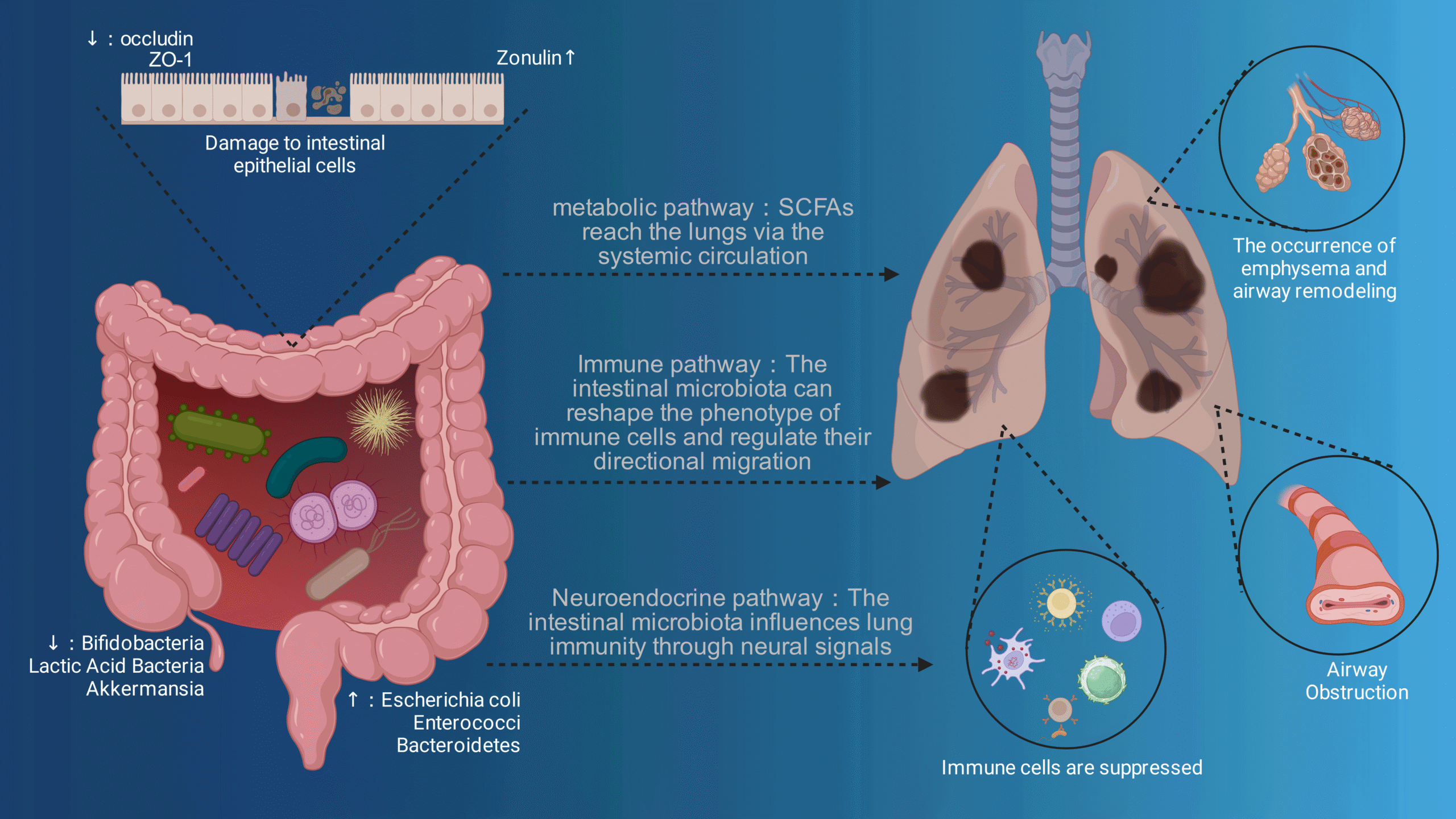
From the gut to the lungs: The role of gut microbiota in chronic obstructive pulmonary disease and related research progress
Simin Yang1,2, Shuting Zeng1,2, Yongan Deng1,2, Xiaodong Duan1,2, Chengkai Chen1,2, Luyun Sun2, Yongkang Qiao2 and Zunpeng Shu1,2
This article provides new ideas and directions for the basic research and clinical practice of COPD by comprehensively sorting out the association between gut microbiota and COPD.
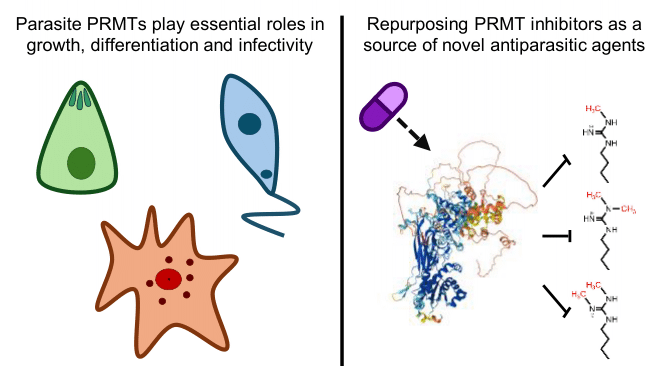
Protein arginine methyltransferases in protozoan parasites: a new path for antiparasitic chemotherapy?
Gustavo D. Campagnaro1,* and Sébastien Pomel2
This review discusses the activity and the relevance of arginine methyltransferases for the survival of pathogenic kinetoplastids, apicomplexans and amoebas, and how these enzymes could be exploited as drug targets.
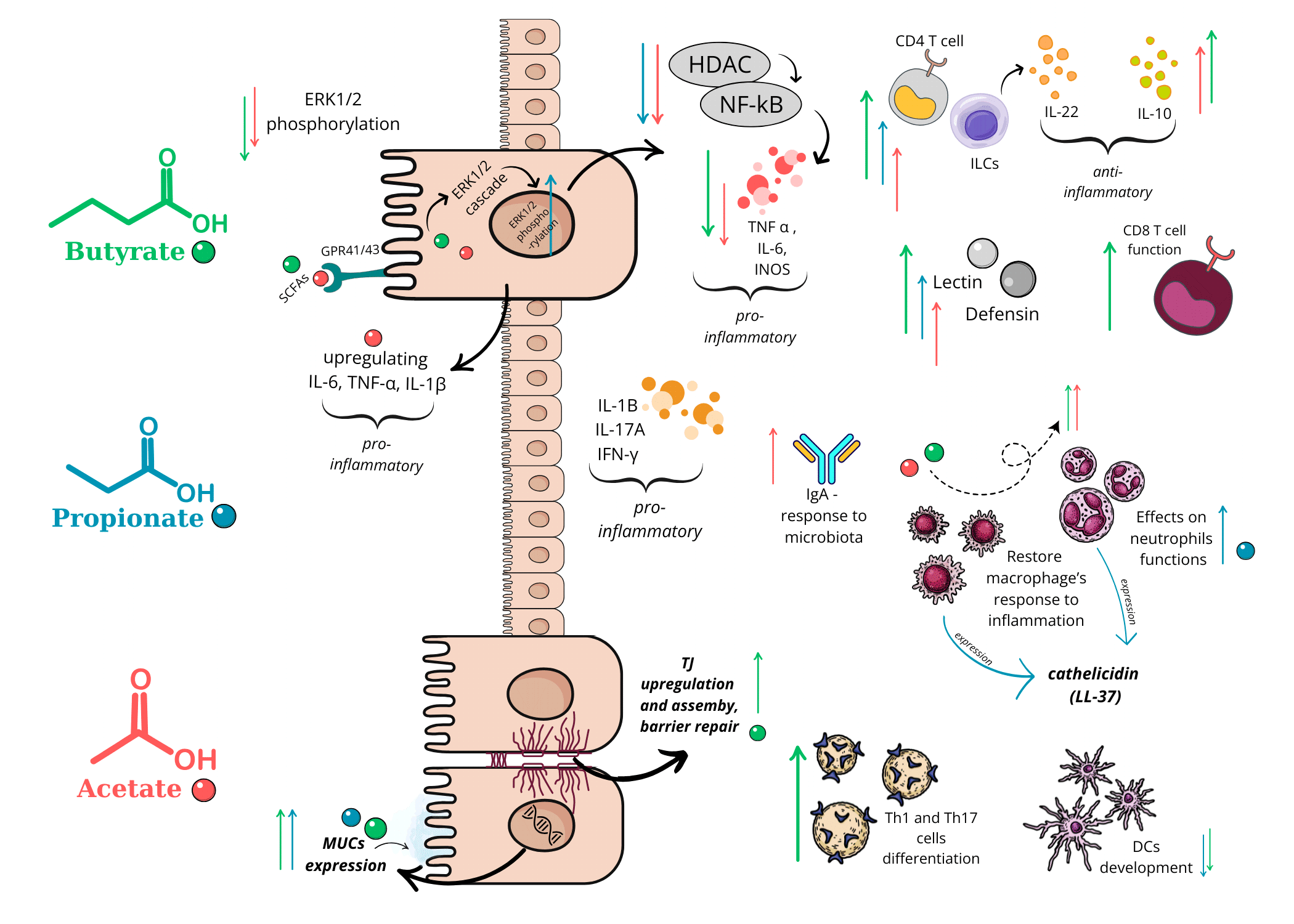
Gut microbiota and ankylosing spondylitis: current insights and future challenges
Andrei Lobiuc1, Liliana Groppa2, Lia Chislari2, Eugeniu Russu2,3, Marinela Homitchi2,3, Camelia Ciorescu2,3, Sevag Hamamah4, I. Codruta Bran1 and Mihai Covasa1
This review explores the growing role of gut microbiota in AS and its potential to reshape targeted treatment strategies and facilitate development of adjunct therapies to address disease onset and progression.
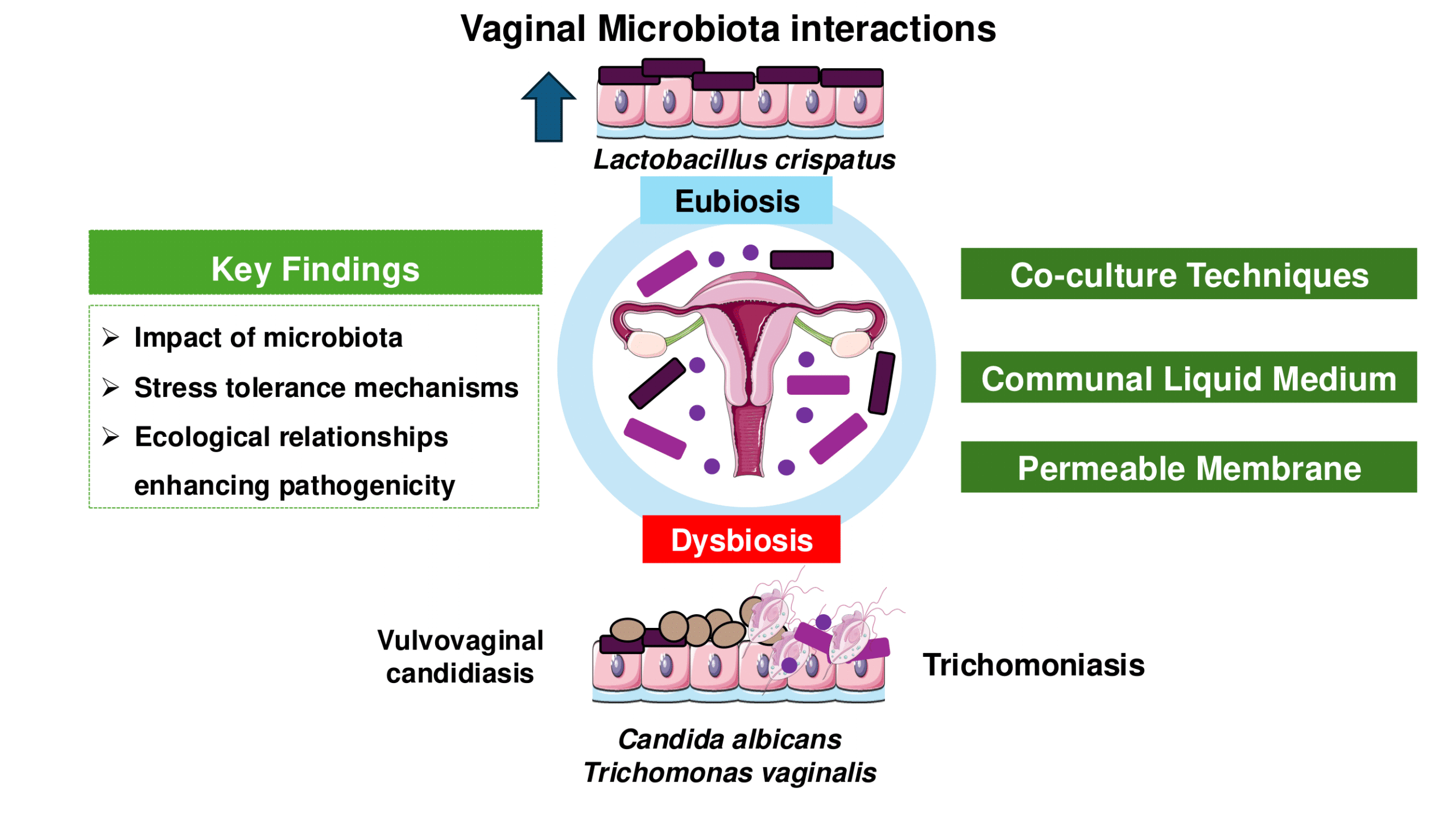
Advancements in vaginal microbiota, Trichomonas vaginalis, and vaginal cell interactions: Insights from co-culture assays
Fernanda Gomes Cardoso and Tiana Tasca
This review updates co-culture and co-incubation techniques for studying interactions of Lactobacillus spp., representing a pre-dominant member of the healthy vaginal microbiota; Candida spp., the most abundant yeast in the vagina, and T. vaginalis, responsible for the most widespread nonviral STI worldwide.
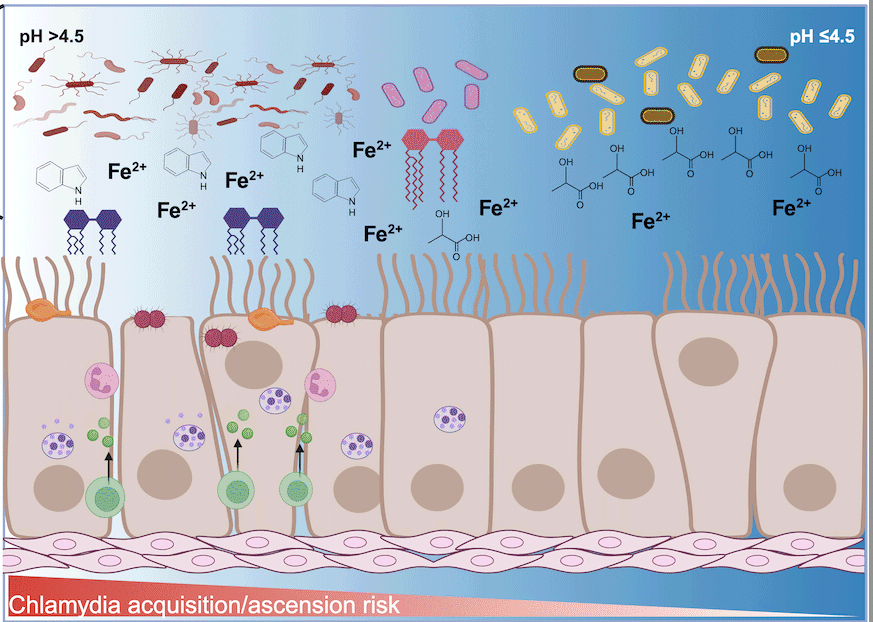
Influence of cervicovaginal microbiota on Chlamydia trachomatis infection dynamics
Emily Hand1, Indriati Hood-Pishchany1,2, Toni Darville1,2 and Catherine M. O’Connell2
This review examines the complex interplay between the cervicovaginal microbiome, C. trachomatis infection, and host immune responses, highlighting the role of metabolites such as short-chain and long-chain fatty acids, indole, and iron in modulating pathogen survival and host defenses.
Electron microscopy for ultrastructural analysis and protein localization in Saccharomyces cerevisiae
October 12, 2015
The yeast Saccharomyces cerevisiae is a key model system for studying of a multitude of cellular processes because of its amenability to genetics, molecular biology and biochemical procedures. The goal of this review is to guide researchers that want to investigate a particular process at the ultrastructural level in yeast by aiding in the selection of the most appropriate approach to visualize a specific structure or subcellular compartment.
Peering into the ‘black box’ of pathogen recognition by cellular autophagy systems
August 22, 2015
Autophagy is an intracellular process that plays an important role in protecting eukaryotic cells and maintaining intracellular homeostasis. This review summarises the available evidence regarding the specific recognition of invading pathogens by which they are targeted into host autophagy pathways.
Per aspera ad astra: When harmful chromosomal translocations become a plus value in genetic evolution. Lessons from Saccharomyces cerevisiae
August 20, 2015
This review will focus on chromosomal translocations (either spontaneous or induced) in budding yeast. Indeed, very few organisms tolerate so well aneuploidy like Saccharomyces, allowing in depth studies on chromosomal numerical aberrations. The phenomenon of post-translocational adaptation (PTA) is discussed, providing some new unpublished data and proposing the hypothesis that translocations may drive evolution through adaptive genetic selection.
The many facets of homologous recombination at telomeres
July 30, 2015
The ends of linear chromosomes are capped by nucleoprotein structures called telomeres. A dysfunctional telomere may resemble a DNA double-strand break (DSB), which is a severe form of DNA damage. The presence of one DSB is sufficient to drive cell cycle arrest and cell death. Therefore cells have evolved mechanisms to repair DSBs such as homologous recombination (HR). HR-mediated repair of telomeres can lead to genome instability, a hallmark of cancer cells, which is why such repair is normally inhibited. However, some HR-mediated processes are required for proper telomere function. The need for some recombination activities at telomeres but not others necessitates careful and complex regulation, defects in which can lead to catastrophic consequences. Furthermore, some cell types can maintain telomeres via telomerase-independent, recombination-mediated mechanisms. In humans, these mechanisms...
From the baker to the bedside: yeast models of Parkinson’s disease
July 27, 2015
The baker’s yeast Saccharomyces cerevisiae has been extensively explored for our understanding of fundamental cell biology processes highly conserved in the eukaryotic kingdom. This review provides a brief historical perspective on the emergence of yeast as an experimental model and on how the field evolved to exploit the potential of the model for tackling the intricacies of various human diseases. In particular, the authors focus on existing yeast models of the molecular underpinnings of Parkinson’s disease (PD), focusing primarily on the central role of protein quality control systems.
Why are essential genes essential? – The essentiality of Saccharomyces genes
July 25, 2015
Essential genes are defined as required for the survival of an organism or a cell. This article reviews and analyzes the levels of essentiality of the Saccharomyces cerevisiae genes and groups the genes into four categories: (1) Conditional essential: essential only under certain circumstances or growth conditions; (2) Essential: required for survival under optimal growth conditions; (3) Redundant essential: synthetic lethal due to redundant pathways or gene duplication; and (4) Absolute essential: the minimal genes required for maintaining a cellular life under a stress-free environment. The essential and non-essential functions of the essential genes are further analyzed.
Wanted Plasmodium falciparum, dead or alive
June 23, 2015
In this article, mechanisms of cell death in unicellular parasites are discussed, focussing on “programmed cell death” in Plasmodium.
Yeast as a tool to explore cathepsin D function
June 11, 2015
Cathepsin D has garnered increased attention in recent years, mainly since it has been associated with several human pathologies. This review summarizes how cathepsin D can have both anti- and pro-survival functions depending on its proteolytic activity, cellular context and stress stimulus.
Coordinate responses to alkaline pH stress in budding yeast
May 22, 2015
This review summarizes the modulation of a substantial number of signaling pathways whose participate in the alkaline response in yeast. These regulatory inputs involve not only the conserved Rim101/PacC pathway, but also the calcium-activated phosphatase calcineurin, the Wsc1-Pkc1-Slt2 MAP kinase, the Snf1 and PKA kinases and oxidative stress-response pathways.
Yeast as a model system to study metabolic impact of selenium compounds
April 8, 2015
Inorganic Se forms such as selenate or selenite (the two more abundant forms in nature) can be toxic in Saccharomyces cerevisiae cells, which constitute an adequate model to study such toxicity at the molecular level and the functions participating in protection against Se compounds. In this article, the authors propose that yeast may be used to improve our knowledge on the impact of Se on metal homeostasis, the identification of Se-targets at the DNA and protein levels, and to gain more insights into the mechanism of Se-mediated apoptosis.