
Review, Reviews
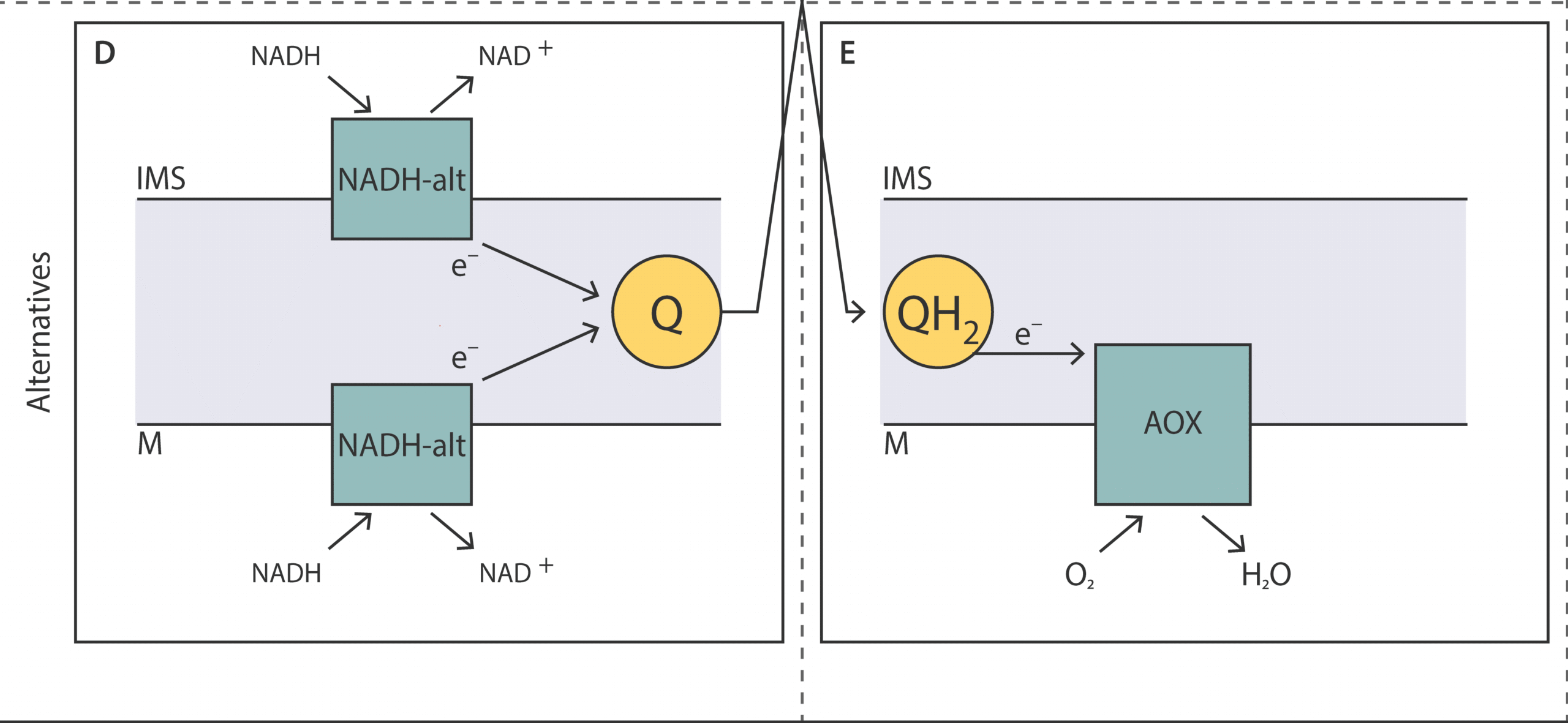
Unveiling the molecular architecture of the mitochondrial respiratory chain of Acanthamoeba castellanii
Christian Q. Scheckhuber1, Sutherland K. Maciver2 and Alvaro de Obeso Fernandez del Valle1
This review provides a comprehensive overview of the mitochondrial res-piratory chain in A. castellanii, focusing on the key alternative components involved in oxidative phosphorylation and their roles in energy metabolism, stress response, and adaptation to various conditions.

Paving the way for new antimicrobial peptides through molecular de-extinction
Karen O. Osiro1, Abel Gil-Ley2, Fabiano C. Fernandes1,3, Kamila B. S. de Oliveira2, Cesar de la Fuente-Nunez4-7, Octavio L. Franco1,2
The advancement of artificial intelligence and molecular de-extinction offers a valuable opportunity not only to discover new antimicrobials but also to provide accurate in silico predictions, thereby shortening the path to addressing the global antibiotic resistance crisis.

Efflux pumps: gatekeepers of antibiotic resistance in Staphylococcus aureus biofilms
Shweta Sinha1, Shifu Aggarwal2,3 and Durg Vijai Singh1
This review aims to elucidate the complex relationship between efflux pumps, antibiotic resistance and biofilm formation in S. aureus with the aim to aid in the development of potential therapeutic targets for combating S. aureus infections, especially those associated with biofilms.

Understanding the molecular mechanisms of human diseases: the benefits of fission yeasts
Lajos Acs-Szabo, Laszlo-Attila Papp and Ida Miklos
Here we collect the latest laboratory protocols and bioinformatics tools for the fission yeasts to highlight the many possibilities available to the research community. In addition, we present several limiting factors that everyone should be aware of when working with yeast models.
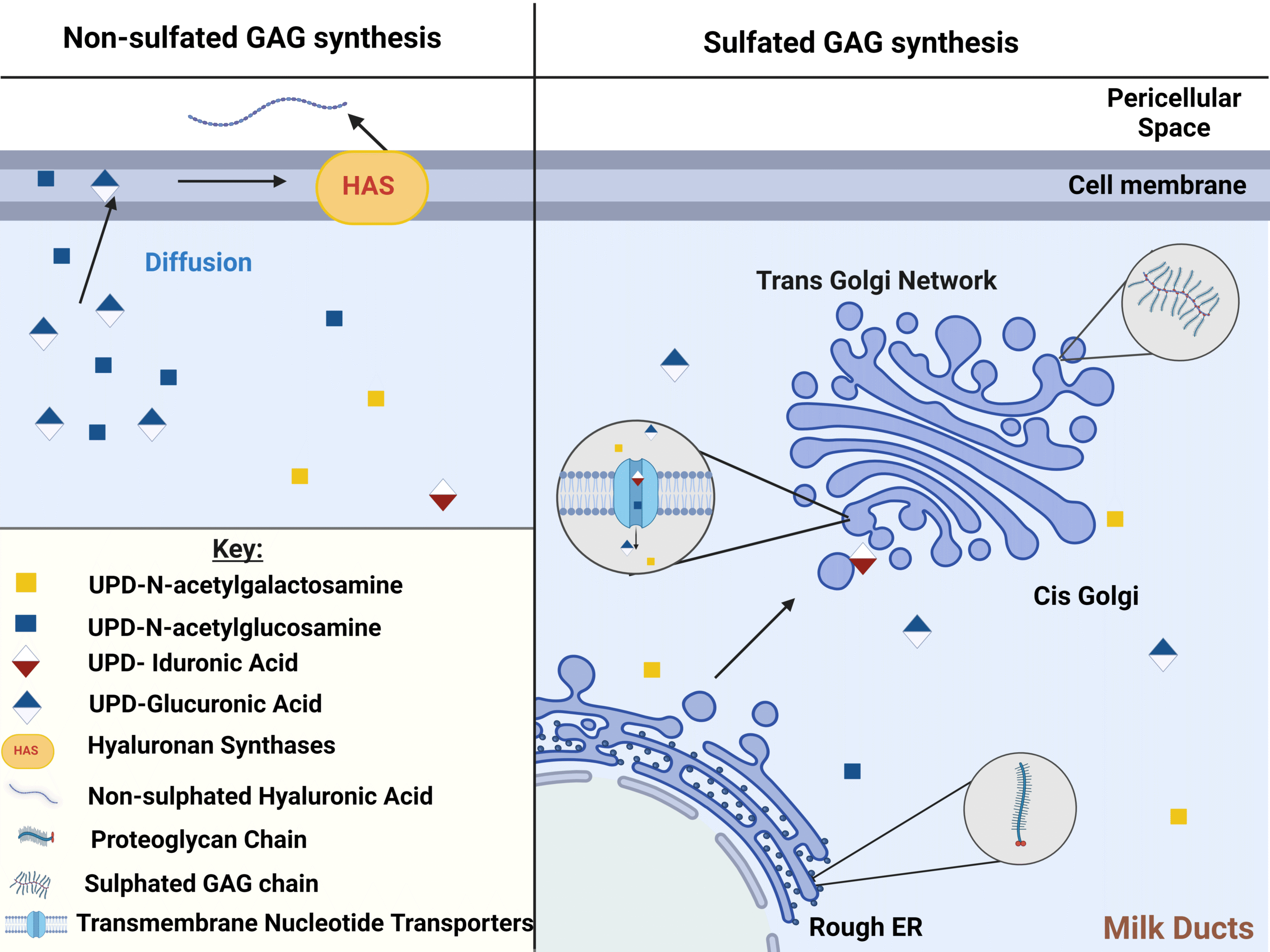
Characterising glycosaminoglycans in human breastmilk and their potential role in infant health
Melissa Greenwood1,2, Patricia Murciano-Martínez3, Janet Berrington4, Sabine L Flitsch5, Sean Austin2 and Christopher Stewart1
Glycosaminoglycans are bioactive components present in breast milk and play a potential key role in determining infant health yet are overlooked by many contemporary studies. This review explores their relevance, use and characterisation techniques.

Neutralizing the threat: harnessing broadly neutralizing antibodies against HIV-1 for treatment and prevention
Juan C Becerra1, Lauren Hitchcock1, Khoa Vu1 and Johannes S Gach1
This review provides an overview of the advancements in HIV- 1-specific broadly neutralizing antibodies and discusses the insights gathered from recent clinical trials regarding their application in treating and preventing HIV-1 infection.

From microbes to medicine: harnessing the gut microbiota to combat prostate cancer
Anjali Yadav1, Meenakshi Kaushik1, Prabhakar Tiwari1 and Rima Dada1
The gut microbiome (GM) has been identified as a crucial factor in the development and progression of various diseases, including cancer. This review highlights the important role that the GM may play in the development and progression of prostate cancer, through its influence on chronic inflammation, immune modulation, and other pathogenic mechanisms.
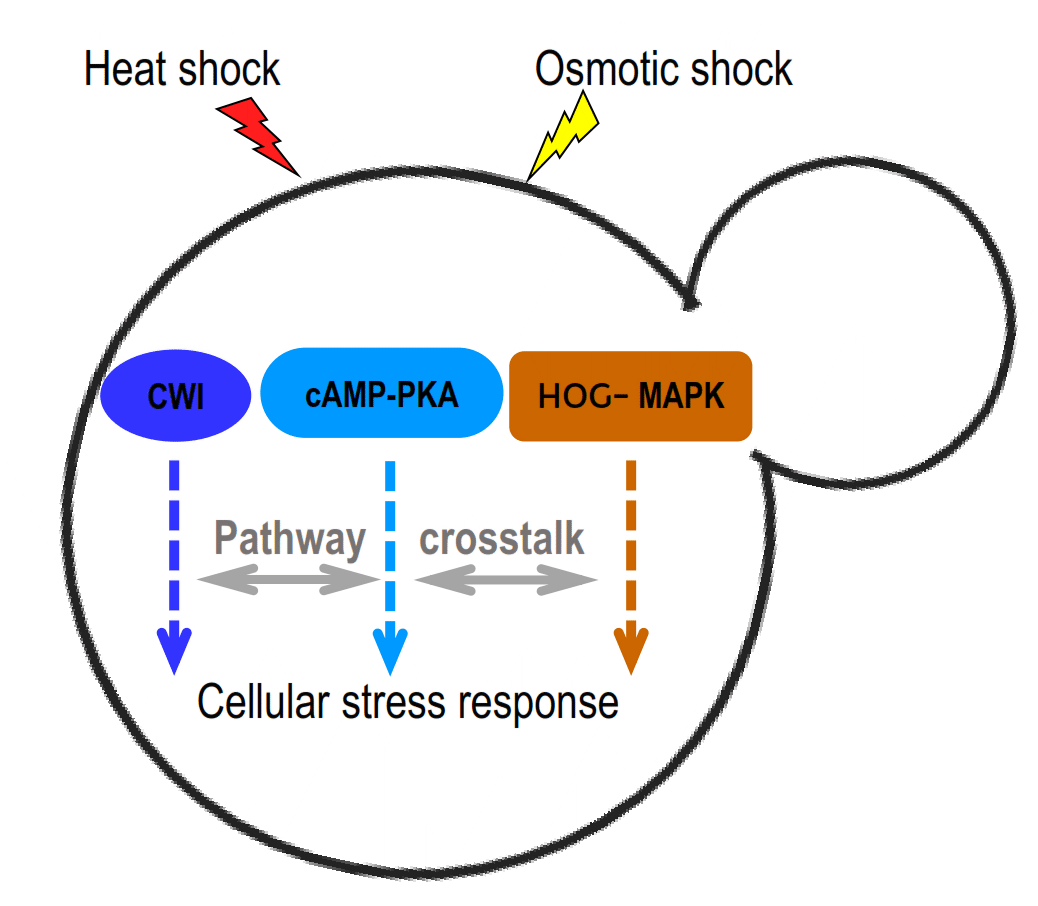
The cAMP-PKA signalling crosstalks with CWI and HOG-MAPK pathways in yeast cell response to osmotic and thermal stress
Fiorella Galello1, Mariana Bermúdez-Moretti1, María Clara Ortolá Martínez1, Silvia Rossi1 and Paula Portela1
During industrial fermentation yeast strains are exposed to fluctuations in oxygen concentration, osmotic pressure, pH, ethanol concentration, nutrient availability and temperature. The scope of this review is to outline the advancement of knowledge about the cAMP-PKA signalling and the crosstalk of this pathway with the CWI and HOG-MAPK cascades in response to the environmental challenges heat and hyperosmotic stress.

Phospholipases A and Lysophospholipases in protozoan parasites
Perrine Hervé1, Sarah Monic1, Frédéric Bringaud1 and Loïc Rivière1
In this review, we summarize the literature on phospholipases and lysophospholipases in several protozoan parasites of medical relevance, and discuss the growing interest for them as potential drug and vaccine targets.
Genome-wide studies of telomere biology in budding yeast
March 1, 2014
In the last decade, technical advances have allowed carrying out systematic genome-wide screens for mutants affecting various aspects of telomere biology. In this review we summarize these efforts, and the insights that this Systems Biology approach has produced so far.