
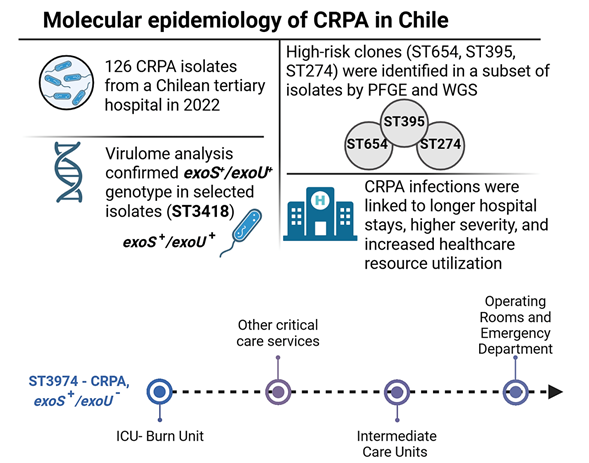
Clonal spread and environmental persistence of carbapenem-resistant high-risk Pseudomonas aeruginosa in critical-care units of a Chilean national referral center for burn and trauma patients (2022)
This study highlight the circulation of high-risk P. aeruginosa clones in Chile and underscore the importance of molecular epidemiology in guiding infection control, optimizing antimicrobial therapy, and mitigating the clinical and economic burden of CRPA.
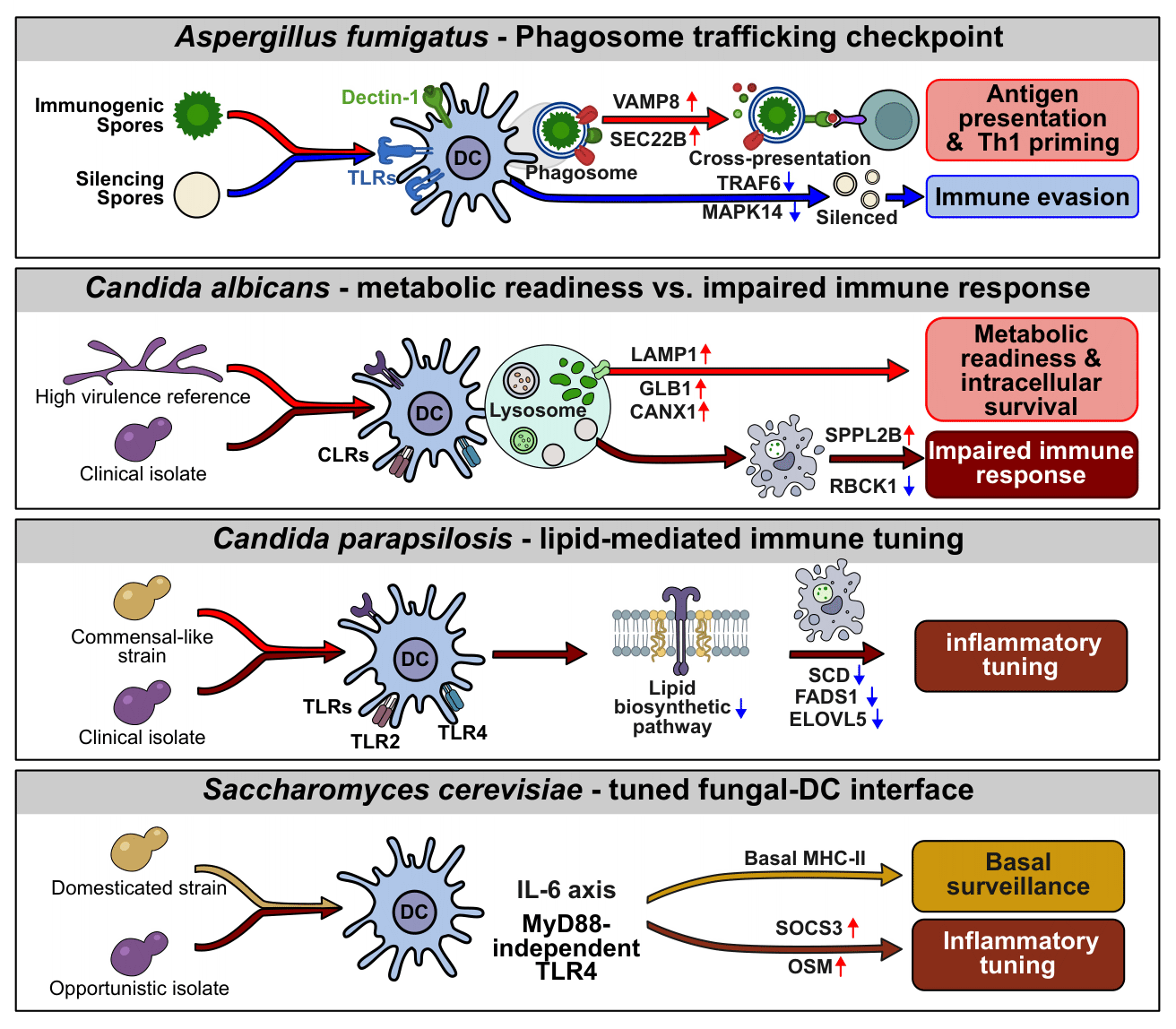
The transcriptome of dendritic cells redraws the boundaries between pathogenicity and commensalism in yeast
Our immune system meets many fungi, but reacts strongly to only a few. The comparison of key fungal species showed that responses differ mainly in timing and not just genes, highlighting the need to rethink what makes fungi harmful vs. harmless.
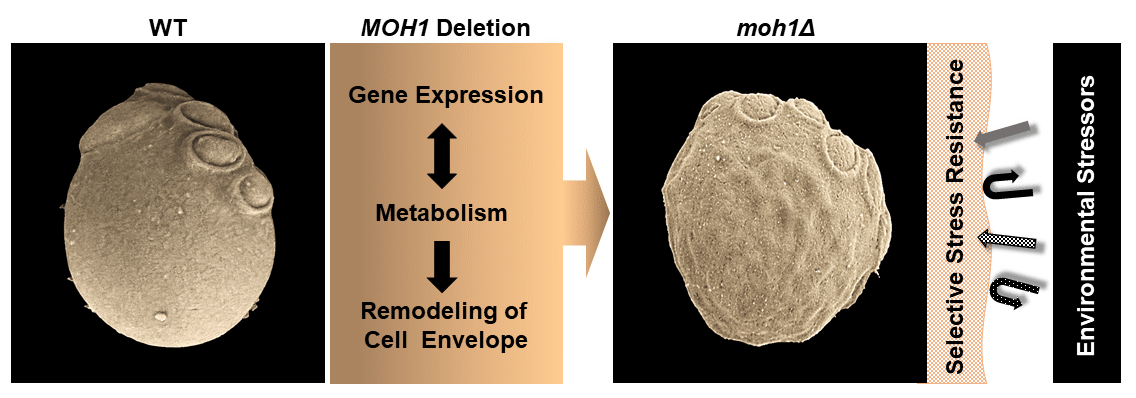
Yippee-like protein Moh1 links gene expression to metabolism and selective stress resistance in Saccharomyces cerevisiae
This study demonstrates that the conserved yeast protein Moh1 links metabolism, gene expression, and cell structure, thereby altering cell envelope permeability and leading to selective stress responses.
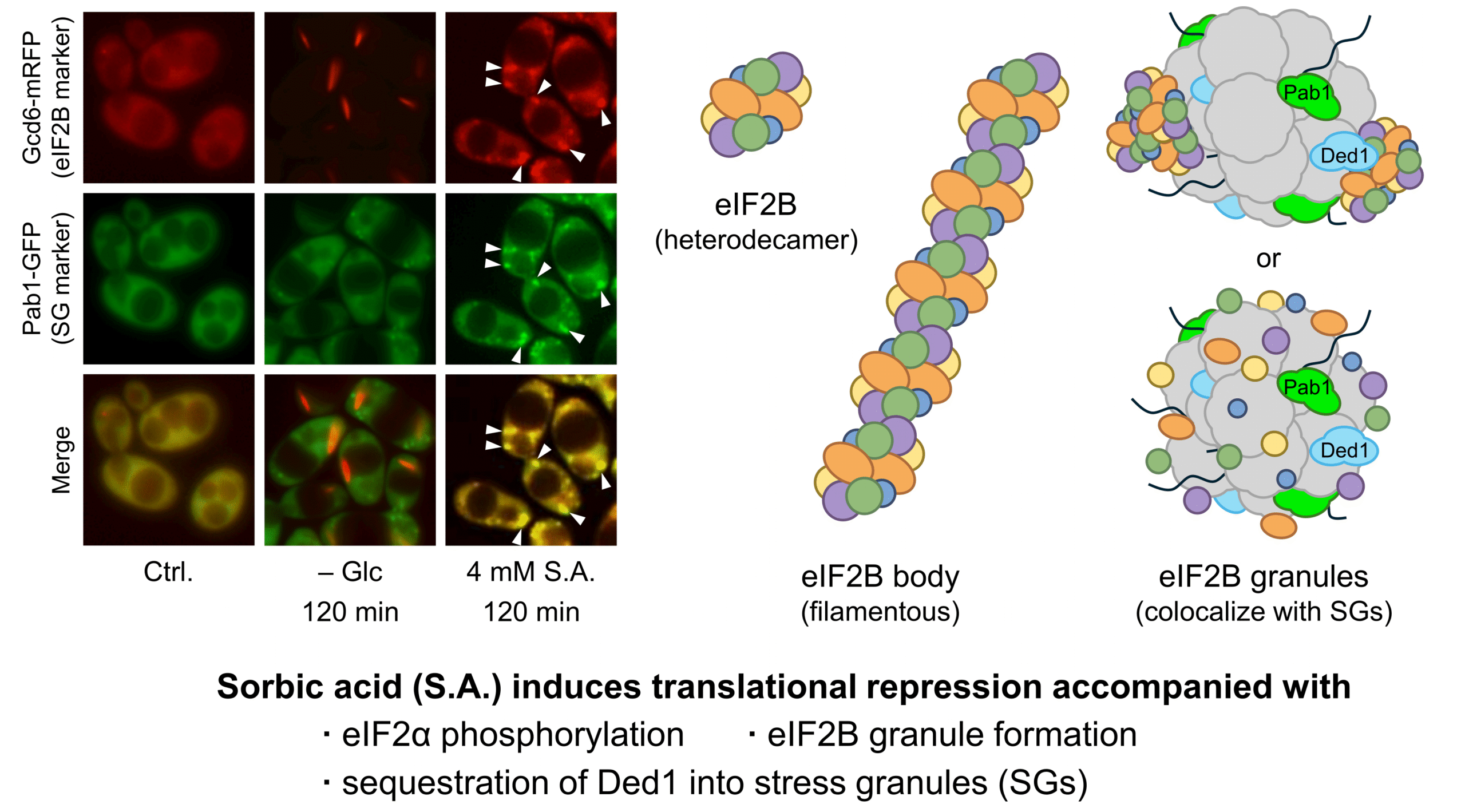
Fungistatic effect of sorbic acid on yeast cells via translational repression involving eIF2α phosphorylation and formation of Ded1- and eIF2B-granules
The findings of this study provide new insights into the physiological effects of sorbic acid on yeast cells, specifically regarding the regulation of translation-related factors.
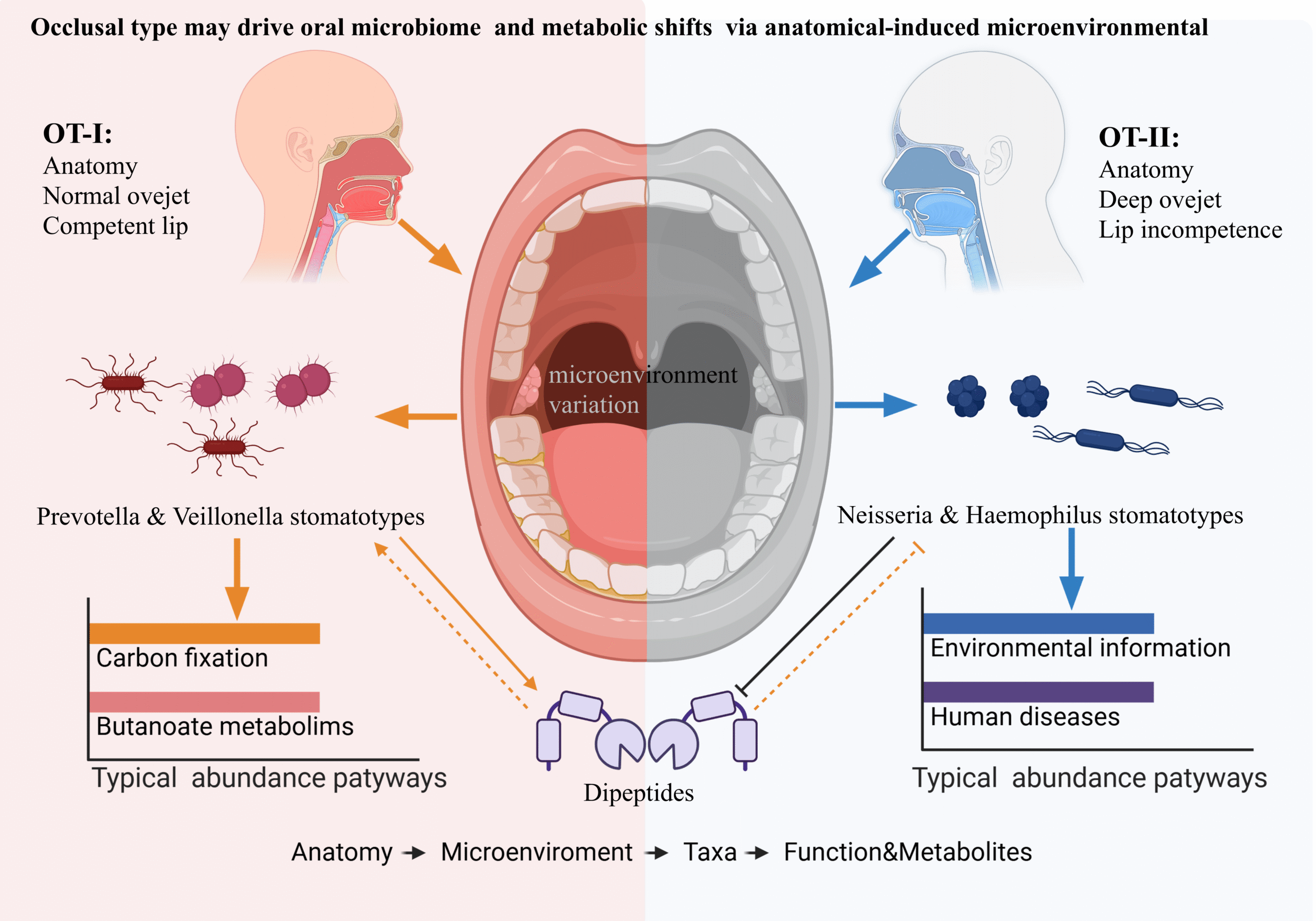
Occlusal types shape oral microbiome stomatotypes and metabolic landscapes: A multi-omics perspective on host-microbe interaction
This study reveals how occlusal types shape oral microbiome “stomatotypes” and metabolic profiles in adolescents. It offers fresh insights that host anatomy drives microecology which may be associated with personalized oral health.

Clonal spread and environmental persistence of carbapenem-resistant high-risk Pseudomonas aeruginosa in critical-care units of a Chilean national referral center for burn and trauma patients (2022)
Ibarra et al.This study highlight the circulation of high-risk P. aeruginosa clones in Chile and underscore the importance of molecular epidemiology in guiding infection control, optimizing antimicrobial therapy, and mitigating the clinical and economic burden of CRPA.
The transcriptome of dendritic cells redraws the boundaries between pathogenicity and commensalism in yeast
Rizzetto et al.Our immune system meets many fungi, but reacts strongly to only a few. The comparison of key fungal species showed that responses differ mainly in timing and not just genes, highlighting the need to rethink what makes fungi harmful vs. harmless.
Yippee-like protein Moh1 links gene expression to metabolism and selective stress resistance in Saccharomyces cerevisiae
Olgun et al.This study demonstrates that the conserved yeast protein Moh1 links metabolism, gene expression, and cell structure, thereby altering cell envelope permeability and leading to selective stress responses.
Fungistatic effect of sorbic acid on yeast cells via translational repression involving eIF2α phosphorylation and formation of Ded1- and eIF2B-granules
Yoshiyama et al.The findings of this study provide new insights into the physiological effects of sorbic acid on yeast cells, specifically regarding the regulation of translation-related factors.
Occlusal types shape oral microbiome stomatotypes and metabolic landscapes: A multi-omics perspective on host-microbe interaction
Duan et alThis study reveals how occlusal types shape oral microbiome “stomatotypes” and metabolic profiles in adolescents. It offers fresh insights that host anatomy drives microecology which may be associated with personalized oral health.

Prohibitins: emerging host targets of bacteria and viruses at the plasma membrane, mitochondria, and cytoplasm
Rivera-Palomino and TheissProhibitins are emerging as central host hubs exploited by bacteria and viruses to rewire signaling and mitochondrial dynamics. The current review discusses Prohibitins in host-pathogen interplay and their potential as novel anti-infective targets.

Outer membrane vesicles in Vibrio species: Roles in biofilm formation and pathogenesis
Shambhavi and SinghThis review explores current knowledge on outer membrane vesicles (OMVs) in Vibrio species, highlighting their roles in pathogenesis, host interaction, and marine ecology; and identifies major knowledge gaps, outlining key methodological challenges and future prospects for OMV-based applications.

Genomic epidemiology of carbapenemase-producing Klebsiella pneumoniae circulating in a Chilean tertiary-care hospital (2021–2022): Molecular characterization, resistance-virulence convergence, and clinical associations
Araya et al.This study characterized carbapenem-resistant Kp (CR-Kp) strains isolated at the Hospital Clínico Universidad de Chile (HCUCH) 2021-2022 and explored associations with clinical characteristics.

The mechanism of Tat-dependent protein translocation
Brüser and SandersThis review integrates mechanistically relevant biochemical, molecular, and structural studies on Tat-dependent translocation of folded proteins into an in its molecular detail new comprehensive explanation of how the Tat system mediates protein transport.
Mitochondrial proteomics of the acetic acid – induced programmed cell death response in a highly tolerant Zygosaccharomyces bailii – derived hybrid strain
Guerreiro et al.Very high concentrations of acetic acid at low pH induce programmed cell death (PCD) in both the experimental model Saccharomyces cerevisiae and in Zygosaccharomyces bailii, the latter being considered the most problematic acidic food spoilage yeast due to its remarkable intrinsic resistance to this food preservative. This study offers insights into the mechanisms involved in acetic acid – induced PCD in the Z. bailii-derived hybrid strain ISA1307 by analyzing the yeast mitochondrial protein expression profile of cells challenged by acetic acid.
The transcriptional repressor Sum1p counteracts Sir2p in regulation of the actin cytoskeleton, mitochondrial quality control and replicative lifespan in Saccharomyces cerevisiae
Higuchi-Sanabria et al.Increasing the stability or dynamics of the actin cytoskeleton can extend lifespan in C. elegans and S. cerevisiae. Actin cables of budding yeast, bundles of actin filaments that mediate cargo transport, affect lifespan control through effects on mitochondrial quality control. Here, we report that Sum1p and Sir2p inversely regulate actin and mitochondrial maintenance, as well as lifespan.
Inhibition of Aβ42 oligomerization in yeast by a PICALM ortholog and certain FDA approved drugs
Park et al.The formation of small Aβ42 oligomers has been implicated as a toxic species in Alzheimer disease (AD). Here, we show that the mechanism of the PICALM, human AD risk factor, is likely to reduce the level of Aβ42 oligomers in cells. We screened FDA-approved drugs to identify candidates that prevent the formation of Aβ42 small oligomers using the yeast Aβ42-RF reporter system. We also showed that each of the drug hits counteract yeast and mammalian cell toxicity associated with Aβ42 small aggregates.
Global translational impacts of the loss of the tRNA modification t6A in yeast
Patrick C. ThiavilleThe universal tRNA modification t6A is found at position 37 of nearly all tRNAs decoding ANN codons. Analysis of codon occupancy rates suggests that one of the major roles of t6A is to homogenize the process of elongation by slowing the elongation rate at codons decoded by high abundance tRNAs and I34:C3 pairs while increasing the elongation rate of rare tRNAs and G34:U3 pairs. This work reveals that the consequences of t6A absence are complex and multilayered and has set the stage to elucidate the molecular basis of the observed phenotypes.
Ergosterone-coupled Triazol molecules trigger mitochondrial dysfunction, oxidative stress, and acidocalcisomal Ca2+ release in Leishmania mexicana promastigotes
Figarella K et al.The protozoan parasite Leishmania causes a variety of sicknesses with different clinical manifestations known as leishmaniasis. Investigations looking for new targets or new active molecules focus mainly on the disruption of parasite specific pathways. In this sense, ergosterol biosynthesis is one of the most attractive because it does not occur in mammals. Our results indicate that ergosterone-triazol coupled molecules induce a regulated cell death process in the parasite and may represent starting point molecules in the search of new chemotherapeutic agents to combat leishmaniasis.
INO1 transcriptional memory leads to DNA zip code-dependent interchromosomal clustering
Donna Garvey Brickner et al.Many genes localize at the nuclear periphery through physical interaction with the nuclear pore complex (NPC). We have found that the yeast INO1 gene is targeted to the NPC both upon activation and for several generations after repression, a phenomenon called epigenetic transcriptional memory. Targeting of INO1 to the NPC requires distinct cis-acting promoter DNA zip codes under activating conditions and under memory conditions. When at the nuclear periphery, active INO1 clusters with itself and with other genes that share the GRS I zip code. Here, we show that during memory, the two alleles of INO1 cluster in diploids and endogenous INO1 clusters with an ectopic INO1 in haploids. After repression, INO1 does not cluster with GRS I – containing genes. Furthermore, clustering during memory requires Nup100 and two sets of DNA zip codes…
A central role for TOR signalling in a yeast model for juvenile CLN3 disease
Michael E. Bond et al.Yeasts provide an excellent genetically tractable eukaryotic system for investigating the function of genes in their biological context, and are especially relevant for those conserved genes that cause disease. Bond et al. study the role of btn1, the orthologue of a human gene that underlies an early onset neurodegenerative disease (juvenile CLN3 disease, neuronal ceroid lipofuscinosis (NCLs) or Batten disease) in the fission yeast Schizosaccharomyces pombe.
Oxygen availability strongly affects chronological lifespan and thermotolerance in batch cultures of Saccharomyces cerevisiae
Markus M.M. Bisschops et al.Stationary-phase (SP) batch cultures of Saccharomyces cerevisiae, in which growth has been arrested by carbon-source depletion, are widely applied to study chronological lifespan, quiescence and SP-associated robustness. Based on this type of experiments, typically performed under aerobic conditions, several roles of oxygen in aging have been proposed. However, SP in anaerobic yeast cultures has not been investigated in detail. Here, we use the unique capability of S. cerevisiae to grow in the complete absence of oxygen to directly compare SP in aerobic and anaerobic bioreactor cultures. This comparison revealed strong positive effects of oxygen availability on adenylate energy charge, longevity and thermotolerance during SP. A low thermotolerance of…
Prohibitins: emerging host targets of bacteria and viruses at the plasma membrane, mitochondria, and cytoplasm
Rivera-Palomino and TheissProhibitins are emerging as central host hubs exploited by bacteria and viruses to rewire signaling and mitochondrial dynamics. The current review discusses Prohibitins in host-pathogen interplay and their potential as novel anti-infective targets.
Outer membrane vesicles in Vibrio species: Roles in biofilm formation and pathogenesis
Shambhavi and SinghThis review explores current knowledge on outer membrane vesicles (OMVs) in Vibrio species, highlighting their roles in pathogenesis, host interaction, and marine ecology; and identifies major knowledge gaps, outlining key methodological challenges and future prospects for OMV-based applications.
The mechanism of Tat-dependent protein translocation
Brüser and SandersThis review integrates mechanistically relevant biochemical, molecular, and structural studies on Tat-dependent translocation of folded proteins into an in its molecular detail new comprehensive explanation of how the Tat system mediates protein transport.
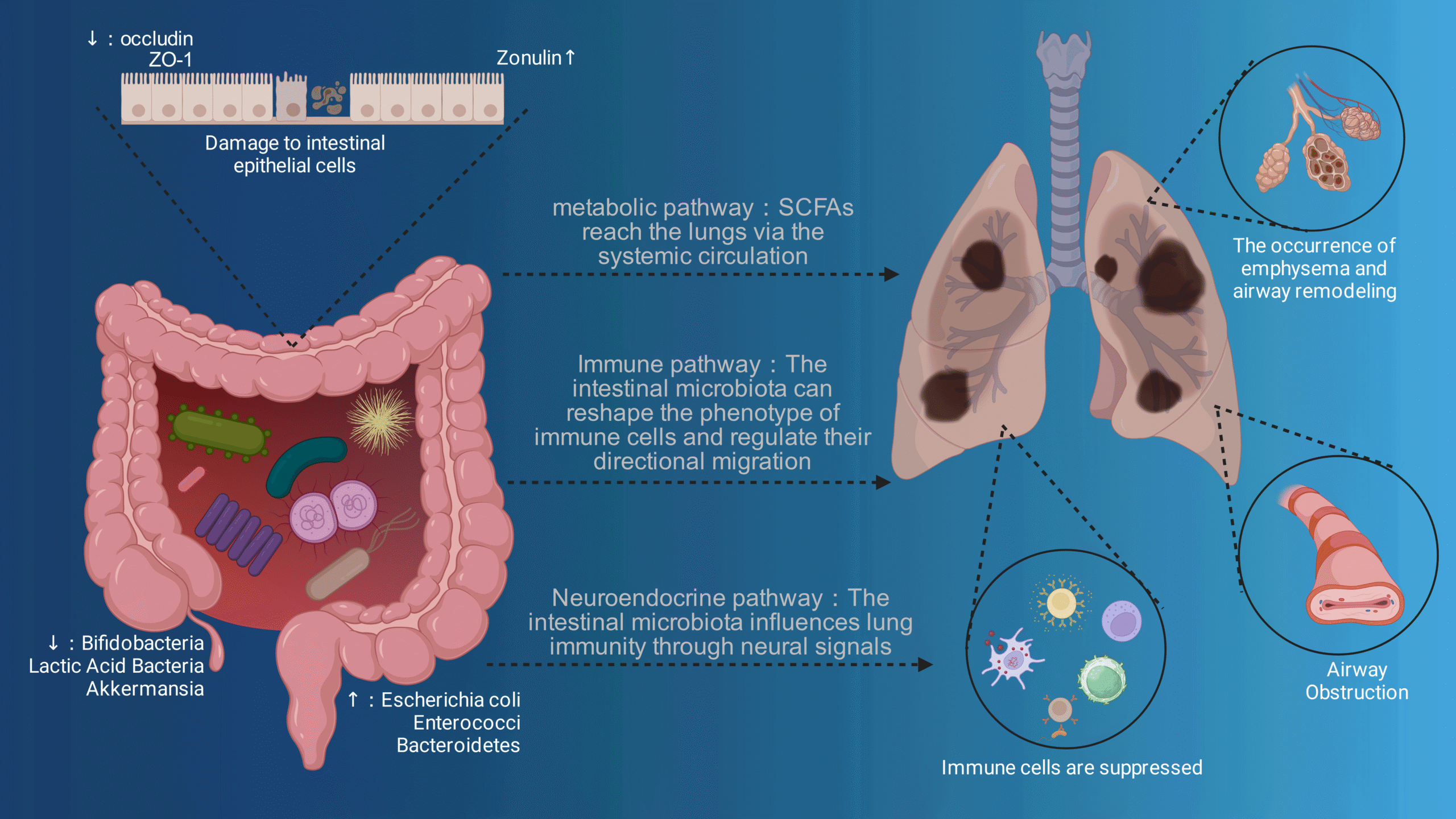
From the gut to the lungs: The role of gut microbiota in chronic obstructive pulmonary disease and related research progress
Yang et al.This article provides new ideas and directions for the basic research and clinical practice of COPD by comprehensively sorting out the association between gut microbiota and COPD.
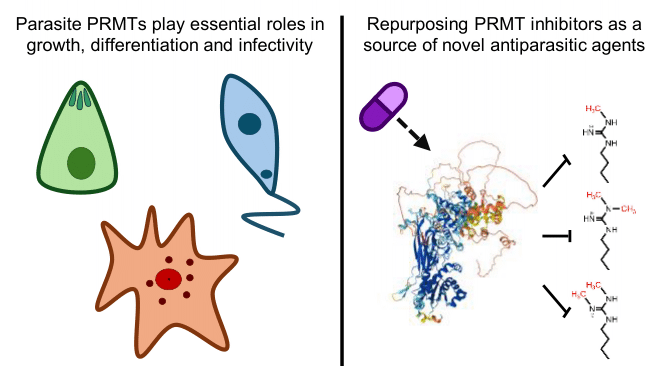
Protein arginine methyltransferases in protozoan parasites: a new path for antiparasitic chemotherapy?
Campagnaro et al.This review discusses the activity and the relevance of arginine methyltransferases for the survival of pathogenic kinetoplastids, apicomplexans and amoebas, and how these enzymes could be exploited as drug targets.
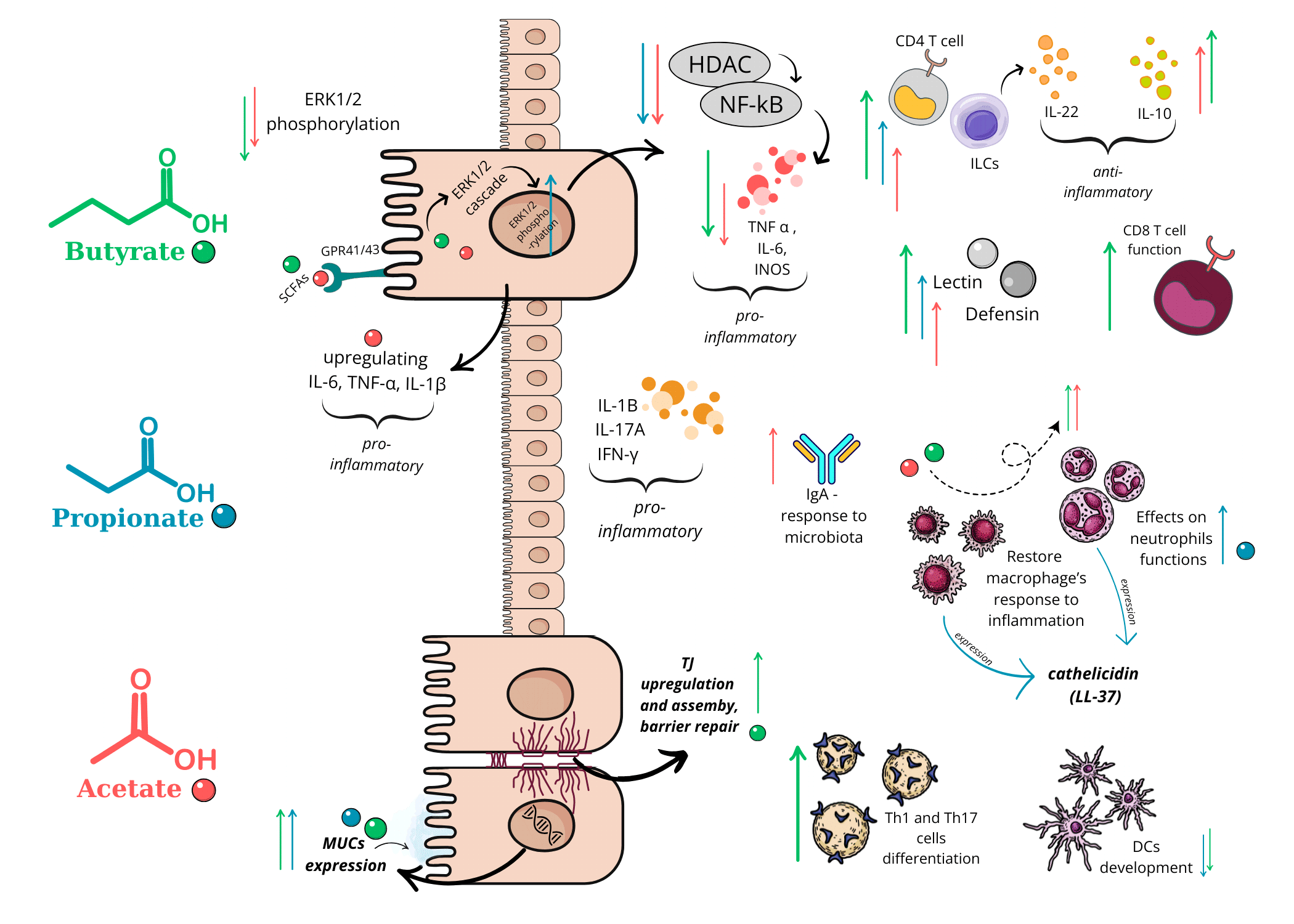
Gut microbiota and ankylosing spondylitis: current insights and future challenges
Lobiuc et al.This review explores the growing role of gut microbiota in AS and its potential to reshape targeted treatment strategies and facilitate development of adjunct therapies to address disease onset and progression.
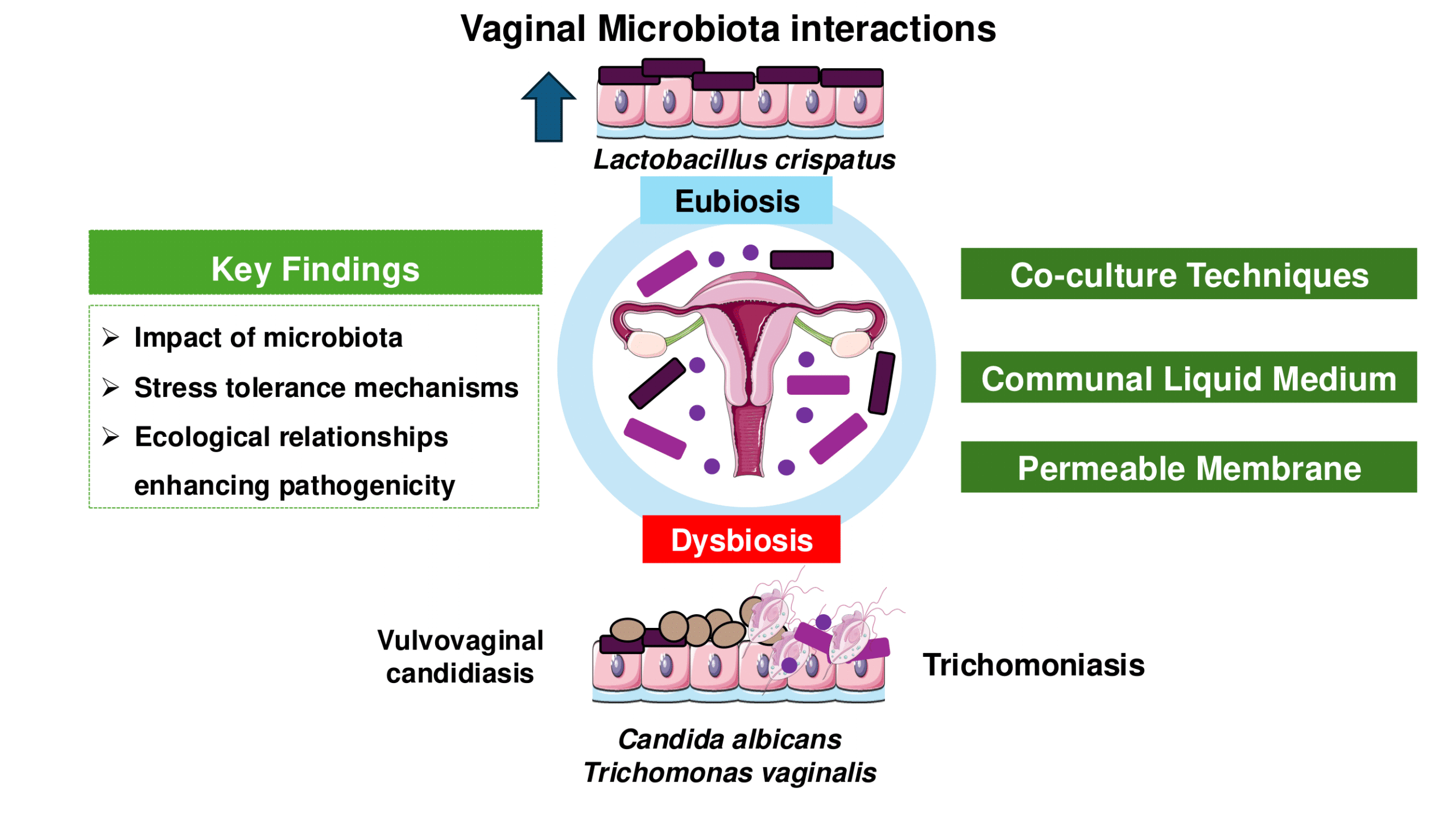
Advancements in vaginal microbiota, Trichomonas vaginalis, and vaginal cell interactions: Insights from co-culture assays
Cardoso and TascaThis review updates co-culture and co-incubation techniques for studying interactions of Lactobacillus spp., representing a pre-dominant member of the healthy vaginal microbiota; Candida spp., the most abundant yeast in the vagina, and T. vaginalis, responsible for the most widespread nonviral STI worldwide.
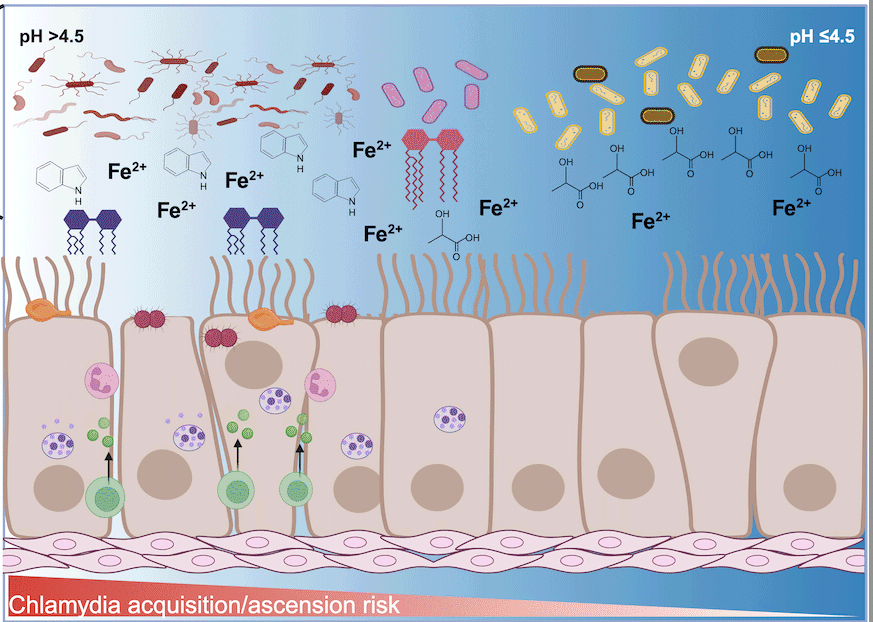
Influence of cervicovaginal microbiota on Chlamydia trachomatis infection dynamics
Hand et al.This review examines the complex interplay between the cervicovaginal microbiome, C. trachomatis infection, and host immune responses, highlighting the role of metabolites such as short-chain and long-chain fatty acids, indole, and iron in modulating pathogen survival and host defenses.
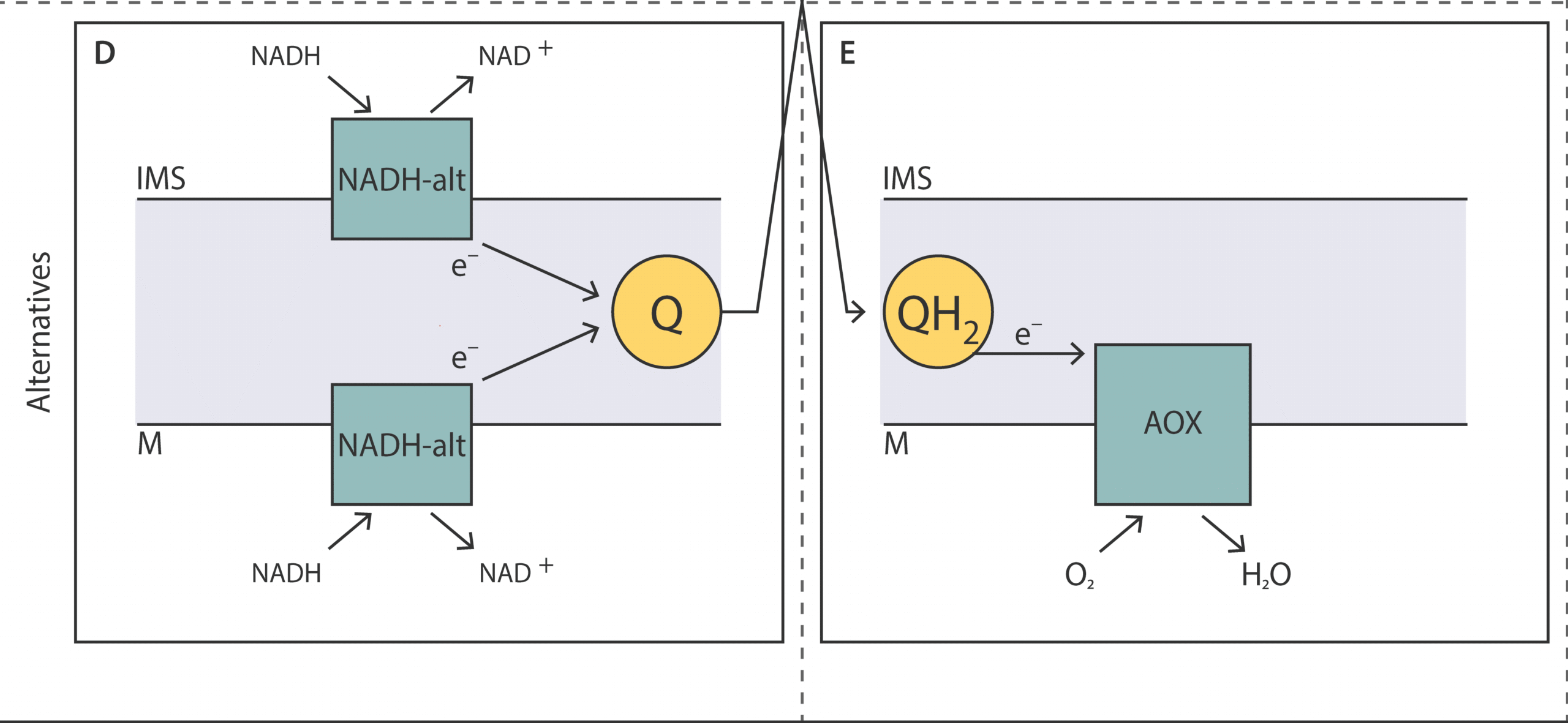
Unveiling the molecular architecture of the mitochondrial respiratory chain of Acanthamoeba castellanii
Scheckhuber et al.This review provides a comprehensive overview of the mitochondrial res-piratory chain in A. castellanii, focusing on the key alternative components involved in oxidative phosphorylation and their roles in energy metabolism, stress response, and adaptation to various conditions.
The emerging role of complex modifications of tRNALysUUU in signaling pathways
Patrick C. Thiaville and Valérie de Crécy-LagardThis comment discusses the article “Loss of wobble uridine modification in tRNA anticodons interferes with TOR pathway signaling” by Scheidt et al (Microbial Cell, 2014).
Only functional localization is faithful localization
Roland LillThis article comments on work published by Peleh et al. (Microbial Cell 2014), which analyzes the localization of Dre2 in Saccharomyces cerevisiae.
One cell, one love: a journal for microbial research
Didac Carmona-Gutierrez et al.In this inaugural article of Microbial Cell, we highlight the importance of microbial research in general and the journal’s intention to serve as a publishing forum that supports and enfolds the scientific diversity in this area as it provides a unique, high-quality and universally accessible source of information and inspiration.
What’s the role of autophagy in trypanosomes?
Katherine Figarella and Néstor L. UzcáteguiThis article comments on Proto et al. (Microbial Cell, 2014), who report first insights into the molecular mechanism of autophagy in African trypanosomes by generating reporter bloodstream form cell lines.
Can’t find what you’re looking for?
You can browse all our issues and published articles here.
FAQs
Peer-reviewed, open-access research using unicellular organisms (and multicellular microorganisms) to understand cellular responses and human disease.
The journal (founded in 2014) is led by its Editors-in-Chief Frank Madeo, Didac Carmona-Gutierrez, and Guido Kroemer
Microbial Cell has been publishing original scientific literature since 2014, and from the very beginning has been managed by active scientists through an independent Publishing House (Shared science Publishers). The journal was conceived as a platform to acknowledge the importance of unicellular organisms, both as model systems as well as in the biological context of human health and disease.
Ever since, Microbial Cell has very positively developed and strongly grown into a respected journal in the unicellular research community and even beyond. This scientific impact is reflected in the yearly number of citations obtained by articles published in Microbial Cell, as recorded by the Web of Science (Clarivate, formerly Thomson/Reuters):

The scientific impact of Microbial Cell is also mirrored in a series of milestones:
2015: Microbial Cell is included in the Emerging Sources Citation Index (ESCI), a selection of developing journals drafted by Clarivate Analytics based on the candidate’s publishing standards, quality, editorial content, and citation data. Note: As an ESCI-selected journal, Microbial Cell is currently being evaluated in a rigorous and long process to determine an inclusion in the Science Citation Index Expanded (SCIE), which allows the official calculation of Clarivate Analytics’ impact factor.

2016: Microbial Cell is awarded the so-called DOAJ Seal by the selective Directory of Open Access Journals (DOAJ). The DOAJ Seal is an exclusive mark of certification for open access journals granted by DOAJ to journals that adhere to outstanding best practice and achieve an extra high and clear commitment to open access and high publishing standards.

2017: Microbial Cell is included in Pubmed Central (PMC), allowing the archiving of all the journal’s articles in PMC and PubMed.

2019: Microbial Cell is indexed in the prestigious abstract and citation database Scopus after a thorough selection process. This also means that Microbial Cell obtains, for the first time, an official Scopus CiteScore as well as an official journal ranking in the Scimago Journal and Country Ranking.

2022: Microbial Cell’s CiteScore reaches a value of 7.2 for the year 2021, positioning Microbial Cell among the top microbiology journals (previously available CiteScores: 2019: 5.4; 2020: 5.1).

2022: Microbial Cell is indexed in the highly selective Science Citation Index Expanded™, which covers approx. 9,500 of the world’s most impactful journals across 178 scientific disciplines. In their journal selection and curation process, Clarivate´s editors apply 24 ‘quality’ criteria and four ‘impact’ criteria to select the most influential journals in their respective fields. This selection is also a pre-requisite for inclusion in the JCR, which features the impact factor.

2022: Microbial Cell is listed in the Journal Citation Reports™ (JCR), and obtains its first official Journal Impact Factor™ (JIF) for the year 2021: 5.316.Check Article Types and Manuscript Preparation guidelines. Submit online via Scholastica.
Metabolic pathways further increase the complexity of cell size control in budding yeast
Jorrit M. EnserinkThis article comments on work published by Soma et al. (Microbial Cell, 2014), which teased apart the effect of metabolism and growth rate on setting of critical cell size in Saccharomyces cerevisiae.