
Research, Research Articles
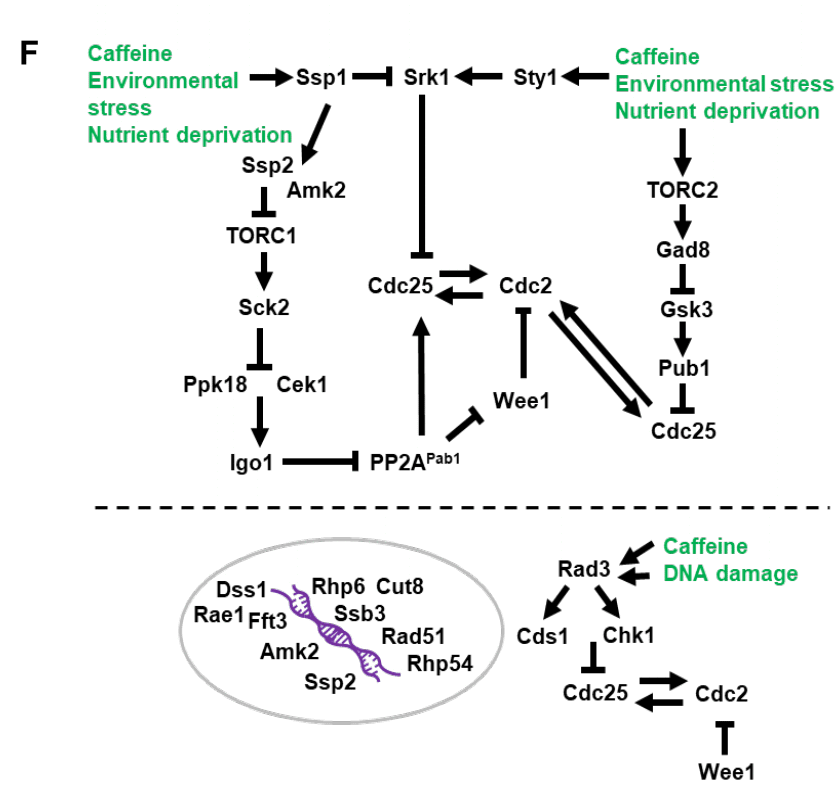
Dissecting the cell cycle regulation, DNA damage sensitivity and lifespan effects of caffeine in fission yeast
John-Patrick Alao1, Juhi Kumar1, Despina Stamataki2 and Charalampos Rallis1
Our findings show that caffeine accelerates mitotic division and is beneficial for CLS through AMPK. Direct pharmacological targeting of AMPK may serve towards healthspan and lifespan benefits beyond yeasts, given the highly conserved nature of this key regulatory cellular energy sensor.
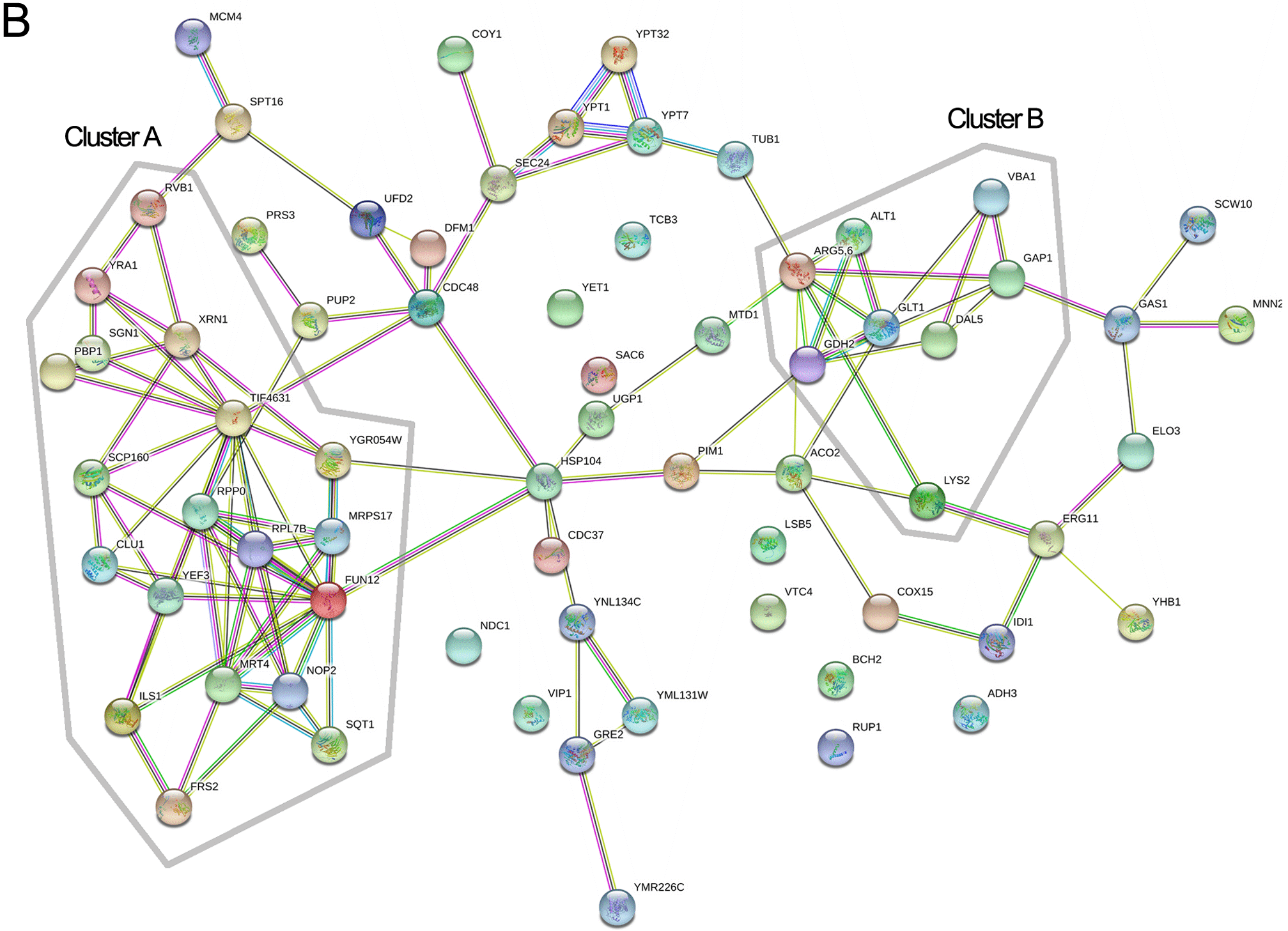
Uga3 influences nitrogen metabolism in Saccharomyces cerevisiae by modulating arginine biosynthesis
Nicolás Urtasun1,2,a, Sebastián Aníbal Muñoz1,a, Martín Arán3 and Mariana Bermúdez-Moretti1
Nitrogen metabolism in Saccharomyces cerevisiae is tightly regulated to optimize the utilization of available nitrogen sources. Uga3 is a known transcription factor involved in the gamma-aminobutyric acid (GABA) pathway; however, its broader role in nitrogen metabolism remains unclear.

An adenine model of inborn metabolism errors alters TDP-43 aggregation and reduces its toxicity in yeast revealing insights into protein misfolding diseases
Sangeun Park, Sei-Kyoung Park, Peter Blair and Susan W. Liebman
This work offers new insights into the potential interactions between me-tabolite-based amyloids and pathological protein aggregates, with broad implications for understanding protein misfolding diseases.
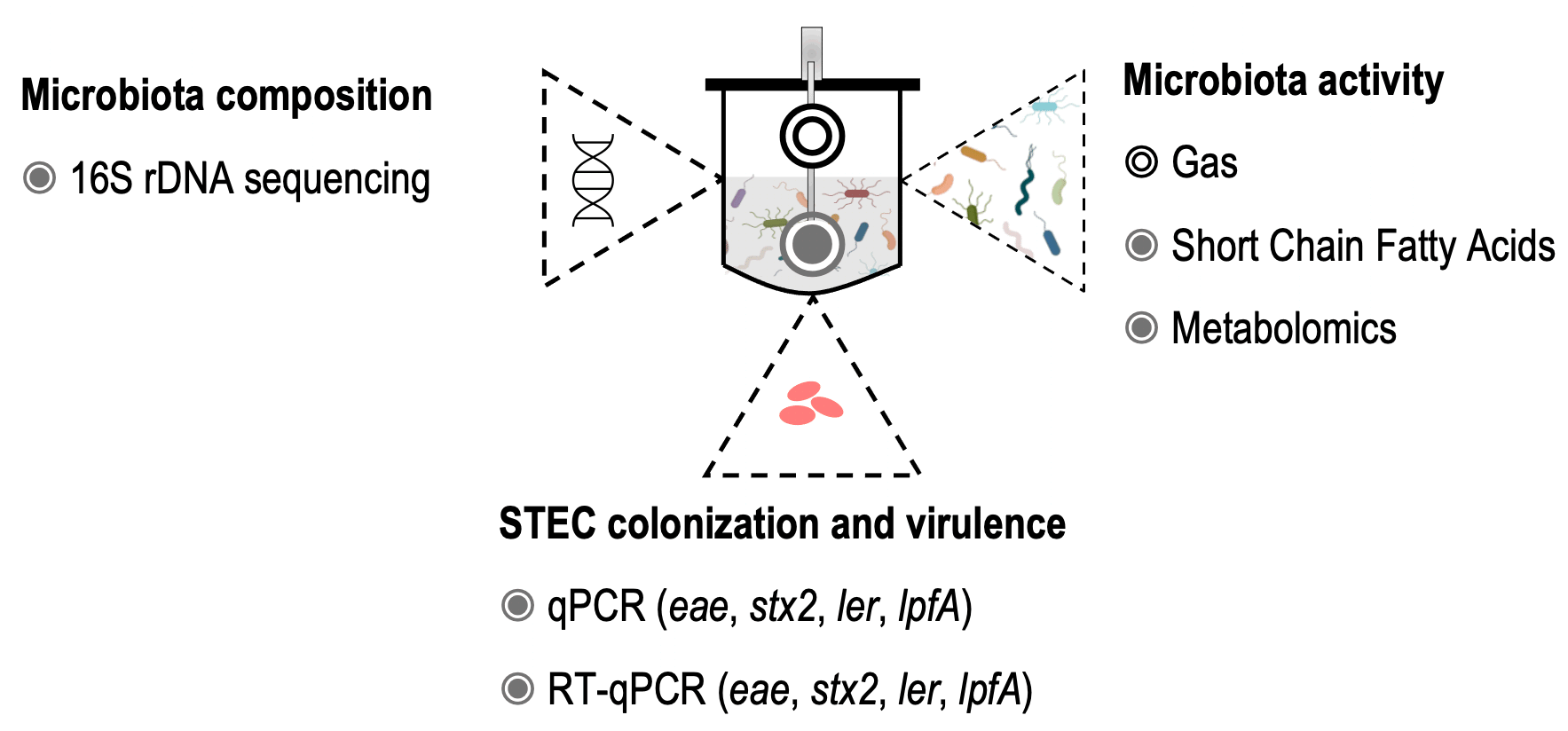
Microbiota and metabolome dynamics induced by Shiga toxin-producing E. coli in an in vitro model of an infant’s colon
Mariana Izquierdo1,a, Deborah O’Sullivan2,a, Ophélie Uriot2, Morgane Brun2, Claude Durif2, Sylvain Denis2, Pablo Gallardo1, Cormac G M Gahan3-5, Lucie Etienne-Mesmin2, Stéphanie Blanquet-Diot2,b and Mauricio J. Farfan1.b
This study provides new evidence of the impact of EHEC in the microbiota and metabolome dynamics in an in vitro gut model that could be useful in understanding their physiopathology in this at-risk population, considering inter-individual variabilities in gut microbiota.

Ampicillin treatment in persister cell studies may cause non-physiological artifacts
Michel Fasnacht1,2, Hena Comic1,2, Isabella Moll1,2
This study shows at the example of L2 how insufficient purification of ampicillin persister cells can lead to the generation of non-physiological artifacts and provides a novel tool to improve the removal of residual cell debris.

Clostridium scindens promotes gallstone formation by inducing intrahepatic neutrophil extracellular traps through CXCL1 produced by colonic epithelial cells
Wenchao Yao1,a, Yuanhang He2,3,a, Zhihong Xie2,3, Qiang Wang2,3, Yang Chen2,4, Jingjing Yu2,3, Xuxu Liu2,3, Dongbo Xue2,3 , Liyi Wang2,3 and Chenjun Hao2,3
Through in vivo and in vitro experiments, we validated the reliability of C. scindens stimulating colonic epithelial cells to produce TLR2, activating the NF-κB signaling pathway, promoting CXCL1 expres-sion, and inducing intrahepatic neutrophil NETosis, which may be associated with gallstone formation.

Integrative Omics reveals changes in the cellular landscape of peroxisome-deficient pex3 yeast cells
Tjasa Kosir1,a, Hirak Das2,a, Marc Pilegaard Pedersen1, Ann-Kathrin Richard2, Marco Anteghini3,4, Vitor Martins dos Santos4,5, Silke Oeljeklaus2, Ida J. van der Klei1 and Bettina Warscheid2
To uncover the consequences of peroxisome deficiency, we compared Saccharomyces cerevisiae wild-type with pex3 cells, which lack peroxisomes, employing quantitative proteomics and transcriptomics technologies.
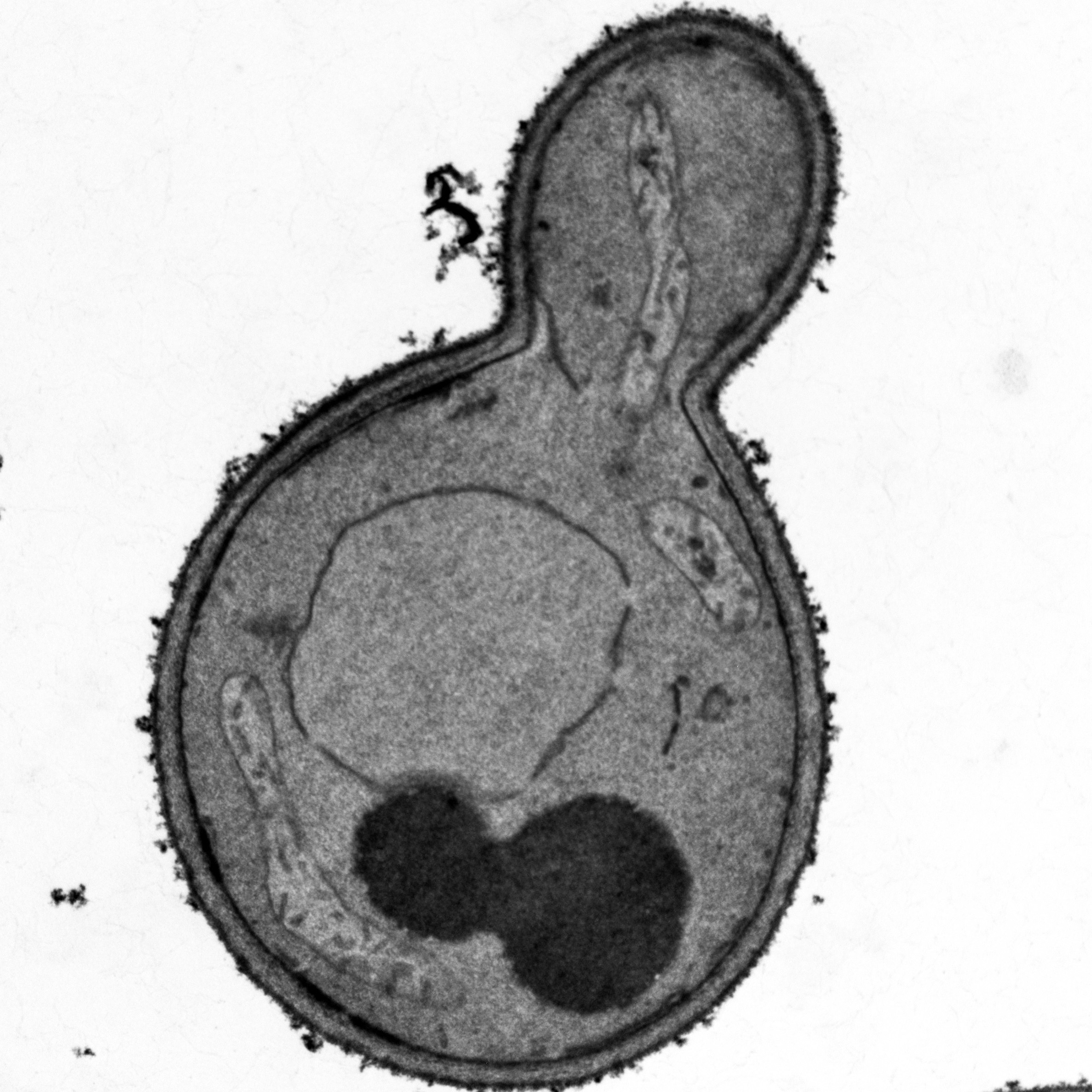
Microwave-assisted preparation of yeast cells for ultrastructural analysis by electron microscopy
Moritz Mayera, Christina Schuga, Stefan Geimer, Till Klecker and Benedikt Westermann
Budding yeast Saccharomyces cerevisiae is widely used as a model organism to study the biogenesis and architecture of organellar membranes, which can be visualized by transmission electron microscopy (TEM).

A complex remodeling of cellular homeostasis distinguishes RSV/SARS-CoV-2 co-infected A549-hACE2 expressing cell lines
Claudia Vanetti1, Irma Saulle1,2, Valentina Artusa1,2, Claudia Moscheni1, Gioia Cappelletti1, Silvia Zecchini1, Sergio Strizzi1, Micaela Garziano1,2, Claudio Fenizia1,2, Antonella Tosoni1, Martina Broggiato1, Pasquale Ogno1, Manuela Nebuloni1, Mario Clerici2,3, Daria Trabattoni1, Fiona Limanaqi1 and Mara Biasin1
Given the common tropism of SARS-CoV-2 and RSV, and the unclear consequences of their mutual influence, we developed an in vitro lung epithelial cell model to study the molecular mechanisms and cellular pathways modulated in viral co-infection.
Mitochondria-Associated Membranes (MAMs) are involved in Bax mitochondrial localization and cytochrome c release
March 15, 2019
This study investigated the role of Mitochondria-Associated Membranes (MAMs) in the regulation of apoptosis by analyzing the localization and function of the pro-apoptotic protein Bax in yeast, finding that disruption of MAMs by deletion of the MDM34 gene affects Bax's mitochondrial localization and the release of cytochrome c.
Chlamydia pneumoniae is present in the dental plaque of periodontitis patients and stimulates an inflammatory response in gingival epithelial cells
March 11, 2019
This study found that Chlamydia pneumoniae is present more frequently in the dental plaque of individuals with periodontal disease, can invade human gingival epithelial cells causing inflammatory responses, and may therefore be a contributing factor to periodontal disease and a potential indicator of risk.
Genome-wide analysis of yeast expression data based on a priori generated co-regulation cliques
January 22, 2019
The study demonstrates the use of predefined genome-wide expression cliques, derived from extensive microarray data, to effectively analyze and visualize the complete gene expression response across various cellular conditions in yeast.
A humanized yeast-based toolkit for monitoring phosphatidylinositol 3-kinase activity at both single cell and population levels
November 12, 2018
In this study, a humanized yeast system for functional studies on higher eukaryotic Phosphatidylinositol 3-kinase (PI3K) was developed by restricting PI3K activity in yeast to specific plasma membrane microdomains, utilizing engineered reporters to monitor activity at a single-cell level and employing novel tools to study the performance of yeast plasma membrane (PM) microdomain-directed PI3K, revealing location-specific effects on yeast growth and endocytosis.
A chemical genetic screen reveals a role for proteostasis in capsule and biofilm formation by Cryptococcus neoformans
October 31, 2018
This study demonstrates that the bipolar disorder drug lithium inhibits the formation of key virulence factors, biofilm, and polysaccharide capsule, in Cryptococcus neoformans by dysregulating the ubiquitin/proteasome system, shedding light on the impact of lithium and providing insights into potential alternative pharmaceutical approaches for combating this fungal pathogen.
Nutritional and meiotic induction of transiently heritable stress resistant states in budding yeast
October 29, 2018
This study demonstrates that transient exposures to environmental stresses induce persistent states of elevated stress resistance in yeast cells, termed cellular memory, suggesting a form of epigenetic inheritance, and shows that this phenomenon occurs not only in meiotically produced spores but also in haploid cells subjected to glucose withdrawal, adding new insights into the developmentally and nutritionally induced cellular memory.
Specific mutations in the permease domain of septal protein SepJ differentially affect functions related to multicellularity in the filamentous cyanobacterium Anabaena
October 16, 2018
In this study, the multifunctional roles of the SepJ protein in the multicellular function of the Anabaena filament were investigated, revealing that specific amino acids and stretches within the protein are essential for the formation of long filaments, heterocyst differentiation, and intercellular communication, shedding light on the structure and diverse functions of SepJ in the model heterocyst-forming cyanobacterium Anabaena sp. strain PCC 7120.
Trehalose-6-phosphate promotes fermentation and glucose repression in Saccharomyces cerevisiae
October 1, 2018
This study examined the capability of trehalose-6-phosphate synthase (TPS1) homologues from various species to complement the phenotypic defects of a Saccharomyces cerevisiae tps1 mutant, resulting in the classification of complementation into different groups based on metabolic patterns and fermentation capacity, shedding light on the role of TPS1 and trehalose-6-phosphate (T6P) as critical factors in sugar fermentation and glucose repression.
Single telomere length analysis in Ustilago maydis, a high-resolution tool for examining fungal telomere length distribution and C-strand 5’-end processing
August 7, 2018
This article introduces the development of single telomere length analysis (STELA) for Ustilago maydis, a basidiomycete fungus, enabling the precise measurement of telomere lengths and distributions. The study demonstrates STELA's utility in revealing the existence of relatively short telomeres in wild-type cells, preferential loss of long telomeres in a mutant defective in telomere replication, and the characterization of telomere C-strand 5’ ends, highlighting U. maydis as a strong model for telomere research.
Temporal analysis of the autophagic and apoptotic phenotypes in Leishmania parasites
August 1, 2018
This article details a comprehensive analysis of miltefosine-induced cell death and autophagy in Leishmania major, providing criteria for clear identification of apoptotic and autophagic cells, demonstrating the sequential nature of autophagy followed by apoptosis in nutrient-deprived conditions, and cautioning against using the generic kinase inhibitor staurosporine as a Leishmania apoptosis inducer, with the aim of improving the understanding of these processes and their targeting for new anti-leishmanial drugs.