
Research, Research Reports

The core genetic drivers of chronological aging in yeast are universal regulators of longevity
Erika Cruz-Bonilla1, Sergio E. Campos2, Soledad Funes3, Cei Abreu-Goodger4 and Alexander DeLuna1,2,*
This study provides an integrated view of the core genetic landscape underlying aging in yeast, highlighting the value of the chronological lifespan paradigm for investigating conserved mechanisms of aging.

Organelle activity organized by the endoplasmic reticulum-mitochondria encounter structure –ERMES– is essential for Podospora anserina development
Melisa Álvarez-Sánchez1, Matías Ramírez-Noguez1, Beatriz Aguirre-López1 and Leonardo Peraza-Reyes1
This study shows that the regulation of the activity of multiple organelles by the ERMES (Endoplasmic Reticulum-Mitochondria Encounter Structure) tethering complex is essential for fungal growth and sexual development.
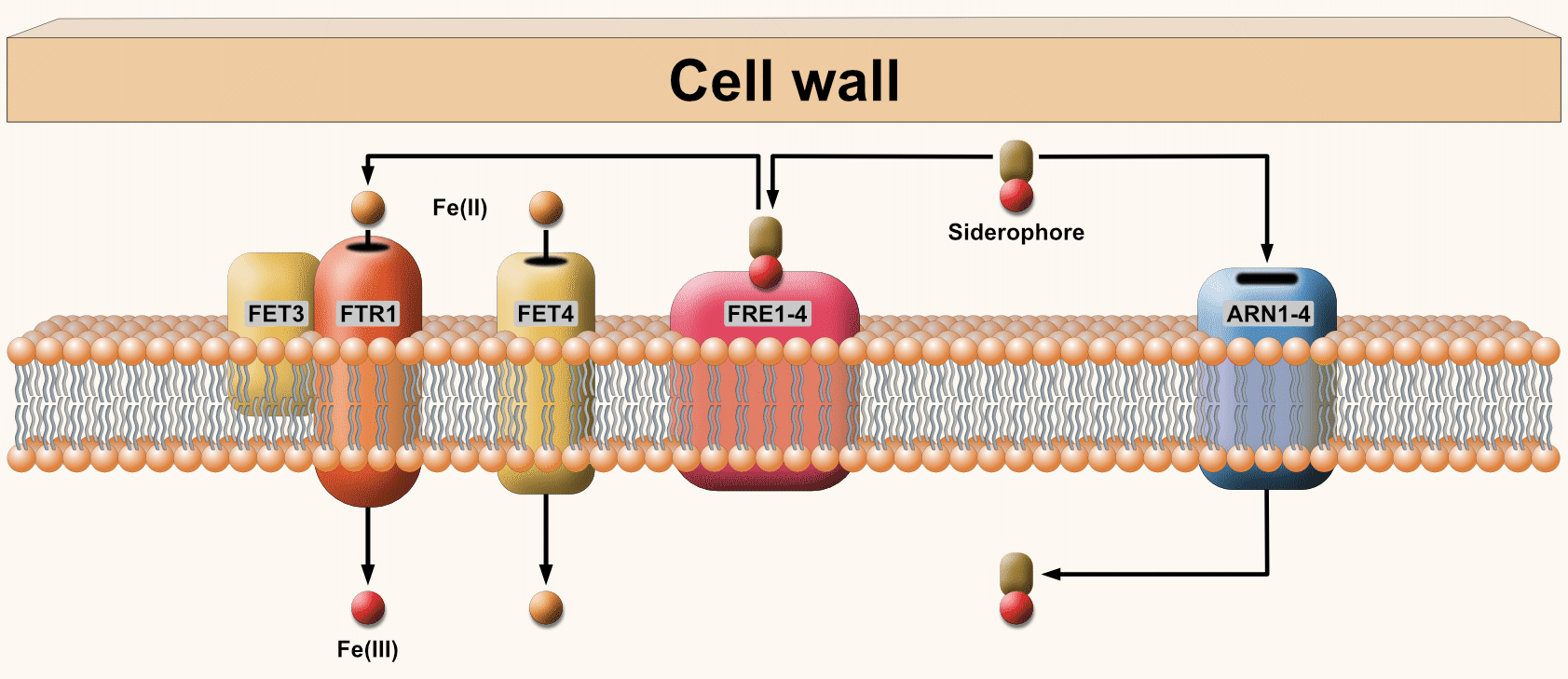
Role of the putative sit1 gene in normal germination of spores and virulence of the Mucor lusitanicus
Bernadett Vágó1,2, Kitti Bauer1,2, Naomi Varghese1,2, Sándor Kiss-Vetráb1,2, Sándor Kocsubé1,2, Mónika Varga1,2, András Szekeres1,2, Csaba Vágvölgyi1,2, Tamás Papp1,2,3,# and Gábor Nagy1,2,3,#
Mucormycosis is a life-threatening infection caused by certain members of the fungal order Mucorales, with increased incidence in recent years. Individuals with untreated diabetes mellitus, and patients treated with deferoxamine are particularly susceptible to this infection.

Tumor microenvironment signatures enhances lung adenocarcinoma prognosis prediction: Implication of intratumoral microbiota
Fei Zhao1,#, Lei Wang2,3,4,#, Dongjie Du5, Heaven Zhao6,7, Geng Tian6,7, Yufeng Li2,3,8, Yankun Liu2,8,9, Zhiwu Wang2,3,10, Dasheng Liu11, Jingwu Li2,3,12, Lei Ji6,7 and Hong Zhao1
The interaction between intratumoral microbiome and the tumor microenvironment (TME) has furthered our understanding of tumor ecology. Yet, the implications of their interaction for lung cancer management remain unclear.

Persistence phenotype of adherent-invasive Escherichia coli in response to ciprofloxacin, revealing high-persistence strains
Valeria Pérez-Villalobos1, Roberto Vidal2, Marcela A. Hermoso3,4 and Paula Bustamante1
We investigated the roles of the resident antibiotic resistance plasmid, the stress response protein HtrA, and macrophage-induced persister formation. Our results revealed broad variability in persister cell formation among AIEC strains.

Knocking out histidine ammonia-lyase by using CRISPR-Cas9 abolishes histidine role in the bioenergetics and the life cycle of Trypanosoma cruzi
Janaína de Freitas Nascimento1, María Julia Barisón1, Gabriela Torres Montanaro1, Letícia Marchese1, Rodolpho Ornitz Oliveira Souza1, Letícia Sophia Silva2, Alessandra Aparecida Guarnieri2 and Ariel Mariano Silber1
Recent studies have highlighted the importance of this pathway in ATP production, redox balance, and the maintenance of cellular homeostasis in T. cruzi. In this work, we focus on the first step of the histidine degradation pathway, which is performed by the enzyme histidine ammonia lyase. Here we determined the kinetic and biochemical parameters of the T. cruzi histidine ammonia-lyase.
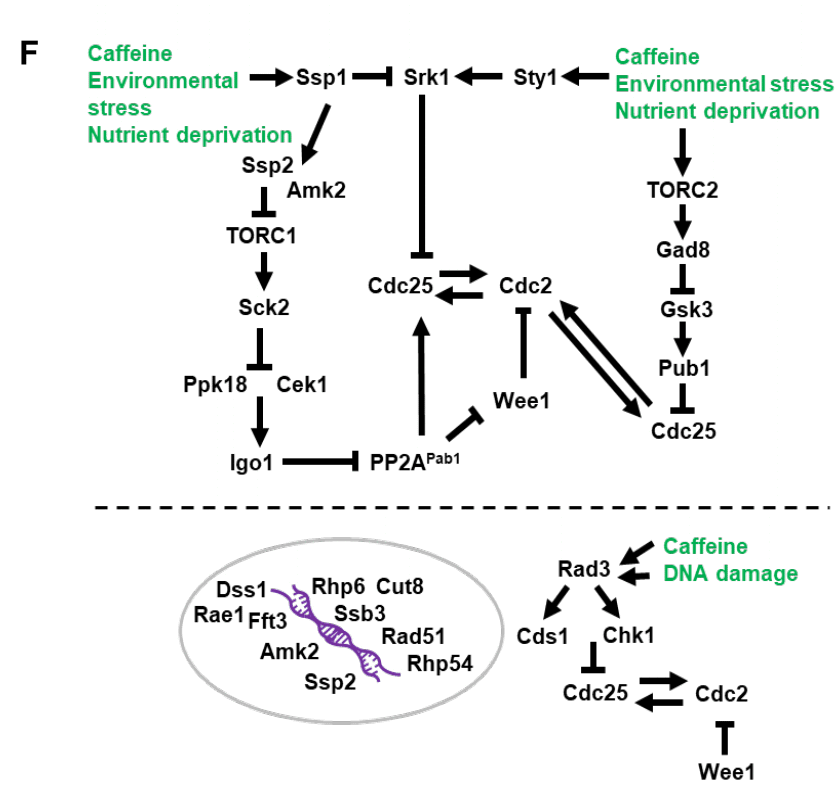
Dissecting the cell cycle regulation, DNA damage sensitivity and lifespan effects of caffeine in fission yeast
John-Patrick Alao1, Juhi Kumar1, Despina Stamataki2 and Charalampos Rallis1
Our findings show that caffeine accelerates mitotic division and is beneficial for CLS through AMPK. Direct pharmacological targeting of AMPK may serve towards healthspan and lifespan benefits beyond yeasts, given the highly conserved nature of this key regulatory cellular energy sensor.
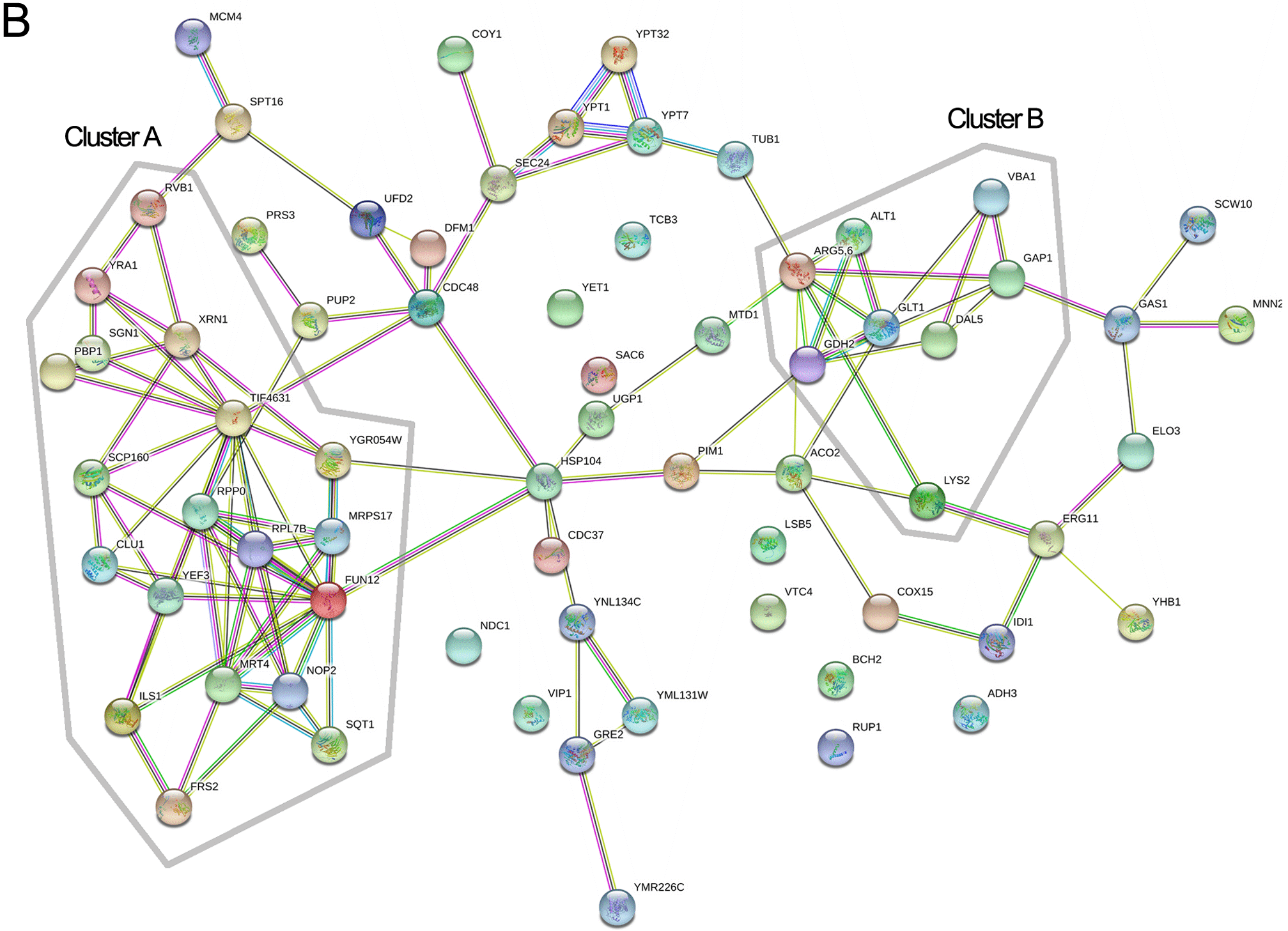
Uga3 influences nitrogen metabolism in Saccharomyces cerevisiae by modulating arginine biosynthesis
Nicolás Urtasun1,2,a, Sebastián Aníbal Muñoz1,a, Martín Arán3 and Mariana Bermúdez-Moretti1
Nitrogen metabolism in Saccharomyces cerevisiae is tightly regulated to optimize the utilization of available nitrogen sources. Uga3 is a known transcription factor involved in the gamma-aminobutyric acid (GABA) pathway; however, its broader role in nitrogen metabolism remains unclear.

An adenine model of inborn metabolism errors alters TDP-43 aggregation and reduces its toxicity in yeast revealing insights into protein misfolding diseases
Sangeun Park, Sei-Kyoung Park, Peter Blair and Susan W. Liebman
This work offers new insights into the potential interactions between me-tabolite-based amyloids and pathological protein aggregates, with broad implications for understanding protein misfolding diseases.
Unresolved mystery of cyclic nucleotide second messengers, periplasmic acid phosphatases and bacterial natural competence
July 18, 2024
In this study we aimed to identify the promotors responsible for the expression of the non-specific acid phosphatase AphA during different starvation conditions, to confirm the requirement of the cAMP-dependent CRP regulon for aphA expression, and to finally identify regulators of its expression.
Polyadenylated versions of small non-coding RNAs in Saccharomyces cerevisiae are degraded by Rrp6p/Rrp47p independent of the core nuclear exosome
May 22, 2024
In this investigation, we unveiled a novel functional role of the major nuclear 3′→5′ exoribonuclease, Rrp6p, and its cofactor Rrp47p in the degradation of polyadenylated versions of several mature sncRNAs, including 5S, 5.8S rRNAs, all sn- and some select snoRNAs in the baker’s yeast S. cerevisiae.
Exploring carbon source related localization and phosphorylation in the Snf1/Mig1 network using population and single cell-based approaches
May 16, 2024
In this work we set out to explore the relationship between the subcellular localization and regulation of kinases in the context of carbon source signaling. The data presented in this paper reinforce the notion that not only the activation/inactivation of kinases but also their subcellular localization and that of their targets influence fate decisions in response to environmental changes.
A Modular Cloning Toolkit for the production of recombinant proteins in Leishmania tarentolae
April 30, 2024
Modular Cloning (MoClo) is based on libraries of standardized genetic parts that can be directionally assembled via Golden Gate cloning in one-pot reactions into transcription units and multigene constructs. We established a MoClo toolkit and exemplified its application for the production of recombinant proteins in L. tarentolae.
The effect of multiple sclerosis therapy on gut microbiota dysbiosis: a longitudinal prospective study
April 6, 2024
The gut microbiota, a complex ecosystem with various immune functions, plays a significant role in MS, and its response to different treatments is highlighted in this study. In clinical practice, maintaining a healthy microbiota is crucial for individuals with MS.
Comparison of microbial communities and the profile of sulfate-reducing bacteria in patients with ulcerative colitis and their association with bowel diseases: a pilot study
March 14, 2024
Considerable evidence has accumulated regarding the molecular relationship between gut microbiota (GM) composition and the onset (clinical presentation and prognosis) of ulcerative colitis UC. Our findings highlight, among other observations, significant variations in the gut microbial composition among patients with varying disease severity and activity.
Replicative aging in yeast involves dynamic intron retention patterns associated with mRNA processing/export and protein ubiquitination
February 27, 2024
Saccharomyces cerevisiae has yielded relevant insights into some of the basic mechanisms of organismal aging. Among these are genomic instability, oxidative stress, caloric restriction and mitochondrial dysfunction. Our work uncovers a previously unexplored layer of the transcriptional program of yeast aging and, more generally, expands the knowledge on the occurrence of alternative splicing in baker´s yeast.