
Review, Reviews

Saccharomyces cerevisiae in cancer research: modeling tumor biology and enabling drug discovery
Graziana Assalve1,a, Paola Lunetti1,a, Annalisa Fai1, Luca Frattaruolo2, Anna Rita Cappello2, Alessandra Ferramosca1,* and Vincenzo Zara1
By combining genetic tractability with conservation of key cellular pathways, Saccharomyces cerevisiae is emerging as a versatile model for cancer biology and a scalable platform for identifying therapeutic targets and vulnerabilities.

Prohibitins: emerging host targets of bacteria and viruses at the plasma membrane, mitochondria, and cytoplasm
Grecia O. Rivera-Palomino1,2 and Arianne L. Theiss1,2,3
Prohibitins are emerging as central host hubs exploited by bacteria and viruses to rewire signaling and mitochondrial dynamics. The current review discusses Prohibitins in host-pathogen interplay and their potential as novel anti-infective targets.

Outer membrane vesicles in Vibrio species: Roles in biofilm formation and pathogenesis
Kumari Shambhavi and Durg Vijai Singh
This review explores current knowledge on outer membrane vesicles (OMVs) in Vibrio species, highlighting their roles in pathogenesis, host interaction, and marine ecology; and identifies major knowledge gaps, outlining key methodological challenges and future prospects for OMV-based applications.

The mechanism of Tat-dependent protein translocation
Thomas Brüser1,* and Carsten Sanders2,3,4
This review integrates mechanistically relevant biochemical, molecular, and structural studies on Tat-dependent translocation of folded proteins into an in its molecular detail new comprehensive explanation of how the Tat system mediates protein transport.
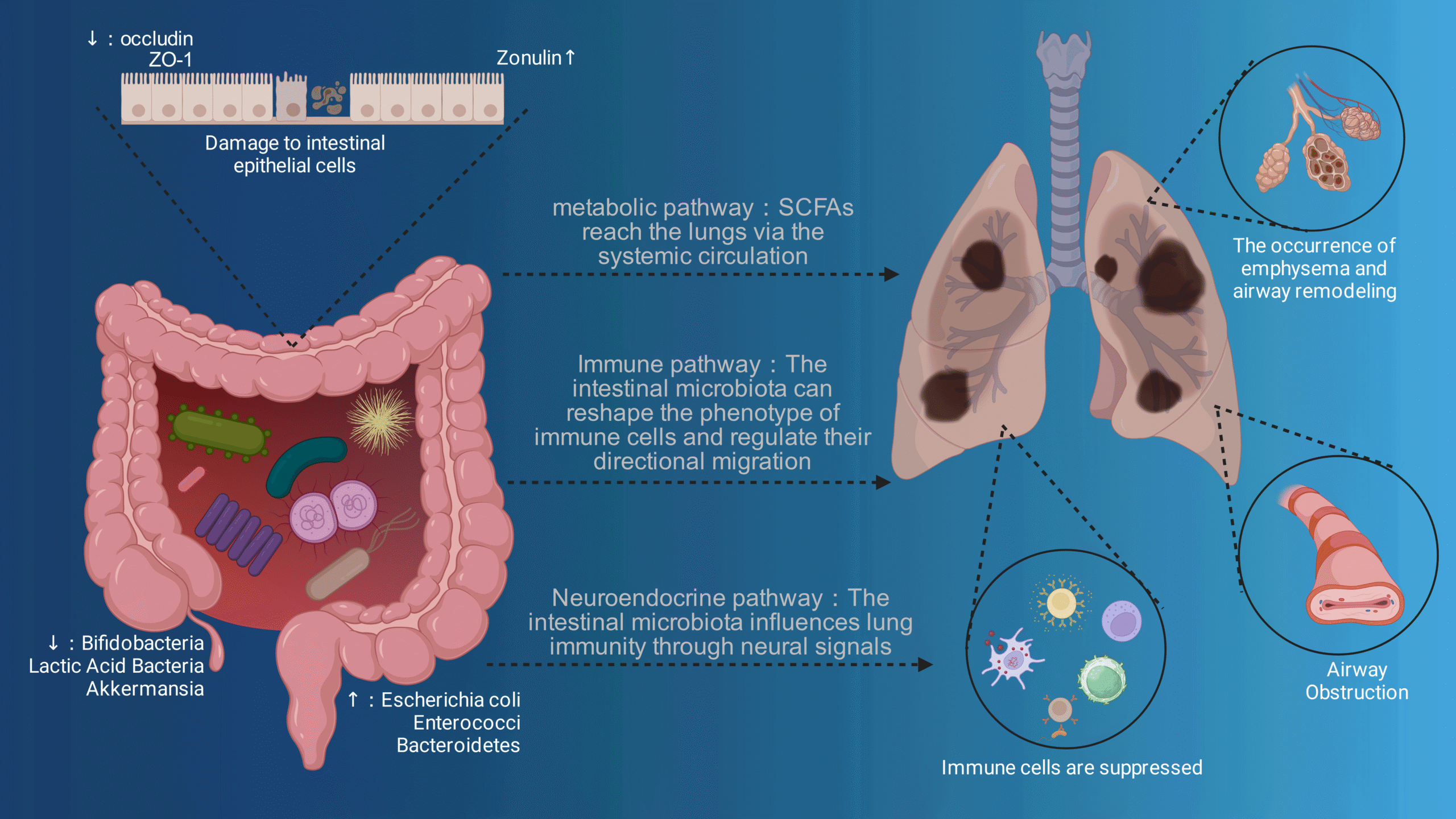
From the gut to the lungs: The role of gut microbiota in chronic obstructive pulmonary disease and related research progress
Simin Yang1,2, Shuting Zeng1,2, Yongan Deng1,2, Xiaodong Duan1,2, Chengkai Chen1,2, Luyun Sun2, Yongkang Qiao2 and Zunpeng Shu1,2
This article provides new ideas and directions for the basic research and clinical practice of COPD by comprehensively sorting out the association between gut microbiota and COPD.
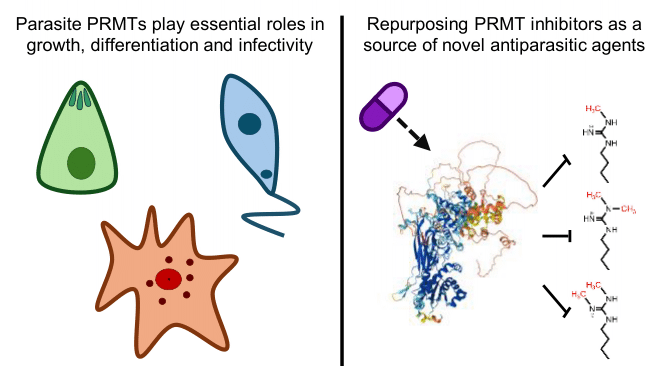
Protein arginine methyltransferases in protozoan parasites: a new path for antiparasitic chemotherapy?
Gustavo D. Campagnaro1,* and Sébastien Pomel2
This review discusses the activity and the relevance of arginine methyltransferases for the survival of pathogenic kinetoplastids, apicomplexans and amoebas, and how these enzymes could be exploited as drug targets.
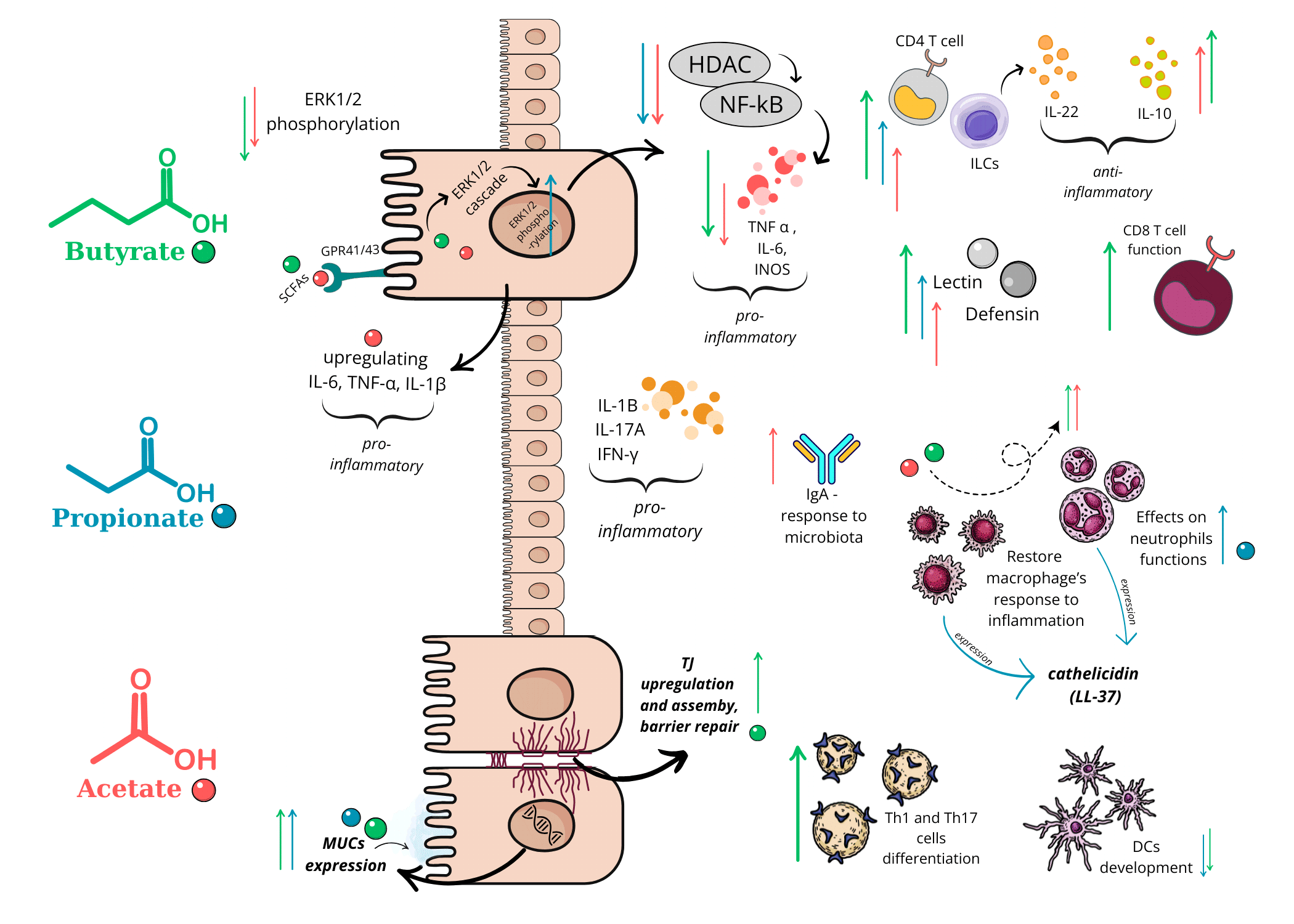
Gut microbiota and ankylosing spondylitis: current insights and future challenges
Andrei Lobiuc1, Liliana Groppa2, Lia Chislari2, Eugeniu Russu2,3, Marinela Homitchi2,3, Camelia Ciorescu2,3, Sevag Hamamah4, I. Codruta Bran1 and Mihai Covasa1
This review explores the growing role of gut microbiota in AS and its potential to reshape targeted treatment strategies and facilitate development of adjunct therapies to address disease onset and progression.
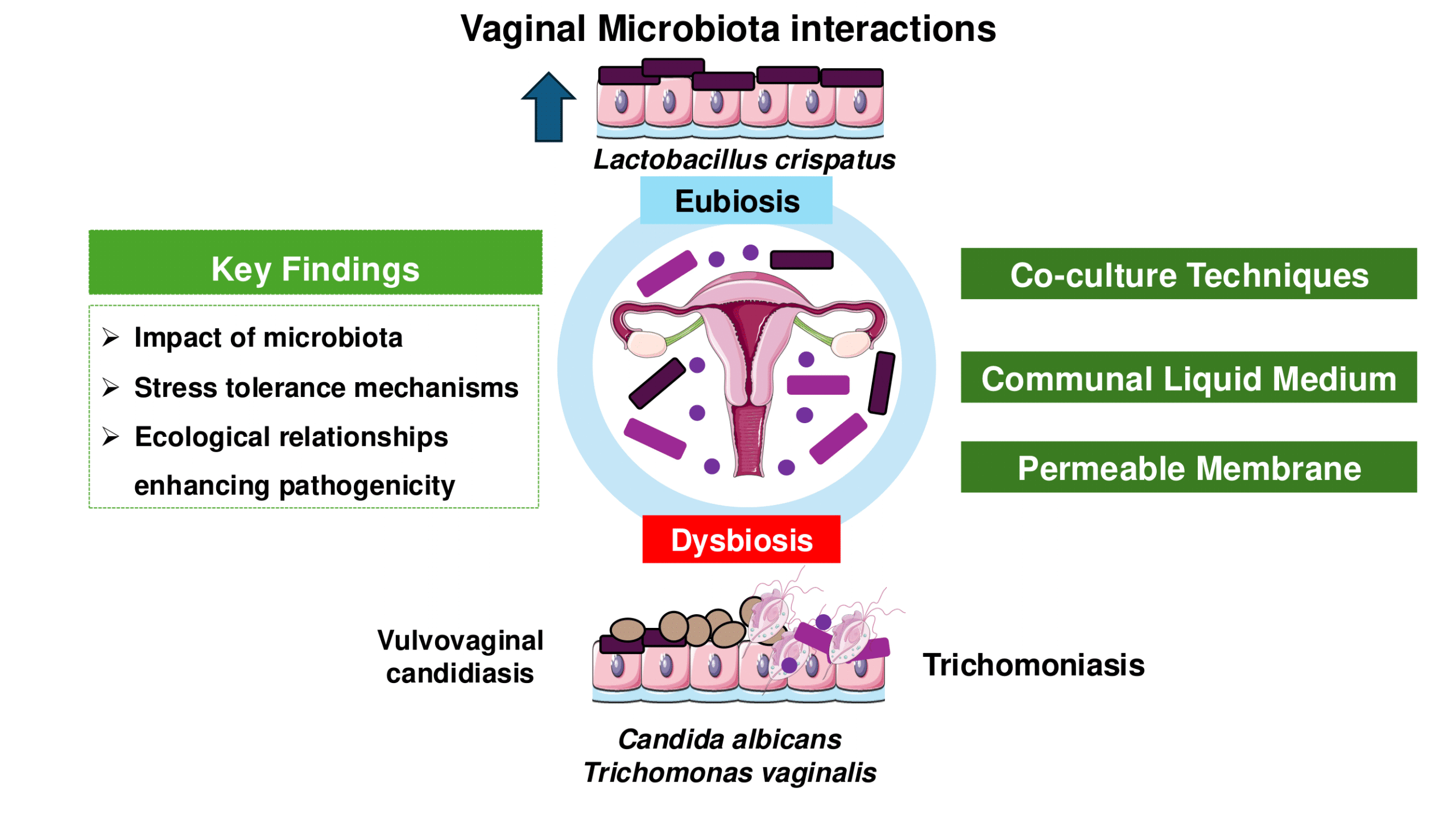
Advancements in vaginal microbiota, Trichomonas vaginalis, and vaginal cell interactions: Insights from co-culture assays
Fernanda Gomes Cardoso and Tiana Tasca
This review updates co-culture and co-incubation techniques for studying interactions of Lactobacillus spp., representing a pre-dominant member of the healthy vaginal microbiota; Candida spp., the most abundant yeast in the vagina, and T. vaginalis, responsible for the most widespread nonviral STI worldwide.
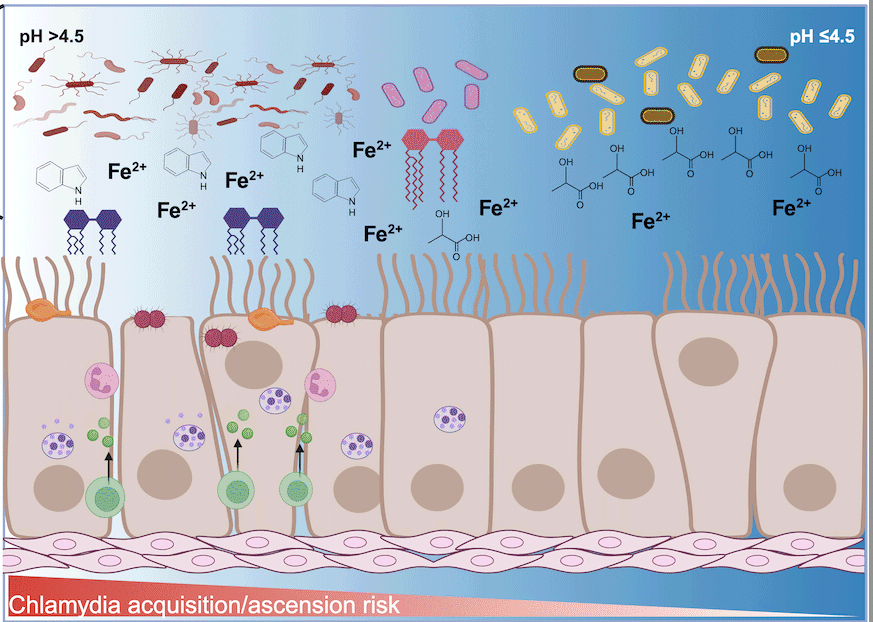
Influence of cervicovaginal microbiota on Chlamydia trachomatis infection dynamics
Emily Hand1, Indriati Hood-Pishchany1,2, Toni Darville1,2 and Catherine M. O’Connell2
This review examines the complex interplay between the cervicovaginal microbiome, C. trachomatis infection, and host immune responses, highlighting the role of metabolites such as short-chain and long-chain fatty acids, indole, and iron in modulating pathogen survival and host defenses.
Diverse conditions support near-zero growth in yeast: Implications for the study of cell lifespan
August 20, 2019
This review discusses alternative cultivation methods for baker's yeast to study its chronological lifespan, with the aim of better understanding the ageing of non-dividing cells and their potential implications for the lifespan of multicellular eukaryotes such as humans.
Evolution of the bacterial nucleosidase PpnN and its relation to the stringent response
July 16, 2019
This article comments on work published by Zhang et al (Mol Cell, 2019), which discovered an interesting mode of regulation of purine metabolism unique to Proteobacteria.
Integrins in disguise – mechanosensors in Saccharomyces cerevisiae as functional integrin analogues
July 15, 2019
This article shows that although yeast lack integrin-like proteins, they possess WSC- and MID-type mechanosensors that functionally resemble integrins in animal cells, playing a role in sensing external mechanical stimuli and activating the conserved PKC1-SLT1 cell wall integrity pathway, with potential implications for understanding mechanosensing in yeast biology.
Bacterial maze runners reveal hidden diversity in chemotactic performance
July 1, 2019
This article comments on work published by Salek et al. (Nat Commun, 2019), which combined microfluidic experiments with mathematical modeling to demonstrate that even in clonal populations, bacteria are individuals with different abilities to climb chemical gradients.
Laundry and textile hygiene in healthcare and beyond
July 1, 2019
This article shows that while institutional laundering is regulated to ensure hygiene, the trend towards energy-efficient washing at lower temperatures raises concerns about the antimicrobial efficacy of domestic laundering, with a focus on addressing microbial contamination in both clinical and home settings.
Bacterial pathogens under high-tension: Staphylococcus aureus adhesion to von Willebrand factor is activated by force
June 11, 2019
This article comments on work published by Viela et al (mBio, 2019), which shows that the bacterial cell surface protein A to the large plasma glycoprotein von Willebrand factor interaction is tightly regulated by mechanical force.
Yeast AP-1 like transcription factors (Yap) and stress response: a current overview
May 28, 2019
This review summarizes current understanding of the eight Yap transcription factors in Saccharomyces cerevisiae, detailing their activation by specific stress conditions and discussing their function and evolution across various fungal species.
Septin clearance from the division site triggers cytokinesis in budding yeast
May 22, 2019
This article comments on work published by Tamborrini et al (Nat Commun., 2019), which shows that septin displacement during splitting is an essential prerequisite for contractile actomyosin ring constriction during mitosis.
The influence of the microbiota on immune development, chronic inflammation, and cancer in the context of aging
May 13, 2019
This article shows that the microbiota is crucial for immune system development and that its relationship with the immune system during aging and the pathogenesis of age-related diseases, including cancer, needs further research to inform disease treatment and prevention.