

Regulation of extracellular vesicles for protein secretion in Aspergillus nidulans
This study reveals that Aspergillus nidulans boosts extracellular vesicle production when ER-trafficked enzymes are induced, uncovering how fungi remodel their secretome through vesicle-mediated secretion to adapt to changing environments and biofilm formation.

Transcriptomic response to different heme sources in Trypanosoma cruzi epimastigotes
This study uncovers how the Chagas disease parasite adapts to changes in heme, an essential molecule for its survival, providing transcriptional clues to heme metabolism and identifying a previously unreported heme-binding protein in T. cruzi.

Luminal acetylation of microtubules is not essential for Plasmodium berghei and Toxoplasma gondii survival
Acetylation of α-tubulin at lysine 40 is not essential for cytoskeletal stability in Plasmodium berghei or Toxoplasma gondii, suggesting redundancy and plasticity in microtubule regulation in these parasites.

The dual-site agonist for human M2 muscarinic receptors Iper-8-naphtalimide induces mitochondrial dysfunction in Saccharomyces cerevisiae
S. cerevisiae is a model to study human GPCRs. N-8-Iper, active against glioblastoma via M2 receptor, causes mitochondrial damage in yeast by binding Ste2, highlighting evolutionary conservation of GPCRs.

Integrative Omics reveals changes in the cellular landscape of peroxisome-deficient pex3 yeast cells
To uncover the consequences of peroxisome deficiency, we compared Saccharomyces cerevisiae wild-type with pex3 cells, which lack peroxisomes, employing quantitative proteomics and transcriptomics technologies.


Occlusal types shape oral microbiome stomatotypes and metabolic landscapes: A multi-omics perspective on host-microbe interaction
Duan et alThis study reveals how occlusal types shape oral microbiome “stomatotypes” and metabolic profiles in adolescents. It offers fresh insights that host anatomy drives microecology which may be associated with personalized oral health.

Prohibitins: emerging host targets of bacteria and viruses at the plasma membrane, mitochondria, and cytoplasm
Rivera-Palomino and TheissProhibitins are emerging as central host hubs exploited by bacteria and viruses to rewire signaling and mitochondrial dynamics. The current review discusses Prohibitins in host-pathogen interplay and their potential as novel anti-infective targets.

Outer membrane vesicles in Vibrio species: Roles in biofilm formation and pathogenesis
Shambhavi and SinghThis review explores current knowledge on outer membrane vesicles (OMVs) in Vibrio species, highlighting their roles in pathogenesis, host interaction, and marine ecology; and identifies major knowledge gaps, outlining key methodological challenges and future prospects for OMV-based applications.

Genomic epidemiology of carbapenemase-producing Klebsiella pneumoniae circulating in a Chilean tertiary-care hospital (2021–2022): Molecular characterization, resistance-virulence convergence, and clinical associations
Araya et al.This study characterized carbapenem-resistant Kp (CR-Kp) strains isolated at the Hospital Clínico Universidad de Chile (HCUCH) 2021-2022 and explored associations with clinical characteristics.

The mechanism of Tat-dependent protein translocation
Brüser and SandersThis review integrates mechanistically relevant biochemical, molecular, and structural studies on Tat-dependent translocation of folded proteins into an in its molecular detail new comprehensive explanation of how the Tat system mediates protein transport.

Sugar-induced cell death (SICD) in Saccharomyces cerevisiae: insights into nitrogen-mediated rescue and apoptotic cell death pathways
Parbhudayal and ChengThis study examined mechanisms through which yeast sugar-induced cell death can be prevented. High concentrations of glucose induced a catastrophic response that was only rescued by highly preferred nitrogen sources and by preventing nuclear localization of specific cell death proteins.
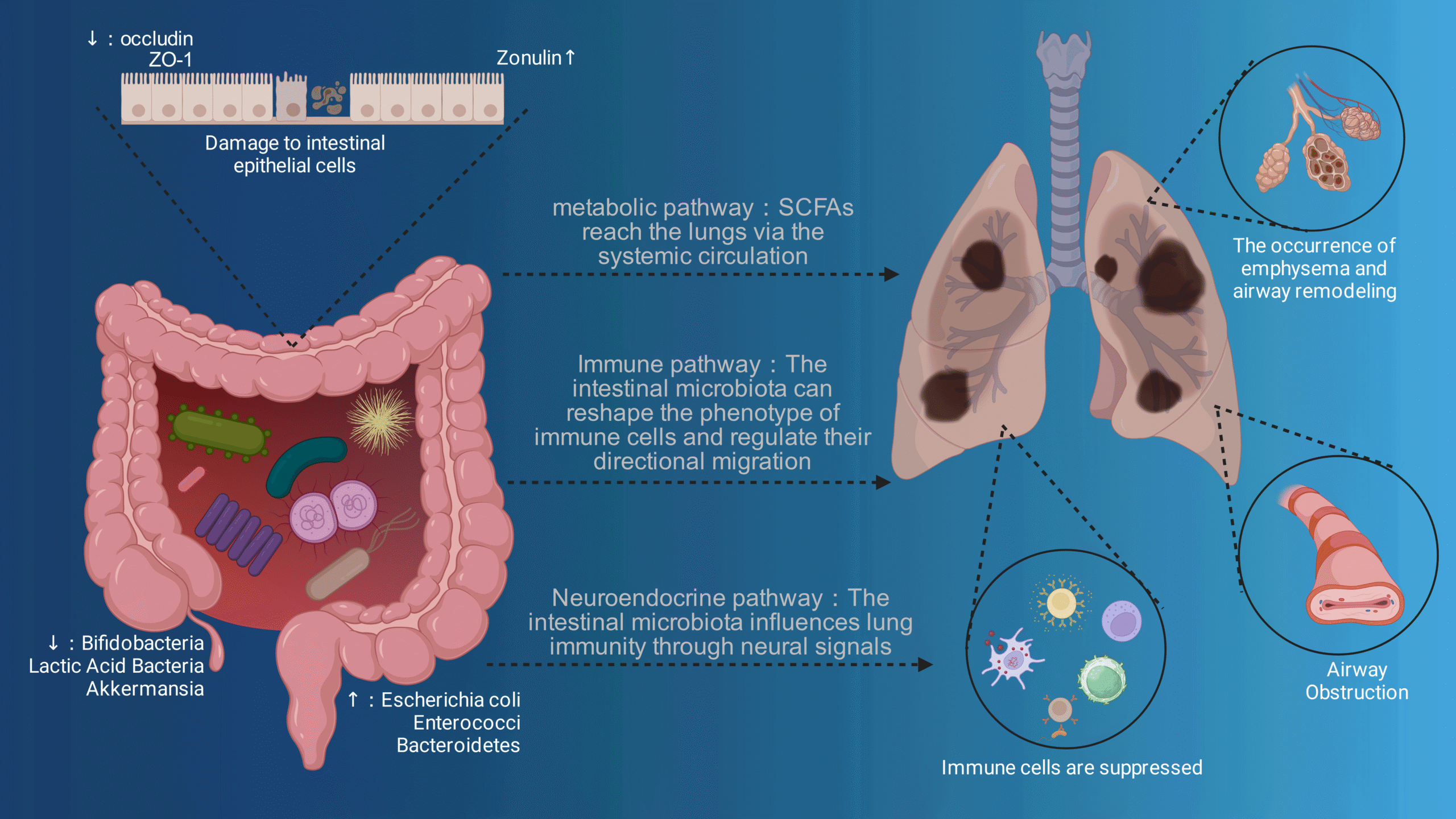
From the gut to the lungs: The role of gut microbiota in chronic obstructive pulmonary disease and related research progress
Yang et al.This article provides new ideas and directions for the basic research and clinical practice of COPD by comprehensively sorting out the association between gut microbiota and COPD.

TOR-dependent regulation of the yeast homolog of the juvenile Batten Disease-associated gene CLN3
Pillalamarri et al.This study identifies conditions and genes that induce BTN1 expression in yeast. We show that BTN1 expression is regulated by translational control and by the mTOR1 pathway. An understanding of when and why BTN1 expression will aid in understanding the expression of CLN3, which may be helpful in the treatment of this devastating disease.

Metagenomic and microbiological analyses of historical manuscripts for bacterial community profiling and bacteria-related biodeterioration assessment
Keles and CelikBy documenting both culturable and non-culturable taxa, this work provides a foundational dataset for understanding bacterial contributions to manuscript stability and offers a methodological framework for future research on biodeterioration dynamics in Islamic and global documentary heritage.
Two distinct and competitive pathways confer the cellcidal actions of artemisinins
The biological actions of artemisinin (ART), an antimalarial drug derived from Artemisia annua, remain poorly understood and controversial. This article concludes that ARTs are endowed with two major and distinct types of properties: a potent and specific mitochondria-dependent reaction and a more general and less specific heme-mediated reaction. The competitive nature of these two actions could be explained by their shared source of the consumable ARTs, so that inhibition of the heme-mediated degradation pathway would enable more ARTs to be available for the mitochondrial action. These properties of ARTs can be used to interpret the divergent antimalarial and anticancer actions of ARTs.
Loss of wobble uridine modification in tRNA anticodons interferes with TOR pathway signaling
The herein presented data suggest that proper TOR signaling requires intact tRNA modifications and that loss of U34 modifications impinges on the TOR-sensitive NCR branch via Gln3 misregulation.
Measurement of apoptosis by SCAN©, a system for counting and analysis of fluorescently labelled nuclei
This work reports on a system for analyses of apoptosis-like programmed cell death in fungal hyphae that is composed of several modules, which enable automatic quantification of nuclei with chromatin condensation and DNA strand break in large datasets according to nuclei-associated fluorescent markers.
Rewiring yeast acetate metabolism through MPC1 loss of function leads to mitochondrial damage and decreases chronological lifespan
This work shows that MPC1-deficient cells make up for their impairment in mitochondrial pyruvate with a metabolic rewiring which involves several intermediates of the mitochondrially localized TCA cycle and the cytosolic glyoxylate shunt but ultimately results in a pro-aging process.
Overexpression of the transcription factor Yap1 modifies intracellular redox conditions and enhances recombinant protein secretion
This article investigates the role of Yap1 during the production of recombinant secretory proteins in glucose based growth conditions in Pichia pastoris, and reports a novel role of Yap1 during ER-resident oxidative protein folding.
Functional analysis of lipid metabolism genes in wine yeasts during alcoholic fermentation at low temperature
This study confirms the importance of specific genes in growth and fermentation activity of Saccharomyces cerevisiae at low temperature.
Angiotensin II type 1 receptor blockers increase tolerance of cells to copper and cisplatin
This study reports the identification of the drug class of Angiotensin II Type 1 receptor blockers (ARBs) and shows that specific ARBs increase yeast tolerance to Cu and Cp, and affect markers of Cu-induced apoptosis. Likewise, this study finds that specific ARBs increase human cell line tolerance to Cu and decrease the prevalence of apoptotic markers.
An extensive endoplasmic reticulum-localised glycoprotein family in trypanosomatids
This work describes a novel family of type I membrane proteins (“invariant glycoproteins”) and proposes them as trypanosomatid-specific ER-localised glycoproteins, with potential contributions to life cycle progression and immunity, that utilise oligomerisation as an ER retention mechanism.
Time resolved DNA occupancy dynamics during the respiratory oscillation uncover a global reset point in the yeast growth program
Using multiple approaches, this work implies a nucleosome focusing event as a key step that resets transcription during the respiratory oscillation.
Too much of a good thing: Overproduction of virulence factors impairs cryptococcal pathogenicity
Reuwsaat et al.This article comments on work published by Reuwsaat et al. (mBio, 2021), which identified the transcription factor Pdr802 as essential for Cryptococcus neoformans adaptation to and survival under host conditions both in vitro and in vivo.
Mechanisms underlying lactic acid tolerance and its influence on lactic acid production in Saccharomyces cerevisiae
Peetermans et al.This article reviews the manner in which Saccharomyces cerevisiae deals with the accumulation of lactic acid as a singular stress factor as well as in combination with other stresses. In addition, different methods to improve lactic acid tolerance in S. cerevisiae using targeted and non-targeted engineering methods are discussed.
When the pandemic opts for the lockdown: Secretion system evolution in the cholera bacterium
Santoriello and PukatzkiThis article comments on work published by Santoriello et al. (Nat Comm, 2020), which demonstrates that the T6SS island Auxiliary Cluster 3 (Aux3) is unique to pandemic strains of V. cholerae.
Biofilms by bacterial human pathogens: Clinical relevance – development, composition and regulation – therapeutical strategies
Schulze et al.This review focuses on bacterial biofilms formed by human pathogens, highlights their relevance for diverse diseases and discusses therapeutical intervention strategies targeting biofilms.
Maintaining phagosome integrity during fungal infection: do or die?
Yang et al.This article refers to the paper “Lysosome Fusion Maintains Phagosome Integrity during Fungal Infection” by Westman et al. (Cell Host Microbe, 2020), which shows that macrophages respond to pathogen growth by expanding the phagosome membrane through a calcium-dependent mechanism involving lysosome insertion, maintaining membrane integrity and preventing rupture.
Milestones in Bacillus subtilis sporulation research
Riley et al.In this review, the foundational discoveries that shaped the sporulation field are discussed, from its origins to the present day, tracing a chronology that spans more than one hundred eighty years.
A novel antibacterial strategy: histone and antimicrobial peptide synergy
Duong et al.This article refers to the study “Mammalian histones facilitate antimicrobial synergy by disrupting the bacterial proton gradient and chromosome organization” by Doolin et al. (Nat Comm, 2020) that shows that histones enhance the antimicrobial activity of peptides, disrupt bacterial membranes, and inhibit transcription, offering new insights into natural antimicrobial mechanisms.
Extracellular vesicles: An emerging platform in gram-positive bacteria
Bose et al.Extracellular vesicles (EVs) are secreted by both pathogenic and non-pathogenic bacteria to transfer biomolecules and facilitate intercellular communication. While EV secretion in gram-negative bacteria is well understood, less is known about gram-positive bacteria. This review explores the role of EVs involved in bacterial competition, survival, immune evasion, and infection of gram-positive bacteria and compares them to gram-negative counterparts.

Patterns of protein synthesis in the budding yeast cell cycle: variable or constant?
No et al.Proteins are the principal macromolecular constituent of proliferating cells, and protein synthesis is viewed as a primary metric of cell growth. While there are celebrated examples of proteins whose levels are periodic in the cell cycle (e.g., cyclins), the concentration of most proteins was not thought to change in the cell cycle, but some recent results challenge this notion. The ‘bulk’ protein is the focus of this article, specifically the rate of its synthesis, in the budding yeast Saccharomyces cerevisiae.
Ribose 5-phosphate: the key metabolite bridging the metabolisms of nucleotides and amino acids during stringent response in Escherichia coli?
Grucela et al.Here we propose the metabolite ribose 5’-phosphate as the key link between nucleotide and amino acid metabolisms and a working model integrating both the transcriptional and metabolic effects of (p)ppGpp on E. coli physiological adaptation during the stringent response.
Flagellated bacterial porter for in situ tumor vaccine
Xu et al.Cancer immunotherapy, which use the own immune system to attack tumors, are increasingly popular treatments. But, due to the tumor immunosuppressive microenvironment, the antigen presentation in the tumor is limited. Recently, a growing number of people use bacteria to stimulate the body’s immunity for tumor treatment due to bacteria themselves have a variety of elements that activate Toll-like receptors. Here, we discuss the use of motility of flagellate bacteria to transport antigens to the tumor periphery to activate peritumoral dendritic cells to enhance the effect of in situ tumor vaccines.
The rise of Candida auris: from unique traits to co-infection potential
Egger et al.Candida auris is a multidrug resistant (MDR) fungal pathogen with a crude mortality rate of 30-60%. First identified in 2009, C. auris has been rapidly rising to become a global risk in clinical settings and was declared an urgent health threat by the Centers for Disease Control and Prevention (CDC). A concerted global action is thus needed to successfully tackle the challenges created by this emerging fungal pathogen. In this brief article, we underline the importance of unique virulence traits, including its easy transformation, its persistence outside the host and its resilience against multiple cellular stresses, as well as of environmental factors that have mainly contributed to the rise of this superbug.
A hundred spotlights on microbiology: how microorganisms shape our lives
Carmona-Gutierrez et al.Viral, bacterial, fungal and protozoal biology is of cardinal importance for the evolutionary history of life, ecology, biotechnology and infectious diseases. Various microbiological model systems have fundamentally contributed to the understanding of molecular and cellular processes, including the cell cycle, cell death, mitochondrial biogenesis, vesicular fusion and autophagy, among many others. Microbial interactions within the environment have profound effects on many fields of biology, from ecological diversity to the highly complex and multifaceted impact of the microbiome on human health. Also, biotechnological innovation and corresponding industrial operations strongly depend on microbial engineering. With this wide range of impact in mind, the peer-reviewed (…)
Yeast goes viral: probing SARS-CoV-2 biology using S. cerevisiae
Ho et al.The budding yeast Saccharomyces cerevisiae has long been an outstanding platform for understanding the biology of eukaryotic cells. Robust genetics, cell biology, molecular biology, and biochemistry complement deep and detailed genome annotation, a multitude of genome-scale strain collections for functional genomics, and substantial gene conservation with Metazoa to comprise a powerful model for modern biological research. Recently, the yeast model has demonstrated its utility in a perhaps unexpected area, that of eukaryotic virology. Here we discuss three innovative applications of the yeast model system to reveal functions and investigate variants of proteins encoded by the SARS-CoV-2 virus.
Murals meet microbes: at the crossroads of microbiology and cultural heritage
Bauer et al.This article comments on the duality of microorganisms in the conservation and restoration of cultural heritage, which encompasses the negative impact of damaging microorganisms and recent advances in using specific microorganisms and microbial-based technologies for cultural heritage preservation.
Urm1, not quite a ubiquitin-like modifier?
Kaduhr et al.This article comments on work published by Brachmann et al. (Redox Biol, 2020), which studied urmylation of the yeast 2-Cys peroxiredoxin Ahp1, uncovering that promiscuous lysine target sites and specific redox requirements determine the Urm1 acceptor activity of the peroxiredoxin.
Can’t find what you’re looking for?
You can browse all our issues and published articles here.
FAQs
Peer-reviewed, open-access research using unicellular organisms (and multicellular microorganisms) to understand cellular responses and human disease.
The journal (founded in 2014) is led by its Editors-in-Chief Frank Madeo, Didac Carmona-Gutierrez, and Guido Kroemer
Microbial Cell has been publishing original scientific literature since 2014, and from the very beginning has been managed by active scientists through an independent Publishing House (Shared science Publishers). The journal was conceived as a platform to acknowledge the importance of unicellular organisms, both as model systems as well as in the biological context of human health and disease.
Ever since, Microbial Cell has very positively developed and strongly grown into a respected journal in the unicellular research community and even beyond. This scientific impact is reflected in the yearly number of citations obtained by articles published in Microbial Cell, as recorded by the Web of Science (Clarivate, formerly Thomson/Reuters):

The scientific impact of Microbial Cell is also mirrored in a series of milestones:
2015: Microbial Cell is included in the Emerging Sources Citation Index (ESCI), a selection of developing journals drafted by Clarivate Analytics based on the candidate’s publishing standards, quality, editorial content, and citation data. Note: As an ESCI-selected journal, Microbial Cell is currently being evaluated in a rigorous and long process to determine an inclusion in the Science Citation Index Expanded (SCIE), which allows the official calculation of Clarivate Analytics’ impact factor.

2016: Microbial Cell is awarded the so-called DOAJ Seal by the selective Directory of Open Access Journals (DOAJ). The DOAJ Seal is an exclusive mark of certification for open access journals granted by DOAJ to journals that adhere to outstanding best practice and achieve an extra high and clear commitment to open access and high publishing standards.

2017: Microbial Cell is included in Pubmed Central (PMC), allowing the archiving of all the journal’s articles in PMC and PubMed.

2019: Microbial Cell is indexed in the prestigious abstract and citation database Scopus after a thorough selection process. This also means that Microbial Cell obtains, for the first time, an official Scopus CiteScore as well as an official journal ranking in the Scimago Journal and Country Ranking.

2022: Microbial Cell’s CiteScore reaches a value of 7.2 for the year 2021, positioning Microbial Cell among the top microbiology journals (previously available CiteScores: 2019: 5.4; 2020: 5.1).

2022: Microbial Cell is indexed in the highly selective Science Citation Index Expanded™, which covers approx. 9,500 of the world’s most impactful journals across 178 scientific disciplines. In their journal selection and curation process, Clarivate´s editors apply 24 ‘quality’ criteria and four ‘impact’ criteria to select the most influential journals in their respective fields. This selection is also a pre-requisite for inclusion in the JCR, which features the impact factor.

2022: Microbial Cell is listed in the Journal Citation Reports™ (JCR), and obtains its first official Journal Impact Factor™ (JIF) for the year 2021: 5.316.Check Article Types and Manuscript Preparation guidelines. Submit online via Scholastica.
It takes four to tango: the cooperative adventure of scientific publishing
Carmona-Gutierrez et al.This Editorial is the 500th article published in Microbial Cell, a journey that started in 2014 and has seen the journal grow steadily and maintain itself as a respected community platform. The foundation that has allowed for and driven this development – as for any responsible journal – is composed of four essential pillars: the readers, the authors, the editors and the referees.