
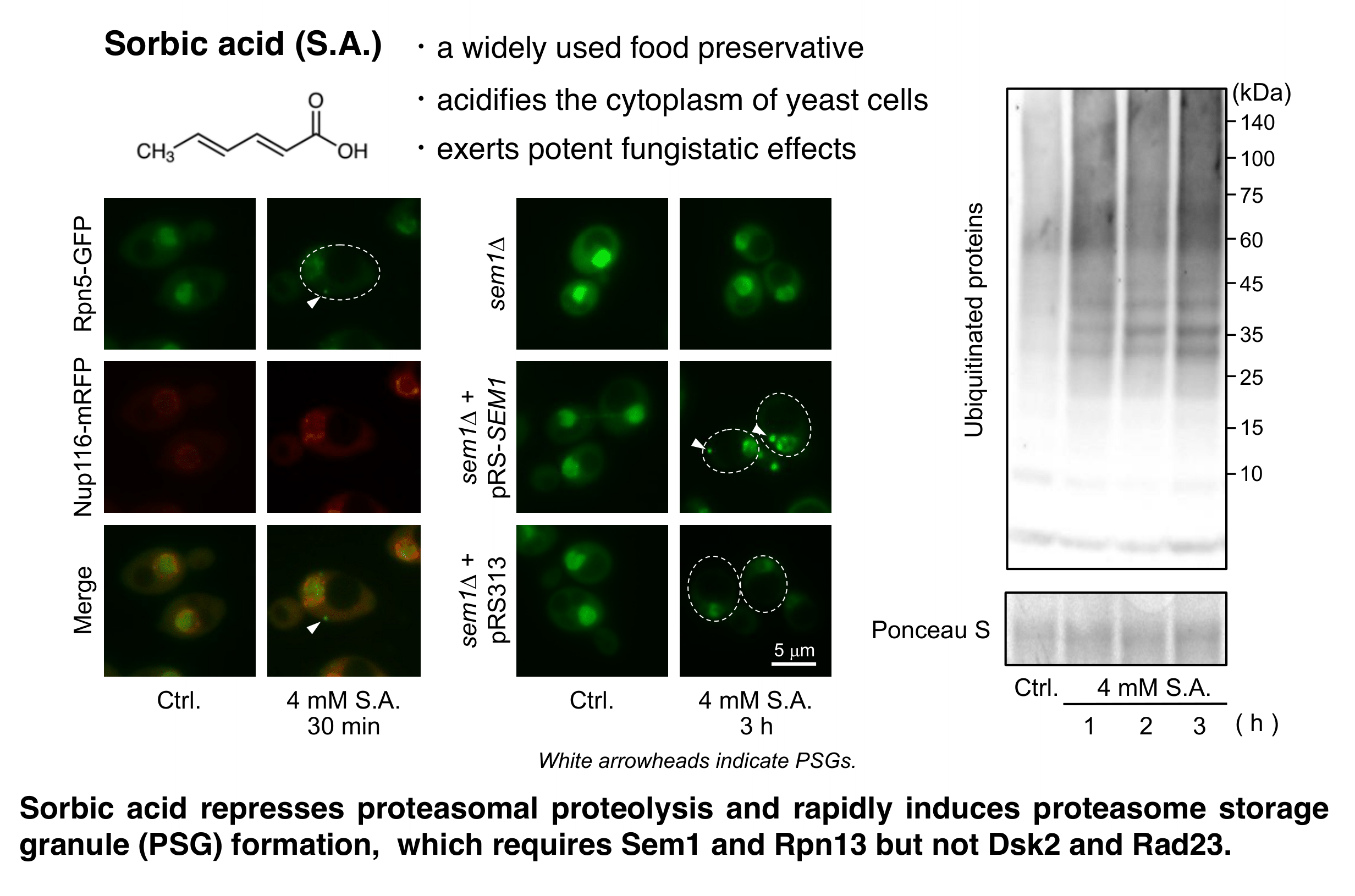
Sorbic acid triggers rapid formation of proteasome storage granules in Saccharomyces cerevisiae
This study demonstrates that sorbic acid, a common food preservative, induces the fastest reported proteasome storage granule (PSG) formation in yeast within 30 min, highlighting differences from other PSG-inducing conditions like acetic acid stress.

Saccharomyces cerevisiae in cancer research: modeling tumor biology and enabling drug discovery
By combining genetic tractability with conservation of key cellular pathways, Saccharomyces cerevisiae is emerging as a versatile model for cancer biology and a scalable platform for identifying therapeutic targets and vulnerabilities.

A time-resolved high-throughput screening of fission yeast deletion mutants for oxidative stress resistance
By capturing dynamic trajectories rather than static outcomes, this study exposes hidden layers of growth under oxidative stress and identifies new genetic determinants of cellular resilience in fission yeast.
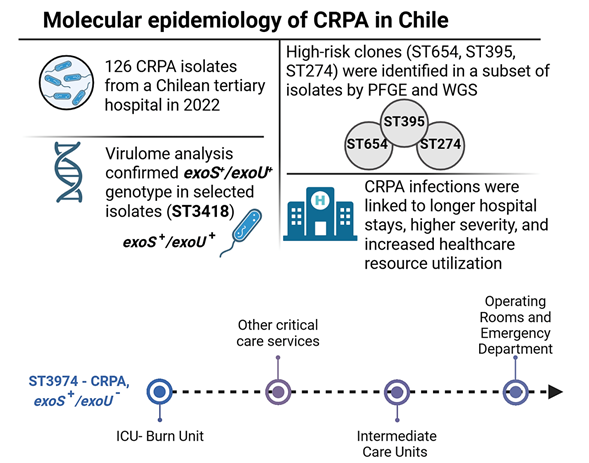
Clonal spread and environmental persistence of carbapenem-resistant high-risk Pseudomonas aeruginosa in critical-care units of a Chilean national referral center for burn and trauma patients (2022)
This study highlight the circulation of high-risk P. aeruginosa clones in Chile and underscore the importance of molecular epidemiology in guiding infection control, optimizing antimicrobial therapy, and mitigating the clinical and economic burden of CRPA.
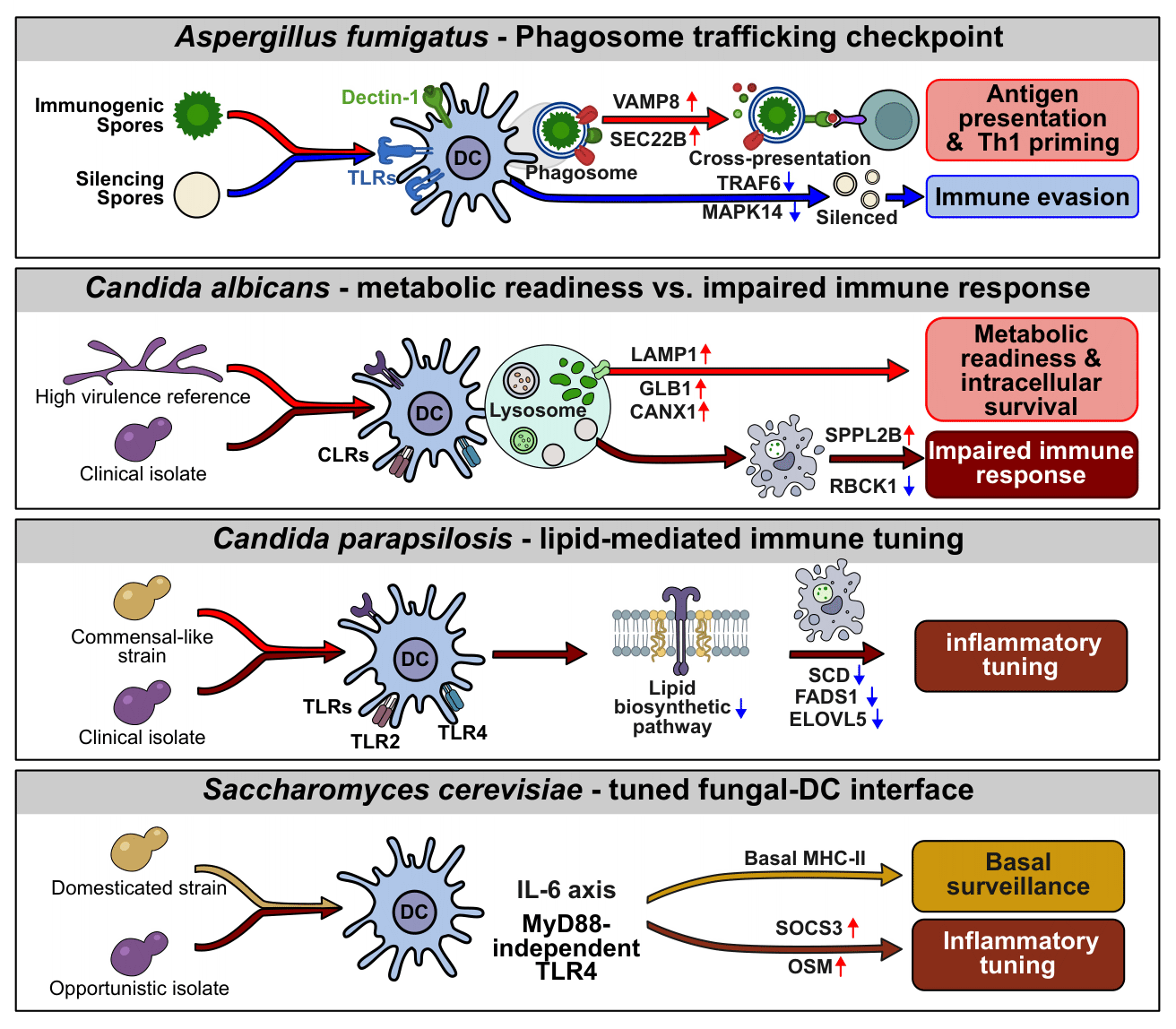
The transcriptome of dendritic cells redraws the boundaries between pathogenicity and commensalism in yeast
Our immune system meets many fungi, but reacts strongly to only a few. The comparison of key fungal species showed that responses differ mainly in timing and not just genes, highlighting the need to rethink what makes fungi harmful vs. harmless.

Sorbic acid triggers rapid formation of proteasome storage granules in Saccharomyces cerevisiae
Tanaka et al.This study demonstrates that sorbic acid, a common food preservative, induces the fastest reported proteasome storage granule (PSG) formation in yeast within 30 min, highlighting differences from other PSG-inducing conditions like acetic acid stress.
Saccharomyces cerevisiae in cancer research: modeling tumor biology and enabling drug discovery
Assalve et al.By combining genetic tractability with conservation of key cellular pathways, Saccharomyces cerevisiae is emerging as a versatile model for cancer biology and a scalable platform for identifying therapeutic targets and vulnerabilities.
A time-resolved high-throughput screening of fission yeast deletion mutants for oxidative stress resistance
Pirsalehi et al.By capturing dynamic trajectories rather than static outcomes, this study exposes hidden layers of growth under oxidative stress and identifies new genetic determinants of cellular resilience in fission yeast.
Clonal spread and environmental persistence of carbapenem-resistant high-risk Pseudomonas aeruginosa in critical-care units of a Chilean national referral center for burn and trauma patients (2022)
Ibarra et al.This study highlight the circulation of high-risk P. aeruginosa clones in Chile and underscore the importance of molecular epidemiology in guiding infection control, optimizing antimicrobial therapy, and mitigating the clinical and economic burden of CRPA.
The transcriptome of dendritic cells redraws the boundaries between pathogenicity and commensalism in yeast
Rizzetto et al.Our immune system meets many fungi, but reacts strongly to only a few. The comparison of key fungal species showed that responses differ mainly in timing and not just genes, highlighting the need to rethink what makes fungi harmful vs. harmless.
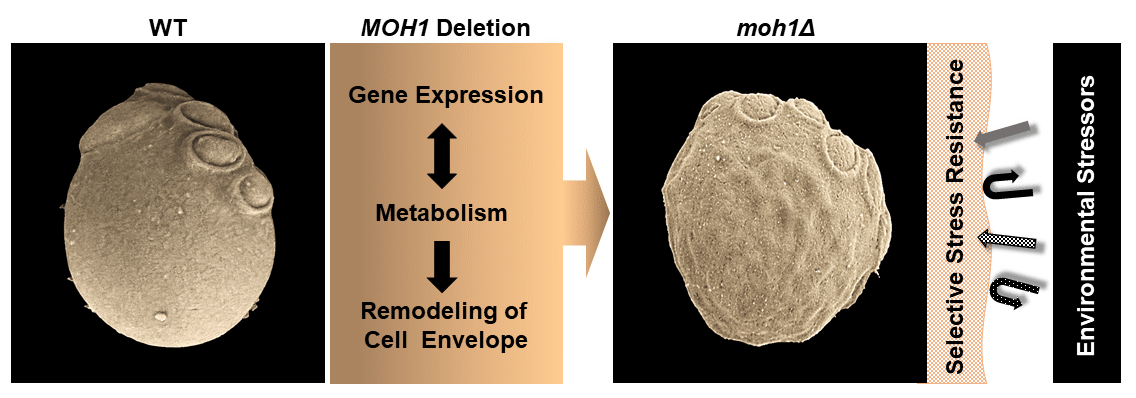
Yippee-like protein Moh1 links gene expression to metabolism and selective stress resistance in Saccharomyces cerevisiae
Olgun et al.This study demonstrates that the conserved yeast protein Moh1 links metabolism, gene expression, and cell structure, thereby altering cell envelope permeability and leading to selective stress responses.
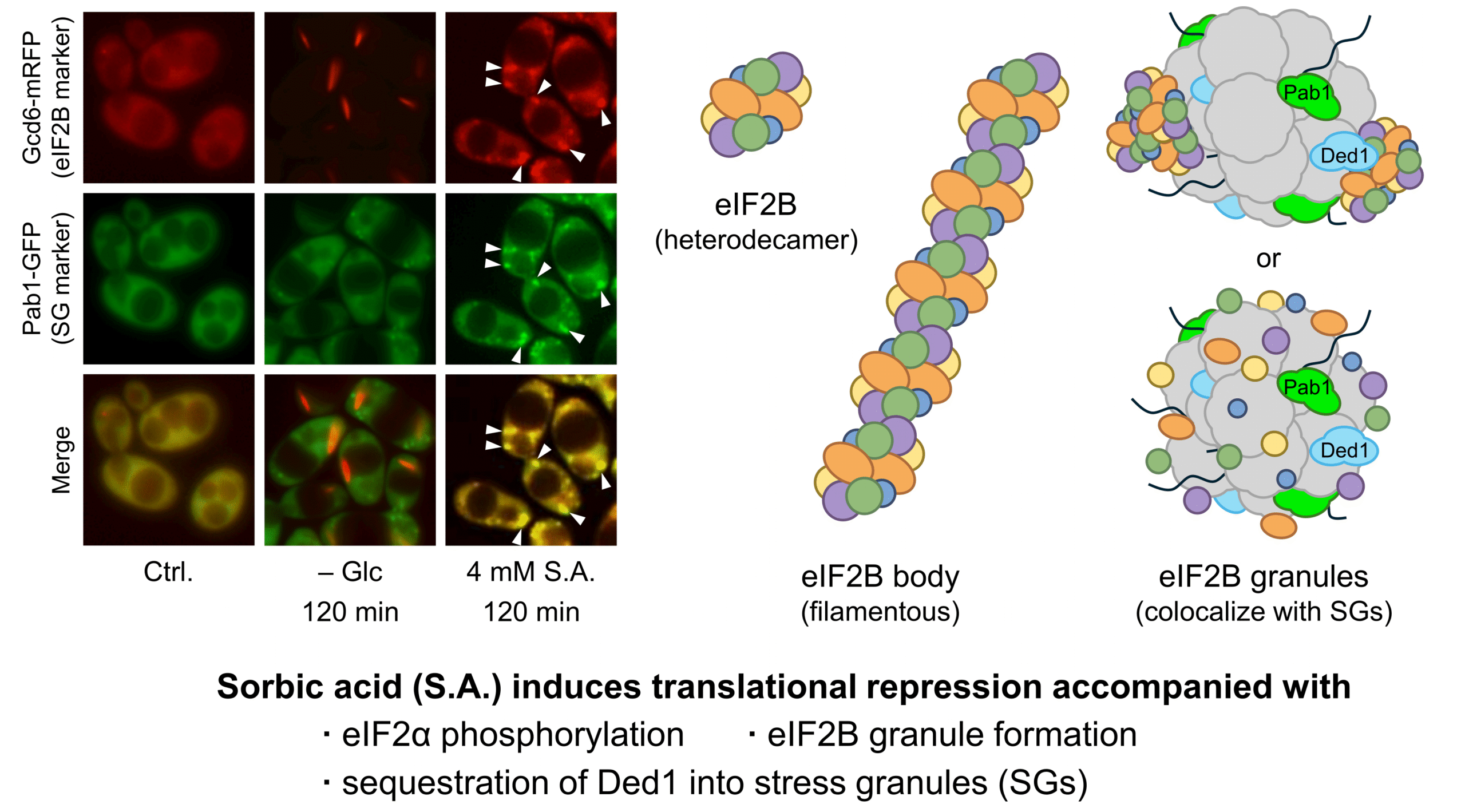
Fungistatic effect of sorbic acid on yeast cells via translational repression involving eIF2α phosphorylation and formation of Ded1- and eIF2B-granules
Yoshiyama et al.The findings of this study provide new insights into the physiological effects of sorbic acid on yeast cells, specifically regarding the regulation of translation-related factors.

Occlusal types shape oral microbiome stomatotypes and metabolic landscapes: A multi-omics perspective on host-microbe interaction
Duan et alThis study reveals how occlusal types shape oral microbiome “stomatotypes” and metabolic profiles in adolescents. It offers fresh insights that host anatomy drives microecology which may be associated with personalized oral health.

Prohibitins: emerging host targets of bacteria and viruses at the plasma membrane, mitochondria, and cytoplasm
Rivera-Palomino and TheissProhibitins are emerging as central host hubs exploited by bacteria and viruses to rewire signaling and mitochondrial dynamics. The current review discusses Prohibitins in host-pathogen interplay and their potential as novel anti-infective targets.

The last two transmembrane helices in the APC-type FurE transporter act as an intramolecular chaperone essential for concentrative ER-exit
Pyrris et al.FurE is a H+ symporter specific for the cellular uptake of uric acid, allantoin, uracil, and toxic nucleobase analogues in the fungus Aspergillus nidulans. Being member of the NCS1 protein family, FurE is structurally related to the APC-superfamily of transporters.
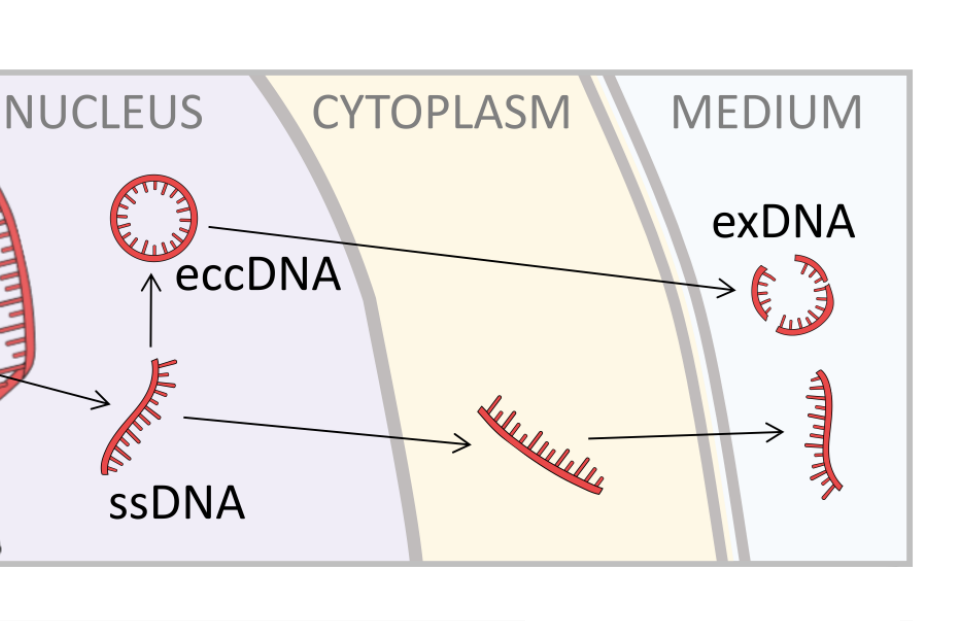
Extracellular DNA secreted in yeast cultures is metabolism-specific and inhibits cell proliferation
de Alteriis et al.Our study demonstrates that extracellular DNA released by living cells can impact the growth rate of Saccharomyces cerevisiae cultures, showing similarities to extrachromosomal circular DNA and leading to cell cycle arrest in the S phase, suggesting potential new functional roles of exDNA.

Basal level of ppGpp coordinates Escherichia coli cell heterogeneity and ampicillin resistance and persistence
Grucela and ZhangThe universal stringent response alarmone ppGpp (guanosine penta and tetra phosphates) plays a crucial role in various aspects of fundamental cell physiology (e.g., cell growth rate, cell size) and thus bacterial tolerance to and survival of external stresses, including antibiotics. In tihs study, we discuss the fundamental role of basal level of ppGpp in regulating cell homogeneity and ampicillin persistence.
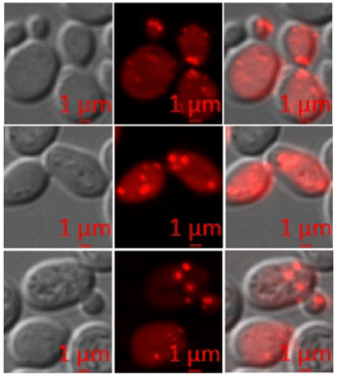
Investigation of the acetic acid stress response in Saccharomyces cerevisiae with mutated H3 residues
Saha et al.Yeast cells respond to acetic acid in diverse ways. Here, we have elucidated the deleterious effects of acetic acid on different histone mutants
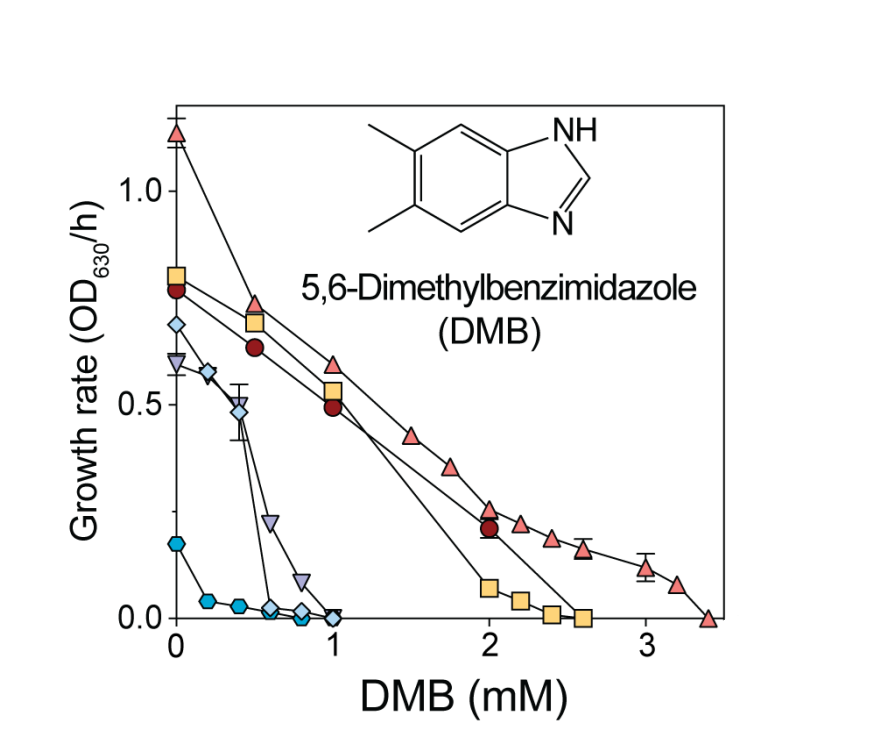
The coenzyme B12 precursor 5,6-dimethylbenzimidazole is a flavin antagonist in Salmonella
Malalasekara and Escalante-SemerenaHere we investigated why 5,6-dimethylbenzimidazole (DMB) inhibits in S. Typhimurium. Briefly, we determined that the structural similarities of the substituted benzene ring of DMB with the isoalloxazine moiety of flavins is responsible for the deleterious effects of this CoB12 precursor.

Yeast gene KTI13 (alias DPH8) operates in the initiation step of diphthamide synthesis on elongation factor 2
Arend et al.We show here that apart from its effector role for Elongator-dependent tRNA modification in yeast, Kti13 alias Dph8 also operates in step one of the diphthamide modification pathway.

Caspase 3 exhibits a yeast metacaspase proteostasis function that protects mitochondria from toxic TDP43 aggregates
Brunette et al.Caspase 3 activation is a hallmark of cell death and there is a strong correlation between elevated protease activity and evolving pathology in neurodegenerative disease, such as amyotrophic lateral sclerosis (ALS). These results suggest that caspase 3 is not inherently pathogenic, but may act as a compensatory proteostasis factor, to limit TDP-43 protein inclusions and protect organelle function in aggregation related degenerative disease.
GFP fusions of Sec-routed extracellular proteins in Staphylococcus aureus reveal surface-associated coagulase in biofilms
Evans et al.We show that msfGFP can be used to generate extracellular fluorescent fusion proteins in S. aureus, applicable for proteins that are secreted through the Sec pathway. When fused to coagulase, msfGFP did not hinder the biological function, and the fusion protein localised to the fibrin pseudocapsule surrounding clusters of S. aureus cells.
Insights into the host-pathogen interaction: C. albicans manipulation of macrophage pyroptosis
O’Meara and CowenIn this article, the authors comment on the study “High-Throughput Screening Identifies Genes Required for Candida albicans Induction of Macrophage Pyroptosis” by O’Meara et al. (MBio, 2018) that provides a comprehensive analysis of the genetic circuitry in both Candida albicans and host macrophages that leads to pyroptosis, revealing the impact of altered pyroptosis on infection, the role of pyroptosis in facilitating neutrophil accumulation at the site of C. albicans infection, and the decoupling of inflammasome priming and activation in the response to C. albicans infection, thus shedding new light on the factors governing the outcomes of this interaction.
A comparative approach to decipher intestinal animal-microbe associations
NakashimaIn this article, the authors comment on the study “Chitin-based barrier immunity and its loss predated mucus-colonization by indigenous gut microbiota” by Nakashima et al. (Nat Commun, 2018) that used comparative analyses of chordates to investigate the development of animal-microbe associations, suggesting that microbial colonization of the mucus layer over mammalian gastrointestinal epithelium was established upon the loss of ancestral chitin-based barrier immunity, providing insights into the establishment of these associations in an evolutionary context.
Pathways of host cell exit by intracellular pathogens
Flieger et al.This review provides an overview of the diverse host cell exit strategies employed by intracellular-living bacterial, fungal, and protozoan pathogens, highlighting the commonalities and system-specific variations of these strategies, and discussing potential microbial molecules involved in host cell exit as targets for future intervention approaches.
An unexpected benefit from E. coli: how enterobactin benefits host health
Sewell et al.In this article, the authors comment on the study “Microbial Siderophore Enterobactin Promotes Mitochondrial Iron Uptake and Development of the Host via Interaction with ATP Synthase” by Qi et al. (Cell, 2018) that uncovered a surprising role for the Escherichia coli-produced siderophore enterobactin (Ent) in facilitating iron uptake by the host, marking a major shift in the understanding of its function and indicating potential new benefits from commensal bacteria in aiding the host’s iron homeostasis.
Protective roles of ginseng against bacterial infection
Kim and YangThis review highlights the antibacterial effects of ginseng against pathogenic bacterial infections, discussing its regulation of pathogenic factors and proposing the therapeutic potential of ginseng as a natural antibacterial drug to address antibiotic resistance and toxicity in the context of global public health challenges.
A Cinderella story: how the vacuolar proteases Pep4 and Prb1 do more than cleaning up the cell’s mass degradation processes
Kerstens and Van DijckThis review summarizes the expanded roles of the Saccharomyces cerevisiae vacuolar proteases Pep4 and Prb1 in non-vacuolar activities outside of autophagy, such as programmed cell death, protection from harmful protein forms, and gene expression regulation. The potential implications of these findings for fungal biology and drug target discovery, including insights for mammalian cell studies, are highlighted, emphasizing the need for a deeper understanding of these molecular processes.
The biosynthesis of pyoverdines
Ringel and BrüserThis review provides an overview of pyoverdine biosynthesis, emphasizing the distinctive fluorophore shared by various pyoverdines derived from ferribactins and the role of periplasmic processes in the maturation and modification of these siderophores, critical for the growth and colonization of hosts by fluorescent pseudomonads.
Toxin release mediated by the novel autolysin Cwp19 in Clostridium difficile
El Meouche and Peltier.In this article, the authors comment on the study “Cwp19 is a novel lytic transglycosylase involved in stationary-phase autolysis resulting in toxin release in Clostridium difficile” by Wydau-Dematteis (MBio, 2018) that characterizes a novel peptidoglycan hydrolase, Cwp19, in Clostridioides difficile, highlighting its glucose-dependent mediation of toxins secretion and suggesting a potential role in the pathogenesis of this bacterium, contributing to the understanding of these enzymes in C. difficile and their implication in pathogenicity.
Targeting GATA transcription factors – a novel strategy for anti-aging interventions?
Zimmermann et al.This article comments on work published by Carmona-Gutierrez et al. (Nat Commun., 2019), which identified a natural compound, 4,4′-dimethoxychalcone, inducing autophagy and prolonging lifespan in different organisms through a mechanism that involves GATA transcription factors.
In the beginning was the word: How terminology drives our understanding of endosymbiotic organelles
OborníkThis In the Pit article argues that the naming conventions for biological entities influence research perspectives and methodologies, advocating for mitochondria and plastids to be classified and named as bacteria due to their endosymbiotic origins, with potential implications for our understanding of bacterial prevalence, definitions of the microbiome and multicellularity, and the concept of endosymbiotic domestication.
What’s in a name? How organelles of endosymbiotic origin can be distinguished from endosymbionts
GruberThis In the Pit article suggests redefining the relationship between hosts and endosymbionts, like mitochondria and plastids, as a single species based on “sexual symbiont integration,” the loss of independent speciation, and congruence in genetic recombination and population sizes, rather than solely on historic classifications or structural properties.
Microbial wars: competition in ecological niches and within the microbiome
Bauer et al.In this Editorial Bauer et al. provide a brief overview on microbial competition and discuss some of its roles and consequences that directly affect humans.
Exploring the mechanism of amebic trogocytosis: the role of amebic lysosomes
Gilmartin and PetriIn this article, the authors comment on the study “Inhibition of Amebic Lysosomal Acidification Blocks Amebic Trogocytosis and Cell Killing” by Gilmartin et al. (MBio, 2017), discussing the the role of amebic lysosomes in Trogocytosis, the intracellular transfer of fragments of cell material.
Uncovering the hidden: complexity and strategies for diagnosing latent tuberculosis
Flores-ValdezThis editorial postulates that advanced proteomic and transcriptomic techniques are evolving and may enhance the detection of latent tuberculosis, thereby distinguishing true M. tuberculosis infections from other conditions, which is vital for controlling potential reactivation and transmission.
The Yin & Yang of Mitochondrial Architecture – Interplay of MICOS and F1Fo-ATP synthase in cristae formation
Rampelt and van der LaanThis Editorial posits that mitochondrial cristae architecture is shaped by the interplay of MICOS and ATP synthase, with a recent study illuminating their roles in cristae formation and maintenance.
When a ribosomal protein grows up – the ribosome assembly path of Rps3
Brigitte PertschyThis article comments on two papers by Mitterer et al., which followed yeast protein Rps3, highlighting the sophisticated mechanisms for protein protection, nuclear transport, and integration into pre-ribosomal particles for final assembly with 40S subunits.
Can’t find what you’re looking for?
You can browse all our issues and published articles here.
FAQs
Peer-reviewed, open-access research using unicellular organisms (and multicellular microorganisms) to understand cellular responses and human disease.
The journal (founded in 2014) is led by its Editors-in-Chief Frank Madeo, Didac Carmona-Gutierrez, and Guido Kroemer
Microbial Cell has been publishing original scientific literature since 2014, and from the very beginning has been managed by active scientists through an independent Publishing House (Shared science Publishers). The journal was conceived as a platform to acknowledge the importance of unicellular organisms, both as model systems as well as in the biological context of human health and disease.
Ever since, Microbial Cell has very positively developed and strongly grown into a respected journal in the unicellular research community and even beyond. This scientific impact is reflected in the yearly number of citations obtained by articles published in Microbial Cell, as recorded by the Web of Science (Clarivate, formerly Thomson/Reuters):

The scientific impact of Microbial Cell is also mirrored in a series of milestones:
2015: Microbial Cell is included in the Emerging Sources Citation Index (ESCI), a selection of developing journals drafted by Clarivate Analytics based on the candidate’s publishing standards, quality, editorial content, and citation data. Note: As an ESCI-selected journal, Microbial Cell is currently being evaluated in a rigorous and long process to determine an inclusion in the Science Citation Index Expanded (SCIE), which allows the official calculation of Clarivate Analytics’ impact factor.

2016: Microbial Cell is awarded the so-called DOAJ Seal by the selective Directory of Open Access Journals (DOAJ). The DOAJ Seal is an exclusive mark of certification for open access journals granted by DOAJ to journals that adhere to outstanding best practice and achieve an extra high and clear commitment to open access and high publishing standards.

2017: Microbial Cell is included in Pubmed Central (PMC), allowing the archiving of all the journal’s articles in PMC and PubMed.

2019: Microbial Cell is indexed in the prestigious abstract and citation database Scopus after a thorough selection process. This also means that Microbial Cell obtains, for the first time, an official Scopus CiteScore as well as an official journal ranking in the Scimago Journal and Country Ranking.

2022: Microbial Cell’s CiteScore reaches a value of 7.2 for the year 2021, positioning Microbial Cell among the top microbiology journals (previously available CiteScores: 2019: 5.4; 2020: 5.1).

2022: Microbial Cell is indexed in the highly selective Science Citation Index Expanded™, which covers approx. 9,500 of the world’s most impactful journals across 178 scientific disciplines. In their journal selection and curation process, Clarivate´s editors apply 24 ‘quality’ criteria and four ‘impact’ criteria to select the most influential journals in their respective fields. This selection is also a pre-requisite for inclusion in the JCR, which features the impact factor.

2022: Microbial Cell is listed in the Journal Citation Reports™ (JCR), and obtains its first official Journal Impact Factor™ (JIF) for the year 2021: 5.316.Check Article Types and Manuscript Preparation guidelines. Submit online via Scholastica.
Sulfur dioxide resistance in Saccharomyces cerevisiae: beyond SSU1
García-Ríos and GuillamónThis article discusses the importance of understanding sulfite resistance in Saccharomyces cerevisiae due to its use in winemaking and the potential role of the transcription factor Com2. While the SSU1 gene and its activity have been correlated with sulfite tolerance, the work by Lage et al. (2019) indicates that Com2 might control a large percentage of the genes activated by SO2 and contribute to the yeast’s protective response, offering new insights into the molecular factors influencing this oenological trait.