
Research, Research Articles
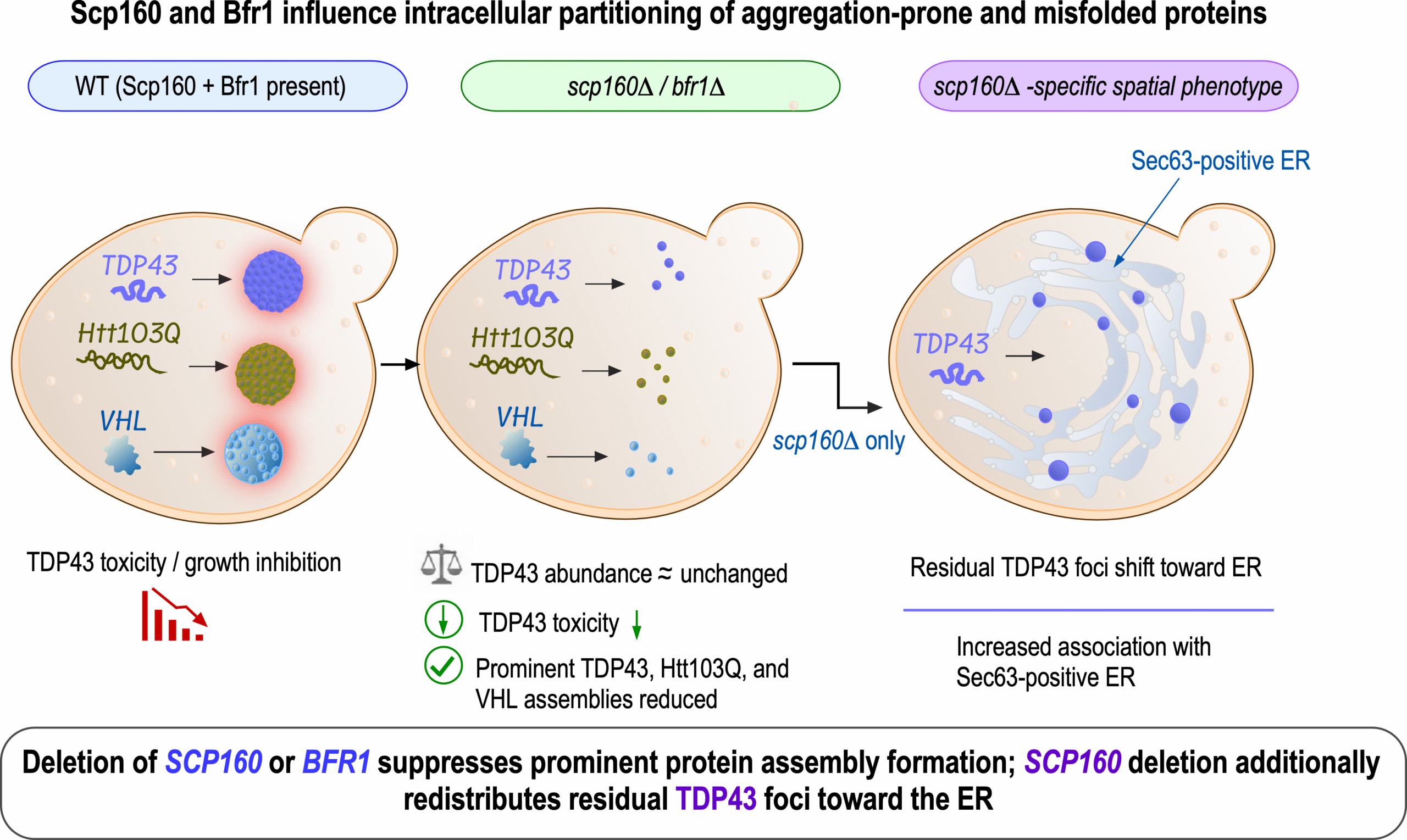
Scp160 deletion suppresses TDP-43 aggregation and toxicity in Saccharomyces cerevisiae
Joan Castells-Ballestera and Natalia Shcherbik
Deletion of SCP160 or BFR1 reduces TDP-43 toxicity without lowering TDP-43 protein abundance and suppresses prominent TDP-43, Htt103Q, and VHL aggregation, while SCP160 deletion also shifts residual TDP-43 foci toward the ER.
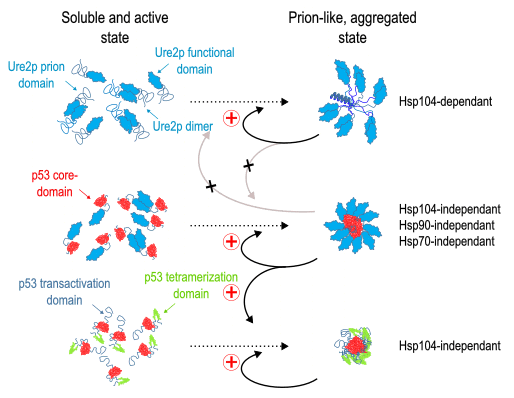
The p53 DNA-Binding (Core) Domain can form a prion that seeds prion formation in full-length p53
Mathilde Kadouch1, Christelle Marchal1, Sei-Kyoung Park2, Sangeun Park2, Sabine Castano1, Susan W. Liebman2 and Christophe Cullin1
In yeast the p53 core-domain forms a self-propagating prion that inactivates a reporter and converts untagged full-length p53 to a prion. R175H in the tagged chimera shows 18x higher prionization, linking it to p53 inactivation in human cancers.
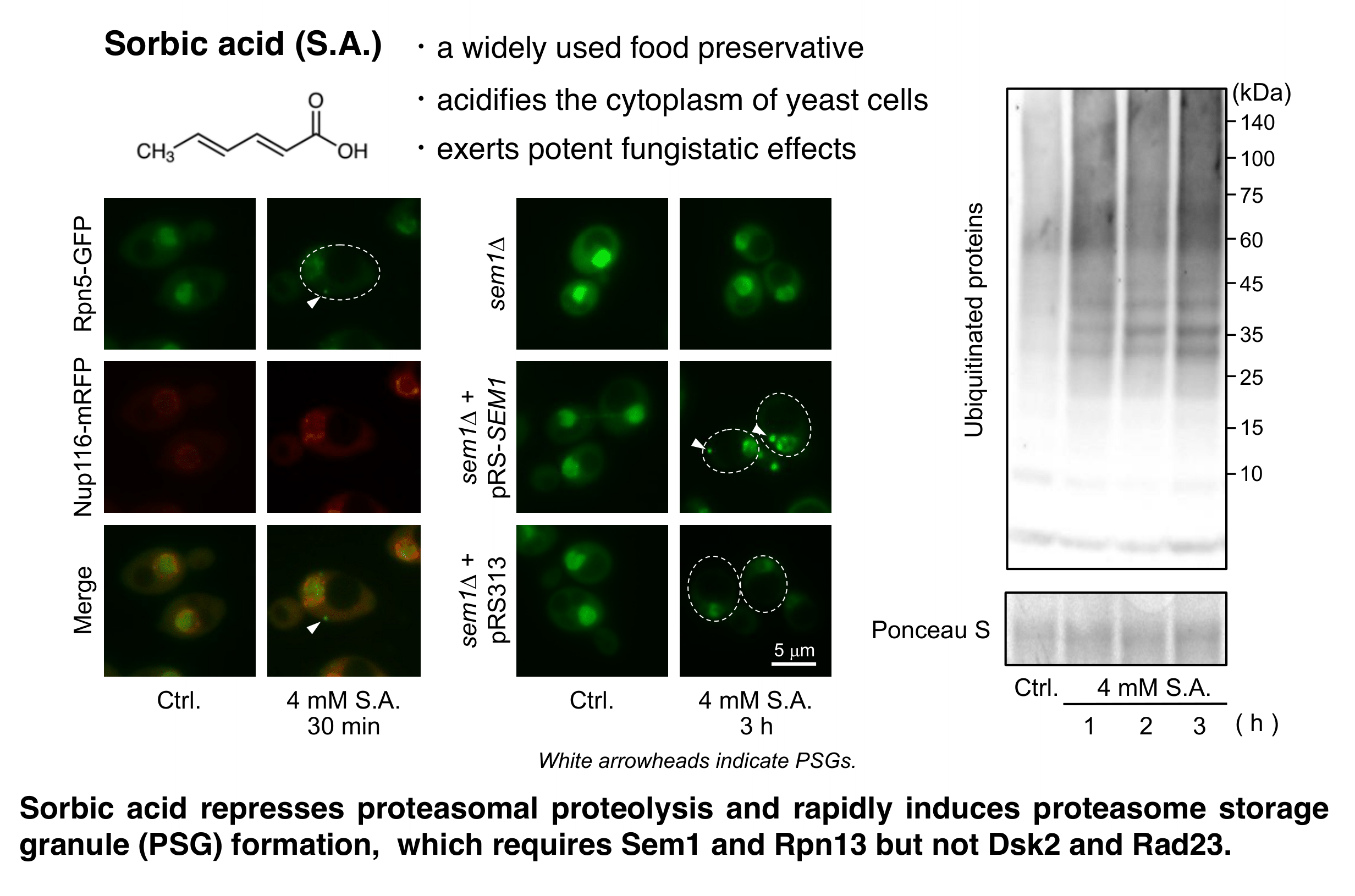
Sorbic acid triggers rapid formation of proteasome storage granules in Saccharomyces cerevisiae
Shoei Tanaka1, Mitsuki Imajo1, Mieko Hayashi2, Akira Matsuura2 and Shingo Izawa1
This study demonstrates that sorbic acid, a common food preservative, induces the fastest reported proteasome storage granule (PSG) formation in yeast within 30 min, highlighting differences from other PSG-inducing conditions like acetic acid stress.

A time-resolved high-throughput screening of fission yeast deletion mutants for oxidative stress resistance
Mohammadtaha Pirsalehi, Rowshan Ara Islam, Kristal Ng, Olga Xintarakou, Peter Harold Thorpe and Charalampos Rallis
By capturing dynamic trajectories rather than static outcomes, this study exposes hidden layers of growth under oxidative stress and identifies new genetic determinants of cellular resilience in fission yeast.
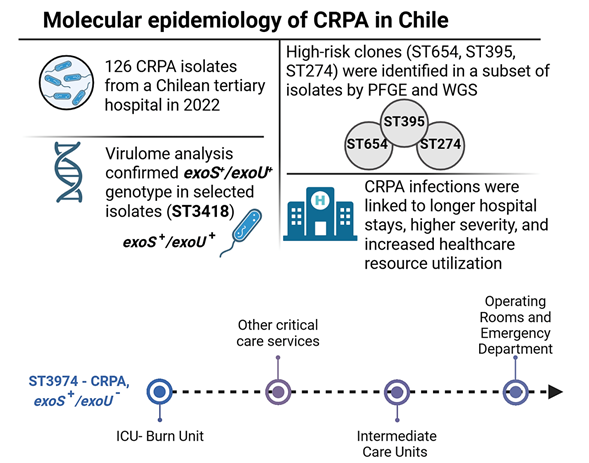
Clonal spread and environmental persistence of carbapenem-resistant high-risk Pseudomonas aeruginosa in critical-care units of a Chilean national referral center for burn and trauma patients (2022)
Camila Ibarra1, Gustavo Araya2, Alhejandra Alvarez2, Leonardo Enríquez2, Carolina Arellano2, Fabricio Alarcón1, Constanza Fernández1, Claudio Vargas1, Rodrigo Vera1 and Roberto M. Vidal2
This study highlight the circulation of high-risk P. aeruginosa clones in Chile and underscore the importance of molecular epidemiology in guiding infection control, optimizing antimicrobial therapy, and mitigating the clinical and economic burden of CRPA.
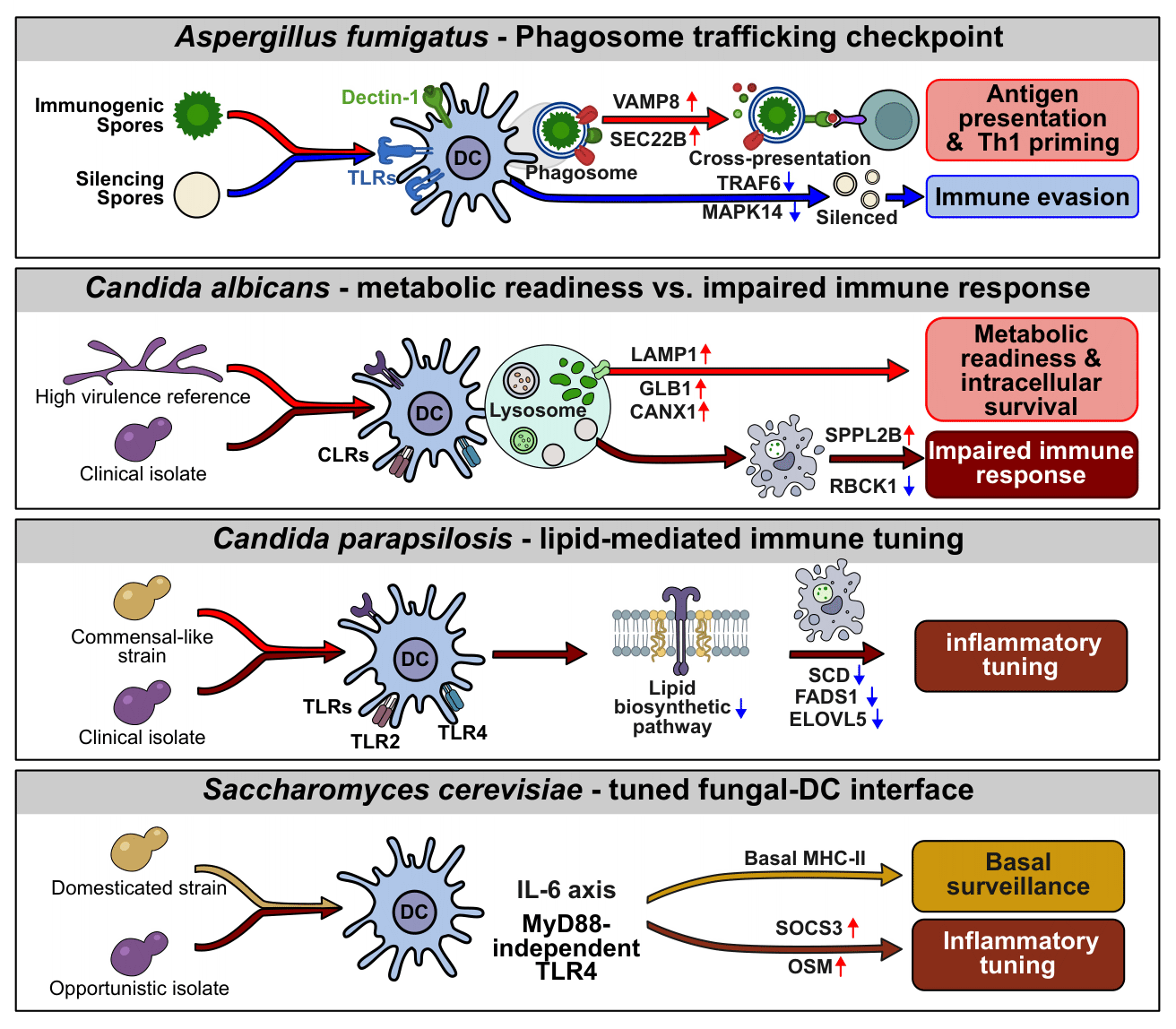
The transcriptome of dendritic cells redraws the boundaries between pathogenicity and commensalism in yeast
Lisa Rizzetto1, Irene Stefanini2, Stefano Nenciarini3, Monica Di Paola3, Samantha Riccadonna1, Ivo G. Gut4,5, Marta Gut4,5, Simon Heath4,5 and Duccio Cavalieri3
Our immune system meets many fungi, but reacts strongly to only a few. The comparison of key fungal species showed that responses differ mainly in timing and not just genes, highlighting the need to rethink what makes fungi harmful vs. harmless.
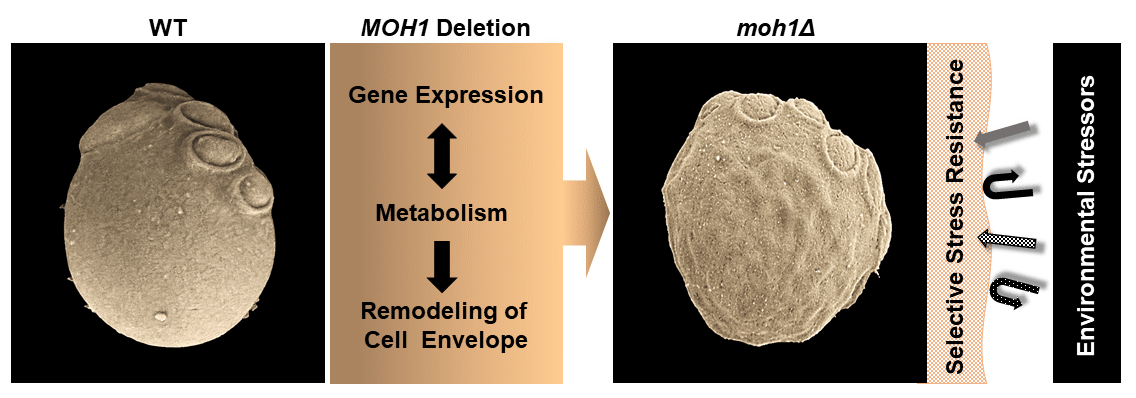
Yippee-like protein Moh1 links gene expression to metabolism and selective stress resistance in Saccharomyces cerevisiae
Çağla Ece Olgun1,a, Gizem Turan Duman1,a, Gizem Güpür1, Hamit İzgi1, Mariam Huda2, Demet Çetin3, Zekiye Suludere4, Fatma Küçük Baloğlu5, Ayşe Koca Çaydaşı2 and Mesut Muyan1
This study demonstrates that the conserved yeast protein Moh1 links metabolism, gene expression, and cell structure, thereby altering cell envelope permeability and leading to selective stress responses.
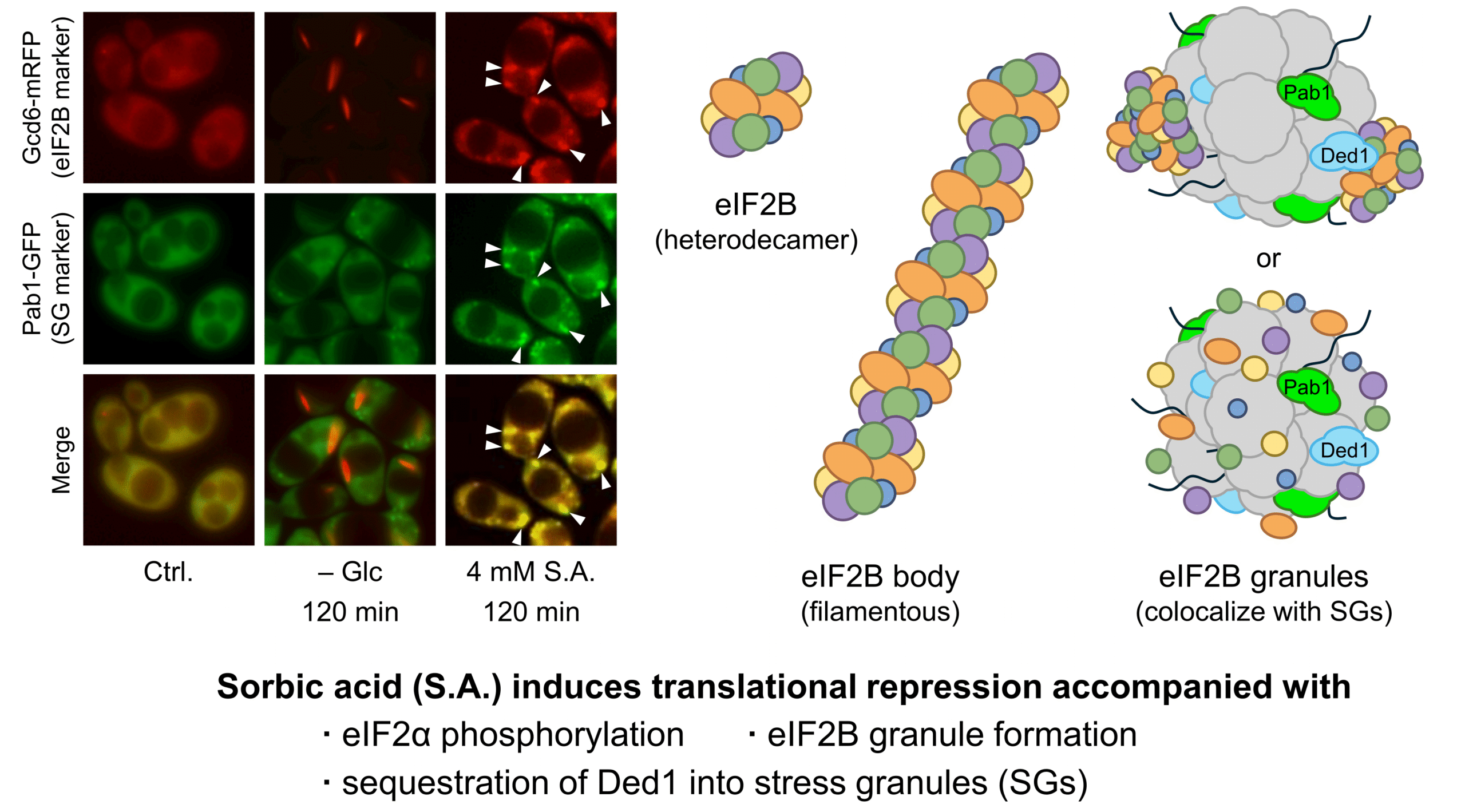
Fungistatic effect of sorbic acid on yeast cells via translational repression involving eIF2α phosphorylation and formation of Ded1- and eIF2B-granules
Haruka Yoshiyama1, Wataru Nomura2 and Shingo Izawa1
The findings of this study provide new insights into the physiological effects of sorbic acid on yeast cells, specifically regarding the regulation of translation-related factors.
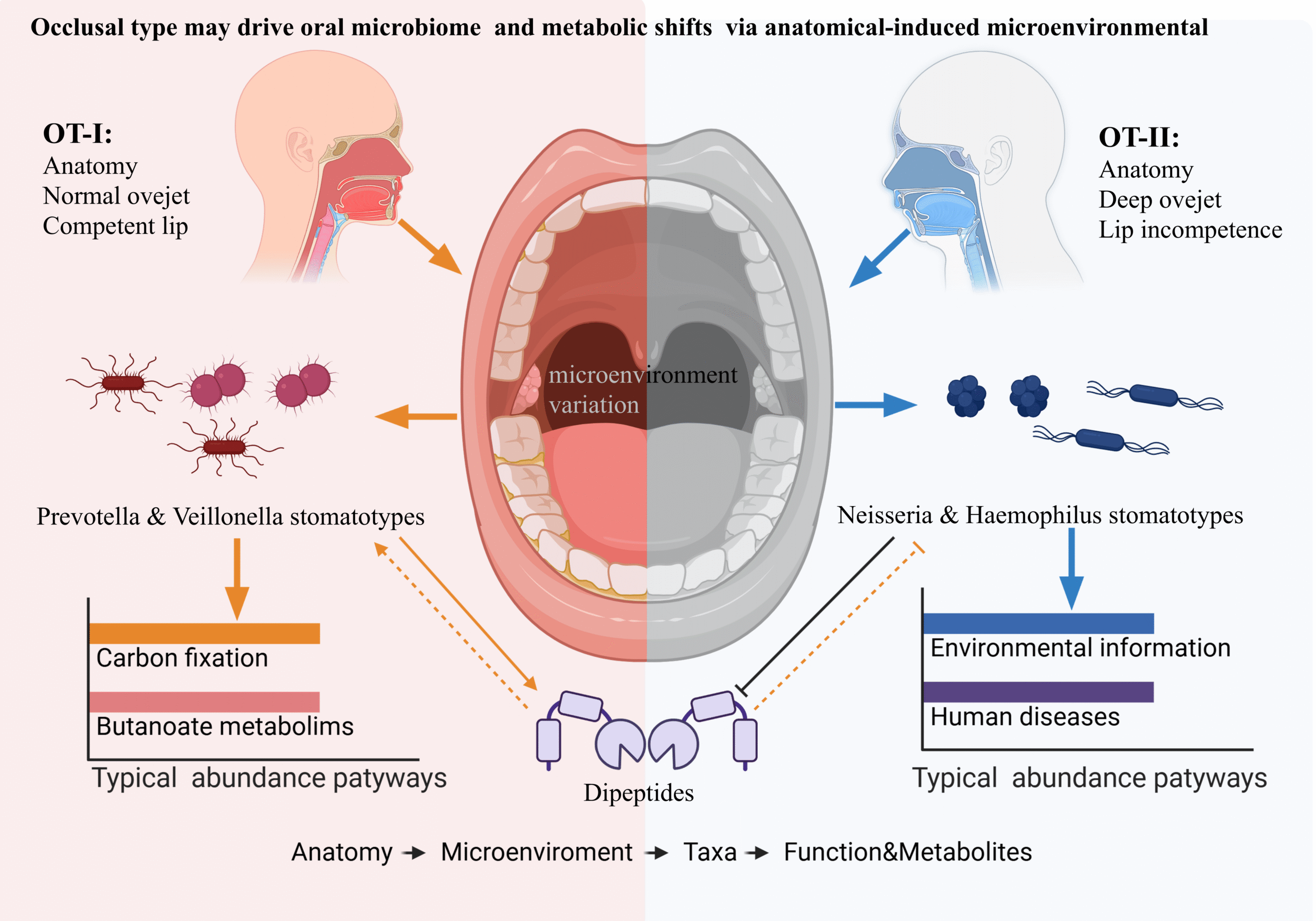
Occlusal types shape oral microbiome stomatotypes and metabolic landscapes: A multi-omics perspective on host-microbe interaction
Yufeng Duan1,a, Zheng Liu2,3,a, Wenting Lu1,a, Ning Zhao1, Lingjun Yuan1, Zhenxia Li1, Ting Zhou1, Shengzhao Xiao1, Dian Jing1, Xiaowen Zheng1, Wentao Shi4, Chao Liu1,*, Haixia Lu5,*, Qiang Feng6,* and Bing Fang1,*
This study reveals how occlusal types shape oral microbiome “stomatotypes” and metabolic profiles in adolescents. It offers fresh insights that host anatomy drives microecology which may be associated with personalized oral health.
Mitochondria-Associated Membranes (MAMs) are involved in Bax mitochondrial localization and cytochrome c release
March 15, 2019
This study investigated the role of Mitochondria-Associated Membranes (MAMs) in the regulation of apoptosis by analyzing the localization and function of the pro-apoptotic protein Bax in yeast, finding that disruption of MAMs by deletion of the MDM34 gene affects Bax's mitochondrial localization and the release of cytochrome c.
Chlamydia pneumoniae is present in the dental plaque of periodontitis patients and stimulates an inflammatory response in gingival epithelial cells
March 11, 2019
This study found that Chlamydia pneumoniae is present more frequently in the dental plaque of individuals with periodontal disease, can invade human gingival epithelial cells causing inflammatory responses, and may therefore be a contributing factor to periodontal disease and a potential indicator of risk.
Genome-wide analysis of yeast expression data based on a priori generated co-regulation cliques
January 22, 2019
The study demonstrates the use of predefined genome-wide expression cliques, derived from extensive microarray data, to effectively analyze and visualize the complete gene expression response across various cellular conditions in yeast.
A humanized yeast-based toolkit for monitoring phosphatidylinositol 3-kinase activity at both single cell and population levels
November 12, 2018
In this study, a humanized yeast system for functional studies on higher eukaryotic Phosphatidylinositol 3-kinase (PI3K) was developed by restricting PI3K activity in yeast to specific plasma membrane microdomains, utilizing engineered reporters to monitor activity at a single-cell level and employing novel tools to study the performance of yeast plasma membrane (PM) microdomain-directed PI3K, revealing location-specific effects on yeast growth and endocytosis.
A chemical genetic screen reveals a role for proteostasis in capsule and biofilm formation by Cryptococcus neoformans
October 31, 2018
This study demonstrates that the bipolar disorder drug lithium inhibits the formation of key virulence factors, biofilm, and polysaccharide capsule, in Cryptococcus neoformans by dysregulating the ubiquitin/proteasome system, shedding light on the impact of lithium and providing insights into potential alternative pharmaceutical approaches for combating this fungal pathogen.
Nutritional and meiotic induction of transiently heritable stress resistant states in budding yeast
October 29, 2018
This study demonstrates that transient exposures to environmental stresses induce persistent states of elevated stress resistance in yeast cells, termed cellular memory, suggesting a form of epigenetic inheritance, and shows that this phenomenon occurs not only in meiotically produced spores but also in haploid cells subjected to glucose withdrawal, adding new insights into the developmentally and nutritionally induced cellular memory.
Specific mutations in the permease domain of septal protein SepJ differentially affect functions related to multicellularity in the filamentous cyanobacterium Anabaena
October 16, 2018
In this study, the multifunctional roles of the SepJ protein in the multicellular function of the Anabaena filament were investigated, revealing that specific amino acids and stretches within the protein are essential for the formation of long filaments, heterocyst differentiation, and intercellular communication, shedding light on the structure and diverse functions of SepJ in the model heterocyst-forming cyanobacterium Anabaena sp. strain PCC 7120.
Trehalose-6-phosphate promotes fermentation and glucose repression in Saccharomyces cerevisiae
October 1, 2018
This study examined the capability of trehalose-6-phosphate synthase (TPS1) homologues from various species to complement the phenotypic defects of a Saccharomyces cerevisiae tps1 mutant, resulting in the classification of complementation into different groups based on metabolic patterns and fermentation capacity, shedding light on the role of TPS1 and trehalose-6-phosphate (T6P) as critical factors in sugar fermentation and glucose repression.
Single telomere length analysis in Ustilago maydis, a high-resolution tool for examining fungal telomere length distribution and C-strand 5’-end processing
August 7, 2018
This article introduces the development of single telomere length analysis (STELA) for Ustilago maydis, a basidiomycete fungus, enabling the precise measurement of telomere lengths and distributions. The study demonstrates STELA's utility in revealing the existence of relatively short telomeres in wild-type cells, preferential loss of long telomeres in a mutant defective in telomere replication, and the characterization of telomere C-strand 5’ ends, highlighting U. maydis as a strong model for telomere research.
Temporal analysis of the autophagic and apoptotic phenotypes in Leishmania parasites
August 1, 2018
This article details a comprehensive analysis of miltefosine-induced cell death and autophagy in Leishmania major, providing criteria for clear identification of apoptotic and autophagic cells, demonstrating the sequential nature of autophagy followed by apoptosis in nutrient-deprived conditions, and cautioning against using the generic kinase inhibitor staurosporine as a Leishmania apoptosis inducer, with the aim of improving the understanding of these processes and their targeting for new anti-leishmanial drugs.