
Research, Research Articles
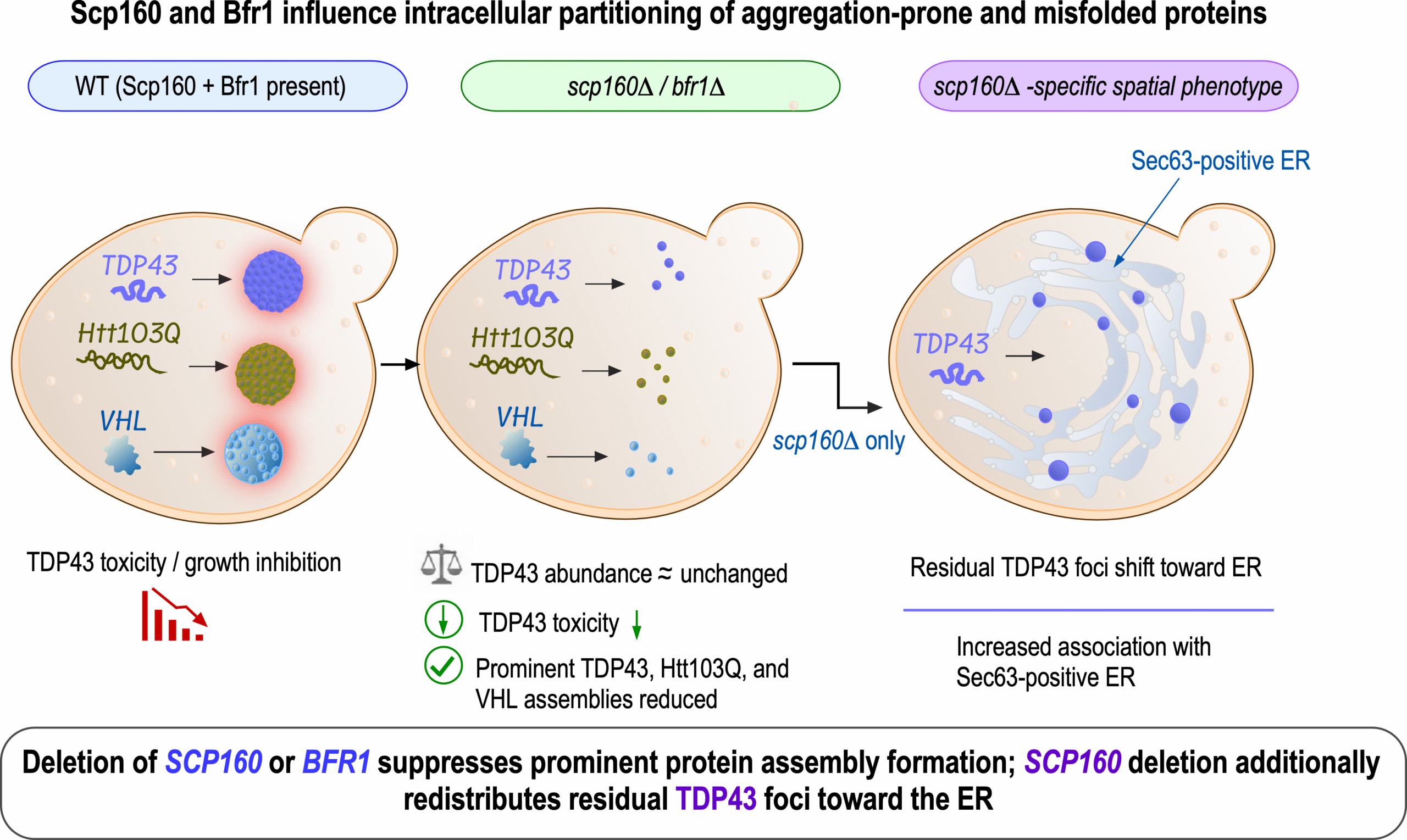
Scp160 deletion suppresses TDP-43 aggregation and toxicity in Saccharomyces cerevisiae
Joan Castells-Ballestera and Natalia Shcherbik
Deletion of SCP160 or BFR1 reduces TDP-43 toxicity without lowering TDP-43 protein abundance and suppresses prominent TDP-43, Htt103Q, and VHL aggregation, while SCP160 deletion also shifts residual TDP-43 foci toward the ER.
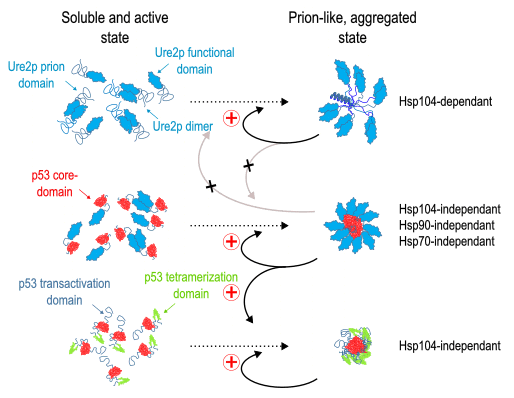
The p53 DNA-Binding (Core) Domain can form a prion that seeds prion formation in full-length p53
Mathilde Kadouch1, Christelle Marchal1, Sei-Kyoung Park2, Sangeun Park2, Sabine Castano1, Susan W. Liebman2 and Christophe Cullin1
In yeast the p53 core-domain forms a self-propagating prion that inactivates a reporter and converts untagged full-length p53 to a prion. R175H in the tagged chimera shows 18x higher prionization, linking it to p53 inactivation in human cancers.
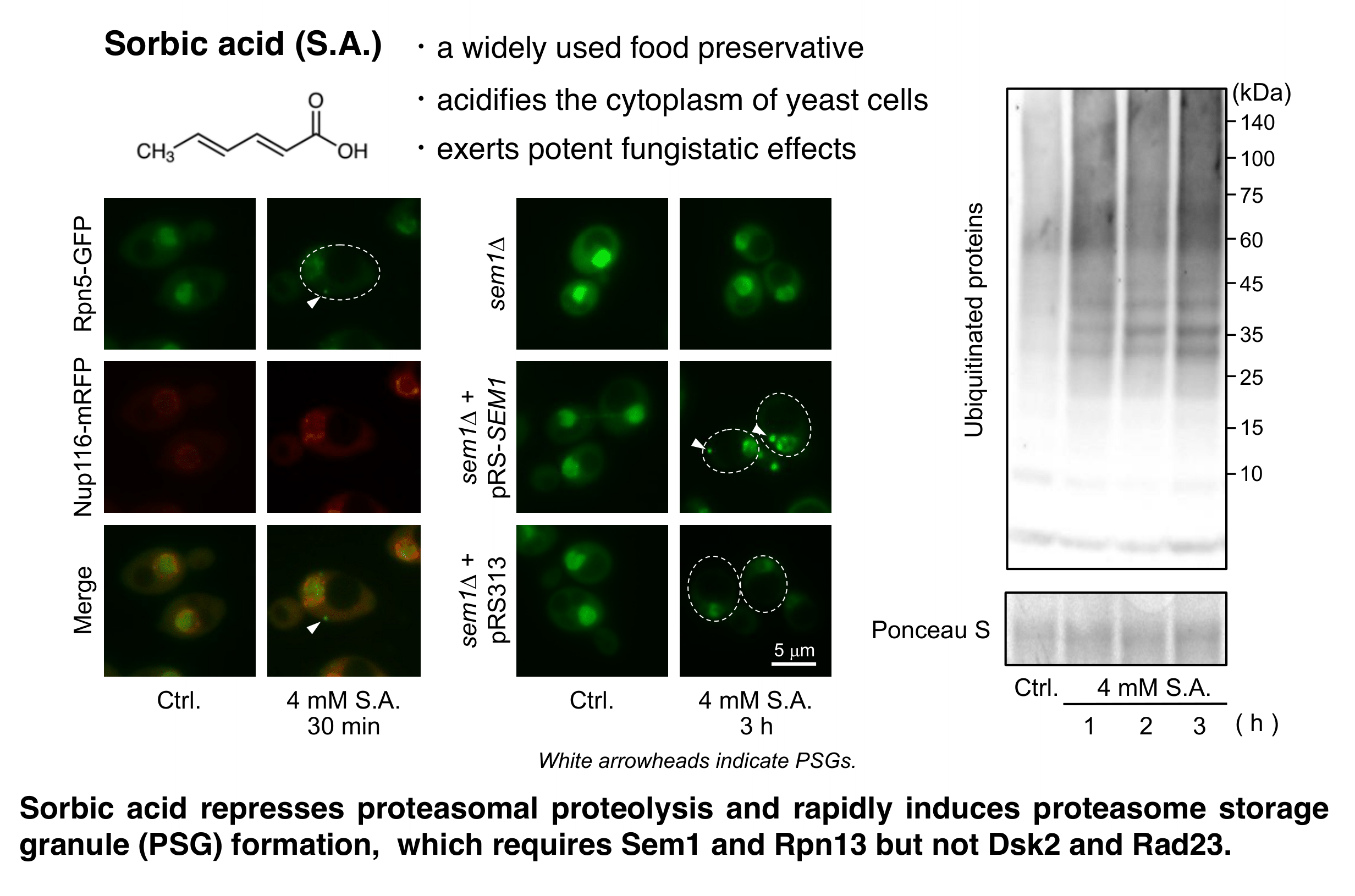
Sorbic acid triggers rapid formation of proteasome storage granules in Saccharomyces cerevisiae
Shoei Tanaka1, Mitsuki Imajo1, Mieko Hayashi2, Akira Matsuura2 and Shingo Izawa1
This study demonstrates that sorbic acid, a common food preservative, induces the fastest reported proteasome storage granule (PSG) formation in yeast within 30 min, highlighting differences from other PSG-inducing conditions like acetic acid stress.

A time-resolved high-throughput screening of fission yeast deletion mutants for oxidative stress resistance
Mohammadtaha Pirsalehi, Rowshan Ara Islam, Kristal Ng, Olga Xintarakou, Peter Harold Thorpe and Charalampos Rallis
By capturing dynamic trajectories rather than static outcomes, this study exposes hidden layers of growth under oxidative stress and identifies new genetic determinants of cellular resilience in fission yeast.
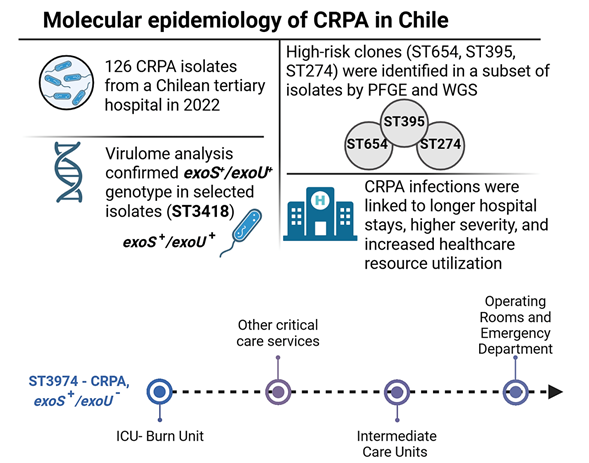
Clonal spread and environmental persistence of carbapenem-resistant high-risk Pseudomonas aeruginosa in critical-care units of a Chilean national referral center for burn and trauma patients (2022)
Camila Ibarra1, Gustavo Araya2, Alhejandra Alvarez2, Leonardo Enríquez2, Carolina Arellano2, Fabricio Alarcón1, Constanza Fernández1, Claudio Vargas1, Rodrigo Vera1 and Roberto M. Vidal2
This study highlight the circulation of high-risk P. aeruginosa clones in Chile and underscore the importance of molecular epidemiology in guiding infection control, optimizing antimicrobial therapy, and mitigating the clinical and economic burden of CRPA.
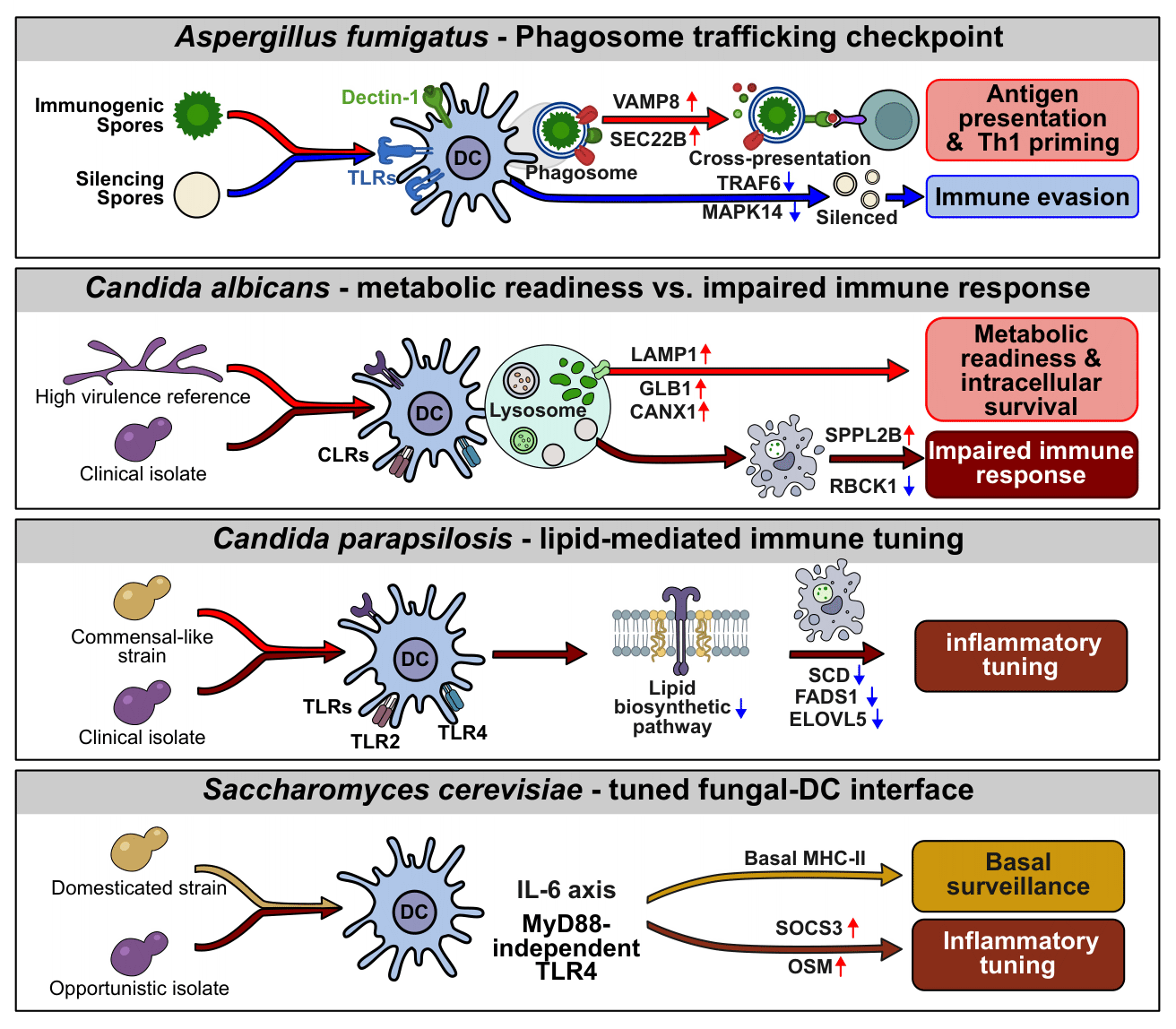
The transcriptome of dendritic cells redraws the boundaries between pathogenicity and commensalism in yeast
Lisa Rizzetto1, Irene Stefanini2, Stefano Nenciarini3, Monica Di Paola3, Samantha Riccadonna1, Ivo G. Gut4,5, Marta Gut4,5, Simon Heath4,5 and Duccio Cavalieri3
Our immune system meets many fungi, but reacts strongly to only a few. The comparison of key fungal species showed that responses differ mainly in timing and not just genes, highlighting the need to rethink what makes fungi harmful vs. harmless.
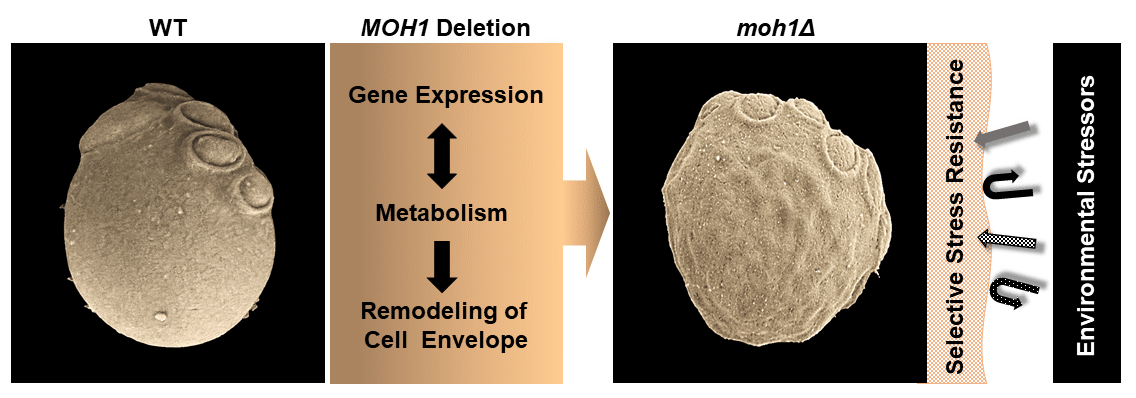
Yippee-like protein Moh1 links gene expression to metabolism and selective stress resistance in Saccharomyces cerevisiae
Çağla Ece Olgun1,a, Gizem Turan Duman1,a, Gizem Güpür1, Hamit İzgi1, Mariam Huda2, Demet Çetin3, Zekiye Suludere4, Fatma Küçük Baloğlu5, Ayşe Koca Çaydaşı2 and Mesut Muyan1
This study demonstrates that the conserved yeast protein Moh1 links metabolism, gene expression, and cell structure, thereby altering cell envelope permeability and leading to selective stress responses.
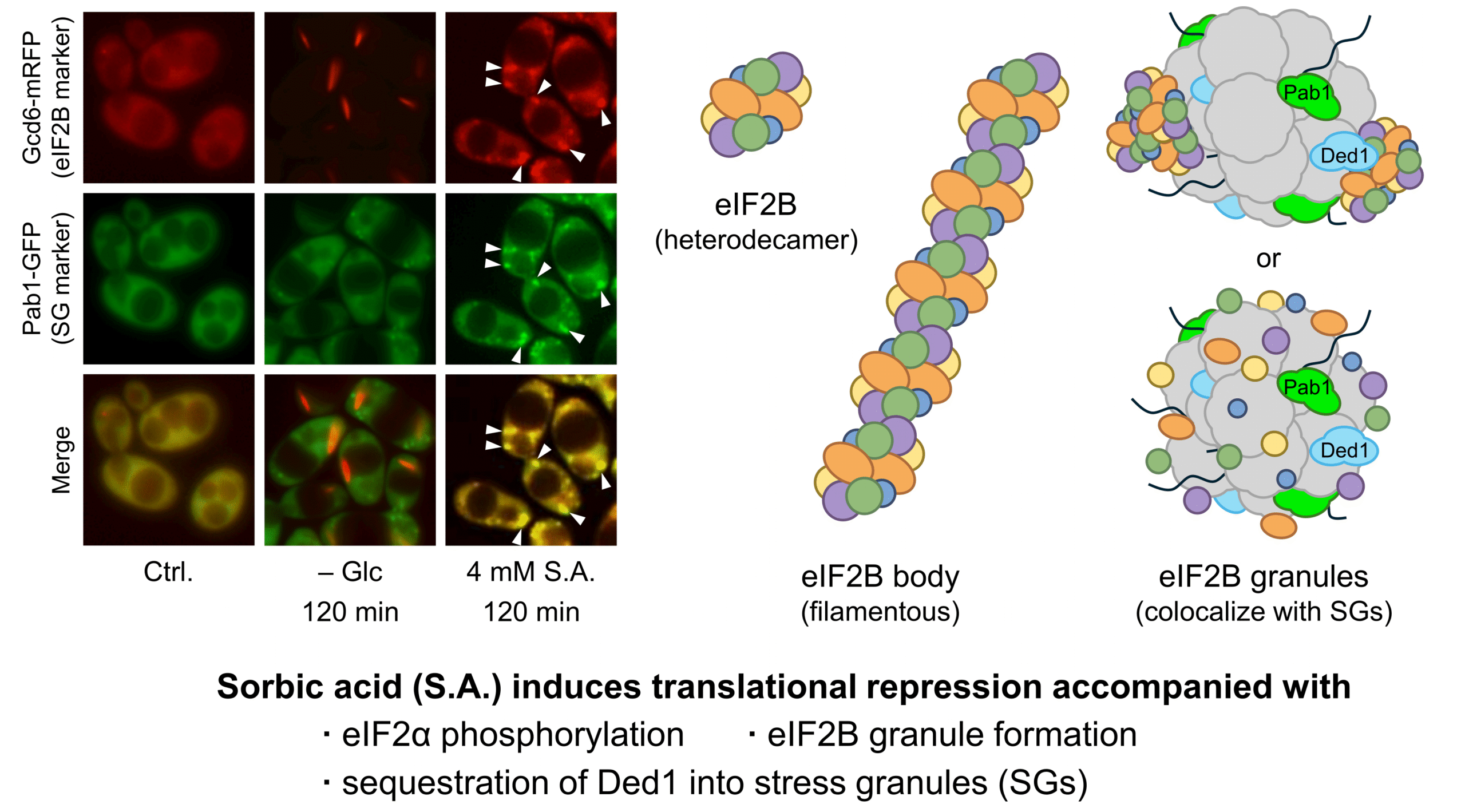
Fungistatic effect of sorbic acid on yeast cells via translational repression involving eIF2α phosphorylation and formation of Ded1- and eIF2B-granules
Haruka Yoshiyama1, Wataru Nomura2 and Shingo Izawa1
The findings of this study provide new insights into the physiological effects of sorbic acid on yeast cells, specifically regarding the regulation of translation-related factors.
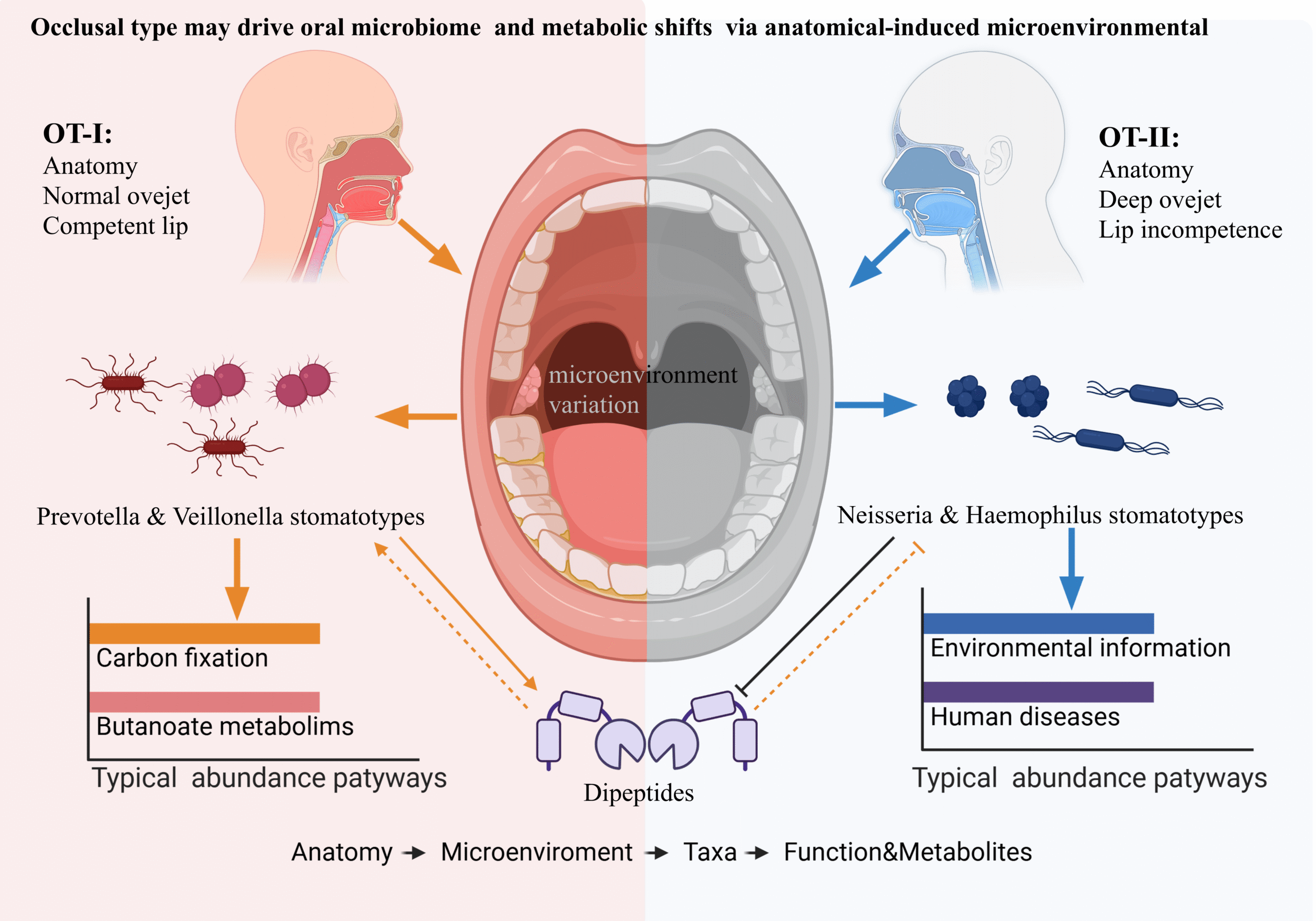
Occlusal types shape oral microbiome stomatotypes and metabolic landscapes: A multi-omics perspective on host-microbe interaction
Yufeng Duan1,a, Zheng Liu2,3,a, Wenting Lu1,a, Ning Zhao1, Lingjun Yuan1, Zhenxia Li1, Ting Zhou1, Shengzhao Xiao1, Dian Jing1, Xiaowen Zheng1, Wentao Shi4, Chao Liu1,*, Haixia Lu5,*, Qiang Feng6,* and Bing Fang1,*
This study reveals how occlusal types shape oral microbiome “stomatotypes” and metabolic profiles in adolescents. It offers fresh insights that host anatomy drives microecology which may be associated with personalized oral health.
Snf1 cooperates with the CWI MAPK pathway to mediate the degradation of Med13 following oxidative stress
June 25, 2018
This article explores the response of eukaryotic cells to environmental stress, highlighting the role of the conserved cyclin C-Cdk8 kinase in determining pro-survival or pro-death programs. Specifically, it discusses how oxidative stress triggers the destruction of Med13 by the SCFGrr1 ubiquitin ligase, releasing cyclin C to promote mitochondrial fission and cell death in Saccharomyces cerevisiae. Additionally, it reveals that the AMP kinase Snf1 activates a separate degron in Med13, contributing to the complex regulation of Med13 degradation following H2O2 stress through the coordination of the cell wall integrity and MAPK pathways.
Importance of polyphosphate in the Leishmania life cycle
June 22, 2018
This article explores the importance of polyphosphate (polyP) in Leishmania parasites, emphasizing the role of the polyP polymerase VTC4 and its impact on parasite survival at higher temperatures. Additionally, it discusses the effects of VTC4 knockout in mouse infections, noting a delay in lesion formation and strong pathology in L. major VTC4 knockout, without confirmation through complementation and no alteration in L. guyanensis infections in mice with VTC4 knockdown.
Antagonism between salicylate and the cAMP signal controls yeast cell survival and growth recovery from quiescence
March 26, 2018
This article describes the effects of salicylate, the main metabolite of aspirin, on S. cerevisiae cells. It outlines how salicylate influences glucose transport, sugar phosphate biosynthesis, and apoptosis, particularly in MnSOD-deficient cells. Furthermore, it emphasizes the significant impact of salicylate on the exit from a quiescent state, inhibiting growth recovery and viability in long-term stationary phase cells. The passage also discusses the potential therapeutic implications of understanding the antagonistic relationship between cAMP and salicylate in targeting quiescent cancer cells with stem-like properties.
Spontaneous mutations in CYC8 and MIG1 suppress the short chronological lifespan of budding yeast lacking SNF1/AMPK
February 19, 2018
Chronologically aging yeast cells are prone to adaptive regrowth, whereby mutants with a survival advantage spontaneously appear and re-enter the cell cycle in stationary phase cultures. Here, Magani et al. identified specific downstream SNF1 targets responsible for CLS extension during CR.
Production of poly-β-1,6-N-acetylglucosamine by MatAB is required for hyphal aggregation and hydrophilic surface adhesion by Streptomyces
February 12, 2018
In this article van Dissel et al. describe new insights to allow better control of liquid-culture morphology of streptomycetes, which may be harnessed to improve growth and industrial exploitation of these highly versatile natural product and enzyme producers.
Non-canonical regulation of glutathione and trehalose biosynthesis characterizes non-Saccharomyces wine yeasts with poor performance in active dry yeast production
January 26, 2018
Several yeast species, belonging to Saccharomyces and non-Saccharomyces genera, play fundamental roles during spontaneous must grape fermentation, and recent studies have shown that mixed fermentations, co-inoculated with S. cerevisiae and non-Saccharomyces strains, can improve wine organoleptic properties. Here, Gamero-Sandemetrio et al. present findings that non-canonical regulation of glutathione and trehalose biosynthesis could cause poor fermentative performance after active dry yeast (ADY) production, as it corroborates the corrective effect of antioxidant treatments, during biomass propagation, with both pure chemicals and food-grade argan oil.
Molecular signature of the imprintosome complex at the mating-type locus in fission yeast
January 16, 2018
Genetic and molecular studies have indicated that an epigenetic imprint at mat1, the sexual locus of fission yeast, initiates mating type switching. Here, Raimondi et al. characterized the recruitment of early players of mating type switching at the mat1 region and suggest a nucleoprotein protective structure defined as imprintosome.
A novel system to monitor mitochondrial translation in yeast
January 13, 2018
In this study Suhm et al. present a novel system to monitor mitochondrial translation by detection of mitochondrial GFP-translation through fluorescence microscopy and flow cytometry in functional mitochondria. This novel tool allows the investigation of the function and regulation of mitochondrial translation during stress signaling, aging and mitochondrial biogenesis.