
Research, Research Articles
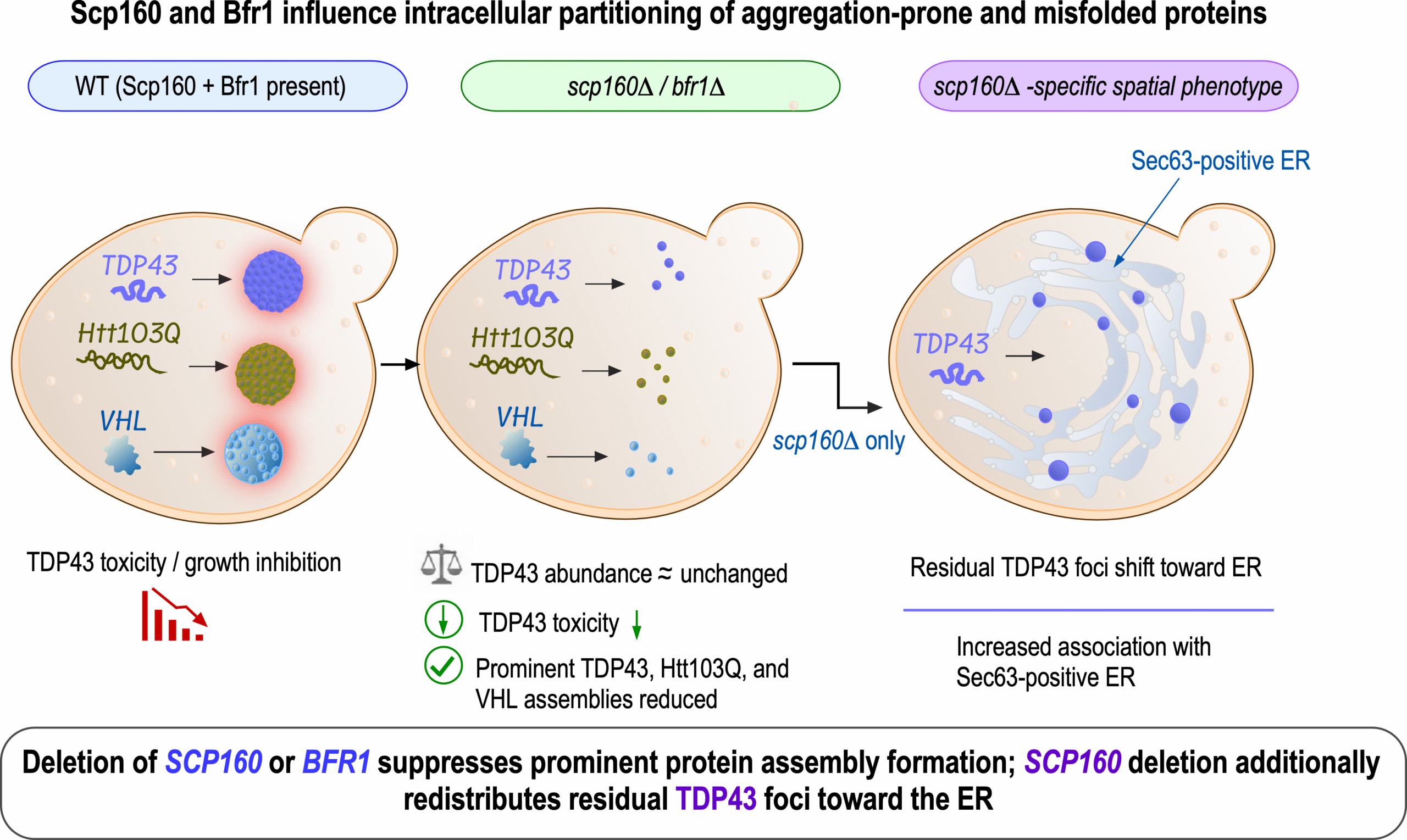
Scp160 deletion suppresses TDP-43 aggregation and toxicity in Saccharomyces cerevisiae
Joan Castells-Ballestera and Natalia Shcherbik
Deletion of SCP160 or BFR1 reduces TDP-43 toxicity without lowering TDP-43 protein abundance and suppresses prominent TDP-43, Htt103Q, and VHL aggregation, while SCP160 deletion also shifts residual TDP-43 foci toward the ER.
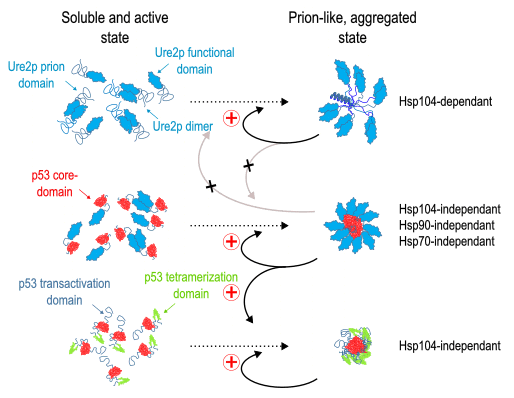
The p53 DNA-Binding (Core) Domain can form a prion that seeds prion formation in full-length p53
Mathilde Kadouch1, Christelle Marchal1, Sei-Kyoung Park2, Sangeun Park2, Sabine Castano1, Susan W. Liebman2 and Christophe Cullin1
In yeast the p53 core-domain forms a self-propagating prion that inactivates a reporter and converts untagged full-length p53 to a prion. R175H in the tagged chimera shows 18x higher prionization, linking it to p53 inactivation in human cancers.
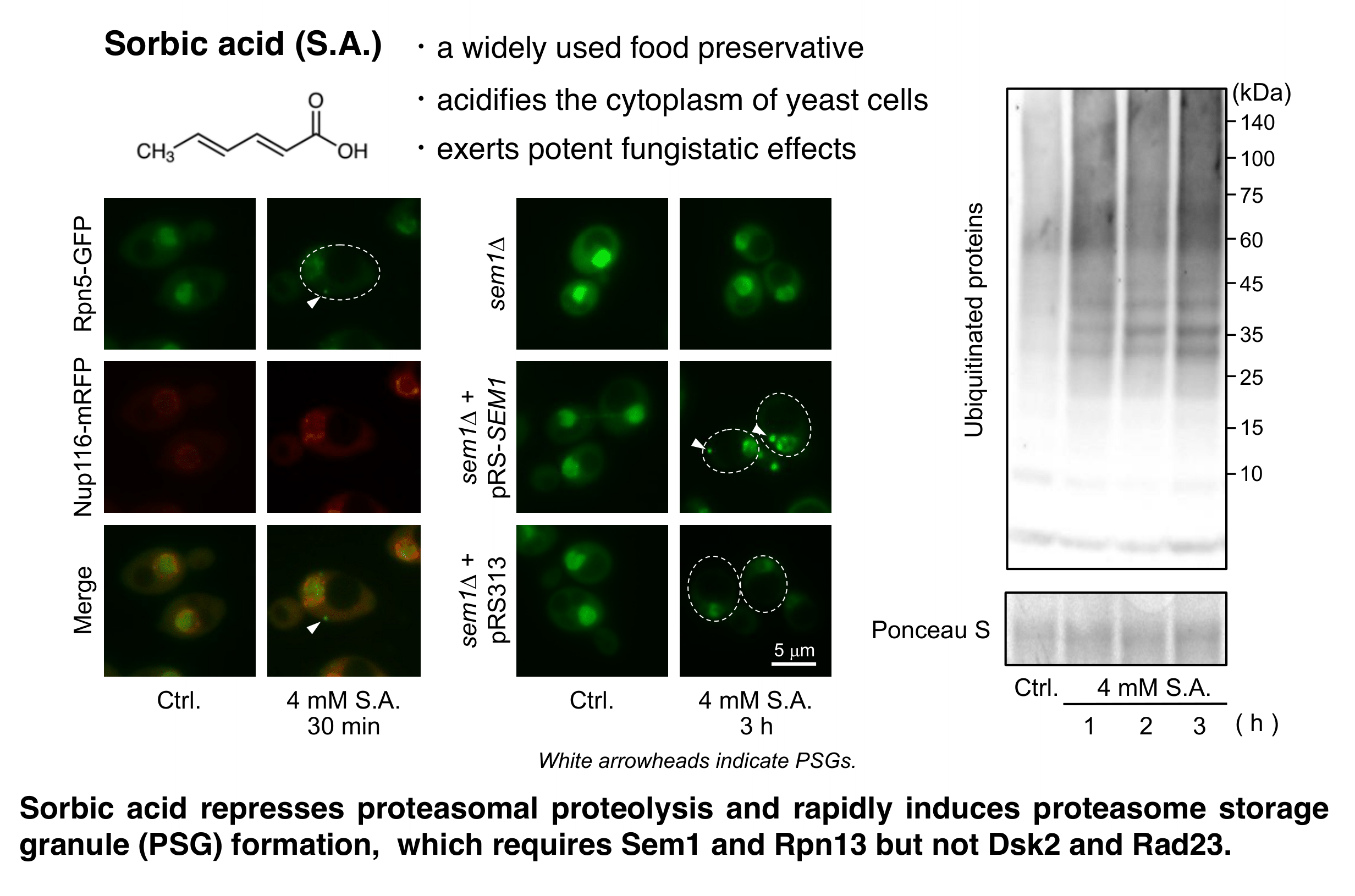
Sorbic acid triggers rapid formation of proteasome storage granules in Saccharomyces cerevisiae
Shoei Tanaka1, Mitsuki Imajo1, Mieko Hayashi2, Akira Matsuura2 and Shingo Izawa1
This study demonstrates that sorbic acid, a common food preservative, induces the fastest reported proteasome storage granule (PSG) formation in yeast within 30 min, highlighting differences from other PSG-inducing conditions like acetic acid stress.

A time-resolved high-throughput screening of fission yeast deletion mutants for oxidative stress resistance
Mohammadtaha Pirsalehi, Rowshan Ara Islam, Kristal Ng, Olga Xintarakou, Peter Harold Thorpe and Charalampos Rallis
By capturing dynamic trajectories rather than static outcomes, this study exposes hidden layers of growth under oxidative stress and identifies new genetic determinants of cellular resilience in fission yeast.
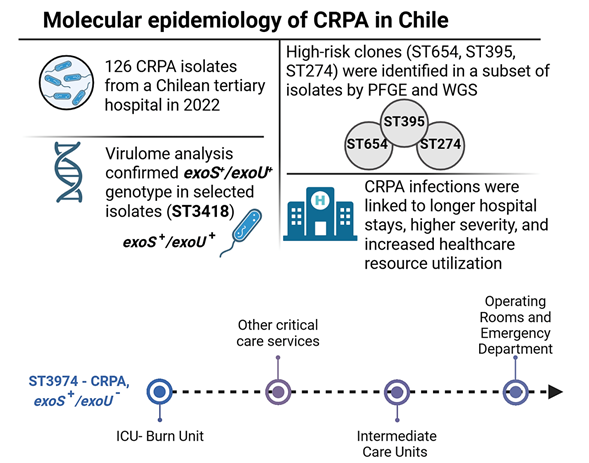
Clonal spread and environmental persistence of carbapenem-resistant high-risk Pseudomonas aeruginosa in critical-care units of a Chilean national referral center for burn and trauma patients (2022)
Camila Ibarra1, Gustavo Araya2, Alhejandra Alvarez2, Leonardo Enríquez2, Carolina Arellano2, Fabricio Alarcón1, Constanza Fernández1, Claudio Vargas1, Rodrigo Vera1 and Roberto M. Vidal2
This study highlight the circulation of high-risk P. aeruginosa clones in Chile and underscore the importance of molecular epidemiology in guiding infection control, optimizing antimicrobial therapy, and mitigating the clinical and economic burden of CRPA.
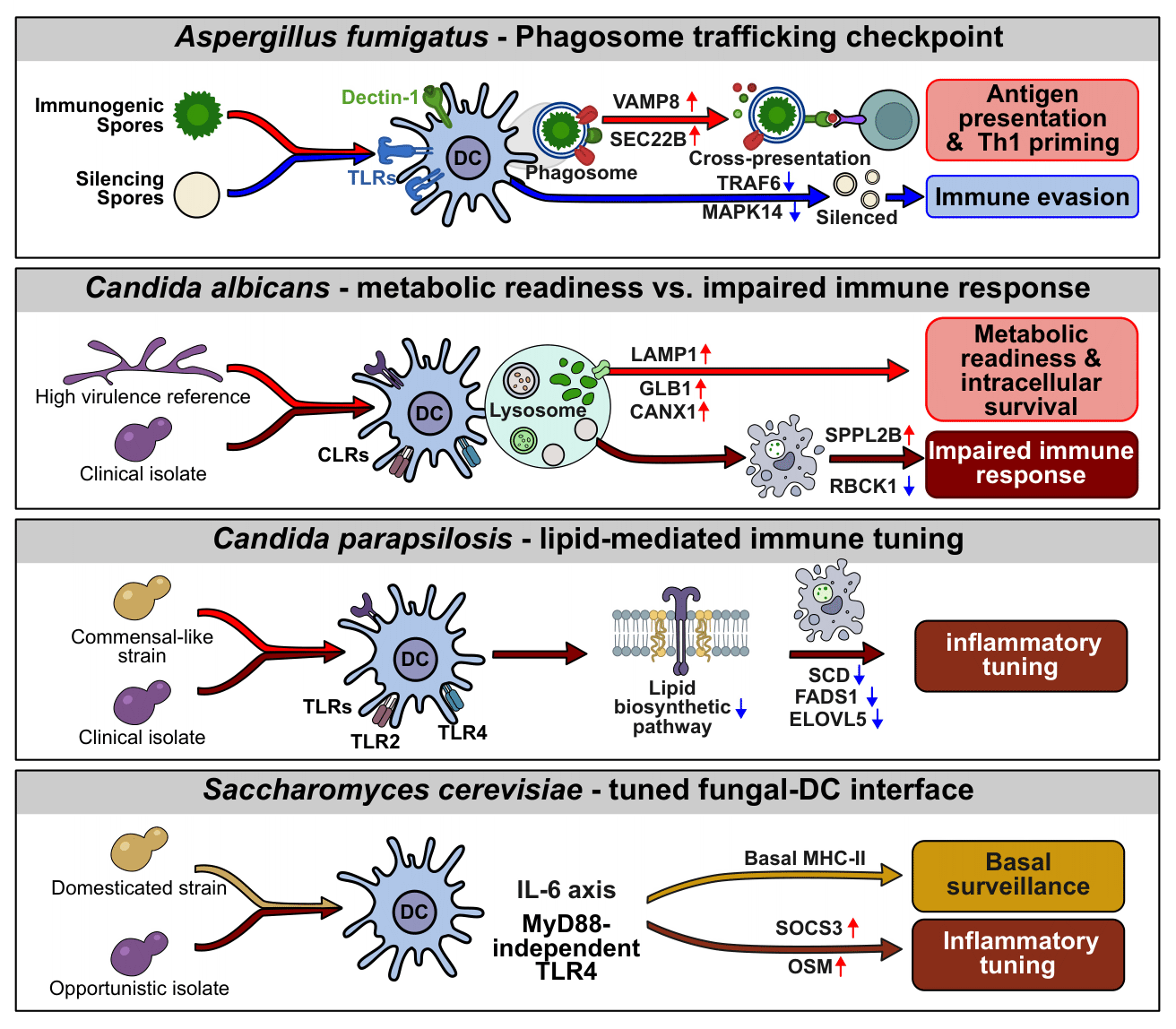
The transcriptome of dendritic cells redraws the boundaries between pathogenicity and commensalism in yeast
Lisa Rizzetto1, Irene Stefanini2, Stefano Nenciarini3, Monica Di Paola3, Samantha Riccadonna1, Ivo G. Gut4,5, Marta Gut4,5, Simon Heath4,5 and Duccio Cavalieri3
Our immune system meets many fungi, but reacts strongly to only a few. The comparison of key fungal species showed that responses differ mainly in timing and not just genes, highlighting the need to rethink what makes fungi harmful vs. harmless.
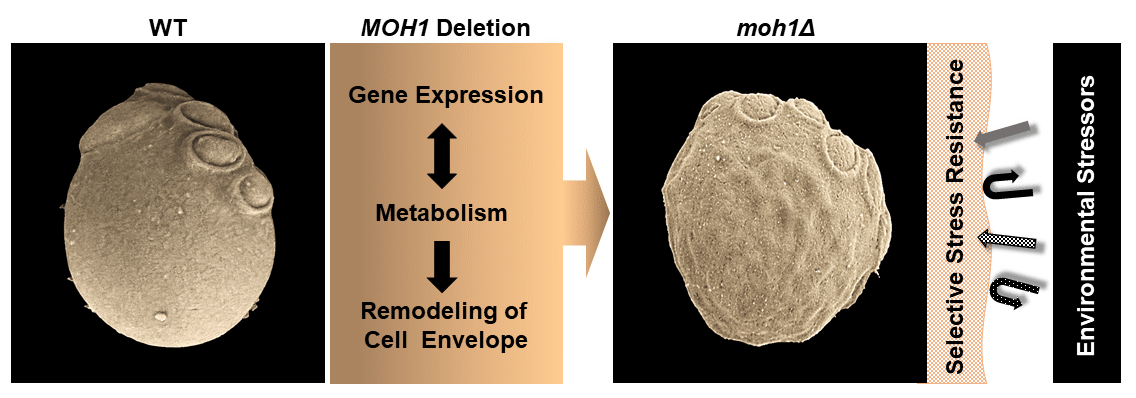
Yippee-like protein Moh1 links gene expression to metabolism and selective stress resistance in Saccharomyces cerevisiae
Çağla Ece Olgun1,a, Gizem Turan Duman1,a, Gizem Güpür1, Hamit İzgi1, Mariam Huda2, Demet Çetin3, Zekiye Suludere4, Fatma Küçük Baloğlu5, Ayşe Koca Çaydaşı2 and Mesut Muyan1
This study demonstrates that the conserved yeast protein Moh1 links metabolism, gene expression, and cell structure, thereby altering cell envelope permeability and leading to selective stress responses.
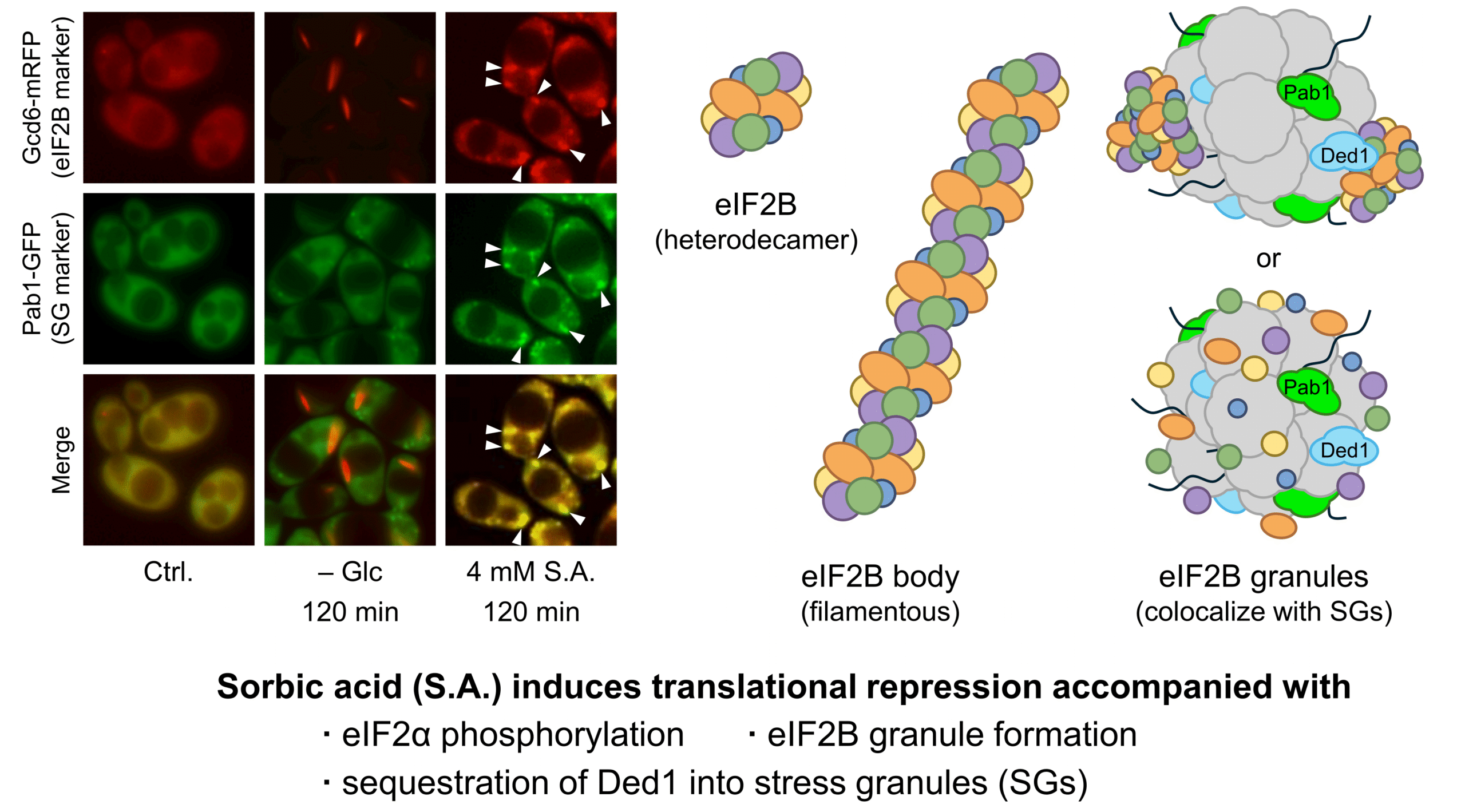
Fungistatic effect of sorbic acid on yeast cells via translational repression involving eIF2α phosphorylation and formation of Ded1- and eIF2B-granules
Haruka Yoshiyama1, Wataru Nomura2 and Shingo Izawa1
The findings of this study provide new insights into the physiological effects of sorbic acid on yeast cells, specifically regarding the regulation of translation-related factors.
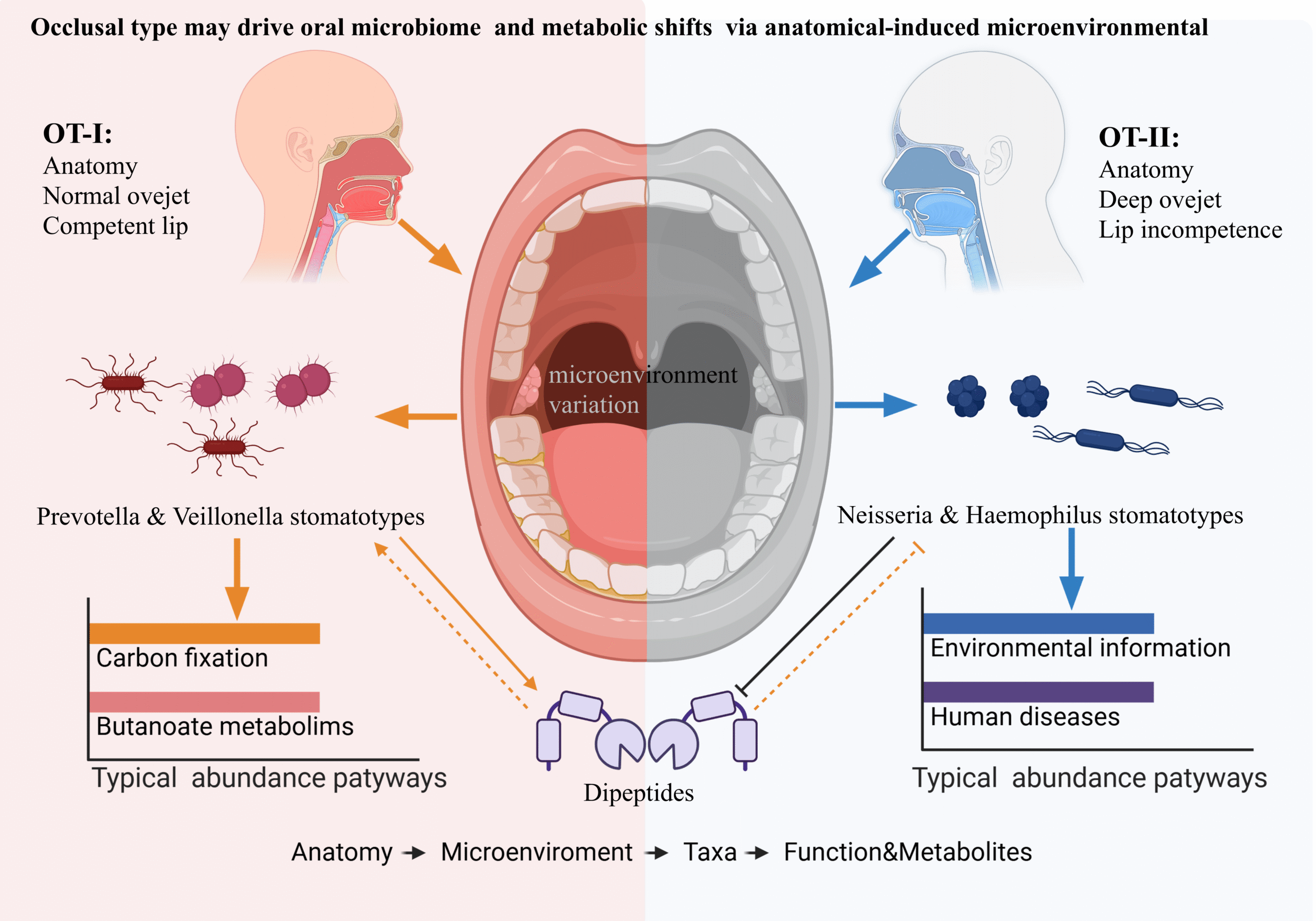
Occlusal types shape oral microbiome stomatotypes and metabolic landscapes: A multi-omics perspective on host-microbe interaction
Yufeng Duan1,a, Zheng Liu2,3,a, Wenting Lu1,a, Ning Zhao1, Lingjun Yuan1, Zhenxia Li1, Ting Zhou1, Shengzhao Xiao1, Dian Jing1, Xiaowen Zheng1, Wentao Shi4, Chao Liu1,*, Haixia Lu5,*, Qiang Feng6,* and Bing Fang1,*
This study reveals how occlusal types shape oral microbiome “stomatotypes” and metabolic profiles in adolescents. It offers fresh insights that host anatomy drives microecology which may be associated with personalized oral health.
The last two transmembrane helices in the APC-type FurE transporter act as an intramolecular chaperone essential for concentrative ER-exit
January 5, 2024
FurE is a H+ symporter specific for the cellular uptake of uric acid, allantoin, uracil, and toxic nucleobase analogues in the fungus Aspergillus nidulans. Being member of the NCS1 protein family, FurE is structurally related to the APC-superfamily of transporters.
Basal level of ppGpp coordinates Escherichia coli cell heterogeneity and ampicillin resistance and persistence
October 25, 2023
The universal stringent response alarmone ppGpp (guanosine penta and tetra phosphates) plays a crucial role in various aspects of fundamental cell physiology (e.g., cell growth rate, cell size) and thus bacterial tolerance to and survival of external stresses, including antibiotics. In tihs study, we discuss the fundamental role of basal level of ppGpp in regulating cell homogeneity and ampicillin persistence.
Investigation of the acetic acid stress response in Saccharomyces cerevisiae with mutated H3 residues
August 18, 2023
Yeast cells respond to acetic acid in diverse ways. Here, we have elucidated the deleterious effects of acetic acid on different histone mutants
The coenzyme B12 precursor 5,6-dimethylbenzimidazole is a flavin antagonist in Salmonella
August 17, 2023
Here we investigated why 5,6-dimethylbenzimidazole (DMB) inhibits in S. Typhimurium. Briefly, we determined that the structural similarities of the substituted benzene ring of DMB with the isoalloxazine moiety of flavins is responsible for the deleterious effects of this CoB12 precursor.
GFP fusions of Sec-routed extracellular proteins in Staphylococcus aureus reveal surface-associated coagulase in biofilms
June 28, 2023
We show that msfGFP can be used to generate extracellular fluorescent fusion proteins in S. aureus, applicable for proteins that are secreted through the Sec pathway. When fused to coagulase, msfGFP did not hinder the biological function, and the fusion protein localised to the fibrin pseudocapsule surrounding clusters of S. aureus cells.
TL-532, a novel specific Toll-like receptor 3 agonist rationally designed for targeting cancers: discovery process and biological characterization
April 19, 2023
In the present study, we identified a new family of TLR3 agonists that activates myeloid cells, triggers the secretion of pro-inflammatory cytokines in both myeloid and cancer cells, and induces apoptosis specifically in cancer cells.
Acetate modulates the inhibitory effect of Lactobacillus gasseri against the pathogenic yeasts Candida albicans and Candida glabrata
March 21, 2023
The results herein described advance the design of new anti-Candida therapies based on probiotics, in particular, those based on vaginal lactobacilli species, helping to reduce the significant burden that infections caused by Candida have today in human health.
D-Serine reduces the expression of the cytopathic genotoxin colibactin
March 8, 2023
Sensing and responding to environmental cues and signalling molecules is crucial for bacterial survival. In this study we have identified a D-amino acid that has a strong regulatory effect on the pks genomic island which encodes for biosynthesis genes for the genotoxic compound colibactin.