
Research, Research Articles

A metagenomic approach to unveil the association between fecal gut microbiota and short-chain fatty acids in diarrhea caused by diarrheagenic Escherichia coli in children
Pablo Gallardo1,2, Mariana Izquierdo2, Tomeu Viver3, Esteban Bustos-Caparros3, Dana Piras2, Roberto M. Vidal4, Hermie J.M. Harmsen1 and Mauricio J. Farfan2
Diarrheagenic Escherichia coli (DEC) is the main cause of diarrhea in children under five years old. The virulence of DEC is tightly regulated by environmental signals influenced by the gut microbiota and its metabolites. Our results increase the knowledge of the association between short chain fatty acids during diarrhea and changes in the microbiota composition associated with the presence of DEC pathogens.
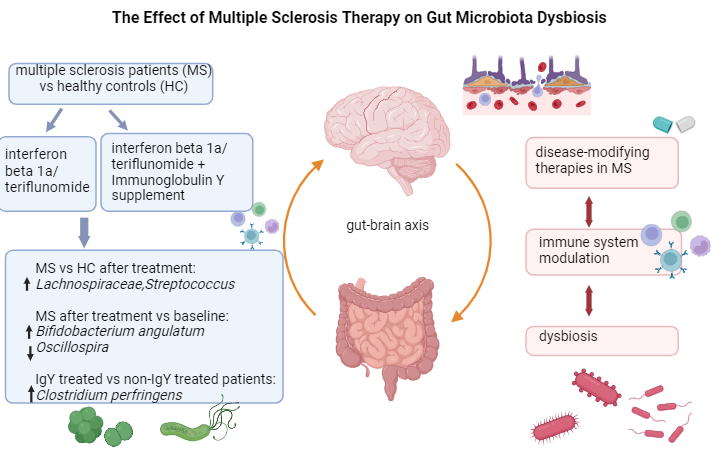
The effect of multiple sclerosis therapy on gut microbiota dysbiosis: a longitudinal prospective study
Andreea-Cristina Paraschiv1,a, Vitalie Vacaras1,2,a, Cristina Nistor1,2, Cristiana Vacaras3, Stefan Strilciuc1 and Dafin F Muresanu1,2
The gut microbiota, a complex ecosystem with various immune functions, plays a significant role in MS, and its response to different treatments is highlighted in this study. In clinical practice, maintaining a healthy microbiota is crucial for individuals with MS.
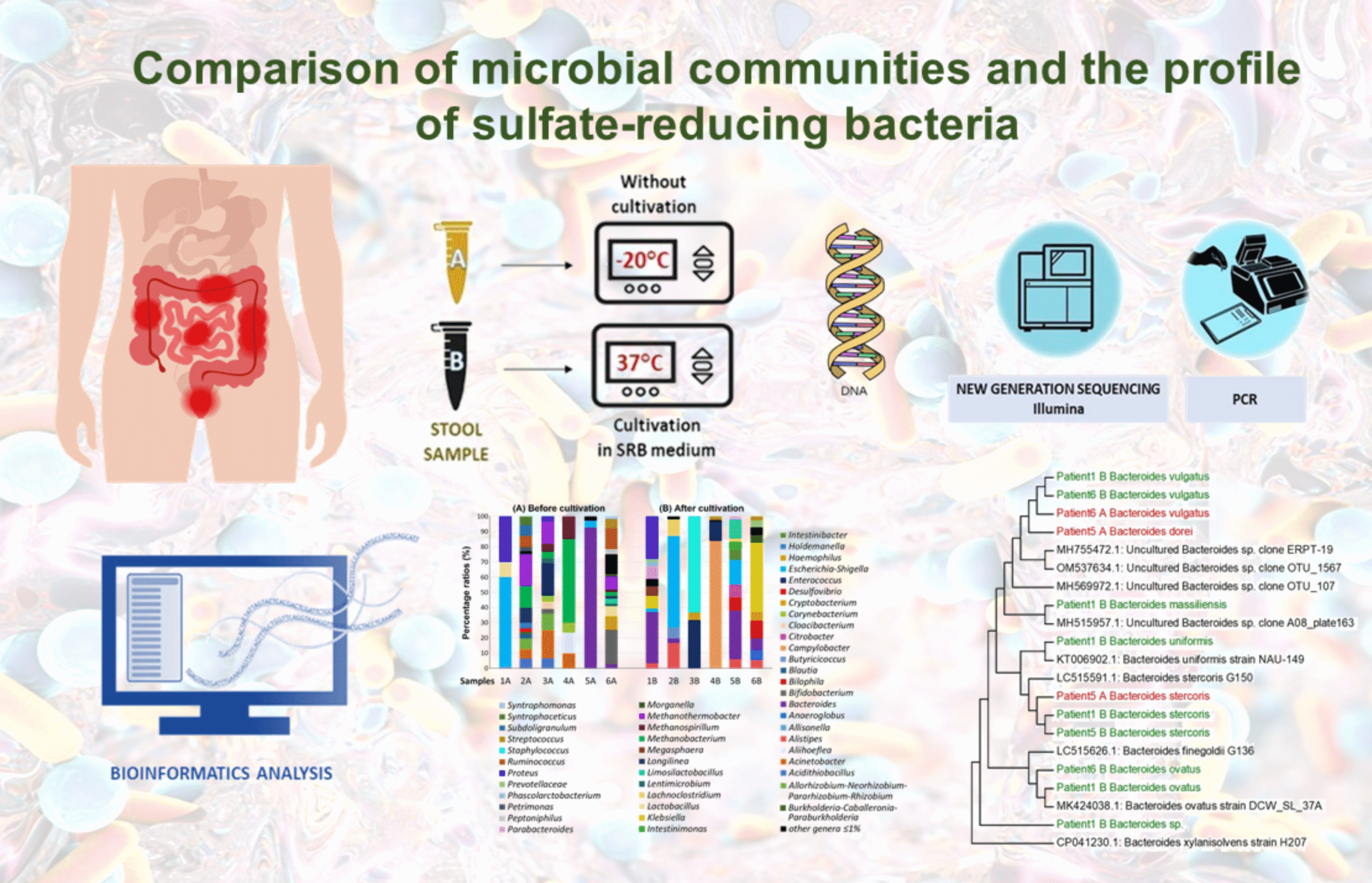
Comparison of microbial communities and the profile of sulfate-reducing bacteria in patients with ulcerative colitis and their association with bowel diseases: a pilot study
Ivan Kushkevych1, Kristýna Martínková1, Lenka Mráková1, Francesco Giudici2, Simone Baldi2, David Novak3, Márió Gajdács4, Monika Vítězová1, Dani Dordevic5, Amedeo Amedei2 and Simon K.-M. R. Rittmann6
Considerable evidence has accumulated regarding the molecular relationship between gut microbiota (GM) composition and the onset (clinical presentation and prognosis) of ulcerative colitis UC. Our findings highlight, among other observations, significant variations in the gut microbial composition among patients with varying disease severity and activity.

Replicative aging in yeast involves dynamic intron retention patterns associated with mRNA processing/export and protein ubiquitination
Jesús Gómez-Montalvo1, Alvaro de Obeso Fernández del Valle1, Luis Fernando De la Cruz Gutiérrez1, Jose Mario Gonzalez-Meljem1 and Christian Quintus Scheckhuber1
Saccharomyces cerevisiae has yielded relevant insights into some of the basic mechanisms of organismal aging. Among these are genomic instability, oxidative stress, caloric restriction and mitochondrial dysfunction. Our work uncovers a previously unexplored layer of the transcriptional program of yeast aging and, more generally, expands the knowledge on the occurrence of alternative splicing in baker´s yeast.

Quantifying yeast lipidomics by high-performance thin-layer chromatography (HPTLC) and comparison to mass spectrometry-based shotgun lipidomics
Thorsten Meyer1, Oskar Knittelfelder2, Martin Smolnig1 and Patrick Rockenfeller1
Lipidomic analysis in diverse biological settings has become a frequent tool to increase our understanding of the processes of life. Here we describe a method to analyse basic lipidomics in yeast using HPTLC and offer comparison to measurement of the same samples with MS-based shotgun lipidomics.

A cobalt concentration sensitive Btu-like system facilitates cobalamin uptake in Anabaena sp. PCC 7120
Julia Graf1, Leonard Fresenborg1,2, Hans-Michael Seitz2,3, Rafael Pernil1 and Enrico Schleiff1,2,4,5
Metal homeostasis is central to all forms of life, as metals are essential micronutrients with toxic effects at elevated levels. Our results provide novel information on the uptake of cobalamin and the regulation of the cellular cobalt content in cyanobacteria.
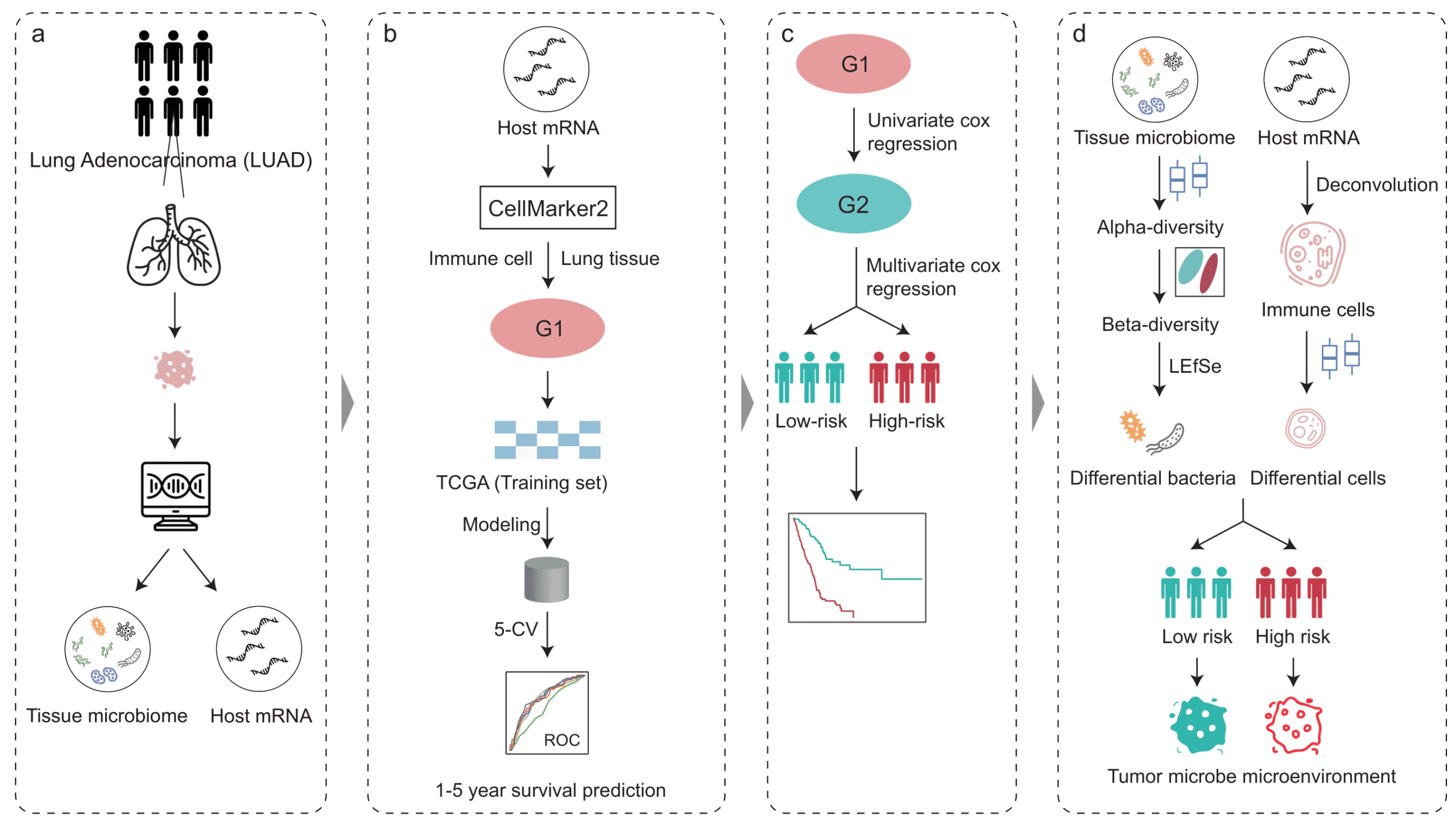
Predictable regulation of survival by intratumoral microbe-immune crosstalk in patients with lung adenocarcinoma
Shuo Shi1, Yuwen Chu2,3, Haiyan Liu4,5, Lan Yu6,7,8, Dejun Sun8,9, Jialiang Yang2,3,5, Geng Tian2,3, Lei Ji2,3, Cong Zhang10 and Xinxin Lu11
Intratumoral microbiota can regulate the tumor immune microenvironment (TIME) and mediate tumor prognosis by promoting inflammatory response or inhibiting anti-tumor effects. Our study demonstrated that intratumoral microbiota-immune crosstalk was strongly associated with prognosis in LUAD patients, which would provide new targets for the development of precise therapeutic strategies.

Two TonB-dependent outer membrane transporters involved in heme uptake in Anabaena sp. PCC 7120
Julia Graf1, Martin Schöpperle1,2, Rafael Pernil1 and Enrico Schleiff1,3,4
Low availability of micronutrients such as iron has enforced the evolution of uptake systems in all kingdoms of life. In our study, we conclude that heme transport might not be restricted to Anabaena, but at the same time is not specific to a cyanobacterial order and thus might be related to the habitat of origin, a notion which needs to be challenged in the future.

The last two transmembrane helices in the APC-type FurE transporter act as an intramolecular chaperone essential for concentrative ER-exit
Yiannis Pyrris1, Georgia F. Papadaki1, Emmanuel Mikros2 and George Diallinas1,3
FurE is a H+ symporter specific for the cellular uptake of uric acid, allantoin, uracil, and toxic nucleobase analogues in the fungus Aspergillus nidulans. Being member of the NCS1 protein family, FurE is structurally related to the APC-superfamily of transporters.
Nutritional and meiotic induction of transiently heritable stress resistant states in budding yeast
October 29, 2018
This study demonstrates that transient exposures to environmental stresses induce persistent states of elevated stress resistance in yeast cells, termed cellular memory, suggesting a form of epigenetic inheritance, and shows that this phenomenon occurs not only in meiotically produced spores but also in haploid cells subjected to glucose withdrawal, adding new insights into the developmentally and nutritionally induced cellular memory.
Specific mutations in the permease domain of septal protein SepJ differentially affect functions related to multicellularity in the filamentous cyanobacterium Anabaena
October 16, 2018
In this study, the multifunctional roles of the SepJ protein in the multicellular function of the Anabaena filament were investigated, revealing that specific amino acids and stretches within the protein are essential for the formation of long filaments, heterocyst differentiation, and intercellular communication, shedding light on the structure and diverse functions of SepJ in the model heterocyst-forming cyanobacterium Anabaena sp. strain PCC 7120.
Trehalose-6-phosphate promotes fermentation and glucose repression in Saccharomyces cerevisiae
October 1, 2018
This study examined the capability of trehalose-6-phosphate synthase (TPS1) homologues from various species to complement the phenotypic defects of a Saccharomyces cerevisiae tps1 mutant, resulting in the classification of complementation into different groups based on metabolic patterns and fermentation capacity, shedding light on the role of TPS1 and trehalose-6-phosphate (T6P) as critical factors in sugar fermentation and glucose repression.
The translationally controlled tumor protein TCTP is involved in cell cycle progression and heat stress response in the bloodstream form of Trypanosoma brucei
August 24, 2018
This study reveals the involvement of the translationally controlled tumor protein TCTP in cell cycle regulation and heat stress response in the bloodstream form of Trypanosoma brucei, shedding light on its role in these cellular processes.
Single telomere length analysis in Ustilago maydis, a high-resolution tool for examining fungal telomere length distribution and C-strand 5’-end processing
August 7, 2018
This article introduces the development of single telomere length analysis (STELA) for Ustilago maydis, a basidiomycete fungus, enabling the precise measurement of telomere lengths and distributions. The study demonstrates STELA's utility in revealing the existence of relatively short telomeres in wild-type cells, preferential loss of long telomeres in a mutant defective in telomere replication, and the characterization of telomere C-strand 5’ ends, highlighting U. maydis as a strong model for telomere research.
Temporal analysis of the autophagic and apoptotic phenotypes in Leishmania parasites
August 1, 2018
This article details a comprehensive analysis of miltefosine-induced cell death and autophagy in Leishmania major, providing criteria for clear identification of apoptotic and autophagic cells, demonstrating the sequential nature of autophagy followed by apoptosis in nutrient-deprived conditions, and cautioning against using the generic kinase inhibitor staurosporine as a Leishmania apoptosis inducer, with the aim of improving the understanding of these processes and their targeting for new anti-leishmanial drugs.
Snf1 cooperates with the CWI MAPK pathway to mediate the degradation of Med13 following oxidative stress
June 25, 2018
This article explores the response of eukaryotic cells to environmental stress, highlighting the role of the conserved cyclin C-Cdk8 kinase in determining pro-survival or pro-death programs. Specifically, it discusses how oxidative stress triggers the destruction of Med13 by the SCFGrr1 ubiquitin ligase, releasing cyclin C to promote mitochondrial fission and cell death in Saccharomyces cerevisiae. Additionally, it reveals that the AMP kinase Snf1 activates a separate degron in Med13, contributing to the complex regulation of Med13 degradation following H2O2 stress through the coordination of the cell wall integrity and MAPK pathways.
Importance of polyphosphate in the Leishmania life cycle
June 22, 2018
This article explores the importance of polyphosphate (polyP) in Leishmania parasites, emphasizing the role of the polyP polymerase VTC4 and its impact on parasite survival at higher temperatures. Additionally, it discusses the effects of VTC4 knockout in mouse infections, noting a delay in lesion formation and strong pathology in L. major VTC4 knockout, without confirmation through complementation and no alteration in L. guyanensis infections in mice with VTC4 knockdown.
Antagonism between salicylate and the cAMP signal controls yeast cell survival and growth recovery from quiescence
March 26, 2018
This article describes the effects of salicylate, the main metabolite of aspirin, on S. cerevisiae cells. It outlines how salicylate influences glucose transport, sugar phosphate biosynthesis, and apoptosis, particularly in MnSOD-deficient cells. Furthermore, it emphasizes the significant impact of salicylate on the exit from a quiescent state, inhibiting growth recovery and viability in long-term stationary phase cells. The passage also discusses the potential therapeutic implications of understanding the antagonistic relationship between cAMP and salicylate in targeting quiescent cancer cells with stem-like properties.
Evolution of substrate specificity in the Nucleobase-Ascorbate Transporter (NAT) protein family
March 22, 2018
L-ascorbic acid (vitamin C) is an essential metabolite in animals and plants due to its role as an enzyme co-factor and antioxidant activity. Here, Kourkoulou et al. show further evidence that ascorbate-specific Nucleobase-Ascorbate Transporters (NATs) evolved by optimization of a sub-function of ancestral nucleobase transporters.