
Research, Research Reports

A metagenomic approach to unveil the association between fecal gut microbiota and short-chain fatty acids in diarrhea caused by diarrheagenic Escherichia coli in children
Pablo Gallardo1,2, Mariana Izquierdo2, Tomeu Viver3, Esteban Bustos-Caparros3, Dana Piras2, Roberto M. Vidal4, Hermie J.M. Harmsen1 and Mauricio J. Farfan2
Diarrheagenic Escherichia coli (DEC) is the main cause of diarrhea in children under five years old. The virulence of DEC is tightly regulated by environmental signals influenced by the gut microbiota and its metabolites. Our results increase the knowledge of the association between short chain fatty acids during diarrhea and changes in the microbiota composition associated with the presence of DEC pathogens.
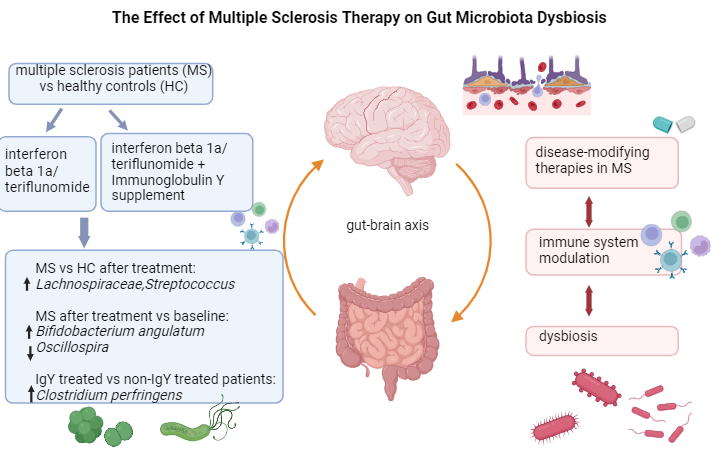
The effect of multiple sclerosis therapy on gut microbiota dysbiosis: a longitudinal prospective study
Andreea-Cristina Paraschiv1,a, Vitalie Vacaras1,2,a, Cristina Nistor1,2, Cristiana Vacaras3, Stefan Strilciuc1 and Dafin F Muresanu1,2
The gut microbiota, a complex ecosystem with various immune functions, plays a significant role in MS, and its response to different treatments is highlighted in this study. In clinical practice, maintaining a healthy microbiota is crucial for individuals with MS.
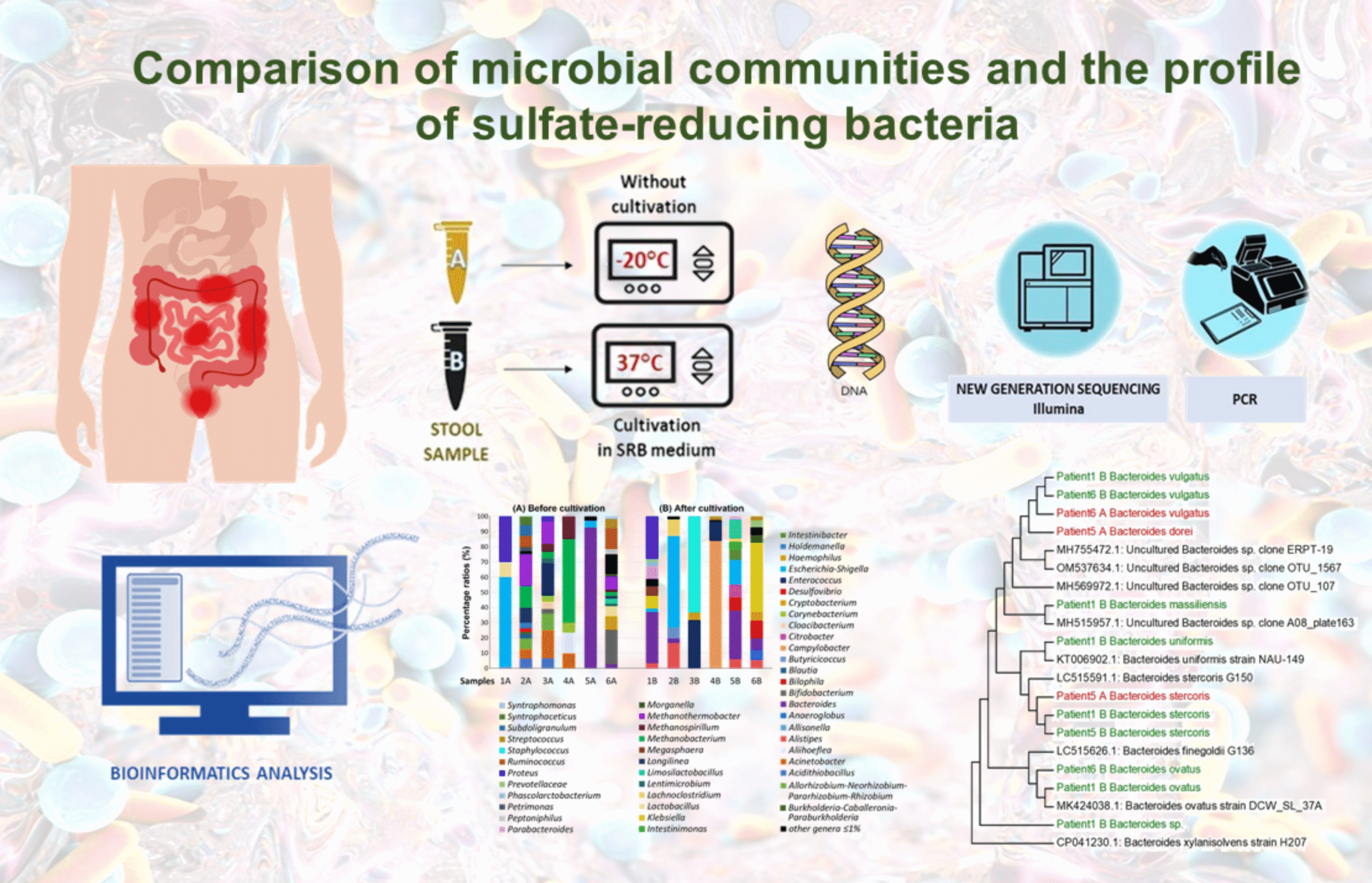
Comparison of microbial communities and the profile of sulfate-reducing bacteria in patients with ulcerative colitis and their association with bowel diseases: a pilot study
Ivan Kushkevych1, Kristýna Martínková1, Lenka Mráková1, Francesco Giudici2, Simone Baldi2, David Novak3, Márió Gajdács4, Monika Vítězová1, Dani Dordevic5, Amedeo Amedei2 and Simon K.-M. R. Rittmann6
Considerable evidence has accumulated regarding the molecular relationship between gut microbiota (GM) composition and the onset (clinical presentation and prognosis) of ulcerative colitis UC. Our findings highlight, among other observations, significant variations in the gut microbial composition among patients with varying disease severity and activity.

Replicative aging in yeast involves dynamic intron retention patterns associated with mRNA processing/export and protein ubiquitination
Jesús Gómez-Montalvo1, Alvaro de Obeso Fernández del Valle1, Luis Fernando De la Cruz Gutiérrez1, Jose Mario Gonzalez-Meljem1 and Christian Quintus Scheckhuber1
Saccharomyces cerevisiae has yielded relevant insights into some of the basic mechanisms of organismal aging. Among these are genomic instability, oxidative stress, caloric restriction and mitochondrial dysfunction. Our work uncovers a previously unexplored layer of the transcriptional program of yeast aging and, more generally, expands the knowledge on the occurrence of alternative splicing in baker´s yeast.

Quantifying yeast lipidomics by high-performance thin-layer chromatography (HPTLC) and comparison to mass spectrometry-based shotgun lipidomics
Thorsten Meyer1, Oskar Knittelfelder2, Martin Smolnig1 and Patrick Rockenfeller1
Lipidomic analysis in diverse biological settings has become a frequent tool to increase our understanding of the processes of life. Here we describe a method to analyse basic lipidomics in yeast using HPTLC and offer comparison to measurement of the same samples with MS-based shotgun lipidomics.

A cobalt concentration sensitive Btu-like system facilitates cobalamin uptake in Anabaena sp. PCC 7120
Julia Graf1, Leonard Fresenborg1,2, Hans-Michael Seitz2,3, Rafael Pernil1 and Enrico Schleiff1,2,4,5
Metal homeostasis is central to all forms of life, as metals are essential micronutrients with toxic effects at elevated levels. Our results provide novel information on the uptake of cobalamin and the regulation of the cellular cobalt content in cyanobacteria.
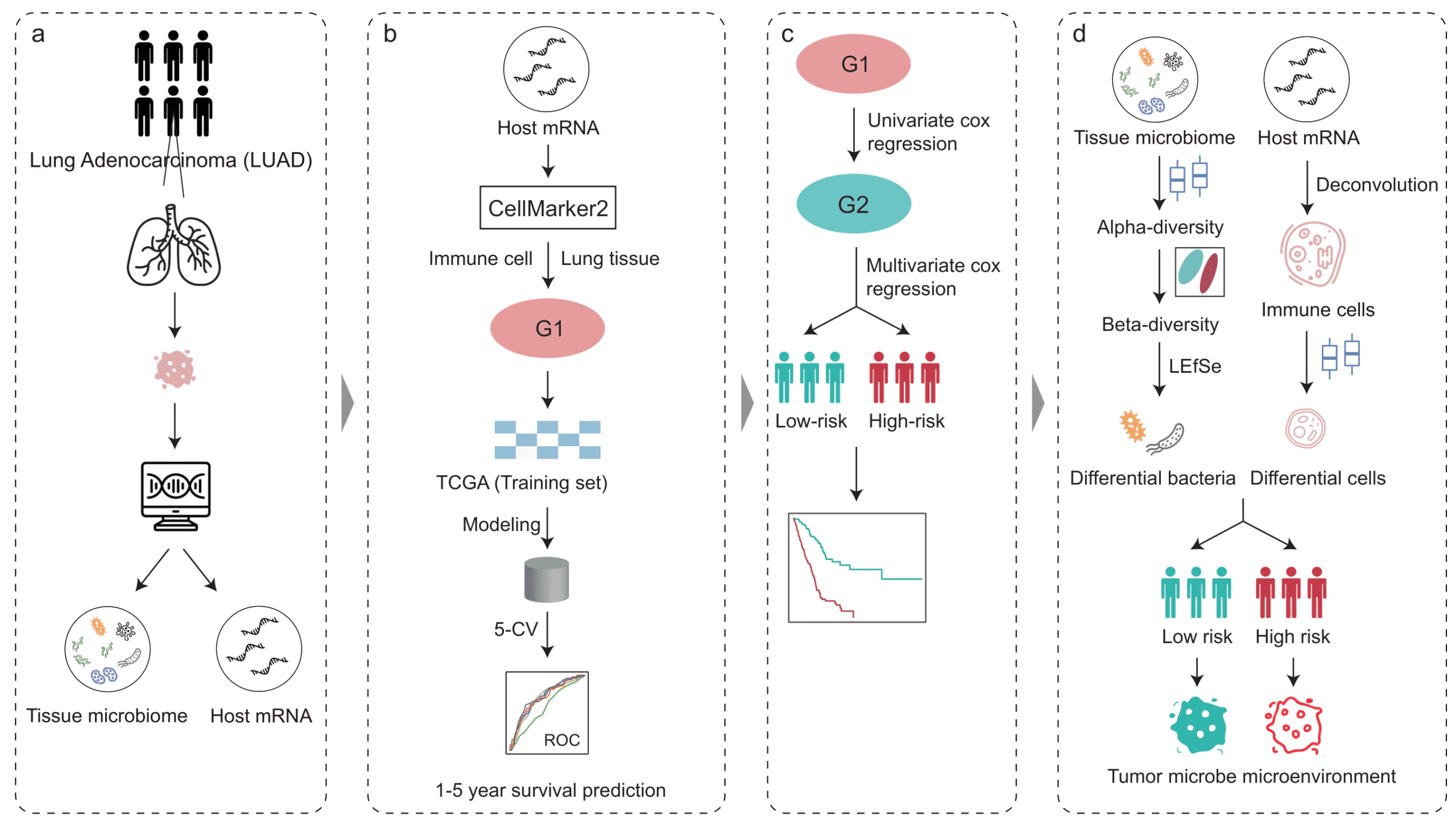
Predictable regulation of survival by intratumoral microbe-immune crosstalk in patients with lung adenocarcinoma
Shuo Shi1, Yuwen Chu2,3, Haiyan Liu4,5, Lan Yu6,7,8, Dejun Sun8,9, Jialiang Yang2,3,5, Geng Tian2,3, Lei Ji2,3, Cong Zhang10 and Xinxin Lu11
Intratumoral microbiota can regulate the tumor immune microenvironment (TIME) and mediate tumor prognosis by promoting inflammatory response or inhibiting anti-tumor effects. Our study demonstrated that intratumoral microbiota-immune crosstalk was strongly associated with prognosis in LUAD patients, which would provide new targets for the development of precise therapeutic strategies.

Two TonB-dependent outer membrane transporters involved in heme uptake in Anabaena sp. PCC 7120
Julia Graf1, Martin Schöpperle1,2, Rafael Pernil1 and Enrico Schleiff1,3,4
Low availability of micronutrients such as iron has enforced the evolution of uptake systems in all kingdoms of life. In our study, we conclude that heme transport might not be restricted to Anabaena, but at the same time is not specific to a cyanobacterial order and thus might be related to the habitat of origin, a notion which needs to be challenged in the future.

The last two transmembrane helices in the APC-type FurE transporter act as an intramolecular chaperone essential for concentrative ER-exit
Yiannis Pyrris1, Georgia F. Papadaki1, Emmanuel Mikros2 and George Diallinas1,3
FurE is a H+ symporter specific for the cellular uptake of uric acid, allantoin, uracil, and toxic nucleobase analogues in the fungus Aspergillus nidulans. Being member of the NCS1 protein family, FurE is structurally related to the APC-superfamily of transporters.
Systematic analysis of nuclear gene function in respiratory growth and expression of the mitochondrial genome in S. cerevisiae
June 30, 2020
Using yeast Saccharomyces cerevisiae, the authors identified 254 nuclear genes essential for respiratory growth and 12 required for viability without mtDNA. They also found 176 genes involved in mitochondrial protein synthesis and mtDNA maintenance, offering a comprehensive view of the processes supporting oxidative phosphorylation.
Histone H3E73Q and H4E53A mutations cause recombinogenic DNA damage
April 24, 2020
This study reveals that conserved residues H3E73 and H4E53 in histones H3 and H4 play a crucial role in maintaining genome stability. Mutations at these sites increase recombinogenic DNA damage, likely due to replication-associated issues rather than transcriptional activity, highlighting their importance in DNA damage prevention and repair.
Sulforaphane alters the acidification of the yeast vacuole
March 20, 2020
This study identifies vacuolar pH regulation as a key factor in sulforaphane (SFN) sensitivity, showing that SFN-induced cell death in yeast - and potentially in human cancer cells - is linked to its ability to raise vacuolar or lysosomal pH.
Broad-spectrum antifungal activities and mechanism of drimane sesquiterpenoids
March 12, 2020
This study identifies (-)-drimenol as a potent broad-spectrum antifungal agent effective against multiple pathogenic fungi, including drug-resistant strains, and reveals its mechanism of action involves disruption of fungal membranes and targeting Crk1-related pathways, with potential for structural optimization to enhance efficacy.
Stable and destabilized GFP reporters to monitor calcineurin activity in Saccharomyces cerevisiae
February 5, 2020
This study introduces GFP-based transcriptional reporters driven by a calcineurin-dependent response element, enabling real-time monitoring of calcineurin activity in live yeast cells for studying stress responses, aging, and antifungal drug screening.
The euchromatic histone mark H3K36me3 preserves heterochromatin through sequestration of an acetyltransferase complex in fission yeast
January 3, 2020
This study reveals that the loss of heterochromatin silencing in Set2-deficient cells is due to unrestrained Mst2C activity, highlighting the need for spatially restricted chromatin-modifying enzymes to maintain distinct chromatin states.
Depletion of SNAP-23 and Syntaxin 4 alters lipid droplet homeostasis during Chlamydia infection
December 3, 2019
This study reveals that the plasma membrane SNARE proteins SNAP-23 and Syntaxin 4 are crucial for Chlamydia trachomatis development by regulating lipid droplet homeostasis and supporting the formation of infectious progeny within host cells.
Yeast can express and assemble bacterial secretins in the mitochondrial outer membrane
November 19, 2019
Secretins, essential components of bacterial secretion systems, can be expressed in yeast and show differential dependencies on mitochondrial import and assembly factors for membrane integration, suggesting diverse pathways for their assembly into the bacterial outer membrane.
Metabolic reprogramming of Salmonella infected macrophages and its modulation by iron availability and the mTOR pathway
November 14, 2019
This article shows that iron plays a critical role in both the immune response and metabolic reprogramming of macrophages during infection, influencing the TCA cycle and mTOR pathway, with implications for the growth of intracellular bacteria like Salmonella.