
Microreviews, Review
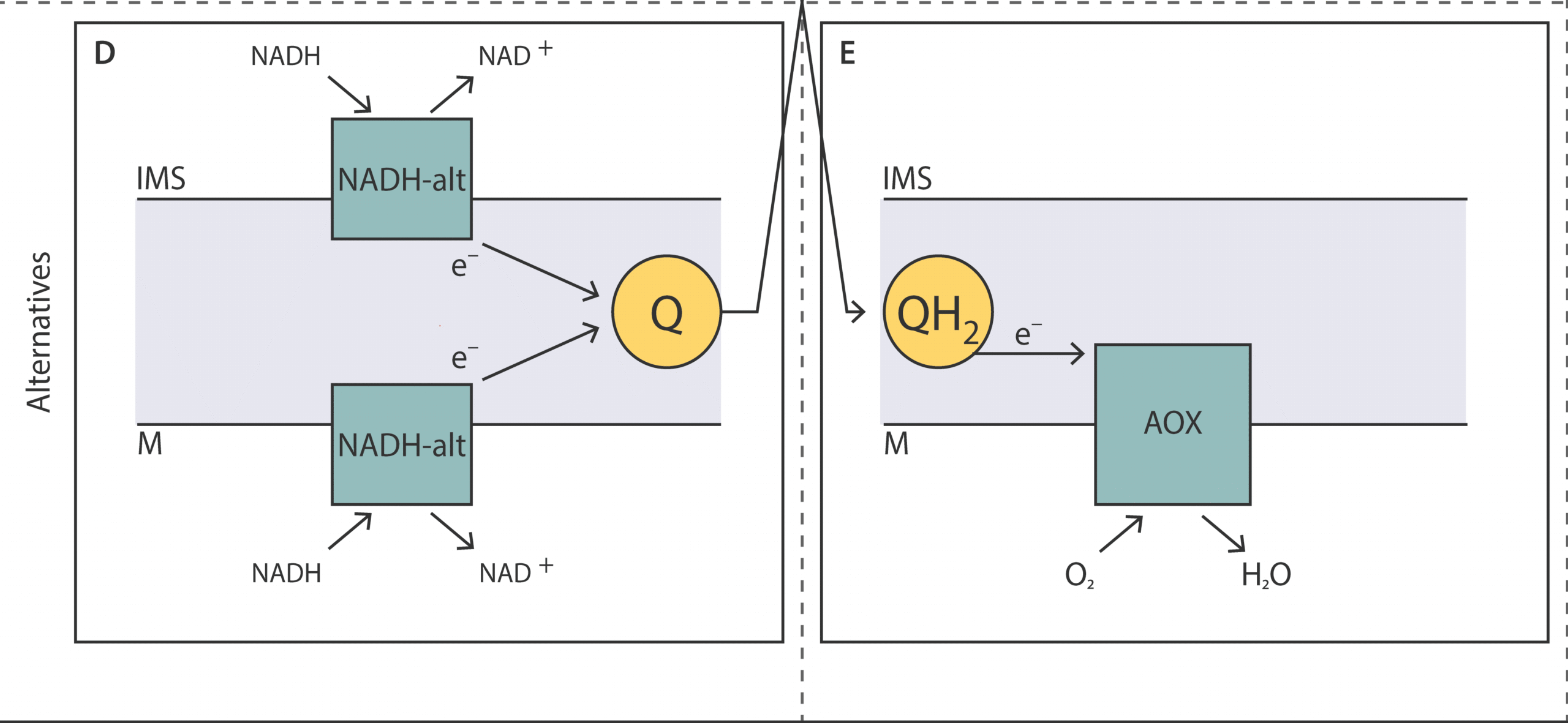
Unveiling the molecular architecture of the mitochondrial respiratory chain of Acanthamoeba castellanii
Christian Q. Scheckhuber1, Sutherland K. Maciver2 and Alvaro de Obeso Fernandez del Valle1
This review provides a comprehensive overview of the mitochondrial res-piratory chain in A. castellanii, focusing on the key alternative components involved in oxidative phosphorylation and their roles in energy metabolism, stress response, and adaptation to various conditions.

Paving the way for new antimicrobial peptides through molecular de-extinction
Karen O. Osiro1, Abel Gil-Ley2, Fabiano C. Fernandes1,3, Kamila B. S. de Oliveira2, Cesar de la Fuente-Nunez4-7, Octavio L. Franco1,2
The advancement of artificial intelligence and molecular de-extinction offers a valuable opportunity not only to discover new antimicrobials but also to provide accurate in silico predictions, thereby shortening the path to addressing the global antibiotic resistance crisis.

Efflux pumps: gatekeepers of antibiotic resistance in Staphylococcus aureus biofilms
Shweta Sinha1, Shifu Aggarwal2,3 and Durg Vijai Singh1
This review aims to elucidate the complex relationship between efflux pumps, antibiotic resistance and biofilm formation in S. aureus with the aim to aid in the development of potential therapeutic targets for combating S. aureus infections, especially those associated with biofilms.

Understanding the molecular mechanisms of human diseases: the benefits of fission yeasts
Lajos Acs-Szabo, Laszlo-Attila Papp and Ida Miklos
Here we collect the latest laboratory protocols and bioinformatics tools for the fission yeasts to highlight the many possibilities available to the research community. In addition, we present several limiting factors that everyone should be aware of when working with yeast models.
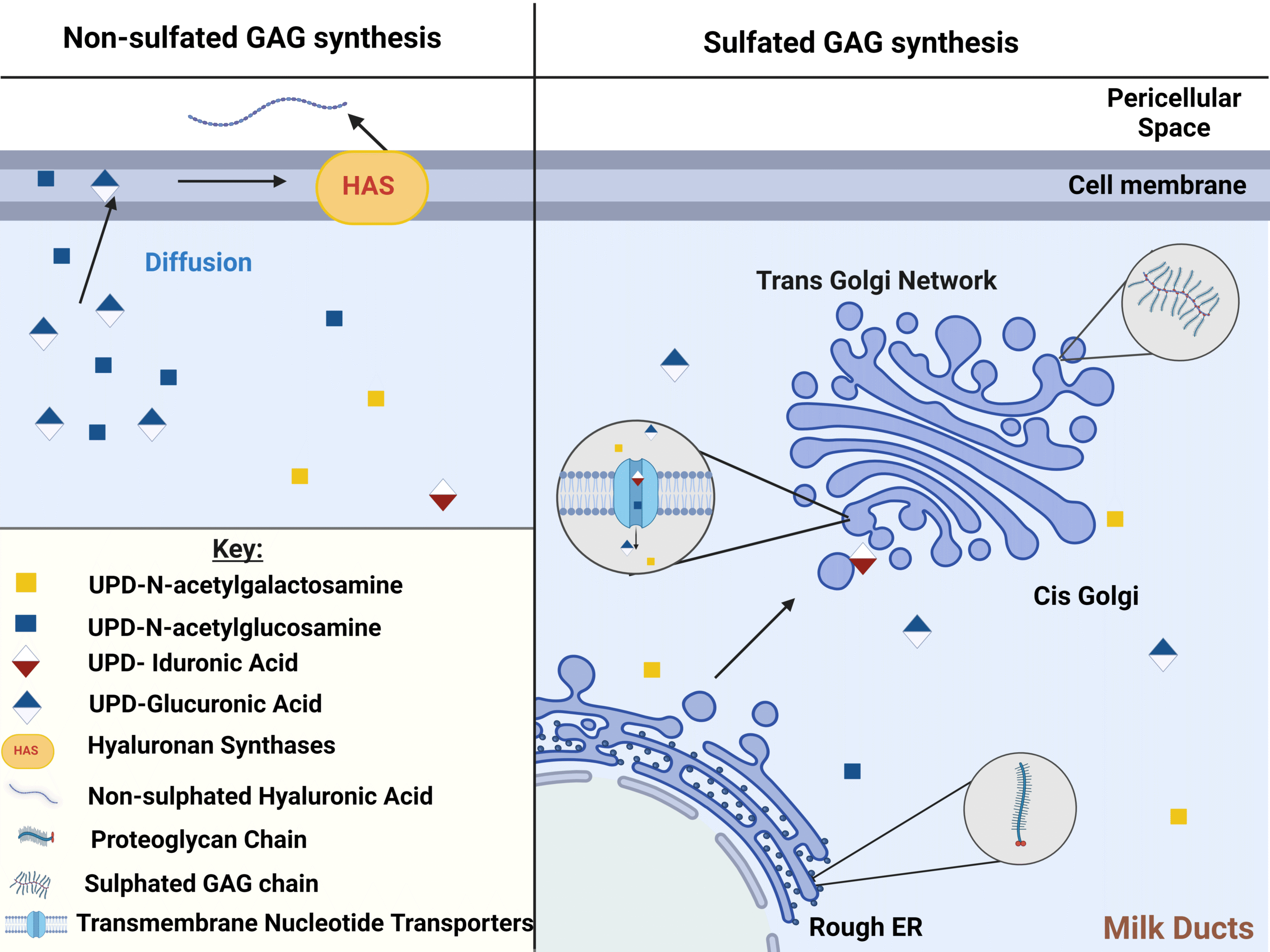
Characterising glycosaminoglycans in human breastmilk and their potential role in infant health
Melissa Greenwood1,2, Patricia Murciano-Martínez3, Janet Berrington4, Sabine L Flitsch5, Sean Austin2 and Christopher Stewart1
Glycosaminoglycans are bioactive components present in breast milk and play a potential key role in determining infant health yet are overlooked by many contemporary studies. This review explores their relevance, use and characterisation techniques.

Neutralizing the threat: harnessing broadly neutralizing antibodies against HIV-1 for treatment and prevention
Juan C Becerra1, Lauren Hitchcock1, Khoa Vu1 and Johannes S Gach1
This review provides an overview of the advancements in HIV- 1-specific broadly neutralizing antibodies and discusses the insights gathered from recent clinical trials regarding their application in treating and preventing HIV-1 infection.

From microbes to medicine: harnessing the gut microbiota to combat prostate cancer
Anjali Yadav1, Meenakshi Kaushik1, Prabhakar Tiwari1 and Rima Dada1
The gut microbiome (GM) has been identified as a crucial factor in the development and progression of various diseases, including cancer. This review highlights the important role that the GM may play in the development and progression of prostate cancer, through its influence on chronic inflammation, immune modulation, and other pathogenic mechanisms.
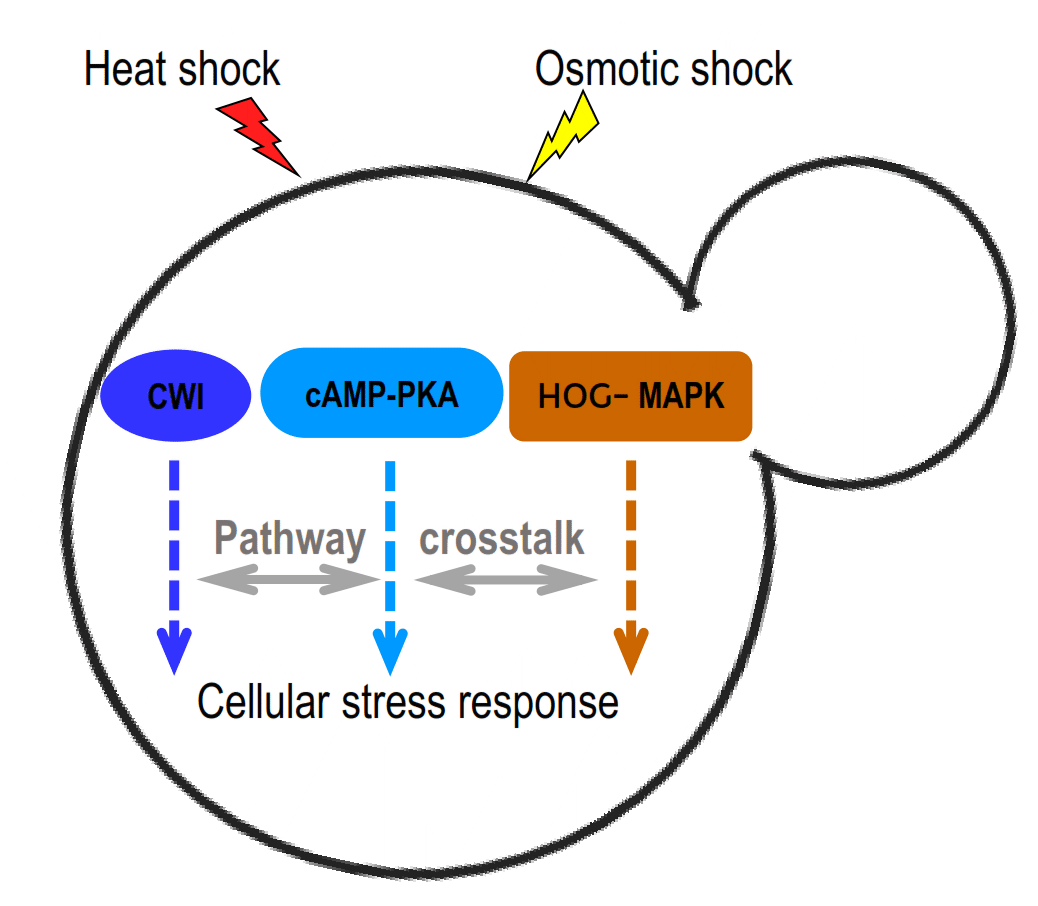
The cAMP-PKA signalling crosstalks with CWI and HOG-MAPK pathways in yeast cell response to osmotic and thermal stress
Fiorella Galello1, Mariana Bermúdez-Moretti1, María Clara Ortolá Martínez1, Silvia Rossi1 and Paula Portela1
During industrial fermentation yeast strains are exposed to fluctuations in oxygen concentration, osmotic pressure, pH, ethanol concentration, nutrient availability and temperature. The scope of this review is to outline the advancement of knowledge about the cAMP-PKA signalling and the crosstalk of this pathway with the CWI and HOG-MAPK cascades in response to the environmental challenges heat and hyperosmotic stress.

Phospholipases A and Lysophospholipases in protozoan parasites
Perrine Hervé1, Sarah Monic1, Frédéric Bringaud1 and Loïc Rivière1
In this review, we summarize the literature on phospholipases and lysophospholipases in several protozoan parasites of medical relevance, and discuss the growing interest for them as potential drug and vaccine targets.
Chlamydia trachomatis’ struggle to keep its host alive
March 2, 2017
This article comments on work published by Sixt et al. (Cell Host Microbe, 2016), which analyzed a CpoS-deficient mutant yielding unique insights into the nature of cell-autonomous defense responses against Chlamydia.
New insights into the function of a versatile class of membrane molecular motors from studies of Myxococcus xanthus surface (gliding) motility
March 2, 2017
This article comments on work published by Faure et al. (Nature, 2016), which deciphers force transmission at focal adhesion complexes that are involved in gliding motility in bacteria.
Advancing host-directed therapy for tuberculosis: new therapeutic insights from the Toxoplasma gondii
March 2, 2017
This article comments on work published by Koh et al. (PLoS Pathog, 2017), which uncovered that infection-induced signaling pathways suggest possibilities for the development of novel therapeutic modalities for TB that target the intracellular signaling pathways permitting the replication of Mycobacterium tuberculosis (MTB).
Breaking the bilayer: OMV formation during environmental transitions
February 3, 2017
This article comments on work published by Bonnington & Kuehn (MBio, 2016), which shows how gram-negative bacteria maintain the barrier properties of the outer membrane (OM) in a wide array of physiological conditions despite their inability to degrade lipopolysaccharide (LPS) and protein material present in the outer leaflet of the OM.
The tug-of-war over MTOR in Legionella infections
January 30, 2017
This article comments on work published by Abshire et al (PLoS Pathog, 2016), which uncovered that the host metabolic checkpoint kinase Mechanistic target of rapamycin (MTOR) is a central regulator of the pathogen niche expansion program.
A new role for Holliday junction resolvase Yen1 in processing DNA replication intermediates exposes Dna2 as an accessory replicative helicase
January 2, 2017
This article comments on work published by Ölmezer et al. (Nat Commun, 2016), which revealed a new function of Yen1, distinct from its previously known role as a Holliday junction resolvase, mediating the removal of branched HR intermediates.
Toxin-mediated gene regulatory mechanism in Staphylococcus aureus
December 29, 2016
This article comments on work published by Joo et al. (MBio, 2016), which describes the first molecular regulatory mechanism exerted by an S. aureus toxin, setting a paradigmatic example of how S. aureus toxins may influence cell functions to adjust them to times of toxin production.
Autophagy: machinery and regulation
December 1, 2016
Macroautophagy/autophagy is an evolutionarily conserved cellular degradation process that targets cytoplasmic materials including cytosol, macromolecules and unwanted organelles. The discovery and analysis of autophagy-related (Atg) proteins have unveiled much of the machinery of autophagosome formation. In this review, we briefly summarize the physiological roles, molecular mechanism, regulatory network, and pathophysiological roles of autophagy.
NprR, a moonlighting quorum sensor shifting from a phosphatase activity to a transcriptional activator
November 5, 2016
This article comments on work published by Perchat et al. (PLoS Pathog, 2016), which demonstrates that, in the absence of the signaling peptide NprX, the sensor NprR is a dimer, which negatively controls sporulation in Bacillus thuringiensis, independently of its transcription factor activity.
Threading Granules in Freiburg: 2nd International Symposium on “One Mitochondrion, Many Diseases – Biological and Molecular Perspectives”, a FRIAS Junior Researcher Conference, Freiburg im Breisgau, Germany, March 9th/10th, 2016
November 4, 2016
INTRODUCTION Mitochondria (greek: μίτος & χονδρίον, mitos & chondrion, i.e., thread & granule) are the power houses of eukaryotic cells, and are pivotally involved in essential metabolic processes, including iron/sulfur cluster and heme ... Read more