
Meeting Reports, Review
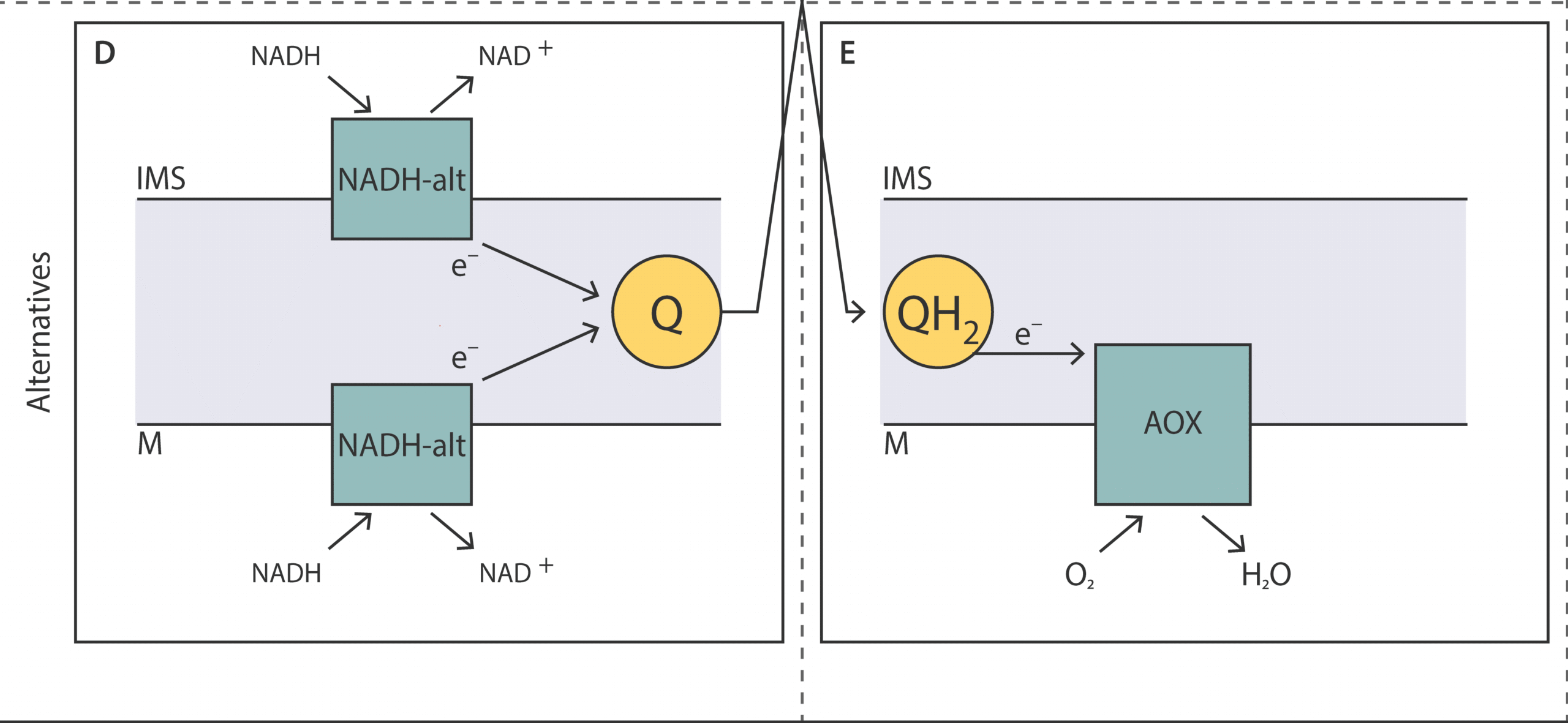
Unveiling the molecular architecture of the mitochondrial respiratory chain of Acanthamoeba castellanii
Christian Q. Scheckhuber1, Sutherland K. Maciver2 and Alvaro de Obeso Fernandez del Valle1
This review provides a comprehensive overview of the mitochondrial res-piratory chain in A. castellanii, focusing on the key alternative components involved in oxidative phosphorylation and their roles in energy metabolism, stress response, and adaptation to various conditions.

Paving the way for new antimicrobial peptides through molecular de-extinction
Karen O. Osiro1, Abel Gil-Ley2, Fabiano C. Fernandes1,3, Kamila B. S. de Oliveira2, Cesar de la Fuente-Nunez4-7, Octavio L. Franco1,2
The advancement of artificial intelligence and molecular de-extinction offers a valuable opportunity not only to discover new antimicrobials but also to provide accurate in silico predictions, thereby shortening the path to addressing the global antibiotic resistance crisis.

Efflux pumps: gatekeepers of antibiotic resistance in Staphylococcus aureus biofilms
Shweta Sinha1, Shifu Aggarwal2,3 and Durg Vijai Singh1
This review aims to elucidate the complex relationship between efflux pumps, antibiotic resistance and biofilm formation in S. aureus with the aim to aid in the development of potential therapeutic targets for combating S. aureus infections, especially those associated with biofilms.

Understanding the molecular mechanisms of human diseases: the benefits of fission yeasts
Lajos Acs-Szabo, Laszlo-Attila Papp and Ida Miklos
Here we collect the latest laboratory protocols and bioinformatics tools for the fission yeasts to highlight the many possibilities available to the research community. In addition, we present several limiting factors that everyone should be aware of when working with yeast models.
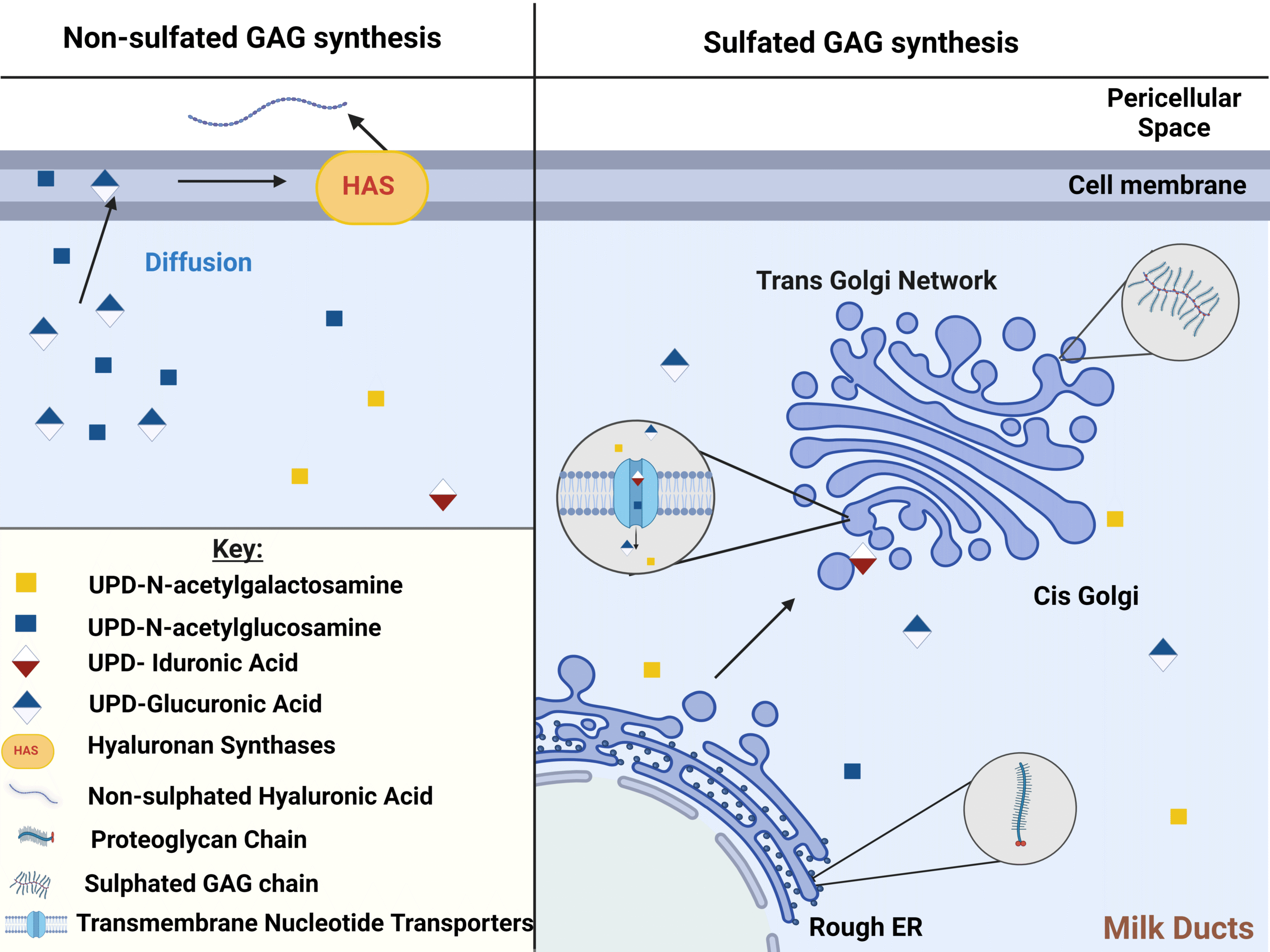
Characterising glycosaminoglycans in human breastmilk and their potential role in infant health
Melissa Greenwood1,2, Patricia Murciano-Martínez3, Janet Berrington4, Sabine L Flitsch5, Sean Austin2 and Christopher Stewart1
Glycosaminoglycans are bioactive components present in breast milk and play a potential key role in determining infant health yet are overlooked by many contemporary studies. This review explores their relevance, use and characterisation techniques.

Neutralizing the threat: harnessing broadly neutralizing antibodies against HIV-1 for treatment and prevention
Juan C Becerra1, Lauren Hitchcock1, Khoa Vu1 and Johannes S Gach1
This review provides an overview of the advancements in HIV- 1-specific broadly neutralizing antibodies and discusses the insights gathered from recent clinical trials regarding their application in treating and preventing HIV-1 infection.

From microbes to medicine: harnessing the gut microbiota to combat prostate cancer
Anjali Yadav1, Meenakshi Kaushik1, Prabhakar Tiwari1 and Rima Dada1
The gut microbiome (GM) has been identified as a crucial factor in the development and progression of various diseases, including cancer. This review highlights the important role that the GM may play in the development and progression of prostate cancer, through its influence on chronic inflammation, immune modulation, and other pathogenic mechanisms.
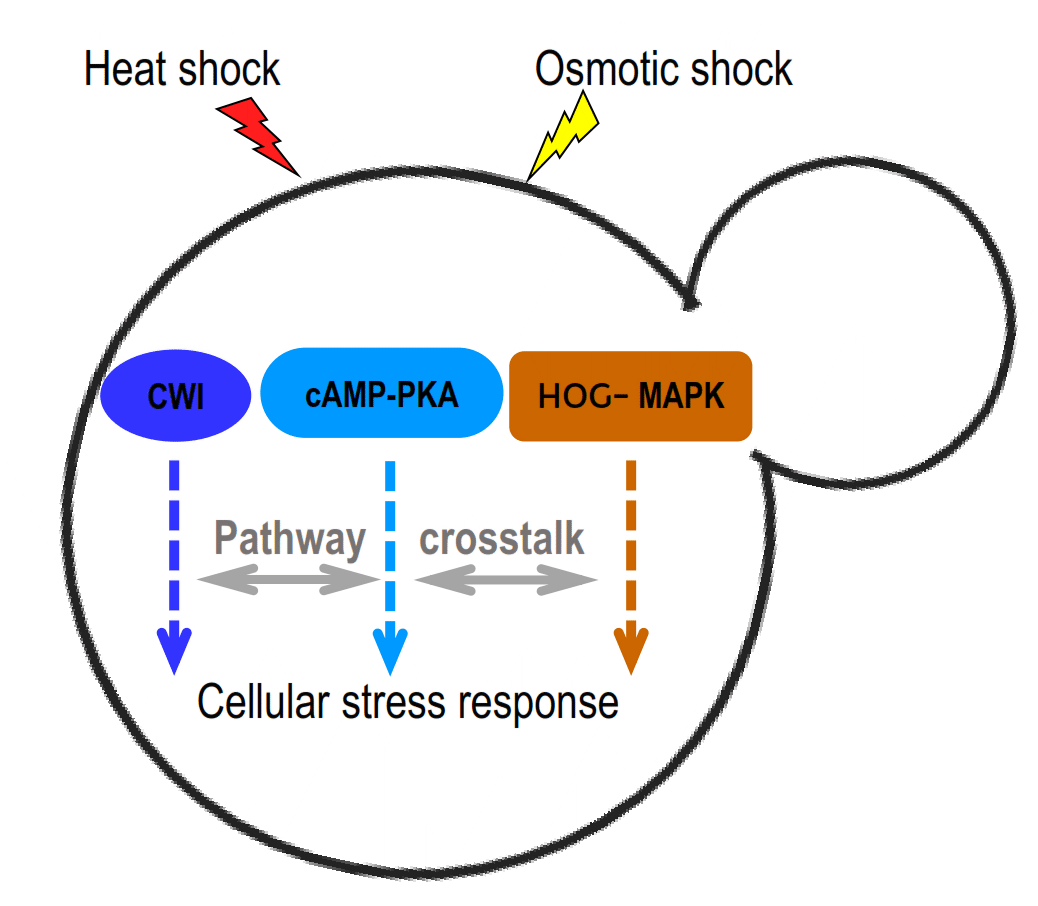
The cAMP-PKA signalling crosstalks with CWI and HOG-MAPK pathways in yeast cell response to osmotic and thermal stress
Fiorella Galello1, Mariana Bermúdez-Moretti1, María Clara Ortolá Martínez1, Silvia Rossi1 and Paula Portela1
During industrial fermentation yeast strains are exposed to fluctuations in oxygen concentration, osmotic pressure, pH, ethanol concentration, nutrient availability and temperature. The scope of this review is to outline the advancement of knowledge about the cAMP-PKA signalling and the crosstalk of this pathway with the CWI and HOG-MAPK cascades in response to the environmental challenges heat and hyperosmotic stress.

Phospholipases A and Lysophospholipases in protozoan parasites
Perrine Hervé1, Sarah Monic1, Frédéric Bringaud1 and Loïc Rivière1
In this review, we summarize the literature on phospholipases and lysophospholipases in several protozoan parasites of medical relevance, and discuss the growing interest for them as potential drug and vaccine targets.
New perspectives from South-Y-East, not all about deathA report of the 12th lnternational Meeting on Yeast Apoptosis in Bari, Italy, May 14th-18th, 2017
January 16, 2018
In this article Guaragnella et al. report on the 12th International Meeting on Yeast Apoptosis (IMYA12), which was held in Bari, Italy from May 14th to 18th, 2017, where more than 100 participants, among which senior and young scientists from Europe, USA, North Africa and Japan, had an intense and open exchange of achievements and ideas in the field of yeast regulated cell death (RCD).
pH homeostasis links the nutrient sensing PKA/TORC1/Sch9 ménage-à-trois to stress tolerance and longevity
January 12, 2018
In this article, Deprez et al. discuss accumulating evidence indicates that pH homeostasis plays a prominent role in the determination of ageing and longevity, thereby providing new perspectives and avenues to explore the underlying molecular mechanisms.
Guidelines and recommendations on yeast cell death nomenclature
January 1, 2018
In this review, we propose unified criteria for the definition of accidental, regulated, and programmed forms of cell death in yeast based on a series of morphological and biochemical criteria. Specifically, we provide consensus guidelines on the differential definition of terms including apoptosis, regulated necrosis, and autophagic cell death, as we refer to additional cell death routines that are relevant for the biology of yeast.
Burkholderia gladioli strain NGJ1 deploys a prophage tail-like protein for mycophagy
December 31, 2017
In this article, the authors comment on the study "A prophage tail-like protein is deployed by Burkholderia bacteria to feed on fungi" by Swain et al. (Nature Communications, 2017), discussing that a prophage tail-like protein (Bg_9562) is essential for mycophagy. The protein may help the bacteria to survive in certain ecological niches and, considering its broad-spectrum antifungal activity, may be potentially useful in biotechnological applications to control fungal diseases.
Ras signalling in pathogenic yeasts
December 18, 2017
In this article Pentland et al. review the roles of Ras protein function and signalling in the major human yeast pathogens Candida albicans and Cryptococcus neoformans and discuss the potential for targeting Ras as a novel approach to anti-fungal therapy.
A novel basolateral type IV secretion model for the CagA oncoprotein of Helicobacter pylori
December 9, 2017
In this article, the authors comment on the study "Helicobacter pylori Employs a Unique Basolateral Type IV Secretion Mechanism for CagA Delivery" by Tegtmeyer et al. (Cell Host Microbe, 2017), discussing that the finding of a T4SS receptor suggests the presence of a sophisticated control mechanism for the injection of CagA and the possible impact of this novel signaling cascade on pathogenesis during infection with Helicobacter pylori.
A new role for the nuclear basket network
November 28, 2017
This article comments on work published by Salas-Pino et al. (J Cell Biol, 2017), which describes a novel function of the fission yeast nuclear basket component - the translocated promoter region (TPR) nucleoporin Alm1 - in proper localization of the proteasome to the nuclear envelope.
VAMP8 mucin exocytosis attenuates intestinal pathogenesis by Entamoeba histolytica
November 24, 2017
This article comments on work published by Cornick et al. (mBio, 2017), which nominates SNARE-mediated exocytosis as the putative mechanism responsible for pathogen-induced mucus secretion from goblet cells.
Shutdown of interferon signaling by a viral-hijacked E3 ubiquitin ligase
November 3, 2017
This article comments on work published by Davis et al. (mBio, 2017), which describes molecular requirements that govern NSP1 recognition of β-TrCP, including an essential degron phosphorylation event, and the step-wise incorporation of NSP1 into hijacked cullin-RING E3 ligases (CRLs) that ubiquitinate and tag β-TrCP for degradation.