
Microreviews, Review
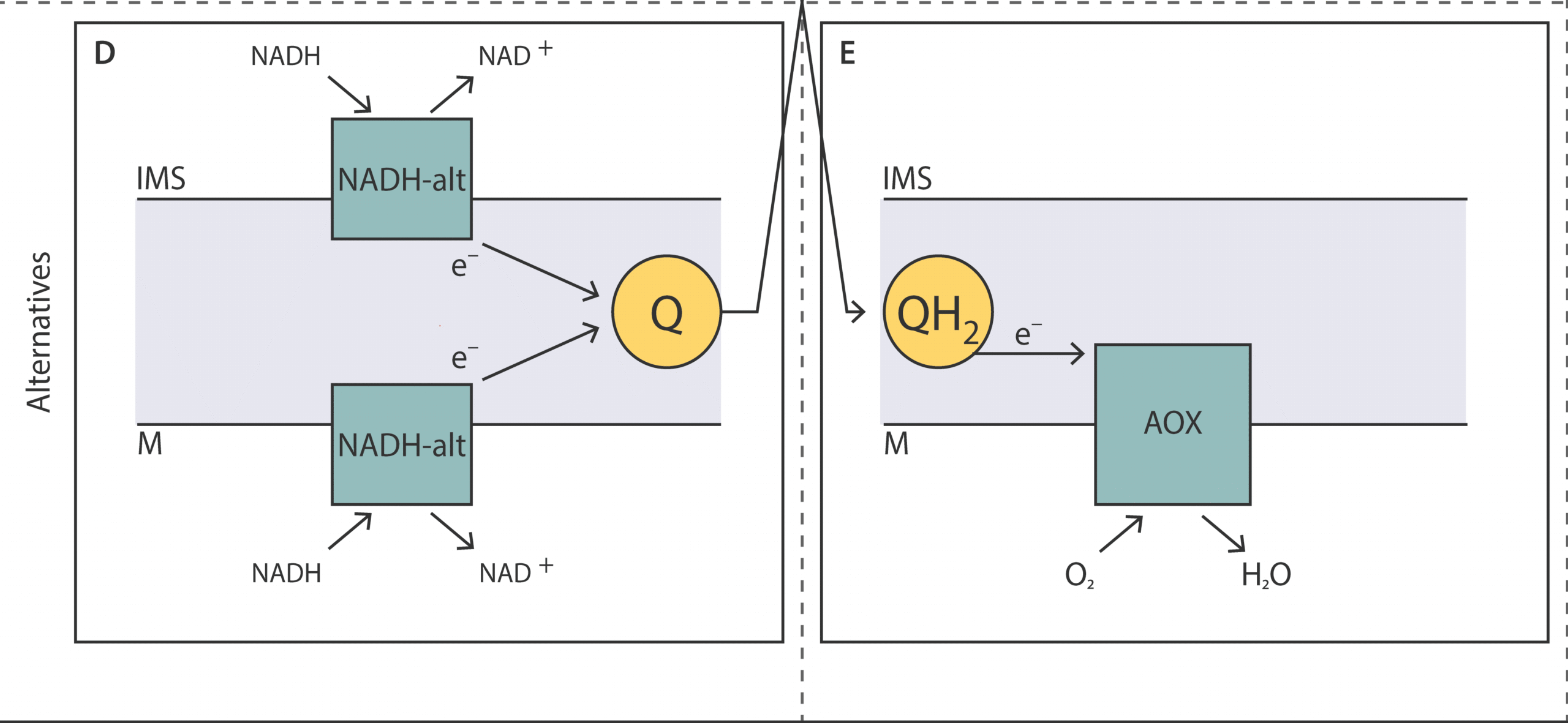
Unveiling the molecular architecture of the mitochondrial respiratory chain of Acanthamoeba castellanii
Christian Q. Scheckhuber1, Sutherland K. Maciver2 and Alvaro de Obeso Fernandez del Valle1
This review provides a comprehensive overview of the mitochondrial res-piratory chain in A. castellanii, focusing on the key alternative components involved in oxidative phosphorylation and their roles in energy metabolism, stress response, and adaptation to various conditions.

Paving the way for new antimicrobial peptides through molecular de-extinction
Karen O. Osiro1, Abel Gil-Ley2, Fabiano C. Fernandes1,3, Kamila B. S. de Oliveira2, Cesar de la Fuente-Nunez4-7, Octavio L. Franco1,2
The advancement of artificial intelligence and molecular de-extinction offers a valuable opportunity not only to discover new antimicrobials but also to provide accurate in silico predictions, thereby shortening the path to addressing the global antibiotic resistance crisis.

Efflux pumps: gatekeepers of antibiotic resistance in Staphylococcus aureus biofilms
Shweta Sinha1, Shifu Aggarwal2,3 and Durg Vijai Singh1
This review aims to elucidate the complex relationship between efflux pumps, antibiotic resistance and biofilm formation in S. aureus with the aim to aid in the development of potential therapeutic targets for combating S. aureus infections, especially those associated with biofilms.

Understanding the molecular mechanisms of human diseases: the benefits of fission yeasts
Lajos Acs-Szabo, Laszlo-Attila Papp and Ida Miklos
Here we collect the latest laboratory protocols and bioinformatics tools for the fission yeasts to highlight the many possibilities available to the research community. In addition, we present several limiting factors that everyone should be aware of when working with yeast models.
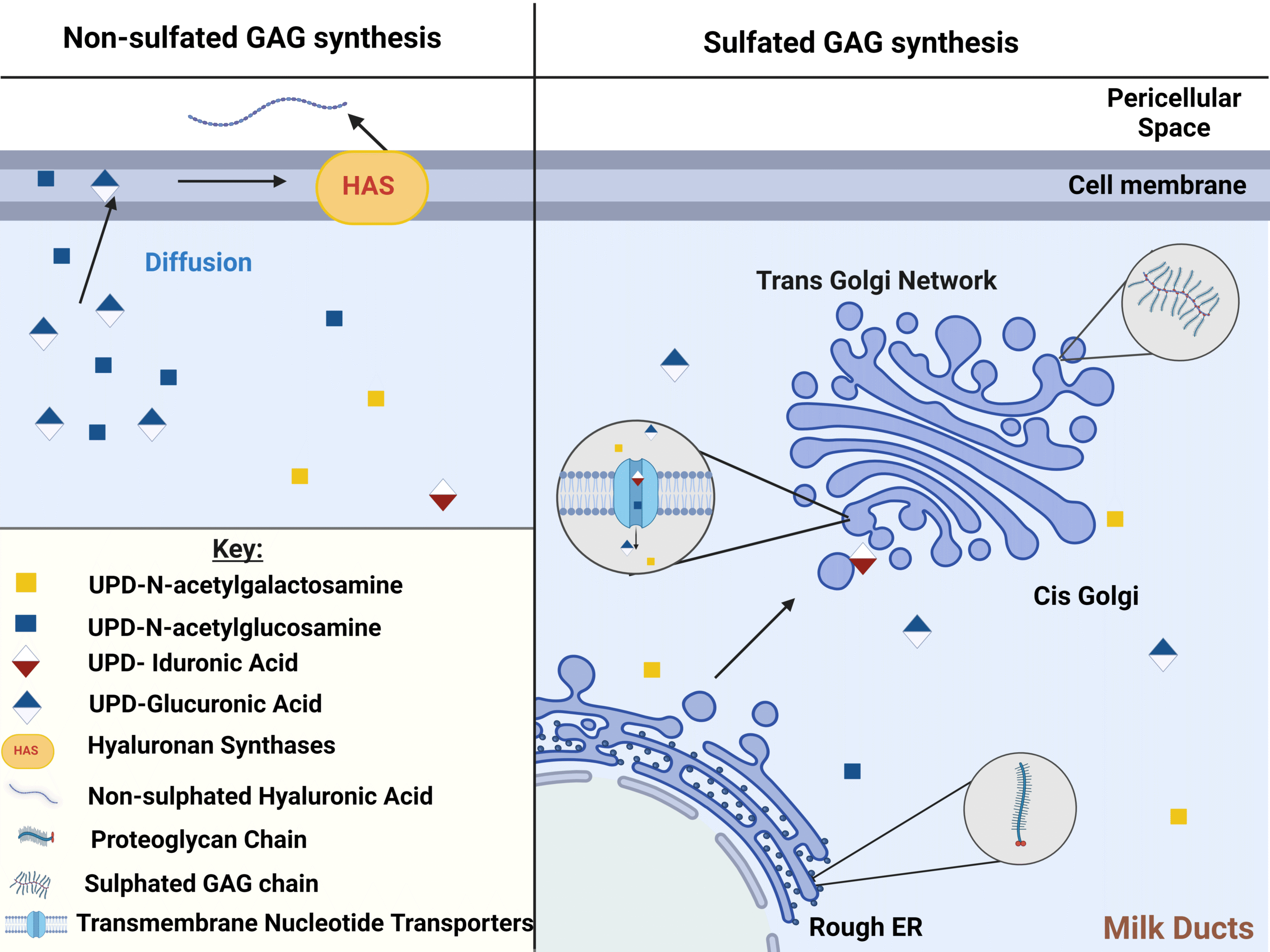
Characterising glycosaminoglycans in human breastmilk and their potential role in infant health
Melissa Greenwood1,2, Patricia Murciano-Martínez3, Janet Berrington4, Sabine L Flitsch5, Sean Austin2 and Christopher Stewart1
Glycosaminoglycans are bioactive components present in breast milk and play a potential key role in determining infant health yet are overlooked by many contemporary studies. This review explores their relevance, use and characterisation techniques.

Neutralizing the threat: harnessing broadly neutralizing antibodies against HIV-1 for treatment and prevention
Juan C Becerra1, Lauren Hitchcock1, Khoa Vu1 and Johannes S Gach1
This review provides an overview of the advancements in HIV- 1-specific broadly neutralizing antibodies and discusses the insights gathered from recent clinical trials regarding their application in treating and preventing HIV-1 infection.

From microbes to medicine: harnessing the gut microbiota to combat prostate cancer
Anjali Yadav1, Meenakshi Kaushik1, Prabhakar Tiwari1 and Rima Dada1
The gut microbiome (GM) has been identified as a crucial factor in the development and progression of various diseases, including cancer. This review highlights the important role that the GM may play in the development and progression of prostate cancer, through its influence on chronic inflammation, immune modulation, and other pathogenic mechanisms.
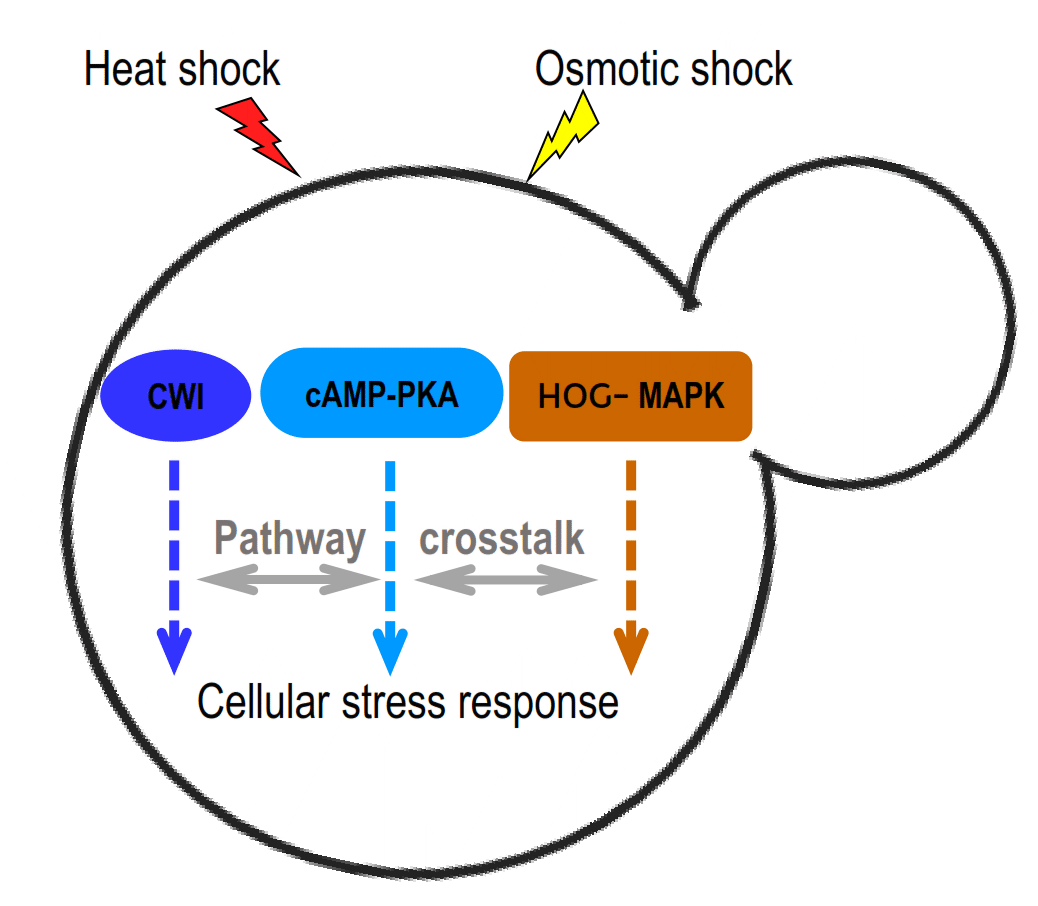
The cAMP-PKA signalling crosstalks with CWI and HOG-MAPK pathways in yeast cell response to osmotic and thermal stress
Fiorella Galello1, Mariana Bermúdez-Moretti1, María Clara Ortolá Martínez1, Silvia Rossi1 and Paula Portela1
During industrial fermentation yeast strains are exposed to fluctuations in oxygen concentration, osmotic pressure, pH, ethanol concentration, nutrient availability and temperature. The scope of this review is to outline the advancement of knowledge about the cAMP-PKA signalling and the crosstalk of this pathway with the CWI and HOG-MAPK cascades in response to the environmental challenges heat and hyperosmotic stress.

Phospholipases A and Lysophospholipases in protozoan parasites
Perrine Hervé1, Sarah Monic1, Frédéric Bringaud1 and Loïc Rivière1
In this review, we summarize the literature on phospholipases and lysophospholipases in several protozoan parasites of medical relevance, and discuss the growing interest for them as potential drug and vaccine targets.
A global view of substrate phosphorylation and dephosphorylation during budding yeast mitotic exit
July 25, 2018
In this article, the authors comment on the study "Phosphoproteome dynamics during mitotic exit in budding yeast" by Touati (EMBO J, 2018) that described a time-resolved global phosphoproteome analysis during a cell cycle phase known as mitotic exit in budding yeast revealed the principles of phosphoregulation governing the ordered sequence of events such as spindle elongation, chromosome decondensation, and completion of cell division.
Gammaretroviruses tether to mitotic chromatin by directly binding nucleosomal histone proteins
July 24, 2018
In this article, the authors comment on the study "Murine leukemia virus p12 tethers the capsid-containing pre-integration complex to chromatin by binding directly to host nucleosomes in mitosis" by Wanaguruet al. (PLoS Pathog, 2018) that highlights the essential role of the gammaretroviral gag cleavage product, p12, at both early and late stages of the virus life cycle, particularly in the integration of the viral DNA into the host cell chromatin to form a provirus. It also emphasizes the recent findings regarding the N- and C-terminal domains of p12, revealing their direct binding to the viral capsid lattice and nucleosomal histone proteins, respectively, thus elucidating the mechanism by which p12 links the viral pre-integration complex to mitotic chromatin.
Methodologies for in vitro and in vivo evaluation of efficacy of antifungal and antibiofilm agents and surface coatings against fungal biofilms
June 14, 2018
This article highlights the critical importance of accurate susceptibility testing methods and the discovery of novel antifungal and antibiofilm agents in combating invasive fungal infections associated with biofilm formation on medical devices, thereby emphasizing the need for advancements in medical mycology research to address these complex diseases.
Shepherding DNA ends: Rif1 protects telomeres and chromosome breaks
May 17, 2018
This review discusses the conserved mechanisms cells have evolved to protect DNA ends at chromosomal termini and DNA double-strand breaks (DSBs), focusing on the protein Rif1’s roles in telomere homeostasis and DSB repair in eukaryotes. It highlights the intriguing connection between Rif1's involvement in both telomere maintenance and DSB repair, and suggests that excluding end-processing factors may underlie Rif1's diverse biological functions at telomeres and chromosome breaks.
The CRISPR conundrum: evolve and maybe die, or survive and risk stagnation
May 16, 2018
In this article García-Martínez et al. cover how the model bacterium Escherichia coli deals with CRISPR-Cas to tackle the major dilemma of evolution versus survival.
Metabolic disharmony and sibling conflict mediated by T6SS
April 4, 2018
In this article, the authors comment on the study "Physiological Heterogeneity Triggers Sibling Conflict Mediated by the Type VI Secretion System in an Aggregative Multicellular Bacterium" by Troselj et al. (MBio, 2018) discussing that M. xanthus uses T6SS to eliminate less fit cells from their population and identified toxic effector and cognate immunity protein (TsxEI) that mediates this sibling antagonism.
Helicobacter hepaticus polysaccharide induces an anti-inflammatory response in intestinal macrophages
March 22, 2018
In this article, the authors comment on the study "A Large Polysaccharide Produced by Helicobacter hepaticus Induces an Anti-inflammatory Gene Signature in Macrophages. " by Danne et al, (Cell Host Microbe 2017), discussing the interactions between H. hepaticus and intestinal macrophages that promote mutualism.
Endolysosomal pathway activity protects cells from neurotoxic TDP-43
March 21, 2018
In this article, the authors comment on the study "TDP-43 controls lysosomal pathways thereby determining its own clearance and cytotoxicity" by Leibiger et al. (Hum Mol Genet, 2018), proposing that ameliorating endolysosomal pathway activity enhances cell survival in TDP‑43-associated diseases.
Two distinct penicillin binding proteins promote cell division in different Salmonella lifestyles
February 18, 2018
In this article, the authors comment on the study "A Specialized Peptidoglycan Synthase Promotes Salmonella Cell Division inside Host Cells" by Castanheira et al. (mBio, 2017), discussing insights in two distinct penicillin binding proteins that promote cell division in different Salmonella lifestyles.