
Microreviews, Review

Saccharomyces cerevisiae in cancer research: modeling tumor biology and enabling drug discovery
Graziana Assalve1,a, Paola Lunetti1,a, Annalisa Fai1, Luca Frattaruolo2, Anna Rita Cappello2, Alessandra Ferramosca1,* and Vincenzo Zara1
By combining genetic tractability with conservation of key cellular pathways, Saccharomyces cerevisiae is emerging as a versatile model for cancer biology and a scalable platform for identifying therapeutic targets and vulnerabilities.

Prohibitins: emerging host targets of bacteria and viruses at the plasma membrane, mitochondria, and cytoplasm
Grecia O. Rivera-Palomino1,2 and Arianne L. Theiss1,2,3
Prohibitins are emerging as central host hubs exploited by bacteria and viruses to rewire signaling and mitochondrial dynamics. The current review discusses Prohibitins in host-pathogen interplay and their potential as novel anti-infective targets.

Outer membrane vesicles in Vibrio species: Roles in biofilm formation and pathogenesis
Kumari Shambhavi and Durg Vijai Singh
This review explores current knowledge on outer membrane vesicles (OMVs) in Vibrio species, highlighting their roles in pathogenesis, host interaction, and marine ecology; and identifies major knowledge gaps, outlining key methodological challenges and future prospects for OMV-based applications.

The mechanism of Tat-dependent protein translocation
Thomas Brüser1,* and Carsten Sanders2,3,4
This review integrates mechanistically relevant biochemical, molecular, and structural studies on Tat-dependent translocation of folded proteins into an in its molecular detail new comprehensive explanation of how the Tat system mediates protein transport.
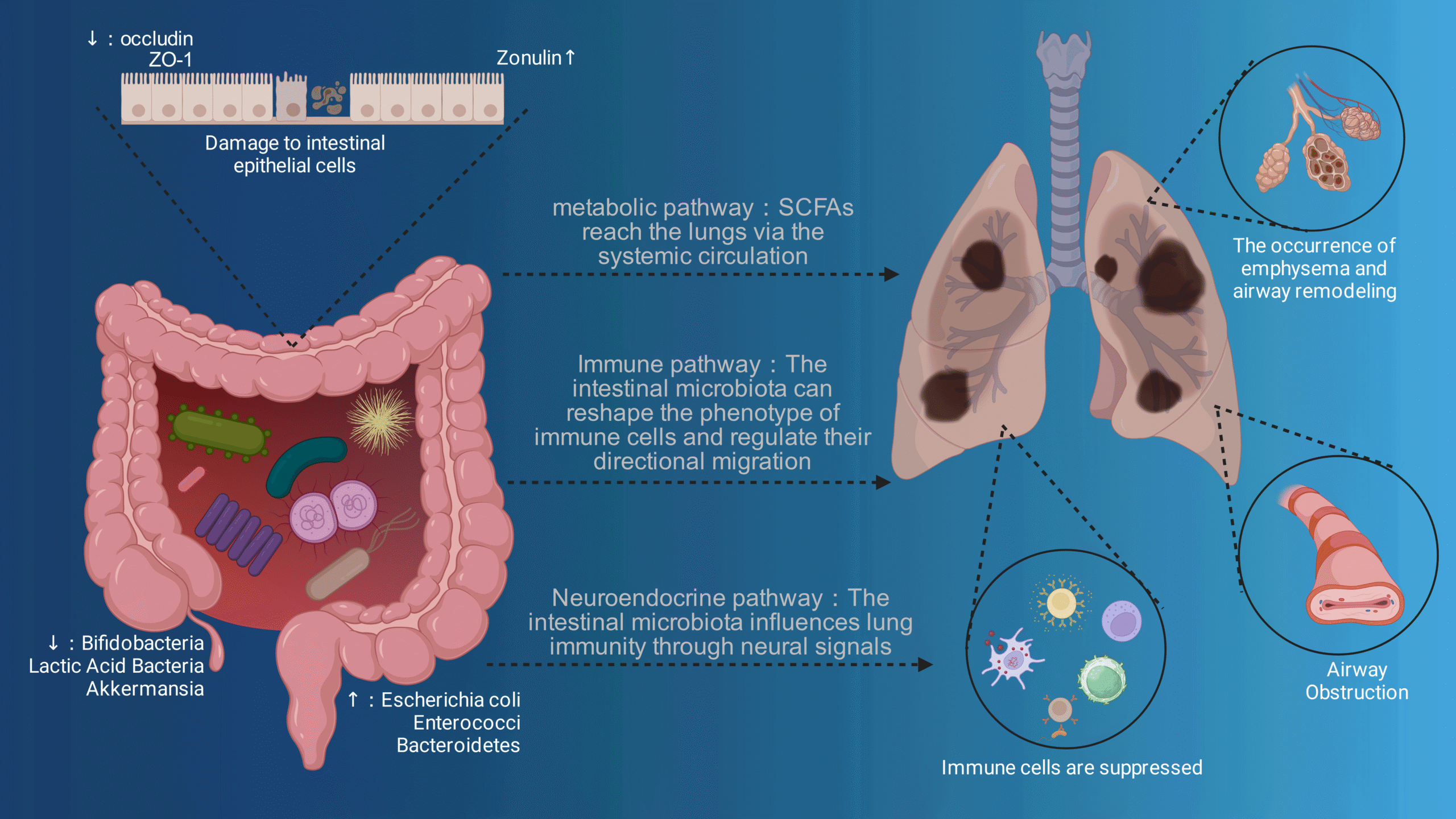
From the gut to the lungs: The role of gut microbiota in chronic obstructive pulmonary disease and related research progress
Simin Yang1,2, Shuting Zeng1,2, Yongan Deng1,2, Xiaodong Duan1,2, Chengkai Chen1,2, Luyun Sun2, Yongkang Qiao2 and Zunpeng Shu1,2
This article provides new ideas and directions for the basic research and clinical practice of COPD by comprehensively sorting out the association between gut microbiota and COPD.
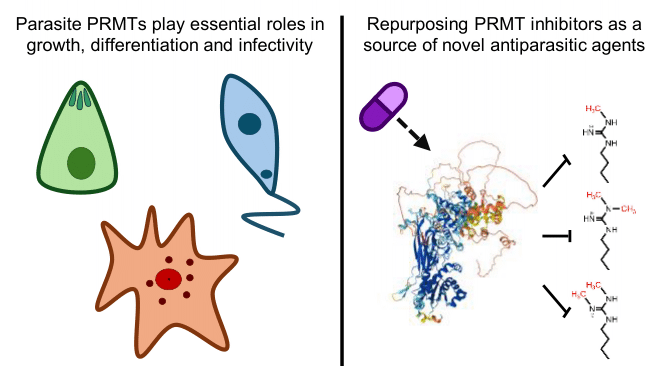
Protein arginine methyltransferases in protozoan parasites: a new path for antiparasitic chemotherapy?
Gustavo D. Campagnaro1,* and Sébastien Pomel2
This review discusses the activity and the relevance of arginine methyltransferases for the survival of pathogenic kinetoplastids, apicomplexans and amoebas, and how these enzymes could be exploited as drug targets.
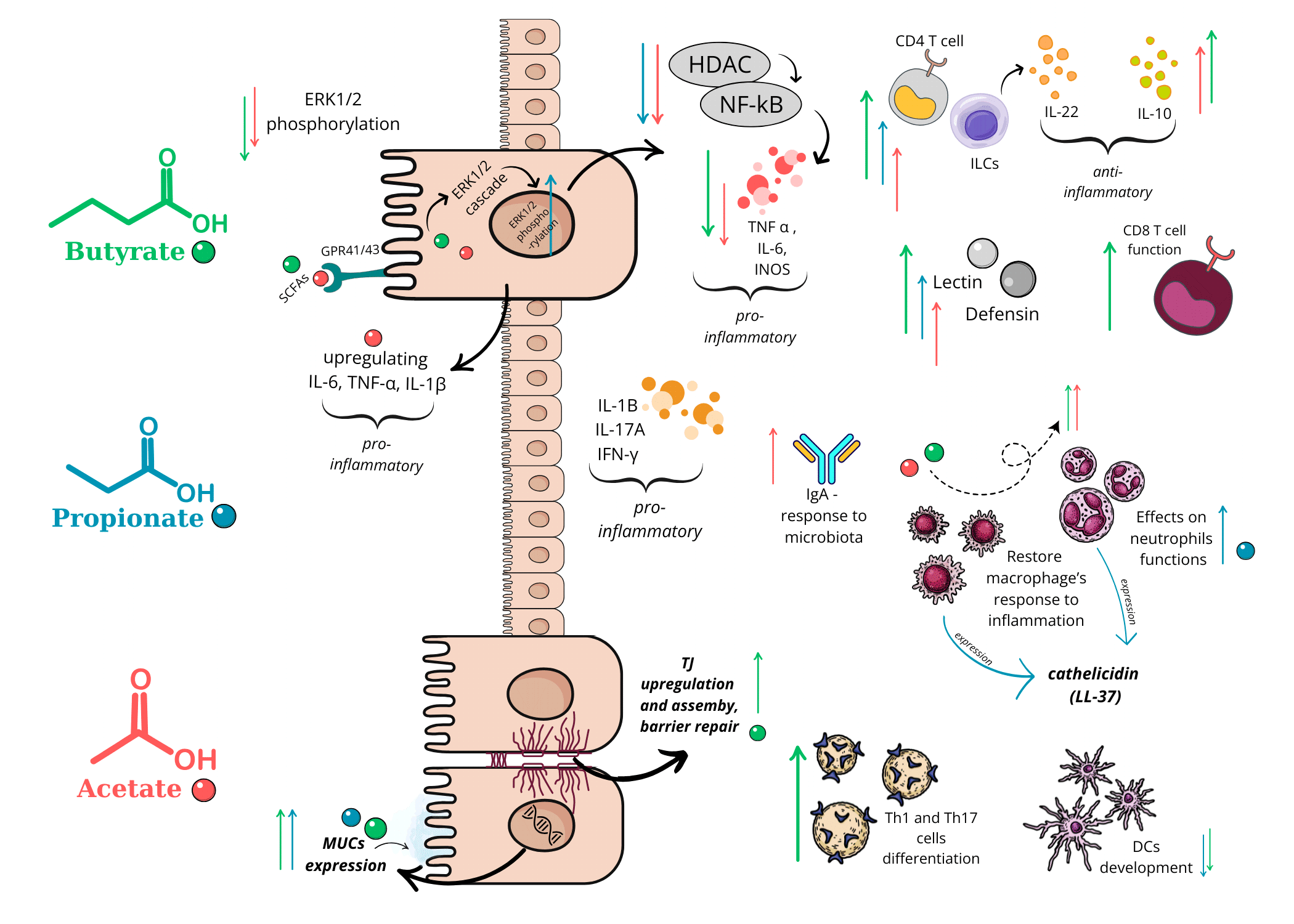
Gut microbiota and ankylosing spondylitis: current insights and future challenges
Andrei Lobiuc1, Liliana Groppa2, Lia Chislari2, Eugeniu Russu2,3, Marinela Homitchi2,3, Camelia Ciorescu2,3, Sevag Hamamah4, I. Codruta Bran1 and Mihai Covasa1
This review explores the growing role of gut microbiota in AS and its potential to reshape targeted treatment strategies and facilitate development of adjunct therapies to address disease onset and progression.
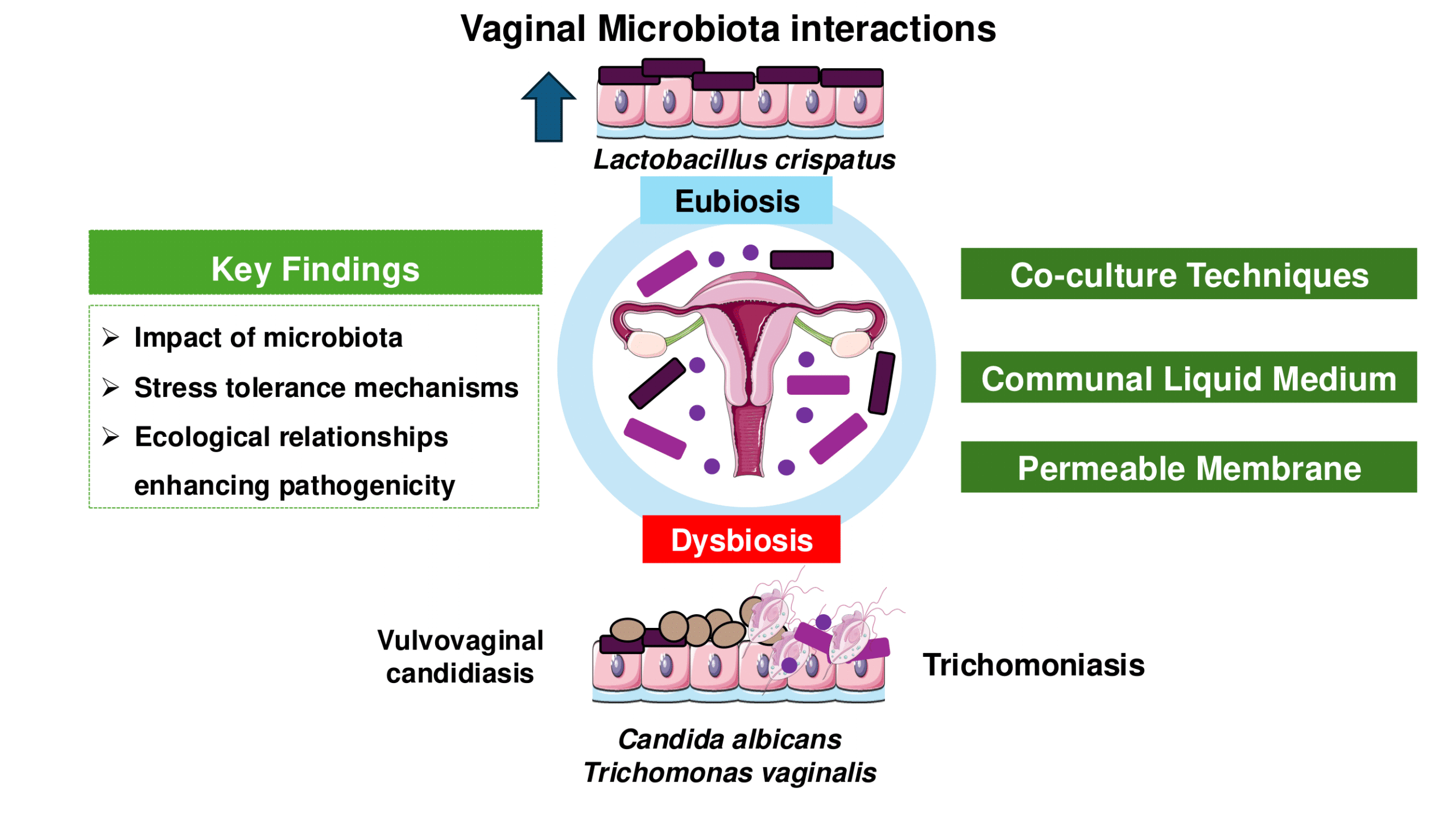
Advancements in vaginal microbiota, Trichomonas vaginalis, and vaginal cell interactions: Insights from co-culture assays
Fernanda Gomes Cardoso and Tiana Tasca
This review updates co-culture and co-incubation techniques for studying interactions of Lactobacillus spp., representing a pre-dominant member of the healthy vaginal microbiota; Candida spp., the most abundant yeast in the vagina, and T. vaginalis, responsible for the most widespread nonviral STI worldwide.
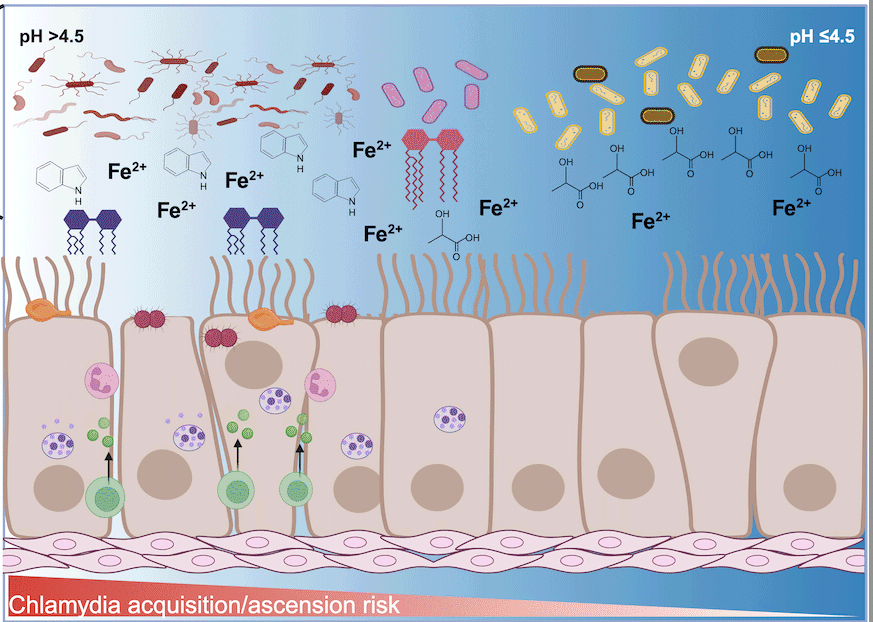
Influence of cervicovaginal microbiota on Chlamydia trachomatis infection dynamics
Emily Hand1, Indriati Hood-Pishchany1,2, Toni Darville1,2 and Catherine M. O’Connell2
This review examines the complex interplay between the cervicovaginal microbiome, C. trachomatis infection, and host immune responses, highlighting the role of metabolites such as short-chain and long-chain fatty acids, indole, and iron in modulating pathogen survival and host defenses.
The replication timing program in the hands of two HDACs
July 25, 2014
This article comments on work published by Yoshida et al. (Mol Cell, 2014), which performed a systematic analysis of the role of histone deacetylases (HDACs) in the regulation of origin activity in budding yeast, finding that the epigenetic regulation of repetitive sequences is a key determinant of the DNA replication program.
Increased Trypanosoma brucei cathepsin-L activity inhibits human serum-mediated trypanolysis
July 14, 2014
This article comments on work published by Alsford et al. (PLoS Pathogens, 2014), which identified a Trypanosoma brucei lysosomal cathepsin with an inhibitory effect on human serum’s trypanolytic action.
A novel role of centrin in flagellar motility: stabilizing an inner-arm dynein motor in the flagellar axoneme
July 14, 2014
This article comments on work published by Wei et al. (Nat Comm, 2014), which discovered that centrin maintains the stability of an inner-arm dynein in the flagellar axoneme in Trypanosoma brucei.
A non-proteolytic function of ubiquitin in transcription repression
July 6, 2014
This article comments on work published by Ndoja et al. (Mol Cell, 2014), which demonstrates that monoubiquitination of some transcription activators can inhibit transcription by recruiting the AAA+ ATPase Cdc48 (also known in metazoans as p97 or VCP), which then extracts the ubiquitinated activator from DNA.
Mutagenesis by host antimicrobial peptides: insights into microbial evolution during chronic infections
June 29, 2014
This article comments on work published by Limoli et al. ((PLoS Pathogens, 2014), which provides evidence that at subinhibitory levels, AMPs promote mutations in bacterial DNA, which enhance bacterial survival.
Where antibiotic resistance mutations meet quorum-sensing
June 25, 2014
This article comments on work published by Krašovec et al. (Nat Comm, 2014), which found that the modulation of de novo mutation to promote antibiotic resistance depends on the density of the bacterial population and cell-cell interactions (rather than, for instance, the level of stress).
Sphingolipids and mitochondrial function, lessons learned from yeast
June 25, 2014
This article reviews recent research showing that Saccharomyces cerevisiae is an invaluable model to investigate sphingolipids as signaling molecules in modulating mitochondrial function, but can also be used as a tool to further enhance our current knowledge on sphingolipids and mitochondria in mammalian cells.
Genome evolution in yeast reveals connections between rare mutations in human cancer
June 2, 2014
This article comments on work published by Teng et al. (Mol Cell, 2013), which, using the yeast knockout collections, provides hard evidence that single gene deletions/mutations in most non-essential genes can drive the selection for cancer-like mutations.
Decoding the biosynthesis and function of diphthamide, an enigmatic modification of translation elongation factor 2 (EF2)
May 20, 2014
This article comments on work published by Uthman et al. (PLoS Genet, 2013), which suggests that Dph5 has a novel role as an EF2 inhibitor that affects cell growth when diphthamide synthesis is blocked or incomplete and shows that diphthamide promotes the accuracy of EF2 performance during translation.