
Microreviews, Review
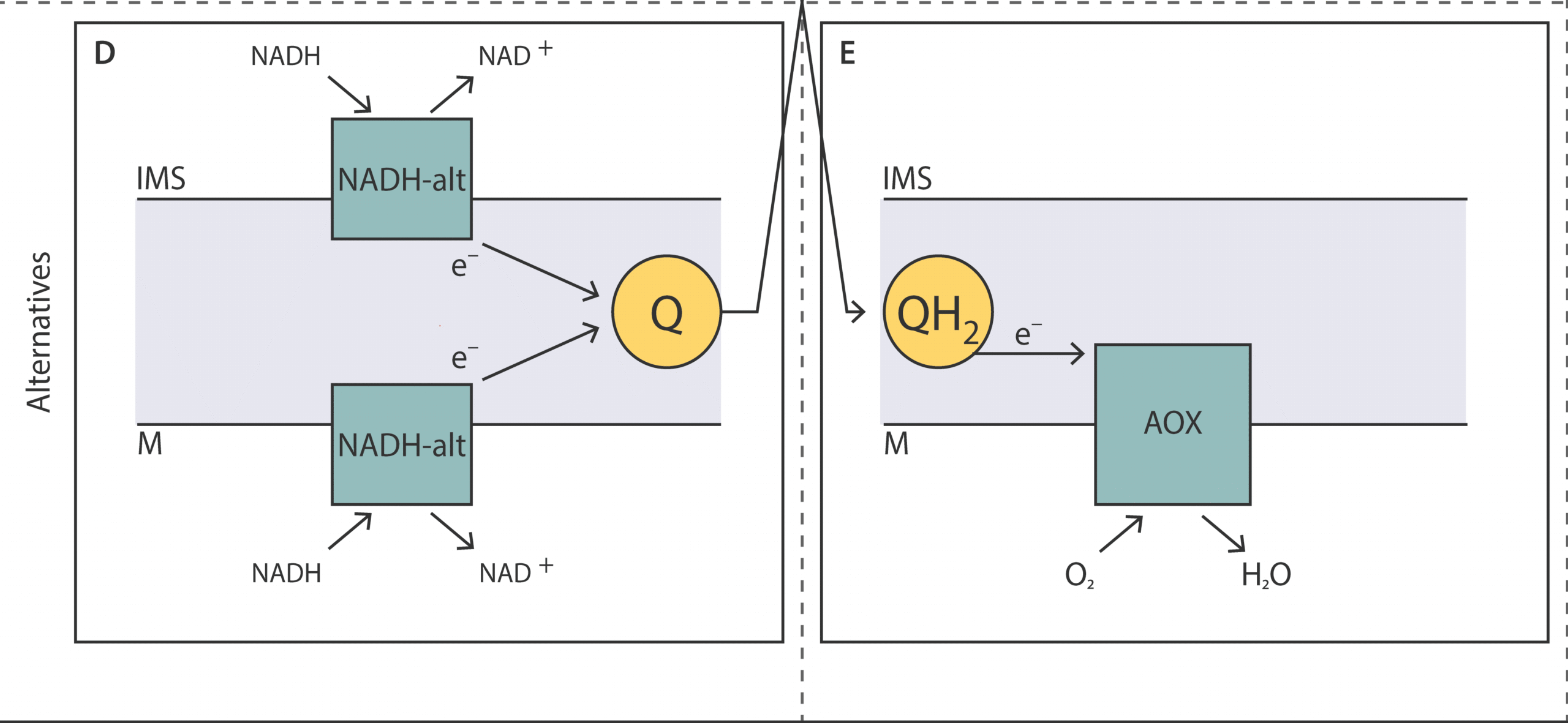
Unveiling the molecular architecture of the mitochondrial respiratory chain of Acanthamoeba castellanii
Christian Q. Scheckhuber1, Sutherland K. Maciver2 and Alvaro de Obeso Fernandez del Valle1
This review provides a comprehensive overview of the mitochondrial res-piratory chain in A. castellanii, focusing on the key alternative components involved in oxidative phosphorylation and their roles in energy metabolism, stress response, and adaptation to various conditions.

Paving the way for new antimicrobial peptides through molecular de-extinction
Karen O. Osiro1, Abel Gil-Ley2, Fabiano C. Fernandes1,3, Kamila B. S. de Oliveira2, Cesar de la Fuente-Nunez4-7, Octavio L. Franco1,2
The advancement of artificial intelligence and molecular de-extinction offers a valuable opportunity not only to discover new antimicrobials but also to provide accurate in silico predictions, thereby shortening the path to addressing the global antibiotic resistance crisis.

Efflux pumps: gatekeepers of antibiotic resistance in Staphylococcus aureus biofilms
Shweta Sinha1, Shifu Aggarwal2,3 and Durg Vijai Singh1
This review aims to elucidate the complex relationship between efflux pumps, antibiotic resistance and biofilm formation in S. aureus with the aim to aid in the development of potential therapeutic targets for combating S. aureus infections, especially those associated with biofilms.

Understanding the molecular mechanisms of human diseases: the benefits of fission yeasts
Lajos Acs-Szabo, Laszlo-Attila Papp and Ida Miklos
Here we collect the latest laboratory protocols and bioinformatics tools for the fission yeasts to highlight the many possibilities available to the research community. In addition, we present several limiting factors that everyone should be aware of when working with yeast models.
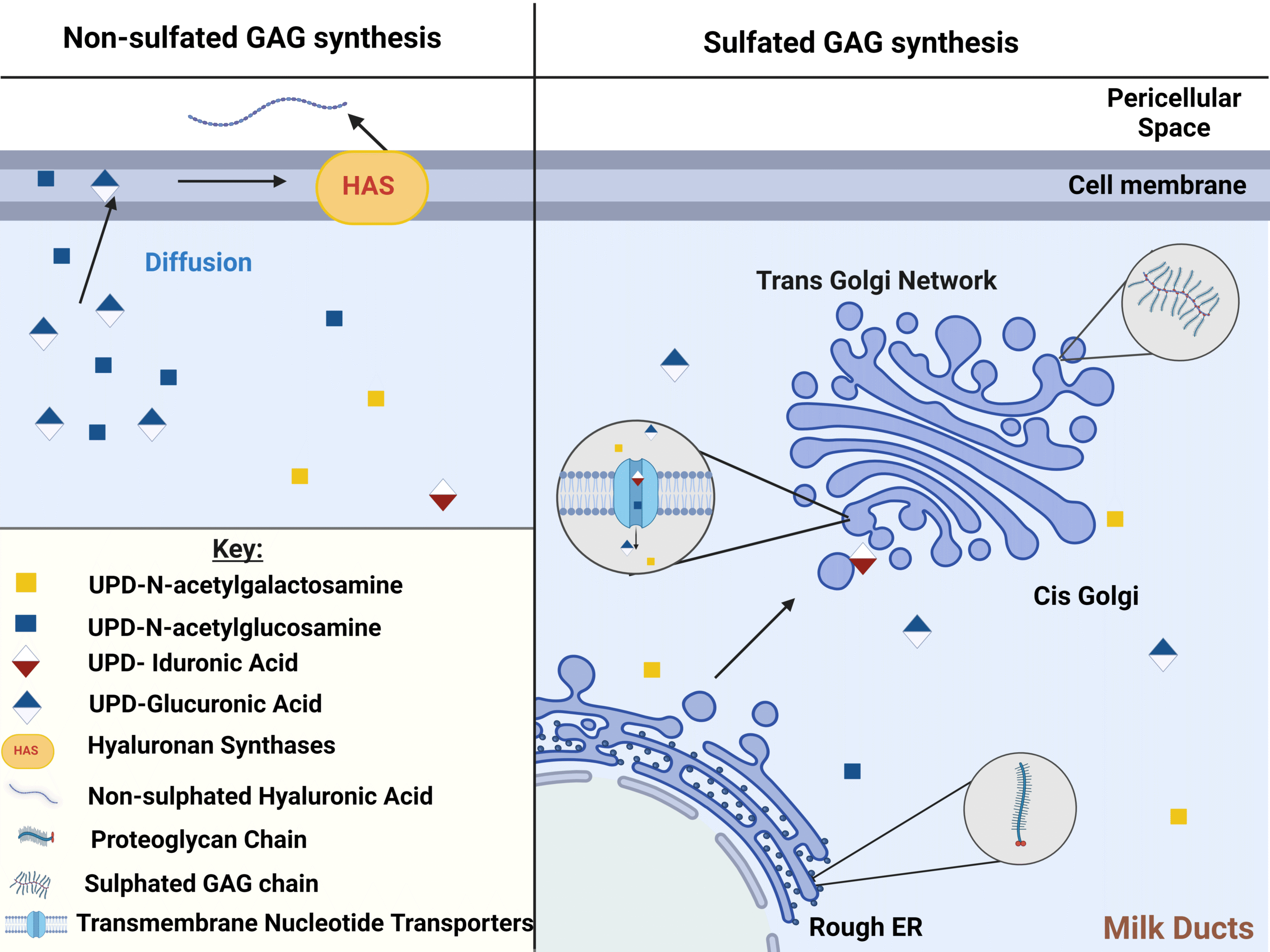
Characterising glycosaminoglycans in human breastmilk and their potential role in infant health
Melissa Greenwood1,2, Patricia Murciano-Martínez3, Janet Berrington4, Sabine L Flitsch5, Sean Austin2 and Christopher Stewart1
Glycosaminoglycans are bioactive components present in breast milk and play a potential key role in determining infant health yet are overlooked by many contemporary studies. This review explores their relevance, use and characterisation techniques.

Neutralizing the threat: harnessing broadly neutralizing antibodies against HIV-1 for treatment and prevention
Juan C Becerra1, Lauren Hitchcock1, Khoa Vu1 and Johannes S Gach1
This review provides an overview of the advancements in HIV- 1-specific broadly neutralizing antibodies and discusses the insights gathered from recent clinical trials regarding their application in treating and preventing HIV-1 infection.

From microbes to medicine: harnessing the gut microbiota to combat prostate cancer
Anjali Yadav1, Meenakshi Kaushik1, Prabhakar Tiwari1 and Rima Dada1
The gut microbiome (GM) has been identified as a crucial factor in the development and progression of various diseases, including cancer. This review highlights the important role that the GM may play in the development and progression of prostate cancer, through its influence on chronic inflammation, immune modulation, and other pathogenic mechanisms.
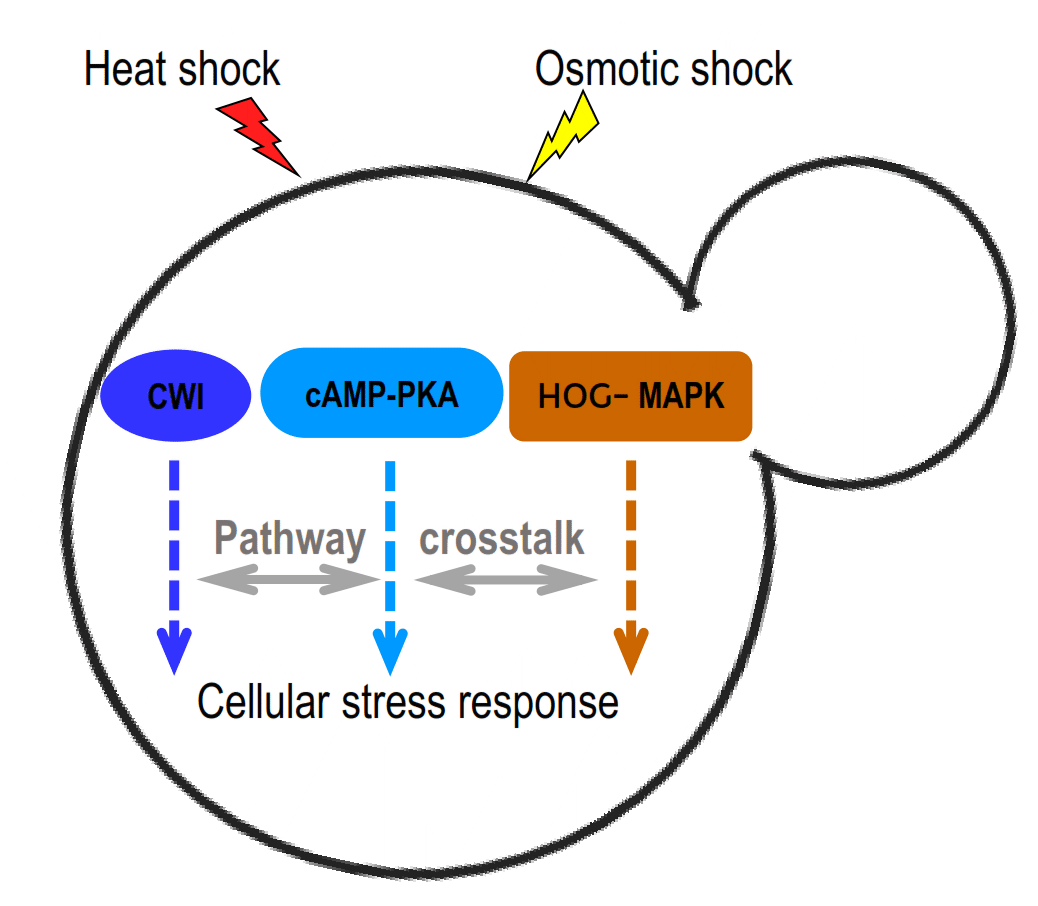
The cAMP-PKA signalling crosstalks with CWI and HOG-MAPK pathways in yeast cell response to osmotic and thermal stress
Fiorella Galello1, Mariana Bermúdez-Moretti1, María Clara Ortolá Martínez1, Silvia Rossi1 and Paula Portela1
During industrial fermentation yeast strains are exposed to fluctuations in oxygen concentration, osmotic pressure, pH, ethanol concentration, nutrient availability and temperature. The scope of this review is to outline the advancement of knowledge about the cAMP-PKA signalling and the crosstalk of this pathway with the CWI and HOG-MAPK cascades in response to the environmental challenges heat and hyperosmotic stress.

Phospholipases A and Lysophospholipases in protozoan parasites
Perrine Hervé1, Sarah Monic1, Frédéric Bringaud1 and Loïc Rivière1
In this review, we summarize the literature on phospholipases and lysophospholipases in several protozoan parasites of medical relevance, and discuss the growing interest for them as potential drug and vaccine targets.
When the pandemic opts for the lockdown: Secretion system evolution in the cholera bacterium
February 18, 2021
This article comments on work published by Santoriello et al. (Nat Comm, 2020), which demonstrates that the T6SS island Auxiliary Cluster 3 (Aux3) is unique to pandemic strains of V. cholerae.
Biofilms by bacterial human pathogens: Clinical relevance – development, composition and regulation – therapeutical strategies
February 1, 2021
This review focuses on bacterial biofilms formed by human pathogens, highlights their relevance for diverse diseases and discusses therapeutical intervention strategies targeting biofilms.
Maintaining phagosome integrity during fungal infection: do or die?
December 3, 2020
This article refers to the paper "Lysosome Fusion Maintains Phagosome Integrity during Fungal Infection" by Westman et al. (Cell Host Microbe, 2020), which shows that macrophages respond to pathogen growth by expanding the phagosome membrane through a calcium-dependent mechanism involving lysosome insertion, maintaining membrane integrity and preventing rupture.
Milestones in Bacillus subtilis sporulation research
November 27, 2020
In this review, the foundational discoveries that shaped the sporulation field are discussed, from its origins to the present day, tracing a chronology that spans more than one hundred eighty years.
A novel antibacterial strategy: histone and antimicrobial peptide synergy
October 8, 2020
This article refers to the study "Mammalian histones facilitate antimicrobial synergy by disrupting the bacterial proton gradient and chromosome organization" by Doolin et al. (Nat Comm, 2020) that shows that histones enhance the antimicrobial activity of peptides, disrupt bacterial membranes, and inhibit transcription, offering new insights into natural antimicrobial mechanisms.
Extracellular vesicles: An emerging platform in gram-positive bacteria
October 5, 2020
Extracellular vesicles (EVs) are secreted by both pathogenic and non-pathogenic bacteria to transfer biomolecules and facilitate intercellular communication. While EV secretion in gram-negative bacteria is well understood, less is known about gram-positive bacteria. This review explores the role of EVs involved in bacterial competition, survival, immune evasion, and infection of gram-positive bacteria and compares them to gram-negative counterparts.
Structural insights into the architecture and assembly of eukaryotic flagella
September 21, 2020
Cilia and flagella are key structures in motility and signaling. This review highlights recent findings of cryo-EM studies that have mapped the structure of axonemal microtubules in Chlamydomonas reinhardtii, revealing over 30 associated proteins as well as recent researcht which focused on the trafficking complexes that transport components between the cell body and cilium.
Erythrocyte phospho-signalling is dynamically altered during infection with Plasmodium falciparum
September 16, 2020
This article refers to the study "Analysis of erythrocyte signalling pathways during Plasmodium falciparum infection identifies targets for host-directed antimalarial intervention" by Adderley et al. (Nat Commun, 2020) that investigates how Plasmodium falciparum malaria parasites influence red blood cells. By tracking hanges in over 800 human proteins at different parasite stages they confirmed activation of the PAK-MEK pathway and discovered significant changes, particularly during the trophozoite stage. This suggests that kinases activated by the infection could be targeted for new antimalarial therapies.
Plant and fungal products that extend lifespan in Caenorhabditis elegans
July 9, 2020
Caenorhabditis elegans' lifespan is extended by plant and fungal extracts activating pathways like autophagy and mitochondrial biogenesis. Low to moderate concentrations promote longevity, while high doses are harmful. This review explores the health benefits of these substances in humans.
A new role for proteins subunits of RNase P: stabilization of the telomerase holoenzyme
June 17, 2020
This article refers to the study "Stability and Nuclear Localization of Yeast Telomerase Depend on Protein Components of RNase P/MRP", by Garcia et al. (Nat Commun, 2020), showing that 3 essential proteins in Saccharomyces cerevisiae are vital for telomerase assembly and nuclear localization. In their mutants, telomerase is less mature, and telomeres are shorter. TLC1 is properly folded but remains in the cytoplasm, rather than moving to the nucleus, where it maintains telomeres.