
Review, Reviews

Paving the way for new antimicrobial peptides through molecular de-extinction
Karen O. Osiro1, Abel Gil-Ley2, Fabiano C. Fernandes1,3, Kamila B. S. de Oliveira2, Cesar de la Fuente-Nunez4-7, Octavio L. Franco1,2
The advancement of artificial intelligence and molecular de-extinction offers a valuable opportunity not only to discover new antimicrobials but also to provide accurate in silico predictions, thereby shortening the path to addressing the global antibiotic resistance crisis.

Efflux pumps: gatekeepers of antibiotic resistance in Staphylococcus aureus biofilms
Shweta Sinha1, Shifu Aggarwal2,3 and Durg Vijai Singh1
This review aims to elucidate the complex relationship between efflux pumps, antibiotic resistance and biofilm formation in S. aureus with the aim to aid in the development of potential therapeutic targets for combating S. aureus infections, especially those associated with biofilms.

Understanding the molecular mechanisms of human diseases: the benefits of fission yeasts
Lajos Acs-Szabo, Laszlo-Attila Papp and Ida Miklos
Here we collect the latest laboratory protocols and bioinformatics tools for the fission yeasts to highlight the many possibilities available to the research community. In addition, we present several limiting factors that everyone should be aware of when working with yeast models.
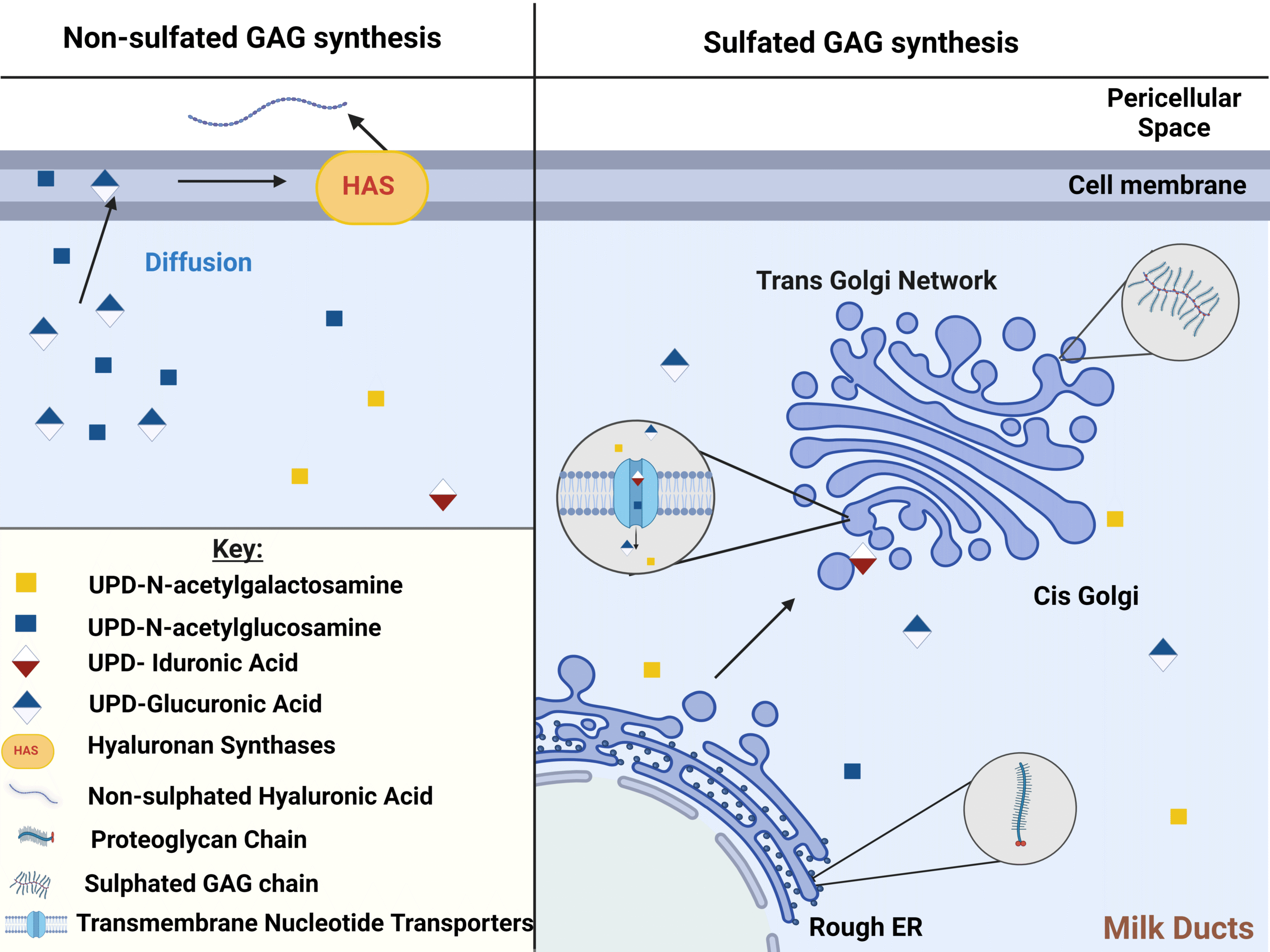
Characterising glycosaminoglycans in human breastmilk and their potential role in infant health
Melissa Greenwood1,2, Patricia Murciano-Martínez3, Janet Berrington4, Sabine L Flitsch5, Sean Austin2 and Christopher Stewart1
Glycosaminoglycans are bioactive components present in breast milk and play a potential key role in determining infant health yet are overlooked by many contemporary studies. This review explores their relevance, use and characterisation techniques.

Neutralizing the threat: harnessing broadly neutralizing antibodies against HIV-1 for treatment and prevention
Juan C Becerra1, Lauren Hitchcock1, Khoa Vu1 and Johannes S Gach1
This review provides an overview of the advancements in HIV- 1-specific broadly neutralizing antibodies and discusses the insights gathered from recent clinical trials regarding their application in treating and preventing HIV-1 infection.

From microbes to medicine: harnessing the gut microbiota to combat prostate cancer
Anjali Yadav1, Meenakshi Kaushik1, Prabhakar Tiwari1 and Rima Dada1
The gut microbiome (GM) has been identified as a crucial factor in the development and progression of various diseases, including cancer. This review highlights the important role that the GM may play in the development and progression of prostate cancer, through its influence on chronic inflammation, immune modulation, and other pathogenic mechanisms.
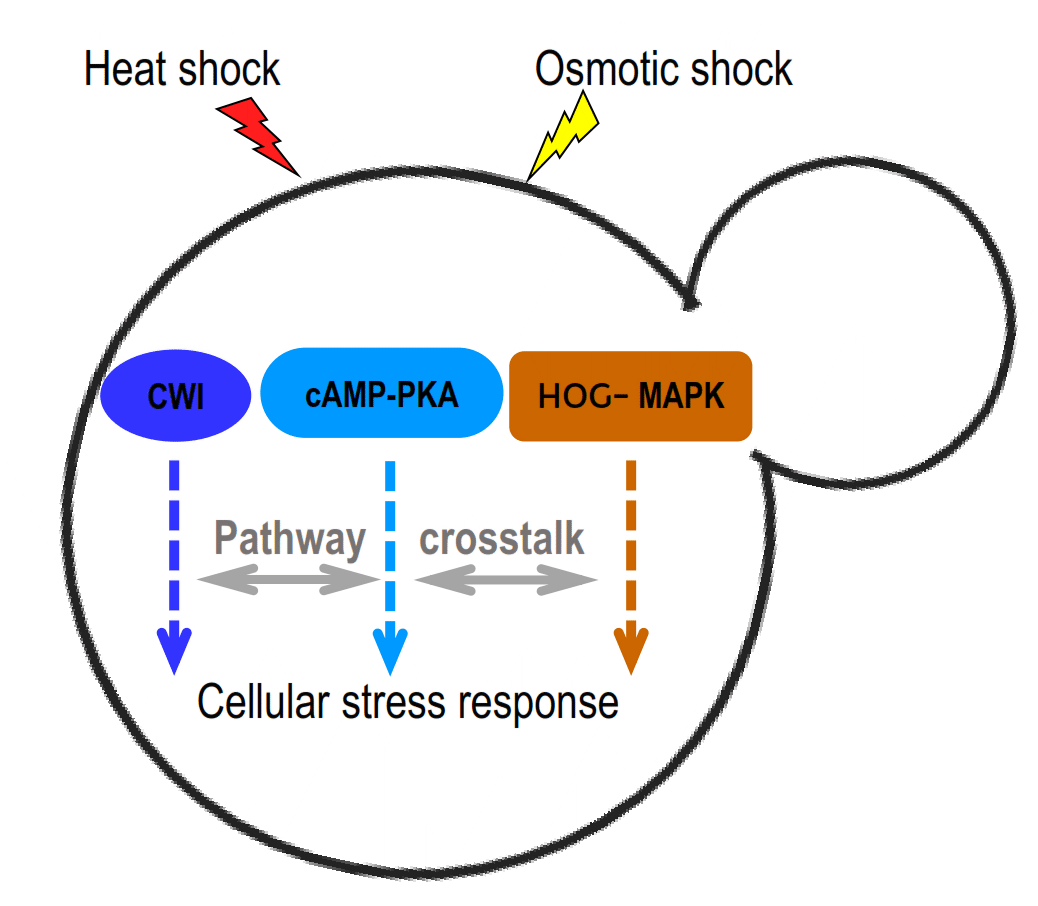
The cAMP-PKA signalling crosstalks with CWI and HOG-MAPK pathways in yeast cell response to osmotic and thermal stress
Fiorella Galello1, Mariana Bermúdez-Moretti1, María Clara Ortolá Martínez1, Silvia Rossi1 and Paula Portela1
During industrial fermentation yeast strains are exposed to fluctuations in oxygen concentration, osmotic pressure, pH, ethanol concentration, nutrient availability and temperature. The scope of this review is to outline the advancement of knowledge about the cAMP-PKA signalling and the crosstalk of this pathway with the CWI and HOG-MAPK cascades in response to the environmental challenges heat and hyperosmotic stress.

Phospholipases A and Lysophospholipases in protozoan parasites
Perrine Hervé1, Sarah Monic1, Frédéric Bringaud1 and Loïc Rivière1
In this review, we summarize the literature on phospholipases and lysophospholipases in several protozoan parasites of medical relevance, and discuss the growing interest for them as potential drug and vaccine targets.
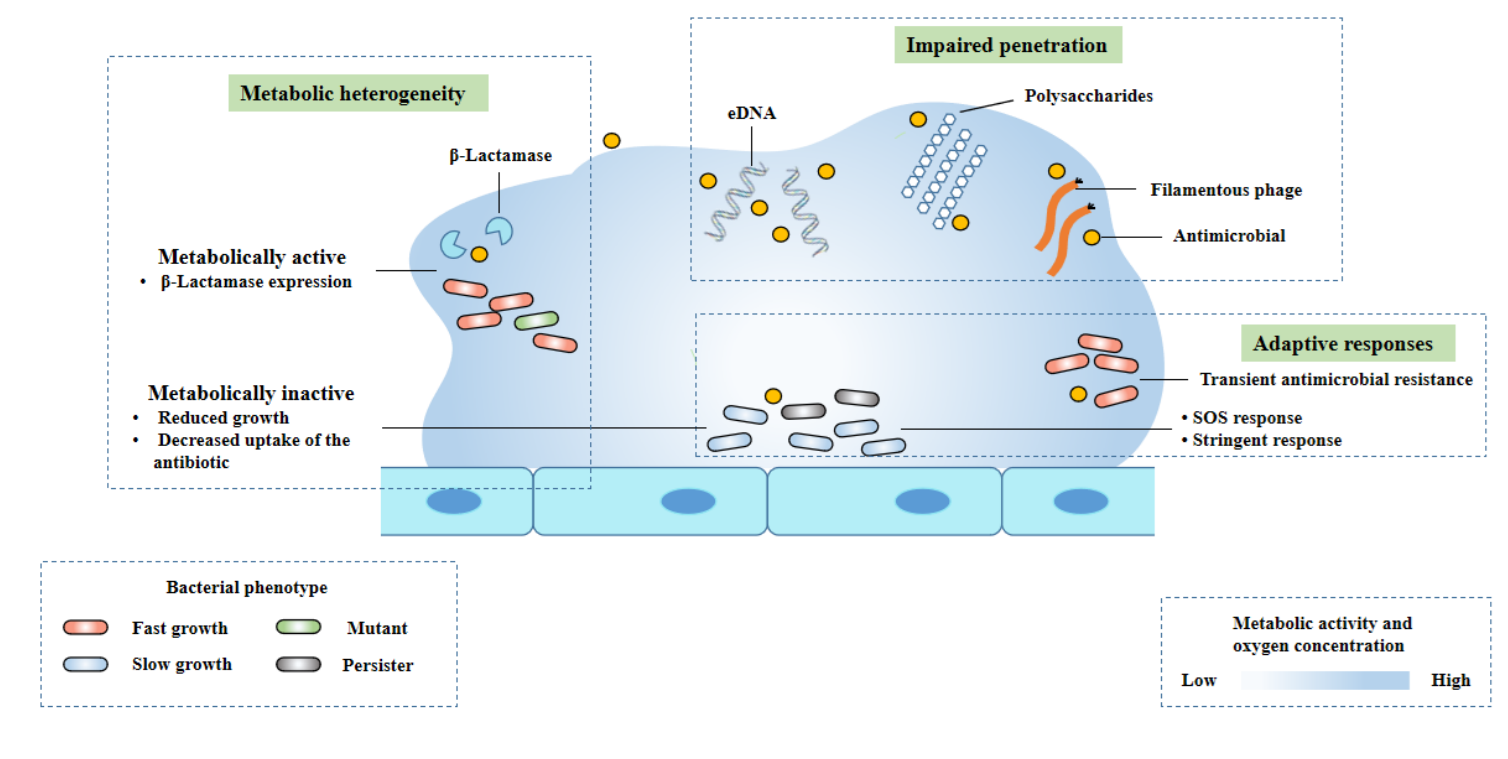
Biofilm tolerance, resistance and infections increasing threat of public health
Shanshan Yang1,3, Xinfei Li1,2, Weihe Cang1,2, Delun Mu1,3, Shuaiqi Ji1,3, Yuejia An1, Rina Wu1,2,3 and Junrui Wu1,2,3
The review explores the role of biofilms in the development of bacterial resistance mechanisms and proposed therapeutic intervention strategies for biofilm related diseases.
From the Uncharacterized Protein Family 0016 to the GDT1 family: Molecular insights into a newly-characterized family of cation secondary transporters
June 15, 2020
This review outlines how the formerly uncharacterized UPF0016 family, now known as the Gdt1 family, plays key roles in cation transport - especially Mn²⁺ - across species from bacteria to humans. These proteins are crucial for processes like glycosylation, photosynthesis, and calcium signaling, with functions linked to their localization in membranes such as the Golgi, chloroplast, and plasma membrane and by that highlighting their evolutionary conservation and physiological relevance, offering insights into their shared and distinct features across organisms.
A broad-spectrum antibiotic adjuvant SLAP-S25: one stone many birds
June 15, 2020
This article refers to the study "A broad-spectrum antibiotic adjuvant reverses multidrug-resistant Gram-negative pathogens" by Song et al. (Nat Microbiol, 2020), which deals with the growing threat of antibiotic resistance, with few new drugs being developed for decades. The study found that the peptide SLAP-S25 enhances the efficacy of several antibiotics against resistant Gram-negative bacteria by disrupting their membranes, thereby increasing drug uptake. This suggests that bacterial membranes are promising targets for new antibiotic adjuvants.
Hiding in plain sight: vesicle-mediated export and transmission of prion-like proteins
June 2, 2020
This article relates to the study "Glucose availability dictates the export of the soluble and prion forms of Sup35p via periplasmic or extracellular vesicles" by Kabani et al. (Mol Microbiol, 2020) that provides compelling evidence that yeast prions, such as Sup35p in its infectious [PSI⁺] state, can be exported via both extracellular vesicles (EVs) and periplasmic vesicles (PVs), with this export being modulated by environmental glucose levels. The discovery that prion particles are released in high amounts through PVs during glucose starvation adds a new dimension to our understanding of prion transmission and opens up fascinating possibilities for exploring vesicle-mediated spread of protein aggregates in neurodegenerative diseases using yeast as a model system.
Regulation of Cdc42 for polarized growth in budding yeast
May 19, 2020
This review highlights how studies in budding yeast have revealed a biphasic mechanism of Cdc42 activation that governs cell polarity establishment, with implications for understanding similar processes in mammalian cells and the role of Cdc42 in aging.
Yeast-based assays for the functional characterization of cancer-associated variants of human DNA repair genes
May 18, 2020
This article highlights how the genetic tractability and conserved DNA repair pathways of yeast make it a powerful system for functionally characterizing human cancer-associated variants in DNA repair genes, aiding in risk assessment and therapeutic decision-making.
A novel c-di-GMP signal system regulates biofilm formation in Pseudomonas aeruginosa
April 23, 2020
This article relates to the study "The SiaA/B/C/D signaling network regulates biofilm formation in Pseudomonas aeruginosa" by Chen et al. (EMBO J, 2020) that reveals a novel signaling network encoded by the siaABCD operon in Pseudomonas aeruginosa that regulates biofilm and aggregate formation by controlling the diguanylate cyclase activity of SiaD through phosphorylation-dependent interactions with SiaC, highlighting a potential antimicrobial target.
Regulation of anti-microbial autophagy by factors of the complement system
March 19, 2020
This review explores emerging evidence that components of the complement system, beyond their traditional immune roles, modulate autophagy - particularly xenophagy - thereby influencing cell-autonomous antimicrobial responses during host-pathogen interactions.
More than flipping the lid: Cdc50 contributes to echinocandin resistance by regulating calcium homeostasis in Cryptococcus neoformans
February 20, 2020
In this article, the authors comment on the study "A mechanosensitive channel governs lipid flippase-mediated echinocandin resistance in Cryptococcus neoformans" by Cao et al. (mBio, 2019), which uncovers a dual role for the lipid flippase subunit Cdc50 in Cryptococcus neoformans, linking lipid translocation and calcium signaling via its interaction with the mechanosensitive channel Crm1, thereby contributing to innate resistance against the antifungal drug caspofungin.
New insights in the mode of action of anti-leishmanial drugs by using chemical mutagenesis screens coupled to next-generation sequencing
January 21, 2020
In this article, the authors comment on the study "Coupling chemical mutagenesis to next generation sequencing for the identification of drug resistance mutations in Leishmania" by Bhattacharya et al. (Nat Commun, 2019), which introduces Mut-seq, a chemical mutagenesis and sequencing approach, to uncover drug resistance mechanisms in Leishmania, revealing links between lipid metabolism genes and miltefosine resistance, and a protein kinase involved in translation conferring paromomycin resistance.