
Review, Reviews

Saccharomyces cerevisiae in cancer research: modeling tumor biology and enabling drug discovery
Graziana Assalve1,a, Paola Lunetti1,a, Annalisa Fai1, Luca Frattaruolo2, Anna Rita Cappello2, Alessandra Ferramosca1,* and Vincenzo Zara1
By combining genetic tractability with conservation of key cellular pathways, Saccharomyces cerevisiae is emerging as a versatile model for cancer biology and a scalable platform for identifying therapeutic targets and vulnerabilities.

Prohibitins: emerging host targets of bacteria and viruses at the plasma membrane, mitochondria, and cytoplasm
Grecia O. Rivera-Palomino1,2 and Arianne L. Theiss1,2,3
Prohibitins are emerging as central host hubs exploited by bacteria and viruses to rewire signaling and mitochondrial dynamics. The current review discusses Prohibitins in host-pathogen interplay and their potential as novel anti-infective targets.

Outer membrane vesicles in Vibrio species: Roles in biofilm formation and pathogenesis
Kumari Shambhavi and Durg Vijai Singh
This review explores current knowledge on outer membrane vesicles (OMVs) in Vibrio species, highlighting their roles in pathogenesis, host interaction, and marine ecology; and identifies major knowledge gaps, outlining key methodological challenges and future prospects for OMV-based applications.

The mechanism of Tat-dependent protein translocation
Thomas Brüser1,* and Carsten Sanders2,3,4
This review integrates mechanistically relevant biochemical, molecular, and structural studies on Tat-dependent translocation of folded proteins into an in its molecular detail new comprehensive explanation of how the Tat system mediates protein transport.
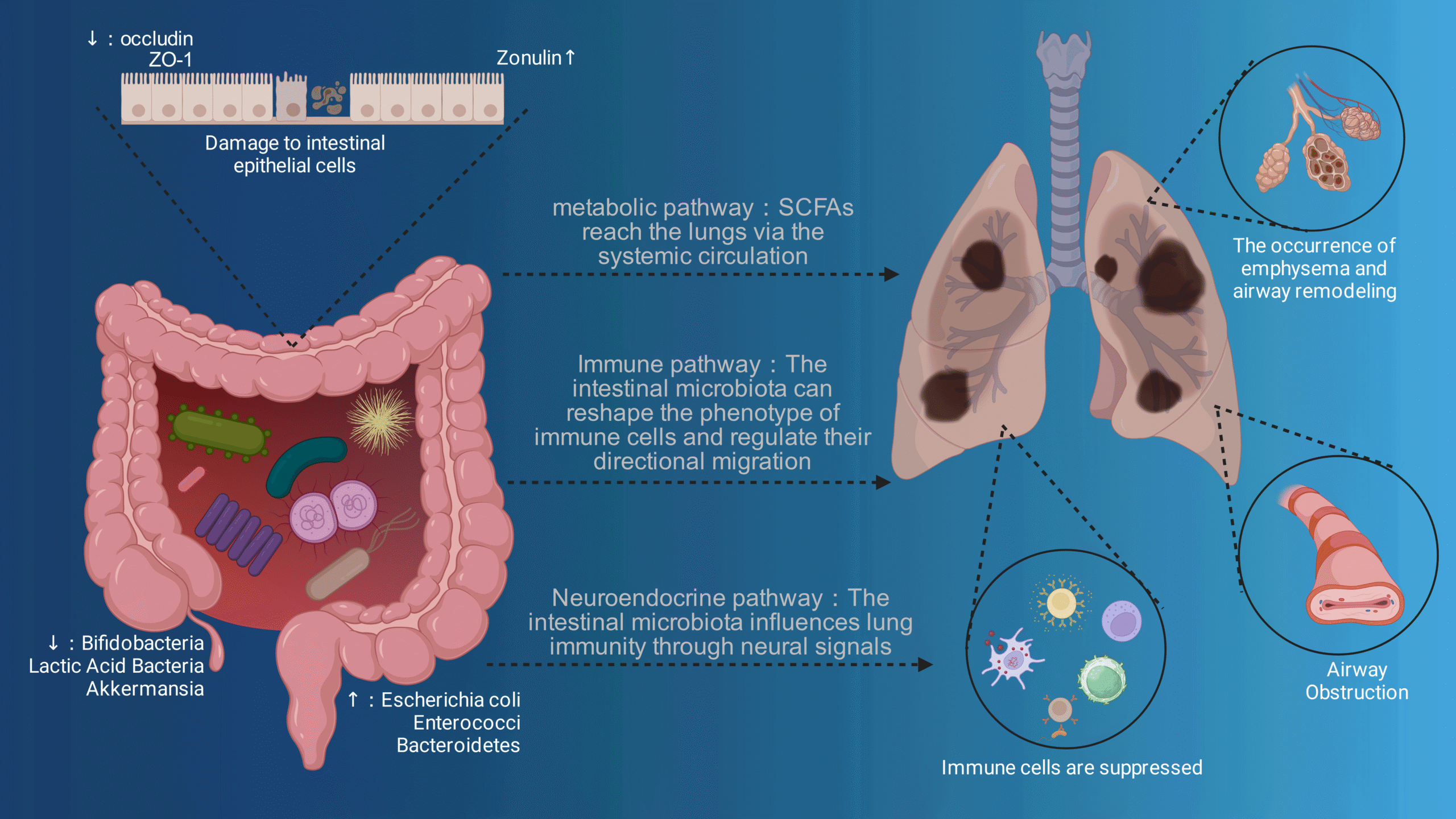
From the gut to the lungs: The role of gut microbiota in chronic obstructive pulmonary disease and related research progress
Simin Yang1,2, Shuting Zeng1,2, Yongan Deng1,2, Xiaodong Duan1,2, Chengkai Chen1,2, Luyun Sun2, Yongkang Qiao2 and Zunpeng Shu1,2
This article provides new ideas and directions for the basic research and clinical practice of COPD by comprehensively sorting out the association between gut microbiota and COPD.
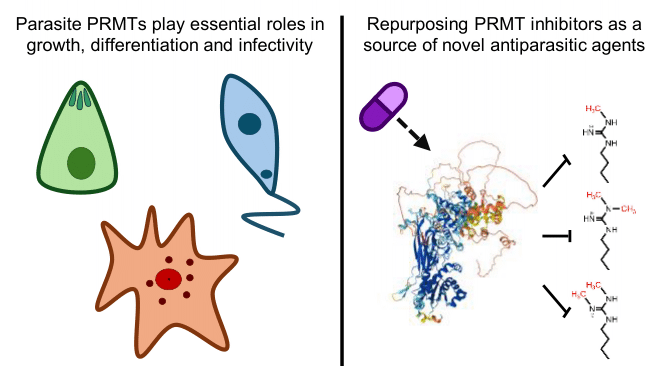
Protein arginine methyltransferases in protozoan parasites: a new path for antiparasitic chemotherapy?
Gustavo D. Campagnaro1,* and Sébastien Pomel2
This review discusses the activity and the relevance of arginine methyltransferases for the survival of pathogenic kinetoplastids, apicomplexans and amoebas, and how these enzymes could be exploited as drug targets.
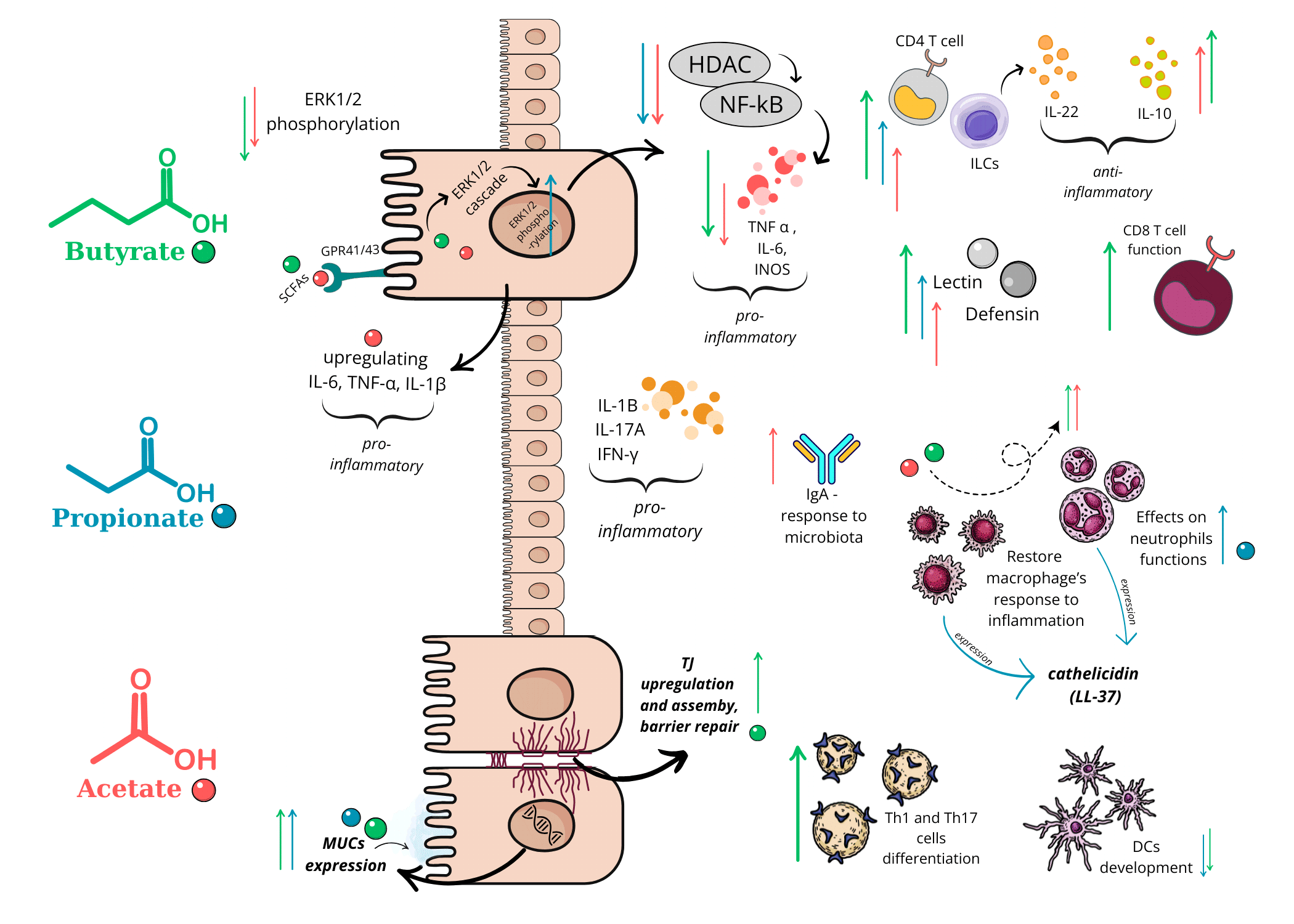
Gut microbiota and ankylosing spondylitis: current insights and future challenges
Andrei Lobiuc1, Liliana Groppa2, Lia Chislari2, Eugeniu Russu2,3, Marinela Homitchi2,3, Camelia Ciorescu2,3, Sevag Hamamah4, I. Codruta Bran1 and Mihai Covasa1
This review explores the growing role of gut microbiota in AS and its potential to reshape targeted treatment strategies and facilitate development of adjunct therapies to address disease onset and progression.
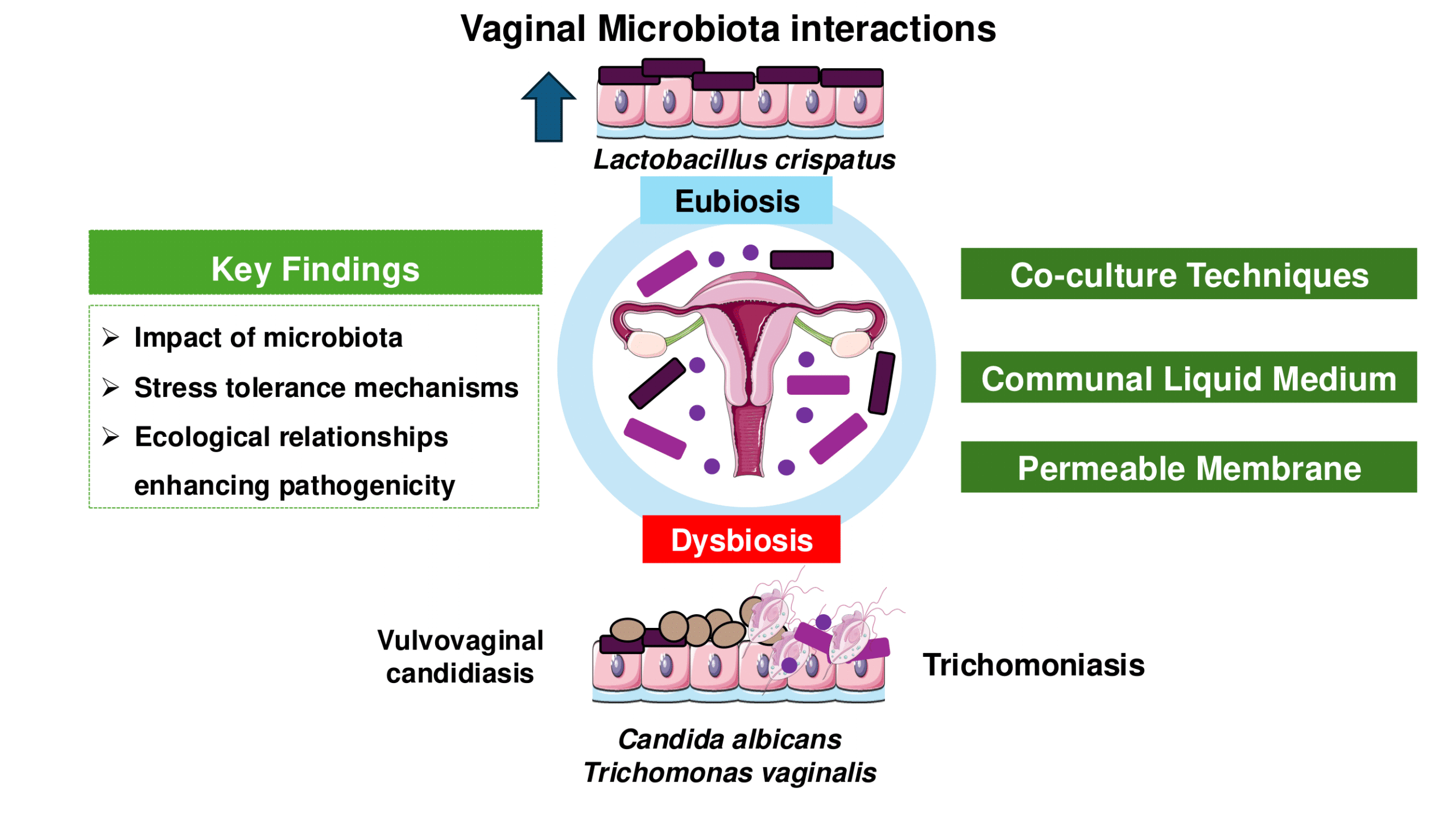
Advancements in vaginal microbiota, Trichomonas vaginalis, and vaginal cell interactions: Insights from co-culture assays
Fernanda Gomes Cardoso and Tiana Tasca
This review updates co-culture and co-incubation techniques for studying interactions of Lactobacillus spp., representing a pre-dominant member of the healthy vaginal microbiota; Candida spp., the most abundant yeast in the vagina, and T. vaginalis, responsible for the most widespread nonviral STI worldwide.
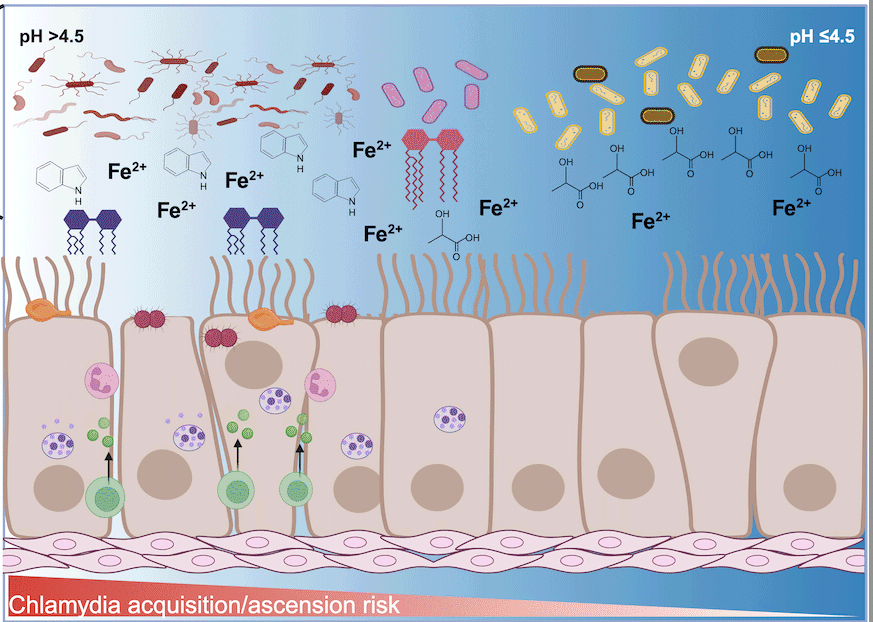
Influence of cervicovaginal microbiota on Chlamydia trachomatis infection dynamics
Emily Hand1, Indriati Hood-Pishchany1,2, Toni Darville1,2 and Catherine M. O’Connell2
This review examines the complex interplay between the cervicovaginal microbiome, C. trachomatis infection, and host immune responses, highlighting the role of metabolites such as short-chain and long-chain fatty acids, indole, and iron in modulating pathogen survival and host defenses.
Milestones in Bacillus subtilis sporulation research
November 27, 2020
In this review, the foundational discoveries that shaped the sporulation field are discussed, from its origins to the present day, tracing a chronology that spans more than one hundred eighty years.
Extracellular vesicles: An emerging platform in gram-positive bacteria
October 5, 2020
Extracellular vesicles (EVs) are secreted by both pathogenic and non-pathogenic bacteria to transfer biomolecules and facilitate intercellular communication. While EV secretion in gram-negative bacteria is well understood, less is known about gram-positive bacteria. This review explores the role of EVs involved in bacterial competition, survival, immune evasion, and infection of gram-positive bacteria and compares them to gram-negative counterparts.
Structural insights into the architecture and assembly of eukaryotic flagella
September 21, 2020
Cilia and flagella are key structures in motility and signaling. This review highlights recent findings of cryo-EM studies that have mapped the structure of axonemal microtubules in Chlamydomonas reinhardtii, revealing over 30 associated proteins as well as recent researcht which focused on the trafficking complexes that transport components between the cell body and cilium.
Plant and fungal products that extend lifespan in Caenorhabditis elegans
July 9, 2020
Caenorhabditis elegans' lifespan is extended by plant and fungal extracts activating pathways like autophagy and mitochondrial biogenesis. Low to moderate concentrations promote longevity, while high doses are harmful. This review explores the health benefits of these substances in humans.
From the Uncharacterized Protein Family 0016 to the GDT1 family: Molecular insights into a newly-characterized family of cation secondary transporters
June 15, 2020
This review outlines how the formerly uncharacterized UPF0016 family, now known as the Gdt1 family, plays key roles in cation transport - especially Mn²⁺ - across species from bacteria to humans. These proteins are crucial for processes like glycosylation, photosynthesis, and calcium signaling, with functions linked to their localization in membranes such as the Golgi, chloroplast, and plasma membrane and by that highlighting their evolutionary conservation and physiological relevance, offering insights into their shared and distinct features across organisms.
Regulation of Cdc42 for polarized growth in budding yeast
May 19, 2020
This review highlights how studies in budding yeast have revealed a biphasic mechanism of Cdc42 activation that governs cell polarity establishment, with implications for understanding similar processes in mammalian cells and the role of Cdc42 in aging.
Yeast-based assays for the functional characterization of cancer-associated variants of human DNA repair genes
May 18, 2020
This article highlights how the genetic tractability and conserved DNA repair pathways of yeast make it a powerful system for functionally characterizing human cancer-associated variants in DNA repair genes, aiding in risk assessment and therapeutic decision-making.
Regulation of anti-microbial autophagy by factors of the complement system
March 19, 2020
This review explores emerging evidence that components of the complement system, beyond their traditional immune roles, modulate autophagy - particularly xenophagy - thereby influencing cell-autonomous antimicrobial responses during host-pathogen interactions.
Microfluidic techniques for separation of bacterial cells via taxis
January 15, 2020
Microfluidic tools, ideal for studying microbial motility due to their control over laminar flows at microscopic scales, enable precise analysis of various taxis behaviors and have advanced applications in synthetic biology, directed evolution, and medical microbiology.
Influence of delivery and feeding mode in oral fungi colonization – a systematic review
January 7, 2020
A systematic review of oral fungal colonization in infants found that while breastfeeding did not significantly affect the oral mycobiome, vaginal delivery was associated with higher oral yeast colonization, particularly of Candida albicans.