
Review, Reviews

Saccharomyces cerevisiae in cancer research: modeling tumor biology and enabling drug discovery
Graziana Assalve1,a, Paola Lunetti1,a, Annalisa Fai1, Luca Frattaruolo2, Anna Rita Cappello2, Alessandra Ferramosca1,* and Vincenzo Zara1
By combining genetic tractability with conservation of key cellular pathways, Saccharomyces cerevisiae is emerging as a versatile model for cancer biology and a scalable platform for identifying therapeutic targets and vulnerabilities.

Prohibitins: emerging host targets of bacteria and viruses at the plasma membrane, mitochondria, and cytoplasm
Grecia O. Rivera-Palomino1,2 and Arianne L. Theiss1,2,3
Prohibitins are emerging as central host hubs exploited by bacteria and viruses to rewire signaling and mitochondrial dynamics. The current review discusses Prohibitins in host-pathogen interplay and their potential as novel anti-infective targets.

Outer membrane vesicles in Vibrio species: Roles in biofilm formation and pathogenesis
Kumari Shambhavi and Durg Vijai Singh
This review explores current knowledge on outer membrane vesicles (OMVs) in Vibrio species, highlighting their roles in pathogenesis, host interaction, and marine ecology; and identifies major knowledge gaps, outlining key methodological challenges and future prospects for OMV-based applications.

The mechanism of Tat-dependent protein translocation
Thomas Brüser1,* and Carsten Sanders2,3,4
This review integrates mechanistically relevant biochemical, molecular, and structural studies on Tat-dependent translocation of folded proteins into an in its molecular detail new comprehensive explanation of how the Tat system mediates protein transport.
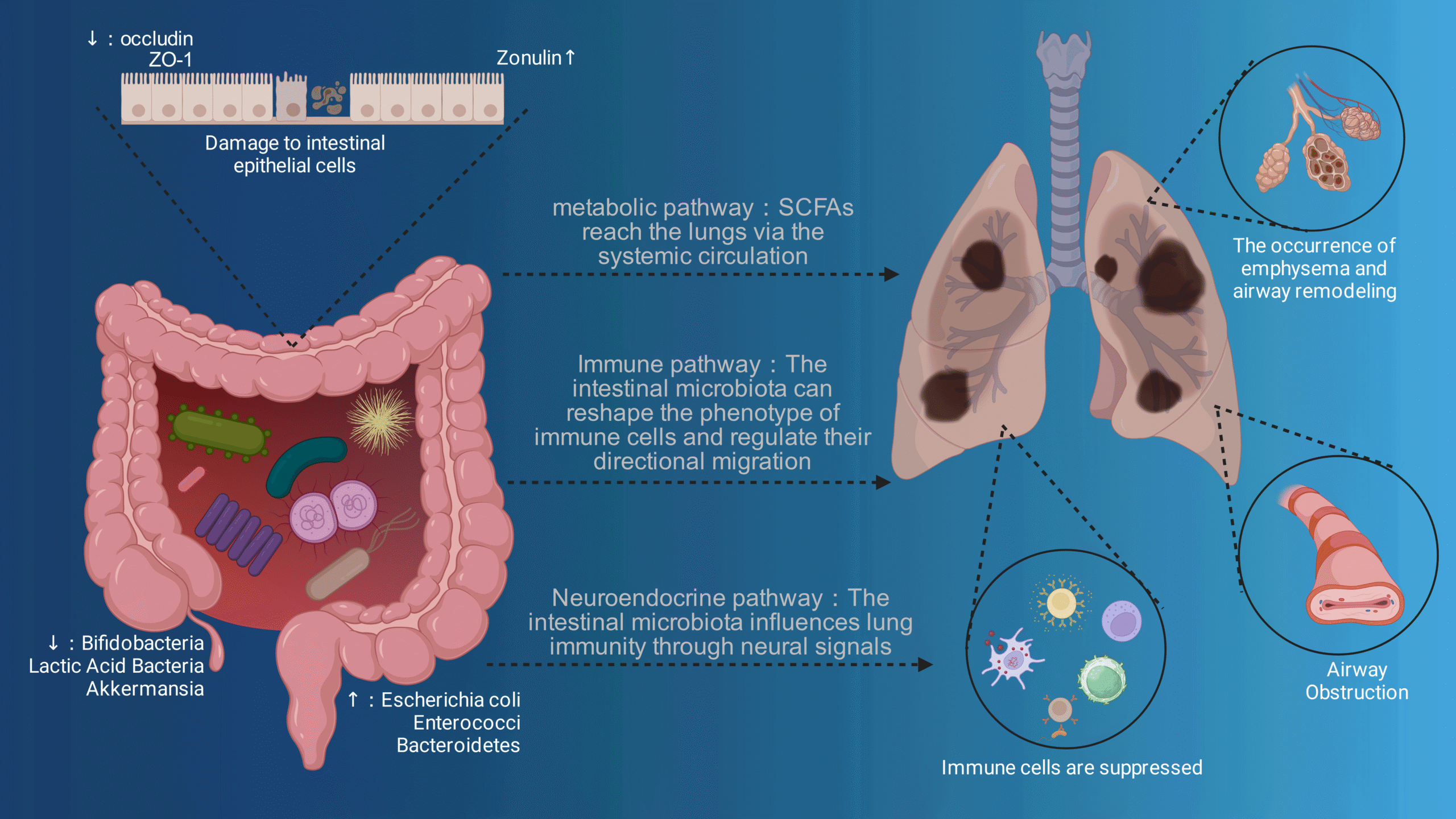
From the gut to the lungs: The role of gut microbiota in chronic obstructive pulmonary disease and related research progress
Simin Yang1,2, Shuting Zeng1,2, Yongan Deng1,2, Xiaodong Duan1,2, Chengkai Chen1,2, Luyun Sun2, Yongkang Qiao2 and Zunpeng Shu1,2
This article provides new ideas and directions for the basic research and clinical practice of COPD by comprehensively sorting out the association between gut microbiota and COPD.
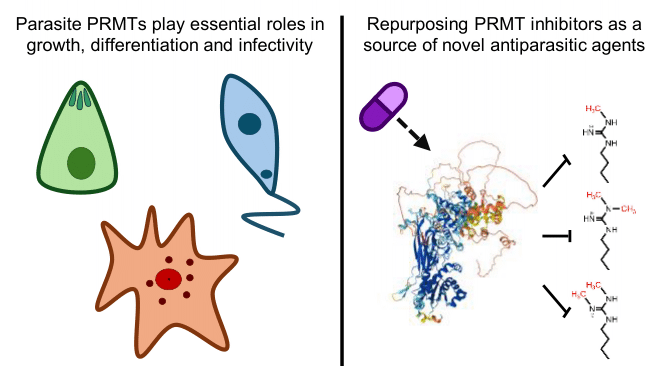
Protein arginine methyltransferases in protozoan parasites: a new path for antiparasitic chemotherapy?
Gustavo D. Campagnaro1,* and Sébastien Pomel2
This review discusses the activity and the relevance of arginine methyltransferases for the survival of pathogenic kinetoplastids, apicomplexans and amoebas, and how these enzymes could be exploited as drug targets.
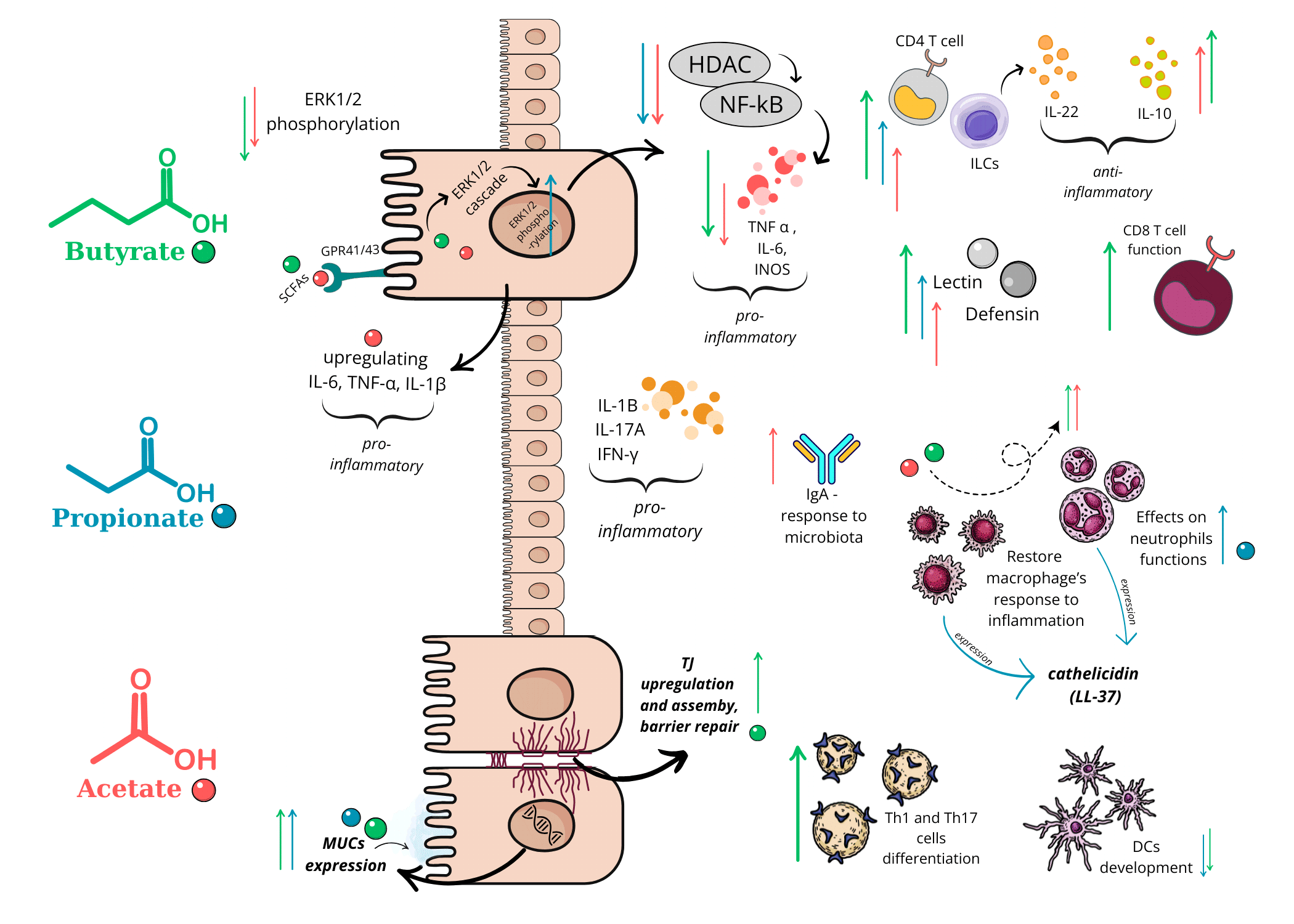
Gut microbiota and ankylosing spondylitis: current insights and future challenges
Andrei Lobiuc1, Liliana Groppa2, Lia Chislari2, Eugeniu Russu2,3, Marinela Homitchi2,3, Camelia Ciorescu2,3, Sevag Hamamah4, I. Codruta Bran1 and Mihai Covasa1
This review explores the growing role of gut microbiota in AS and its potential to reshape targeted treatment strategies and facilitate development of adjunct therapies to address disease onset and progression.
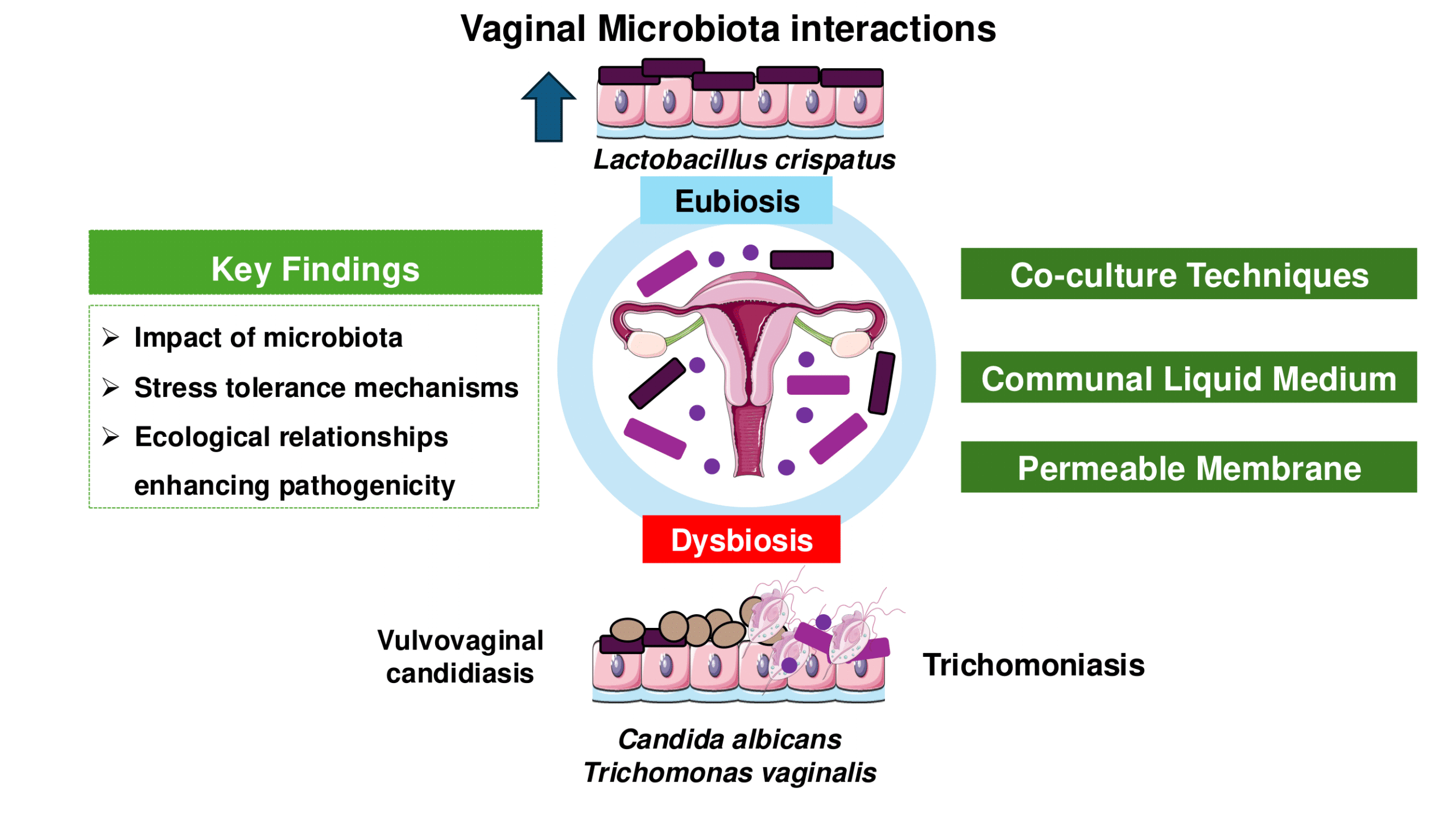
Advancements in vaginal microbiota, Trichomonas vaginalis, and vaginal cell interactions: Insights from co-culture assays
Fernanda Gomes Cardoso and Tiana Tasca
This review updates co-culture and co-incubation techniques for studying interactions of Lactobacillus spp., representing a pre-dominant member of the healthy vaginal microbiota; Candida spp., the most abundant yeast in the vagina, and T. vaginalis, responsible for the most widespread nonviral STI worldwide.
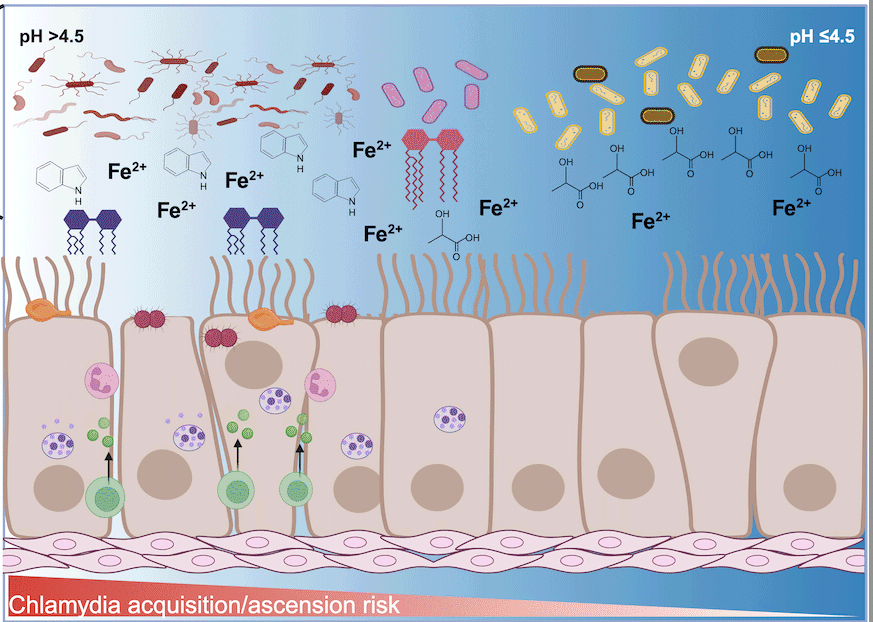
Influence of cervicovaginal microbiota on Chlamydia trachomatis infection dynamics
Emily Hand1, Indriati Hood-Pishchany1,2, Toni Darville1,2 and Catherine M. O’Connell2
This review examines the complex interplay between the cervicovaginal microbiome, C. trachomatis infection, and host immune responses, highlighting the role of metabolites such as short-chain and long-chain fatty acids, indole, and iron in modulating pathogen survival and host defenses.
Forty-five-year evolution of probiotic therapy
April 2, 2019
The field of probiotics has greatly expanded over the past 45 years, driven by the need for safer alternatives to drugs, interest in natural microbial products, and clinical proof of effectiveness, with scientific formulations increasingly defining the market and promising applications for various health areas expected in the future.
Adaptive bacterial response to low level chlorhexidine exposure and its implications for hand hygiene
March 7, 2019
This article shows that bacteria can adapt to low levels of Chlorhexidine digluconate (CHG), resulting in increased tolerance and cross-resistance to other antimicrobials, suggesting caution in the widespread use of CHG to minimize avoidable selection pressure for resistance.
Microevolution of the pathogenic yeasts Candida albicans and Candida glabrata during antifungal therapy and host infection
February 8, 2019
This review explores how Candida albicans and Candida glabrata, common fungal pathogens resistant to antifungal therapy, adapt and evolve within different environments, aiming to identify stable adaptive mechanisms as potential drug targets.
The extracellular matrix of mycobacterial biofilms: could we shorten the treatment of mycobacterial infections?
January 18, 2019
The article discusses the challenges presented by biofilms formed by non-tuberculous mycobacteria (NTM) species, which can lead to persistent infections that are difficult to treat due to phenotypic drug tolerance. The role of various cell wall components in mycobacterial biofilm formation is outlined, with a particular focus on Mycobacterium tuberculosis.
Guidelines for DNA recombination and repair studies: Cellular assays of DNA repair pathways
January 7, 2019
DNA recombination, repair and mutagenesis assays are powerful tools but each comes with its particular advantages and limitations. Here the most commonly used assays are reviewed, discussed, and presented as the guidelines for future studies.
Guidelines for DNA recombination and repair studies: Mechanistic assays of DNA repair processes
January 7, 2019
Mechanistic assays of DNA repair processes are a powerful tools but each comes with its particular advantages and limitations. Here the most commonly used assays are reviewed, discussed, and presented as the guidelines for future studies.
Pathways of host cell exit by intracellular pathogens
October 18, 2018
This review provides an overview of the diverse host cell exit strategies employed by intracellular-living bacterial, fungal, and protozoan pathogens, highlighting the commonalities and system-specific variations of these strategies, and discussing potential microbial molecules involved in host cell exit as targets for future intervention approaches.
Protective roles of ginseng against bacterial infection
September 19, 2018
This review highlights the antibacterial effects of ginseng against pathogenic bacterial infections, discussing its regulation of pathogenic factors and proposing the therapeutic potential of ginseng as a natural antibacterial drug to address antibiotic resistance and toxicity in the context of global public health challenges.
A Cinderella story: how the vacuolar proteases Pep4 and Prb1 do more than cleaning up the cell’s mass degradation processes
September 18, 2018
This review summarizes the expanded roles of the Saccharomyces cerevisiae vacuolar proteases Pep4 and Prb1 in non-vacuolar activities outside of autophagy, such as programmed cell death, protection from harmful protein forms, and gene expression regulation. The potential implications of these findings for fungal biology and drug target discovery, including insights for mammalian cell studies, are highlighted, emphasizing the need for a deeper understanding of these molecular processes.