
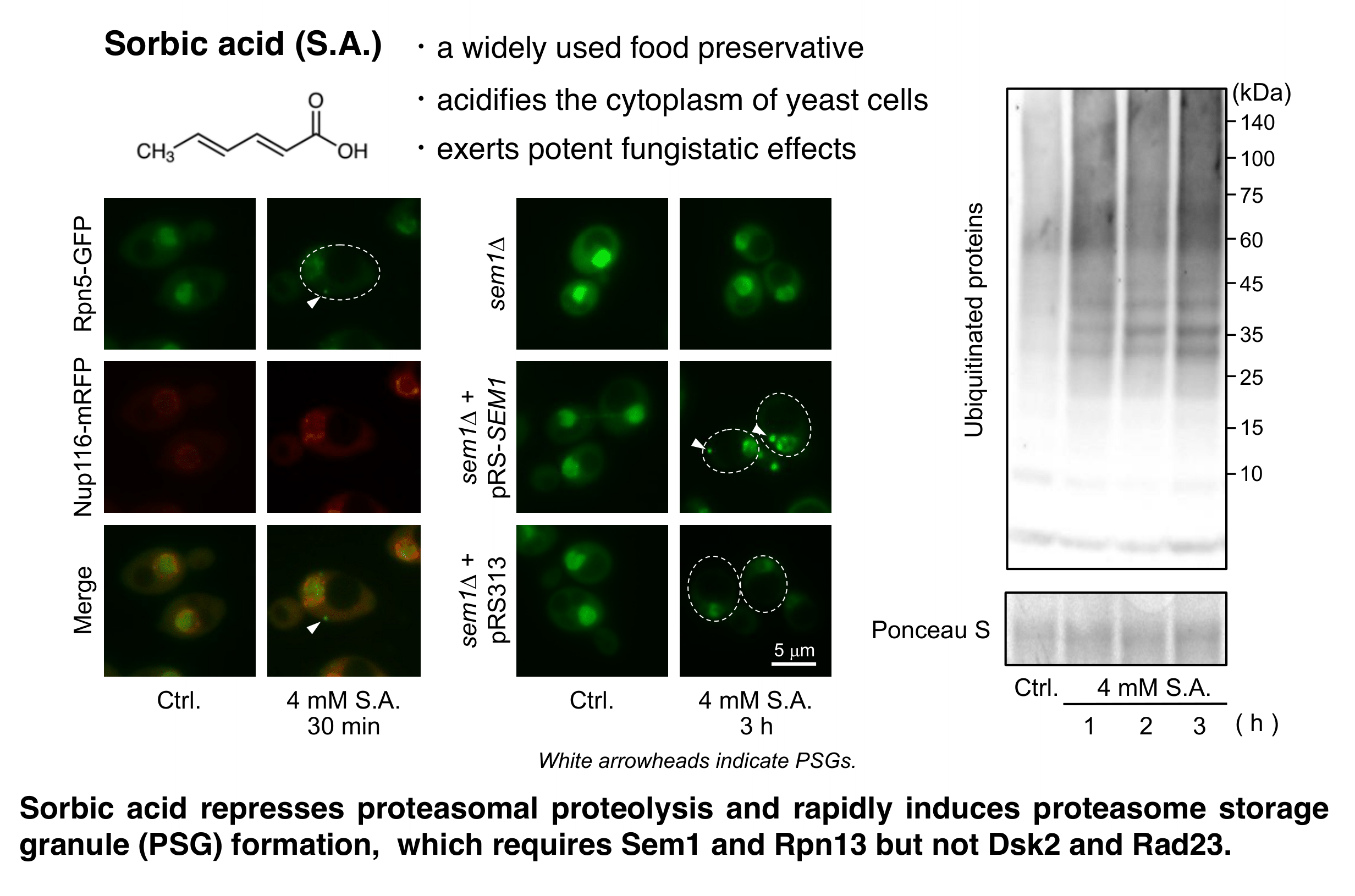
Sorbic acid triggers rapid formation of proteasome storage granules in Saccharomyces cerevisiae
This study demonstrates that sorbic acid, a common food preservative, induces the fastest reported proteasome storage granule (PSG) formation in yeast within 30 min, highlighting differences from other PSG-inducing conditions like acetic acid stress.

Saccharomyces cerevisiae in cancer research: modeling tumor biology and enabling drug discovery
By combining genetic tractability with conservation of key cellular pathways, Saccharomyces cerevisiae is emerging as a versatile model for cancer biology and a scalable platform for identifying therapeutic targets and vulnerabilities.

A time-resolved high-throughput screening of fission yeast deletion mutants for oxidative stress resistance
By capturing dynamic trajectories rather than static outcomes, this study exposes hidden layers of growth under oxidative stress and identifies new genetic determinants of cellular resilience in fission yeast.
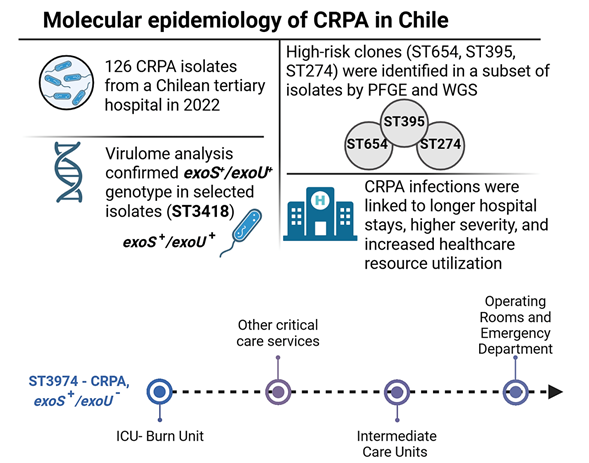
Clonal spread and environmental persistence of carbapenem-resistant high-risk Pseudomonas aeruginosa in critical-care units of a Chilean national referral center for burn and trauma patients (2022)
This study highlight the circulation of high-risk P. aeruginosa clones in Chile and underscore the importance of molecular epidemiology in guiding infection control, optimizing antimicrobial therapy, and mitigating the clinical and economic burden of CRPA.
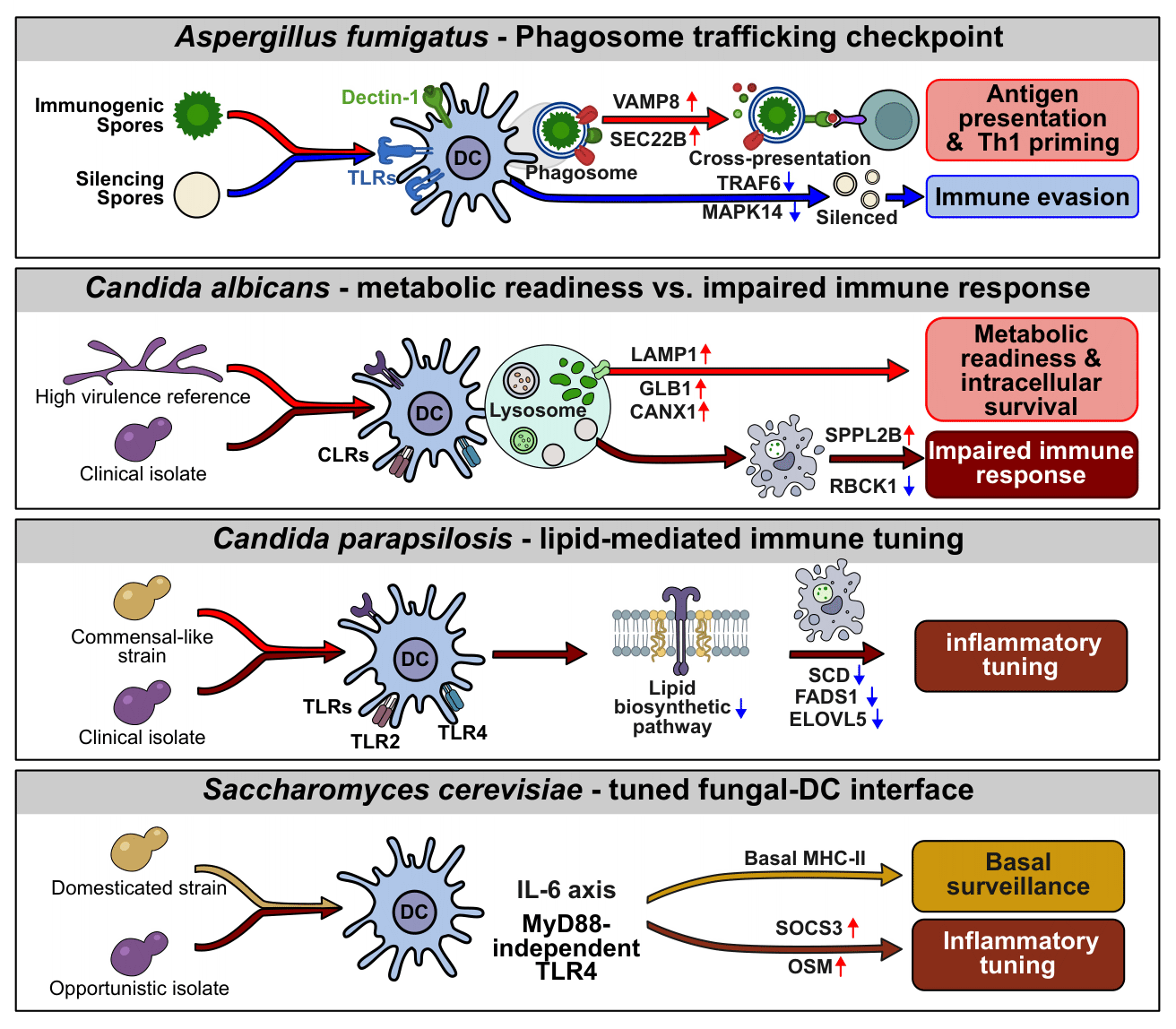
The transcriptome of dendritic cells redraws the boundaries between pathogenicity and commensalism in yeast
Our immune system meets many fungi, but reacts strongly to only a few. The comparison of key fungal species showed that responses differ mainly in timing and not just genes, highlighting the need to rethink what makes fungi harmful vs. harmless.

Sorbic acid triggers rapid formation of proteasome storage granules in Saccharomyces cerevisiae
Tanaka et al.This study demonstrates that sorbic acid, a common food preservative, induces the fastest reported proteasome storage granule (PSG) formation in yeast within 30 min, highlighting differences from other PSG-inducing conditions like acetic acid stress.
Saccharomyces cerevisiae in cancer research: modeling tumor biology and enabling drug discovery
Assalve et al.By combining genetic tractability with conservation of key cellular pathways, Saccharomyces cerevisiae is emerging as a versatile model for cancer biology and a scalable platform for identifying therapeutic targets and vulnerabilities.
A time-resolved high-throughput screening of fission yeast deletion mutants for oxidative stress resistance
Pirsalehi et al.By capturing dynamic trajectories rather than static outcomes, this study exposes hidden layers of growth under oxidative stress and identifies new genetic determinants of cellular resilience in fission yeast.
Clonal spread and environmental persistence of carbapenem-resistant high-risk Pseudomonas aeruginosa in critical-care units of a Chilean national referral center for burn and trauma patients (2022)
Ibarra et al.This study highlight the circulation of high-risk P. aeruginosa clones in Chile and underscore the importance of molecular epidemiology in guiding infection control, optimizing antimicrobial therapy, and mitigating the clinical and economic burden of CRPA.
The transcriptome of dendritic cells redraws the boundaries between pathogenicity and commensalism in yeast
Rizzetto et al.Our immune system meets many fungi, but reacts strongly to only a few. The comparison of key fungal species showed that responses differ mainly in timing and not just genes, highlighting the need to rethink what makes fungi harmful vs. harmless.
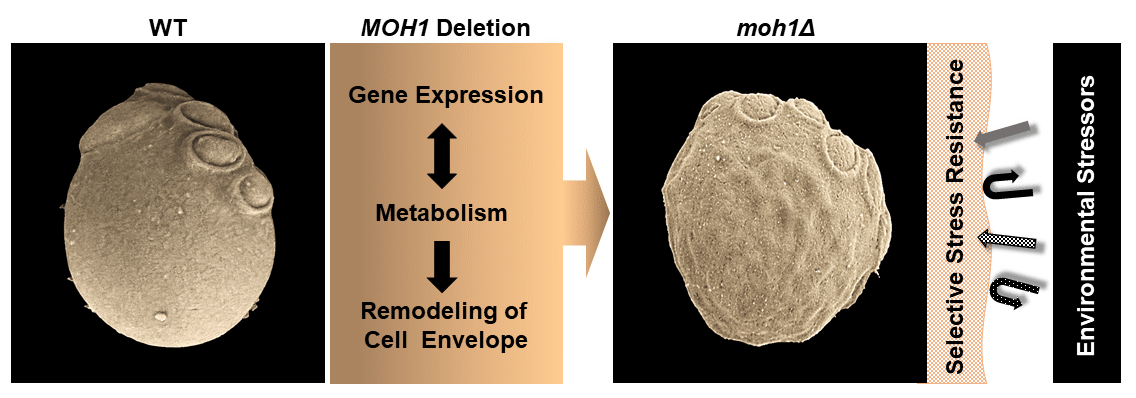
Yippee-like protein Moh1 links gene expression to metabolism and selective stress resistance in Saccharomyces cerevisiae
Olgun et al.This study demonstrates that the conserved yeast protein Moh1 links metabolism, gene expression, and cell structure, thereby altering cell envelope permeability and leading to selective stress responses.
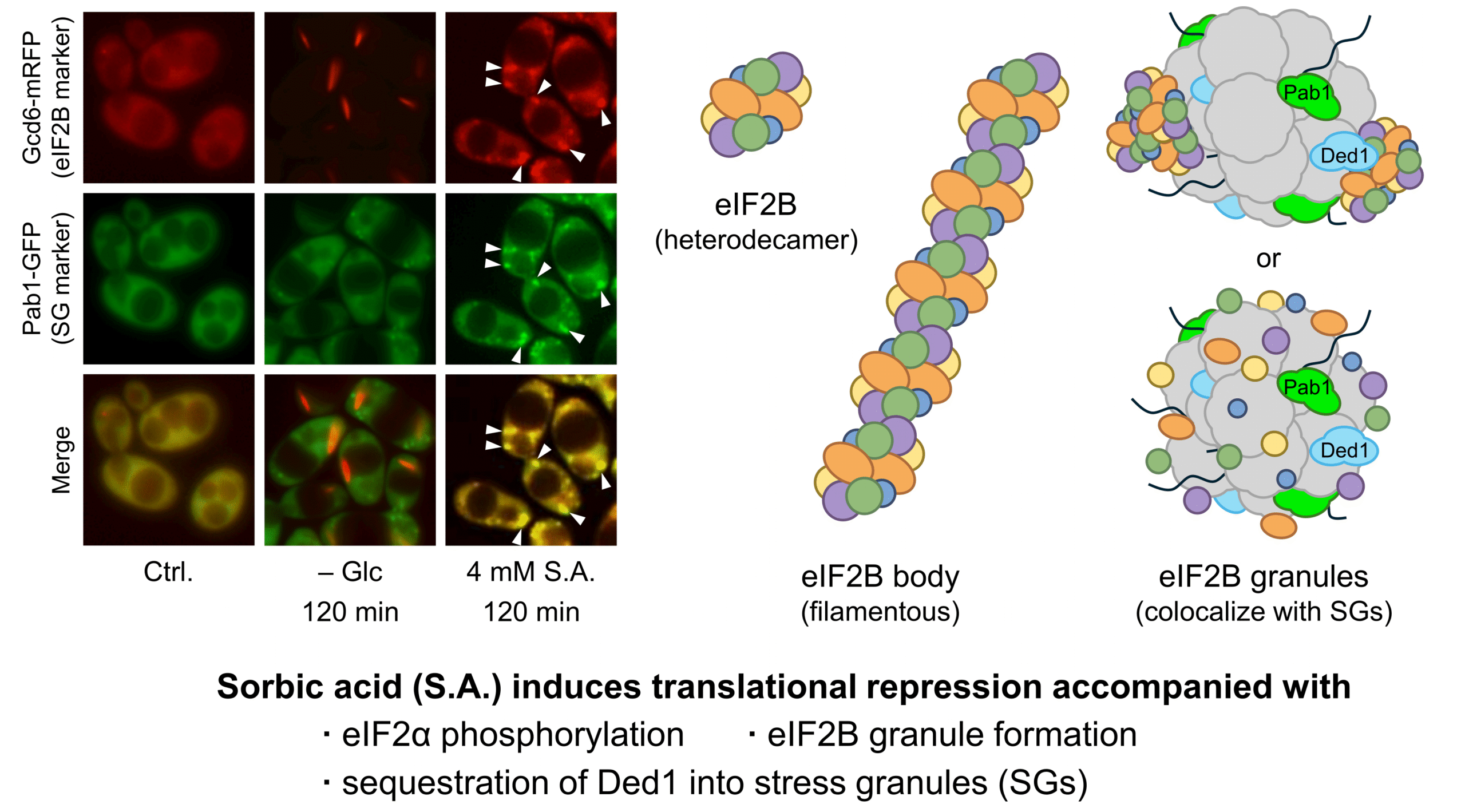
Fungistatic effect of sorbic acid on yeast cells via translational repression involving eIF2α phosphorylation and formation of Ded1- and eIF2B-granules
Yoshiyama et al.The findings of this study provide new insights into the physiological effects of sorbic acid on yeast cells, specifically regarding the regulation of translation-related factors.
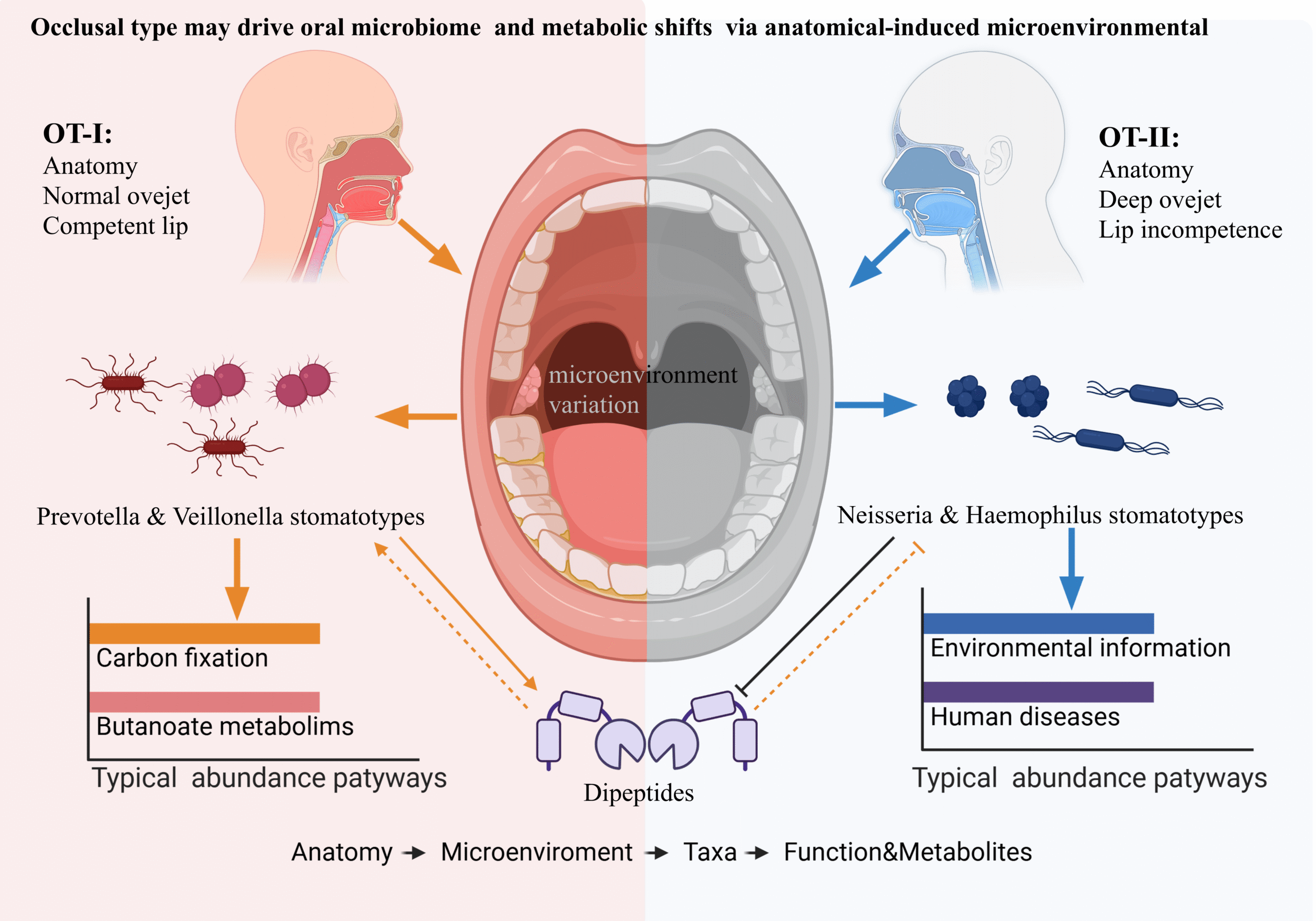
Occlusal types shape oral microbiome stomatotypes and metabolic landscapes: A multi-omics perspective on host-microbe interaction
Duan et alThis study reveals how occlusal types shape oral microbiome “stomatotypes” and metabolic profiles in adolescents. It offers fresh insights that host anatomy drives microecology which may be associated with personalized oral health.

Prohibitins: emerging host targets of bacteria and viruses at the plasma membrane, mitochondria, and cytoplasm
Rivera-Palomino and TheissProhibitins are emerging as central host hubs exploited by bacteria and viruses to rewire signaling and mitochondrial dynamics. The current review discusses Prohibitins in host-pathogen interplay and their potential as novel anti-infective targets.
Snf1 cooperates with the CWI MAPK pathway to mediate the degradation of Med13 following oxidative stress
Willis et al.This article explores the response of eukaryotic cells to environmental stress, highlighting the role of the conserved cyclin C-Cdk8 kinase in determining pro-survival or pro-death programs. Specifically, it discusses how oxidative stress triggers the destruction of Med13 by the SCFGrr1 ubiquitin ligase, releasing cyclin C to promote mitochondrial fission and cell death in Saccharomyces cerevisiae. Additionally, it reveals that the AMP kinase Snf1 activates a separate degron in Med13, contributing to the complex regulation of Med13 degradation following H2O2 stress through the coordination of the cell wall integrity and MAPK pathways.
Importance of polyphosphate in the Leishmania life cycle
Kohl et al.This article explores the importance of polyphosphate (polyP) in Leishmania parasites, emphasizing the role of the polyP polymerase VTC4 and its impact on parasite survival at higher temperatures. Additionally, it discusses the effects of VTC4 knockout in mouse infections, noting a delay in lesion formation and strong pathology in L. major VTC4 knockout, without confirmation through complementation and no alteration in L. guyanensis infections in mice with VTC4 knockdown.
Antagonism between salicylate and the cAMP signal controls yeast cell survival and growth recovery from quiescence
Baroni et al.This article describes the effects of salicylate, the main metabolite of aspirin, on S. cerevisiae cells. It outlines how salicylate influences glucose transport, sugar phosphate biosynthesis, and apoptosis, particularly in MnSOD-deficient cells. Furthermore, it emphasizes the significant impact of salicylate on the exit from a quiescent state, inhibiting growth recovery and viability in long-term stationary phase cells. The passage also discusses the potential therapeutic implications of understanding the antagonistic relationship between cAMP and salicylate in targeting quiescent cancer cells with stem-like properties.
Evolution of substrate specificity in the Nucleobase-Ascorbate Transporter (NAT) protein family
Kourkoulou et al.L-ascorbic acid (vitamin C) is an essential metabolite in animals and plants due to its role as an enzyme co-factor and antioxidant activity. Here, Kourkoulou et al. show further evidence that ascorbate-specific Nucleobase-Ascorbate Transporters (NATs) evolved by optimization of a sub-function of ancestral nucleobase transporters.
Valine biosynthesis in Saccharomyces cerevisiae is regulated by the mitochondrial branched-chain amino acid aminotransferase Bat1
Takpho et al.In Saccharomyces cerevisiae, the yeast, the Bat1 and Bat2 proteins, which are branched-chain amino acid aminotransferases, play distinct roles in valine biosynthesis and cell growth regulation, with Bat1 primarily located in the mitochondria and Bat2 in the cytosol, and the mitochondria being identified as the major site of valine biosynthesis in this yeast.
Microbial competition between Escherichia coli and Candida albicans reveals a soluble fungicidal factor
Cabral et al.Localized and systemic fungal infections caused by Candida albicans can lead to significant mortality and morbidity. Here, Cabral et al. show that E. coli produces a soluble factor that kills C. albicans in a magnesium-dependent fashion such that depletion of available magnesium is essential for toxicity.
Spontaneous mutations in CYC8 and MIG1 suppress the short chronological lifespan of budding yeast lacking SNF1/AMPK
Magani et al.Chronologically aging yeast cells are prone to adaptive regrowth, whereby mutants with a survival advantage spontaneously appear and re-enter the cell cycle in stationary phase cultures. Here, Magani et al. identified specific downstream SNF1 targets responsible for CLS extension during CR.
Production of poly-β-1,6-N-acetylglucosamine by MatAB is required for hyphal aggregation and hydrophilic surface adhesion by Streptomyces
van Dissel et al.In this article van Dissel et al. describe new insights to allow better control of liquid-culture morphology of streptomycetes, which may be harnessed to improve growth and industrial exploitation of these highly versatile natural product and enzyme producers.
A global view of substrate phosphorylation and dephosphorylation during budding yeast mitotic exit
Touati and UhlmannIn this article, the authors comment on the study “Phosphoproteome dynamics during mitotic exit in budding yeast” by Touati (EMBO J, 2018) that described a time-resolved global phosphoproteome analysis during a cell cycle phase known as mitotic exit in budding yeast revealed the principles of phosphoregulation governing the ordered sequence of events such as spindle elongation, chromosome decondensation, and completion of cell division.
Gammaretroviruses tether to mitotic chromatin by directly binding nucleosomal histone proteins
Wanaguru and BishopIn this article, the authors comment on the study “Murine leukemia virus p12 tethers the capsid-containing pre-integration complex to chromatin by binding directly to host nucleosomes in mitosis” by Wanaguruet al. (PLoS Pathog, 2018) that highlights the essential role of the gammaretroviral gag cleavage product, p12, at both early and late stages of the virus life cycle, particularly in the integration of the viral DNA into the host cell chromatin to form a provirus. It also emphasizes the recent findings regarding the N- and C-terminal domains of p12, revealing their direct binding to the viral capsid lattice and nucleosomal histone proteins, respectively, thus elucidating the mechanism by which p12 links the viral pre-integration complex to mitotic chromatin.
Methodologies for in vitro and in vivo evaluation of efficacy of antifungal and antibiofilm agents and surface coatings against fungal biofilms
Van Dijck et al.This article highlights the critical importance of accurate susceptibility testing methods and the discovery of novel antifungal and antibiofilm agents in combating invasive fungal infections associated with biofilm formation on medical devices, thereby emphasizing the need for advancements in medical mycology research to address these complex diseases.
Shepherding DNA ends: Rif1 protects telomeres and chromosome breaks
Fontana et al.This review discusses the conserved mechanisms cells have evolved to protect DNA ends at chromosomal termini and DNA double-strand breaks (DSBs), focusing on the protein Rif1’s roles in telomere homeostasis and DSB repair in eukaryotes. It highlights the intriguing connection between Rif1’s involvement in both telomere maintenance and DSB repair, and suggests that excluding end-processing factors may underlie Rif1’s diverse biological functions at telomeres and chromosome breaks.
The CRISPR conundrum: evolve and maybe die, or survive and risk stagnation
García-Martínez et al.In this article García-Martínez et al. cover how the model bacterium Escherichia coli deals with CRISPR-Cas to tackle the major dilemma of evolution versus survival.
Metabolic disharmony and sibling conflict mediated by T6SS
Troselj and WallIn this article, the authors comment on the study “Physiological Heterogeneity Triggers Sibling Conflict Mediated by the Type VI Secretion System in an Aggregative Multicellular Bacterium” by Troselj et al. (MBio, 2018) discussing that M. xanthus uses T6SS to eliminate less fit cells from their population and identified toxic effector and cognate immunity protein (TsxEI) that mediates this sibling antagonism.
Helicobacter hepaticus polysaccharide induces an anti-inflammatory response in intestinal macrophages
Danne and Powrie.In this article, the authors comment on the study “A Large Polysaccharide Produced by Helicobacter hepaticus Induces an Anti-inflammatory Gene Signature in Macrophages. ” by Danne et al, (Cell Host Microbe 2017), discussing the interactions between H. hepaticus and intestinal macrophages that promote mutualism.
Targeting GATA transcription factors – a novel strategy for anti-aging interventions?
Zimmermann et al.This article comments on work published by Carmona-Gutierrez et al. (Nat Commun., 2019), which identified a natural compound, 4,4′-dimethoxychalcone, inducing autophagy and prolonging lifespan in different organisms through a mechanism that involves GATA transcription factors.
In the beginning was the word: How terminology drives our understanding of endosymbiotic organelles
OborníkThis In the Pit article argues that the naming conventions for biological entities influence research perspectives and methodologies, advocating for mitochondria and plastids to be classified and named as bacteria due to their endosymbiotic origins, with potential implications for our understanding of bacterial prevalence, definitions of the microbiome and multicellularity, and the concept of endosymbiotic domestication.
What’s in a name? How organelles of endosymbiotic origin can be distinguished from endosymbionts
GruberThis In the Pit article suggests redefining the relationship between hosts and endosymbionts, like mitochondria and plastids, as a single species based on “sexual symbiont integration,” the loss of independent speciation, and congruence in genetic recombination and population sizes, rather than solely on historic classifications or structural properties.
Microbial wars: competition in ecological niches and within the microbiome
Bauer et al.In this Editorial Bauer et al. provide a brief overview on microbial competition and discuss some of its roles and consequences that directly affect humans.
Exploring the mechanism of amebic trogocytosis: the role of amebic lysosomes
Gilmartin and PetriIn this article, the authors comment on the study “Inhibition of Amebic Lysosomal Acidification Blocks Amebic Trogocytosis and Cell Killing” by Gilmartin et al. (MBio, 2017), discussing the the role of amebic lysosomes in Trogocytosis, the intracellular transfer of fragments of cell material.
Uncovering the hidden: complexity and strategies for diagnosing latent tuberculosis
Flores-ValdezThis editorial postulates that advanced proteomic and transcriptomic techniques are evolving and may enhance the detection of latent tuberculosis, thereby distinguishing true M. tuberculosis infections from other conditions, which is vital for controlling potential reactivation and transmission.
The Yin & Yang of Mitochondrial Architecture – Interplay of MICOS and F1Fo-ATP synthase in cristae formation
Rampelt and van der LaanThis Editorial posits that mitochondrial cristae architecture is shaped by the interplay of MICOS and ATP synthase, with a recent study illuminating their roles in cristae formation and maintenance.
When a ribosomal protein grows up – the ribosome assembly path of Rps3
Brigitte PertschyThis article comments on two papers by Mitterer et al., which followed yeast protein Rps3, highlighting the sophisticated mechanisms for protein protection, nuclear transport, and integration into pre-ribosomal particles for final assembly with 40S subunits.
Can’t find what you’re looking for?
You can browse all our issues and published articles here.
FAQs
Peer-reviewed, open-access research using unicellular organisms (and multicellular microorganisms) to understand cellular responses and human disease.
The journal (founded in 2014) is led by its Editors-in-Chief Frank Madeo, Didac Carmona-Gutierrez, and Guido Kroemer
Microbial Cell has been publishing original scientific literature since 2014, and from the very beginning has been managed by active scientists through an independent Publishing House (Shared science Publishers). The journal was conceived as a platform to acknowledge the importance of unicellular organisms, both as model systems as well as in the biological context of human health and disease.
Ever since, Microbial Cell has very positively developed and strongly grown into a respected journal in the unicellular research community and even beyond. This scientific impact is reflected in the yearly number of citations obtained by articles published in Microbial Cell, as recorded by the Web of Science (Clarivate, formerly Thomson/Reuters):

The scientific impact of Microbial Cell is also mirrored in a series of milestones:
2015: Microbial Cell is included in the Emerging Sources Citation Index (ESCI), a selection of developing journals drafted by Clarivate Analytics based on the candidate’s publishing standards, quality, editorial content, and citation data. Note: As an ESCI-selected journal, Microbial Cell is currently being evaluated in a rigorous and long process to determine an inclusion in the Science Citation Index Expanded (SCIE), which allows the official calculation of Clarivate Analytics’ impact factor.

2016: Microbial Cell is awarded the so-called DOAJ Seal by the selective Directory of Open Access Journals (DOAJ). The DOAJ Seal is an exclusive mark of certification for open access journals granted by DOAJ to journals that adhere to outstanding best practice and achieve an extra high and clear commitment to open access and high publishing standards.

2017: Microbial Cell is included in Pubmed Central (PMC), allowing the archiving of all the journal’s articles in PMC and PubMed.

2019: Microbial Cell is indexed in the prestigious abstract and citation database Scopus after a thorough selection process. This also means that Microbial Cell obtains, for the first time, an official Scopus CiteScore as well as an official journal ranking in the Scimago Journal and Country Ranking.

2022: Microbial Cell’s CiteScore reaches a value of 7.2 for the year 2021, positioning Microbial Cell among the top microbiology journals (previously available CiteScores: 2019: 5.4; 2020: 5.1).

2022: Microbial Cell is indexed in the highly selective Science Citation Index Expanded™, which covers approx. 9,500 of the world’s most impactful journals across 178 scientific disciplines. In their journal selection and curation process, Clarivate´s editors apply 24 ‘quality’ criteria and four ‘impact’ criteria to select the most influential journals in their respective fields. This selection is also a pre-requisite for inclusion in the JCR, which features the impact factor.

2022: Microbial Cell is listed in the Journal Citation Reports™ (JCR), and obtains its first official Journal Impact Factor™ (JIF) for the year 2021: 5.316.Check Article Types and Manuscript Preparation guidelines. Submit online via Scholastica.
Sulfur dioxide resistance in Saccharomyces cerevisiae: beyond SSU1
García-Ríos and GuillamónThis article discusses the importance of understanding sulfite resistance in Saccharomyces cerevisiae due to its use in winemaking and the potential role of the transcription factor Com2. While the SSU1 gene and its activity have been correlated with sulfite tolerance, the work by Lage et al. (2019) indicates that Com2 might control a large percentage of the genes activated by SO2 and contribute to the yeast’s protective response, offering new insights into the molecular factors influencing this oenological trait.