

Regulation of extracellular vesicles for protein secretion in Aspergillus nidulans
This study reveals that Aspergillus nidulans boosts extracellular vesicle production when ER-trafficked enzymes are induced, uncovering how fungi remodel their secretome through vesicle-mediated secretion to adapt to changing environments and biofilm formation.

Transcriptomic response to different heme sources in Trypanosoma cruzi epimastigotes
This study uncovers how the Chagas disease parasite adapts to changes in heme, an essential molecule for its survival, providing transcriptional clues to heme metabolism and identifying a previously unreported heme-binding protein in T. cruzi.

Luminal acetylation of microtubules is not essential for Plasmodium berghei and Toxoplasma gondii survival
Acetylation of α-tubulin at lysine 40 is not essential for cytoskeletal stability in Plasmodium berghei or Toxoplasma gondii, suggesting redundancy and plasticity in microtubule regulation in these parasites.

The dual-site agonist for human M2 muscarinic receptors Iper-8-naphtalimide induces mitochondrial dysfunction in Saccharomyces cerevisiae
S. cerevisiae is a model to study human GPCRs. N-8-Iper, active against glioblastoma via M2 receptor, causes mitochondrial damage in yeast by binding Ste2, highlighting evolutionary conservation of GPCRs.

Integrative Omics reveals changes in the cellular landscape of peroxisome-deficient pex3 yeast cells
To uncover the consequences of peroxisome deficiency, we compared Saccharomyces cerevisiae wild-type with pex3 cells, which lack peroxisomes, employing quantitative proteomics and transcriptomics technologies.


The mechanism of Tat-dependent protein translocation
Brüser and SandersThis review integrates mechanistically relevant biochemical, molecular, and structural studies on Tat-dependent translocation of folded proteins into an in its molecular detail new comprehensive explanation of how the Tat system mediates protein transport.

Sugar-induced cell death (SICD) in Saccharomyces cerevisiae: insights into nitrogen-mediated rescue and apoptotic cell death pathways
Parbhudayal and ChengThis study examined mechanisms through which yeast sugar-induced cell death can be prevented. High concentrations of glucose induced a catastrophic response that was only rescued by highly preferred nitrogen sources and by preventing nuclear localization of specific cell death proteins.
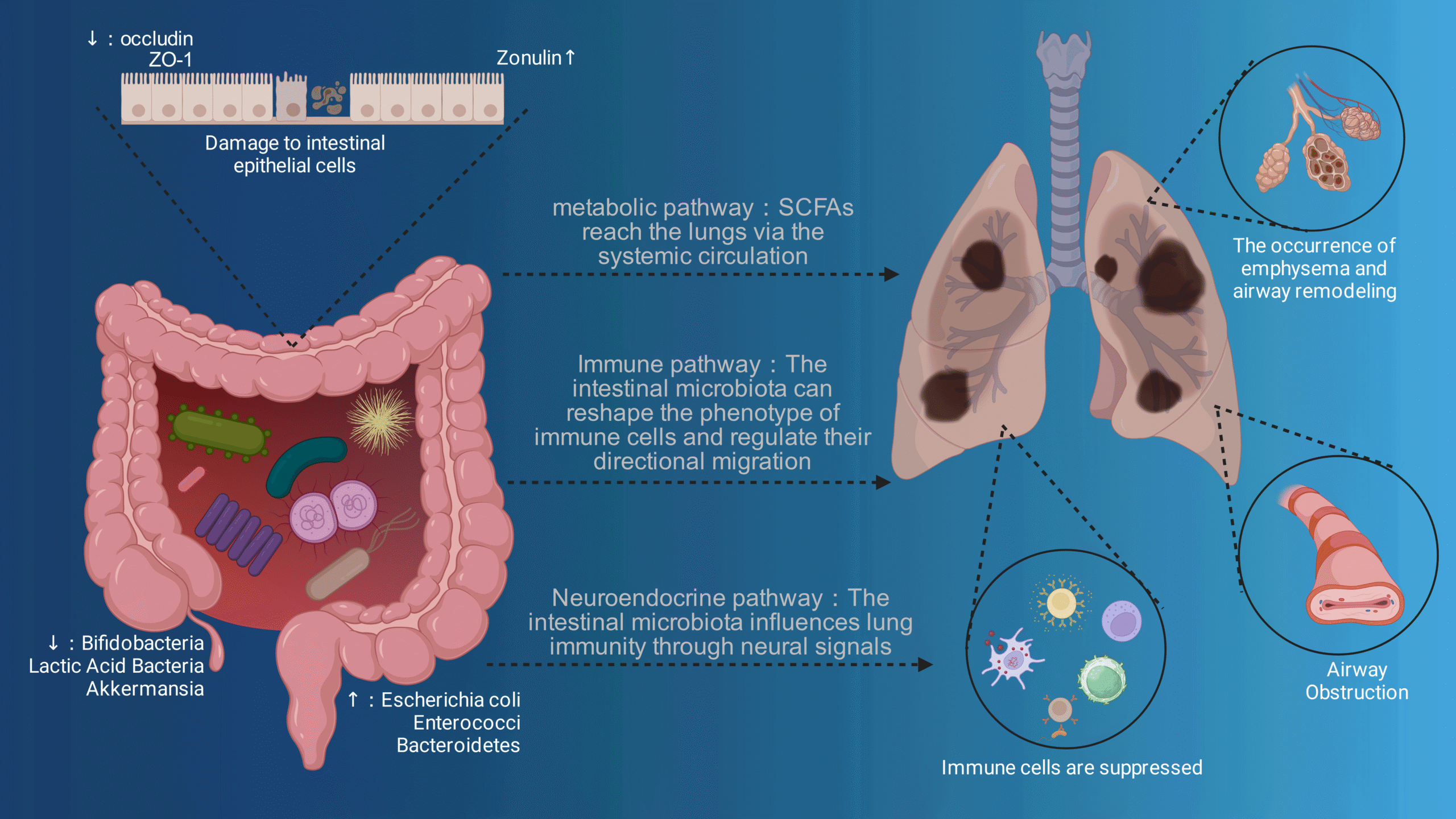
From the gut to the lungs: The role of gut microbiota in chronic obstructive pulmonary disease and related research progress
Yang et al.This article provides new ideas and directions for the basic research and clinical practice of COPD by comprehensively sorting out the association between gut microbiota and COPD.

TOR-dependent regulation of the yeast homolog of the juvenile Batten Disease-associated gene CLN3
Pillalamarri et al.This study identifies conditions and genes that induce BTN1 expression in yeast. We show that BTN1 expression is regulated by translational control and by the mTOR1 pathway. An understanding of when and why BTN1 expression will aid in understanding the expression of CLN3, which may be helpful in the treatment of this devastating disease.

Metagenomic and microbiological analyses of historical manuscripts for bacterial community profiling and bacteria-related biodeterioration assessment
Keles and CelikBy documenting both culturable and non-culturable taxa, this work provides a foundational dataset for understanding bacterial contributions to manuscript stability and offers a methodological framework for future research on biodeterioration dynamics in Islamic and global documentary heritage.

Overcoming phagocytosis resistance of hypervirulent Klebsiella pneumoniae by directly targeting capsules
Tsubaki et al.This study highlights a promising strategy for disarming hypervirulent K. pneumoniae by directly targeting its key virulence factors and provides novel insights into antibacterial therapeutic approaches against this clinically significant pathogen.
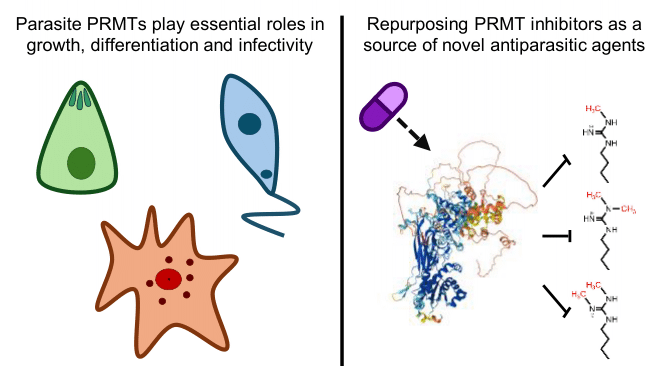
Protein arginine methyltransferases in protozoan parasites: a new path for antiparasitic chemotherapy?
Campagnaro et al.This review discusses the activity and the relevance of arginine methyltransferases for the survival of pathogenic kinetoplastids, apicomplexans and amoebas, and how these enzymes could be exploited as drug targets.

VapA/Scs2 sustains polarized growth in Aspergillus nidulans by maintaining AP-2-mediated apical endocytosis
Georgiou et al.To explore the functional significance of ER–PM contact sites in filamentous fungi, we identified and genetically characterized all Aspergillus nidulans proteins homologous to Snc2/VAP, Ist2, or tricalbins.

Genetic make-up and regulation of the L-lysine biosynthesis pathway in Vibrio natriegens
Straube et al.This study analysed the make-up and regulation of the biosynthetic pathway for L-lysine and related L-aspartate family amino acids (AFAAs) in Vibrio natriegens DSM759 to provide a comprehensive basis for future metabolic engineering endeavours aiming at developing this strain into an amino acid overproducer.
Airborne bacteria in show caves from Southern Spain
This study analyzes the factors conditioning the diversity of airborne bacteria recorded in three Andalusian show caves, subjected to different managements.
Landscapes and bacterial signatures of mucosa-associated intestinal microbiota in Chilean and Spanish patients with inflammatory bowel disease
This study investigates the landscapes and alterations of mucosa-associated intestinal microbiota in patients with inflammatory bowel diseases, which cause chronic inflammation of the gut, including ulcerative colitis and Crohn’s disease.
Genome, transcriptome and secretome analyses of the antagonistic, yeast-like fungus Aureobasidium pullulans to identify potential biocontrol genes
This study highlights the value of a sequential approach starting with genome mining and consecutive transcriptome and secretome analyses in order to identify a limited number of potential target genes for detailed, functional analyses in Aureobasidium pullulans.
Proanthocyanidin-enriched cranberry extract induces resilient bacterial community dynamics in a gnotobiotic mouse model
This study investigates the effect of a water-soluble, proanthocyanidin-rich cranberry juice extract on the short-term dynamics of a human-derived bacterial community in a gnotobiotic mouse model.
Dry biocleaning of artwork: an innovative methodology for Cultural Heritage recovery?
This work proposes an innovative methodology based on applied biotechnology for the recovery of altered stonework: the “dry biocleaning”, which envisages the use of dehydrated microbial cells without the use of free water or gel-based matrices.
Aeration mitigates endoplasmic reticulum stress in Saccharomyces cerevisiae even without mitochondrial respiration
This work demonstrates a scenario, in which aeration acts beneficially on Saccharmyces cerevisiae cells even under fermentative conditions.
A novel BR-SMAD is required for larval development in barber’s pole worm Haemonchus contortus
The herein presented results show a BMP-like receptor-regulated SMAD in Haemonchus contortus that is required for larval differentiation and underscore an adaptive functional repurposing of BMP-signaling in parasitic worms.
Nutrient sensing and cAMP signaling in yeast: G-protein coupled receptor versus transceptor activation of PKA
The herein presented work supports a model, in which nutrient transceptors are evolutionary ancestors of GPCRs, employing a more primitive direct signaling mechanism compared to the indirect cAMP second-messenger signaling mechanism used by GPCRs for activation of PKA.
Mitochondrial type II NAD(P)H dehydrogenases in fungal cell death
Pedro Gonçalves and Arnaldo VideiraDuring aerobic respiration, cells produce energy through oxidative phosphorylation, which includes a specialized group of multi-subunit complexes in the inner mitochondrial membrane known as the electron transport chain. However, this canonical pathway is branched into single polypeptide alternative routes in some fungi, plants, protists and bacteria. They confer metabolic plasticity, allowing cells to adapt to different environmental conditions and stresses…
EzrA: a spectrin-like scaffold in the bacterial cell division machinery
Robert M Cleverley, Richard J LewisMuch progress has been made in identifying the components of the divisome, the assembly of proteins that undertakes the vital process of cell division in bacteria. However, how the highly interdependent processes on either side of the membrane are coordinated during division is a major unresolved question. This comment discusses the article “Structure and function of a spectrin-like regulator of bacterial cytokinesis” by Cleverley et al. (2014), Nat Commun.
Microbial hara-kiri: Exploiting lysosomal cell death in malaria parasites
Jun-Hong Ch’ng et al.The antimalarial drug chloroquine (CQ) has been sidelined in the fight against falciparum malaria due to wide-spread CQ resistance. This comment discusses the article “Validation of a chloroquine-induced cell death mechanism for clinical use against malaria” by Ch’ng et al. (2014), Cell Death Dis.
A pseudokinase couples signaling pathways to enable asymmetric cell division in a bacterium
W. Seth Childers and Lucy ShapiroIn this article, the authors comment on the study “Cell fate regulation governed by a repurposed bacterial histidine kinase” by Childers et al., PLoS Biol. 2014 Oct 28;12(10):e1001979.
Targeting of chromatin readers: a novel strategy used by the Shigella flexneri virulence effector OspF to reprogram transcription
Habiba Harouz et al.In this microreview, the authors discuss the article “Shigella flexneri targets the HP1γ subcode through the phosphothreoninelyase OspF” by Harouz et al. (2014), EMBO J, 22 : 2606-2622.
Plasmodium spp. membrane glutathione S-transferases: detoxification units and drug targets
Andreas Martin LisewskiThis article comments on work published by Lisewski et al. (Cell, 2014), which reported the first examples of membrane-associated proteins in eicosanoid and glutathione metabolism members among Plasmodium spp.
Proline cis-trans isomerization is influenced by local lysine acetylation-deacetylation
Françoise S. Howe and Jane MellorThis article comments on work published by Howe et al. (Mol Cell, 2014), which shows that local lysine acetylation and deacetylation modulate proline cis-trans isomerization in Saccharomyces cerevisiae.
On the link between cell cycle and infection of the Alphaproteobacterium Brucella abortus
Michaël DegheltThis article comments on work published by Deghelt et al. (Nat Comm, 2014), which describe a cell cycle arrest and resume during the Brucella abortus trafficking in host cell, suggesting that like the model Alphaproteobacterium Caulobacter crescentus, these bacteria are able to block their cell cycle at the G1 phase when starvation is sensed.
Divide and conquer: processive transport enables multidrug transporters to tackle challenging drugs
Nir Fluman and Eitan BibiThis article comments on work published by Fluman et al. (Nat Comm, 2014), which describes the ability of bacterial multidrug transporters to move long molecules through the membrane in a processive manner.
Means of intracellular communication: touching, kissing, fusing
SpangThis work highlights different aspects of communication between organelles, including the importance of organellar contact sites.
Neuropathogenesis caused by Trypanosoma brucei, still an enigma to be unveiled
FigarellaThis Editorial addresses the meningo-encephalitic stage of Trypanosoma brucei infection and the resultig neuropathogenesis as well as the impact that the application of tools developed in the last years in the field of neuroscience will have on the study of neglected tropical diseases.
Lichens – growing greenhouses en miniature
GrubeThis commentary article provides an overview on different aspects of lichen biology and the remarkable symbiotic association between fungi and algae.
Regulation of the mitochondrial permeability transition pore and its effects on aging
Pellegrino-CoppolaAging is linked to mitochondrial function, with the mitochondrial permeability transition pore (mPTP) playing a key role. Yeast is a useful model for studying how mPTP affects cell survival, aging, and related diseases.
Fungal infections in humans: the silent crisis
Kainz et al.This article highlights the growing global threat of fungal infections – exacerbated by rising drug resistance and medical practices – and emphasizes the urgent need for intensified research to develop more effective antifungal strategies.
Digesting the crisis: autophagy and coronaviruses
Carmona-Gutierrez et al.This article reviews the multifaceted role of autophagy in antiviral defense and highlights how coronaviruses, including SARS-CoV-2, interact with this pathway, raising the possibility that targeting autophagy could offer novel therapeutic strategies against COVID-19.
Can’t find what you’re looking for?
You can browse all our issues and published articles here.
FAQs
Peer-reviewed, open-access research using unicellular organisms (and multicellular microorganisms) to understand cellular responses and human disease.
The journal (founded in 2014) is led by its Editors-in-Chief Frank Madeo, Didac Carmona-Gutierrez, and Guido Kroemer
Microbial Cell has been publishing original scientific literature since 2014, and from the very beginning has been managed by active scientists through an independent Publishing House (Shared science Publishers). The journal was conceived as a platform to acknowledge the importance of unicellular organisms, both as model systems as well as in the biological context of human health and disease.
Ever since, Microbial Cell has very positively developed and strongly grown into a respected journal in the unicellular research community and even beyond. This scientific impact is reflected in the yearly number of citations obtained by articles published in Microbial Cell, as recorded by the Web of Science (Clarivate, formerly Thomson/Reuters):

The scientific impact of Microbial Cell is also mirrored in a series of milestones:
2015: Microbial Cell is included in the Emerging Sources Citation Index (ESCI), a selection of developing journals drafted by Clarivate Analytics based on the candidate’s publishing standards, quality, editorial content, and citation data. Note: As an ESCI-selected journal, Microbial Cell is currently being evaluated in a rigorous and long process to determine an inclusion in the Science Citation Index Expanded (SCIE), which allows the official calculation of Clarivate Analytics’ impact factor.

2016: Microbial Cell is awarded the so-called DOAJ Seal by the selective Directory of Open Access Journals (DOAJ). The DOAJ Seal is an exclusive mark of certification for open access journals granted by DOAJ to journals that adhere to outstanding best practice and achieve an extra high and clear commitment to open access and high publishing standards.

2017: Microbial Cell is included in Pubmed Central (PMC), allowing the archiving of all the journal’s articles in PMC and PubMed.

2019: Microbial Cell is indexed in the prestigious abstract and citation database Scopus after a thorough selection process. This also means that Microbial Cell obtains, for the first time, an official Scopus CiteScore as well as an official journal ranking in the Scimago Journal and Country Ranking.

2022: Microbial Cell’s CiteScore reaches a value of 7.2 for the year 2021, positioning Microbial Cell among the top microbiology journals (previously available CiteScores: 2019: 5.4; 2020: 5.1).

2022: Microbial Cell is indexed in the highly selective Science Citation Index Expanded™, which covers approx. 9,500 of the world’s most impactful journals across 178 scientific disciplines. In their journal selection and curation process, Clarivate´s editors apply 24 ‘quality’ criteria and four ‘impact’ criteria to select the most influential journals in their respective fields. This selection is also a pre-requisite for inclusion in the JCR, which features the impact factor.

2022: Microbial Cell is listed in the Journal Citation Reports™ (JCR), and obtains its first official Journal Impact Factor™ (JIF) for the year 2021: 5.316.Check Article Types and Manuscript Preparation guidelines. Submit online via Scholastica.
The long and winding road of reverse genetics in Trypanosoma cruzi
Chiurillo and LanderThis Editorial provides a brief historic overview that highlights the strengths and weaknesses of the molecular strategies that have been developed to genetically modify Trypanosoma cruzi, emphasizing the future directions of the field.