
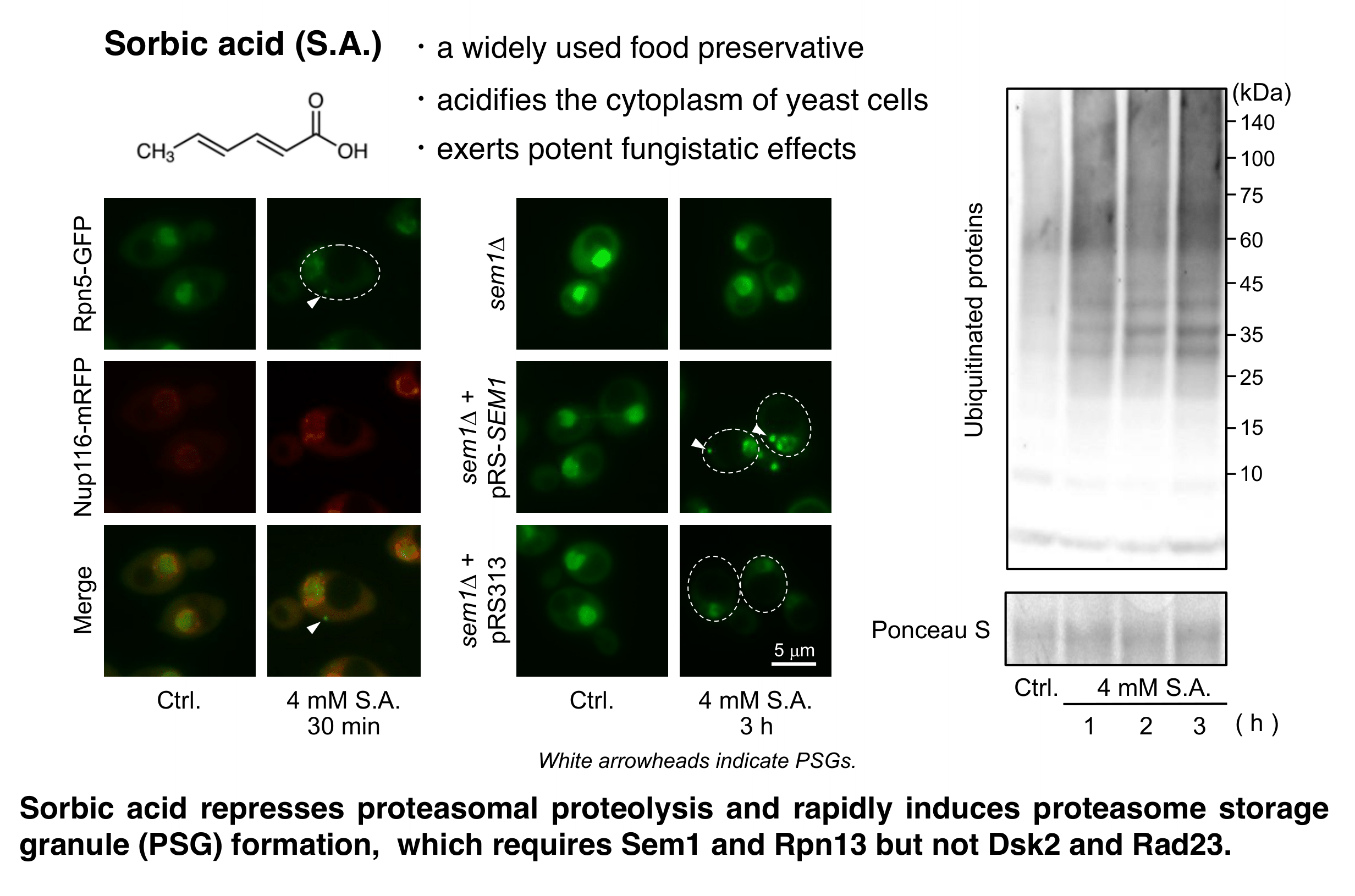
Sorbic acid triggers rapid formation of proteasome storage granules in Saccharomyces cerevisiae
This study demonstrates that sorbic acid, a common food preservative, induces the fastest reported proteasome storage granule (PSG) formation in yeast within 30 min, highlighting differences from other PSG-inducing conditions like acetic acid stress.

Saccharomyces cerevisiae in cancer research: modeling tumor biology and enabling drug discovery
By combining genetic tractability with conservation of key cellular pathways, Saccharomyces cerevisiae is emerging as a versatile model for cancer biology and a scalable platform for identifying therapeutic targets and vulnerabilities.

A time-resolved high-throughput screening of fission yeast deletion mutants for oxidative stress resistance
By capturing dynamic trajectories rather than static outcomes, this study exposes hidden layers of growth under oxidative stress and identifies new genetic determinants of cellular resilience in fission yeast.
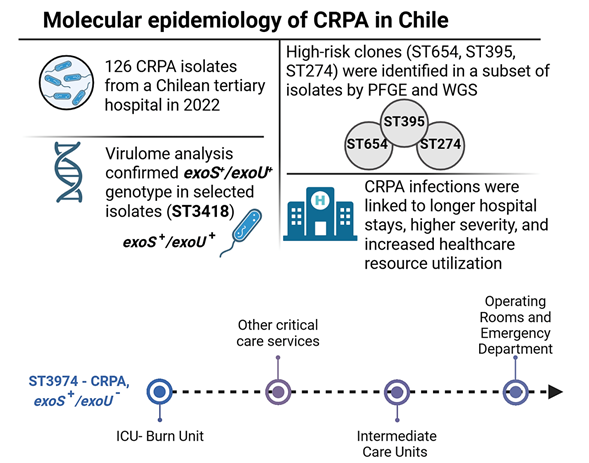
Clonal spread and environmental persistence of carbapenem-resistant high-risk Pseudomonas aeruginosa in critical-care units of a Chilean national referral center for burn and trauma patients (2022)
This study highlight the circulation of high-risk P. aeruginosa clones in Chile and underscore the importance of molecular epidemiology in guiding infection control, optimizing antimicrobial therapy, and mitigating the clinical and economic burden of CRPA.
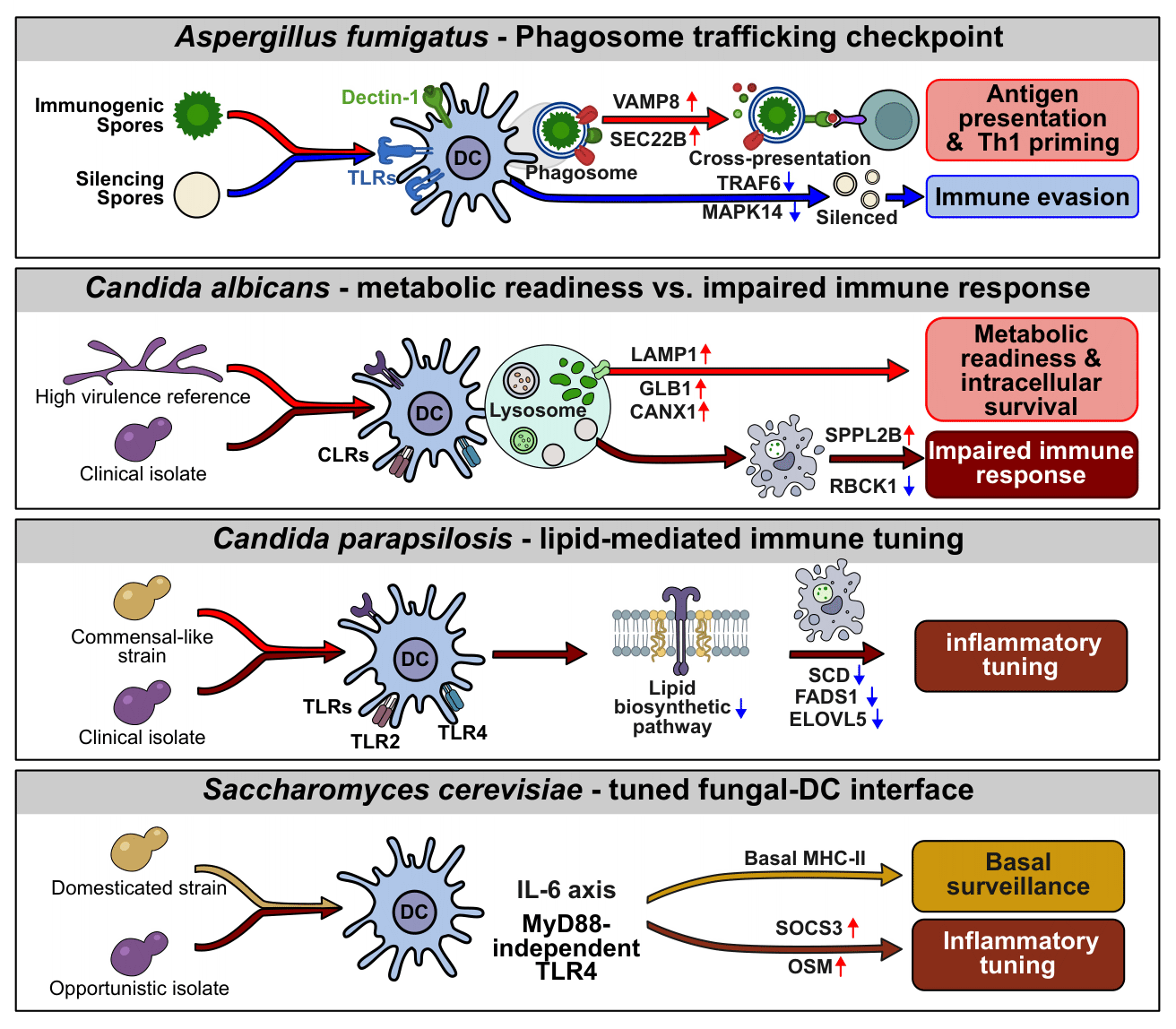
The transcriptome of dendritic cells redraws the boundaries between pathogenicity and commensalism in yeast
Our immune system meets many fungi, but reacts strongly to only a few. The comparison of key fungal species showed that responses differ mainly in timing and not just genes, highlighting the need to rethink what makes fungi harmful vs. harmless.

Sorbic acid triggers rapid formation of proteasome storage granules in Saccharomyces cerevisiae
Tanaka et al.This study demonstrates that sorbic acid, a common food preservative, induces the fastest reported proteasome storage granule (PSG) formation in yeast within 30 min, highlighting differences from other PSG-inducing conditions like acetic acid stress.
Saccharomyces cerevisiae in cancer research: modeling tumor biology and enabling drug discovery
Assalve et al.By combining genetic tractability with conservation of key cellular pathways, Saccharomyces cerevisiae is emerging as a versatile model for cancer biology and a scalable platform for identifying therapeutic targets and vulnerabilities.
A time-resolved high-throughput screening of fission yeast deletion mutants for oxidative stress resistance
Pirsalehi et al.By capturing dynamic trajectories rather than static outcomes, this study exposes hidden layers of growth under oxidative stress and identifies new genetic determinants of cellular resilience in fission yeast.
Clonal spread and environmental persistence of carbapenem-resistant high-risk Pseudomonas aeruginosa in critical-care units of a Chilean national referral center for burn and trauma patients (2022)
Ibarra et al.This study highlight the circulation of high-risk P. aeruginosa clones in Chile and underscore the importance of molecular epidemiology in guiding infection control, optimizing antimicrobial therapy, and mitigating the clinical and economic burden of CRPA.
The transcriptome of dendritic cells redraws the boundaries between pathogenicity and commensalism in yeast
Rizzetto et al.Our immune system meets many fungi, but reacts strongly to only a few. The comparison of key fungal species showed that responses differ mainly in timing and not just genes, highlighting the need to rethink what makes fungi harmful vs. harmless.
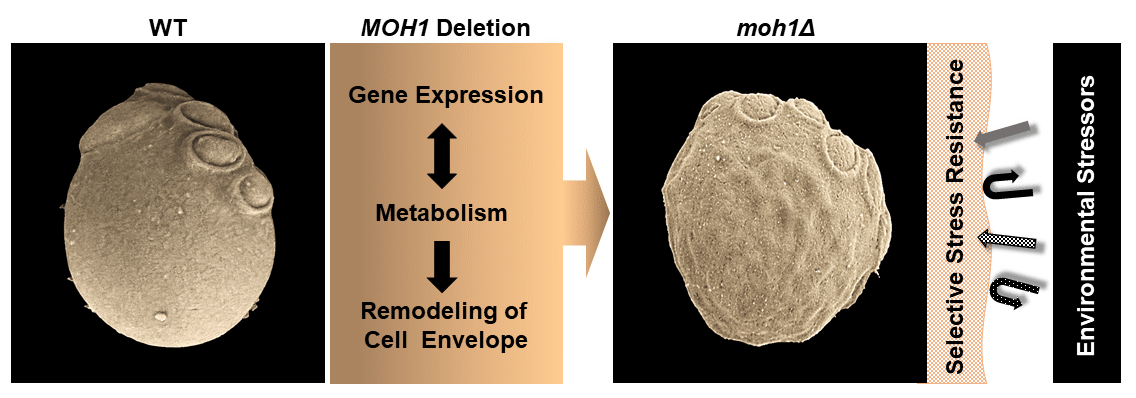
Yippee-like protein Moh1 links gene expression to metabolism and selective stress resistance in Saccharomyces cerevisiae
Olgun et al.This study demonstrates that the conserved yeast protein Moh1 links metabolism, gene expression, and cell structure, thereby altering cell envelope permeability and leading to selective stress responses.
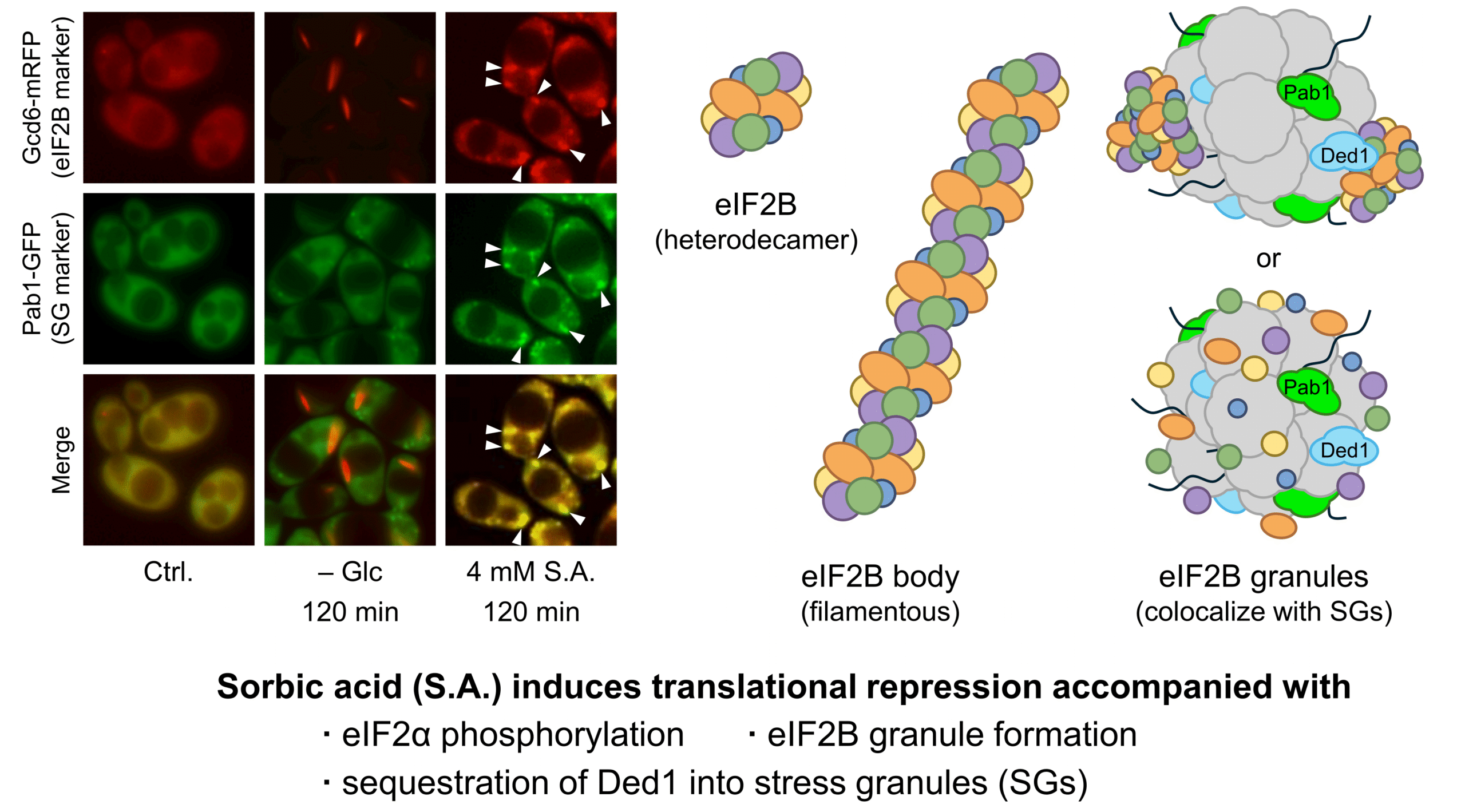
Fungistatic effect of sorbic acid on yeast cells via translational repression involving eIF2α phosphorylation and formation of Ded1- and eIF2B-granules
Yoshiyama et al.The findings of this study provide new insights into the physiological effects of sorbic acid on yeast cells, specifically regarding the regulation of translation-related factors.
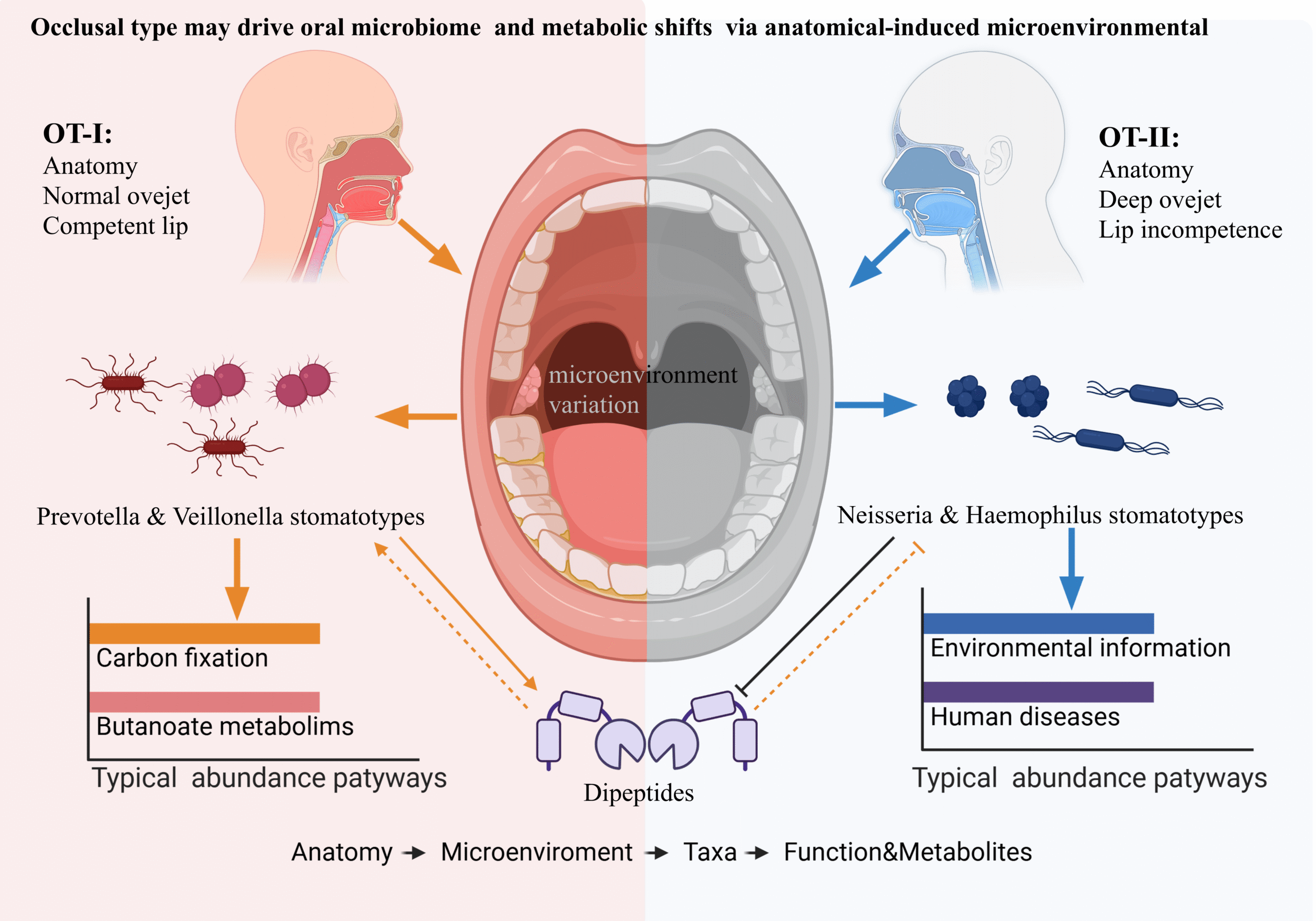
Occlusal types shape oral microbiome stomatotypes and metabolic landscapes: A multi-omics perspective on host-microbe interaction
Duan et alThis study reveals how occlusal types shape oral microbiome “stomatotypes” and metabolic profiles in adolescents. It offers fresh insights that host anatomy drives microecology which may be associated with personalized oral health.

Prohibitins: emerging host targets of bacteria and viruses at the plasma membrane, mitochondria, and cytoplasm
Rivera-Palomino and TheissProhibitins are emerging as central host hubs exploited by bacteria and viruses to rewire signaling and mitochondrial dynamics. The current review discusses Prohibitins in host-pathogen interplay and their potential as novel anti-infective targets.
Multiple genome analysis of Candida glabrata clinical isolates renders new insights into genetic diversity and drug resistance determinants
Pais et al.The emergence of drug resistance significantly hampers the treatment of human infections, including those caused by fungal pathogens such as Candida species. Candida glabrata ranks as the second most common cause of candidiasis worldwide, supported by rapid acquisition of resistance to azole and echinocandin antifungals frequently prompted by single nucleotide polymorphisms (SNPs) in resistance associated genes, such as PDR1 (azole resistance) or FKS1/2 (echinocandin resistance). To determine the frequency of polymorphisms and genome rearrangements as the possible genetic basis of C. glabrata drug resistance, we assessed genomic variation across 94 globally distributed isolates with distinct resistance phenotypes, whose sequence is deposited in GenBank. The(…)
Up-regulation of Osh6 boosts an anti-aging membrane trafficking pathway toward vacuoles
Kadhim et al.Members of the family of oxysterol-binding proteins mediate non-vesicular lipid transport between membranes and contribute to longevity in different manners. We previously found that a 2-fold up-regulation of Osh6, one of seven yeast oxysterol-binding proteins, remedies vacuolar morphology defects in mid-aged cells, partly down-regulates the target of rapamycin complex 1 (TORC1), and increases the replicative lifespan. At the molecular level, Osh6 transports phosphatidylserine (PS) and phosphatidylinositol-4-phosphate (PI4P) between the endoplasmic reticulum (ER) and the plasma membrane (PM). To decipher how an ER-PM working protein controls vacuolar morphology, we tested genetic interactions between OSH6 and DRS2, whose protein flips PS from the lumen to the cytosolic side of the Golgi, the organelle between ER and vacuoles in many pathways. Up-regulated (…)
Investigating the role of G-quadruplexes at Saccharomyces cerevisiae telomeres
Stinus et al.In this study, the authors examine the in vivo relevance of telomeric G-quadruplexes in the budding yeast Saccharomyces cerevisiae by expressing a mutant telomerase RNA subunit (tlc1-tm) that introduces mutant telomeric repeats instead to the distal ends of telomeres. (…)
Air- and dustborne fungi in repositories of the National Archive of the Republic of Cuba
Borrego et al.This study has as objectives to determine the concentration and diversity of the air- and dustborne mycobiota in seven National Archive of the Republic of Cuba repositories, and to assess the potential risk of biodeterioration that iso-lated taxa may have. In the indoor and outdoor environmental microbiological samplings a SAS biocollector was used and the indoor/outdoor (I/O) ratio was determined for each repository. The settled dust was collected during six months. Sørensen’s coefficient of similarity (QS) was calculated to compare the isolated taxa among the three studied niches (indoor air, dust, outdoor air). The biodegradation potential of the isolated taxa was determined by semi-quantitative tests. The concentrations in the air of repositories with natural cross-ventilation ranged from 225.2-750.3 CFU m-3, while in the Map library with air-conditioning (…)
Cleavage-defective Topoisomerase I mutants sharply increase G-quadruplex-associated genomic instability
Berroyer et al.Topoisomerase 1 (Top1) removes transcription-associated helical stress to suppress G4-formation and its induced recombination at genomic loci containing guanine-run containing sequences. Interestingly, Top1 binds tightly to G4 structures, and its inhibition or depletion can cause elevated instability at these genomic loci. Top1 is targeted by the widely used anti-cancer chemotherapeutic camptothecin (CPT) and its derivatives, which stabilize Top1 covalently attached on a DNA nick and prevent the re-ligation step. Here we investigated how CPT-resistance conferring Top1 mutants, which emerge in cancer patients and cells treated with CPT, affect G4-induced genomic instability in S. cerevisiae. We found that Top1 mutants form stable complexes with G4 DNA and that expression of Top1 cleavage-defective mutants but not a DNA-binding-defective (…)
Chromosome-condensed G1 phase yeast cells are tolerant to desiccation stress
Zhang and ZhangThe budding yeast Saccharomyces cerevisiae is capable of surviving extreme water loss for a long time. However, less is known about the mechanism of its desiccation tolerance. In this study, we revealed that in an exponential culture, all desiccation tolerant yeast cells were in G1 phase and had condensed chromosomes. (…)
Detection of severe acute respiratory syndrome coronavirus 2 (SARS-CoV-2) and its first variants in fourplex real-time quantitative reverse transcription-PCR assays
Durand et al.The early diagnosis of severe acute respiratory syndrome coronavirus 2 (SARS-CoV-2) infections is required to identify and isolate contagious patients to prevent further transmission of SARS-CoV-2. In this study, we present a multitarget real-time TaqMan reverse transcription PCR (rRT-PCR) assay for the quantitative detection of SARS-CoV-2 and some of its circulating variants harboring mutations that give the virus a selective advantage. Seven different primer-probe sets that included probes containing locked nucleic acid (LNA) nucleotides were designed to amplify specific wild-type and mutant sequences in Orf1ab, Envelope (E), Spike (S), and Nucleocapsid (N) genes (…)
Forced association of SARS-CoV-2 proteins with the yeast proteome perturb vesicle trafficking
Klemm et al.This work demonstrates that the yeast Synthetic Physical Interactions method is a rapid way to identify potential functions of ectopic viral proteins.
Airborne bacteria in show caves from Southern Spain
Dominguez-Moñino et al.This study analyzes the factors conditioning the diversity of airborne bacteria recorded in three Andalusian show caves, subjected to different managements.
DNA polymerase III protein, HolC, helps resolve replication/transcription conflicts
LovettThis article comments on work published by Cooper et al. (mBio, 2021), which isolated and identified spontaneous suppressor mutants in a strain devoid of the holC gene, which encodes an accessory protein to the core clamp loader complex and is the only protein of the DNA polymerase III holoenzyme that binds to single-strand DNA binding protein.
Too much of a good thing: Overproduction of virulence factors impairs cryptococcal pathogenicity
Reuwsaat et al.This article comments on work published by Reuwsaat et al. (mBio, 2021), which identified the transcription factor Pdr802 as essential for Cryptococcus neoformans adaptation to and survival under host conditions both in vitro and in vivo.
Mechanisms underlying lactic acid tolerance and its influence on lactic acid production in Saccharomyces cerevisiae
Peetermans et al.This article reviews the manner in which Saccharomyces cerevisiae deals with the accumulation of lactic acid as a singular stress factor as well as in combination with other stresses. In addition, different methods to improve lactic acid tolerance in S. cerevisiae using targeted and non-targeted engineering methods are discussed.
When the pandemic opts for the lockdown: Secretion system evolution in the cholera bacterium
Santoriello and PukatzkiThis article comments on work published by Santoriello et al. (Nat Comm, 2020), which demonstrates that the T6SS island Auxiliary Cluster 3 (Aux3) is unique to pandemic strains of V. cholerae.
Biofilms by bacterial human pathogens: Clinical relevance – development, composition and regulation – therapeutical strategies
Schulze et al.This review focuses on bacterial biofilms formed by human pathogens, highlights their relevance for diverse diseases and discusses therapeutical intervention strategies targeting biofilms.
Maintaining phagosome integrity during fungal infection: do or die?
Yang et al.This article refers to the paper “Lysosome Fusion Maintains Phagosome Integrity during Fungal Infection” by Westman et al. (Cell Host Microbe, 2020), which shows that macrophages respond to pathogen growth by expanding the phagosome membrane through a calcium-dependent mechanism involving lysosome insertion, maintaining membrane integrity and preventing rupture.
Milestones in Bacillus subtilis sporulation research
Riley et al.In this review, the foundational discoveries that shaped the sporulation field are discussed, from its origins to the present day, tracing a chronology that spans more than one hundred eighty years.
A novel antibacterial strategy: histone and antimicrobial peptide synergy
Duong et al.This article refers to the study “Mammalian histones facilitate antimicrobial synergy by disrupting the bacterial proton gradient and chromosome organization” by Doolin et al. (Nat Comm, 2020) that shows that histones enhance the antimicrobial activity of peptides, disrupt bacterial membranes, and inhibit transcription, offering new insights into natural antimicrobial mechanisms.
Starting with a degron: N-terminal formyl-methionine of nascent bacterial proteins contributes to their proteolytic control
R. Jürgen DohmenIn this article, the author comments on the study “Formyl-methionine as a degradation signal at the N-termini of bacterial proteins.” by Piatkov et al. (Microbial Cell, 2015), discussing a novel N-terminal degradation signal (N-degron) that targets nascent proteins for degradation in Escherichia coli by a new branch of the bacterial N-end rule pathway, termed the fMet/N-end rule pathway
Elongation factor-P at the crossroads of the host-endosymbiont interface
Andrei Rajkovic et al.Elongation factor P (EF-P) is an ancient bacterial translational factor that aids the ribosome in polymerizing oligo-prolines. EF-P structurally resembles tRNA and binds in-between the exit and peptidyl sites of the ribosome to accelerate the intrinsically slow reaction of peptidyl-prolyl bond formation. Recent studies have identified in separate organisms, two evolutionarily convergent EF-P post-translational modification systems (EPMS), split predominantly between gammaproteobacteria, and betaproteobacteria. Here, the authors highlight the recent discoveries made regarding EPMSs, with a focus on how these incomplete modification pathways shape or have been shaped by the endosymbiont-host relationship.
Feelin’ it: Differential oxidative stress sensing mediated by Cyclin C
W. Scott Moye-RowleyMicrobial cells that live exposed directly to their environmental milieu are faced with the challenge of adapting to the dynamic stress conditions that will inevitably be encountered. These stress conditions may vary over wide ranges and the most efficient responses would be tuned to produce a proportional buffering change. A mild stress would most efficiently be dealt with by a mild metabolic reprogramming that would prevent serious damage. A more severe environmental challenge would demand a more dramatic cellular compensatory response.
Subverting lysosomal function in Trypanosoma brucei
Sam AlsfordThis article discusses Koh et al. (2015) “The lysosomotropic drug LeuLeu-OMe induces lysosome disruption and autophagy-independent cell death in Trypanosoma brucei (Microbial Cell 2(8): 288-298).
Entamoeba histolytica – tumor necrosis factor: a fatal attraction
Serge AnkriThis article comments on the study “In Entamoeba histolytica, a BspA family protein is required for chemotaxis toward tumour necrosis factor” by Silvestre et al. (Microbial Cell, 2015).
Toxoplasma control of host apoptosis: the art of not biting too hard the hand that feeds you
Sébastien BesteiroToxoplasma gondii is an obligate intracellular parasite that is able to infect a multitude of different vertebrate hosts and can survive in virtually any nucleated cell. Here, the authors discuss the article “Toxoplasma gondii inhibits cytochrome c-induced caspase activation in its host cell by interference with holo-apoptosome assembly” by Graumann et al. (2015, Microbial Cell).
A safety catch for ornithine decarboxylase degradation
Christof TaxisFeedback inhibition is a common mechanism to adjust the activity of an enzyme in accordance with the abundance of a product. This article comments on the study “Polyamines directly promote antizyme-mediated degradation of ornithine decarboxylase by the proteasome” by Beenukumar et al. (2015), Microbial Cell.
Fancy a gene? A surprisingly complex evolutionary history of peroxiredoxins.
Alena Zíková et al.In this comment, the authors discuss the article “Prokaryotic ancestry and gene fusion of a dual localized peroxiredoxin in malaria parasites” (Djuika et al., Microbial Cell 2015).
Quorum protection, growth and survival
Ian G . MacreadieFor the growth of a cell culture, one inoculates not with one cell but with a quorum of cells. This most often a requirement, not just a convenience, and most of us take this for granted without question. Here this observation is re-examined to understand why a quorum may be required to grow cells. The importance of quorums may be widespread in the aspects of microbiology they affect. It is very likely that quorums are connected with and have a large impact on the determination of Minimal Inhibitory Concentrations. It is also possible that low cell density may adversely affect cell survival, however, this is an area where even less is known. The need for a quorum might affect other aspects of microbial cell culture, cell isolation and cell preservation. Effects also extend to mammalian cell culture. Here I seek to review studies that have been documented and speculate on how the information might be utilized in the future.
Can’t find what you’re looking for?
You can browse all our issues and published articles here.
FAQs
Peer-reviewed, open-access research using unicellular organisms (and multicellular microorganisms) to understand cellular responses and human disease.
The journal (founded in 2014) is led by its Editors-in-Chief Frank Madeo, Didac Carmona-Gutierrez, and Guido Kroemer
Microbial Cell has been publishing original scientific literature since 2014, and from the very beginning has been managed by active scientists through an independent Publishing House (Shared science Publishers). The journal was conceived as a platform to acknowledge the importance of unicellular organisms, both as model systems as well as in the biological context of human health and disease.
Ever since, Microbial Cell has very positively developed and strongly grown into a respected journal in the unicellular research community and even beyond. This scientific impact is reflected in the yearly number of citations obtained by articles published in Microbial Cell, as recorded by the Web of Science (Clarivate, formerly Thomson/Reuters):

The scientific impact of Microbial Cell is also mirrored in a series of milestones:
2015: Microbial Cell is included in the Emerging Sources Citation Index (ESCI), a selection of developing journals drafted by Clarivate Analytics based on the candidate’s publishing standards, quality, editorial content, and citation data. Note: As an ESCI-selected journal, Microbial Cell is currently being evaluated in a rigorous and long process to determine an inclusion in the Science Citation Index Expanded (SCIE), which allows the official calculation of Clarivate Analytics’ impact factor.

2016: Microbial Cell is awarded the so-called DOAJ Seal by the selective Directory of Open Access Journals (DOAJ). The DOAJ Seal is an exclusive mark of certification for open access journals granted by DOAJ to journals that adhere to outstanding best practice and achieve an extra high and clear commitment to open access and high publishing standards.

2017: Microbial Cell is included in Pubmed Central (PMC), allowing the archiving of all the journal’s articles in PMC and PubMed.

2019: Microbial Cell is indexed in the prestigious abstract and citation database Scopus after a thorough selection process. This also means that Microbial Cell obtains, for the first time, an official Scopus CiteScore as well as an official journal ranking in the Scimago Journal and Country Ranking.

2022: Microbial Cell’s CiteScore reaches a value of 7.2 for the year 2021, positioning Microbial Cell among the top microbiology journals (previously available CiteScores: 2019: 5.4; 2020: 5.1).

2022: Microbial Cell is indexed in the highly selective Science Citation Index Expanded™, which covers approx. 9,500 of the world’s most impactful journals across 178 scientific disciplines. In their journal selection and curation process, Clarivate´s editors apply 24 ‘quality’ criteria and four ‘impact’ criteria to select the most influential journals in their respective fields. This selection is also a pre-requisite for inclusion in the JCR, which features the impact factor.

2022: Microbial Cell is listed in the Journal Citation Reports™ (JCR), and obtains its first official Journal Impact Factor™ (JIF) for the year 2021: 5.316.Check Article Types and Manuscript Preparation guidelines. Submit online via Scholastica.